Mercedes-Benz E-Class Estate Review

Written By Richard Aucock
- 2024
- Estate
- Petrol mild hybrid, diesel mild hybrid, plug-in hybrid petrol, plug-in hybrid diesel
What we love
Huge boot in regular models
Excellent comfort and refinement
Strong choice of engines including long-range plug-in hybrids
Things to consider
Plug-in hybrids lose a lot of boot space
BMW 5 Series Touring is still the sharper drive
Some touch controls are fiddly to use
The DRIVE take on the Mercedes Benz E Class, is it the right car for you?
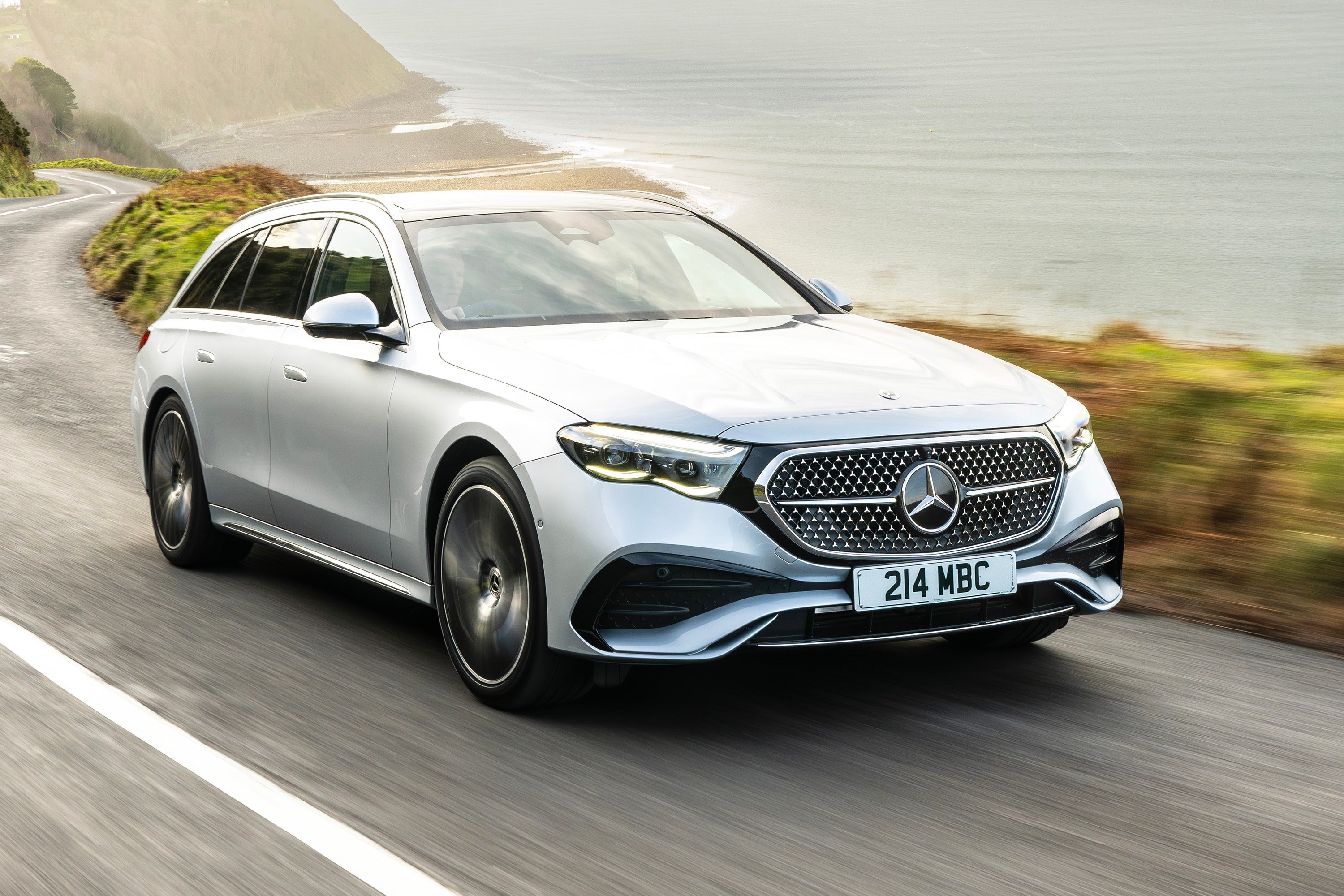
The Mercedes-Benz E-Class Estate does exactly what you want a premium estate to do. It is roomy, comfortable, reassuring and very easy to cover distance in, while still feeling properly upmarket inside. The plug-in hybrids are especially appealing if you can charge regularly, because their electric range is long enough to make a real difference in day-to-day use. It is not as engaging to drive as a BMW 5 Series Touring, and the plug-in hybrids sacrifice more boot space than you might expect, but as a grown-up long-distance load-lugger the E-Class Estate remains hugely convincing.
The Mercedes Benz E Class in more detail
The E-Class Estate has always occupied a slightly unusual place in the market. It is a practical family workhorse, but one with a premium badge and a distinctly upper-middle-class image. That combination has served Mercedes very well for decades, and the latest version sticks closely to the same formula.
This new car is more sophisticated than ever. The range includes mild-hybrid petrol and diesel engines, plus plug-in hybrids in both petrol and diesel form. Mercedes remains unusual in offering both, and that gives the E-Class Estate a broader spread of appeal than many rivals. Buyers who want traditional diesel long-distance economy are still well served, while company-car users and home chargers have a pair of genuinely useful plug-in hybrids to consider.
Browse used Mercedes E-Class models for sale →
Visually, the latest E-Class Estate is not a dramatic departure from what came before. That is probably wise. Buyers in this class tend to want continuity rather than shock value, and the Mercedes still looks every inch the smart, upmarket estate. The shape is sleek for something so practical, and the long roof gives it the strong, assured profile people expect from an E-Class Estate.
Inside is where the bigger leap comes. The dashboard is dominated by Mercedes’ latest MBUX system, and the overall effect is much more digital and more contemporary than the old car. It makes a strong first impression and helps the E-Class Estate feel fresh against long-established rivals.
The biggest strength, though, is the way it all comes together. The regular petrol and diesel cars offer a huge, square boot and lots of rear-seat space, while the whole driving experience is built around ease and refinement. It feels like a car designed to make life simpler. That matters more than ever now that so many buyers are being pulled towards SUVs. The E-Class Estate proves there is still a better answer for some people.
What's the best Mercedes Benz E Class trim and engine option?
The best version depends on how you plan to use it, but the E 300 e AMG Line Premium is the one that will make the most sense for a lot of buyers. Its electric range is long enough to let many owners cover daily driving without using the engine much at all, and it suits the E-Class Estate’s quiet, comfort-led character very well.
There is still a strong case for the E 220 d if you do big motorway mileage and want maximum simplicity. It is the sort of diesel that reminds you why this type of engine still has a place in a large executive estate. It is relaxed, torquey and genuinely economical.
In trim terms, AMG Line Premium feels like the sweet spot. The basic car already has a healthy amount of standard equipment, but Premium adds the kind of features buyers in this class will expect, such as the panoramic roof, upgraded audio and extra convenience kit. Premium Plus and the Exclusive trims are impressive, but they also push the price up quickly.
So the short version is this: E 300 e if you can make the plug-in hybrid work for your life, E 220 d if you want the easier long-distance choice, and AMG Line Premium for the best balance of luxury and value.
What’s the price of the Mercedes Benz E Class?
The Mercedes-Benz E-Class Estate starts at £59,720 for the E 200 Urban Edition and rises to £72,400 for the E 220 d AMG Line Premium Plus in the regular range. That places it squarely in premium territory, where buyers will also be looking closely at the BMW 5 Series Touring and Audi A6 Avant. There are also plenty of used Mercedes E-Class models for sale for considerably less.
At the lower end of the range, the E-Class Estate already feels expensive, but it does not feel under-equipped. Mercedes has not tried to create an artificially cheap entry model. Instead, the whole range starts from a premium position and builds upwards from there.
The place where you need to be careful is further up the ladder. Plug-in hybrids, richer trim levels and option packs can quickly push the E-Class Estate into very serious-money territory. That is why it pays to be disciplined. The car’s core qualities are there in the middle of the range without having to chase the most lavish version available.
Alternatives to the Mercedes Benz E Class
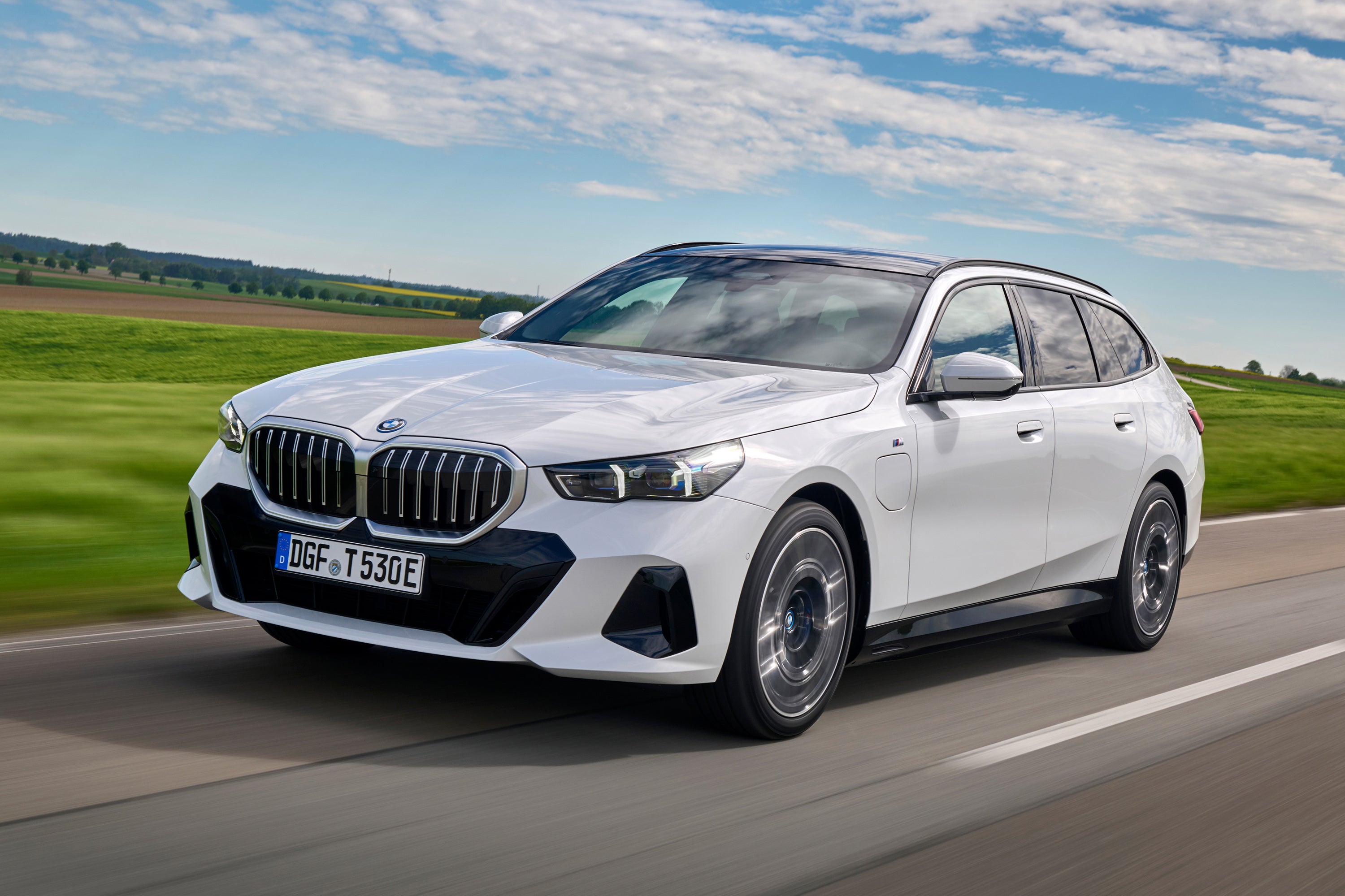
The clearest rival is the BMW 5 Series Touring. It is still the more engaging car to drive, and if driver involvement matters most it remains the benchmark in this class. The Mercedes counters with a richer sense of comfort and a slightly more traditional luxury feel.
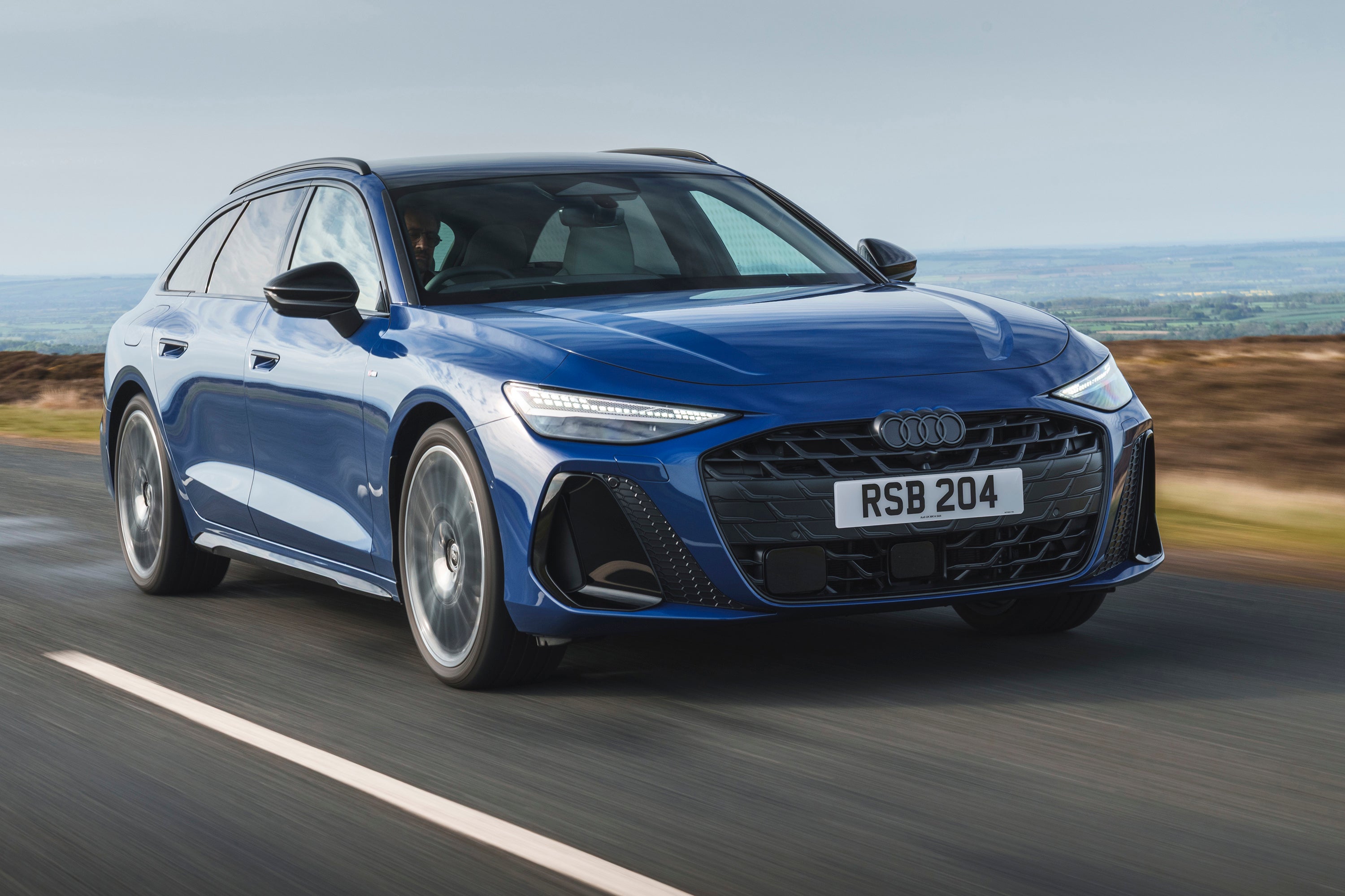
The Audi A6 Avant remains a strong alternative too, even if it now feels older in some areas. It still has one of the most solid-feeling cabins in the class and a very polished overall character, but the Mercedes now feels fresher and more advanced in its infotainment and plug-in hybrid offering.
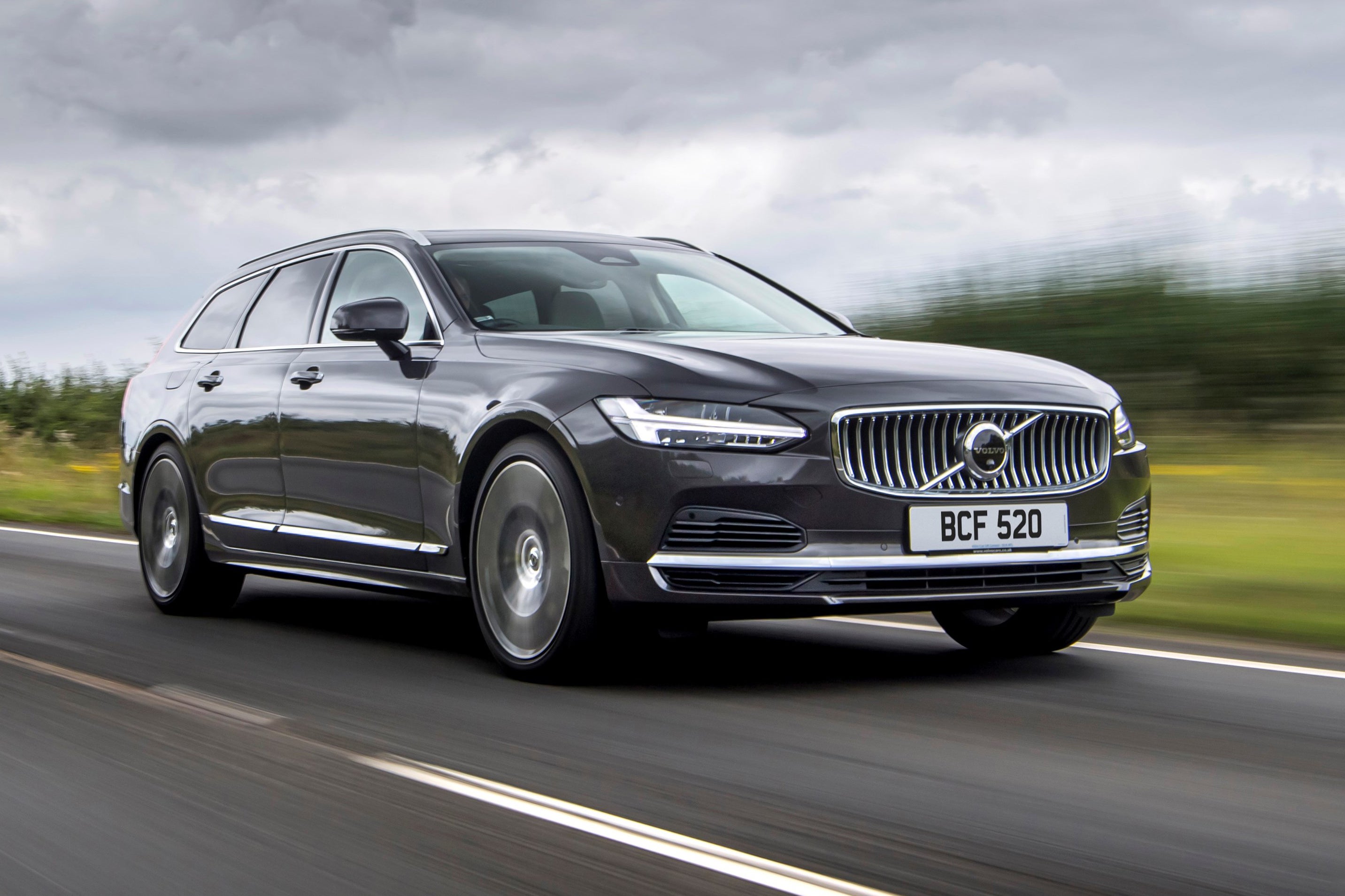
The Volvo V90 is another elegant option, particularly if you like understated Scandinavian design, though its appeal is increasingly tied to plug-in hybrid buyers rather than those wanting a broader engine range.
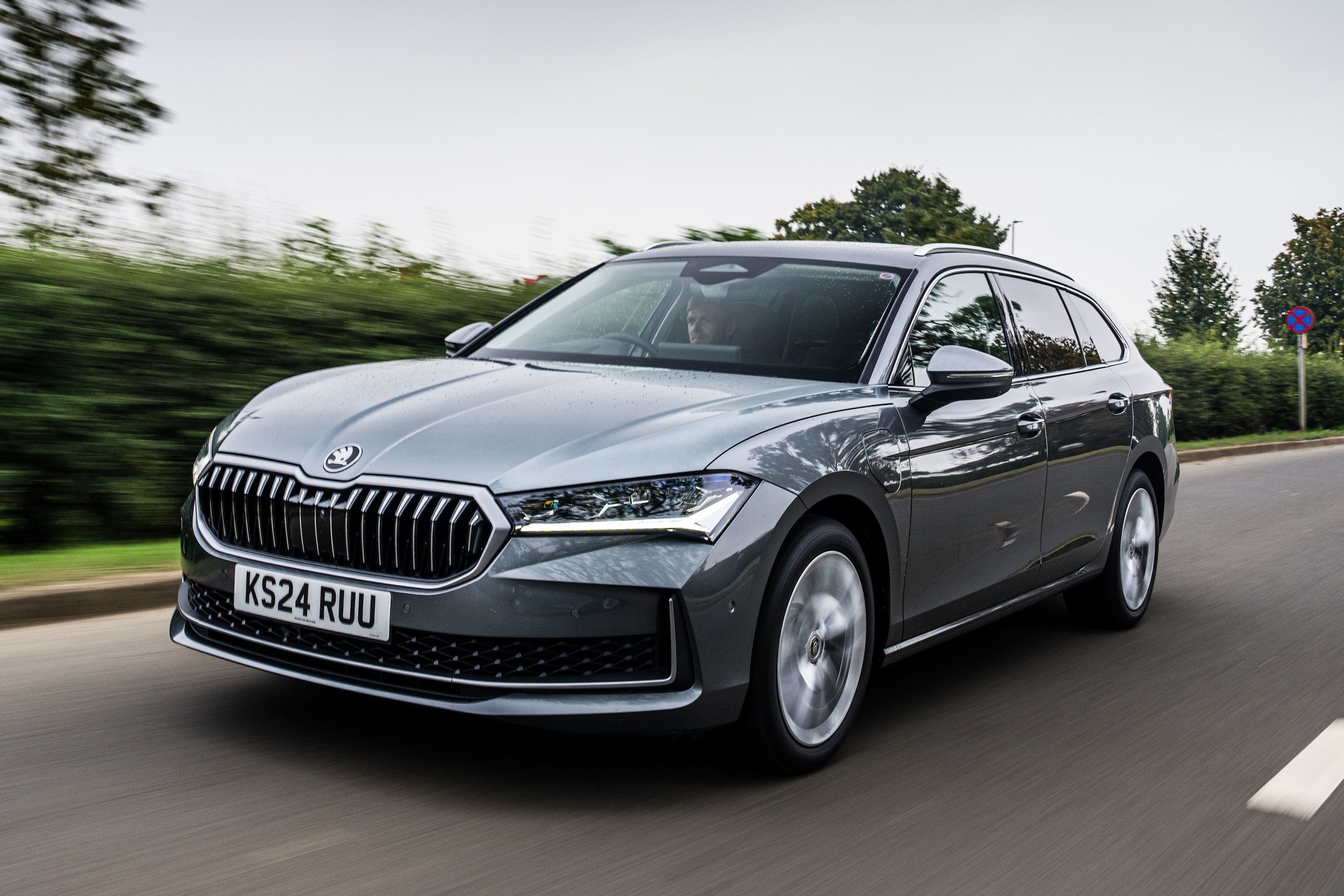
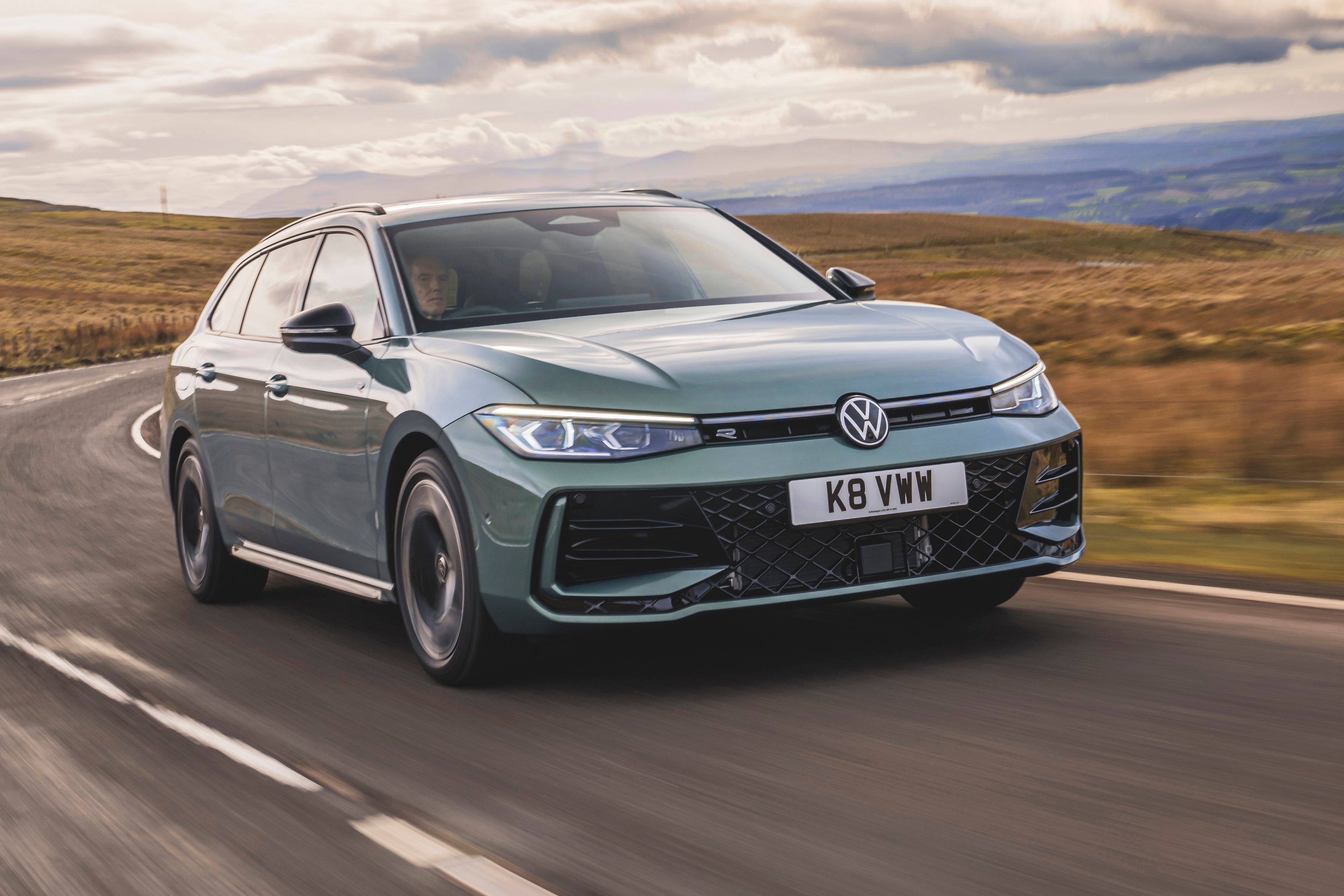
Below the premium-badge alternatives, the Volkswagen Passat Estate and Skoda Superb Estate are well worth considering if value and outright practicality matter more than image. Both offer a lot of the same usability for less money, even if they do not have the same showroom appeal.
What's the interior like in the Mercedes Benz E Class?
The Mercedes-Benz E-Class Estate has a cabin that feels modern, spacious and very rich in technology. It is one of the strongest parts of the car.
Mercedes Benz E Class boot space and practicality
This is where the E-Class Estate really earns its keep. In regular petrol and diesel form it has a huge 615-litre boot, and the shape is as useful as the number suggests. It is wide, square and easy to load, with a standard electric tailgate and plenty of thoughtful touches that make everyday use simpler.
Fold the rear seats and capacity rises to 1,830 litres, which gives the E-Class Estate the sort of carrying ability that makes many SUVs look a bit silly. The rear seats split 40:20:40 and fold electrically using controls in the luggage area, which is the sort of detail regular users will appreciate.
There is also a dividing net, a neat retractable luggage cover and a very usefully shaped load bay. The rear pillars are raked in a way that still makes it easy to lean in and retrieve things, and the whole back end feels designed by people who understand why customers still buy estates.
The catch, as with the saloon, is the plug-in hybrids. Their large battery cuts boot space to 460 litres and changes the shape of the floor. That is still usable, and better than the saloon plug-in hybrids, but it is a clear compromise if outright carrying capacity matters to you.
Passenger space is strong too. There is loads of room in the back, especially for headroom thanks to the estate roofline, and the E-Class Estate feels like a genuinely comfortable five-seater in a way some sleeker rivals do not.
Mercedes Benz E Class dimensions
The Mercedes-Benz E-Class Estate measures 4,949mm long, 1,904mm wide and 1,469mm high. That makes it a substantial estate, and you feel that both in the cabin and on the road.
The upside is obvious. It has real presence, lots of interior room and the sort of long-wheelbase stability buyers in this class expect. The downside is that it is not the easiest thing to thread through the tightest urban spaces. For most buyers, that is a perfectly acceptable trade-off.
Tech and infotainment in the Mercedes Benz E Class
The E-Class Estate uses Mercedes’ latest MBUX setup, and it is one of the more impressive infotainment systems around. Every car gets a 12.3-inch driver display and a 14.4-inch central touchscreen, while the Superscreen setup extends that digital look further with a passenger display on selected trims.
The interface is slick, the graphics are excellent and the processing speed is quick enough that it rarely feels frustrating. There is a lot to it, but the system is easier to get used to than some of the more complex alternatives in this class.
Voice control is another strength. Mercedes continues to do this better than most, and the system can handle natural, indirect commands in a genuinely useful way.
The weak point is the touch-sensitive steering-wheel controls. They are simply more fiddly than proper buttons and remain one of the few annoyances in an otherwise strong digital setup. Still, the overall impression is of a cabin that feels properly modern and suitably high-end.
Materials available on the Mercedes Benz E Class
The E-Class Estate feels like a return to Mercedes’ best form inside. The dashboard design is dramatic, the trims are attractive and the overall quality is strong. Even the entry-level cars get a lot of visual richness, with dashboard covering, wood-effect trim and nicely integrated ambient lighting.
Higher trims let you lean further into either sporty AMG-style detailing or more traditional luxury finishes. There is plenty of choice in upholstery and trim materials, and the more expensive versions do a very good job of feeling special.
Not every small control feels as robust as the best old Mercedes interiors once did, though. A few touch-sensitive controls and switches feel less satisfying than they look. That is a small criticism overall, but it is one worth making in a car at this price.
What's the Mercedes Benz E Class like to drive?
The E-Class Estate is built around comfort and reassurance rather than driving excitement, and on those terms it is very successful.
Mercedes Benz E Class range and performance
The core line-up covers the E 200, E 220 d, E 300 e, E 300 de and the E 450 d 4MATIC, with the AMG E 53 better treated as a separate review.
The E 200 uses a 2.0-litre turbo petrol mild hybrid with 204PS, while the E 220 d uses a 2.0-litre turbo diesel mild hybrid with 197PS. Both are paired with Mercedes’ nine-speed automatic gearbox and offer enough performance for everyday driving, with the diesel feeling the more relaxed and effortless of the two.
The E 300 e and E 300 de plug-in hybrids both produce around 313PS and officially reach 0-62mph in 6.4 seconds. More importantly, both can cover around 70 miles on electric power alone in the right conditions, which is what really gives them their appeal.
The E 450 d 4MATIC sits above those as the six-cylinder diesel option, bringing considerably more pace and refinement for buyers who want a more traditional big-engined executive estate.
Performance data
| Model | Engine/battery size | Power | 0-62mph | Range/MPG |
|---|---|---|---|---|
E 200 | 2.0-litre | 204PS | 7.9 seconds | Up to 43.5mpg |
E 220 d | 2.0-litre | 197PS | 7.8 seconds | Up to 60.2mpg |
E 300 e | 2.0-litre | 313PS | 6.4 seconds | Up to 70 miles electric range |
E 300 de | 2.0-litre | 313PS | 6.4 seconds | Up to 70 miles electric range |
E 450 d 4MATIC | 3.0-litre | 367PS | 4.8 seconds | Up to 44.8mpg |
Mercedes Benz E Class driving and refinement
The E-Class Estate does not try to be sporty in the BMW sense. It is focused on being secure, comfortable and easy-going, and that suits the car perfectly.
The ride is generally very good. It feels solid and robust, and it settles nicely at motorway speeds, which is exactly where a car like this will spend a lot of its life. In town, cars on larger wheels can feel a little fidgetier than you might expect, but it never turns harsh.
The standard adaptive suspension is already good, but the optional air suspension is the one to have if comfort is your absolute priority. That is where the E-Class Estate starts to feel especially polished and genuinely luxurious.
The steering is light and not especially talkative, while the body can lurch a bit if you really start hustling it along. That is the clearest reminder that this is not meant to be a driver’s estate. It is a refined long-distance load-lugger, and it is best enjoyed that way.
Refinement is excellent overall. The plug-in hybrids are especially hushed when running on electric power, and even the regular engines remain subdued unless pushed hard. There is a little more rear-end road-noise echo than in the saloon, but not enough to meaningfully blunt the car’s long-distance appeal.
How safe is the Mercedes Benz E Class?
The Mercedes-Benz E-Class Estate scored five stars in Euro NCAP testing in 2024, with particularly strong results for adult and child occupant protection. Euro NCAP also recognised the car’s wider driver-assistance performance, and Mercedes’ Car-to-X communication system received Advanced accreditation.
Standard safety kit is generous. All cars get a wide spread of airbags, a reversing camera, blind-spot warning, pedestrian protection and the usual suite of modern active-safety systems. Higher trims and option packs add further assistance and parking features.
The lighting-based exit warning is a particularly neat touch, flashing red in the door area if a cyclist or car is approaching from behind. It is exactly the sort of smart, unobtrusive safety detail a premium family estate should have.
Running costs: What it's like to live with a Mercedes Benz E Class
The E-Class Estate is expensive, but there are versions of the range that make a stronger financial case than you might expect, especially if you choose a plug-in hybrid and use it properly.
Mercedes Benz E Class fuel economy
The mild-hybrid engines are straightforward enough. The E 220 d is the obvious economy choice in the regular range, at up to 60.2mpg, while the E 200 petrol manages a respectable 43.5mpg.
The more interesting story is with the plug-in hybrids. Their official fuel economy figures are flattering in the usual PHEV way, but the important number is the electric range. With up to 70 miles available, the E 300 e and E 300 de can make a lot of sense if you have home or workplace charging.
Mercedes also gives the estate plug-in hybrids useful charging ability. AC charging is straightforward at home, and DC charging means quicker top-ups are possible when needed. That makes them more flexible than many older PHEVs, and much easier to recommend.
Still, the rule remains the same as ever. These cars only really make sense if you will use the electric side properly. If you never charge them, you are carrying extra weight and losing boot space for much less benefit.
Mercedes Benz E Class warranty and servicing
Mercedes provides a three-year, unlimited-mileage warranty on the E-Class Estate, along with long anti-corrosion cover and roadside-assistance support if the car remains within the dealer network. That all helps reinforce the car’s premium positioning, even if the core warranty length is not especially generous in the wider market.
Servicing is unlikely to be cheap, but that comes with the territory in this class. Buyers should also factor in the cost advantage of keeping the car maintained within the Mercedes network if they want to preserve those additional support benefits.
Mercedes Benz E Class insurance groups
The E-Class Estate sits in high insurance groups. The E 200 and E 220 d start from group 41 and rise to 44 depending on trim, while the plug-in hybrids sit much higher, with the E 300 e heading straight into group 50.
That means insurance costs are not trivial. Buyers stepping up from something more mainstream should budget accordingly, especially if they are drawn to the plug-in hybrids or higher-spec cars.
How much does it cost to tax a Mercedes Benz E Class?
For 2026 to 2027, the standard annual VED rate after the first year is £200. Because every current E-Class Estate sits above the £40,000 threshold, all versions also attract the Expensive Car Supplement.
That means an extra £440 a year for five years from the start of the second licence, leaving most buyers looking at £640 a year during that period.
This applies to the plug-in hybrids as well as the petrol and diesel cars. They are not zero-emission models, so they do not qualify for the separate EV threshold.
What trims are available with the Mercedes Benz E Class?
The current E-Class Estate range includes Urban Edition, AMG Line Premium, AMG Line Premium Plus, Exclusive Premium and Exclusive Premium Plus, with AMG models sitting separately above the regular line-up.
Urban Edition is the logical entry point and feels generously equipped. It already gets the high-tech cabin, sporty exterior treatment and a strong list of standard kit. For many buyers, it will be enough.
AMG Line Premium adds the panoramic roof, upgraded audio, memory seats and other useful luxuries that make the car feel especially complete. This is likely to be the sweet spot for the regular range.
AMG Line Premium Plus goes further with more seat-comfort features, more display tech and extra luxury touches. Exclusive trims take a slightly less sporty and more traditional luxury route.
There is enough choice here that buyers can pitch the car towards either a more restrained executive look or a sportier AMG-flavoured one. The important thing is that the E-Class Estate feels properly premium well before you reach the very top of the ladder.
Ask the Drive experts: common questions
Is the Mercedes-Benz E-Class Estate a good family car?
Which Mercedes-Benz E-Class Estate engine is best?
Is the Mercedes-Benz E-Class Estate better than a BMW 5 Series Touring?
Does the Mercedes-Benz E-Class Estate have a big boot?
Get our latest advice, news and offers
Keep me updated by email with the latest advice, news and offers from Drive.