Renault Rafale Review

Written By Matt Robinson
- 2024
- SUV
- Full hybrid, plug-in hybrid
What we love
Plush-feeling interior
Strong standard equipment levels
More engaging to drive than expected
Things to consider
Hybrid system can still tie itself in knots
Low-speed ride is not the plushest
Current warranty is no longer standout
The DRIVE take on the Renault Rafale, is it the right car for you?
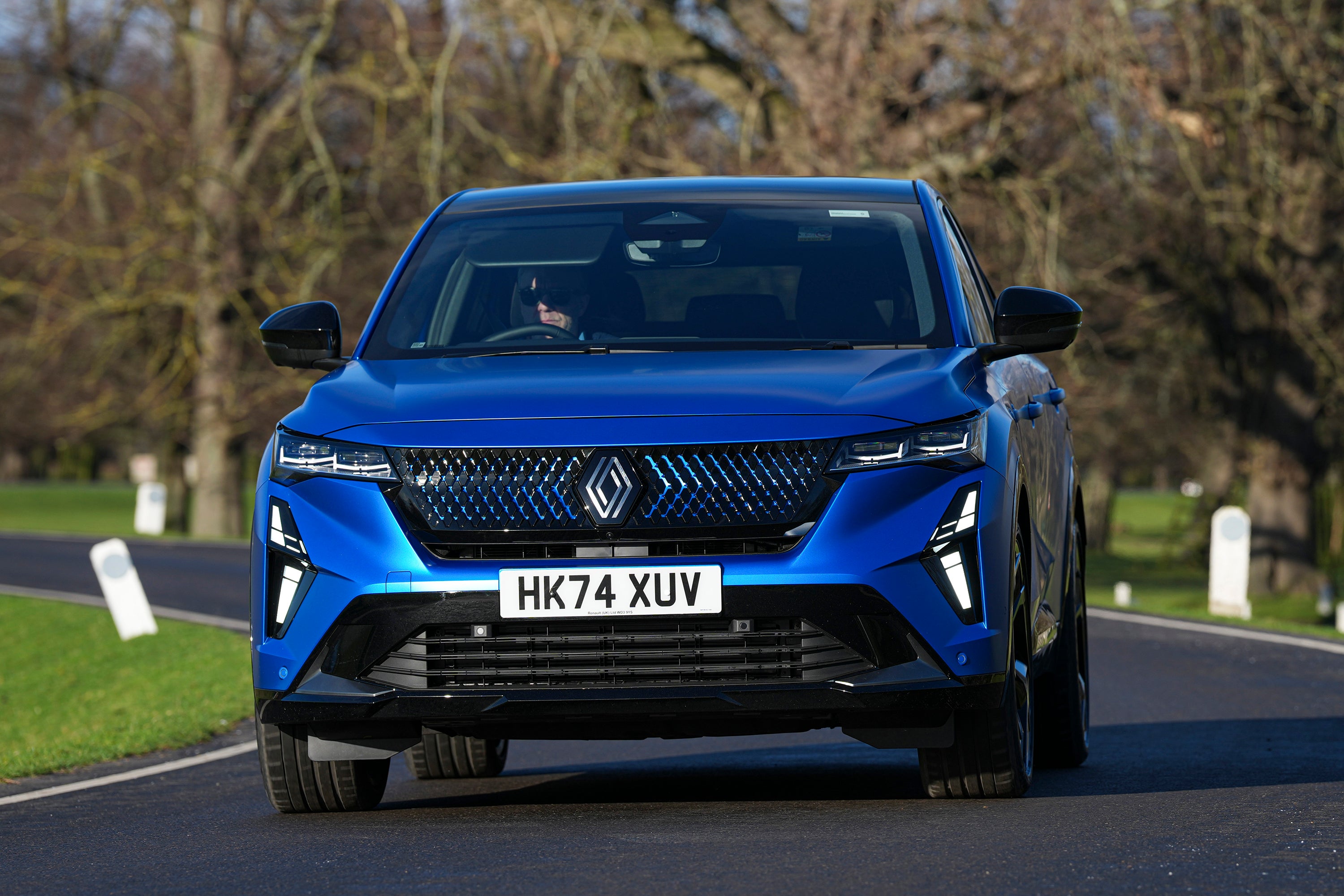
The Renault Rafale is a statement car for the brand and, in plenty of ways, it works. It looks distinctive, feels genuinely expensive inside and has enough technology and road presence to make buyers think twice about defaulting to a more obvious premium-badge SUV coupé. It is not flawless, because the hybrid system can still feel clumsy when you hurry it and the low-speed ride is firmer than ideal, but if you like the idea of a stylish flagship that offers a lot of the feel of an Audi Q5 Sportback, BMW X4 or Mercedes-Benz GLC Coupe for less money, the Rafale makes a strong case for itself.
The Renault Rafale in more detail
The Renault Rafale is about more than simply filling a gap in the line-up. It is Renault making a very public attempt to change how buyers think about the brand. The clue is in the way it is positioned: this is the company’s flagship, a sleek SUV coupé with a smart interior, complex hybrid powertrains and a price tag high enough to make long-time Renault buyers stop and think.
That could have felt overambitious a few years ago, but Renault’s recent run of products has been good enough to make the Rafale believable. Cars such as the Scenic E-Tech, Austral and even the latest Clio have shown that Renault now understands how to deliver better interiors, more coherent infotainment and a much stronger sense of design than it used to.
The Rafale builds on that progress. Underneath, it has a lot in common with the Austral and Espace, but conceptually it feels quite different. It is lower, sleeker and clearly more image led, closer in spirit to cars such as the Peugeot 408 than a conventional SUV.
That also means it sits in a slightly awkward but interesting part of the market. Mainstream buyers may look at the Peugeot 408 or Citroen C5 X, while premium-badge shoppers may be cross-shopping Audi, BMW and Mercedes alternatives. The Renault Rafale tries to bridge that gap by offering most of the design flair and cabin plushness of the premium cars without matching them pound for pound on price.
The key thing is that it mostly feels like it belongs here. The Rafale is not cheap, but it is not trying to be. Instead, it asks whether you can live without the badge cachet if the car itself looks and feels convincing enough. For plenty of buyers, the answer may now be yes.
What's the best Renault Rafale trim and engine option?
For most buyers, the best Renault Rafale is the full hybrid E-Tech 200 in techno esprit Alpine trim. It gives you all the pace most people will need, the useful 4Control four-wheel steering setup, a big chunk of the premium kit and a price that still looks comparatively sensible next to the upper trims and obvious premium-brand rivals.
The full hybrid E-Tech 200 is the one that makes the most rational case. With 200PS, it is more than adequate for a car like this, and it avoids the extra cost and complexity of the plug-in hybrid.
The hyper hybrid E-Tech 4x4 300 plug-in hybrid is the faster, cleverer and more technically ambitious option. It adds a rear motor for four-wheel drive, a much larger battery and up to 65 miles of electric-only running. It is also much pricier and, unless you are diligent about charging, a lot of that advantage will go underused.
As for trim, techno is a decent starting point on the full hybrid, but techno esprit Alpine is where the Rafale starts to feel properly complete. Iconic esprit Alpine is luxurious enough to tempt, while atelier Alpine on the plug-in hybrid is the halo choice with the biggest wheels and the fanciest chassis setup.
What’s the price of the Renault Rafale?
The Renault Rafale currently starts at £38,495 for the full hybrid E-Tech 200 in techno trim. The techno esprit Alpine full hybrid is £40,495, while iconic esprit Alpine rises to £42,495. Move to the plug-in hybrid and the techno esprit Alpine hyper hybrid E-Tech 4x4 300 starts at £45,695, with the atelier Alpine topping the range at £47,995.
That means the Rafale is undoubtedly expensive by Renault standards, but it still undercuts premium-brand SUV coupés convincingly enough. It is not a bargain alternative, but it is a noticeably more attainable one.
Used supply is beginning to improve, and nearly new full-hybrid examples already make a stronger value case than list price. That is worth bearing in mind, because the Rafale is exactly the sort of car where approved-used stock could end up being the sweet spot.
Alternatives to the Renault Rafale
From a technical standpoint, the Rafale is very similar to the Renault Austral, with which it shares a platform and the majority of its components.
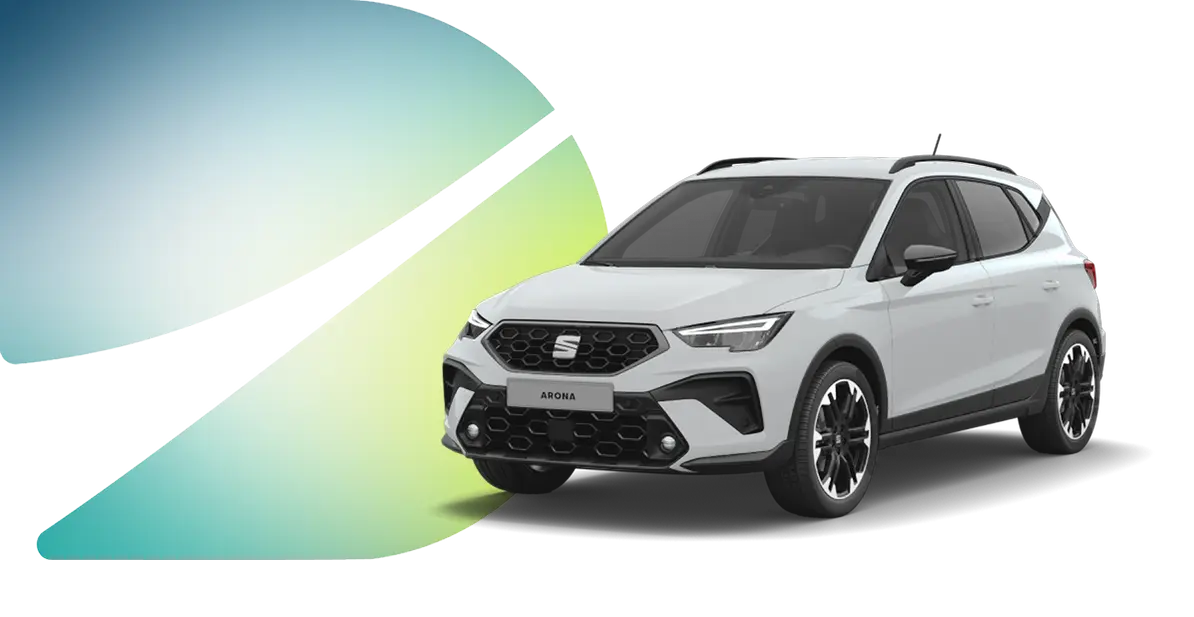
Conceptually, the Peugeot 408 is one of the most natural alternatives because it shares the same broad idea of a sleek, style-led family car that does not fit neatly into one box. It is less plush inside than the Renault Rafale, but it offers a similar sense of visual difference from the SUV mainstream.
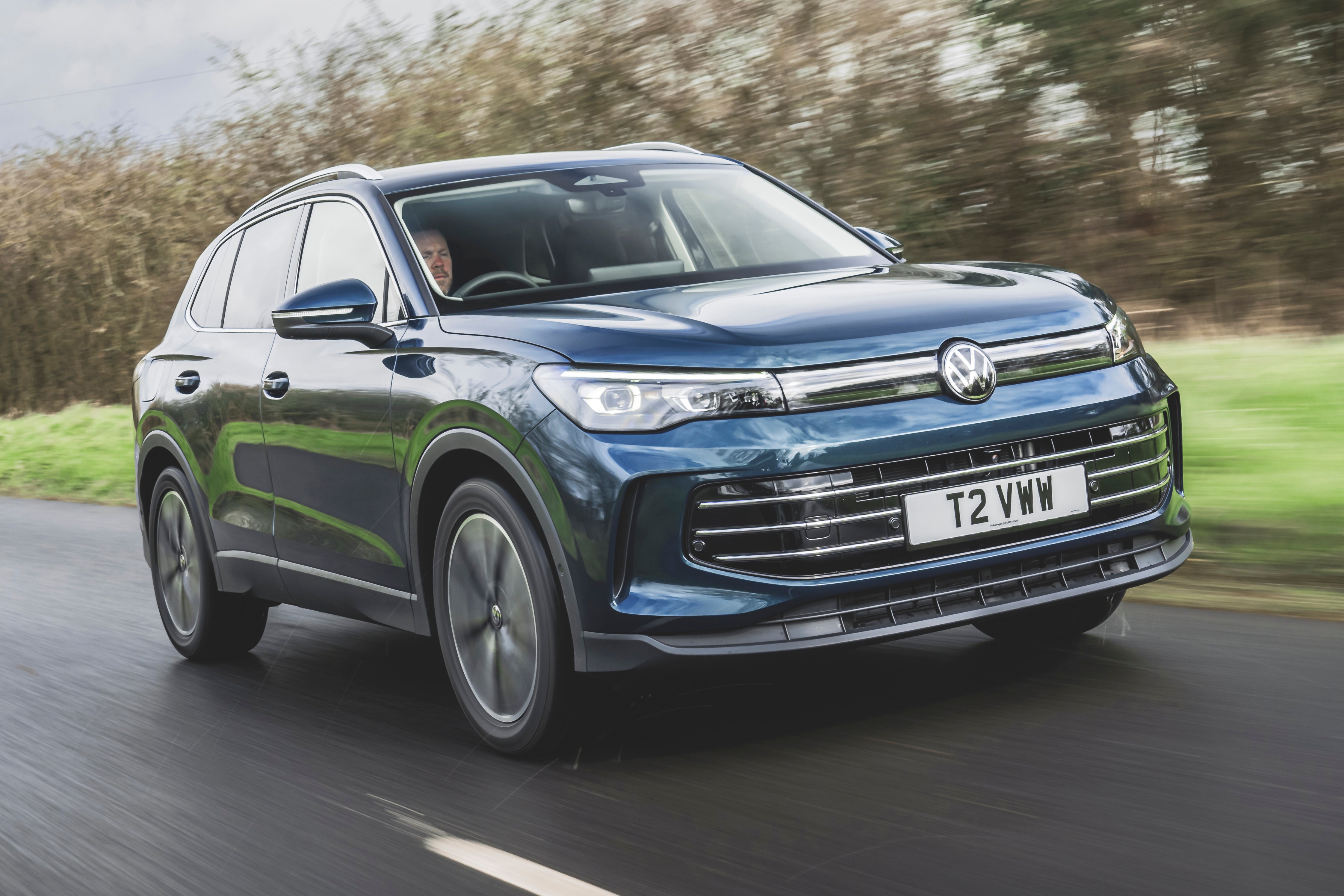
The Volkswagen Tiguan is a less direct design rival, but it is one of the most complete mainstream family SUVs and a useful reference point for buyers who are not sold on the coupé-SUV idea. It feels more conventional than the Rafale, but also more predictable in the best possible sense.
The BMW X4 is one of the more premium alternatives the Rafale brushes up against. It still carries more badge appeal and sharper road manners, but it is also much harder to justify on price once you start matching equipment.
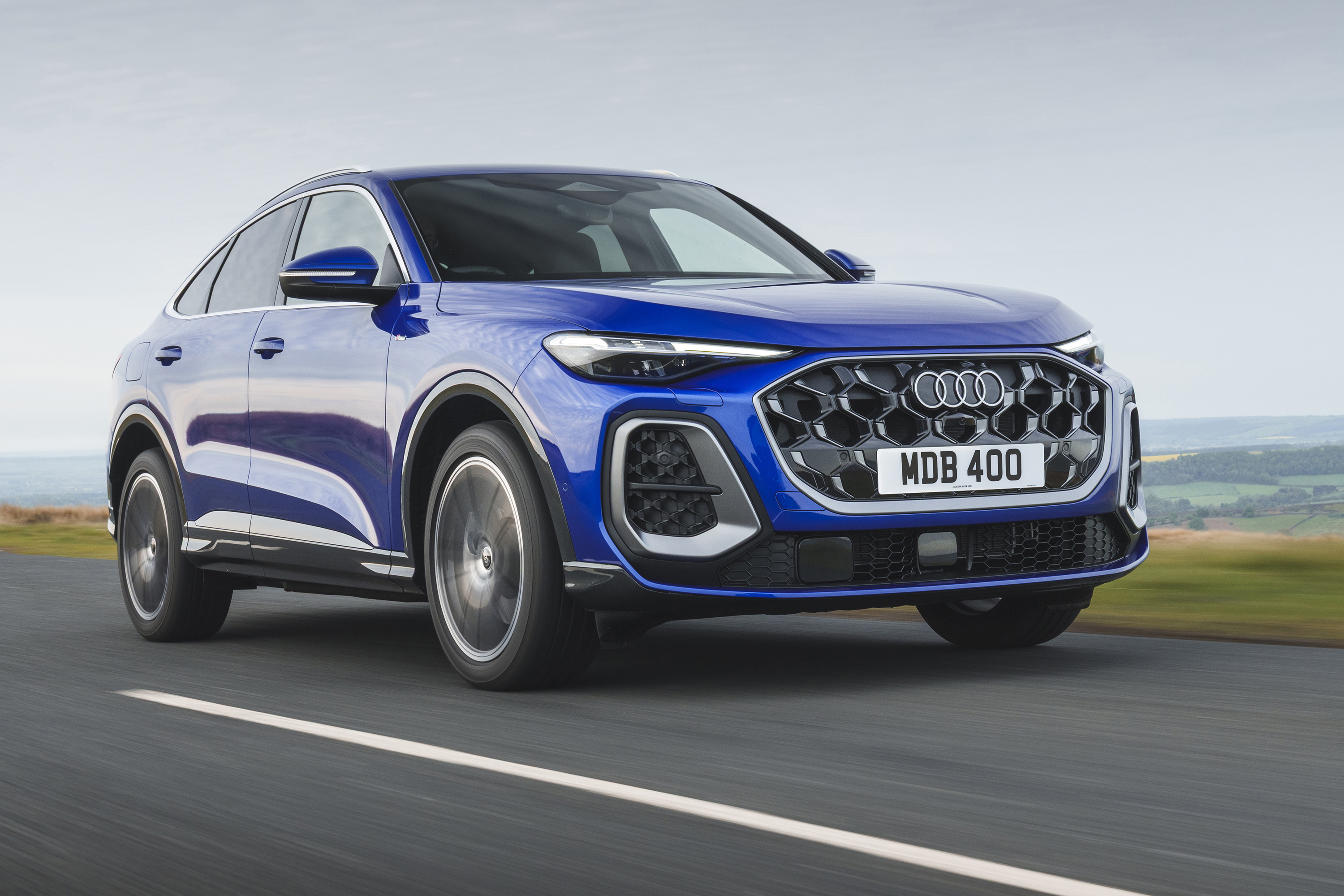
Beyond those three, the Audi Q5 Sportback and Mercedes-Benz GLC Coupe are both worth a look. The Renault Rafale makes most sense if you want something stylish and plush without paying German-premium money for the privilege.
What's the interior like in the Renault Rafale?
The Renault Rafale’s cabin is one of the clearest signs of how far the brand has come. It feels properly upmarket, with a strong sense of design and material quality that would have been hard to imagine in a Renault not that long ago.
Renault Rafale boot space and practicality
Practicality is better than the swooping silhouette suggests. In the full hybrid, boot space stands at up to 647 litres, which is a very strong figure for a car of this type and comfortably ahead of many style-led rivals. Fold the rear seats and there is more than 1,700 litres available, though the resulting load area is not particularly flat.
That means the Rafale is genuinely useful as a family car, not just a design exercise. It may be more image led than an Austral, but there is still plenty of substance here.
Rear-seat space is another pleasant surprise. The long wheelbase gives rear passengers generous kneeroom, and the panoramic Solarbay roof helps the cabin feel especially airy. Adults will be comfortable in the back, and the rear armrest arrangement with integrated holders and extra USB ports is a neat touch.
The flip side is that it does not feel quite as cleverly packaged as a more conventional SUV once you start loading bulky items. The lower-set boot floor and the step up with the seats folded remind you that style has not been entirely free.
Renault Rafale dimensions
The Renault Rafale measures 4,710mm long, 1,866mm wide & 1,613mm high. That makes it a sizeable family car, though the sleek roofline and long stance mean it looks lower and leaner than those numbers first suggest.
On the road, it feels substantial rather than cumbersome. This is not a small SUV masquerading as something larger. It has genuine presence, and the dimensions play a big part in that.
Tech and infotainment in the Renault Rafale
The Rafale’s OpenR layout dominates the cabin, combining a 12.3-inch digital instrument display with a 12-inch central touchscreen angled towards the driver. Renault’s decision to run the system on Android Automotive is a smart one, because it makes the whole setup feel more natural and less home-brewed than plenty of rival systems.
Google Maps integration is especially useful, and wireless Apple CarPlay and Android Auto are both included if you prefer to stay in your phone’s ecosystem. The interface is generally quick, clear and easy to get along with, which is not something you can say about every large touchscreen in this class.
There are some quirks, though. The odd hand-rest arrangement on the centre console still feels more clever than necessary, and there are a lot of controls and stalks clustered around the steering column. None of it is a deal-breaker, but it can all feel slightly overcomplicated at first.
Materials available on the Renault Rafale
This is where the Rafale really punches above what many buyers will expect from the badge. The materials feel expensive, the design is cohesive and even some of the more unusual details come across as thoughtful rather than gimmicky.
There is too much piano black around the OpenR panel for our taste, because it will inevitably pick up scratches and fingerprints, but otherwise the Rafale feels impressively plush. It is not just good for a Renault. It is good, full stop.
What's the Renault Rafale like to drive?
The Renault Rafale is more engaging to drive than its badge and size might lead you to expect, but it is not quite as polished dynamically as its sharp looks suggest.
Renault Rafale range and performance
There are two powertrains. The full hybrid E-Tech 200 uses a 1.2-litre turbocharged three-cylinder petrol engine with electric assistance and a 2kWh battery for a total output of 200PS. Renault quotes 0-62mph in 8.9 seconds, which is entirely adequate for a car like this.
Above that sits the hyper hybrid E-Tech 4x4 300 plug-in hybrid. This adds a rear motor for four-wheel drive, a much larger 22kWh battery and a total output of 300PS. Renault quotes up to 65 miles of electric-only range, which is a very competitive figure for a plug-in hybrid SUV coupé.
For most buyers, the 200PS full hybrid is enough. The 300PS plug-in hybrid is faster and more technically impressive, but it only really makes sense if you will use the electric range properly.
Performance data
| Model | Engine/battery size | Power | 0-62mph | Range/MPG |
|---|---|---|---|---|
E-Tech 200 | 1.2-litre | 200PS | 8.9 seconds | Up to 58.9mpg |
E-Tech 4x4 300 | 1.2-litre | 300PS | 6.4 seconds | Up to 65 miles EV range |
Renault Rafale driving and refinement
The Rafale is a mixed but interesting thing on the road. Cars fitted with 4Control and the more sophisticated rear suspension are surprisingly agile for something this size. Once you get used to the way the rear-wheel steering changes direction so keenly, the Rafale can be more fun than expected on a flowing road.
The steering itself is not perfect, though. It can feel a bit light and a bit vague, especially at first, which means the chassis takes a little time to trust. Once you do, there is enough grip and control to make the car feel nicely tied down.
Low-speed ride is less convincing. Around town and over speed bumps, the suspension feels firmer and more brittle than a big Renault flagship ideally should. It settles down better at speed, but it is not the soft-riding French waft-mobile some buyers might imagine.
Refinement is generally strong. Road and wind noise are well suppressed, and the cabin feels expensive in the way it isolates you from what is going on outside. The weak point is the hybrid system itself, which can feel smooth and unobtrusive when you are driving gently but become noticeably less polished if you demand quick responses.
How safe is the Renault Rafale?
The Rafale was awarded the full five stars by Euro NCAP in 2022, scoring well in most of the individual categories - 87% for adult occupants, 83% for The Renault Rafale holds a full five-star Euro NCAP rating, with strong scores for adult and child occupant protection and safety-assistance performance.
Standard safety kit is generous. You get seven airbags, lane-keeping assistance, blind-spot monitoring and front and rear autonomous emergency braking, which is about what buyers should expect in this part of the market.
Running costs: What it's like to live with a Renault Rafale
The Rafale is not cheap to buy, and the plug-in hybrid in particular will only really pay you back if you use it as intended. The broader ownership picture is sensible enough, but not as generous as some older Renault wording might lead you to expect.
Renault Rafale fuel economy
Renault quotes up to 58.9mpg for the full hybrid E-Tech 200, which is strong for a sizeable SUV coupé and supports the idea that the standard hybrid is the sensible choice for most people. Renault also quotes up to 680 miles of total driving range for the full hybrid.
The plug-in hybrid’s official figures are, predictably, much more flattering. They will depend heavily on how often you charge and how you use the car, so the 65-mile EV figure is more useful than the headline mpg number.
Renault Rafale warranty and servicing
Renault’s standard UK warranty is now up to three years from first registration, with unlimited mileage in the first two years and a 60,000-mile cap in the third.
Servicing intervals are the more useful ownership detail here. Renault schedules the Rafale for routine servicing every 12 months or 18,000 miles, and its service plans for hybrid models are structured around that annual pattern.
Renault Rafale insurance groups
Insurance starts in group 29 for the full hybrid techno, rises to 30 for the better-equipped full hybrid versions and then jumps to groups 38 and 39 for the two plug-in hybrid models. That spread makes sense given the gap in performance and price.
How much does it cost to tax a Renault Rafale?
The full hybrid Renault Rafale now pays the standard annual VED rate for petrol and hybrid cars, which is £200 after year one. Because the current techno trim full hybrid model sits below the £40,000 threshold, it avoids the Expensive Car Supplement, while the higher-priced trims above that threshold can trigger it.
That means the higher-spec full hybrids and both plug-in hybrids need to be checked carefully here - if they go over that price (and that's including options), then you'll be paying an extra £440 per year from years two to six.
What trims are available with the Renault Rafale?
The Renault Rafale line-up consists of techno, techno esprit Alpine, iconic esprit Alpine and atelier Alpine, though not every trim is available with every powertrain. techno, techno esprit Alpine and iconic esprit Alpine are the full-hybrid versions, while the plug-in hybrid comes in techno esprit Alpine and atelier Alpine.
Rafale techno is the full-hybrid entry point and already comes with plenty. It gets 20-inch wheels, matrix LED headlights, the OpenR infotainment system, parking camera and a generous spread of safety technology. It does not feel stripped back.
Rafale techno esprit Alpine is the trim that best shows off the Rafale’s personality. It adds 4Control four-wheel steering, powered tailgate, heated steering wheel, heated windscreen, the clever rear armrest, adaptive cruise control, head-up display and heated, electrically adjustable front seats.
Rafale iconic esprit Alpine is the luxury-focused full hybrid. It adds the Solarbay panoramic roof, 360-degree parking camera, hands-free parking and the 12-speaker Harman Kardon audio system.
Rafale atelier Alpine is reserved for the 300PS plug-in hybrid and is effectively the halo version. It brings 21-inch wheels, active suspension with predictive camera and the more focused Alpine-tuned chassis setup. It is the most technically interesting Rafale, but also the most expensive.
In simple terms, techno is well equipped, techno esprit Alpine is the sweet spot, iconic esprit Alpine is the luxury full hybrid and atelier Alpine is the no-holds-barred plug-in hybrid.
Ask the Drive experts: common questions
Is the Renault Rafale a good car?
Which Renault Rafale is best?
Is the Renault Rafale plug-in hybrid worth it?
Does the Renault Rafale pay the Expensive Car Supplement?
Get our latest advice, news and offers
Keep me updated by email with the latest advice, news and offers from Drive.
.jpg)
.jpg)