Hyundai i20 Review

Written By Matt Robinson
- 2020
- Hatchback
- Petrol
What we love
Generous standard equipment across the range
Spacious back seat and decent boot for the class
Strong infotainment and useful driver-assistance tech
Things to consider
Cabin materials are only average
Ride quality is not as supple as the best rivals
Some alternatives feel more desirable overall
The DRIVE take on the Hyundai I20, is it the right car for you?
The Hyundai i20 is a smart, sensible supermini that gets a lot of the important stuff right. It is roomy enough for small-family duties, comes with a lot of equipment and is backed by one of the better warranties in the class. It is not the most polished small hatchback on the road, and some rivals feel richer inside or more comfortable over rough surfaces, but the Hyundai i20 still makes a strong case for itself as a practical and well-equipped all-rounder.
The Hyundai I20 in more detail
The Hyundai i20 has always been strongest when judged on logic rather than romance. It rarely dominates this class for style, badge appeal or driver enjoyment, but it usually makes a lot of sense once you look at what you get for the money.
That remains true of the current car. This generation arrived in 2020 and was updated for 2024, with Hyundai freshening the styling, simplifying the line-up and improving the standard equipment offer. The result is a small hatchback that feels up to date in the areas that matter most to everyday buyers.
Browse used Hyundai i20s for sale →
The big change for the current UK range is that Hyundai has trimmed things back. Older Advance, Premium and Ultimate trim names have given way to a new structure of Element, Black Line, Tech Line and N Line S, while the engine line-up is now centred on a single 1.0-litre turbocharged petrol producing 100PS. That makes the Hyundai i20 easier to understand than before, even if it removes some of the choice the earlier car offered.
What has not changed is the Hyundai i20’s core appeal. It is roomy for a supermini, especially in the back, and the boot is properly useful by class standards. The infotainment is good, the standard safety package is generous and there is enough of a grown-up feel that the Hyundai i20 can work happily as an only car rather than just a cheap runabout.
The weak points are familiar enough. Interior materials are not especially plush, the ride can feel a bit firm on bigger wheels and the i20 does not have the soft-edged refinement of the best versions of the Volkswagen Polo. But there is still a lot to like here.
What's the best Hyundai I20 trim and engine option?
For most buyers, the Hyundai i20 Black Line manual will make the most sense. It adds a useful amount of extra kit over the entry Element, including heated front seats and a heated steering wheel, while still avoiding the top-end pricing of Tech Line and N Line S.
There is only one engine now, the 1.0-litre turbo petrol with 100PS, so the real choice is transmission. The six-speed manual is likely to be the better fit for most buyers because it avoids the cost and complexity of the seven-speed dual-clutch automatic.
What’s the price of the Hyundai I20?
The current Hyundai i20 range starts at £19,995 for the Element. Black Line starts at £22,945, Tech Line at £24,245 and the N Line S tops the range at £24,750. There are also plenty of used Hyundai i20s for sale for considerably less.
That means the Hyundai i20 is no longer one of the very cheapest superminis, but it still looks competitive once you factor in the standard equipment and the five-year unlimited-mileage warranty.
Alternatives to the Hyundai I20
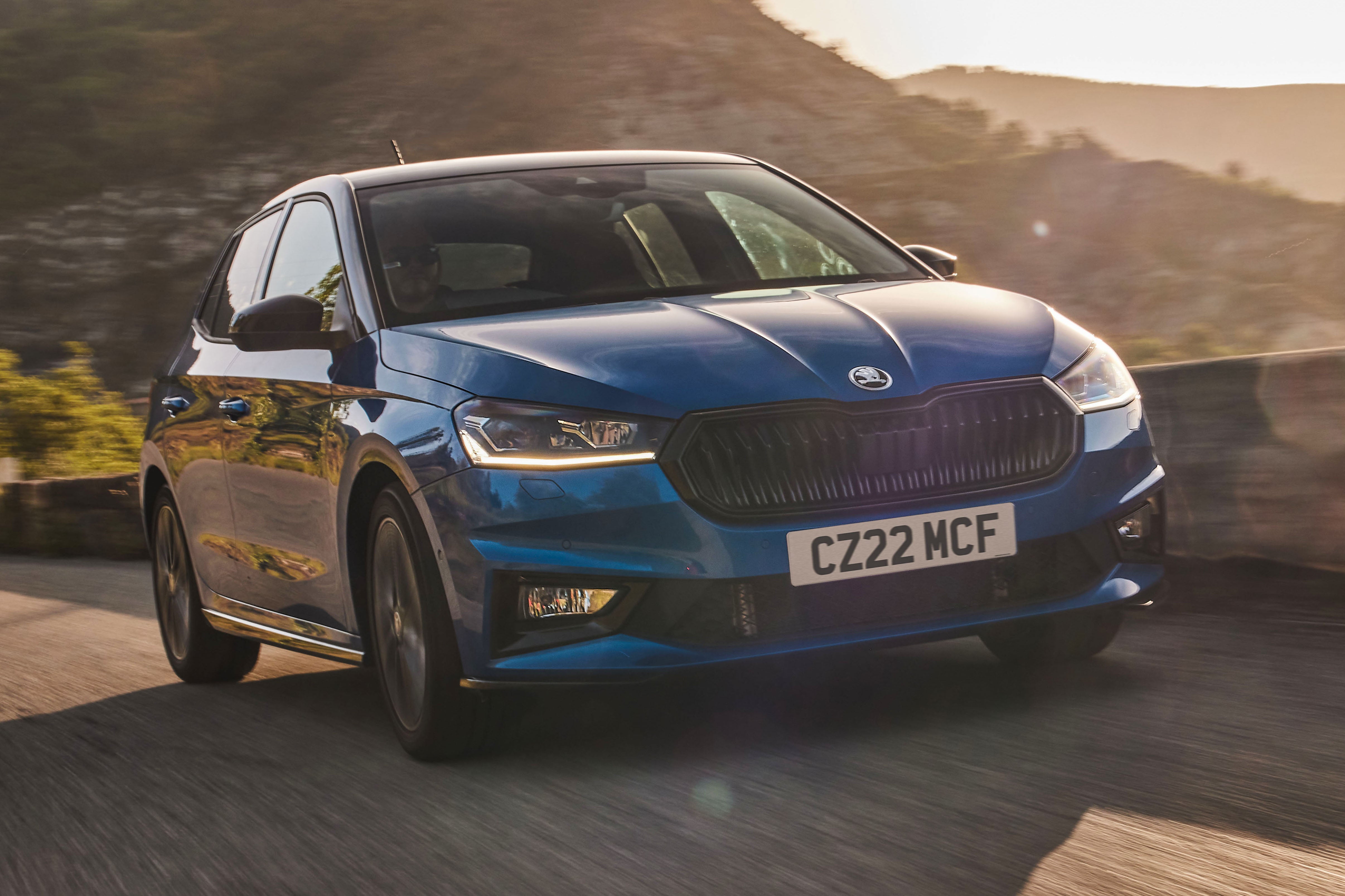
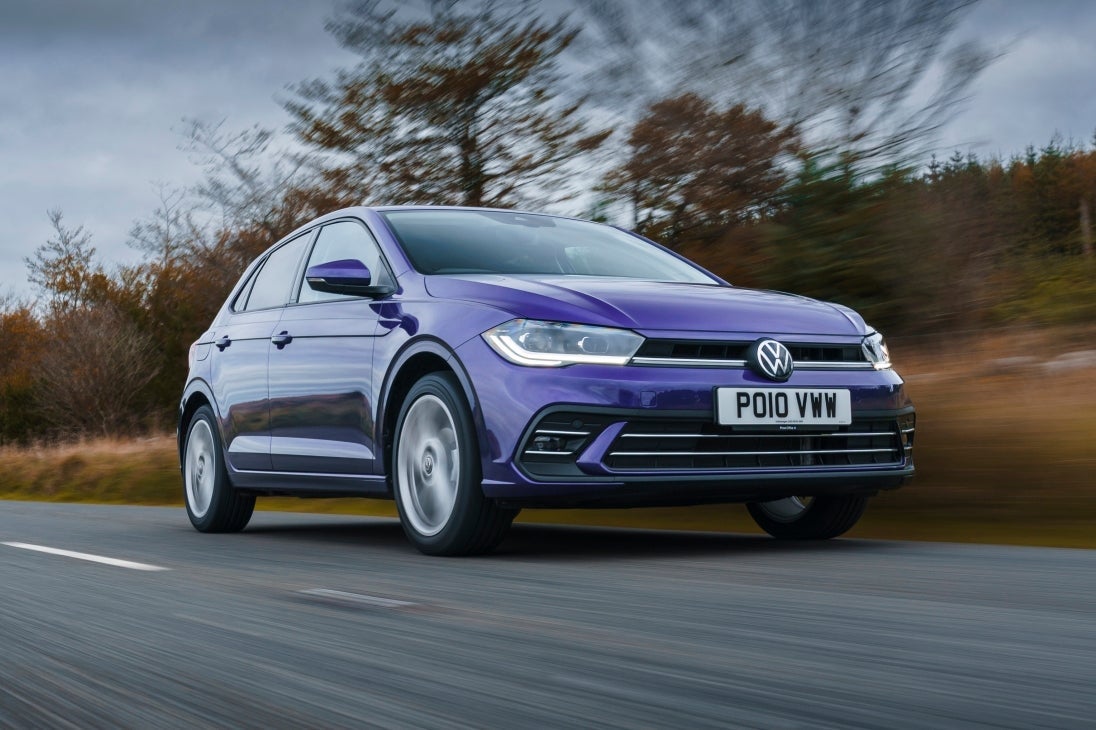
The Volkswagen Polo is one of the clearest alternatives if you want a small hatchback that feels more polished and more mature on the move. The Skoda Fabia is also worth a look if space and value matter most.
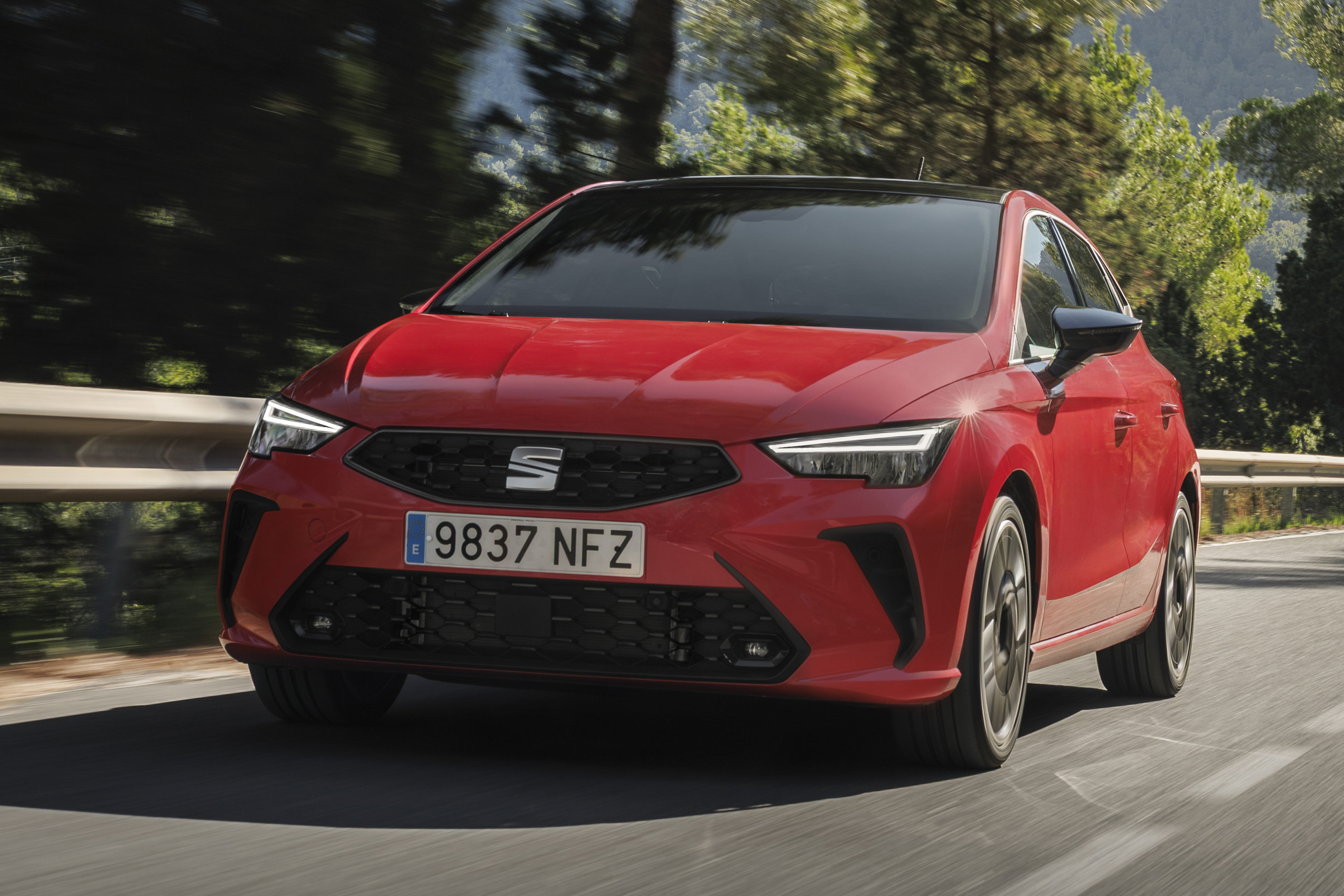
The Toyota Yaris brings hybrid efficiency, while the Renault Clio and SEAT Ibiza remain strong all-rounders. If you care most about driving enjoyment, the Ford Fiesta still feels sharper than the Hyundai i20, even if it is now gone from the new-car market.
The Hyundai i20’s strength is that it sits in the middle of all that with a strong equipment count, lots of safety tech and generous passenger space.
What's the interior like in the Hyundai I20?
The Hyundai i20’s cabin is straightforward and easy to get on with. It is not especially glamorous, but it is practical, roomy and well laid out.
Hyundai I20 boot space and practicality
The Hyundai i20 is one of the more practical cars in this class. There is plenty of room up front, and the back seat is spacious enough that taller adults can sit behind similarly tall drivers without too much complaint.
That rear-seat space is one of the Hyundai i20’s biggest selling points. Many superminis are fine for occasional use in the back, but the i20 feels more family-friendly than that.
Boot space is another strength. The Hyundai i20 offers 352 litres with the rear seats in place, which puts it right in the thick of the class. It is only a whisker behind a Volkswagen Polo at 355 litres and matches up well with many direct rivals.
For context, the Hyundai i20’s 352-litre boot is bigger than a Toyota Yaris’s 286 litres and close enough to a Volkswagen Polo’s 355 litres to make little real-world difference. Fold the rear seats and total capacity rises to 1,165 litres.
Hyundai I20 dimensions
The Hyundai i20 measures 4,065mm long, 1,775mm wide and 1,450mm high, with a 2,580mm wheelbase.
That makes it a typical supermini on paper, but the Hyundai i20 uses that footprint well, especially in the rear seats.
Tech and infotainment in the Hyundai I20
One of the Hyundai i20’s strongest suits is its tech offering. Every current car gets a 10.25-inch touchscreen with navigation, Apple CarPlay and Android Auto, plus a 10.25-inch digital driver display.
The infotainment system is quick to respond, sensibly laid out and easy to use. It does not have the glossiest graphics in the class, but it gets the usability basics right.
Higher trims add more features such as wireless charging, Bluelink connected services and a Bose audio system, but even entry cars feel well covered for core infotainment functions.
Materials available on the Hyundai I20
Material quality is an area where the Hyundai i20 still falls a little short. It is solid enough, but there are plenty of harder plastics and the design is functional rather than especially stylish.
That said, the cabin does not feel flimsy, and higher trims do add a bit more visual interest with mood lighting, improved trim finishes and sportier detailing.
What's the Hyundai I20 like to drive?
The Hyundai i20 is a competent and easy small hatchback to drive, but it is not the standout dynamic choice in the class.
Hyundai I20 range and performance
The current Hyundai i20 range uses a single 1.0-litre turbocharged petrol engine with 100PS.
The engine itself is decent. It has enough punch for daily use, and the Hyundai i20 feels brisk enough around town and on faster roads without ever pretending to be sporty.
The manual is likely to be the more satisfying version to drive. It is also the quicker of the two on paper.
Performance data
| Model | Engine/battery size | Power | 0-62mph | Range/MPG |
|---|---|---|---|---|
Hyundai i20 1.0T 6MT | 1.0-litre turbo petrol manual | 100PS | 10.4 seconds | 53.2 to 55.4mpg |
Hyundai i20 1.0T 7DCT | 1.0-litre turbo petrol auto | 100PS | 11.4 seconds | 51.3 to 54.3mpg |
Hyundai i20 N Line / N Line S | 1.0-litre turbo petrol | 100PS | 10.4 to 11.4 seconds | 51.3 to 52.3mpg |
Hyundai I20 driving and refinement
The Hyundai i20 grips well enough and stays tidy in corners, but it does not have the steering feel or involvement of a Ford Fiesta. Likewise, it is not as supple over bumps as a Volkswagen Polo.
That leaves it as more of a middle-ground option. It is easy enough to drive, stable at speed and generally unobjectionable, but it is not the car in this class you choose for standout comfort or entertainment.
Road and wind noise are reasonably well contained for a small hatchback, though bigger wheels can make the ride feel a little more brittle than it needs to.
How safe is the Hyundai I20?
The Hyundai i20 received a four-star Euro NCAP rating in 2021. That is respectable, and the standard safety package is strong for the class.
All current cars get a generous Smart Sense suite that includes autonomous emergency braking, lane-keeping assistance, blind-spot warning and eCall. Higher trims add more sophisticated driver-assistance functions.
Running costs: What it's like to live with a Hyundai I20
The Hyundai i20 should be straightforward and relatively inexpensive to own. The engine is efficient enough, the warranty is excellent and the trim structure means you do not have to pile on costly options to get a well-equipped car.
Hyundai I20 fuel economy
The current Hyundai i20’s 1.0-litre turbo petrol is competitive for a modern supermini. Manual versions return between 53.2mpg and 55.4mpg, depending on specification, while the seven-speed dual-clutch automatic returns between 51.3mpg and 54.3mpg.
Sportier N Line and N Line S versions sit a little lower at 51.3mpg to 52.3mpg, which is still perfectly respectable given their styling and equipment focus.
Hyundai I20 warranty and servicing
Hyundai continues to cover the i20 with its five-year, unlimited-mileage warranty. That remains one of the strongest warranty offers in the business.
Hyundai’s approved-used programme also includes a minimum 24-month used-car warranty and 12 months of roadside assistance on eligible cars, which is useful if you are shopping nearly new.
Hyundai I20 insurance groups
Insurance groups broadly run from 12 to 16 across the current non-N Hyundai i20 range.
That means it is not the very cheapest supermini to insure, but it should still be manageable by class standards.
How much does it cost to tax a Hyundai I20?
The standard VED rate from the second year onwards is £200 a year for petrol cars registered on or after 1 April 2017.
No version of the Hyundai i20 gets anywhere near the £40,000 threshold for the Expensive Car Supplement, so there is nothing extra to worry about on that front.
What trims are available with the Hyundai I20?
The Hyundai i20 range opens with Element. Standard kit includes 16-inch alloy wheels, a 10.25-inch touchscreen navigation system, a 10.25-inch digital cluster, rear-view camera, rear parking sensors, cruise control and air conditioning.
Black Line adds 16-inch black alloy wheels, heated front seats, heated steering wheel and privacy glass, along with styling tweaks that give the Hyundai i20 a more distinctive look.
Tech Line builds on that with wireless charging, multi-colour ambient lighting and smart key with engine start button.
N Line S tops the range with the sportier N Line styling package, red-accent interior detailing and the richest standard equipment mix in the line-up.
Ask the Drive experts: common questions
How much does the Hyundai i20 cost?
Is the Hyundai i20 a good small hatchback?
Is the Hyundai i20 comfortable?
What is the best Hyundai i20 version to buy?
Get our latest advice, news and offers
Keep me updated by email with the latest advice, news and offers from Drive.
.jpg)
.jpg)