Dacia Sandero Review

Written By Phil Hall
- 2021
- Hatchback
- Petrol
What we love
Still astonishing value for money
Impressively spacious for the price
Comfortable and easy to drive
Things to consider
You can still tell why it is cheap
The interior is very obviously budget-built
A used Fiesta or Polo still feels more polished
The DRIVE take on the Dacia Sandero, is it the right car for you?
The Dacia Sandero remains one of the easiest new cars to recommend if value is your top priority. It gives you a lot of car for the money, with genuine family-hatchback space, low running costs and a level of everyday usability that still embarrasses plenty of more expensive alternatives.
The trade-off is familiar. It still feels built to a budget, it is not especially refined and it does not have the richer finish or driving polish of the best small hatchbacks. But if what you want is a simple, roomy, comfortable new car that keeps your monthly spending under control, the Sandero still makes an enormous amount of sense.
The Dacia Sandero in more detail
The Sandero’s whole appeal has always been disarmingly simple. It asks a straightforward question: why spend more than you need to on a small hatchback if what matters most is dependable, roomy and affordable transport?
That logic is exactly what makes the current Sandero such a compelling thing. It is no longer the comically bare-bones bargain of old, but neither does it drift so far upmarket that it loses sight of its purpose. This is still a car built around value first. The line-up centres on Essential, Expression and Journey trims, and the old 65PS engine is no longer part of the new-car range. That is no bad thing, because it means most buyers are automatically steered towards the far more useful turbocharged TCe 90 or the TCe 100 Bi-Fuel.
Browse used Dacia Sanderos for sale →
That matters because the Sandero’s appeal becomes much broader once you move beyond the absolute cheapest versions. With the right engine and trim, it stops feeling like a desperate price-point special and starts to make sense as a genuinely rational family hatchback.
It is still a budget car, of course. The materials are cheap, the insulation is modest and there are details all over the cabin that remind you where Dacia saves money. But there is also something refreshingly honest about that. It is not pretending to be premium. It is simply trying to deliver the most useful, sensible car it can for the least money.
That remains its core strength. If you approach the Sandero expecting a Volkswagen Polo for several thousand pounds less, you will be disappointed. If you approach it as an unusually roomy, comfortable and rational answer to the question of what a cheap new car should be, it still comes across as a remarkably clever bit of value engineering.
What's the best Dacia Sandero trim and engine option?
For most buyers, the best choice is the Sandero Expression TCe 90.
The 90PS turbo petrol is the sweet spot of the range. It is much more flexible than the old 65PS car, feels perfectly adequate on faster roads and does not ask much more of your budget. It is the engine that turns the Sandero from a basic runabout into a genuinely decent all-rounder.
Expression is the trim we would target because it adds the infotainment and convenience kit most people actually want, without pushing the price too close to better-equipped used alternatives. Journey has its appeal if you want the Sandero with the fullest feature set, but Expression is where the value case is strongest.
The Bi-Fuel is interesting in theory, but its real-world appeal depends heavily on having easy access to LPG, so for most buyers the regular petrol still makes the cleaner recommendation.
What’s the price of the Dacia Sandero?
The Dacia Sandero range starts at £14,715 for the Essential TCe 90, with the TCe 100 Bi-Fuel costing £14,725 in the same trim. There are also plenty of used Dacia Sanderos for sale for considerably less.
Expression adds roughly £1,000 to those prices, while Journey starts at £16,715. Even the top-spec model remains inexpensive by the standards of brand-new family hatchbacks.
That is what keeps the Sandero so compelling. It is no longer an under-£10,000 sensation, but compared with most mainstream rivals it still undercuts the market very effectively while offering more space than many cheaper city-car alternatives.
The key point is that the price is not just low in isolation. It remains low relative to the amount of space and usability the Sandero offers, and that is what continues to make it such a compelling proposition.
Alternatives to the Dacia Sandero
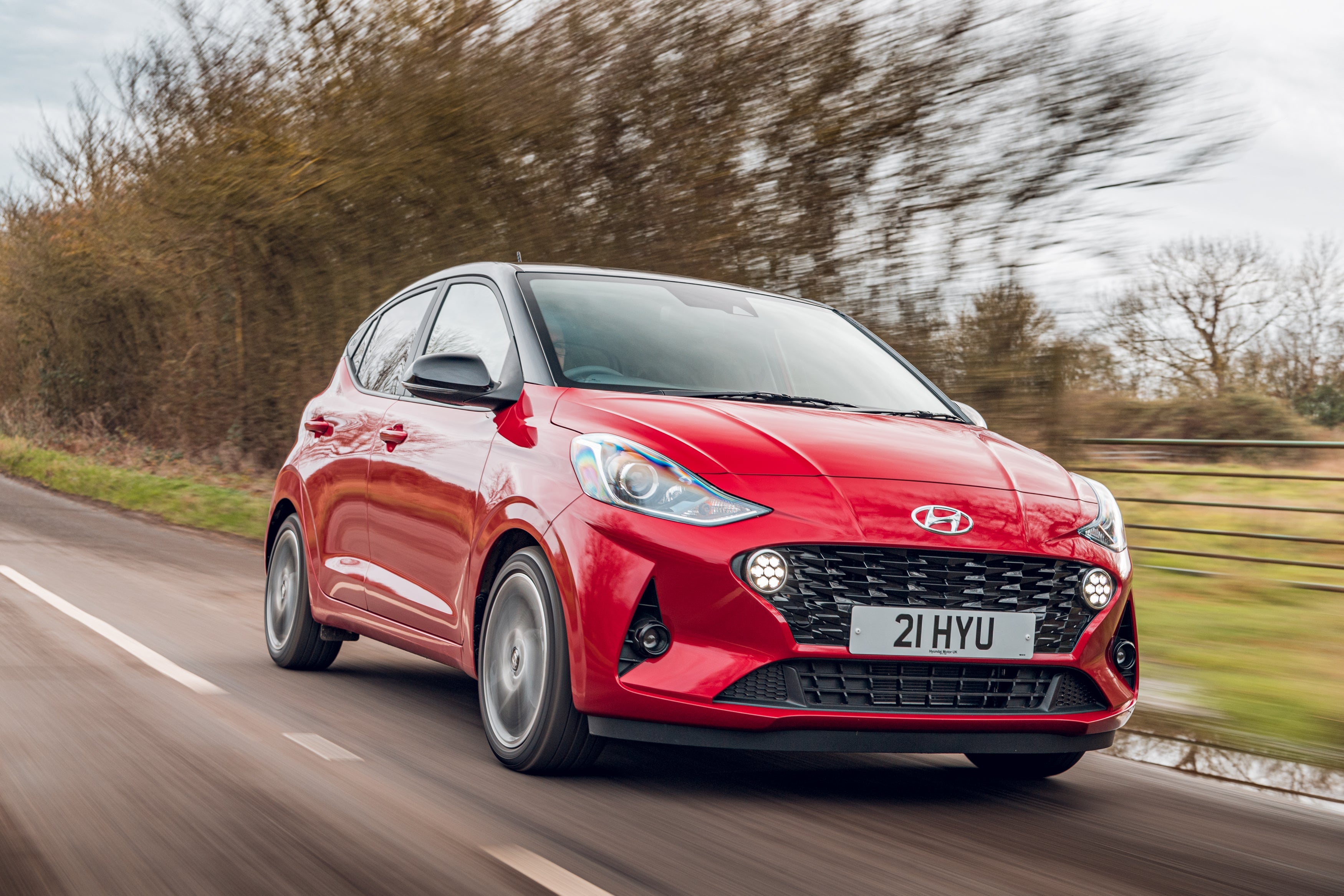
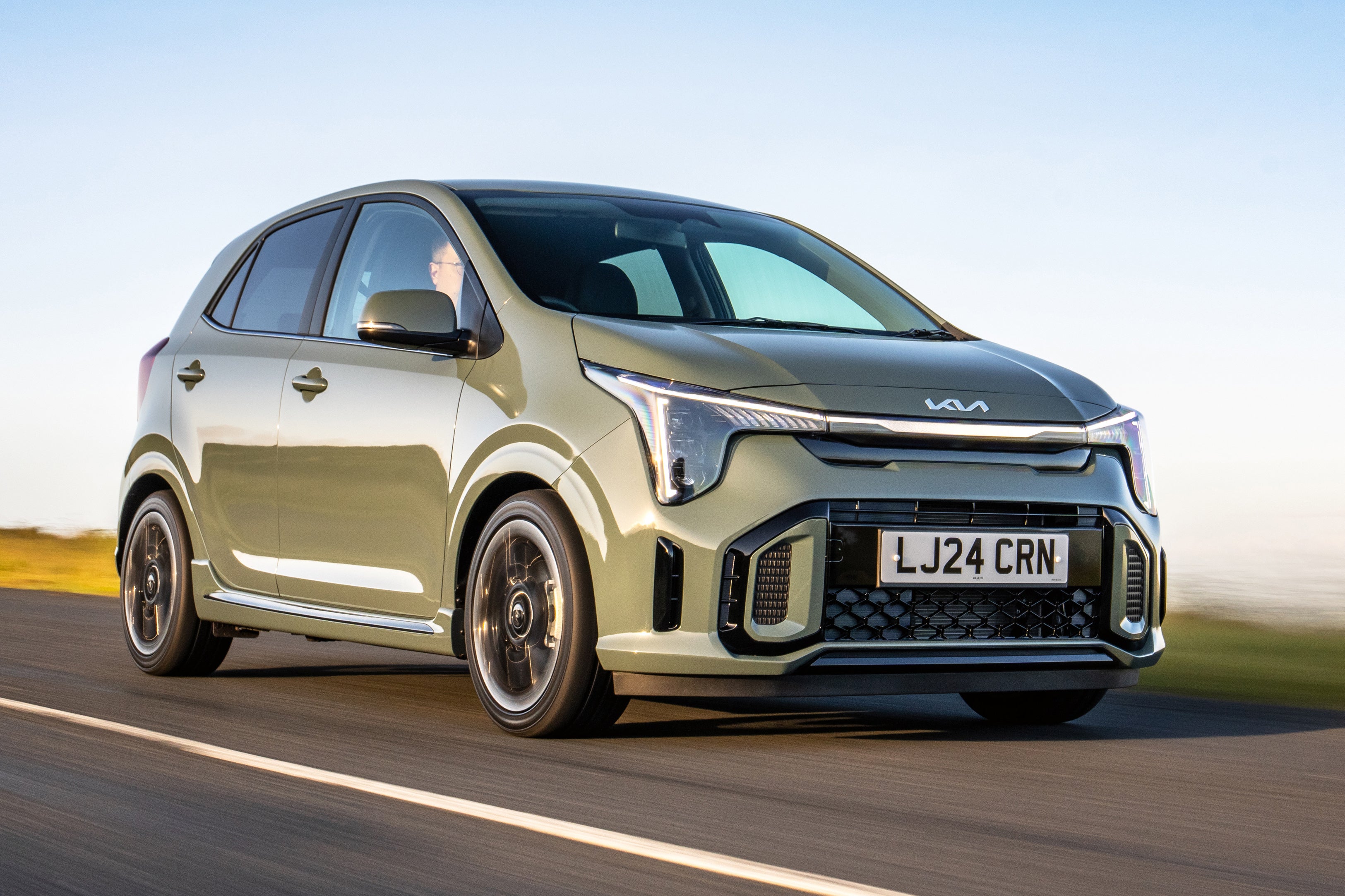
The most obvious alternatives depend on how you are looking at the Sandero. If you are comparing it with new cars, the Hyundai i10 and Kia Picanto are obvious budget-friendly options, though both are smaller and feel more like city cars than full family hatchbacks.
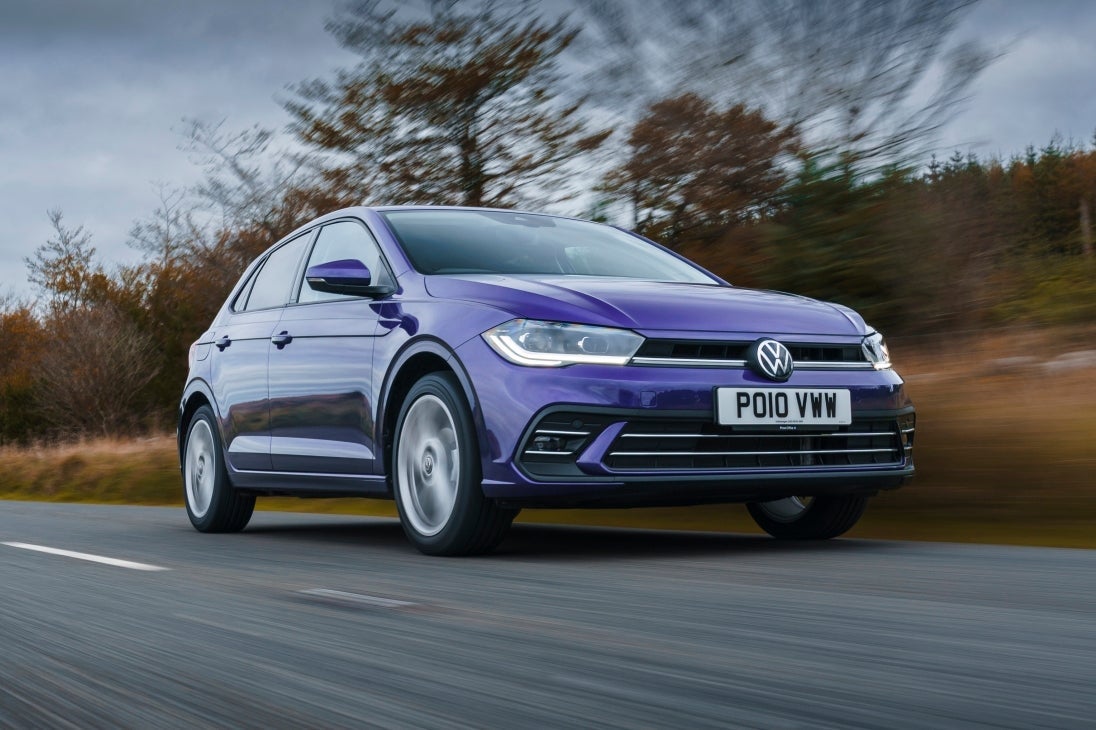
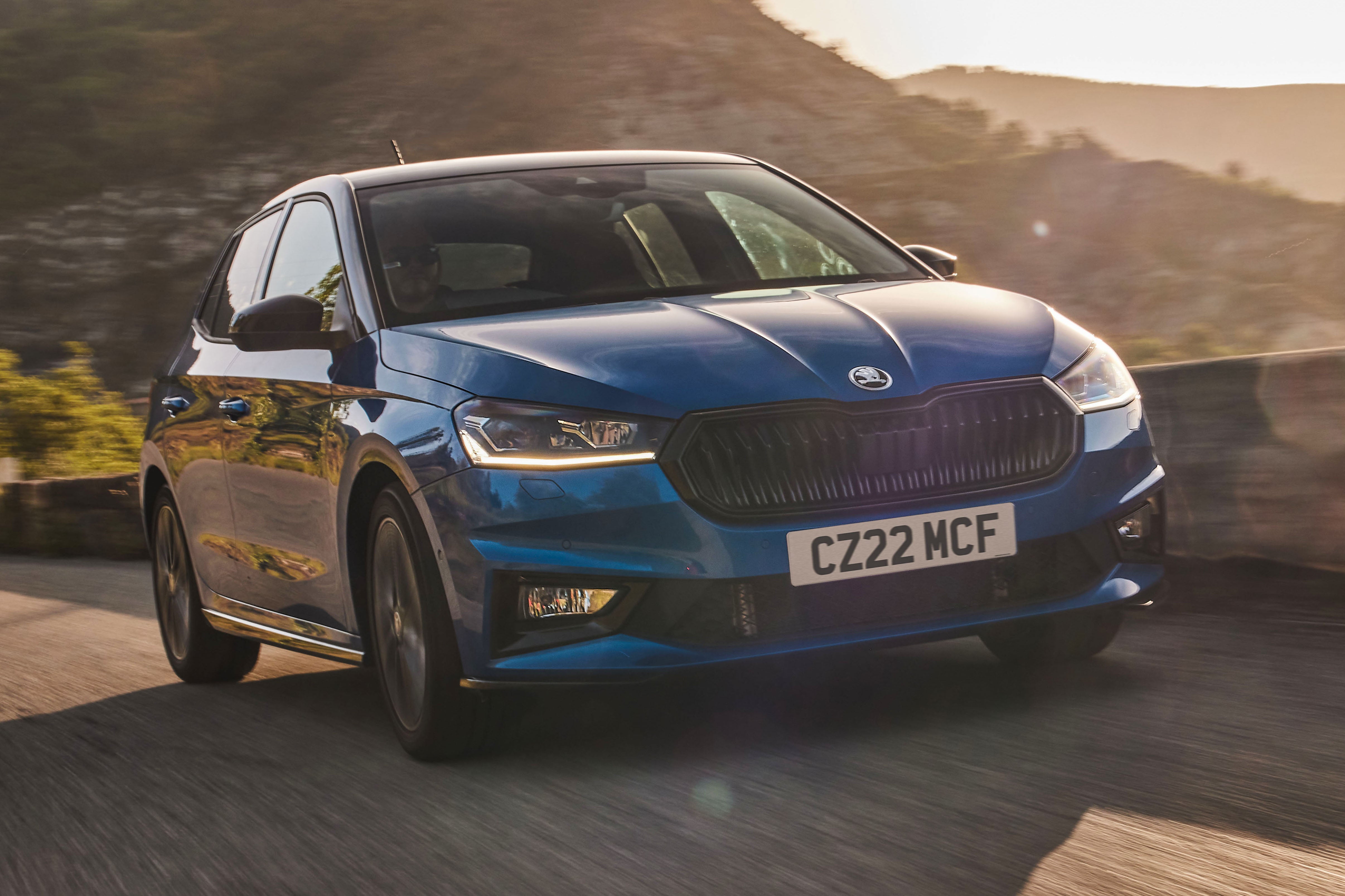
If you are comparing it with used cars, then a Ford Fiesta, Volkswagen Polo or Skoda Fabia makes a lot of sense. Those cars feel more sophisticated, more refined and often better to drive, but you will be buying older age, more mileage and less warranty cover for the same money.
That is the Sandero’s real trick. There are better cars, but very few that combine this much space, this much everyday usability and the reassurance of a brand-new warranty at the same price.
What's the interior like in the Dacia Sandero?
The Sandero’s cabin looks far better than you might expect for the money. It is simple, clean and modern enough to avoid feeling like a throwback, even if the low-cost materials soon give the game away.
Dacia Sandero boot space and practicality
This is one of the Sandero’s strongest suits. It feels noticeably more spacious than many buyers will expect from a car with such a low price tag.
There is plenty of room in the front, and the rear seats are roomy enough for adults in a way that still surprises if you come to the Sandero assuming it is basically a cut-price city car. It is not. It is a proper small family hatchback in terms of the space it offers.
The boot is another highlight. Dacia quotes 328 litres of luggage space, which is strong for the price and enough to make the Sandero genuinely useful for family life, shopping or weekends away. Fold the rear seats and total load volume rises to 1,108 litres.
That practicality is helped by the shape of the car. It is boxier and more honest in its packaging than some style-led superminis, and buyers benefit directly from that. If you want one of the roomiest cars available for this sort of money, the Sandero remains hard to beat.
Dacia Sandero dimensions
The Dacia Sandero measures 4,088mm long, 1,848mm wide & 1,499mm high. Those are tidy dimensions for a small hatchback, but they still allow it to offer more cabin space than many cheaper city-car alternatives.
It is also a very manageable size in town, which suits the Sandero’s easy-going character well.
Tech and infotainment in the Dacia Sandero
This is not an area where the Sandero aims to dazzle, but the better versions are perfectly usable. Expression and Journey get the 8.0-inch infotainment setup, which is simple enough to operate and supports smartphone mirroring.
The graphics are basic and the hardware is not especially slick, but it does the job. More importantly, Dacia keeps things simple and easy to understand rather than trying to fake premium tech on a budget.
Journey adds built-in navigation and a few extra audio niceties, but the real improvement over the cheapest versions is simply having a proper screen and a more complete-feeling media setup in the first place.
Materials available on the Dacia Sandero
The Sandero’s materials are chosen with cost firmly in mind, and there is no escaping that. Most surfaces are hard, light and obviously budget-oriented.
The important thing is that they generally feel honest rather than offensively cheap. The design is neat, there are a few visual flourishes to lift the mood and the cabin no longer feels like a punishment box in the way older bargain-basement superminis sometimes do.
Journey helps most here, because the upgraded trim and extra equipment go some way towards making the interior feel more complete, even if it never stops being a value-first car.
What's the Dacia Sandero like to drive?
The Sandero is surprisingly likeable to drive, as long as you approach it with the right expectations. It is comfortable, easy and unthreatening rather than engaging or sophisticated.
Dacia Sandero range and performance
The current Sandero range is built around two useful engines. The TCe 90 is the default choice and produces 91PS, while the TCe 100 Bi-Fuel produces 101PS and can run on petrol or LPG.
The old 65PS engine is the one to avoid on the used market, which is why its disappearance from the new-car range is no hardship at all. The 90PS turbo engine is the one that makes the Sandero feel like a proper all-rounder rather than a car that is always working too hard.
Neither version is fast, but the TCe 90 has enough flexibility to cope with town work, B-roads and motorway trips without feeling constantly out of breath. The Bi-Fuel is clever in theory, though its value depends entirely on whether LPG is easy to find where you live.
Performance data
| Model | Engine/battery size | Power | 0-62mph | Range/MPG |
|---|---|---|---|---|
TCe 90 | 1.0-litre | 91PS | 11.7 seconds | Up to 53.3mpg |
TCe 100 Bi-Fuel | 1.0-litre | 101PS | 9.7 seconds | Up to 52.3mpg on petrol |
Dacia Sandero driving and refinement
Comfort is one of the Sandero’s better points. The suspension is soft enough to deal with rough roads impressively well, and around town it feels more forgiving than some more expensive small hatchbacks.
That comes at the expense of handling sharpness. The steering is light and not especially precise, and if you try to drive the Sandero with enthusiasm it quickly reminds you that this is not its game.
Most owners will find that perfectly acceptable. The Sandero is easy to drive, easy to place and easy to park, which is exactly what many budget-conscious buyers actually need.
Refinement is less impressive. Road and wind noise are more obvious than in a Volkswagen Polo or Renault Clio, and the Sandero does not hide the fact that sound insulation is one of the places Dacia saves money. But judged in context, it is still a very usable small car.
How safe is the Dacia Sandero?
The related Sandero Stepway scores two stars in Euro NCAP testing, and that remains an awkward headline for the regular Sandero too.
Even so, the standard safety picture is better than some budget buyers may expect. All versions come with airbags, ISOFIX points and emergency call functionality, while the later cars in this generation also gain more driver-assistance tech as standard.
So while the crash-test headline is not flattering, the overall safety story is not as threadbare as old stereotypes about bargain-budget cars might suggest.
Running costs: What it's like to live with a Dacia Sandero
The Sandero’s whole reason for being is low-cost motoring, and that still comes through clearly in everyday ownership.
Dacia Sandero fuel economy
Dacia quotes combined fuel economy of up to 53.3mpg for the TCe 90. That is strong enough to make the Sandero a very cheap car to run by modern standards.
The broader point is that the Sandero does not need complicated electrification to make financial sense. It is simply light, simple and efficient enough to keep fuel bills under control.
Dacia Sandero warranty and servicing
Dacia covers the Sandero with a three-year or 60,000-mile warranty as standard. That is not class-leading, but the Sandero’s simple engineering helps keep maintenance straightforward and affordable. The wider attraction is that you are still getting brand-new-car reassurance for used-car money.
Dacia Sandero insurance groups
Insurance groups remain one of the Sandero’s major strengths. The current TCe 90 and TCe 100 versions sit low enough to make cover relatively affordable, and that is entirely in keeping with the car’s low-cost brief.
For many buyers, the fact the Sandero should be cheap to insure as well as cheap to buy and fuel is a large part of the attraction.
How much does it cost to tax a Dacia Sandero?
After year one, the Dacia Sandero pays the standard annual VED rate for non-EV cars, currently £200.
Because the Sandero sits well below the £40,000 Expensive Car Supplement threshold for petrol, diesel and hybrid cars, there is no additional annual charge to worry about.
What trims are available with the Dacia Sandero?
The Dacia Sandero line-up is built around Essential, Expression and Journey.
Essential covers the basics properly enough, with air conditioning, cruise control, a stereo and the essentials that older entry-level Sanderos often lack.
Expression is the sweet spot because it adds the infotainment and convenience upgrades that make the Sandero feel far more complete in everyday use, including the 8.0-inch touchscreen setup and a more upmarket cabin finish.
Journey sits at the top with extra convenience kit such as automatic air conditioning, reversing camera, navigation and a few more touches that make the Sandero feel less bare-bones. It is still inexpensive, but the value sweet spot remains in the middle of the range.
Ask the Drive experts: common questions
How much does the Dacia Sandero cost?
Is the Dacia Sandero practical?
What engine does the Dacia Sandero use?
What is the best Dacia Sandero version?
Get our latest advice, news and offers
Keep me updated by email with the latest advice, news and offers from Drive.
.jpg)