Renault Clio Review

Written By Andrew Brady
- 2019
- Hatchback
- Petrol, hybrid
What we love
Cabin still feels smart and roomy for a supermini
Full hybrid is impressively efficient
Strong value, especially in lower and mid trims
Things to consider
Ride can feel firmer than you might expect
Petrol engine is fine rather than exciting
Bigger wheels add noise and knock some comfort off
The DRIVE take on the Renault Clio, is it the right car for you?
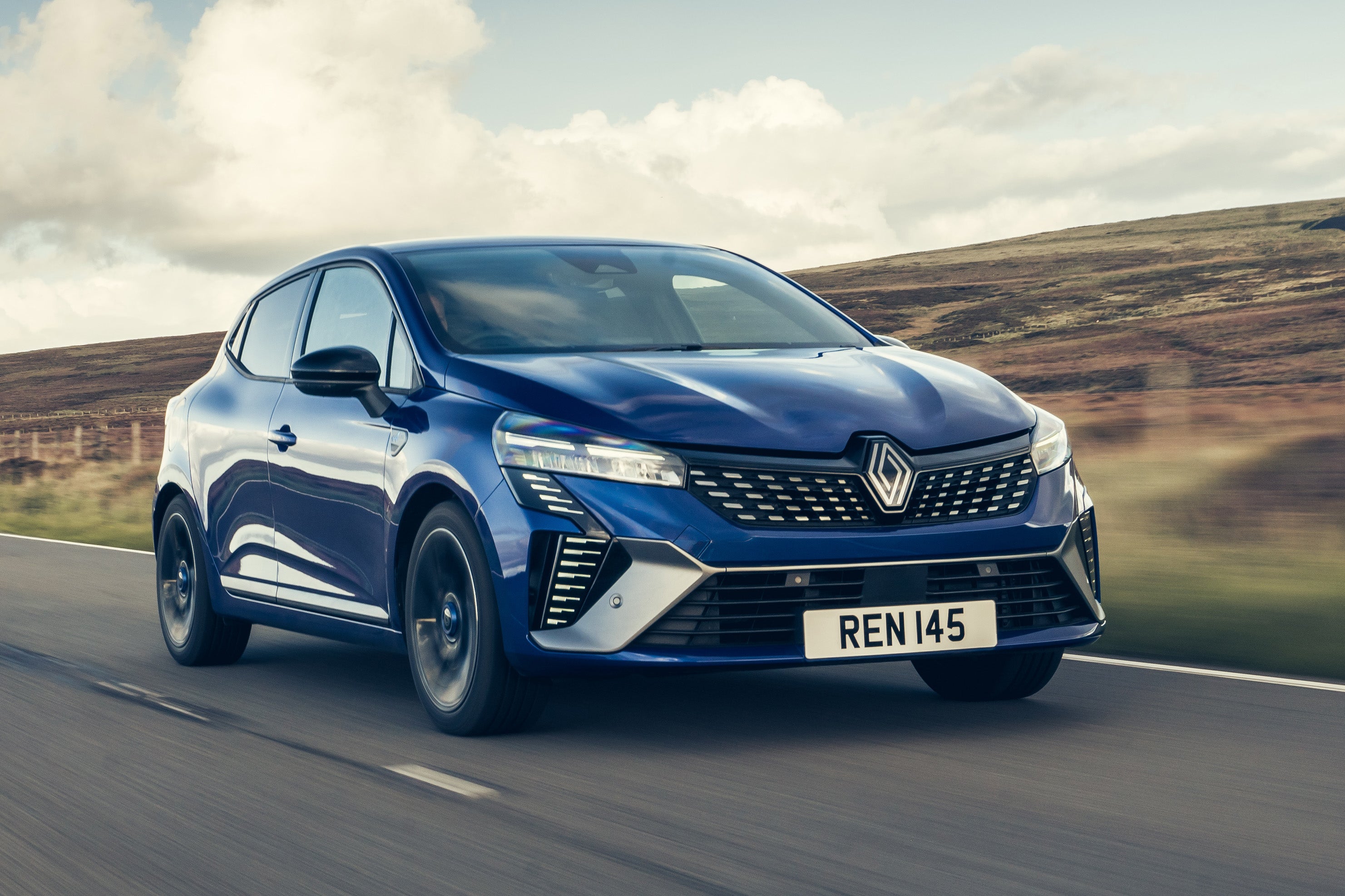
The Renault Clio remains one of the most convincing small hatchbacks on sale because it gets so many of the basics right. It looks smart, feels grown up inside and offers more practicality than plenty of rivals, while the hybrid version gives it a strong efficiency angle for buyers who spend a lot of time in town. It is not the sharpest or softest car in the class, but as an all-round supermini the Renault Clio is easy to recommend.
The Renault Clio in more detail
The Renault Clio has always traded partly on style, but this generation also brought a much-needed improvement in substance. When it arrived in 2019, it moved the Clio on significantly in cabin quality, technology and general refinement, and the later facelift helped keep it feeling current.
That update did not transform the car, but it did sharpen the styling and tidy up the range. The Clio now sits in a simpler position in Renault’s line-up, covering buyers who want a conventional supermini while the Renault 5 takes the electric route.
Browse used Renault Clios for sale →
The current UK line-up is more focused than the older review suggests. Gone are the diesel and the broader spread of petrol engines. Today, the choice is between the TCe 90 petrol and the full hybrid E-Tech 145.
That is no bad thing, because those two versions make the decision fairly straightforward. The petrol is the cheaper route in and will suit buyers doing ordinary mixed mileage, while the hybrid is the more sophisticated and more economical option, especially around town.
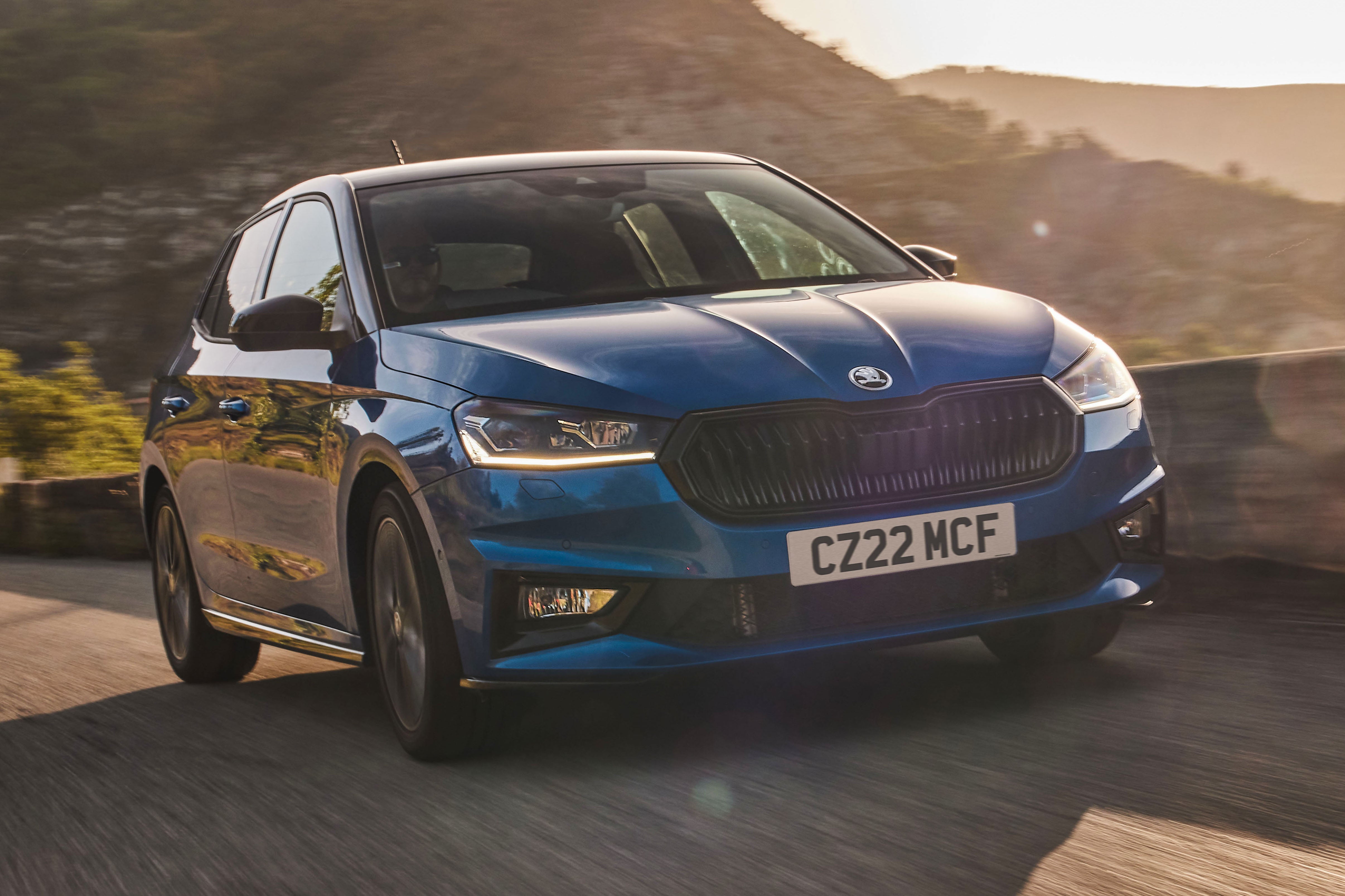
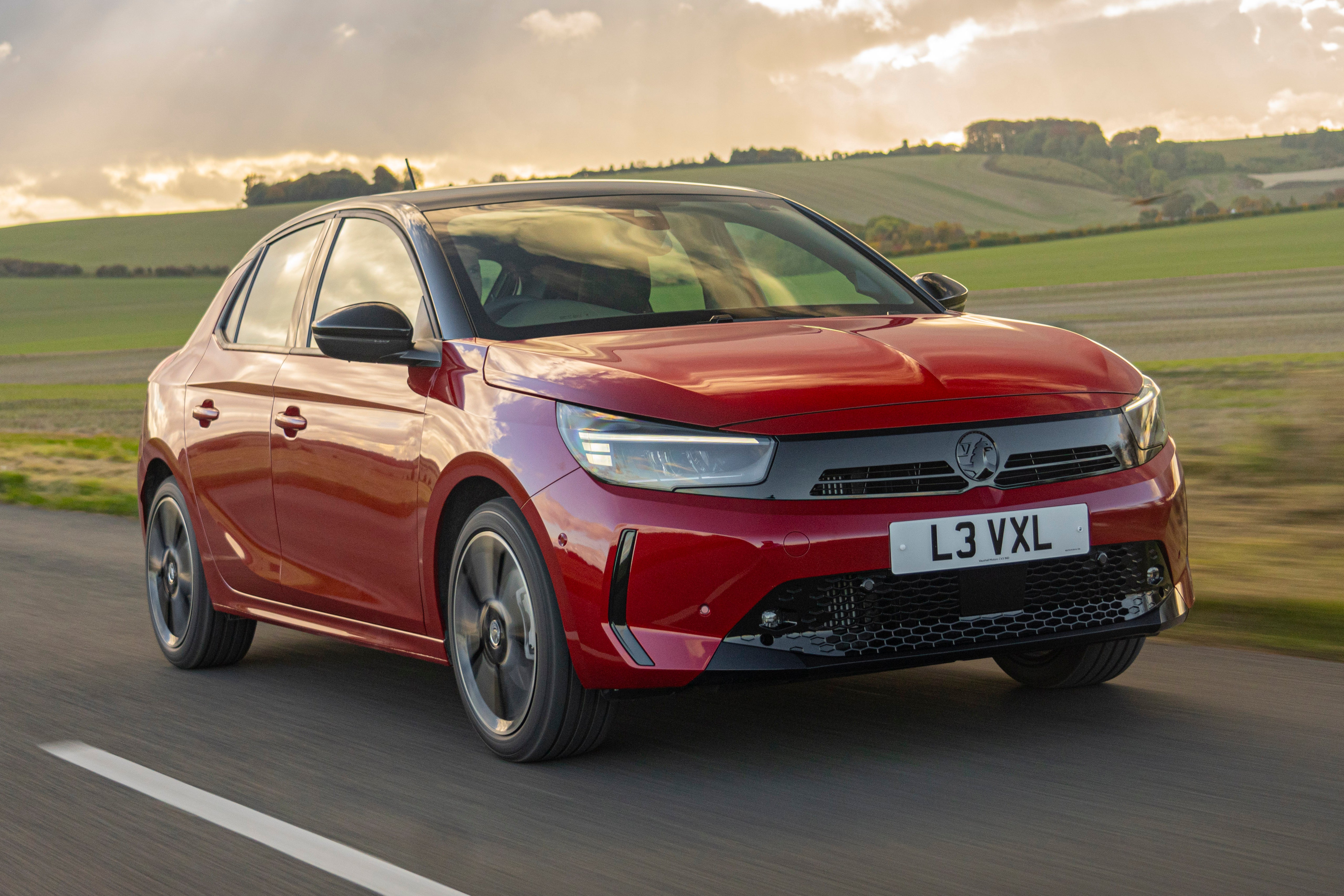
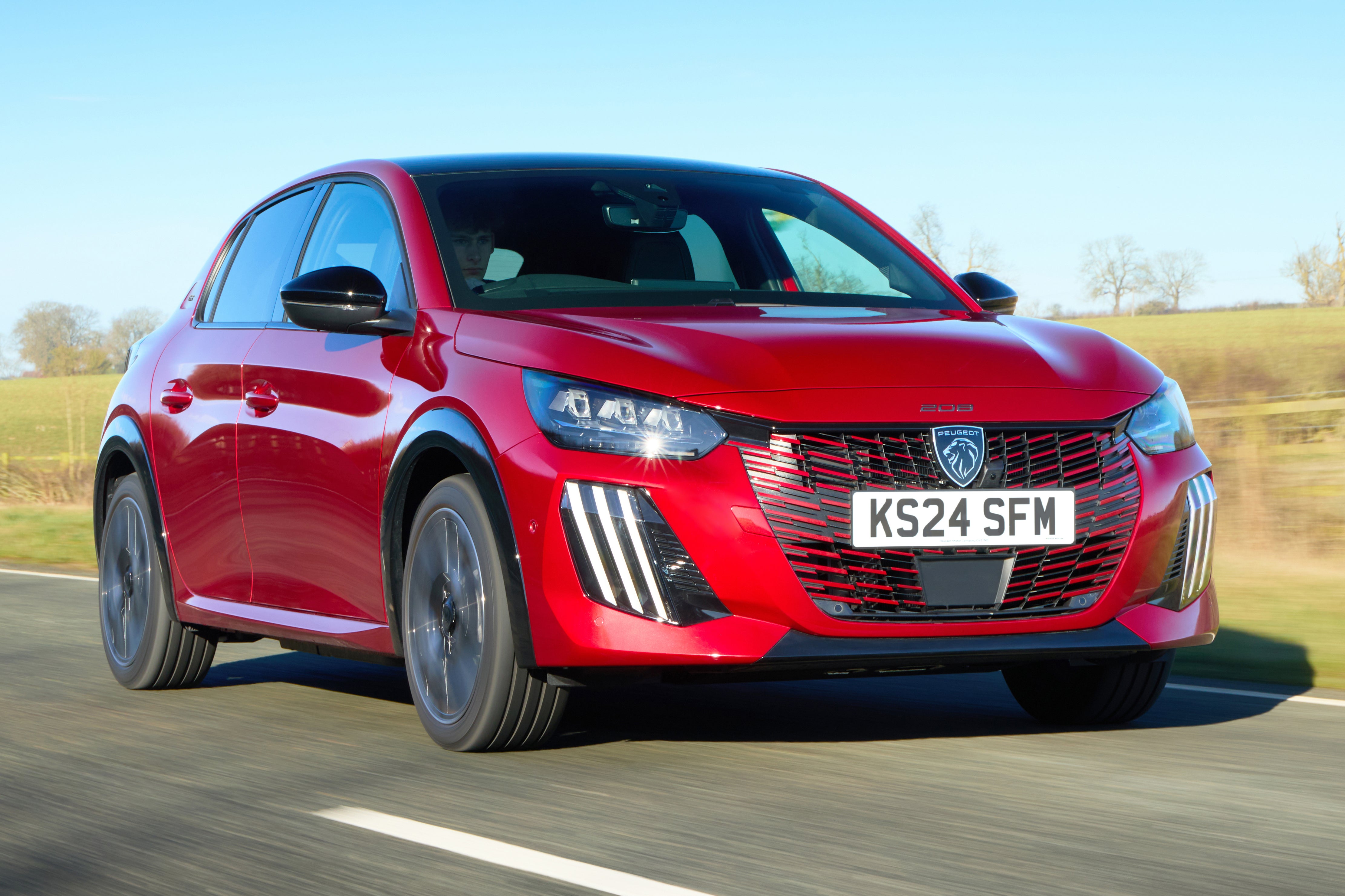
The Clio’s rivals remain some of the biggest names in the class. The Volkswagen Polo, SEAT Ibiza, Skoda Fabia, Vauxhall Corsa and Peugeot 208 all deserve to be on the shortlist. Even so, the Renault Clio still feels competitive because it offers a useful blend of space, quality and value rather than leaning too hard on any single gimmick.
What's the best Renault Clio trim and engine option?
For most buyers, the best Renault Clio is the techno esprit Alpine TCe 90. It sits in the sweet spot of the range, bringing the stronger infotainment and digital display package without making the car feel overly expensive.
The full hybrid E-Tech 145 is the one to choose if efficiency is a bigger priority than outright price. It is the more sophisticated drivetrain in traffic and around town, and it gives the Clio a much stronger economy story. The downside is that you have to move higher into the range to get it.
That means the answer depends a little on budget. The TCe 90 is still the sensible all-round entry point, while the hybrid is the more polished and more economical version if you can justify the extra spend.
In simple terms, techno+ is the value pick, techno esprit Alpine is the sweet spot and iconic esprit Alpine full hybrid is the premium one.
What’s the price of the Renault Clio?
The Renault Clio currently starts at £19,495 for the techno+ TCe 90. techno esprit Alpine TCe 90 starts at £20,995, while the range-topping iconic esprit Alpine full hybrid E-Tech 145 starts at £24,995. There are also plenty of used Renault Clios for sale for considerably less.
That places the Clio competitively in the supermini class. It is not the outright cheapest option on paper, but it brings enough perceived quality and standard equipment to feel like good value.
Used examples widen the appeal further. Earlier cars are already available at much lower prices, though the older infotainment setups mean it is worth being selective if technology matters to you.
Alternatives to the Renault Clio
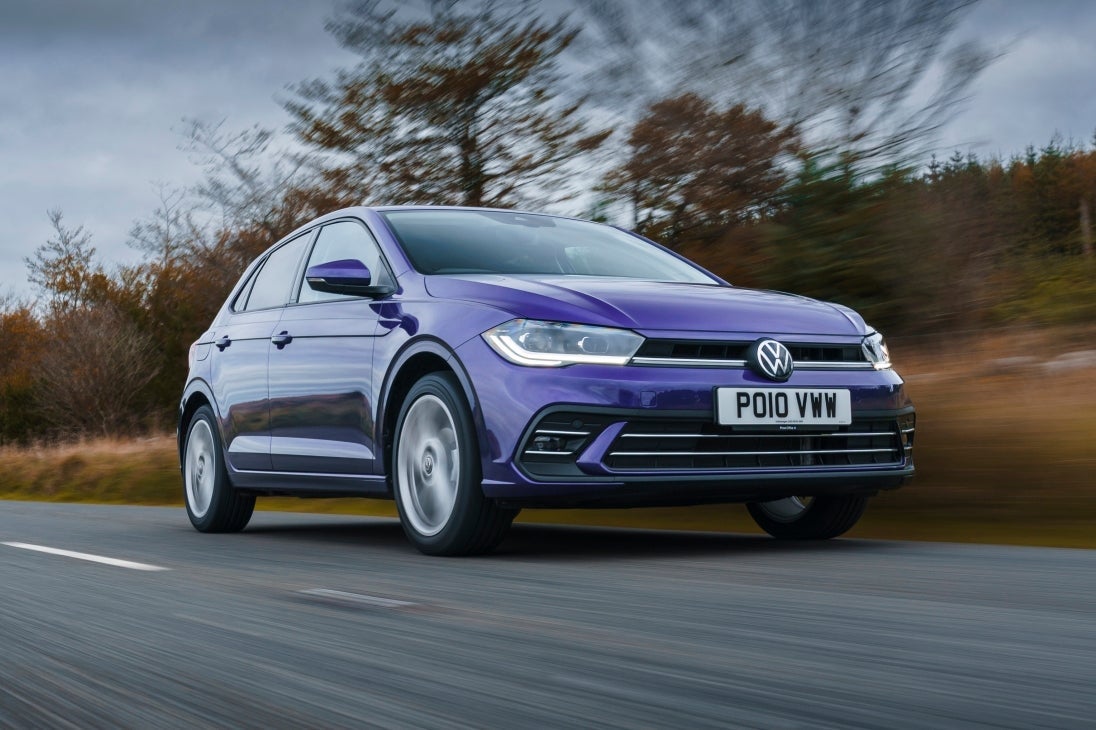
The Volkswagen Polo remains one of the Clio’s clearest rivals if you want a supermini with a more mature, polished feel. It is still one of the most complete cars in the class, though it can feel more expensive than the Renault.
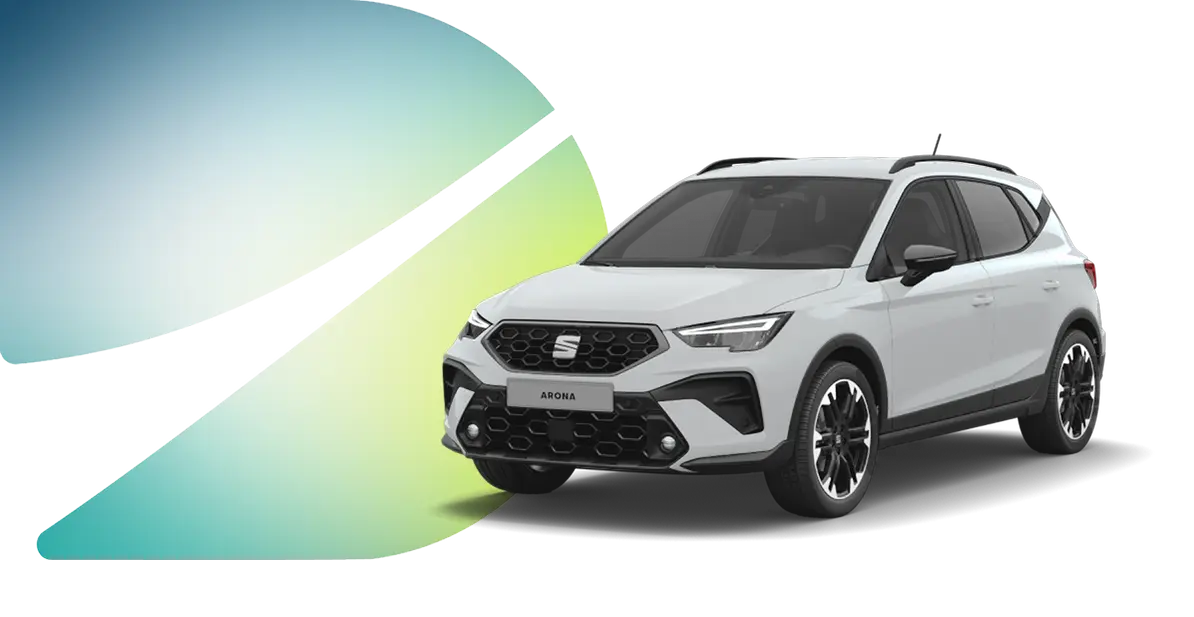
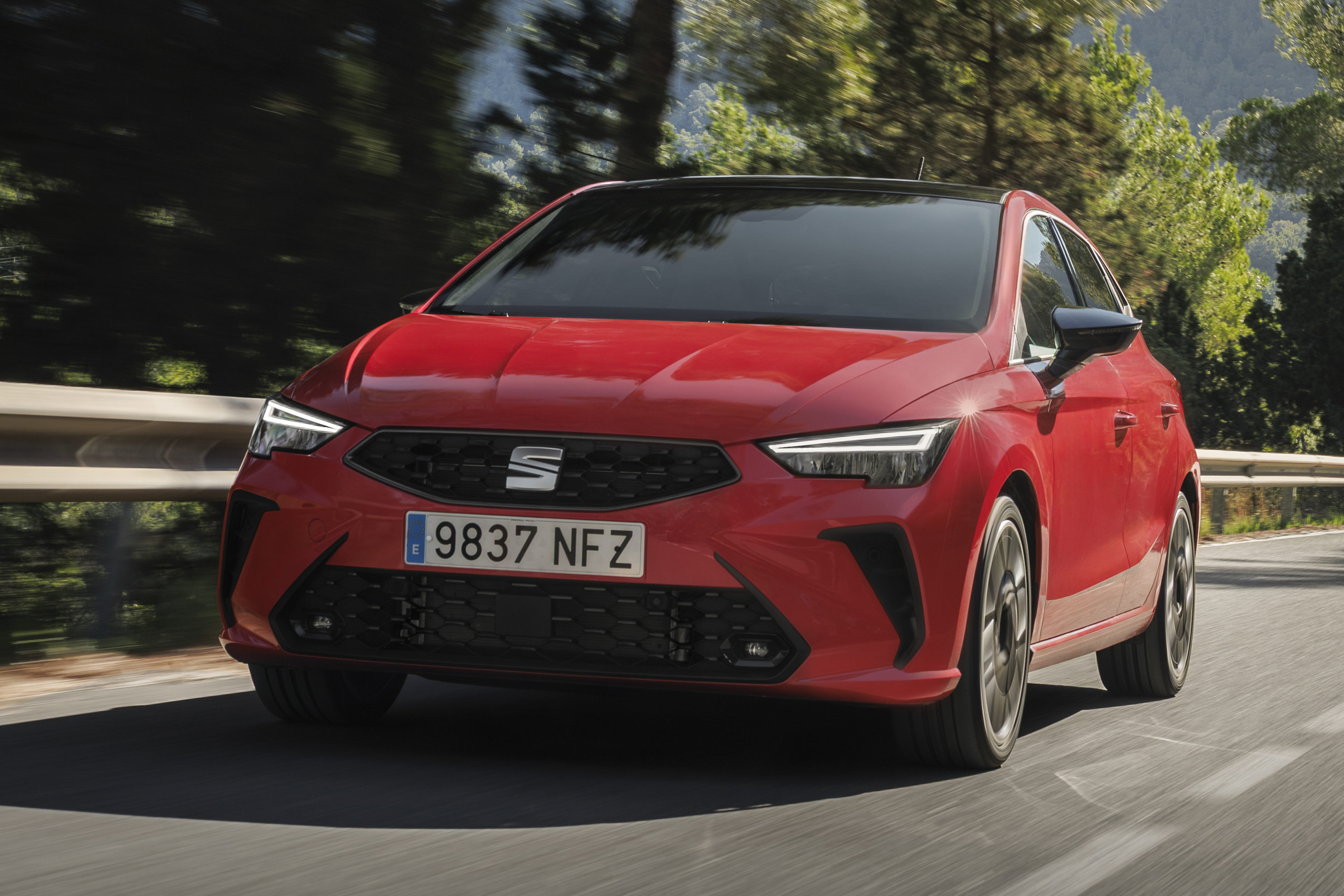
The SEAT Ibiza is another strong alternative if you want a small hatchback with tidy road manners and a simple, practical cabin. It is a little less plush than the Clio inside, but it remains an easy car to recommend.
The Skoda Fabia is the rational choice. It majors on space, comfort and straightforward usability, which makes it especially appealing if you want a small hatchback that feels bigger than it is.
Beyond those three, the Peugeot 208, Toyota Yaris and Vauxhall Corsa all deserve a look. The Renault Clio makes most sense if you want a supermini that feels stylish and roomy without sacrificing too much value.
What's the interior like in the Renault Clio?
The Renault Clio’s interior remains one of its strengths. It feels more sophisticated than older Clios ever managed and does a good job of making the car feel a class above some cheaper rivals.
Renault Clio boot space and practicality
Practicality is one of the Clio’s better arguments. The standard petrol car offers 391 litres of boot space, which is excellent for a supermini and still one of the more generous figures in the class.
The hybrid pays for its added technology with reduced luggage room, dropping to 301 litres. That is a noticeable sacrifice, so buyers choosing the hybrid need to weigh the stronger economy against the smaller boot.
Rear-seat space is decent enough for the class, even if Renault has clearly favoured boot room over outright back-seat stretch-out space. Adults can sit in the back without too much complaint on shorter trips, while children will be perfectly happy.
In simple terms, the Clio is one of the more practical small hatchbacks in petrol form, while the hybrid gives away some of that edge.
Renault Clio dimensions
The Renault Clio measures 4,053mm long, 1,798mm wide & 1,439mm high. That keeps it compact enough for urban driving while still giving it enough road presence and cabin space to feel like a proper family-sized supermini.
It is also slightly smaller externally than some earlier Clios, which helps with parking and town use without making the cabin feel cramped.
Tech and infotainment in the Renault Clio
Infotainment depends heavily on which Clio you choose. The latest cars are much easier to recommend because the screens and software feel more current and more responsive than the older setups.
Current upper trims get Renault’s larger Easy Link touchscreen with navigation and smartphone integration, while the digital driver display rises to 10 inches in the esprit Alpine versions. The overall effect is smart and reasonably intuitive, even if it no longer feels especially cutting edge.
Used buyers need to be more careful. Earlier lower-spec systems are much less impressive and feel old-fashioned quite quickly, so the bigger touchscreen versions are the ones worth targeting.
Materials available on the Renault Clio
The Clio’s material quality remains a pleasant surprise. Soft-touch trim, better dashboard finishes and a generally more solid feel help it punch above its weight.
Higher trims do the best job of showing that off, but even lower-order cars feel much more substantial than old Clios did. This is one of the areas where Renault made the biggest step forward.
What's the Renault Clio like to drive?
The Renault Clio feels more grown up than playful. That suits many buyers, even if it means giving away a little fun factor to the best driver-focused rivals.
Renault Clio range and performance
Renault originally got the Clio range started with the non-turbo 1.0-litre SCe 75PS petrol engine. Even if you never drive beyond the city limits, we’d advise ignoring this motor as a used buyers and heading to the TCe 100 1.0-litre three-cylinder engine as it is a much more able, rounded choice.
Where the SCe 75 feels sluggish to the point of sloth, the TCe 100 delivers performance on a par with its key rivals from Ford and Volkswagen. It’s not brisk and the five-speed manual gearbox that is standard is not the most pleasurable to use, as well as missing a sixth gear that would make it better to drive on the motorway.
For this reason, we’d recommend opting for the seven-speed automatic gearbox with the 100PS TCe engine. It helps improve performance very slightly but also comes with smooth shifts that sidestep the notchy feel of the manual transmission. However, beware of the increased fuel consumption and emissions of this combination.
That leads us to the 1.3-litre TCe 130 petrol turbo engine that was only offered with the automatic. It provides economy and emissions much the same as the 1.0-litre auto yet feels much swifter and more refined, and it has enough performance for the Clio to be entertaining on a quiet country lane when you’re in the mood.
Renault bucked the trend in small hatchbacks by continuing to offer a diesel for much longer and the 1.5-litre Blue dCi 85 does a good job of cruising along multi-lane roads. However, it is hampered by slow acceleration, so only the very economy-minded used buyer will choose this motor.
More Clio customers - new and used - are likely to take the E-Tech Hybrid option with its electric motors and 1.6-litre petrol engine with 140PS. It has an automatic gearbox and the choice of hybrid or EV-only driving, with the energy optimisation and brake regeneration being influenced by Renault's F1 team tech.
The hybrid is by far the smoothest of the Clio's powertrain offerings. It switches seamlessly from petrol to electric power and you can travel one or two miles on pure electricity, up to speeds of 27mph, which makes it perfect for whirring around town.
There is also the 1.0-litre TCe 90 petrol engine for new buyers. It's not the swiftest or most fun, but it gets the job done and comes with a six-speed manual gearbox to feel far more rounded than the 75PS engine.
Performance data
| Model | Engine/battery size | Power | 0-62mph | Range/MPG |
|---|---|---|---|---|
TCe 90 | 1.0-litre | 90PS | 12.2 seconds | Up to 54.3mpg |
E-Tech 145 | 1.6-litre | 145PS | 9.3 seconds | Up to 67.3mpg |
Renault Clio driving and refinement
The Clio may be a small hatch but Renault has managed to inject the feeling of a bigger car into the way it behaves on the road.
For some, this will come as a happy improvement over the previous model, while others will mourn the loss of some of the past version’s agility and French flavour.
That French-ness that once marked out the comfy ride of Renault Clios past has now, well, passed. In its place arrives a firmer suspension set-up aimed at moving the Clio closer to the way the Ford Fiesta deals with lumpy roads. So, the Renault Clio is not quite as gently absorbing over ruts and potholes, resulting in the car jigging a little too much for our taste when it should be caressing its way over surfaces.
The flipside of this is the Clio now handles with greater accuracy and control in this latest model. You get steering with quicker inputs, though not any more feel, while cornering grip is right up there with the Fiesta’s. Even so, the Clio is not quite a match for the Fiesta as the Renault doesn’t manage to blend everything together with the same fluency as its chief rival. Then again, you can't buy a brand new Fiesta anymore.
All of this comes as a bit of a disappointment during the vast majority of driving time in the Clio. While it’s great fun to point down a country lane for a bit of old fashioned hatchback enjoyment, it’s not as plush or cosseting on city streets or motorways as the previous Clio. There’s too much emphasis on the sporty side and not enough on comfort.
With this latest model, Renault has traded some of the cabin’s refinement in favour of sharper handling by firming up the suspension. It’s a balance we’re not convinced by as more road noise can be heard inside the Clio than in many rivals, notably the Volkswagen Polo.
When you move up to the Clio trims with larger wheels the level of road noise strays into becoming intrusive, this is most notable on the 1.6 hybrid at low speeds.
Countering this is very little wind disturbance, even at motorway pace. Renault has also made a thorough job of isolating engine noise from the cabin, so even when working the smaller capacity engines hard they remain pleasantly quiet
How safe is the Renault Clio?
The Renault Clio scored strongly when tested by Euro NCAP, with particularly impressive results for adult and child occupant protection.
Standard safety equipment is generous enough for a supermini, too. Lane-keeping aids, traffic-sign recognition, hill-start assist and the usual stability and braking systems are all part of the story, while higher trims add front parking sensors, reversing camera and adaptive cruise control.
That makes the Clio feel well equipped in this area, even if some rivals now offer similarly comprehensive safety tech.
Running costs: What it's like to live with a Renault Clio
Running costs are one of the Clio’s strengths, particularly if you choose the hybrid or stick to the lighter petrol versions.
Renault Clio fuel economy
The full hybrid E-Tech 145 is the efficiency star of the current range, with official combined fuel economy of up to 67.3mpg.
The TCe 90 petrol looks respectable too, with Renault quoting up to 54.3mpg. In real-world use, the hybrid is the one most likely to deliver genuinely strong returns if your driving includes a lot of town work.
That makes the Clio one of the more convincing fuel-sipping superminis in current hybrid form.
Renault Clio warranty and servicing
Renault covers the Clio with a three-year warranty up to 60,000 miles.
Servicing intervals matter more in practice than the headline warranty. Renault schedules the Clio for routine servicing every 12 months or 18,000 miles, which is a sensible enough pattern for a small hatchback and should help keep maintenance straightforward for most owners.
Renault Clio insurance groups
Insurance varies depending on engine and trim, but the current Clio range broadly sits between groups 10 and 18.
That keeps it within sensible small-car territory, even if the hybrid and higher trims naturally cost more to insure than the basic petrol models.
How much does it cost to tax a Renault Clio?
The Renault Clio now costs £200 a year in VED after year one, which is the current standard annual rate for petrol and hybrid cars.
The Expensive Car Supplement only applies to petrol and hybrid cars with a list price above £40,000, and no Clio gets anywhere close to that. So there is no premium-car tax sting to worry about here.
What trims are available with the Renault Clio?
The Renault Clio line-up consists of techno+, techno esprit Alpine and iconic esprit Alpine.
Clio techno+ is the entry point, but it already comes with useful kit. Highlights include heated front seats, wireless phone charging, the 7-inch Easy Link touchscreen with navigation and smartphone integration, plus the core safety equipment most buyers will expect.
Clio techno esprit Alpine is the trim that best balances value and desirability. It adds 17-inch esprit Alpine alloy wheels, the 10-inch digital driver display and the larger 9.3-inch touchscreen with navigation.
Clio iconic esprit Alpine sits at the top and is currently paired with the full hybrid E-Tech 145. It adds adaptive cruise control with stop and go, heated steering wheel, Bose audio and the 360-degree around-view monitor. This is the plushest Clio, but also the least budget-minded.
In simple terms, techno+ is the value one, techno esprit Alpine is the sweet spot and iconic esprit Alpine is the premium one.
Ask the Drive experts: common questions
Is the Renault Clio a good small car?
Which Renault Clio is best?
Is the Renault Clio hybrid worth it?
Does the Renault Clio get the Expensive Car Supplement?
Get our latest advice, news and offers
Keep me updated by email with the latest advice, news and offers from Drive.