Toyota Proace Review

Written By Andrew Brady
- 2016
- Van
- Diesel, Electric
What we love
Excellent payload
Strong engine range, including electric
Good levels of standard kit
Things to consider
Limited body shapes available
Compromised driving position
Interior not the best in class
The DRIVE take on the Toyota Proace, is it the right car for you?
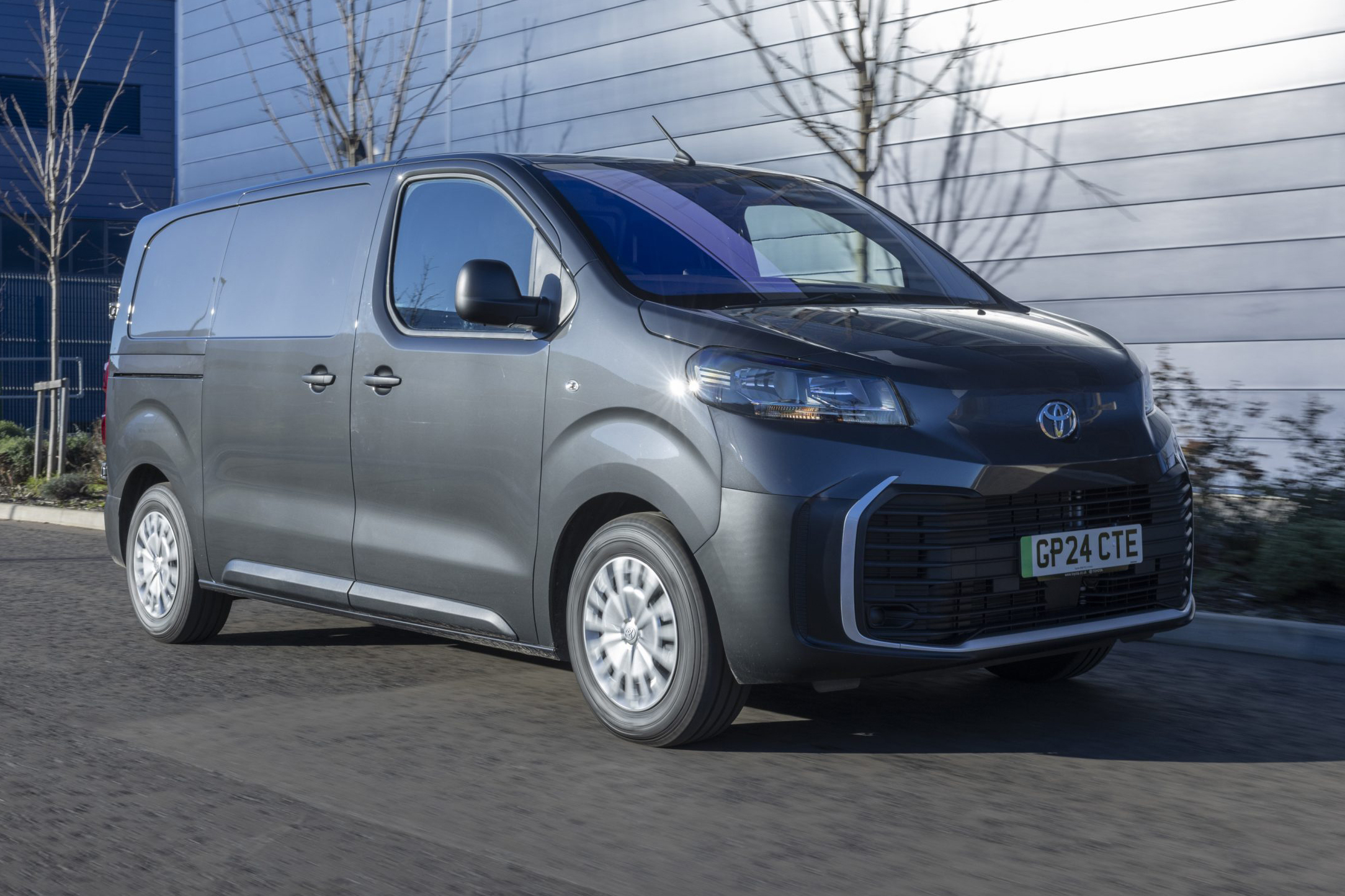
The Toyota Proace is a strong medium van for businesses prioritising payload, towing ability and manageable exterior dimensions. Diesel remains the obvious choice for high-mileage work, while the 75kWh electric model suits operators whose routes fit comfortably within its 218-mile maximum range.
Its Peugeot, Citroen, Vauxhall and Fiat relatives offer much the same capability, but Toyota’s service-activated warranty gives the Proace a meaningful advantage.
The Toyota Proace in more detail
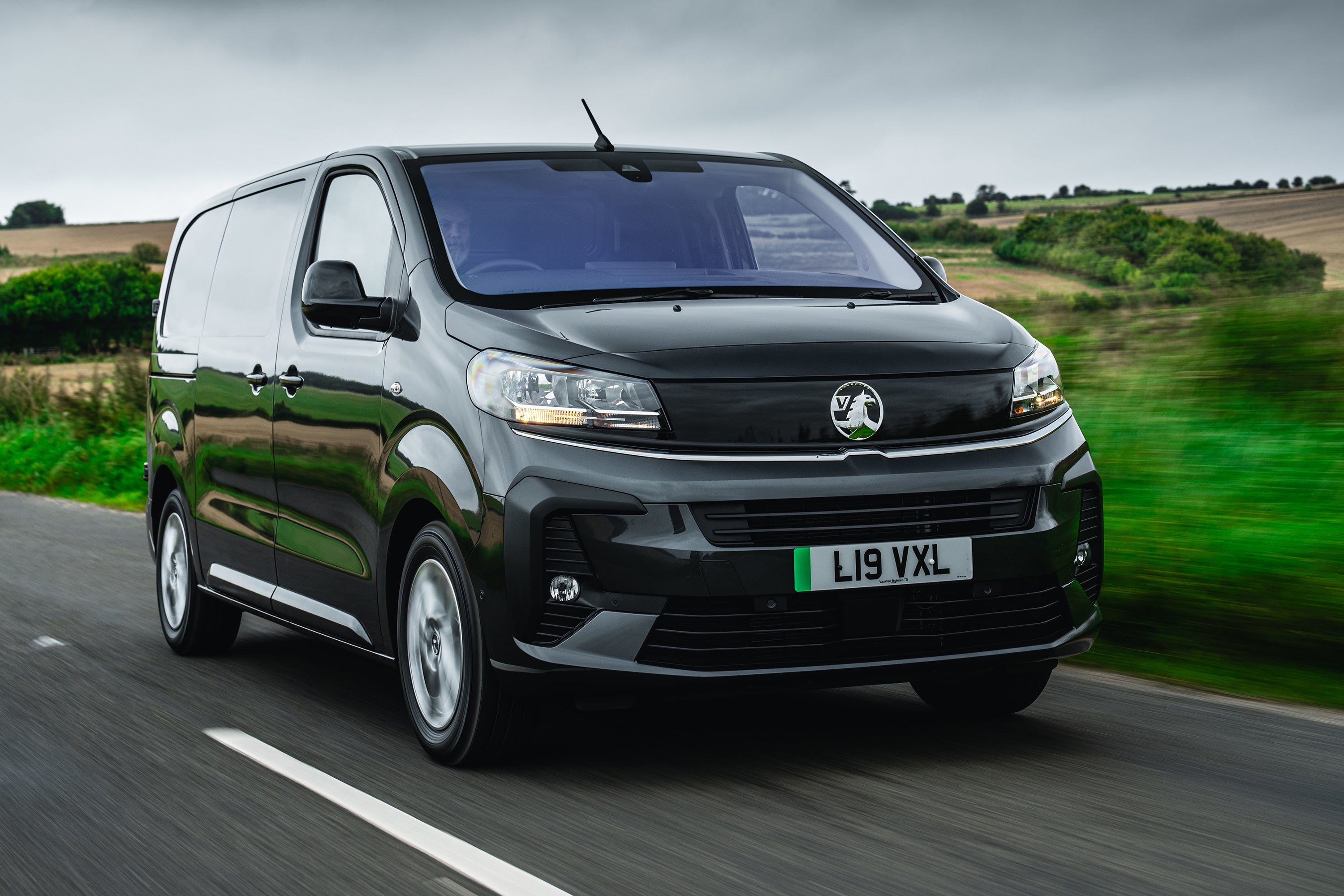
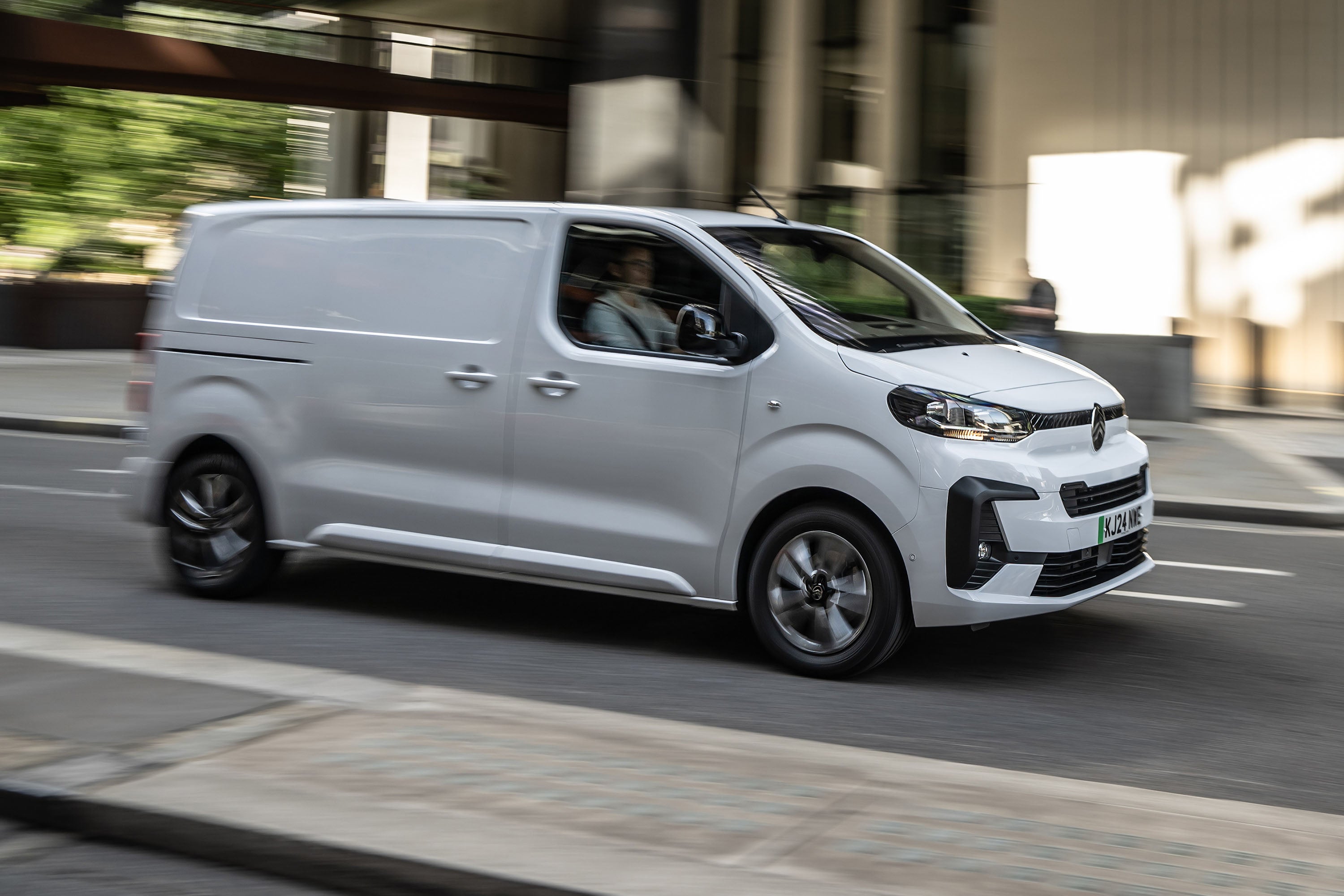
The Toyota Proace occupies an unusual position in the Toyota range because much of what sits beneath the bodywork is shared with other manufacturers. It was developed alongside what are now the Peugeot Expert, Citroen Dispatch, Vauxhall Vivaro and Fiat Scudo, with all five vans using the same basic platform, dimensions and much of the same mechanical hardware.
That relationship is not necessarily a disadvantage. The underlying design makes efficient use of its footprint, provides strong payload figures and has proved flexible enough to support diesel and electric powertrains.
It also gives buyers plenty of choice. If one manufacturer has a better finance offer, more convenient dealer or suitable stock available sooner, the alternatives are fundamentally very similar.
Toyota updated the Proace substantially for 2024, giving it a more distinctive front end, newer infotainment and extra driver-assistance technology. The engine range has changed again since then.
Current diesel models use a 120PS 1.5-litre engine with a six-speed manual gearbox, or a newer 2.2-litre diesel producing 150PS or 180PS. The 150PS version is manual, while the 180PS engine comes with an eight-speed automatic.
Used buyers will encounter a much wider selection because earlier Proace models were sold with 1.6, 1.5 and 2.0-litre diesels in various outputs.
Electric versions use a 136PS motor with either a 50kWh or 75kWh battery. The smaller battery is restricted to selected models, while the 75kWh version offers up to 218 miles of official WLTP range.
Body choice is straightforward. Panel Vans come in Medium and Long forms, while Crew Cab versions add a second row of seats. Toyota also offers a Platform Cab for specialist conversions.
There is only one roof height. That limits maximum cargo volume compared with some rivals, but it also keeps regular Proace models below two metres tall, which can be useful in car parks and urban loading areas.
Toyota’s strongest point of difference is arguably its aftersales package. Every new Proace starts with a three-year manufacturer warranty, after which qualifying Toyota servicing can activate additional cover until the van reaches 10 years old or 100,000 miles.
For businesses keeping vans beyond the first few years, that is a significant advantage over the Proace’s mechanically similar rivals.
What's the best Toyota Proace trim and battery option?
The 150PS 2.2-litre diesel in Icon specification is the best all-round Proace. It has more useful pulling power than the 120PS engine, can carry up to 1.4 tonnes in the right configuration and tow as much as 2,500kg.
The 120PS 1.5-litre diesel suits lighter work and offers the strongest official economy figures, while the 180PS automatic is better for drivers regularly carrying or towing heavy loads.
If you want an electric Proace, the 75kWh battery is the more flexible choice unless your daily mileage is very low. Its maximum 218-mile range is considerably more useful than the 50kWh model’s 134-mile figure.
What’s the price of the Toyota Proace?
Diesel Panel Vans start at £29,753 excluding VAT and on-road costs for the Medium 1.5-litre 120PS Active. The Medium Icon costs £30,878, while a 150PS 2.2-litre Icon starts at £32,628.
A Long 150PS Active costs £32,128, with better-equipped Icon versions starting from £33,253. The 180PS automatic Sport sits at the top of the diesel Panel Van range at around £36,487.
Electric models are more expensive. A Medium 50kWh Icon starts from around £37,128 excluding VAT, while 75kWh versions begin above £41,800. The 75kWh Sport is approximately £44,003.
Eligible electric vans may benefit from the government Plug-in Van Grant, while Toyota frequently offers commercial discounts, so actual transaction prices can differ significantly from list.
Alternatives to the Toyota Proace
The Peugeot Expert, Citroen Dispatch, Vauxhall Vivaro and Fiat Scudo are the closest alternatives because they share the Toyota’s basic structure, load area and much of its hardware. There is little between them dynamically, so finance, warranty, standard equipment and local dealer support may matter more than the badge.
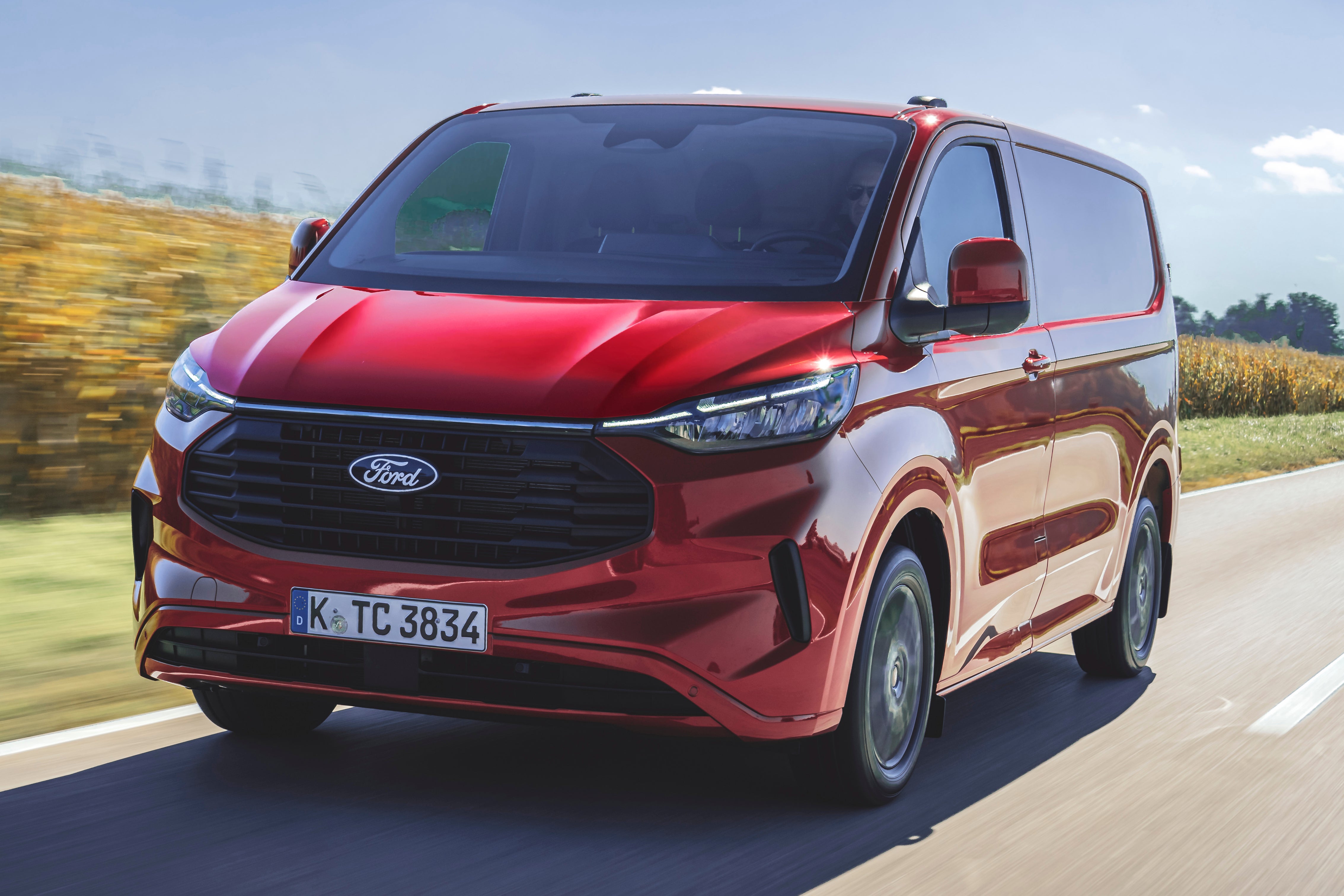
The Ford Transit Custom is stronger if driving experience, cabin design and outright load capacity are priorities. It feels more modern and offers up to 6.8m³ of Panel Van volume.
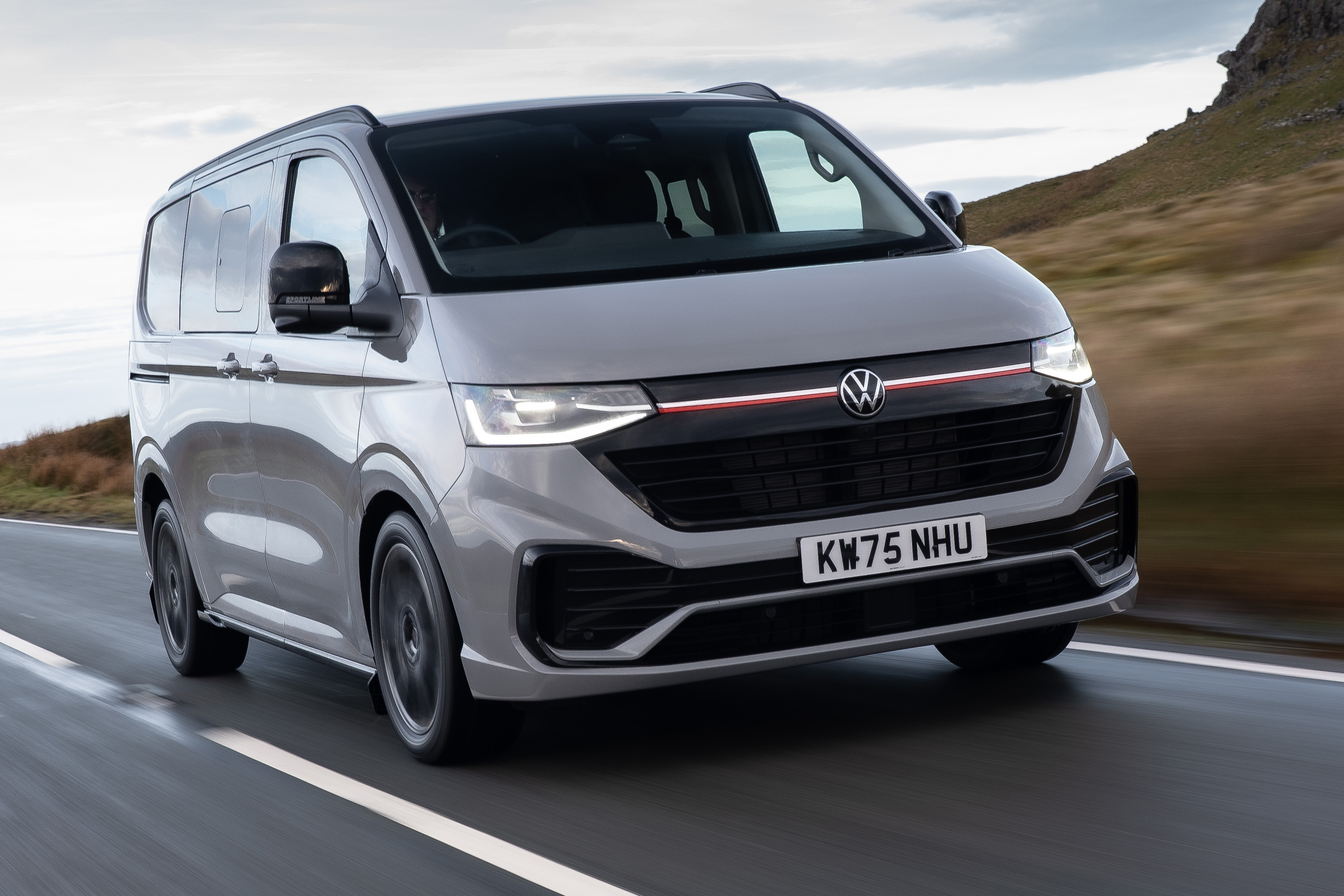
The latest Volkswagen Transporter is closely related to the Ford and offers similar ability with its own styling and dealer network.
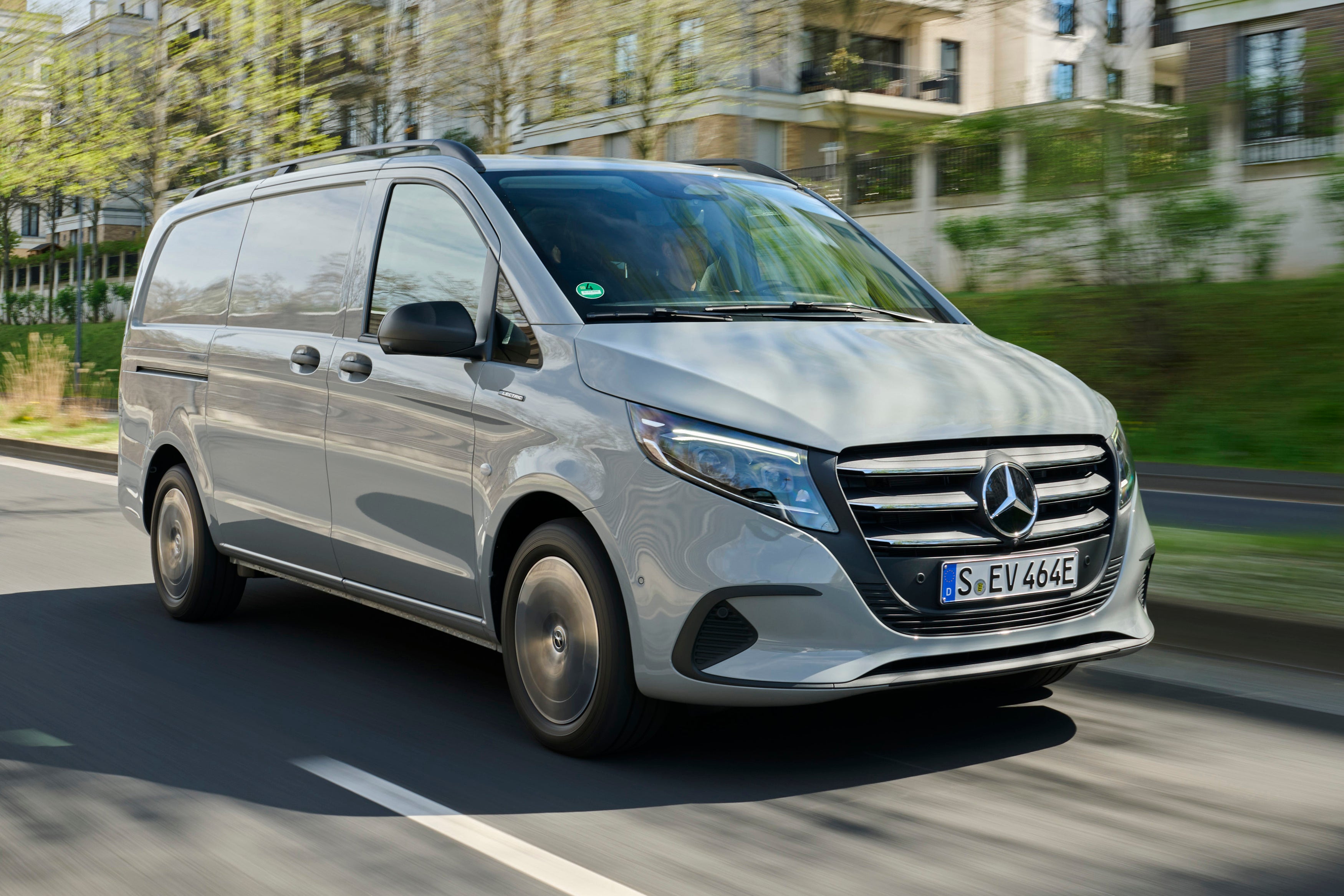
The Mercedes-Benz Vito is a refined long-distance choice, while the Renault Trafic remains a spacious and straightforward diesel alternative.
What's the interior like in the Toyota Proace?
The Proace cabin is practical and reasonably comfortable, but this is where the age of the underlying design is most obvious. The driving position is slightly compromised and some materials feel cheaper than those in the newest rivals, although the layout is straightforward.
Toyota Proace boot space and practicality
The first issue is the driving position. Like the Citroen Dispatch, Peugeot Expert and Vauxhall Vivaro, the Proace places the driver slightly offset from the pedals. It is unlikely to trouble you much on short journeys with frequent stops, but it can become more noticeable over longer distances.
There is plenty of adjustment in the steering wheel, while mid-level trims and above add height adjustment for the driver’s seat. Taller drivers may wish the seat slid back a little further, but most should still be able to find a comfortable position. Lumbar support is optional on the entry-level model and standard higher up the range.
The gearlever is mounted high on the dashboard and falls naturally to hand, while steering-wheel controls mean most key functions can be adjusted without much movement.
Because the Proace was developed alongside its Stellantis relatives, the cabin feels more Peugeot or Citroen than Toyota. The stalks, switches and general layout are quite different from those in Toyota’s passenger cars, although everything is straightforward once you are familiar with it.
An armrest is standard, while the centre passenger seat folds down to create a useful work surface when the van is parked. The middle seat is naturally less comfortable than the outer two, but the high-mounted gearlever leaves a reasonable amount of legroom and avoids getting in the way when changing gear.
The relatively low roof can make the cabin look a little enclosed at first, but there is plenty of headroom for all three occupants. Every Panel Van comes with a double passenger seat, giving the Proace three seats across the cab as standard.
Cab storage is adequate rather than exceptional. The door bins are deep and useful, and there is additional space beneath the passenger seats, but many of the smaller cubbies are modest in size. The gloveboxes are not especially generous and the cupholders are mounted high at the outer edges of the dashboard, which means stretching to reach them.
The cargo area is one of the Proace’s strongest points, particularly where payload matters more than outright cubic capacity.
The Medium Panel Van has a 2,512mm load floor, while the Long extends this to 2,862mm. Both are 1,636mm wide internally and have a load height of 1,397mm, giving the Medium 5.8m³ of load volume and the Long 6.6m³.
Sliding doors on both sides make the Proace particularly useful for multi-drop work, allowing the cargo area to be accessed from either side. A Euro pallet can be loaded through the side door, while the Medium and Long versions have enough floor space to accommodate multiple pallets depending on how they are positioned.
Most versions are also available with Toyota’s Smart Cargo system, which uses a load-through section in the bulkhead to accommodate longer, narrower items. This can add substantially to the usable load length, making the Proace more versatile than its basic floor dimensions suggest.
Payload varies considerably according to engine, body style and Gross Vehicle Weight. Current 1.5-litre diesel models carry around one tonne, while selected 2.2-litre versions can manage between approximately 1,185kg and 1,400kg.
Electric versions can also carry as much as 1,400kg in the right configuration, so choosing battery power does not automatically mean accepting a poor payload.
Diesel towing capacity ranges from 2,000kg for the 1.5-litre engine to as much as 2,500kg for selected 2.2-litre versions. Electric models are limited to 1,000kg.
As with any commercial vehicle, passengers, racking, optional equipment and accessories all reduce the remaining payload, so the plated figure on the individual van is more useful than the headline maximum.
Toyota Proace dimensions
The Medium Proace is 4,981mm long, while the Long measures 5,331mm. Both are 1,924mm wide without mirrors and around 1,910mm to 1,955mm high, depending on specification.
Keeping the Proace below two metres tall is useful for car parks and other height-restricted areas.
Both versions share a 3,275mm wheelbase, so most of the Long model’s extra length sits behind the rear axle. That means a little more care is needed when manoeuvring in tight spaces.
Light steering, a manageable turning circle and the available parking sensors and cameras make the Proace relatively easy to place for a medium van.
Tech and infotainment in the Toyota Proace
The 2024 facelift brought a major improvement in technology.
Current versions use a 10-inch touchscreen in place of the small, dated systems fitted to earlier vans, while Apple CarPlay and Android Auto make it easy to use familiar navigation and media apps.
The screen is much clearer than before, although the interface does not feel as slick as Ford’s latest SYNC system in the Transit Custom.
A digital instrument display is also available according to trim, while higher specifications add useful parking and visibility equipment.
Used buyers should pay close attention to model year because earlier entry-level Proace vans could be extremely basic. The facelifted model feels substantially more contemporary.
Materials available on the Toyota Proace
Most of the dashboard and doors are covered in hard plastics, which is entirely appropriate for a commercial vehicle likely to encounter muddy clothing, tools and regular loading.
The issue is more one of perceived quality. Some switches, compartment lids and other fittings do not operate with the solidity found in the latest Ford Transit Custom or Volkswagen Transporter.
The facelift has improved the appearance, but the underlying design still feels older than the best new rivals.
What's the Toyota Proace like to drive?
The Proace is easy to drive for a medium van, with light steering, a controlled ride and enough body control to feel secure on faster roads.
Toyota Proace range and performance
The 120PS 1.5-litre diesel produces 300Nm of torque and has enough performance for lighter work. Its main attraction is economy, with an official figure of up to 43.4mpg.
It can feel laboured with a heavy load, which makes the 150PS 2.2-litre diesel the stronger all-round choice. Its 370Nm of torque means fewer gear changes are needed on gradients and there is more performance in reserve on faster roads.
The 180PS 2.2 produces 400Nm and comes exclusively with an eight-speed automatic gearbox. It is useful for frequent heavy loads or towing, although most operators will not need the extra power.
Both electric models use a 136PS motor producing 260Nm. Immediate electric response makes them particularly pleasant in towns, with battery size rather than performance separating the two versions.
Performance data
| Model | Engine/battery size | Power | 0-62mph | Range/MPG |
|---|---|---|---|---|
1.5 D manual | 1.5-litre diesel manual | 120PS | TBC | Up to 43.4mpg |
2.2 D manual | 2.2-litre diesel manual | 150PS | TBC | Up to 42.8mpg |
2.2 D automatic | 2.2-litre diesel automatic | 180PS | TBC | Up to 41.5mpg |
Electric 50kWh | Electric automatic | 136PS | TBC | Up to 134 miles |
Electric 75kWh | Electric automatic | 136PS | TBC | Up to 218 miles |
Toyota Proace driving and refinement
The suspension is impressively comfortable, regardless of how much of a load you have in the back. Vans have been known to bounce around more when the rear compartment is empty, but the Proace manages, most of the time, to maintain its composure even when you’re heading back from a drop-off with nothing left in the cargo area.
This controlled suspension means that the Proace manages to keep bodyroll in check, too, so you can approach a corner with confidence and carry some speed around it without chucking the load all over the place. There are two different wheel sizes, but whether you go for the standard 16-inch steel rims or the 17-inch alloys of the Design model you won’t notice a difference to the ride.
There is only a front-wheel drive version of the Proace, but it manages to retain good levels of grip in usual road-going circumstances.
The steering is responsive and direct, if lacking in feedback. This means that it doesn’t feel quite as heavy as you might want through faster corners. Overall, though, it is sharp enough that it is easy to pilot around town. It comes with a relatively tight turning circle, too – 11.3m on the shorter model and 12.4m on the medium and longer versions.
The electric models are great for city centre driving thanks to their easy performance off the line and single-gear transmission that makes them drive like an automatic. They run almost silently and the B drive mode means the van slows itself – using its regenerative brakes – when you take your foot off the accelerator pedal. Plenty of cars are less relaxing city companions.
The Proace is impressively refined when it comes to noise in the cabin. The slight exception is the older 1.6-litre diesel engine, which is a bit louder at tick-over and under hard acceleration.
The more modern engines are quieter, though, and the overall ambiance is very good for a commercial vehicle. The higher trims are marginally quieter, which is down to extra insulation on the windscreen, which is designed to keep that bit more sound out. It’s not as if the Active is raucously loud, though.
Vibrations levels have been brought down with the latest engines, too, although there was never much to worry about. The motor in the electric motor is the star of the show being almost silent.
Because of that windscreen insulation, and the full-height bulkhead, the Proace keeps road noise at bay, too. The relatively low nature of the van, and the lack of taller versions, means that there isn’t a vast amount of wind noise. The small door mirrors help on this front as well – this is an impressively quiet van on the move.
How safe is the Toyota Proace?
Entry-level vans normally come with little in the way of safety kit beyond an airbag for the driver. The Proace goes at least one better than that by offering a passenger airbag, too, with an off switch should you need to disable it.
The other standard safety kit is relatively simple and consistent with rivals, though, with stability control, ABS, hill start assist and a tyre pressure monitoring system included.
The only addition for the mid-level Icon trim is an alarm, and you have to step up to the Design to get the desirable extra kit. This includes a blind spot monitor and the Toyota Safety Sense system. This gives you a head-up display, adaptive cruise control and autonomous braking with a pedestrian detection system. Given this is standard on Volkswagen’s Transporter, and there is no crosswind assist, this isn’t as impressive as some rivals.
The Proace hasn’t been tested by Euro NCAP in its current form. All models get a full-size steel spare wheel.
Running costs: What it's like to live with a Toyota Proace
Competitive diesel economy and Toyota’s strong warranty package should make the Proace relatively straightforward to run, while electric models can substantially reduce energy costs for businesses with access to inexpensive depot charging.
Toyota Proace fuel economy
The older models look much more efficient on paper, with economy up around 55mpg. However, it is worth noting that this is because the old engines were rated under the more unrealistic NEDC fuel testing regime. A real-world figure of something around 40mpg is more likely.
Meanwhile, the electric Proace with a 50kWh battery has a range of 134 miles, while the 75 kWh model gets up to 218 miles from a charge. Charge times take up to 28 hours using a domestic three-prong plug, but you can cut that down by using a home-installed wall charger (4.75 hours) or a public rapid charger (0.5 hrs).
Toyota Proace warranty and servicing
Every new Proace has a three-year manufacturer warranty.
After that, a qualifying service at a Toyota dealer can activate additional warranty cover until the van reaches 10 years old or 100,000 miles, whichever comes first.
That is a meaningful advantage for both new and used buyers and gives the Proace a clear point of difference over its closely related Stellantis rivals.
Toyota commercial vehicles also receive roadside-assistance support, while eligible dealer servicing can extend that assistance for existing owners.
Toyota Proace insurance groups
The Proace insurance groups range from 37 to 46, which is higher than the equivalent Peugeot and Citroen models. The highest group that an Expert sits in, for example, is 39.
As with the other versions, having a higher payload means that you pay more for insurance so paying a little more might be a necessity if you need to carry loads of stuff.
How much does it cost to tax a Toyota Proace?
A Proace Panel Van registered as a Light Goods Vehicle and weighing no more than 3,500kg pays £360 for 12 months in the 2026/27 tax year.
Electric light commercial vehicles are no longer exempt from Vehicle Excise Duty.
Specialist conversions should be checked individually because their taxation can depend on the finished vehicle’s classification and registered weight.
What trims are available with the Toyota Proace?
Active is the work-focused entry trim and concentrates on the essentials, making it suitable for fleets where purchase price and payload take priority.
Icon is the version most buyers should consider. It brings more comfort, infotainment and parking equipment without moving too far up the price list.
Icon Premium adds further convenience and styling equipment for drivers spending long working days in the van.
Sport tops the range with larger alloy wheels, body-coloured exterior detailing and additional cabin equipment. It is offered with the 180PS diesel automatic as well as selected electric versions.
Panel Vans come in Medium and Long forms with three seats, while Crew Cab versions add a second row and six seats. Toyota also offers a Medium Platform Cab for specialist conversions.
The 120PS 1.5-litre diesel is concentrated on the Medium Panel Van, while the 150PS 2.2 has the broadest availability. The 180PS automatic is associated with Sport.
Ask the Drive experts: common questions
Is Toyota Proace a good van?
Can you fit an 8x4 sheet in a Toyota Proace?
Is Toyota Proace front-wheel drive?
Get our latest advice, news and offers
Keep me updated by email with the latest advice, news and offers from Drive.