Vauxhall Vivaro Review

Written By Ivan Aistrop
- 2019
- Panel van, double cab van, chassis cab
- Diesel, electric
What we love
Decent to drive
Appealing range of powertrain options
Good payload figures
Things to consider
Not quite so generous on load capacity
Early entry-level versions were a bit sparse
Early examples also missed standard automatic emergency braking
The DRIVE take on the Vauxhall Vivaro, is it the right car for you?
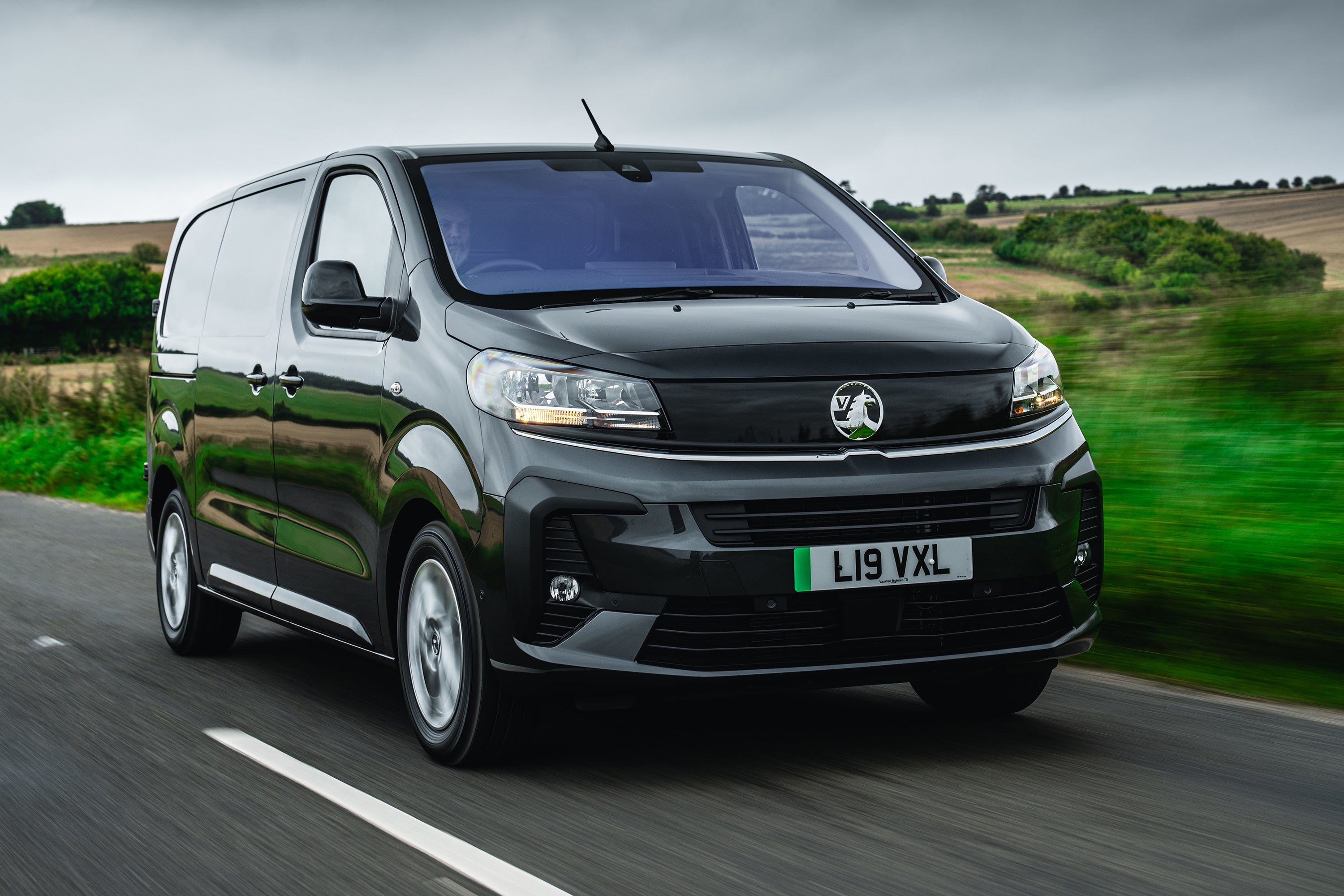
If your business requires maximum loadspace, then the Vivaro might not be for you, because alternatives in the mid-size van market offer more. If payload is your priority, though, the Vivaro will be well worth considering because it does much better on that score, and sits closer towards the class-leaders. In every other area, the Vivaro also does a very solid job.
The Vauxhall Vivaro in more detail
The Vauxhall Vivaro has been around since 2001, so it’s a familiar name with those in the commercial vehicle fraternity, although the nature of the vehicle that’s worn the nameplate has changed somewhat over the years.
You see, this is the third generation of the Vauxhall Vivaro, with the previous two sharing their mechanicals - and pretty much everything else except the badge - with the contemporary Renault Traffic.
However, once Vauxhall became a part of the PSA Group in 2017, alongside other van-producing marques such as Citroen and Peugeot, then the joint-development deal with Renault no longer made sense. So, the new Vivaro, which arrived in 2019, instead shared its bits and bobs with the Citroen Dispatch and Peugeot Expert. And, once PSA merged with the FCA (Fiat) group in 2021 to form manufacturing giant Stellantis, the Fiat Scudo joined the parts-sharing party as well.
So, now that we’ve established that the Vivaro shares its mechanicals with pretty much half the mid-size van market, what makes the Vauxhall stand out? Well, it represents decent value for money, and while early examples were rather basic, more modern examples - especially those from after the 2024 facelift - are rather better equipped. It’s available with a variety of powertrain options, too, including all-electric ones.
Like its Stellantis-built stablemates, where the Vivaro does particularly well is on its official payload figures, which if you choose the right version, are some of the best in the business. It doesn’t do so well for load capacity, mind, so if that’s your priority, you might be better off looking elsewhere.
To drive, the Vivaro is as easy as you’d hope, with light controls, perky enough performance, decent everyday comfort and tidy handling. Refinement isn’t bad, either, while the build quality is solid enough to make the Vivaro feel like it’ll stand up well to thousands of miles of hard use as a working vehicle.
What's the best Vauxhall Vivaro trim and engine option?
If your business is conducted exclusively in your local area, then you could make a very decent saving in running costs by choosing the all-electric version of the Vauxhall Vivaro, which is imaginatively named the Vivaro Electric. Electricity costs much less than diesel provided you charge up in the right places, and if you operate locally, then the limited 219-mile official range should be less of a problem for you.
If, however, your work takes you the length and breadth of the country - or more than a couple of hundred miles at a time - then you’ll want one of the diesels. We reckon the entry-level 120PS 1.5-litre unit is all you need, with decent performance and affordable running costs. It’s also significantly cheaper to buy in the first place than the EV.
Trim-wise, the entry-level Prime should have most of what you need, but the Pro does have a few very desirable extras that make your working life considerably easier, so we’d understand if you wanted to make the upgrade.
What’s the price of the Vauxhall Vivaro?
Prices for the panel van version of the Vivaro currently start at around £32,000 (excluding VAT) for the M version in Prime trim with the entry-level 1.5 diesel engine. The upgrade to the XL bodystyle adds around £1,000 to the price, while the upgrade to the brawnier 150PS 2.2-litre diesel engine costs you around £1,200. Upgrading from Prime trim to Pro trim is a little steeper at roughly £2,500.
The regular diesel range tops out at around £37,000 for the most expensive variant, although Vauxhall has occasionally offered limited-edition models that come properly tooled-up and cost a lot more still. A recent example of this is the sporty GS model that had sports styling, 18-inch alloys, a bunch of extra interior goodies, and the 180PS engine: that version cost almost £48,000, which is pretty bonkers.
Predictably, the double cab variant has a considerably higher starting price, although a significant part of that is because it isn’t offered with the entry-level engine option. For a six-seater Vivaro van, you’ll be paying between £36,000 and £40,000, approximately.
Buy an electric Vivaro, and the Government will likely give you five grand towards it in the form of the Plug-in Van Grant (PiVG), but even with that chunky amount deducted, prices for the electric version are still rather punchy compared with those of diesel models. Electric panel vans will cost you between £38,000 and £42,000, approximately. You’re looking at between £41,000 and £44,000 for the double cab.
In comparison to other mid-size-van offerings, the Vivaro’s pricing is rather middle-of-the-road. It’s not the cheapest van of its type, but it holds a useful price advantage over similarly-sized offerings from the likes of Ford, Volkswagen and Mercedes. Interestingly, though, you’ll pay roughly £1,000 more for a Vivaro, version-for-version, than you will for a Citroen Dispatch, which is identical in pretty much everything but looks.
Alternatives to the Vauxhall Vivaro
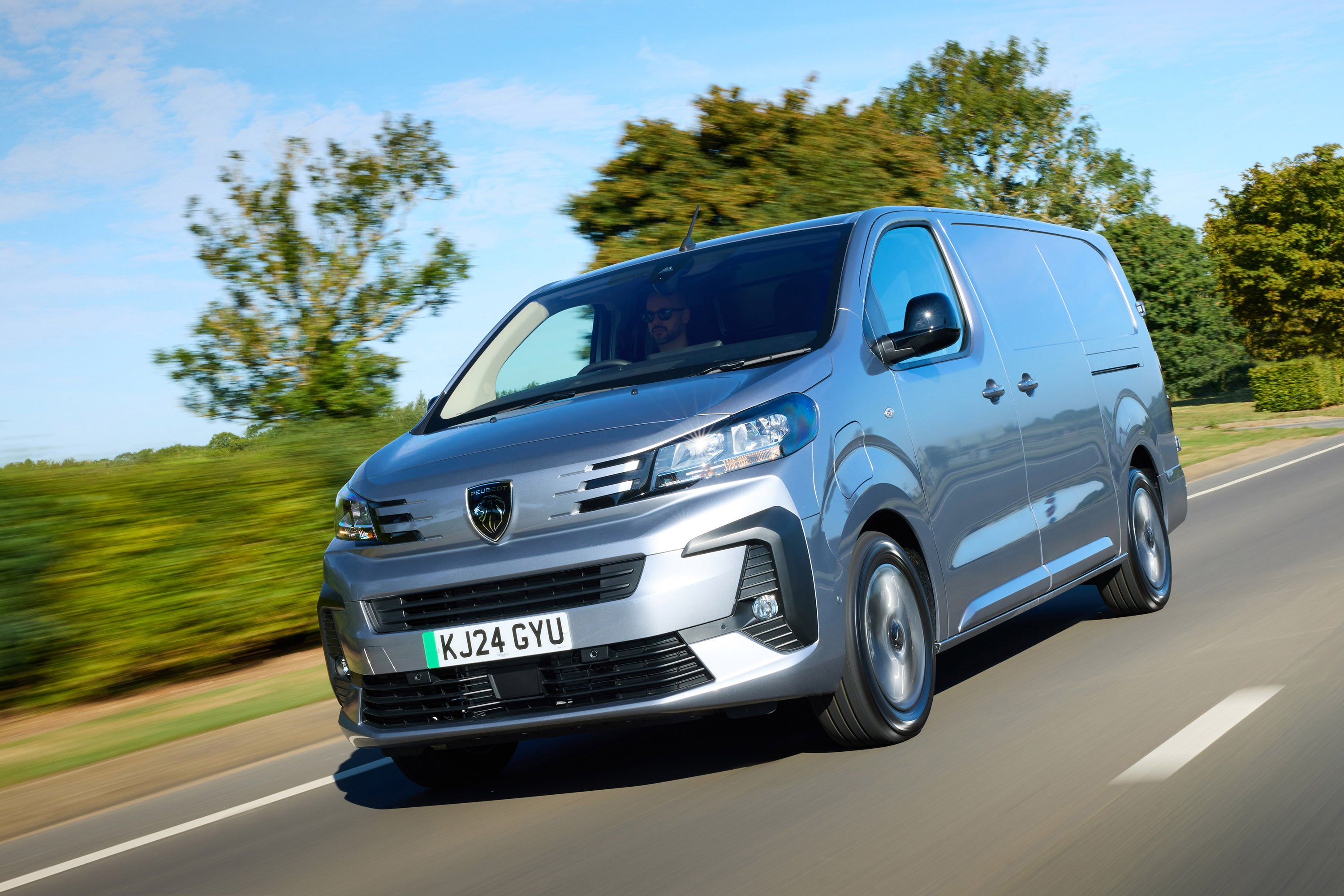
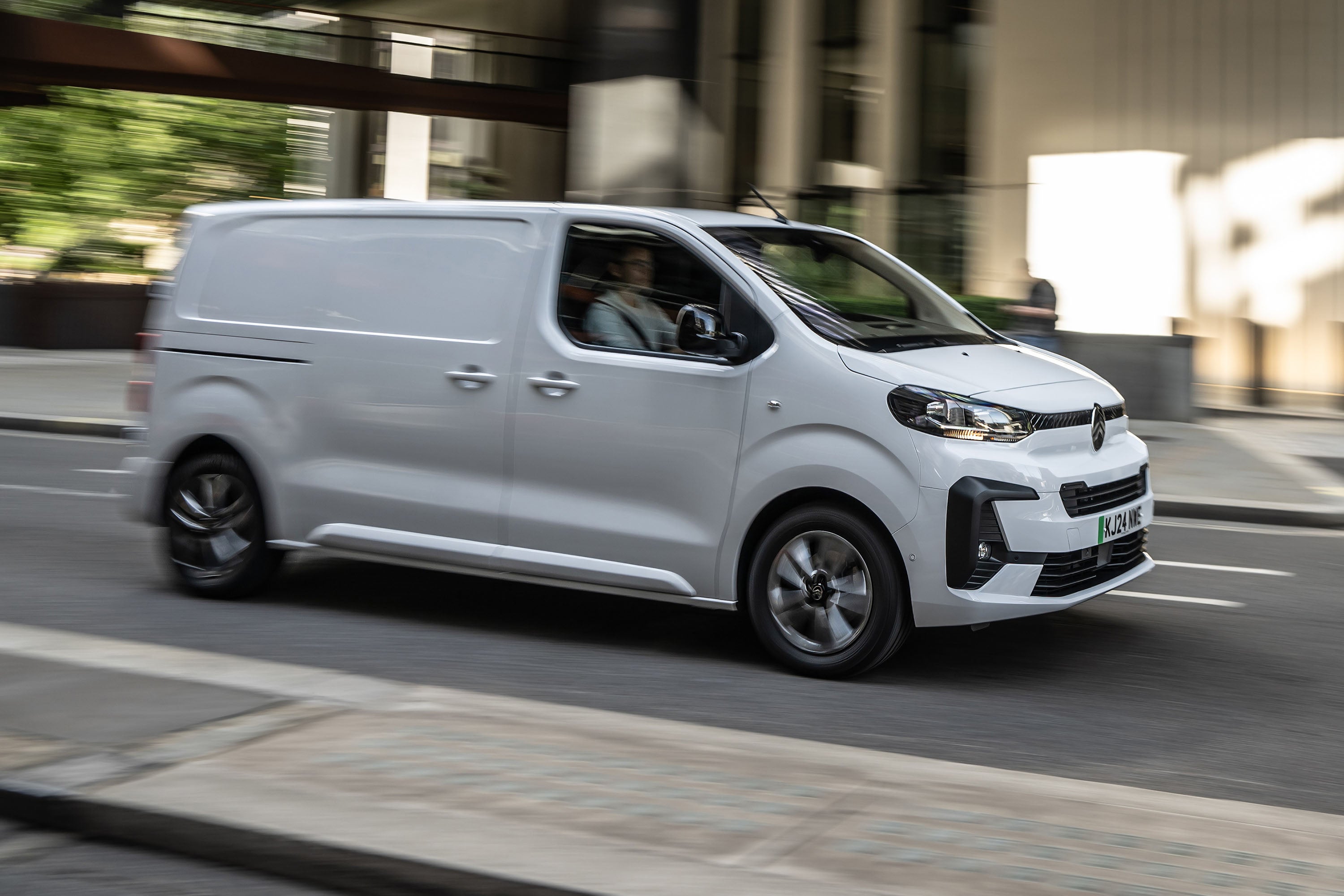
There are a handful of vans that are very similar indeed to the Vauxhall Vivaro, those being the Peugeot Expert, Citroen Dispatch, and Fiat Scudo. That’s because as mid-size commercial vehicle offerings from the same Stellantis group of brands, all four vehicles are mechanically identical. The Toyota Proace is another van that shares the same mechanicals, even though Toyota is not a part of Stellantis.
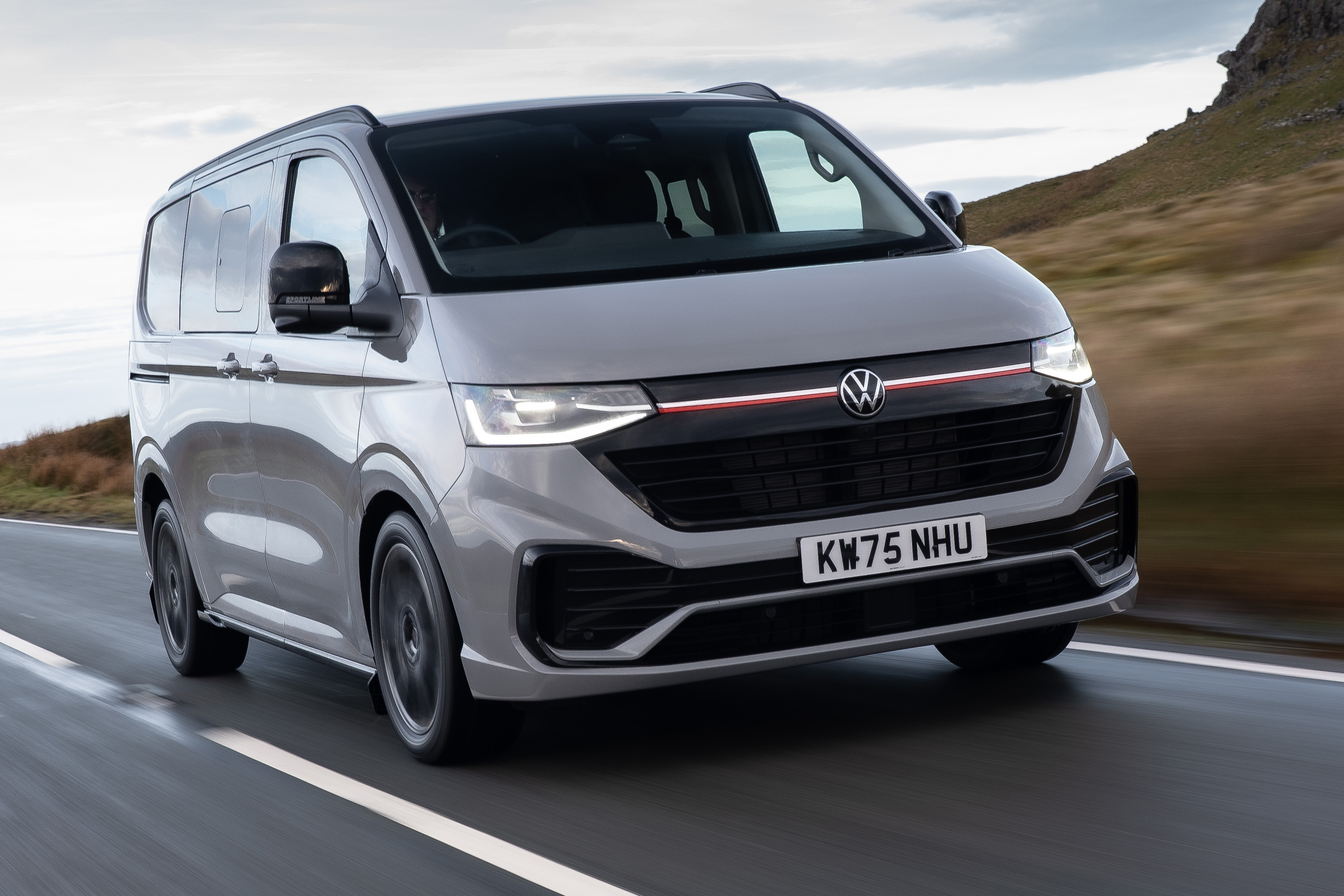
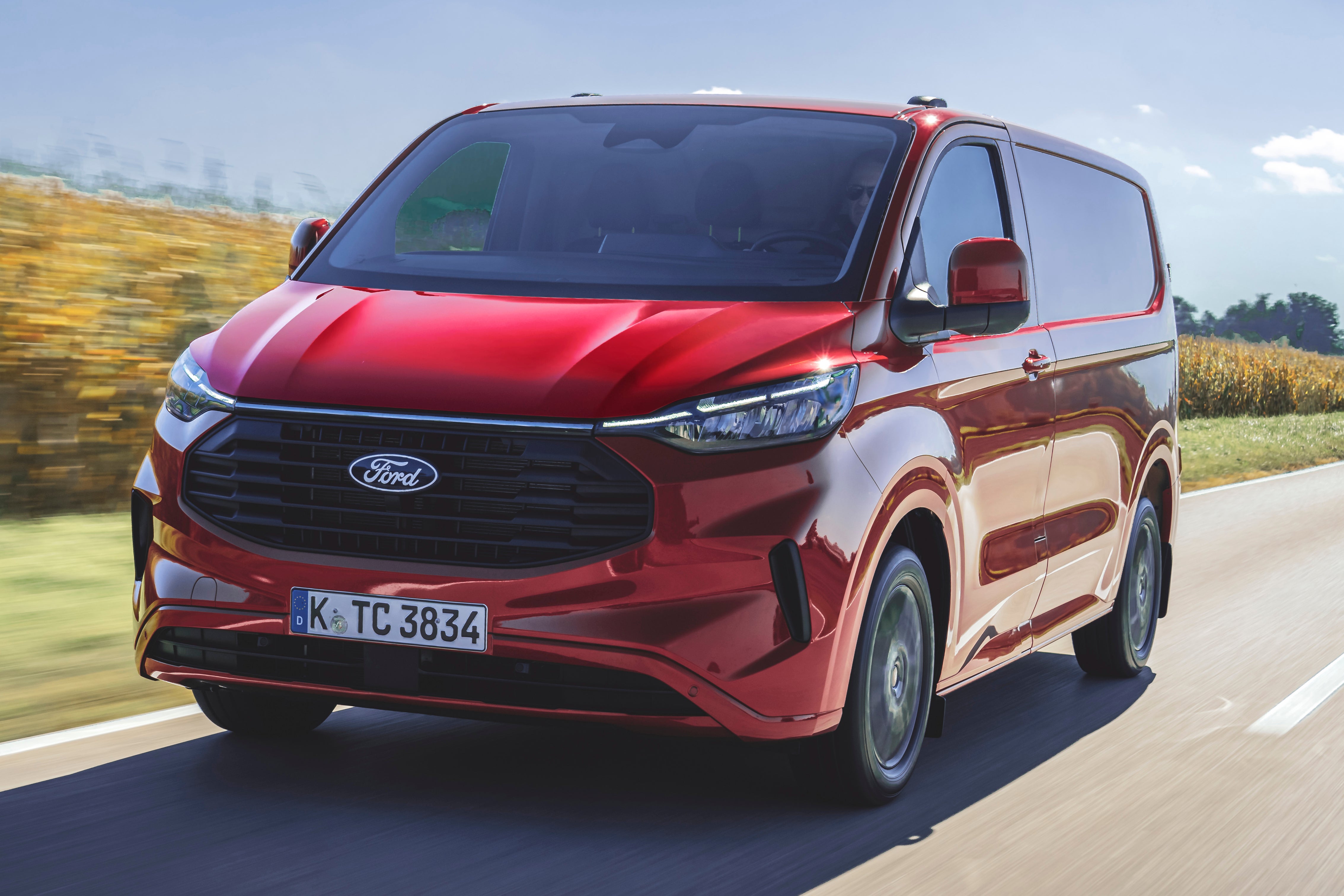
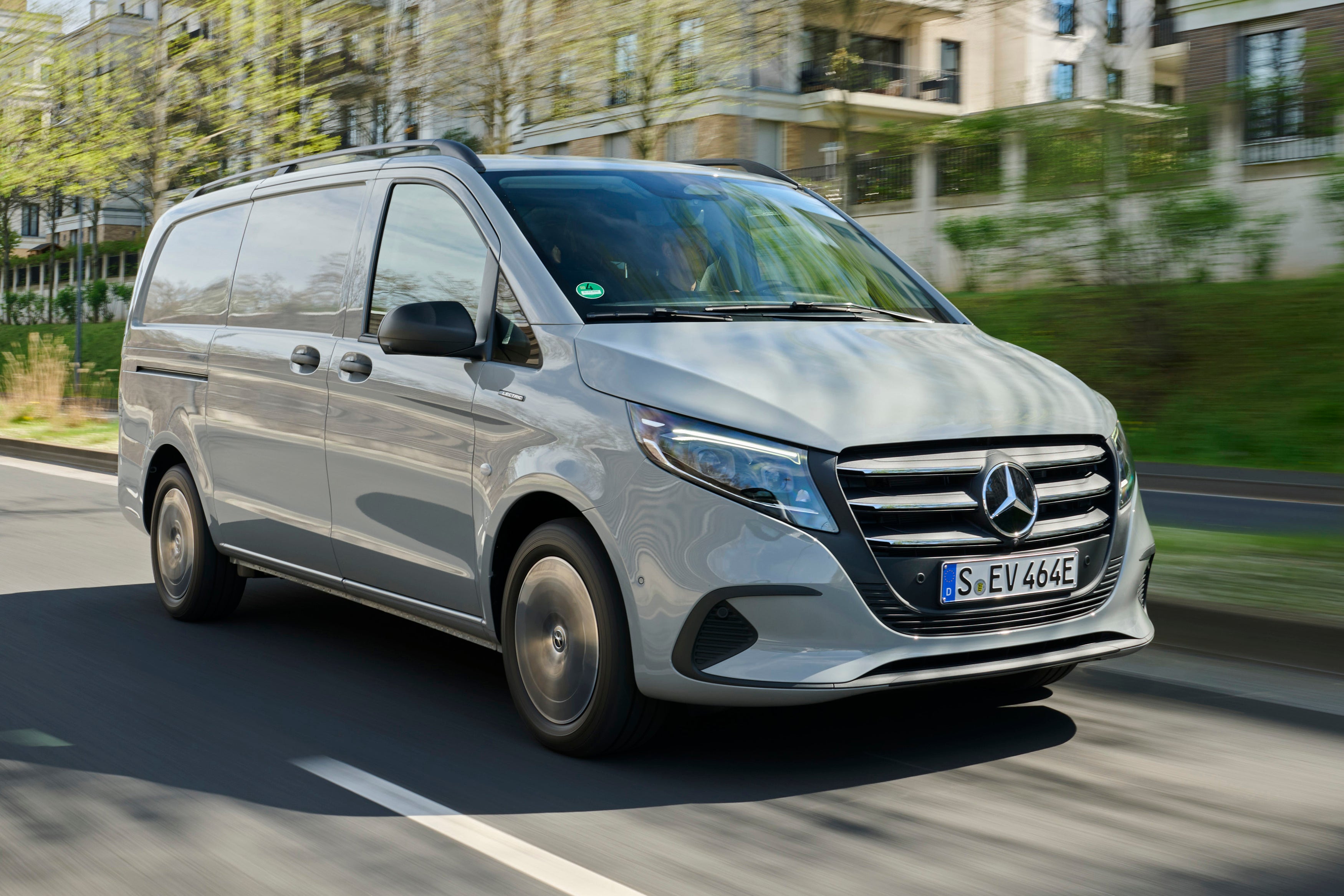
Other than these tech-sharing siblings, there are plenty of other mid-size vans competing for your cash. The Volkswagen Transporter is a very popular and classy option, as is the Mercedes Vito, while the Ford Transit Custom is the nation’s best-seller. The Nissan Primastar, and Renault Trafic will also have a say in where your money goes.
What's the interior like in the Vauxhall Vivaro?
The Vivaro has some of the best figures in the mid-size van class for payload, so it’s a good choice if the loads you carry are likely to be heavy. It trails some rivals for loadspace, though, so if that’s the priority, then perhaps it might be best to look elsewhere.
Vauxhall Vivaro boot space and practicality
If you’re considering buying a used Vivaro, and it’s an early example in entry-level Edition trim, then you might want to reconsider. These versions did without a height-adjustable driver’s seat. This means that finding a comfortable driving position can be difficult. This feature is standard on all other Vivaros (including more modern entry-level ones) along with a decent range of reach- and rake steering adjustment.
The elevated driving position gives you a good view of the road ahead, although the rear view you get is limited to what you can see in your door mirrors. That is, unless, you go for a version with a reversing camera, which was an optional extra on all early Vivaros, and only became standard-fit on post-facelift examples in top-end Pro trim.
The three seats up front are reasonably comfortable, and there’s enough width to the cabin for three colleagues to sit side-by-side without personal space being unduly invaded. However, if you draw the short straw and have to sit in the middle seat, you’ll find that the gear lever/drive selector impinges on your knee room.
The dashboard design is very traditional and simple, with physical knobs and buttons to control the ventilation system - meaning that you don’t have to immerse yourself in touchscreen menus to perform simple temperature-related functions, saints be praised - and everything is clearly marked.
Some drivers might grumble about the slightly awkward shape of the steering wheel, though, which is almost square. We’ve heard of companies trying to reinvent the wheel, but this is ridiculous.
The Vivaro is available in two lengths: the shorter one is roughly 5.0 metres long, while the longer one is around 5.3 metres in length. The shorter version was called the L1 early on in the vehicle’s life before the moniker was later dropped to become just the standard Vivaro, and is these days now known as the M. The longer version was originally called the L2, before later being rebranded as the XL.
Unlike some mid-size vans, there’s only one roof height available with the Vivaro. That means the height of the load area is fixed at 1,397mm, while the width between the wheel arches is also the same in both versions at 1,258mm.
The load length in the standard/L1/M van is 2,512mm and 2,862mm in the L2/XL. Those dimensions make the standard van capable of carrying two Euro pallets, while the XL/L2 can squeeze three in. Both versions come with sliding doors on both sides of the van as standard, and the openings are big enough for loading a Euro pallet. There are twin side-hinged doors on the back end, and these can open at up to 180 degrees if you unhook the hinge stoppers.
That’s not all where load length is concerned, either. Higher-spec versions get a handy load-through hatch in the bulkhead that essentially extends the load bay into the passenger footwell. This allows you to carry wooden planks or copper pipes of up to 3,674mm in the standard/L1 van, and up to 4,026mm in the XL/L2. It also boosts your overall load capacity from 5.3 cubic metres to 5.8 cubic metres in the standard/L1 van, and from 6.1 cubic metres to 6.6 cubic metres in the XL/L2. That said, none of those figures are particularly special by the standards of other mid-size vans, so if that’s a priority for you and your business, then another model might suit you better.
The Vivaro is also available in Double Cab form, which trades some loadspace to fit in an extra row of three seats. That brings the load length down to 2,017mm in the regular/L1 van, and down to 2,365mm in the XL/L2, while overall load capacities drop to 3.2 cubic metres and 4.0 cubic metres, respectively. And you can’t boost this with the load-through bulkhead in the Double Cab, because that feature isn’t available.
While the Vivaro isn’t the best in the class for overall load volume, it is among the better options for payload. Go for an electric Vivaro, and those all-important figures stand at between 1138kg and 1,210kg, while on the diesels, you’re looking at between 1,021kg and 1,326kg, depending on the version.
If towing is a priority, then all electric Vivaros are rated to pull a braked trailer of up to 1,000kg, while the diesels can haul either 2,000kg or 2,500kg, depending on the version.
Vauxhall Vivaro dimensions
The regular M version of the Vauxhall Vivaro is 4,980mm long, 1924mm wide (not including door mirrors, it’s 2,204mm with them counted) and 1,904mm high. The long-wheelbase XL version is exactly the same width, but it’s - obviously - longer at 5,331mm long, and a little taller at 1,935mm high.
Tech and infotainment in the Vauxhall Vivaro
Early on in its life, the Vivaro was offered in three different trim levels: Edition, Sportive and Elite. On the infotainment front, Edition trim provided DAB radio, Bluetooth audio streaming and phone connection, a USB connection, and steering wheel audio controls. In Sportive models, you got upgraded to a 7.0-inch touchscreen with Apple CarPlay and Android Auto, while upgrading to the Elite trim earned you built-in satellite navigation, an extra USB port, and voice control. We never got to encounter any of these systems, however.
As of the 2024 facelift, the range trim levels available was pared back to include just the Prime and the Pro, both of which come as standard with a 10.0-inch touchscreen with DAB, voice control and wireless smartphone mirroring, plus a 10.0-inch digital instrument cluster. The Pro adds integrated navigation.
The system isn’t the most sophisticated you’ll ever come across, but its relative simplicity means it’s actually pretty simple to find your way around without getting too lost. The graphics are basic but functional, and the screen sensitivity is decent, so you shouldn’t find yourself jabbing away at the screen repeatedly with your finger too often. The digital dials have a handful of different layouts, but most of these serve up most of the same information, just with a slightly different graphical treatment.
Materials available on the Vauxhall Vivaro
In a working vehicle like the Vivaro, durability always takes priority over tactility. After all, it’s all well and good for your cabin materials to look and feel posh for five minutes, but as soon as they encounter their first muddy boot or dropped toolbox and they scuff up forever, then the effect is ruined somewhat. That’s why the cabin materials found in the Vivaro - like pretty much all vans of this type - are hard-wearing and functional, rather than squidgy and touchy-feely. That’s not only forgivable, but it’s also totally appropriate and utterly necessary.
What's the Vauxhall Vivaro like to drive?
The Vivaro displays a very acceptable balance of ride and handling, and the engines are brawny enough to keep your daily working life easy. It’s not as comfortable or as sophisticated as your average passenger car, but the same goes for pretty much all vans.
Vauxhall Vivaro range and performance
Early on in the life of the third-generation of Vauxhall Vivaro, it was available solely with diesel engines. These were 1.5-litre units with either 100PS or 120PS, or 2.0-litre units with 120PS, 150PS, or 180PS.
Today, that choice of diesel engines has been pared right back. Mainstream versions have either the 120PS 1.5 or the 150PS 2.2-litre. There is also a 180PS version of the 2.0-litre, but that’s reserved only for limited edition versions, the sporty GS being a recent example. Both the 120PS and 150PS engines come with a six-speed manual gearbox as standard, but the latter can also be specified with an eight-speed automatic. The 180PS engine gets the auto’ as standard.
In truth, the entry-level unit will be all that most drivers need. There’s enough muscle to get you up to speed reasonably briskly, and enough flexibility to keep you moving without having to make too many downshifts on the manual gearbox, although you will need one on particularly steep inclines, especially if you have a fair amount of weight on board. The manual gearbox isn’t the smoothest you’ll ever encounter, but neither is it catastrophically notchy.
The manual transmission feels very similar when fitted to the 2.2-litre engine (we haven’t yet had the chance to try the bigger engine with the automatic option, sadly), but what isn’t similar is the amount of performance on offer. The bigger engine feels a good bit stronger than the smaller one at all points of the rev range, and when scurrying away from the mark, you might be quite surprised at just how brisk the 2.0-litre Vivaro feels. The bigger benefit to the extra muscle, though, is that you’ll need even fewer downshifts - hardly any, in fact - to maintain your pace.
If diesel doesn’t appeal, then you can also choose to have your Vivaro with an all-electric powertrain. These have a 136PS electric motor, but you only get the full amount if you select the Power driving mode. Normal mode serves up 107PS to eke out the vehicles range a little further while still delivering adequate real-world performance, while Eco mode serves up 80PS to prioritise range even more.
In truth, Eco mode is just fine around town and for most low-speed driving, as long as you’re not in a particular hurry to get anywhere. However, once the pace of the traffic around you rises to around the 50mph mark, then you’ll want the extra pep delivered by one of the other modes. Normal mode will be fine for the vast majority of driving situations, with acceleration that’s leisurely but adequate, but the Power mode will come in handy when you need a little extra razzamatazz for joining motorways or exploiting tight gaps in traffic.
Early examples of the electric Vivaro came with a choice of two battery sizes, 50kWh and 75kWh, and these delivered official WLTP combined range figures of 143 miles and 205 miles, respectively. As of the 2024 facelift, only the larger capacity battery option was offered, and improvements made to the powertrain increased the combined range to 219 miles. The official WLTP figure is based on the vehicle’s Normal driving mode, so expect a few miles more in Eco and a few miles less in Power.
Performance data
| Model | Engine/battery size | Power | 0-62mph | Range/MPG |
|---|---|---|---|---|
1.5 manual 120 | Diesel | 120PS | TBC | Around 44mpg |
2.2 manual 150 | Diesel | 150PS | TBC | Around 45mpg |
2.2 automatic 150 | Diesel | 150PS | TBC | Around 43mpg |
2.2 automatic 180 | Diesel | 180PS | TBC | Around 43mpg |
Vivaro Electric | Electric 75kWh | 136PS | 13.6 seconds | 219 miles |
Vauxhall Vivaro driving and refinement
Engineering a commercial vehicle is actually very difficult, because not only do you have to tune the suspension to deliver a good balance of ride and handling, but you also have to give it the ability to operate effectively both when the load bay is full of weight, and when the load bay is empty. That’s why vans are often less dynamically civilised than passenger cars, and yes, that’s the case with the Vivaro, but it does a very decent job compared like-for-like with other panel vans.
Yes, the ride can be a bit jumpy and juddery at times, especially at low speed with an empty load bay, but things improve with more speed and with more weight on board. It’s at motorway pace where the vehicle feels most settled and stable, so long distances can be covered in comfort.
The handling is pretty good by commercial vehicle standards, too. Body roll is kept reasonably well controlled in bends, so as long as you’re not attempting to take corners at breakneck speed - and let’s face it, why would you? - then your cargo shouldn’t get thrown around the load bay.
The steering is very slow, meaning that lots of arm-twirling is needed at lower speeds and during manoeuvres, but it’s light enough to make those manoeuvres easy, and it weights up enough at speed to inspire confidence. And while you can feel the weight of the Vivaro when you’re on the brakes, particularly when trying to slow down or stop in a hurry, that’s to be expected in such a vehicle.
The diesel engines we’ve tried obviously make themselves heard more than the near-silent electric motors do, but they’re not raucous, even on the rare occasion that you find yourself needing to work them hard. The noise settles down to a distant hum on the motorway, too.
Wind- and road noise can also both be heard on the motorway, with the latter being the more prevalent of the pair, but neither is at a level that’s unreasonable, especially in a commercial vehicle like the Vivaro. The gearshift in manual models is a little notchy but not to a degree that’ll get in your way in everyday driving. We haven’t had the chance to drive a Vivaro fitted with the automatic gearbox yet, but we’ve tried the gearbox in various other vans from the Stellantis Group (albeit combined with different engines), and we’ve always found it to be smooth and prompt in its operation.
Obviously, the electric ones don’t have a gearbox at all, instead having one fixed ratio, so your power is delivered in one constant stream of unbroken urge.
How safe is the Vauxhall Vivaro?
The amount of safety equipment included on your Vivaro will depend on both the trim level you choose, and when your van was built. Get yourself an early example in entry-level Edition trim or mid-range Sportive trim, and you’ll get electronic stability control and twin front airbags. Double Cab models add side and curtain airbags for those up front, but not in the rear, oddly. These were also optional in the Single-Cab panel van.
Range-topping Elite trim, meanwhile, added more driver aids including speed sign recognition with smart speed adaptation, blind spot alert, and a driver drowsiness alert.
It’s important to note here that on these early Vivaros, autonomous emergency braking was only available as part of an option pack, and could only be added to the top two trim levels. Happily, this super-important feature was made standard across the range during the 2024 facelift, with the arrival of Prime and Pro models.
Prime trim also comes with driver attention alert, lane keeping assist and intelligent speed assistance. Pro adds blind spot detection, front- and rear parking assist, and a 180-degree reversing camera with digital rearview mirror. Indeed, until the arrival of the post-facelift Pro model, a reversing camera - a very desirable feature on a vehicle like the Vivaro with its very limited rear visibility - was optional throughout the range.
The Vivaro has been subjected to Euro NCAP’s dedicated van-testing process and achieved four out of five stars. That sounds reasonably impressive until you realise that no van to have ever undergone the tests has ever scored lower than that.
Running costs: What it's like to live with a Vauxhall Vivaro
In terms of both purchase prices and running costs, the Vivaro does an entirely acceptable job. It’s not the cheapest vehicle of its type in either area, but it’s certainly not the most expensive, either.
Vauxhall Vivaro charging times and costs
Initially, the Vivaro was offered with a choice of two battery packs, one of 50kWh or one of 75kWh. Later on, the 50kWh option was withdrawn, leaving only the 75kWh option.
Plug into a regular three-pin domestic socket, and the 50kWh Vivaro will take 28 hours to fully charge, while the 75kWh version will take an even more ludicrous 42 hours. That’s one of the many reasons we wouldn’t recommend doing so on a regular basis, the other biggie being that it’s not very good for your home’s electrics.
Plug into a more appropriate EV home charging solution - a 7.4kW wall box charger - and the same levels of charge will be delivered in a little over seven hours for the 50kWh battery, and a little over 11 hours for the 75kWh. That’s much more like it.
Either way, a full charge at home is likely to cost you around £14 for the 50kWh version and around £21 for the 75kWh, assuming that your domestic power is billed at the UK’s national average price.
Using a public DC rapid charger will cost way more - we’re talking three times the price, ordinarily - when you need to fill up in a hurry. This will take a lot less time, though. Both the 50kWh and the 75kWh versions support 100kW DC charging, the former taking on a 0-80% charge in 30 minutes and the latter doing it in 45 minutes.
Vauxhall Vivaro fuel economy
As we’ve already observed, this generation of the Vivaro has been offered with a broad spread of different diesel engines over the years - not to mention a broad spread of different body styles and trim levels - so it’s no surprise that there’s also a pretty broad spread of official fuel economy figures, too.
Generally speaking, early examples fitted with the 100PS 1.5-litre diesel engine had official WLTP fuel economy figures of up to 45mpg. The 120PS version, meanwhile, returned around 40mpg according to those same official figures.
The figures for the 120PS version of the 2.0-litre engine were around 1mpg better than those of the 1.5-litre engine with the same output. If anything, however, that advantage might turn out to be even greater in the real world because the bigger engine is under less stress when delivering the same power, and that’s a crucial factor in real-world returns. For similar reasons, the fuel economy figures for the 150PS and 180PS versions of the 2.0-litre engine are actually slightly better than for the 120PS version.
Where the later engine options are concerned, the 120PS 1.5-litre option managed to improve its efficiency to around 44mpg, while the 150PS 2.2-litre returns around 45mpg when fitted with the manual gearbox, making this version the most efficient of the bunch, albeit marginally. Your economy drops to around 43mpg if your van is fitted with the automatic gearbox, and the 180PS engine also has a very similar figure.
Vauxhall Vivaro warranty and servicing
All versions of the Vivaro have two-year servicing intervals, which will help minimise downtime for your business, but the mileage restrictions placed on those intervals do differ slightly according to the powertrain of your vehicle. Vivaros with the 1.5-litre engine are limited to 25,000 miles between services, while 2.2-litre versions with the manual gearbox can go up to 30,000 miles between services. Choose a Vivaro with an automatic gearbox, meanwhile, and your mileage limit is extended to 32,000 miles.
Choose an electric Vivaro, and your service interval is two years/25,000 miles, but outside of that, you also need an initial inspection at one year/12,500 miles to make sure that everything is working as it should.
The warranty package you get has no mileage limit for the first year, after which you then get another two years of cover limited to 100,000 miles. Oddly, that’s actually slightly worse than the cover you get with other mechanically identical vans from within the Stellantis group. The Citroen Dispatch, for example, gets two years of unlimited-mileage manufacturer warranty, followed by a third year of retailer-provided cover, limited to 100,000 miles.
Vauxhall Vivaro insurance groups
Just like with passenger cars, the insurance classifications for vans range between groups 1 and 50, with group 1 vehicles being the cheapest to insure and group 50 vehicles being the most expensive. Vivaros with the 120PS engine fall into group 32 for insurance, while the rest of the diesels sit between groups 33 and 35 depending on engine and trim level. All the electric versions, meanwhile, sit in groups 33 and 34. All that means that all versions should be broadly similar on insurance costs.
How much does it cost to tax a Vauxhall Vivaro?
The Vivaro is classed as an LCV (Light Commercial Vehicle), and as such, it’s liable for a flat rate of VED road tax for such vehicles. This flat rate is currently charged at a basic rate of £360 per year. If you’re considering an all-electric version, it’s worth noting that these are no longer exempt from VED charges, so you’ll face exactly the same tax costs as drivers of diesel versions.
What trims are available with the Vauxhall Vivaro?
Early on in its life, the Vivaro was offered in three different trim levels, known as Edition, Sportive and Elite.
Edition models provided cruise control, three front seats, power adjusting door mirrors, powered windows, and remote locking as standard, but essential items like air-conditioning, rear parking sensors, driver’s seat height adjustment, and an alarm weren’t provided. Sportive trim checked these boxes, along with ones for body-coloured bumpers and door handles, front fog lights, high-beam-assist headlights, rain-sensing wipers, and the load-through bulkhead. Range-topping Elite added front parking sensors, power folding door mirrors, and alloy wheels.
A couple of years later, a new Dynamic trim was added in between Edition and Sportive. These had the alarm, touchscreen infotainment system air-con, front fog lights, rain-sensing wipers and rear parking sensors, but not the load-through bulkhead or the smarter-looking bodywork. A new Griffin model was also introduced between Sportive and Elite trim, but all this added over the Sportive was alloy wheels.
As of the 2024 facelift, the range of trim levels available was pared back to include just the Prime and the Pro. The Prime got an upgraded touchscreen infotainment system and digital instrument cluster, air-conditioning, cruise control, driver’s seat height adjustment, power-adjusting and heated door mirrors, rear parking sensors, powered front windows, rain-sensing wipers, high-beam-assist headlights and remote locking.
The Pro trim adds the handy load-through bulkhead, a 12-volt socket in the load area, power-folding door mirrors, LED headlights, the sharper body styling, and the extra parking assistance including 180-degree reversing camera, digital rear-view mirror and all-round parking sensors.
In addition, certain limited-edition versions are offered on a periodical basis. The GS is a recent example, and it has sporty body styling, a handful of extra luxury goodies and the more powerful 180PS engine.
Ask the Drive experts: common questions
Is the Vauxhall Vivaro electric?
Is the Vauxhall Vivaro a car or a van?
What’s the difference between the Vauxhall Vivaro, Peugeot Expert, Citroen Dispatch, and Fiat Scudo?
Get our latest advice, news and offers
Keep me updated by email with the latest advice, news and offers from Drive.