Fiat Scudo Review

Written By Ivan Aistrop
- 2022
- Van
- Diesel, Electric
What we love
Cracking powertrain options
Neat and tidy to drive
One of the better mid-size vans for payload
Things to consider
Lags behind many rivals on load capacity
Not the cheapest of Stellantis’ mid-size van options
Entry-level versions not as practical as pricier ones
The DRIVE take on the Fiat Scudo, is it the right car for you?
If your work is of a nature where you need maximum payload from your van, then the Scudo might well be right for you, because it's is among the best vans of its type for hauling heavy weight. If, however, your priority is maximum loadspace, then several other mid-size vans are more generous in that area, so you might be better off with one of those.
The Fiat Scudo in more detail
The Fiat Scudo name has come and gone rather a lot over the years, and there’s also been lots of change during that time with the nuts and bolts of the vehicle that’s worn the nameplate.
It first appeared in 1996 when it replaced the first-generation Fiat Talento and it shared its mechanicals with the Citroen Dispatch and Peugeot Expert of the day. The second-generation Scudo, which was offered between 2007 and 2012, also shared its mechanicals with its contemporary Citroen and Peugeot counterparts. However, that vehicle was replaced in 2016 by a new version of the Talento, which was essentially a rebadged version of the Renault Trafic.
Fast-forward to 2022, however, and the FCA Group that owned and operated Fiat for years had merged with the PSA Group - which incidentally, had previously owned and operated its old mates Citroen and Peugeot - to form the huge automotive manufacturing giant known as Stellantis. This brought an early end to the deal with Renault, and a new Scudo was born, which once again shared its mechanical makeup with the Citroen Dispatch and Peugeot Expert, along with the Vauxhall Vivaro and the Toyota Proace.
This results in a rather interesting set of circumstances for the modern-day Fiat Scudo: when roughly half the mid-size van market is pretty much identical in terms of platform, powertrain and tech, how does Fiat’s offering stand out compared with its stablemates, not to mention all the other mid-size van offerings with which the Scudo competes?
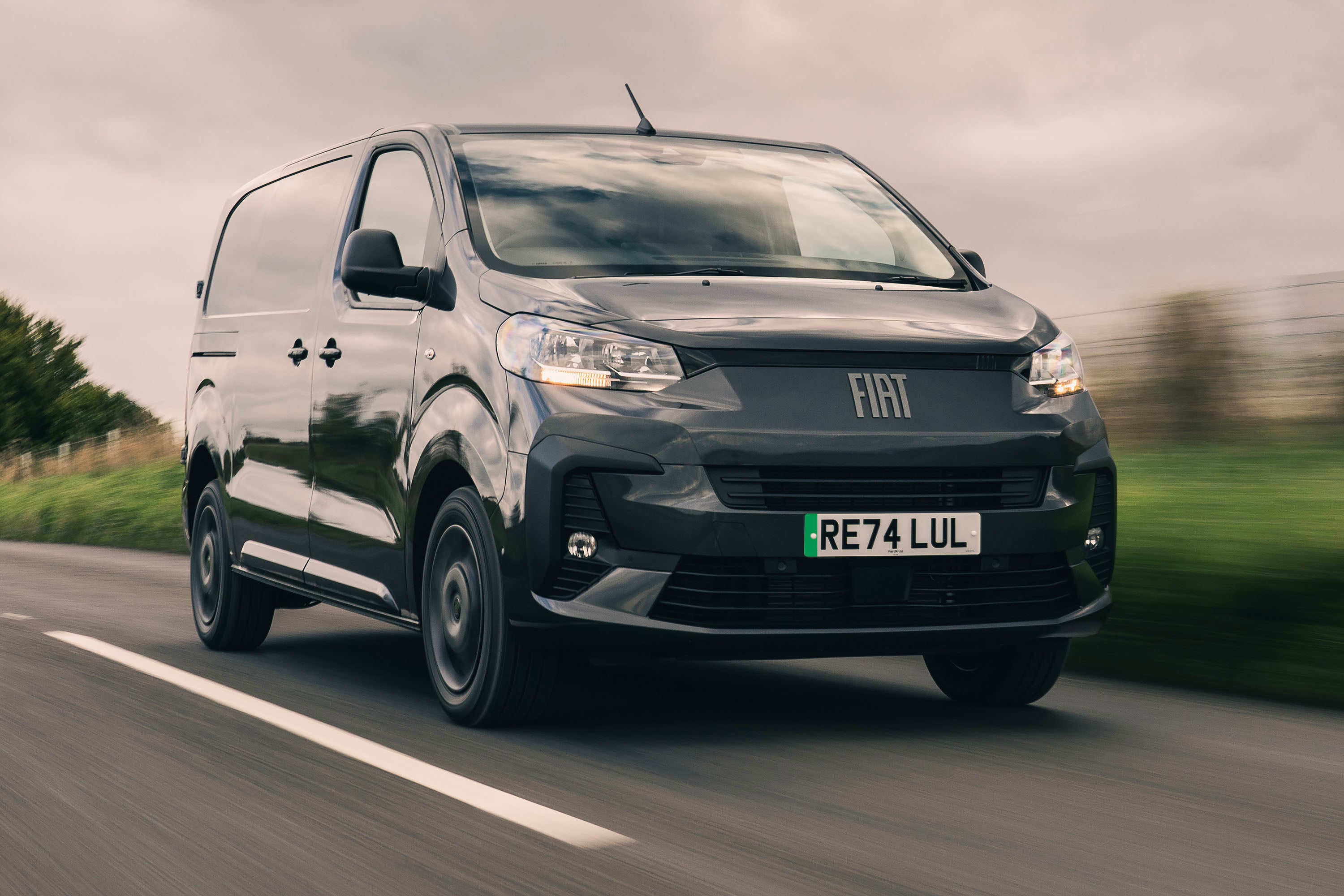
Well, the Scudo arguably has slightly more flouncy design, making it a stylish choice - in as much as a panel van can ever be stylish - and there are a few specification differences that make the Scudo feel like a slightly more high-end offering. Do bear in mind that the prices reflect that, though.
Otherwise, the Scudo has most of the same strengths and weaknesses as its stablemates. It posts really impressive figures for payload - some of the best in the class in fact - so it’ll out-haul many rivals. Conversely, though, it doesn’t do so well for maximum load capacity, so if you need space over weight-bearing ability, you might be better off with one of the alternatives.
And like its stable mates, it does a solid job in every other area without really excelling in any. It’s pretty good to drive, pretty comfortable, performance is fine from both the diesel and all-electric powertrains, build quality is solid, and running costs are fairly competitive.
What's the best Fiat Scudo trim and battery option?
If your work takes you all over the place and you tend to spend your days traversing Britain’s extensive motorway network, then you’ll want one of the diesels. These have decent cruising refinement and good fuel economy, and fuel fill-ups are the work of a moment.
If your work is confined to your local area, though, you might fancy reaping the benefits of the E-Scudo all-electric van. Refinement is even better and running costs have the potential to be minuscule. Do bear in mind, though, that you’ll pay more to buy it in the first place, and on-the-move charges at public DC rapid-charging stations could be as expensive as filling up with diesel.
What’s the price of the Fiat Scudo?
If you fancy a brand new Fiat Scudo, then prices for the diesel-powered panel van start at around £32,000 (excluding VAT) at the bottom of the range, while the priciest diesel will cost you just over £36,000.
The six-seater Crew Van version, meanwhile, costs you somewhere between £36,000 and £38,000, depending on the version
It’s no surprise that prices are a little dearer for the electric models. The panel vans range from around £43,000 to £46,000, while for the Crew Vans, you're looking at more like £46,000 to £49,000.
However, if you qualify for the Government’s Plug-in Van Grant (PiVG), then you can immediately slice a cool £5,000 off all those prices. That doesn’t bring prices quite into line with the diesels, but it gets them closer.
Alternatives to the Fiat Scudo
If you're looking for vans that are similar to the Scudo, we can do better than that. What about near-identical? Yep, there are a handful of vans that share 100% of their mechanicals and tech with the Fiat Scudo, including platforms, interiors, powertrains, plus infotainment and driver assistance technology.
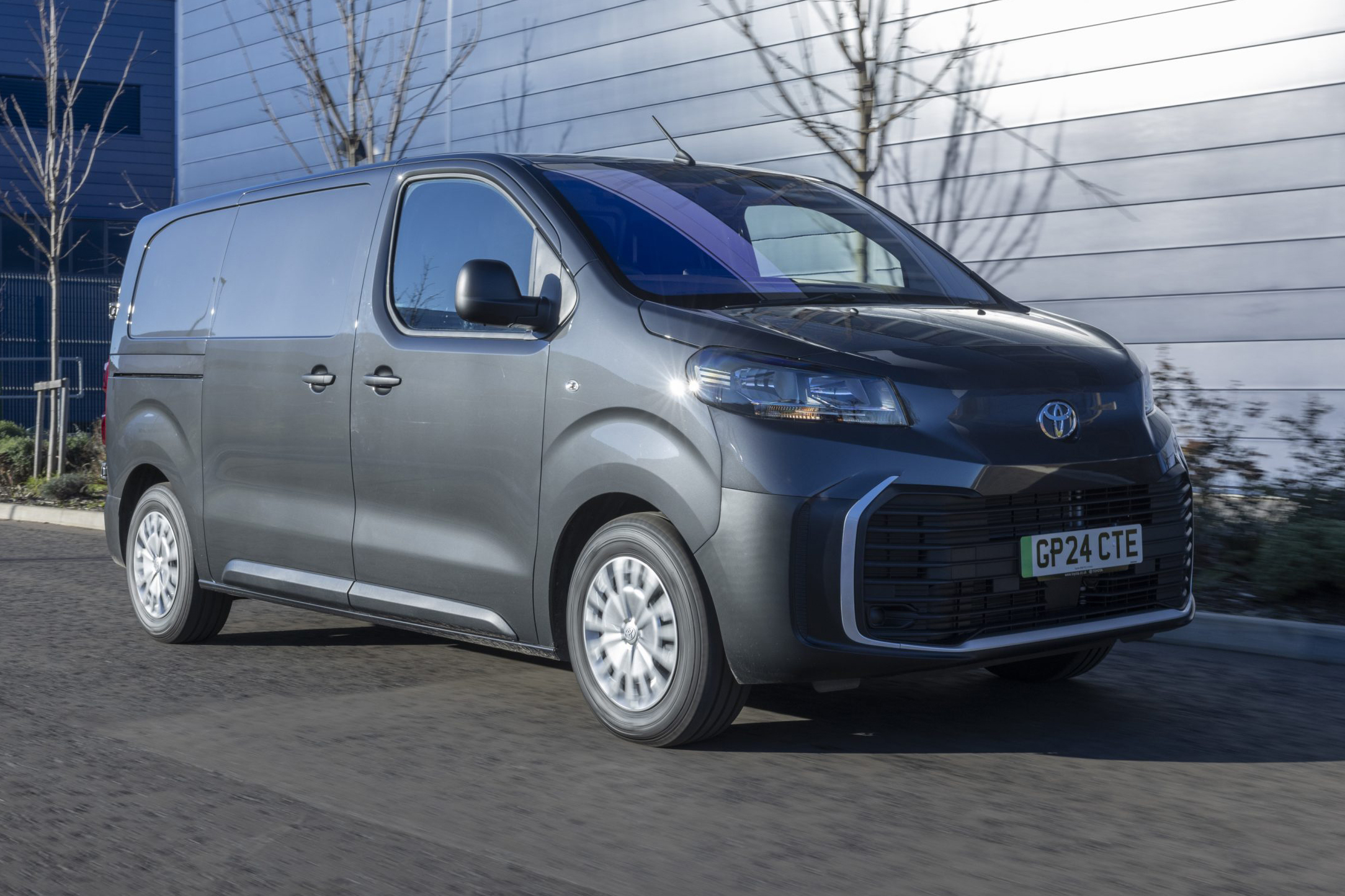
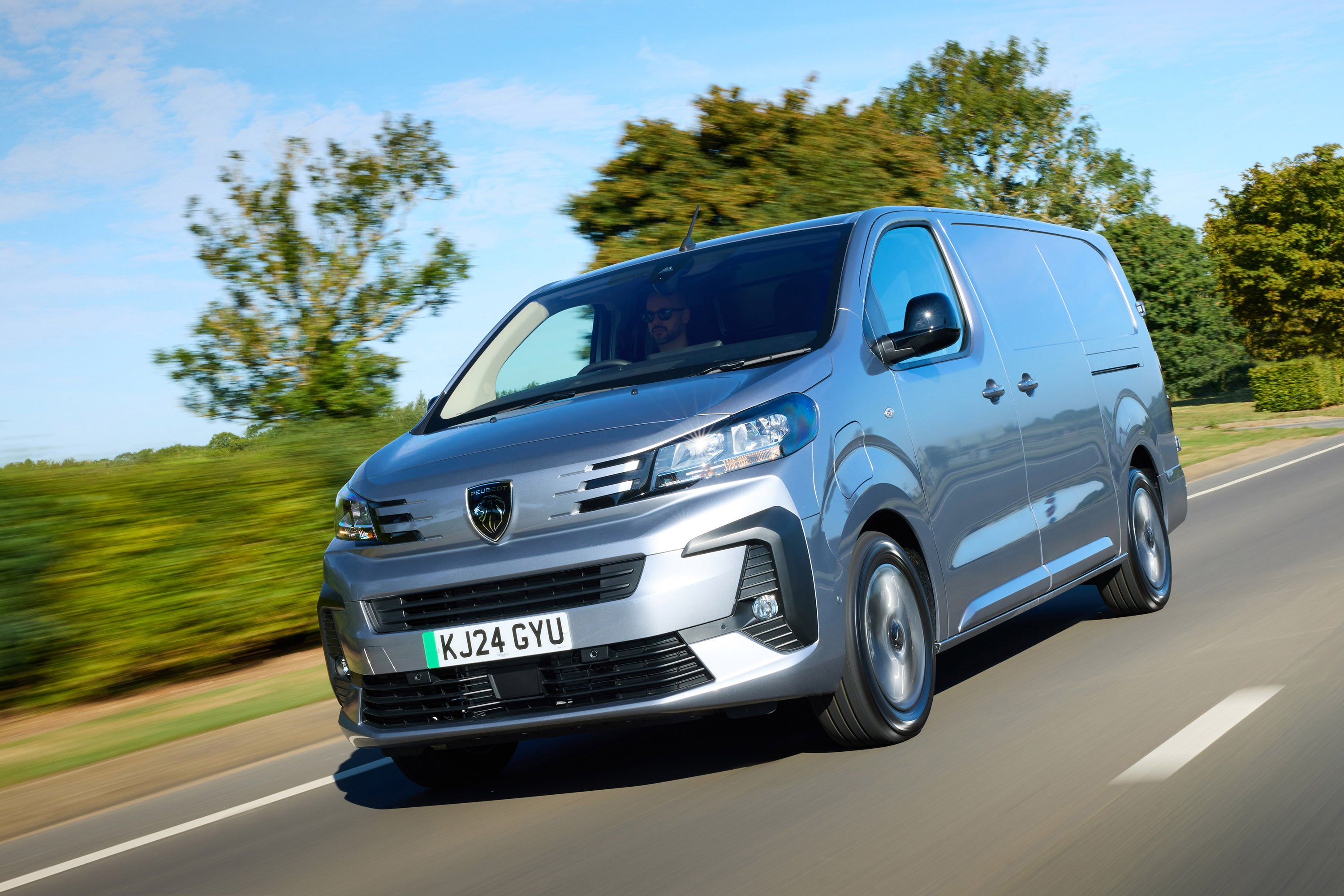
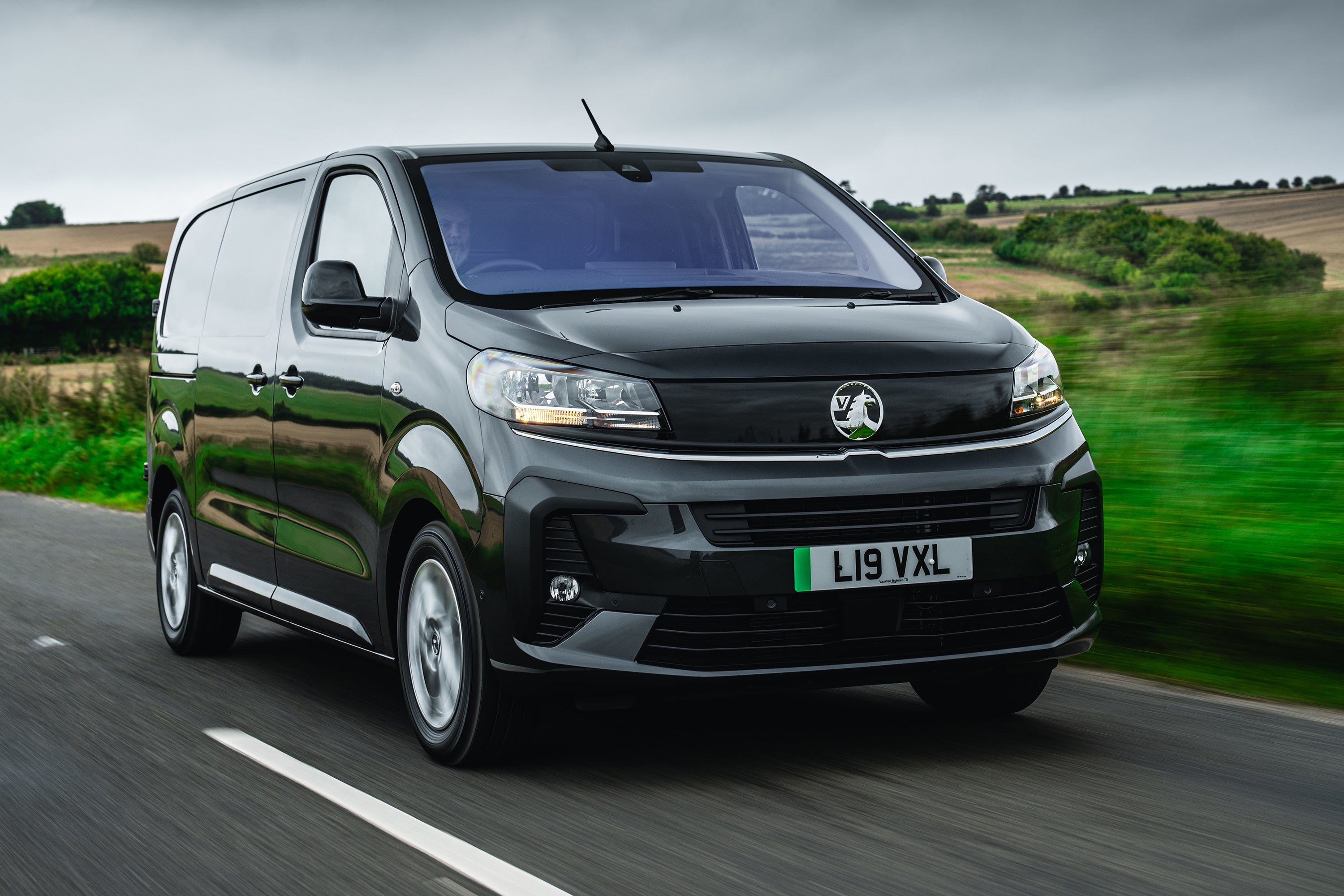
That handful of vans includes the Citroen Dispatch, Peugeot Expert, and Vauxhall Vivaro, and they share so much because each of the various brands involved is part of the same enormous manufacturing company, known as Stellantis. And to save development and production costs, Stellantis uses exactly the same tech across all four brands. It even builds another version - the Proace - on behalf of Toyota, and that company isn’t even part of Stellantis.
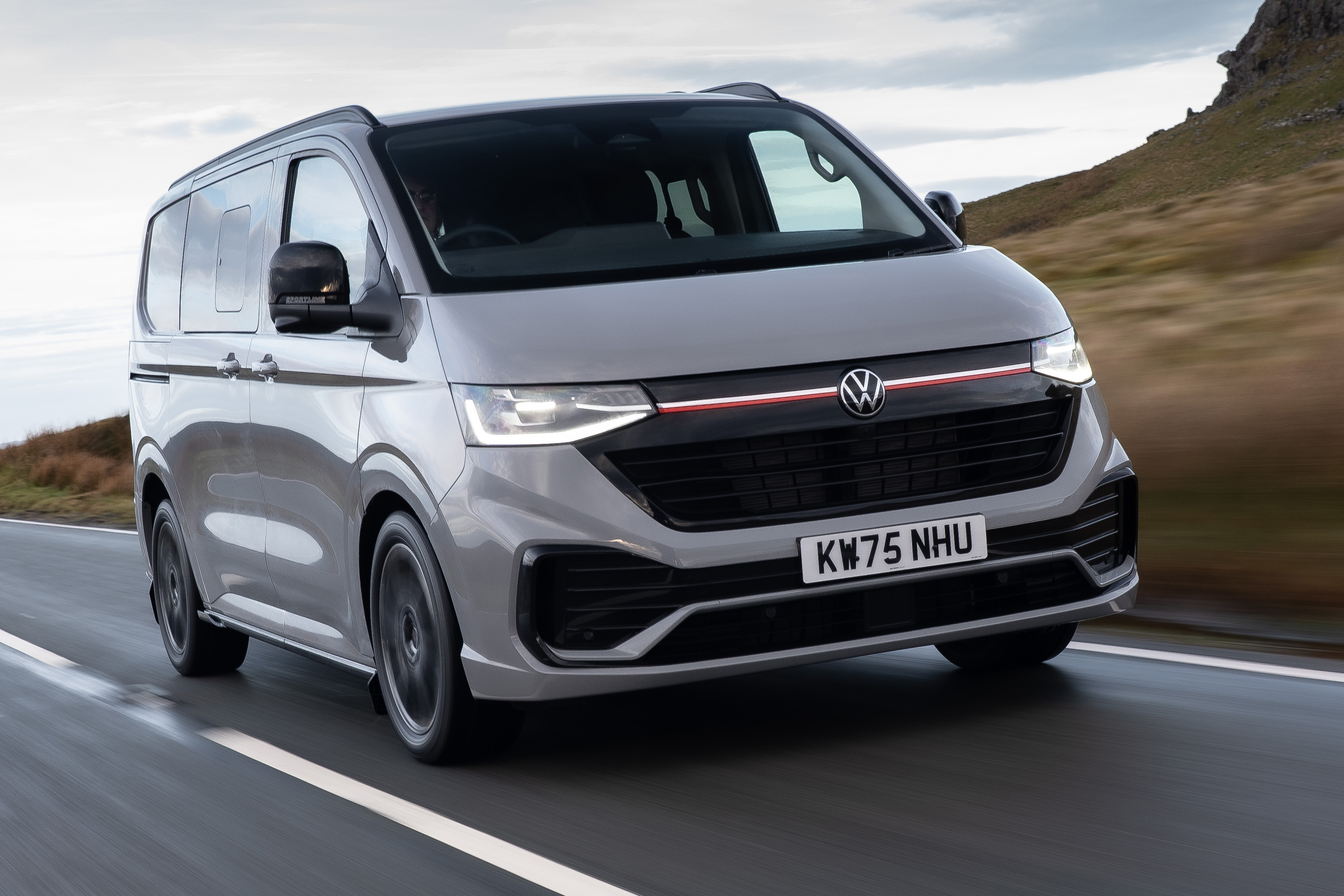
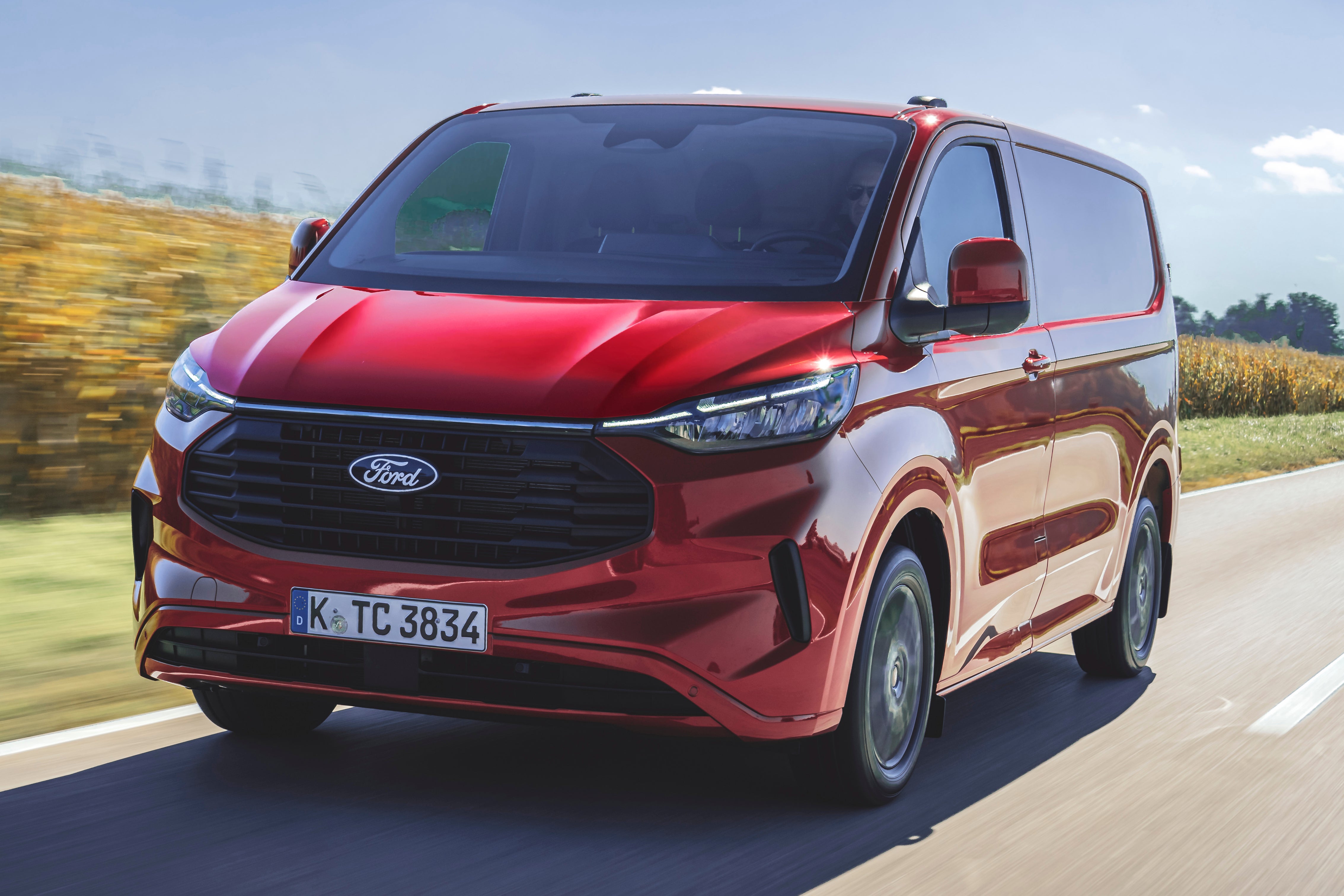
Other mid-size vans that should be considered as rivals include the Volkswagen Transporter, Ford Transit Custom, Mercedes Vito and Renault Trafic
What's the interior like in the Fiat Scudo?
The Scudo isn't a class-leader for loadspace, so a rival van might suit you better if that's your priority, but it does put in some impressive figure for payload capacity, so if your cargo is usually heavy, it's one of the better options in the class.
Fiat Scudo boot space and practicality
The Scudo is available in two different length options. The shorter one is roughly five metres long, while the longer one is around 5.3 metres. The names of these have changed quite a bit over time. The former was called the Standard early on in the vehicle’s life, but it’s since been renamed as the L1, and it's now referred to as the M. The latter, meanwhile, was originally called the Maxi, before later being rebranded as the L2, and it's now called the XL. From now on, we'll call them the M and the XL.
Some of the Scudo’s mid-size-van rivals offer you a choice of roof height, too, but with the Fiat, there’s only one on offer. This means that the height of the load area is the same in all Scudos at 1,397mm, while the width between the wheel arches is also the same at 1,258mm.
So what’s the difference in loadbay length between the two versions? Well, that stands at 350mm: your loadbay is 2,512mm in the M, and 2,862mm in the XL. Now, that doesn’t sound like a huge difference, but if yours is a business that utilises Europallets, it can make all the difference.
The dimensions in question mean that the M can carry two Europallets at a time, while you can fit three into the XL. These pallets can be loaded at the sides of the Scudo thanks to the generous size of the sliding side-door openings, and you get these doors on both sides of the Scudo as standard, while on many rivals, you only get a sliding door on one side. And when you’re loading at the back of the Scudo, the twin side-hinged rear doors can open at up to 180 degrees for easier access.
If ultimate cargo-carrying capacity is important to you, then it’s worth seeking out a Scudo in a higher-end trim level. That’s because these versions get a handy load-through hatch in the bulkhead, and this extends the load bay into the passenger footwell, allowing you to carry super-long items, items such as ladders, pipes, planks: all sorts, really. This feature extends your load length up to 3,674mm in the M, and 4,024mm in the XL.
Overall load capacity is also boosted significantly by this feature: from 5.3 cubic metres to 5.8 cubic metres in the M, and from 6.1 cubic metres to 6.6 cubic metres in the XL. Having said all that, though, these figures are still bettered by some rivals regardless of whether you have the load-through hatch or not, so if ultimate practicality really is essential to you, then you’ll be even better served by a few of the Scudo’s rivals.
For those who need people-carrying ability as well as payload-carrying ability, you can also specify the Scudo in Crew Van form. This adds a second row of three seats - bringing the total up to six - but sacrifices some cargo space in order to accommodate them. The load length in the M falls to 2,017mm, and to 2,365mm in the XL. Overall load capacities, meanwhile, drop to 3.2 cubic metres and 4.0 cubic metres, respectively. And there’s no boosting these figures with the load-through bulkhead, either, because that feature isn’t available in the Crew Van.
And talking of payload, that’s where the Scudo does a little better on the figures front. The diesels will carry between 1,121kg and 1,326kg, depending on the version - competitive figures by class standards - with the best figures being delivered by versions with the 2.0-litre engine. Electric ones don’t do quite as well, with figures of between 1,011kg and 1,210kg, but these numbers are still quite good by the standards of electric vans.
The electric Scudos also trail for permissible towing weights, because they’re rated to pull 1,000kg. The 1.5-litre diesels will tow 2,000kg, while again, the 2.0-litre diesels do best with a figure of 2,5000kg.
Climb into the cabin, and you'll find that many functions are controlled with physical dials and buttons, rather than with a touchscreen interface like many vehicles these days, and it means that operating them is far less fiddly and distracting as a result. These buttons and dials are clearly marked and logically placed, too, which makes them even easier to use.
The three seats are fairly even for width, so nobody should feel short-changed on that score, and the cabin has enough width that three workmates sitting side-by-side shouldn’t feel too cramped. However, the person sitting in the middle will find that their knee room is slightly more limited than their colleagues’ due to the protruding part of the lower dashboard that houses the gear lever/drive selector. The rear seats in the Crew Van variant have easily enough headroom and legroom for adult passengers, too.
The driver’s seat and steering column have a decent amount of adjustment, allowing drivers of most shapes and sizes to get adequately comfy, while the high seating position gives good forward visibility. Obviously, your rear visibility is rather more limited, due to the steel bulkhead behind you, and in lower-spec models, your rearview amounts to no more than what you can see in your door mirrors. Higher-spec versions, though, have a 180-degree rear-view camera, and a digital rear-view mirror, which make parking manoeuvres much, much easier.
Fiat Scudo dimensions
If you go for the smaller M bodystyle, then your Scudo will be 4,980mm long, 1,904mm tall and 1,924mm wide (excluding door mirrors, or 2,204mm with them included). The XL model is identical for width, but it's 5,331mm in length and 1,935mm in height.
Tech and infotainment in the Fiat Scudo
The touchscreen system found in the earliest Scudo models was a 7.0-inch item with smartphone connectivity, but it wasn’t long before this was replaced by a 10.0-inch screen. It supports all the usual stuff like DAB radio, Bluetooth, Apple CarPlay and Android Auto, while in the range-topping Primo version, built-in sat-nav is added as well.
This is a fairly low level of functionality by modern standards, and the graphics are also a little basic, but the simplicity of the system means it’s refreshingly easy to use and find your way around. Even better, you have separate air-con controls, so you’re not constantly having to immerse yourself in touchscreen menus to keep yourself comfortable.
Materials available on the Fiat Scudo
Drivers accustomed to passenger cars will probably also be accustomed to soft-touch plastics and glossy finishes, and many will demand them. Van drivers, meanwhile, are a different breed, and value robustness and durability over touchy-feeliness. After all, even if Fiat did bother to fill the Scudo’s interior with posh-feeling surfaces, they’d get scuffed and marked within five minutes, and you’d just spend the next few years looking at the damage. That’s why the Scudo’s interior is trimmed with hard plastics that look pretty basic, but will resist scuffs well, and that’s not only forgivable, it’s entirely necessary.
What's the Fiat Scudo like to drive?
The low-speed ride isn't as smooth as it is in some rival vans, but high-speed comfort is better, especially when you've got some weight on board, and the Scudo handles with security and confidence.
Fiat Scudo range and performance
The engine range in the Scudo has changed a little bit over the years. At first, it was available with either 1.5-litre diesel engines delivering 100PS or 120PS, or 2.0-litre units with 145PS or 177PS. The 1.5 had a six-speed manual gearbox while the more powerful 2.0-litre had an eight-speed automatic. The lower-powered 2.0-litre, meanwhile, could be specified with either transmission.
These days, however, the diesel range is no longer quite as extensive. You now choose between the 120PS version of the 1.5, or a 150PS 2.2-litre engine (there is technically a 180PS option of the 2.2-litre engine, too, but it's only available on a single limited-edition version with temporary availability). The 1.5 still comes exclusively with the manual gearbox, while the 2.2 can be had with either the manual or the automatic.
For most folks, the entry-level 1.5 will be more than adequate. It gets you up to speed at an entirely reasonable rate, and the engine has enough low-rev chutzpah so that you don't have to make constant downshifts to keep it on the boil, and you’ll only need to chop down a ratio or two if you come up against a particularly steep incline and you have a cargo bay full of clutter. Some will find the manual gearshift a bit notchy and imprecise, but it’s not too unpleasant.
The manual gearbox is no smoother when fitted to the 2.2-litre engine (we’ve not tried this engine with the automatic yet, unfortunately), but you will notice a fair upturn in grunt with the bigger engine. In fact, you might well be taken aback by just how sprightly it feels when pulling away from the mark, but even so, you’re unlikely to be participating in many drag races in your Scudo. The far bigger benefit you’ll notice with the more powerful engine is that you’ll hardly ever need a downshift to maintain your pace thanks to its extra mid-range muscle.
The other choice you have if diesel doesn’t appeal is the all-electric E-Scudo. This has an electric motor with a maximum output of 136PS, but to get the full amount of power you have to select the driving mode known - imaginatively - as Power. Select the Scudo’s Eco mode, and the output you get is dialled right back to just 80PS in order to maximise range. The Normal mode that sits in between delivers you 107PS for a more balanced compromise of performance and efficiency.
For most low-speed driving such as pottering around in urban traffic, the Eco mode should be adequate: you won’t get anywhere quickly, but you shouldn’t feel like you’re slowing other road users down too much, either. However, once the traffic around you starts to move a bit faster - say, 50mph or so - you’ll want to step up to Normal mode to keep pace with it. And although acceleration levels are still on the leisurely side in Normal mode, it should still be adequate for most other driving situations. The only times where you’ll feel the need to select Power mode is when you need some extra poke to get out of that tricky junction or you need maximum go on a motorway on-slip.
Early examples of the all-electric e-Scudo came with a choice of two battery sizes, 50kWh and 75kWh. These delivered official WLTP combined range figures of 143 miles and 205 miles, respectively.
The 2024 facelift saw the discontinuation of the 50kWh option, though, leaving only the larger capacity 75kWh battery option. The better news was that improvements to the powertrain and battery chemistry improved the WLTP combined driving range to 219 miles. It should be noted that this official WLTP figure is based on the e-Scudo’s Normal driving mode, so expect a few miles more in Eco, and a few miles less in Power.
Performance data
| Model | Engine/battery size | Power | 0-62mph | Range/MPG |
|---|---|---|---|---|
1.5 diesel 120 manual | 1.5 diesel | 120PS | TBC | Up to 44mpg |
2.2 diesel 150 manual | 2.2 diesel | 150PS | TBC | Up to 45mpg |
2.2 diesel 150 automatic | 2.2 diesel | 150PS | TBC | Up to 43mpg |
e-Scudo | Electric 75kWh | 136PS | TBC | 219 miles |
Fiat Scudo driving and refinement
By and large, commercial vehicles are less civilised to drive than passenger cars, but have you ever wondered why that is? Well, despite what some might think, it’s not because their makers can’t be bothered to engineer them properly. It’s because engineering a van is actually a bit more challenging than engineering a car.
That’s because with a car, you have to tune the suspension to deliver a good balance of ride and handling, which isn’t an easy thing to achieve. With a van, however, you have to do the same, but as well as that, the suspension has to be able to cope with vast differences in the weight being carried, and deliver that balance regardless of whether the load bay is empty or full. That’s even more difficult to achieve.
And yes, it’s true that the Scudo doesn’t feel as civilised or as settled on the road as your average passenger car. By the standard of other mid-size panel vans, however, it does a pretty stand-up job. As is the case with many vans, the ride is at its smoothest when you have a decent chunk of weight on board, and it’s also smoother at higher speeds than it is at lower speeds. That said, while things feel appreciably more trembly and fidgety when you're trundling around town with an empty load bay, it’s nothing that’ll have you begging for mercy.
The way the Scudo handles is more impressive, though. It’s surprisingly good at resisting body roll as you turn a corner, and while it won’t tempt you into throwing your van around with high-octane abandon, it does make negotiating the twists and turns of fast-flowing roads feel pleasantly secure and stable. The steering is weighty enough at speed to inspire confidence, too, yet light enough at low speeds to make parking manoeuvres a doddle, although it is also very slow, so you’ll need speedy hands when winding from lock to lock. The Scudo does feel heavy on the brakes when pulling up or stopping in a hurry - especially in the electric version - but that’s to be expected in a vehicle of this type.
On the refinement front, it’ll come as no surprise that the Scudo’s diesel engines make more noise than the near-silent electric motors, but they’re far from raucous, even when you find yourself needing to work them hard, which in fairness doesn’t happen very often. The noise melts away to a distant rumble on the motorway, too.
The most prevalent noise you’ll hear on the motorway is road noise, and you’ll hear some wind noise, too, but neither is loud enough to bother you too much.
Like we’ve said, the gearshift in manual models is a tad notchy but not to a degree that’ll annoy you. We’ve not tried a Scudo with the automatic gearbox yet, but we’ve tried it in other vans from the Stellantis Group (combined with different engines, admittedly), and it always seems to operate smoothly enough that you don’t really notice it going about its work. The electric Scudo doesn’t have a gearbox at all, because most electric vehicles don’t need one, so the power is unfurled in one unbroken stream.
How safe is the Fiat Scudo?
The Scudo has a list of standard safety kit that includes automatic emergency braking, electronic stability control, driver attention alert, high beam assist headlights, intelligent speed limit assist, and lane keep assist.
Panel van versions get driver and passenger front airbags, while Crew Van versions add side- and curtain airbags in the front, but strangely, there’s no airbag provision for those in the rear. Specify the higher-end Primo version, and you also get blind spot monitoring, plus additional parking assistance.
The Scudo has earned the full five-star rating in Euro NCAP's commercial vehicle crash tests.
Running costs: What it's like to live with a Fiat Scudo
The Fiat Scudo is isn't the cheapest van to buy and run, but it certainly isn't the most expensive, either, and costs stay reasonable across the board.
Fiat Scudo charging times and costs
To begin with, the e-Scudo came with a choice of two different battery options, one with a 50kWh capacity, and one with a 75kWh capacity. Fiat later discontinued the 50kWh option, leaving just the 75kWh battery.
Don’t rely on charging your e-Scudo on a three-pin domestic socket on a regular basis. There are three reasons for this: it’s not good for your home’s electrical system, the cable needed to do it isn’t supplied as standard, and it takes absolutely ages. A full charge will take around 30 hours on the 50kWh version, and closer to 40 hours with the 75kWh battery.
Charging at home will be much faster if you have a 7.4kW wall box charger installed, which is a much better option all round. On one of those, a full charge is delivered in just over seven hours for the 50kWh battery and just over 11 hours for the 75kWh version.
Assuming that your household power is billed at the UK’s national average cost, a full home charge of the 50kWh version is likely to cost around £14, and around £21 for the 75kWh version.
We’d recommend charging at home as often as possible, because the power that comes out of public chargers often costs you a lot more, particularly in the case of DC rapid chargers. Power from these often costs three times as much as domestic power, sometimes more. Both versions of the e-Scudo support DC rapid charging at a rate of up to 100kW: the 50kWh version is capable of taking on a 0-80% charge in 30 minutes, while the 75kWh one takes a little longer at 45 minutes.
Fiat Scudo fuel economy
We’ve searched far and wide for more granular fuel economy figures on early versions of the diesel-powered Scudo, but with very little success. The only figures we’ve found suggest returns of between 35mpg and 46mpg for the entire engine range, which comprised 1.5- and 2.0-litre engines of between 100PS and 180PS.
The picture is a little clearer with the later engine options. The 120PS 1.5 has official combined figures of between 44.8mpg and 40.9mpg in M form, and 42.8mpg and 39.8mpg in in XL form, so the average will fall somewhere in between those extremities.
The corresponding figures for the 2.2 engine with the manual gearbox are between 45.6mpg and 40.9mpg on the M, and between 43.5mpg and 39.8mpg on the XL. When this engine is paired with the automatic gearbox, those figures drop to between 43.5mpg and 39.2mpg on the M, and between 42.2mpg and 38.7mpg on the XL.
In general, those figures drop by another couple of mpg onn Crew Van versions.
Fiat Scudo warranty and servicing
Like all commercial vehicles from the Stellantis stable, the Scudo comes with a three-year warranty. That’s two years of unlimited-mileage manufacturer cover and a third year of retailer-supplied cover up to a limit of 100,000 miles.
The battery in the electric version is covered for eight years or 100,000 miles, and it’ll be repaired or replaced if it falls below 70% of its original capacity in that time.
The all-electric Scudo only needs routine maintenance every two years or 25,000 miles, although you will need an initial inspection at one year/12,500 miles to make sure things are running smoothly. Servicing intervals are the same on the 1.5-litre diesel version - minus the initial inspection - while the 2.0-litre versions go even longer between services: 30,000 miles for the manual and 32,000 miles for the automatic, but with a two-year time limit in both cases. Those long service intervals should minimise the downtime that your business will need to factor in to keep your vehicle running smoothly.
Fiat Scudo insurance groups
Precise insurance grouping data for commercial vehicles is very difficult to find at a version-by-version level, but figures we've seen suggest that groupings for the Scudo sit between groups 32 to 44.
How much does it cost to tax a Fiat Scudo?
LCVs (Light Commercial Vehicles) like the Scudo are charged a flat rate of Vehicle Excise Duty (VED) road tax, which for such vehicles is currently charged at £360 per year. Do bear in mind that VED exemption for electric vehicles ended in April 2025, so owners of electric Scudos will now face the same costs and owners of diesel-powered ones.
What trims are available with the Fiat Scudo?
Early on in its life, the Scudo was offered in Tecnico and Business trim levels, but it wasn't long before these were replaced by the trim levels offered today, known as Scudo and Primo.
The standard Scudo trim provides remote locking, electric windows, heated and electrically adjusting door mirrors, automatic lights and wipers, cruise control, the 10.0-inch central touchscreen and digital instrument screen, rear parking sensors, and air-conditioning. It looks a little basic, however, due to its steel wheels and black plastic finishes for the bumpers, door handles and mirror housings.
The higher-end Primo trim still gets steel wheels, albeit with smarter wheel trims, while those black plastic exterior parts are swapped for body-coloured ones, and you also get LED headlights and front fog lights to sharpen up the looks further. On top of that, the load-through bulkhead, an alarm, front- and rear parking assistance, a reversing camera and a digital rear-view mirror are provided.
Ask the Drive experts: common questions
Is the Fiat Scudo electric?
Is the Fiat Scudo a car or a van?
What’s the difference between the Fiat Scudo, Citroen Dispatch, Peugeot Expert, and Vauxhall Vivaro?
Get our latest advice, news and offers
Keep me updated by email with the latest advice, news and offers from Drive.