Vauxhall Grandland Electric Review

Written By Ivan Aistrop
- 2024
- SUV
- Electric
What we love
Very roomy cabin and big boot
Competitive prices for a family EV
Strong standard equipment count
Things to consider
Ride comfort is only average
Interior quality is patchy in places
Infotainment still feels fussier than the best systems
The DRIVE take on the Vauxhall Grandland, is it the right car for you?
The Vauxhall Grandland Electric makes most sense if you want a spacious electric family SUV that majors on value, equipment and practicality rather than driver appeal or premium ambience. It is roomy, sensibly priced and easy enough to recommend on the basic stuff that matters to family buyers.
What it does not really do is stand out dynamically. It is not especially comfortable by class standards, and there are rivals that feel richer inside or more intuitive to use. But if your priorities are space, a big boot and a straightforward electric SUV at a sensible price, the Grandland Electric has a solid case.
The Vauxhall Grandland in more detail
The latest Grandland is an important car for Vauxhall because it takes over as the brand’s flagship SUV and has to compete in one of the busiest parts of the market. That is not easy, especially when so many family SUVs now blur into one another.
Vauxhall’s answer is to make the Grandland available as a full EV as well as a hybrid, and this review focuses on the electric version only (you can read our Vauxhall Grandland review if you're interested in the hybrid version). That matters because it gives the car a clearer identity and puts it up against a more defined set of rivals such as the Ford Explorer, Peugeot E-3008, Skoda Enyaq and Volkswagen ID.4, rather than every petrol family SUV on sale.
Browse used Vauxhall Grandlands for sale →
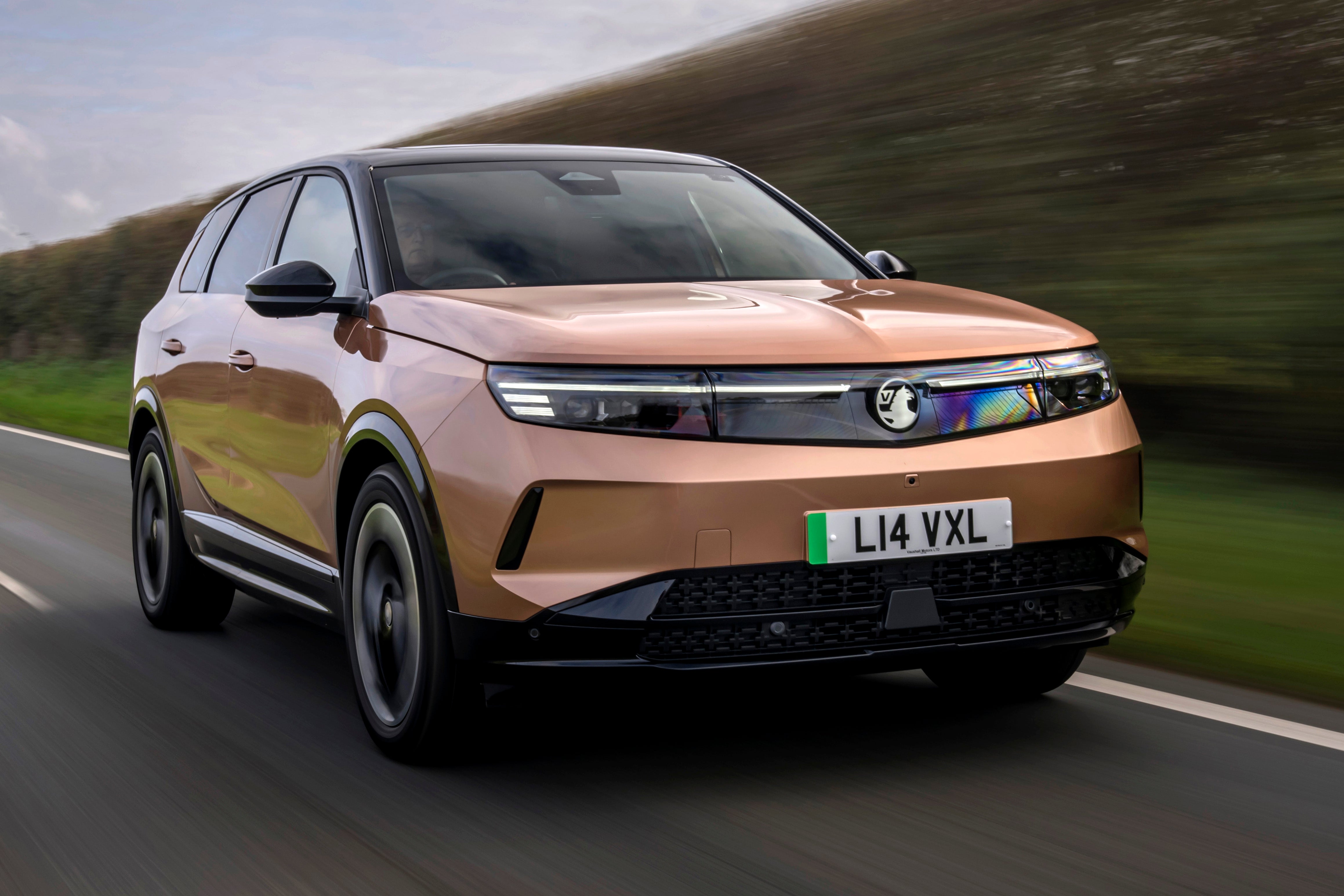
The Grandland Electric also looks sharper than the old car. The new light signature, the broader stance and the illuminated rear lettering all give it more visual presence, while GS and Ultimate trims add the lit front badge and connecting light bar that help it feel a bit more distinctive at night. Vauxhall has clearly put effort into making it look like a proper flagship rather than just a bigger Mokka.
Under the skin, the Grandland Electric now comes in more than one flavour. The standard front-wheel-drive version uses a 73kWh battery and a 213PS motor, while a newer AWD version adds a second motor for 325PS and more traction. That gives the range a bit more spread than before, even if the front-wheel-drive car will be the default choice for most buyers.
The broader appeal, though, is not about speed or image. It is about the fact that the Grandland Electric is a very straightforward family EV. It offers lots of space, a big boot, competitive pricing and a decent amount of standard kit, which are the things many buyers care about most.
What's the best Vauxhall Grandland trim and battery option?
The 213PS front-wheel-drive version is the one that makes most sense because it is cheaper, lighter and already more than quick enough for everyday family use. The newer 325PS AWD model is interesting, but it brings a shorter official range and feels more like a niche choice than the obvious mainstream pick.
GS is also the trim to target. Design already gets the core safety kit, adaptive cruise control, the 10-inch infotainment touchscreen and 10-inch digital instrument display, so it is not a bare-bones entry car by any means. GS is where the Grandland starts to feel more complete, though, adding the illuminated front-end treatment, Intelli-Lux HD headlights, heated front seats, a heated steering wheel, ambient lighting, a reversing camera and the larger 16-inch central touchscreen with connected navigation.
Ultimate adds appealing extras such as the panoramic roof, power tailgate, heated windscreen, head-up display and 360-degree cameras, but the value case is strongest in GS.
What’s the price of the Vauxhall Grandland?
The Grandland Electric range starts at £35,990 for the Design 213PS. The GS 213PS costs £37,540, while the Ultimate 213PS is £39,030 before on-the-road charges. The AWD versions sit below those list prices, with the GS AWD at £36,030 and the Ultimate AWD at £37,530 before delivery and first registration, although insurance groups for those variants were still to be confirmed in the latest official guide. There are also plenty of used Vauxhall Grandlands for sale for considerably less.
That pricing is one of the Grandland Electric’s strongest selling points. It puts the car in sensible territory against rivals such as the Nissan Ariya, Skoda Enyaq and Peugeot E-3008, especially once you factor in the amount of standard equipment.
The key thing is that Vauxhall has not tried to turn the Grandland into an expensive lifestyle statement. It is still pitched as a mainstream family SUV, and the prices reflect that.
Alternatives to the Vauxhall Grandland
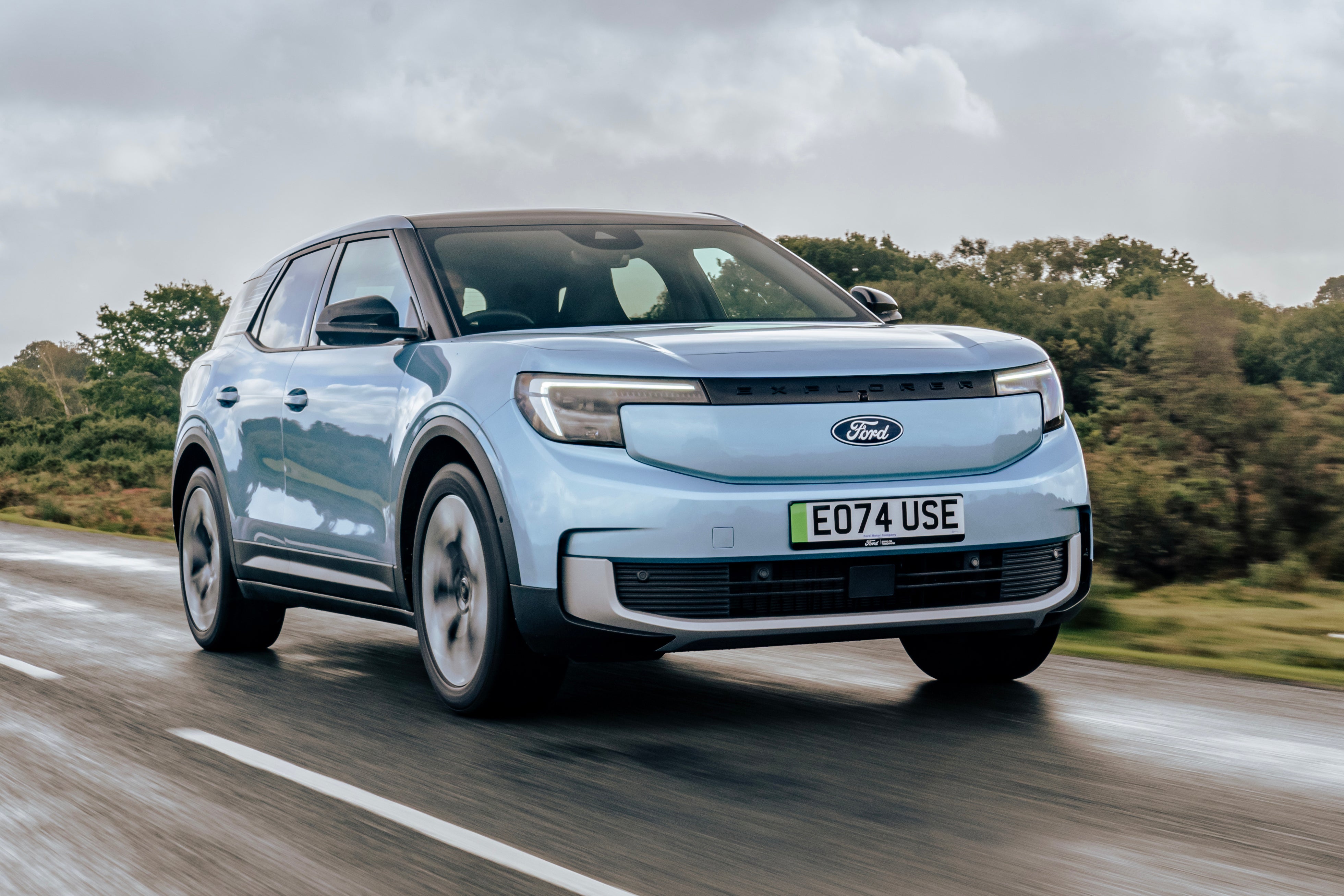
The Peugeot e-3008 is the most obvious alternative because it shares much of the same basic hardware while offering a more design-led interior and a slightly more fashion-conscious image. The Ford Explorer is another important rival, bringing stronger badge pull and a neater infotainment setup.
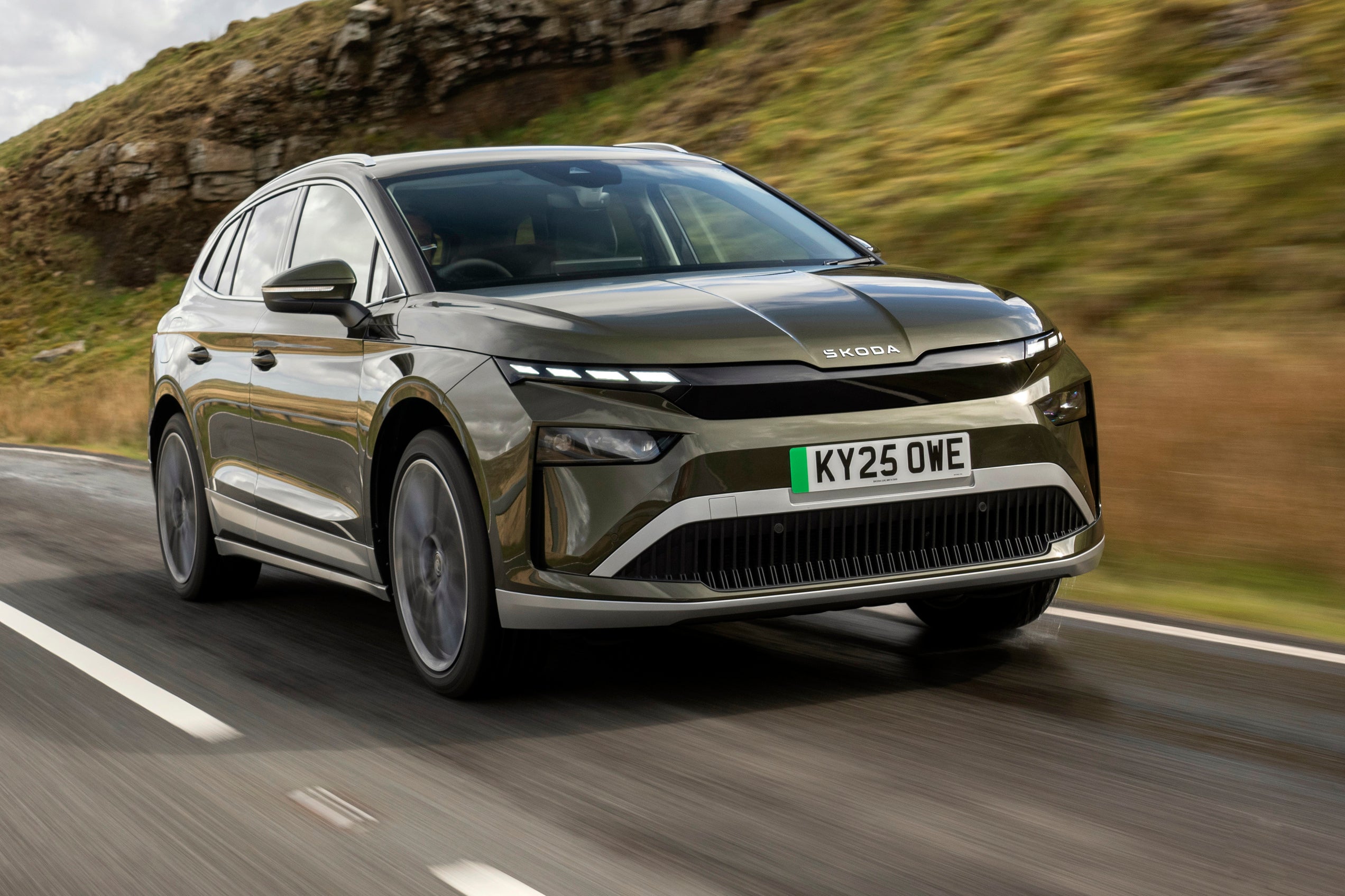
The Skoda Enyaq remains one of the best all-rounders in this class thanks to its space, comfort and ease of use, while the Volkswagen ID.4 is the more conservative sister car. The Nissan Ariya and Toyota bZ4X are also worth a look if you want something a little less obvious.
The Grandland Electric’s best argument against all of them is simple value. It offers lots of the space and family usefulness buyers want without stretching into pseudo-premium pricing.
What's the interior like in the Vauxhall Grandland?
The Grandland Electric’s cabin makes a strong first impression because it is quite different from the minimalist norm. There is lots going on visually, with varied shapes, textures and fabric trim spread across the dashboard and doors.
Vauxhall Grandland boot space and practicality
Practicality is one of the Grandland Electric’s strongest cards. There is lots of room in the front, and the rear seats offer enough headroom and legroom for tall adults to get comfortable without complaint. That makes it feel genuinely family-friendly rather than merely SUV-shaped.
The cabin is not especially wide, so carrying three adults across the rear bench is more of a squeeze than in something like a Skoda Enyaq, but the almost-flat floor helps the middle passenger more than usual.
Boot space is a proper strength. At 550 litres in the standard 73kWh car, the Grandland Electric is very competitive by class standards, and the variable-height floor makes it more useful still. Fold the 40/20/40 split rear seats and capacity rises to 1,645 litres. That is exactly the sort of flexibility family buyers will appreciate. The AWD version sacrifices some rear-seat-up capacity, dropping to 485 litres, but keeps the same 1,645-litre folded figure.
There is no front boot, but the main luggage area is large enough and practical enough that most buyers will not care too much.
Vauxhall Grandland dimensions
The Vauxhall Grandland Electric measures 4,650mm long, 2,108mm wide & 1,661mm high. Those are useful dimensions because they place it right in the heart of the family-SUV class. It is large enough to feel substantial and roomy, but not so oversized that it becomes intimidating to place.
Tech and infotainment in the Vauxhall Grandland
Every Grandland Electric gets a 10-inch digital driver display. Design uses a 10-inch central touchscreen, while GS and Ultimate upgrade to a 16-inch system with connected navigation, extra rear USB-C ports and Vauxhall’s Pixel Box storage area with wireless charging. Ultimate also brings the upgraded Focal audio system.
On paper, that all sounds strong, and the display quality itself is good. The trouble is that the interface still feels fussier than the best systems in the class. There are a lot of on-screen icons, not all of them especially intuitive, and it takes more time than it should to find your way around some menus.
So the Grandland Electric is well equipped for tech, but not class-leading for ease of use.
Materials available on the Vauxhall Grandland
The Grandland Electric’s interior tries quite hard to look distinctive, and in some ways it succeeds. The fabric trim on the dashboard and doors brightens things up, and the extensive use of recycled material gives it a modern, slightly left-field feel.
The problem is tactile quality. Most of the plastics are hard, and some of the lower-down trim looks and feels more functional than plush. That should help durability, but it does mean several rivals feel more upmarket inside.
So while the cabin has personality, it is not the sort of interior that instantly feels expensive.
What's the Vauxhall Grandland like to drive?
The Grandland Electric is more about calm family transport than excitement. That is not a criticism in itself, but it does mean the driving experience is best described as competent rather than memorable.
Vauxhall Grandland range and performance
The standard Grandland Electric uses a 73kWh battery and a front-mounted motor producing 213PS and 345Nm. Vauxhall quotes 0-62mph in 9.0 seconds, a 106mph top speed and an official WLTP range of 323 miles. The newer AWD version uses the same 73kWh battery but adds a rear motor for a combined 325PS, cuts the 0-62mph time to 6.1 seconds and has a 306-mile WLTP range.
The standard car will be enough for most buyers. It is not excitingly quick, but it is easily brisk enough for normal driving, and the more measured power delivery arguably suits the Grandland’s family role better than a harder-hitting EV response.
Performance data
| Model | Engine/battery size | Power | 0-62mph | Range/MPG |
|---|---|---|---|---|
Grandland Electric | 73kWh | 213PS | 9.0 seconds | Up to 323 miles |
Grandland Electric AWD | 73kWh | 325PS | 6.1 seconds | Up to 306 miles |
Vauxhall Grandland driving and refinement
The Grandland Electric’s main dynamic weakness is ride comfort. Despite its more sophisticated rear suspension versus the hybrid version, it has an underlying fidget and never feels as settled as some rivals over rougher roads. Sharper bumps can also send a more pronounced thump into the cabin than you might want in a family SUV.
Handling is not especially rewarding either. There is noticeable body lean, the steering is very light and there is not much sense of connection through the wheel. Select Sport mode and it adds a little weight, but it does not fundamentally change the car’s character.
The better news is that refinement is decent. Wind and road noise are about average for the class, the powertrain is quiet enough, and motorway driving is not especially tiring. So while the Grandland Electric is not a standout to drive, it is at least civilised enough for the job.
How safe is the Vauxhall Grandland?
The latest Grandland Electric had not yet been crash-tested by Euro NCAP in the most recent material I checked, so there is no current Euro NCAP score to quote with confidence.
Standard safety equipment is strong, though. Every car gets adaptive cruise control, lane departure warning, lane keep assist, traffic-sign recognition, high beam assist and eight airbags. Ultimate adds the more advanced Intelli-Drive 2.0 package with features such as lane change assist, semi-autonomous lane change, rear cross-traffic alert and curve speed adaptation.
Running costs: What it's like to live with a Vauxhall Grandland
As with many EVs, the Grandland Electric’s ownership appeal is strongest if you can charge at home. That is where it should feel most cost-effective and easiest to live with.
Vauxhall Grandland charging times and costs
The Grandland Electric has an 11kW onboard charger as standard. Vauxhall quotes a 20 to 80 per cent charge time of 22 hours 55 minutes from a three-pin plug, 6 hours 45 minutes from a 7kW wallbox, 4 hours 30 minutes from an 11kW public AC charger and 30 minutes from a 160kW DC rapid charger.
Those figures are competitive enough for a family EV, even if some rivals now go harder on charging speed headlines. In reality, a home wallbox is the natural fit, while rapid charging is quick enough not to make longer trips too painful.
Vauxhall Grandland warranty and servicing
Vauxhall covers the Grandland Electric with a three-year warranty. Mileage is unlimited in the first year and capped at 60,000 miles in years two and three. The battery is covered for eight years or 100,000 miles and guaranteed to retain at least 70 per cent of its original capacity.
The official service interval for the Grandland Electric is initially after 1 year or 8,000 miles, then every 16,000 miles or 2 years. Vauxhall’s broader EV servicing structure uses interim, main and major services depending on age and mileage, but the handbook and service display should be treated as the final guide.
Vauxhall Grandland insurance groups
Insurance groups for the 213PS front-wheel-drive versions are 34 in Design and 36 in both GS and Ultimate. The AWD models were still listed as TBC in the latest official guide.
How much does it cost to tax a Vauxhall Grandland?
The Vauxhall Grandland Electric will be charged at the standard annual tax rate of £200, while all models sit below the £50,000 threshold for Expensive Car Supplement.
What trims are available with the Vauxhall Grandland?
The Grandland Electric range is built around Design, GS and Ultimate.
Design already gets a decent amount, including adaptive cruise control, lane keep assist, automatic emergency braking, front and rear parking sensors, rear camera, dual-zone climate control, the 10-inch touchscreen, 10-inch driver display, wireless Apple CarPlay and Android Auto, six speakers, rain-sensitive wipers and Intelli-LED headlights and tail lights.
GS is the more desirable step because it adds the illuminated front-end treatment, more sophisticated Intelli-Lux HD headlights, heated front seats, heated steering wheel, ambient lighting, darkened rear windows, black roof, larger infotainment screen and reversing camera. That gives it the visual distinction and extra comfort kit many buyers will want.
Ultimate adds the panoramic roof, power tailgate, heated windscreen, head-up display, 360-degree camera and upgraded stereo. It is appealing, but GS is the stronger value choice.
Ask the Drive experts: common questions
How much does the Vauxhall Grandland Electric cost?
What’s the maximum range of the Vauxhall Grandland Electric?
Is the Vauxhall Grandland Electric practical?
What is the best Vauxhall Grandland Electric version?
Get our latest advice, news and offers
Keep me updated by email with the latest advice, news and offers from Drive.
.jpg)
.jpg)
.jpg)