Vauxhall Grandland (2022-2024) Review

Written By Lawrence Allan
- 2022
- SUV
- Petrol, diesel, mild hybrid and plug-in hybrid
What we love
Comfortable ride and quiet motorway manners
Spacious cabin and practical boot
Strong value on the used market
Things to consider
Competent rather than enjoyable to drive
Plug-in hybrids lose a significant amount of boot space
The 1.2-litre petrol requires careful service-history checks
The DRIVE take on the Vauxhall Grandland, is it the right car for you?
The facelifted Vauxhall Grandland is a sensible used family SUV for buyers who value comfort, space and straightforward controls more than adventurous styling or entertaining handling.
Its cabin has enough room for four adults, the standard 514-litre boot is practical and most versions are generously equipped. Used prices are also attractive compared with those of a Volkswagen Tiguan, Hyundai Tucson or Kia Sportage of a similar age.
The 1.2-litre petrol is the best choice for most buyers, provided it has been serviced correctly and its timing-belt history is clear. Diesel suits sustained motorway use, while the plug-in hybrid works best for owners who can charge regularly and complete most local journeys on electricity.
The Vauxhall Grandland in more detail
The Grandland reviewed here is the heavily facelifted version of the original Grandland X, sold in the UK from 2022 until its replacement by an entirely new model in late 2024 - check out our Vauxhall Grandland review if you want to read about the latest model.
Although Vauxhall dropped the X from the name and substantially redesigned the front, the platform and much of the mechanical hardware remained closely related to the earlier Grandland X.
Browse used Vauxhall Grandlands for sale →
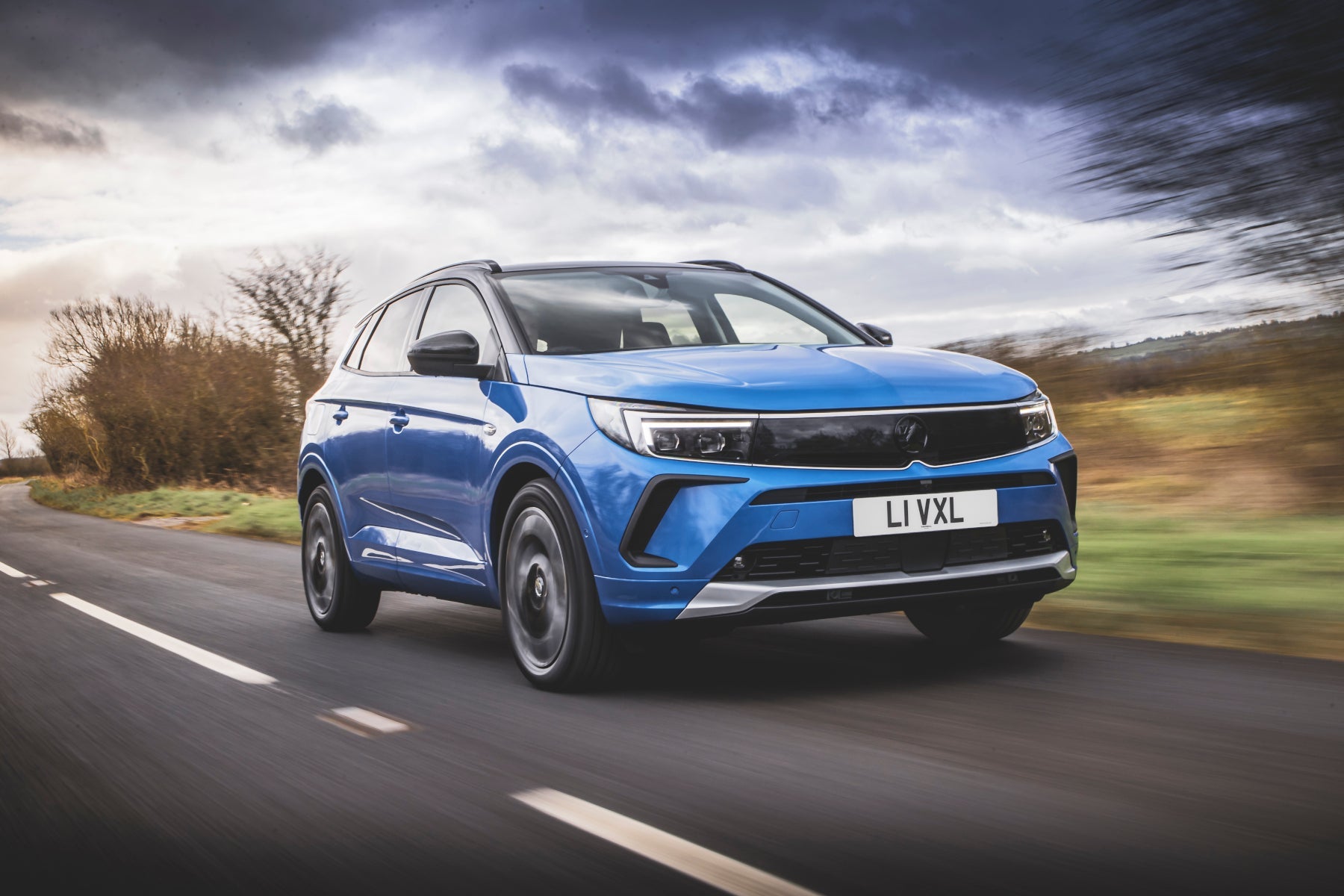
The most obvious change was the introduction of Vauxhall’s Vizor front end, which placed the headlights and badge within a broad gloss-black panel. Revised bumpers, updated lights and contrasting roof colours gave the previously anonymous SUV a sharper appearance without making it excessively attention-seeking.
The dashboard was modernised at the same time with Vauxhall’s Pure Panel display arrangement. Depending on trim, this combined a seven or 12-inch digital instrument display with a seven or 10-inch central touchscreen.
Vauxhall retained physical controls for heating and ventilation, making the Grandland easier to operate than its Peugeot 3008 relative.
The facelift also brought stronger assistance technology, updated headlights and a simplified trim structure. Design, GS Line, later shortened to GS, and Ultimate formed the core range, while the high-performance plug-in hybrid was offered as the Grandland GSe.
The engine range included a 130PS 1.2-litre turbocharged petrol, a 130PS 1.5-litre diesel, a late 136PS 48V petrol hybrid and two plug-in hybrids producing 225PS or 300PS.
The outgoing Grandland is smaller than the current-generation car reviewed separately. Buyers should therefore check the registration year and body shape carefully when comparing used listings.
What's the best Vauxhall Grandland trim and engine option?
The Vauxhall Grandland 1.2 Turbo 130PS GS manual is the best all-round used version.
The 1.2-litre petrol provides adequate performance for everyday family use and is considerably more common than the diesel, mild hybrid or plug-in hybrid. The manual gearbox keeps the purchase price and mechanical complexity down, while official economy in the mid-40s is competitive for a petrol SUV of this size.
GS is the sweet spot in the trim range. It adds the larger 10-inch infotainment screen, 12-inch digital instruments, navigation, a reversing camera, roof rails, tinted rear windows and more supportive AGR-certified front seating.
Entry-level Design is worth considering when price is the priority, but its smaller screens and plainer exterior make GS feel more complete.
Ultimate adds adaptive headlights, heated seats, a heated steering wheel, a powered tailgate and more advanced parking technology. It is attractive when the used-price difference is modest, although its 19-inch wheels slightly reduce ride comfort.
High-mileage drivers should consider the 1.5-litre diesel, while the 225PS plug-in hybrid makes sense for owners with home charging and a daily routine that fits within its electric range.
The 300PS GSe is quick and has four-wheel drive, but its higher price, insurance rating and reduced luggage space make it a specialist choice.
What’s the price of the Vauxhall Grandland?
Used prices start from around £9,500 for early 2022 Grandlands with higher mileage.
Approximately £11,000 to £14,000 buys a broad selection of 2022 and 2023 petrol models, including many GS Line and GS cars with sensible mileages.
Later 2023 and 2024 petrol or diesel examples generally cost between £13,000 and £17,000, while low-mileage Ultimate cars from the final year of production typically sit between £15,000 and £19,000.
Plug-in hybrids have depreciated heavily and can now be found from around £12,000. Better-equipped, lower-mileage examples generally cost between £14,000 and £20,000, while the rarer GSe can reach approximately £23,000.
The late 48V hybrid is less common and usually commands between £16,000 and £20,000. There are plenty of used Vauxhall Grandlands for sale so there's plenty of choice.
The large supply means buyers should not compromise on condition or maintenance history. A clean GS with a complete service record, matching tyres and evidence of correct engine oil is preferable to a cheaper Ultimate with gaps in its history.
Alternatives to the Vauxhall Grandland
The Peugeot 3008 shares much of its engineering with the Grandland but has a more distinctive cabin and exterior. Its small steering wheel and touchscreen-heavy controls will not suit everyone.
The Skoda Karoq has excellent visibility, a practical cabin and a more polished driving experience. Equivalent cars often cost more.
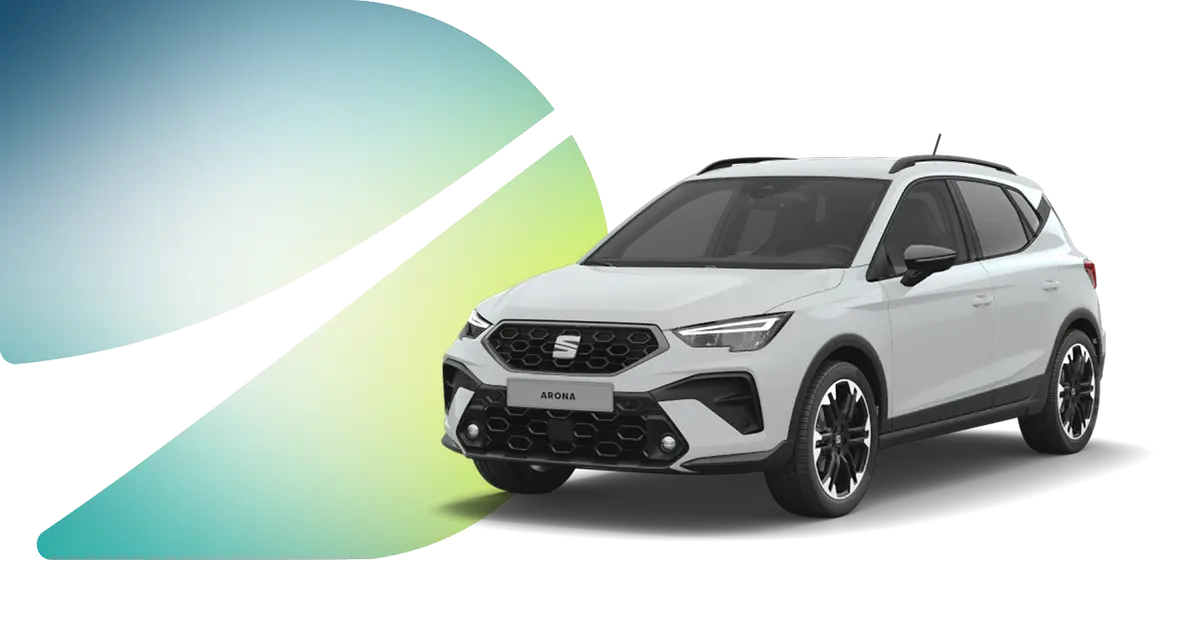
The SEAT Ateca is sharper and more enjoyable to drive, although its ride is firmer and the interior looks less modern.
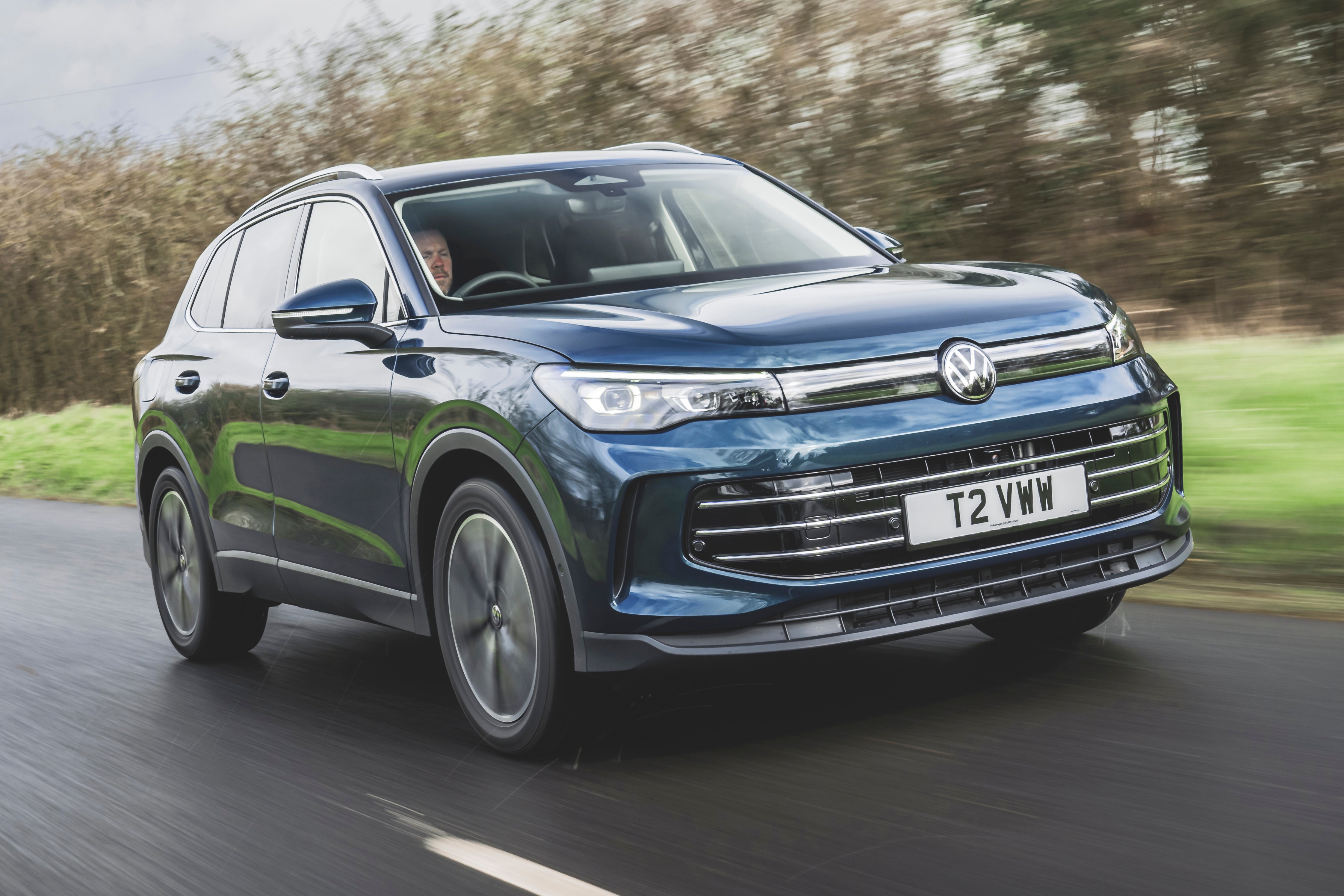
The Volkswagen Tiguan feels more refined and upmarket, but used prices are higher and equipment can be less generous.
What's the interior like in the Vauxhall Grandland?
The Grandland has a spacious, comfortable and sensibly arranged cabin, with a useful balance between digital displays and physical controls.
Vauxhall Grandland boot space and practicality
The driver sits high enough to gain a clear view over surrounding traffic without feeling excessively elevated.
The seat and steering wheel provide broad adjustment, making the Grandland suitable for drivers of different heights. GS and Ultimate versions have AGR-certified ergonomic front seats, which provide good support over longer journeys.
Front passenger space is generous, with enough headroom, shoulder room and legroom for two taller adults.
Storage includes large door bins, two cupholders, a deep compartment beneath the centre armrest and a tray around the gear selector. The glovebox is disappointingly small because the fusebox occupies part of the available space in right-hand-drive cars.
Rear passenger space is good rather than class-leading. Tall adults can sit behind similarly tall front occupants with sufficient knee room, while the high roof provides generous headroom.
Three adults can fit across the rear bench for shorter journeys, although the centre position is narrower and less supportive than the outer seats.
Isofix mounting points are fitted to the outer rear seats and the front passenger seat. Wide-opening rear doors make installing child seats relatively easy.
Petrol, diesel and mild-hybrid Grandlands have a 514-litre boot with the rear seats upright. That is enough for a large pushchair, several suitcases or the luggage required for an ordinary family holiday.
The space is broad and square, with limited intrusion from the rear suspension. Levers in the sides of the boot release the 60:40 rear backrests, expanding maximum capacity to 1,652 litres and creating an almost flat load floor.
Plug-in hybrid models sacrifice space to their battery and electrical hardware. Their boot holds 390 litres with the seats upright and 1,528 litres when folded.
The reduction is noticeable, particularly beneath the floor, while the charging cables also need somewhere to be stored. Buyers requiring maximum luggage space should choose the petrol, diesel or mild hybrid.
Vauxhall Grandland dimensions
The Vauxhall Grandland measures 4,477mm long, 1,906mm wide & 1,609mm high.
Its width increases to approximately 2,098mm with the door mirrors extended, which is worth remembering when using narrow garages or width restrictions.
The Grandland feels manageable in town, with a square body and raised seating position that make the corners relatively easy to judge.
Front and rear parking sensors are standard across most facelifted versions, while GS adds a reversing camera. Ultimate upgrades this to a 360-degree camera and automated parking assistance.
Tech and infotainment in the Vauxhall Grandland
Facelifted Grandlands use Vauxhall’s Pure Panel layout, grouping the digital instrument display and central touchscreen within a broad gloss-black dashboard panel.
Design has a seven-inch driver display and seven-inch touchscreen with Apple CarPlay and Android Auto.
GS and Ultimate upgrade to a 12-inch digital instrument display and a 10-inch central touchscreen with built-in navigation.
The larger setup looks more modern, although the graphics and response times are ordinary rather than outstanding.
Vauxhall retained physical controls for temperature, fan speed and several assistance functions. This makes the Grandland considerably easier to operate while driving than many newer SUVs with touchscreen-only climate controls.
Wireless phone charging and additional USB connections were fitted according to trim and model year, so buyers should check the individual car.
Optional technology included night vision and IntelliLux LED Pixel headlights. These features are uncommon on used cars and could be expensive to repair, so they should be checked carefully.
Materials available on the Vauxhall Grandland
The Grandland uses soft-touch material across the upper dashboard and front doors, while the main controls feel solid and logically arranged.
Harder plastics appear lower down, and the large amount of gloss-black trim quickly shows dust and fingerprints.
GS and Ultimate improve the atmosphere with upgraded upholstery, contrast stitching and Alcantara-style inserts. The cabin does not feel as premium as a Volkswagen Tiguan, but it is well assembled and appropriate for the Grandland’s used price.
What's the Vauxhall Grandland like to drive?
The Grandland prioritises comfort and stability over sharp handling, making it a relaxed family SUV rather than an entertaining one.
Vauxhall Grandland range and performance
The 130PS 1.2-litre petrol is the most common and best-suited engine for typical private buyers.
Its modest capacity sounds inadequate for an SUV, but turbocharging provides useful mid-range pull and it feels sufficiently lively during normal driving.
The six-speed manual has a light action but is not especially precise. The eight-speed automatic suits the Grandland’s relaxed character, although it can hesitate before selecting a lower ratio.
The 1.5-litre diesel provides stronger low-rev flexibility and better motorway economy. It is most appropriate for drivers covering regular sustained distances, as repeated short trips can prevent the diesel particulate filter from regenerating correctly.
The late 136PS mild hybrid pairs the 1.2-litre petrol with a small electric motor and six-speed dual-clutch automatic transmission. It can move briefly using electrical assistance at low speeds and is more economical in urban traffic than the conventional petrol.
The 225PS plug-in hybrid provides smooth, quiet progress around town and useful performance on faster roads. Its value depends heavily on regular charging because carrying a depleted battery makes it heavier and less economical than the standard petrol.
The GSe adds a second electric motor at the rear axle, producing 300PS and four-wheel drive. It is substantially quicker, but the extra performance does not turn the Grandland into a genuinely engaging performance SUV.
Performance data
| Model | Engine/battery size | Power | 0-62mph | Range/MPG |
|---|---|---|---|---|
1.2 Turbo | 1.2-litre | 130PS | 10.2 seconds | Up to 46mpg |
1.5 Turbo D | 1.5-litre | 130PS | 12.3 seconds | Up to 50mpg |
1.2 48V hybrid | 1.2-litre | 136PS | 10 seconds | Up to 54mpg |
1.6 plug-in hybrid | 1.6-litre | 225PS | 8.9 seconds | Up to 39 mile EV range |
1.6 plug-in hybrid GSe | 1.6-litre | 300PS | 6.1 seconds | Up to 40 mile EV range |
Vauxhall Grandland driving and refinement
Comfort is the Grandland’s strongest dynamic quality.
The suspension absorbs most broken surfaces effectively, isolating occupants from potholes and expansion joints without allowing the body to float excessively.
Ultimate’s 19-inch wheels introduce more low-speed impact than the smaller wheels fitted to Design and GS, but the ride settles at higher speeds.
The steering is light and accurate enough to place the car confidently, although it communicates little about the road surface or available grip.
Body lean is noticeable through faster bends, particularly in the heavier plug-in hybrids, but the movements are progressive and predictable.
The petrol Grandland feels the lightest and most responsive version, while the PHEV is more reluctant to change direction because of its additional battery weight.
Motorway refinement is very good. Wind noise is subdued, tyre roar is well contained on smaller wheels and the petrol engine becomes quiet once cruising.
Plug-in hybrids are particularly refined during low-speed electric running, although the engine becomes noticeable when stronger acceleration is requested.
How safe is the Vauxhall Grandland?
The original Grandland X received five stars from Euro NCAP when it was tested in 2017, with the rating later extended to the related plug-in hybrid.
That result was awarded under older and less demanding assessment criteria, so it should not be compared directly with the score of a new SUV tested in 2026.
The facelifted Grandland did not receive a separate contemporary Euro NCAP assessment.
Standard equipment includes six airbags, autonomous emergency braking, lane-departure warning, lane-keeping assistance, traffic-sign recognition, driver-attention monitoring and cruise control with a speed limiter.
Ultimate adds adaptive cruise control and lane-positioning assistance, while blind-spot monitoring, enhanced automatic braking, adaptive headlights and night vision were available according to trim and option selection.
Safety specification can vary between apparently similar used examples, so buyers should confirm the equipment fitted to the individual car.
Running costs: What it's like to live with a Vauxhall Grandland
The Grandland offers competitive fuel economy and insurance costs, although engine choice and maintenance history have a major effect on long-term ownership.
Vauxhall Grandland fuel economy
The 1.2-litre petrol officially returns up to approximately 46mpg with a manual gearbox, with automatic versions usually slightly less economical.
Real-world results in the high 30s or low 40s are realistic during mixed driving, depending on load, traffic and wheel size.
The 1.5-litre diesel can exceed 50mpg and is the most economical conventional engine on long motorway journeys.
The 48V hybrid also returns more than 50mpg officially and has a particular advantage in urban traffic.
Plug-in hybrid fuel economy depends almost entirely on charging habits. Drivers who begin each day with a full battery and cover short local journeys may use very little petrol.
Once the battery is depleted, economy can fall below that of the standard petrol because the engine must move the additional hybrid hardware.
Vauxhall Grandland warranty and servicing
The original Vauxhall warranty covered three years or 60,000 miles from first registration and transfers to subsequent owners for the unexpired period.
The high-voltage battery in hybrid models has separate cover for eight years or 100,000 miles, subject to Vauxhall’s warranty conditions.
A complete service history is particularly important on the 1.2-litre petrol. Stellantis has acknowledged premature timing-belt degradation and excessive oil consumption on previous generations of its PureTech engines.
Conditional extended support can cover eligible repairs for up to 10 years or 112,000 miles, provided the servicing, diagnosis and repair requirements are met.
Buyers should confirm that the correct oil specification has been used, check invoices for timing-belt inspections or replacement and ask whether the car qualifies for the support programme.
Diesel buyers should check for warning lights, uneven running and evidence that the car has completed regular longer journeys.
Plug-in hybrids should charge correctly, switch between petrol and electric operation without warning messages and include their charging cable.
Vauxhall Grandland insurance groups
The 1.2-litre petrol generally sits between insurance groups 15 and 17, making it the least expensive Grandland to cover.
The diesel occupies approximately groups 16 to 17, while the late mild hybrid is usually in groups 18 to 19.
The 225PS plug-in hybrid sits between groups 23 and 25, while the 300PS GSe rises to approximately group 34.
Exact ratings vary by trim, gearbox and model year, so buyers should obtain a quotation for the specific registration before purchase.
How much does it cost to tax a Vauxhall Grandland?
Petrol, diesel, mild-hybrid and plug-in hybrid Grandlands pay the standard £200 annual Vehicle Excise Duty rate from the second year.
Hybrid models no longer receive a separate alternative-fuel discount.
Cars with an original list price above £40,000 are also liable for the Expensive Car Supplement during the applicable five-year period.
Many plug-in hybrids exceeded that threshold, while optional equipment could push some high-spec conventional models above it.
The charge is based on the car’s original list price rather than its current used value, so buyers should check the tax status of the individual registration before purchase.
What trims are available with the Vauxhall Grandland?
Design includes 17-inch alloy wheels, LED headlights, dual-zone climate control and front and rear parking sensors.
Its seven-inch touchscreen supports Apple CarPlay and Android Auto, while the separate seven-inch digital instrument display provides the main driving information.
GS Line, later renamed GS, adds 18-inch alloy wheels, black roof rails, tinted rear glass and a contrasting roof on many examples.
Inside, it upgrades to the 10-inch infotainment display, 12-inch digital instruments, navigation and the AGR-certified driver’s seat. A reversing camera and automatic anti-dazzle mirror are also included, making GS the best-balanced trim for most buyers.
Ultimate adds IntelliLux adaptive headlights, adaptive cruise control, lane positioning and a 360-degree parking camera.
It also has heated front seats, a heated steering wheel, upgraded upholstery, keyless entry, a powered tailgate and 19-inch alloy wheels.
GSe is based around the 300PS four-wheel-drive plug-in hybrid drivetrain and adds distinctive styling, sports seats and uprated suspension. Its rarity and speed make it interesting, but the standard 225PS plug-in hybrid provides most of the same everyday benefits for less money.
Ask the Drive experts: common questions
Is this the current Vauxhall Grandland?
How big is the used Vauxhall Grandland’s boot?
Which used Vauxhall Grandland is best?
Is the Vauxhall Grandland plug-in hybrid worth buying?
Get our latest advice, news and offers
Keep me updated by email with the latest advice, news and offers from Drive.
.jpg)
.jpg)