Peugeot 3008 Review

Written By Ivan Aistrop
- 2024
- SUV
- Hybrid, plug-in hybrid
What we love
Looks fabulous inside and out
Generous boot space
Strong standard equipment
Things to consider
Hybrid 145 is not especially refined or eager
Ride is quite firm
PHEV gets expensive in higher trims
The DRIVE take on the Peugeot 3008, is it the right car for you?
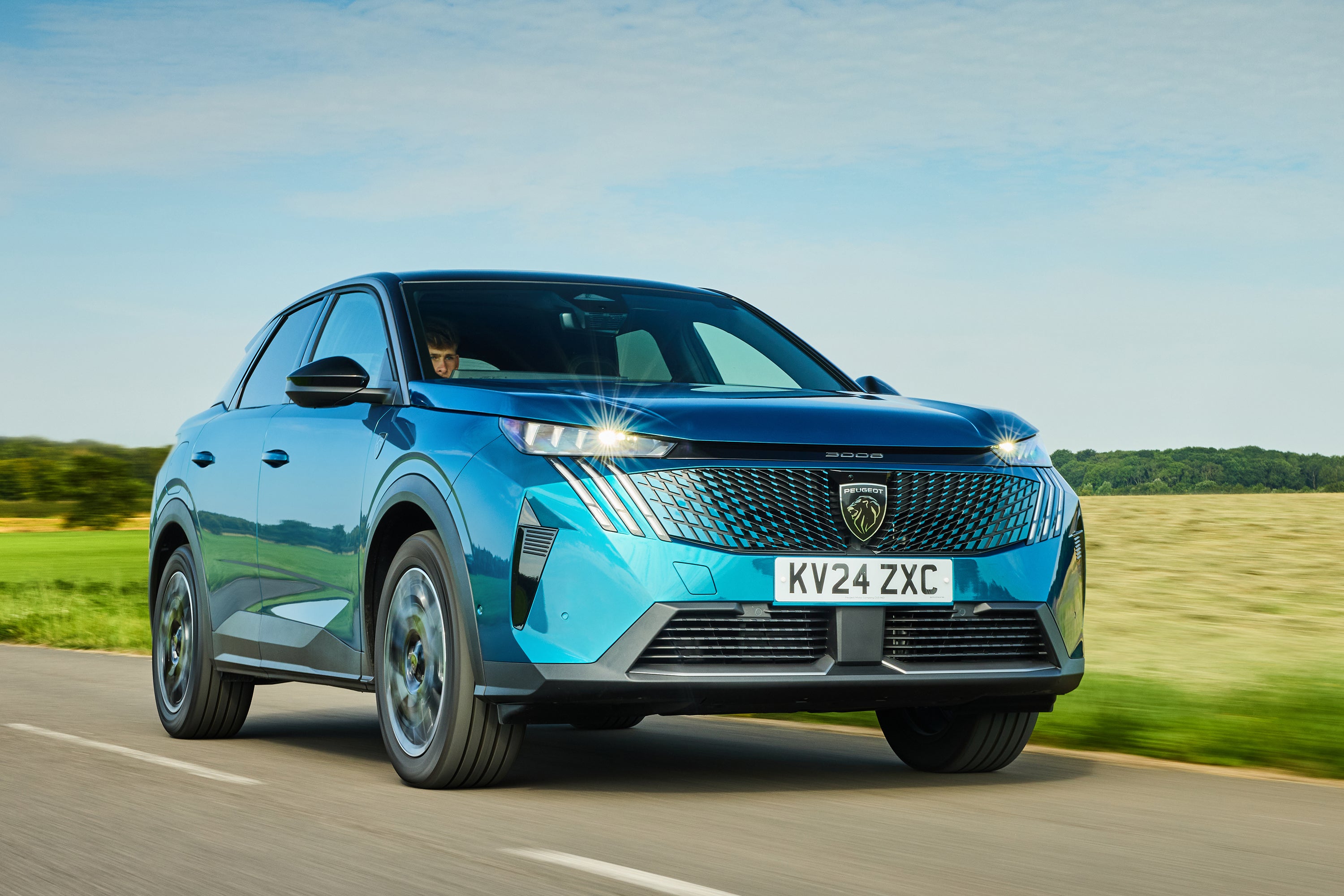
The Peugeot 3008 is one of the most stylish family SUVs on sale and one of the few mainstream options that still feels genuinely distinctive inside. It’s roomy enough, very well equipped and does a convincing job of feeling more premium than its badge suggests. The catch is that the entry-level Hybrid 145 powertrain doesn’t quite match the rest of the car. Performance is adequate rather than exciting and the engine can sound strained when worked hard. The Plug-in Hybrid 225 offers more performance and the potential for plenty of electric driving, but gets expensive in higher trims. Even so, if design, cabin ambience and equipment matter more to you than outright driving sparkle, the Peugeot 3008 is easy to shortlist.
The Peugeot 3008 in more detail
The Peugeot 3008 has changed a lot over the years, but this latest version feels like a logical next step rather than a total reinvention. It’s still a family SUV, but now with a sleeker fastback-style shape and even more emphasis on design. That sounds like the sort of thing that could easily compromise practicality, yet the 3008 remains usefully roomy and family-friendly.
In fact, the Peugeot 3008’s cabin is still one of its biggest selling points. Peugeot has managed to make this interior look theatrical without tipping into gimmickry, and the panoramic display, layered textures and ambient lighting all help give the car a sense of occasion that most rivals struggle to match at this money.
Browse used Peugeot 3008s for sale →
There’s an all-electric E-3008 too, but our Peugeot E-3008 review covers that in more detail. Here, the focus is on the Hybrid 145 and Plug-in Hybrid 225 petrol versions.
The Hybrid 145 will be the obvious choice for many private buyers. It’s relatively efficient and doesn’t need plugging in, but it doesn’t feel quite as polished as the rest of the car. Performance is merely adequate, the engine can sound coarse when pressed and the power delivery isn’t always especially smooth.
The Plug-in Hybrid 225 suits the 3008’s more sophisticated character better. It’s substantially quicker and can officially cover up to 50 miles using electricity, provided you charge it regularly. The plug-in hybrid was originally sold as the Plug-in Hybrid 195, but Peugeot renamed it Plug-in Hybrid 225 in April 2026 following a change in the way combined PHEV power is homologated ahead of the forthcoming new Euro 7 emissions rules. Peugeot says there was no technical modification, so performance, fuel consumption and emissions are unchanged.
So the 3008 isn’t flawless, but it still has a strong identity. If you want a family SUV that feels a little less ordinary than the class norm, it remains one of the more interesting choices.
What's the best Peugeot 3008 trim and engine option?
For most buyers, the Hybrid 145 in Allure Premium trim looks like the sweet spot. The standard hybrid isn’t perfect, but it keeps the purchase price sensible, returns up to 52.5mpg officially and doesn’t require home charging. Allure Premium then adds some particularly worthwhile equipment over Allure, including heated front seats and steering wheel, additional driver’s-seat adjustment, a 360-degree camera system and extra driver assistance.
If your budget stretches and you can charge regularly, the Plug-in Hybrid 225 is the better powertrain. It cuts the 0–62mph time from 10.2 to 7.8 seconds and offers up to 50 miles of electric range. The trouble is that prices rise quickly once you combine it with the higher trims.
GT remains the more style-led choice, bringing Pixel LED headlights, connected navigation, heated seats and an electric tailgate. GT Premium adds more luxury and assistance equipment, but it pushes the PHEV to almost £45,000.
What’s the price of the Peugeot 3008?
The Hybrid 145 starts at £34,945 in Allure trim, with Allure Premium at £35,945, GT at £38,195 and GT Premium at £39,695. The Plug-in Hybrid 225 starts at £39,395 in Allure trim. Allure Premium costs £40,445, GT £42,845 and GT Premium £44,845. A pricing reset in 2026 deliberately brought every Hybrid 145 below the £40,000 Expensive Car Supplement threshold. The basic Allure PHEV is below it too. There are also plenty of used Peugeot 3008s for sale for considerably less.
The 3008 still isn’t a cheap family SUV, but the gap between it and key rivals is more reasonable than it was when this generation first arrived.
Alternatives to the Peugeot 3008
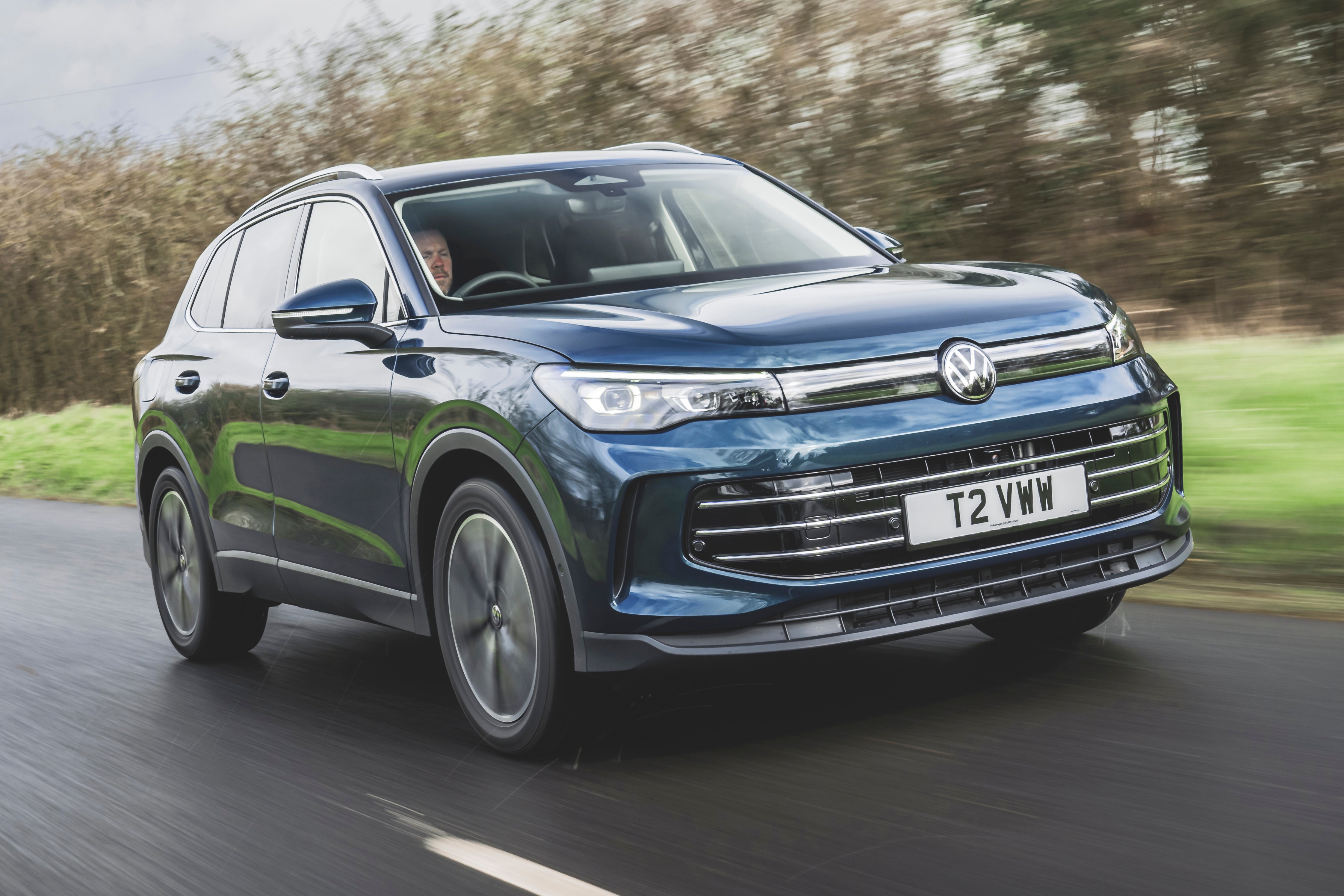
The Volkswagen Tiguan is one of the Peugeot 3008’s clearest rivals if you want a family SUV with a more polished, mature feel. It’s less theatrical inside, but it’s exceptionally easy to get comfortable in and feels more settled on the road.
The Skoda Karoq is the sensible alternative. It doesn’t have the same showroom drama, but it’s roomy, easy to live with and remains a very convincing choice if practicality, visibility and straightforward usability matter more than design.
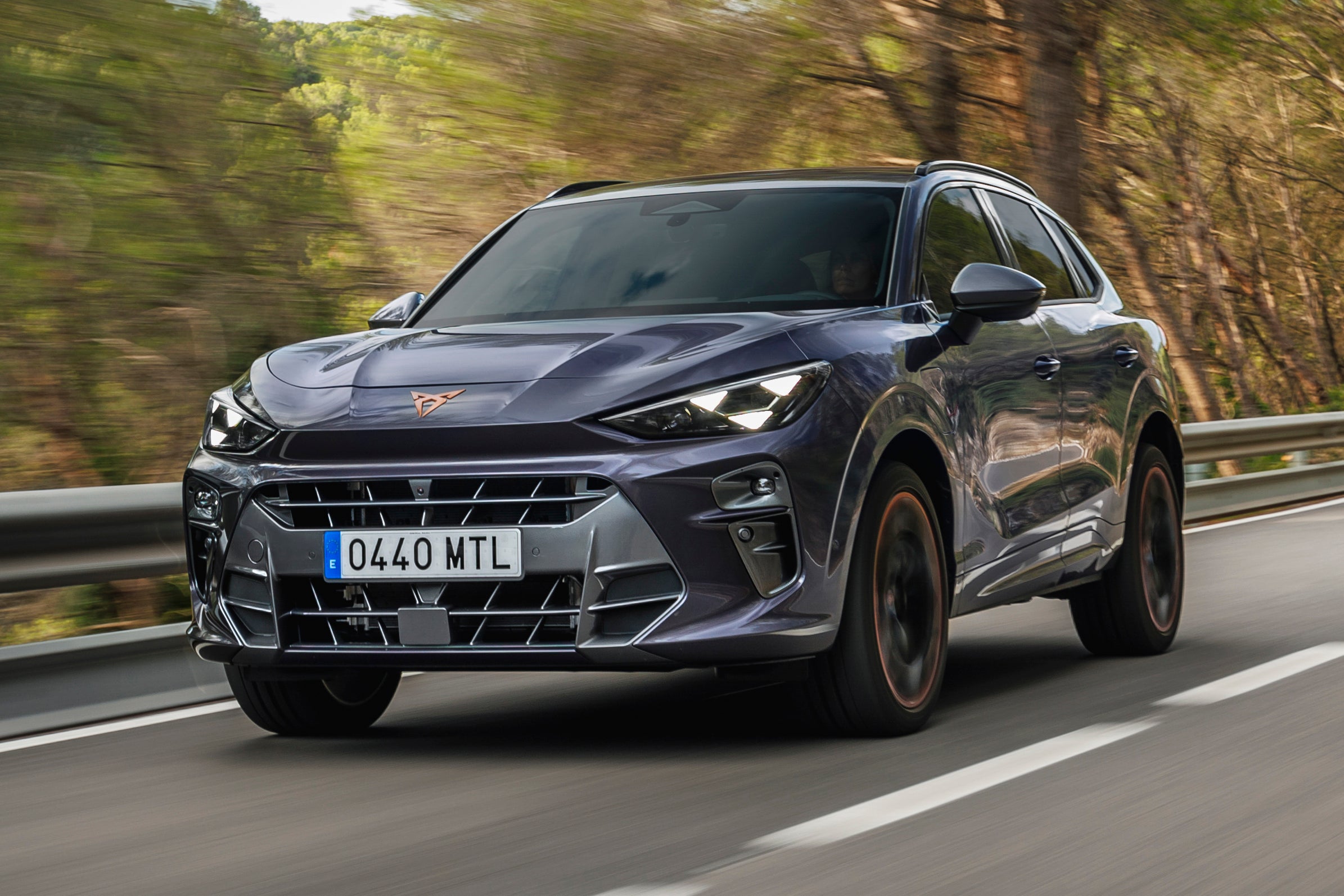
The Cupra Terramar is the more style-led Volkswagen Group alternative. Its sharper appearance and sportier cabin will appeal if you want something distinctive without stepping up to a premium badge.
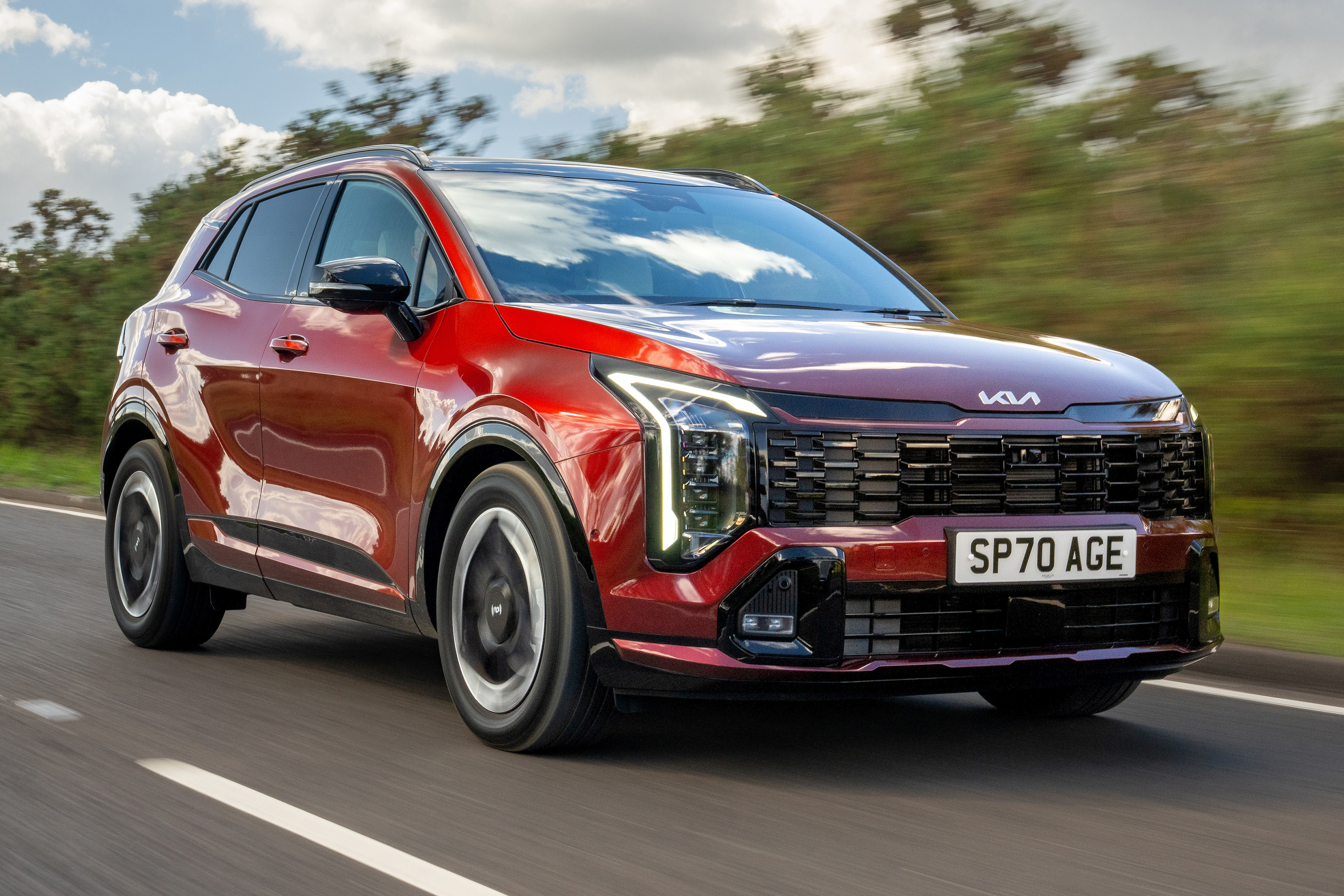
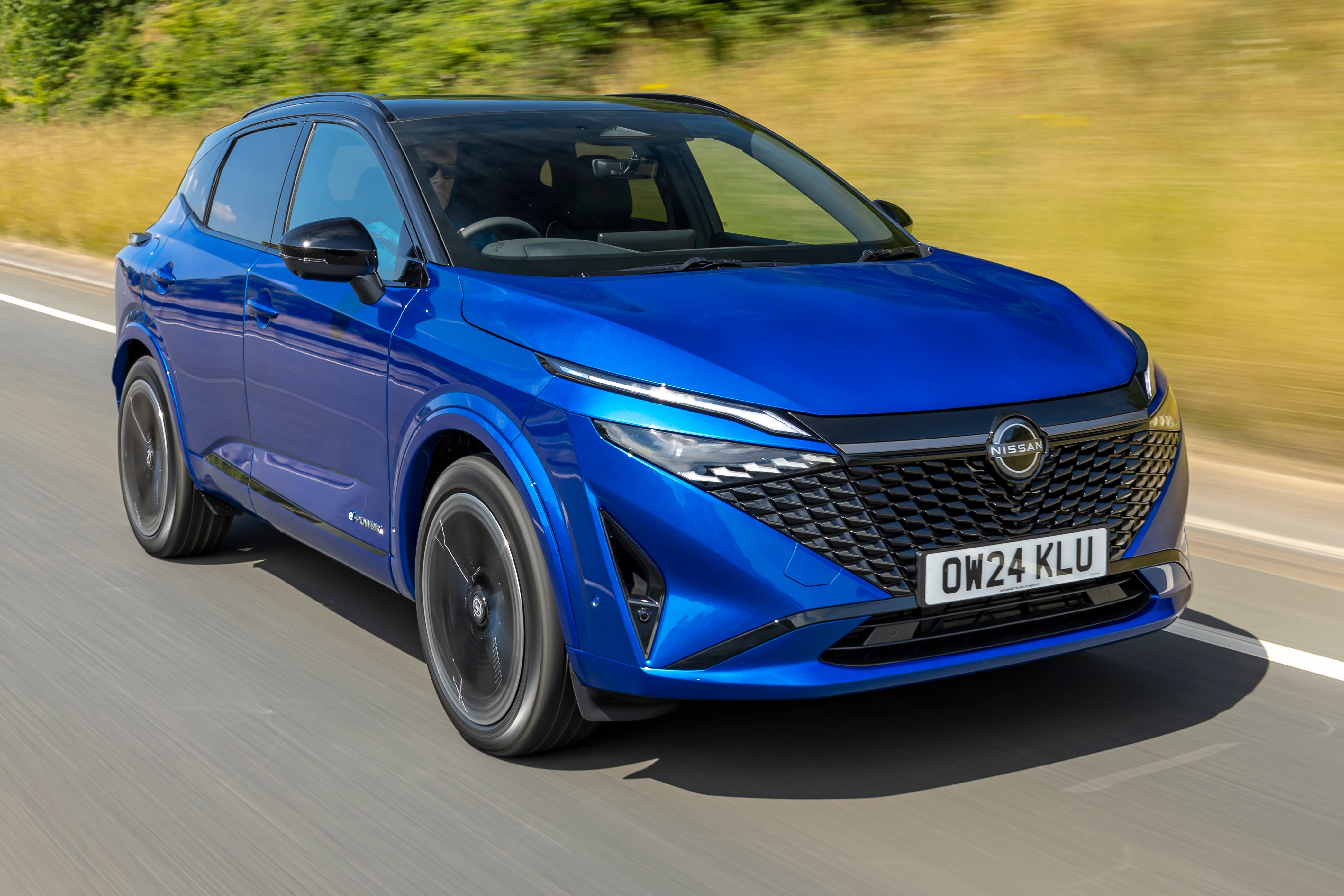
Beyond those three, the Nissan Qashqai and Kia Sportage are strong all-rounders, while the Vauxhall Grandland shares plenty of Stellantis engineering with the 3008 but wraps it in a more conventional design.
The Peugeot makes most sense if you want your family SUV to feel a little more special than the norm and are prepared to accept that it isn’t the class leader in every objective measure.
What's the interior like in the Peugeot 3008?
The Peugeot 3008’s cabin is one of the most eye-catching in the class. It looks expensive, feels modern and gives the car a real sense of occasion, while still delivering enough practicality for family use.
The centrepiece is Peugeot’s 21-inch curved panoramic display, which appears to float above the dashboard and combines the digital instruments and infotainment. Even the entry-level Allure gets it as standard.
There’s a mixture of textile trim, metallic detailing and configurable lighting rather than the acres of shiny black plastic found in some rivals. The unusual small steering wheel and high-set instruments won’t suit everyone physically, though, so it’s worth checking the driving position before buying.
Peugeot 3008 boot space and practicality
The Peugeot 3008 does a good job of combining a style-led shape with decent family usefulness. Up front, there’s loads of room, and the seats are comfortable enough for long journeys. The broad centre console and sweeping dashboard design make the car feel substantial, while smaller storage areas are generous enough for everyday odds and ends.
Rear-seat space is better than the fastback roofline suggests. The bench is set low enough that headroom remains good, and there’s enough rear legroom for adults to travel comfortably. It isn’t the most spacious car in the class, but it’s certainly roomy enough for regular family duty.
Boot space is 588 litres, and importantly that figure applies to both the Hybrid 145 and Plug-in Hybrid 225. That means you don’t have to sacrifice luggage capacity for the PHEV’s larger battery. Fold the rear seats and capacity rises to 1,663 litres. Peugeot also quotes a maximum load-floor length of 1,843mm. The adjustable boot floor adds some flexibility, even though the folded seats don’t create a completely flat extended loading area.
Overall, the Peugeot 3008 isn’t the very last word in practicality, but it’s far less compromised than its sloping shape suggests.
Peugeot 3008 dimensions
The Peugeot 3008 measures 4,542mm long, 1,895mm wide excluding its door mirrors and 1,641mm high, with a 2,739mm wheelbase. Width rises to around 2,108mm if you factor in the mirrors. The 3008 is slightly longer and wider than a Nissan Qashqai, yet it remains compact enough to work comfortably as an everyday family car rather than straying into genuinely large-SUV territory.
Tech and infotainment in the Peugeot 3008
Technology is one of the Peugeot 3008’s strongest areas. Every version gets Peugeot’s 21-inch HD curved panoramic i-Cockpit display, combining the digital instruments and central infotainment into a single sweeping unit.
It isn’t just a showpiece, either. The graphics are sharp and Peugeot’s configurable i-Toggles provide shortcuts for frequently used functions. Wireless Apple CarPlay and Android Auto are included, while higher trims add more extensive connected navigation and assistance technology.
There are still some irritations. Screen transitions can occasionally feel slower than the dramatic hardware leads you to expect, while the climate controls aren’t as permanently accessible as physical switches would be. Those are relatively small frustrations, but they matter because you interact with the system every time you drive.
GT adds 3D connected navigation, while Allure Premium brings the useful 360-degree camera and additional driver assistance. GT Premium then adds Peugeot’s more advanced Drive Assist Plus 2.0 package.
Overall, this remains one of the more distinctive and successful technology-led interiors in the mainstream SUV class.
Materials available on the Peugeot 3008
The Peugeot 3008’s interior materials do a lot to justify the car’s price. Textile finishes, gloss trim, metallic detailing and ambient lighting combine to give the cabin a rich appearance, especially at night.
Allure uses embossed fabric with leather-effect trim, while higher specifications introduce different textile and Alcantara-style finishes. GT Premium gets Alcantara and TEP upholstery as standard, with more sophisticated electrically adjustable seats among its distinguishing features.
There are still more ordinary plastics lower down, but the areas you see and touch most frequently are smartly presented.
This is one of those interiors that can genuinely sell the car on first acquaintance. If showroom appeal matters to you, the 3008 has plenty of it.
What's the Peugeot 3008 like to drive?
The Peugeot 3008 is more about comfort, quiet cruising and visual sophistication than sharp handling or strong driver engagement. That will suit plenty of family-SUV buyers, but it isn’t the dynamic standout its predecessor once was. The steering is light and the car is easy enough to place, but the suspension has a firmer edge than you might expect and there’s relatively little sense of involvement through the steering.
Peugeot 3008 range and performance
The current petrol-electric range consists of the Hybrid 145 and Plug-in Hybrid 225.
The Hybrid 145 uses a 1.2-litre three-cylinder turbocharged petrol engine with a 48V hybrid system incorporated into its six-speed e-DSC6 dual-clutch automatic gearbox. Combined output is 145PS, and 0–62mph takes 10.2 seconds. On paper, that’s adequate rather than exciting, and that broadly reflects how it feels. There’s enough performance for normal family use, but it doesn’t have the effortless shove of some full-hybrid rivals.
The Plug-in Hybrid uses a 1.6-litre four-cylinder turbocharged petrol engine, a substantially more powerful electric motor and a seven-speed e-DSC7 transmission. Its current homologated combined output is 225PS, with 350Nm of torque and a 0–62mph time of 7.8 seconds.
Earlier examples of this same powertrain were sold as the Plug-in Hybrid 195. The change to 225PS in 2026 came from a new power-homologation protocol rather than a mechanical upgrade, so earlier 195 versions don’t suddenly become significantly slower used cars. Its 21kWh battery gives an official electric range of up to 50 miles.
Performance data
| Model | Engine/battery size | Power | 0-62mph | Range/MPG |
|---|---|---|---|---|
3008 Hybrid 145 | 1.2-litre automatic | 145PS | 10.2 seconds | Up to 52.5mpg |
3008 Plug-in Hybrid 225 | 1.6-litre | 225PS | 7.8 seconds | Up to 50 miles EV range |
Peugeot 3008 driving and refinement
The Peugeot 3008 no longer feels quite as enjoyable to drive as the previous model. The ride is on the firm side, and while it’s by no means harsh, it doesn’t have the easy suppleness of the best family SUVs in the class.
Handling is tidy enough, but it isn’t especially sharp or engaging. There’s a little more body movement than you might expect from a Peugeot, and the steering feels light without offering much real feedback. In short, it’s dynamically competent rather than memorable.
The bigger issue is refinement in Hybrid 145 form. The little 1.2-litre petrol engine often sounds strained when asked to work, and the power delivery can feel hesitant and slightly clumsy. That stands out more because the rest of the car gives such a polished first impression.
The Plug-in Hybrid 225 better matches the 3008’s character. Its extra electric assistance makes it considerably quicker and it can drive for meaningful distances without starting the petrol engine at all. At nearly 1.9 tonnes, though, it’s substantially heavier than the Hybrid 145, so it still isn’t the version to choose if entertaining handling is your priority.
At motorway speeds, the 3008 settles into its role more convincingly. Wind and road noise are reasonably well contained, the seats are supportive and the cabin ambience helps make longer journeys feel suitably relaxed.
How safe is the Peugeot 3008?
Independent safety organisation Euro NCAP awarded the Peugeot 3008 four stars in 2025. It scored 80% for adult occupant protection, 85% for child occupant protection, 79% for vulnerable road-user protection and 62% for safety assist.
Standard equipment includes autonomous emergency braking, lane-keeping assistance, speed-limit recognition and driver-attention monitoring. Allure gets Peugeot’s Safety Plus Pack, while Allure Premium adds a 360-degree camera and additional assistance systems. GT Premium brings the more comprehensive Drive Assist Plus 2.0 package.
Four stars is respectable, although several key family-SUV rivals have achieved five stars under comparable testing.
Running costs: What it's like to live with a Peugeot 3008
Running costs depend heavily on which version you choose. The Hybrid 145 is the straightforward option, returning up to 52.5mpg without needing to be plugged in. The PHEV can dramatically reduce petrol use if you charge it regularly and can make good use of its 50-mile electric range, but its higher purchase price needs factoring in.
Servicing is required every 12 months or 16,000 miles for both versions, while the standard three-year warranty is less generous than the cover offered by Kia and some other rivals.
Peugeot 3008 fuel economy
Peugeot quotes 44.6–52.5mpg for the Hybrid 145, depending on specification, which is a respectable result for a family SUV, although rivals such as the latest Nissan Qashqai e-Power can officially do considerably better. As with any hybrid, the best results are likely to come from urban and mixed driving where the electrical assistance can contribute most often.
For the PHEV, the more meaningful ownership figure is its up to 50-mile electric range rather than its artificially high MPG figure. If you can cover most everyday journeys on electricity and recharge regularly, petrol consumption can be very low. If you rarely plug it in, much of that advantage disappears.
For company car drivers, the 55–57g/km PHEV currently attracts an 18% Benefit-in-Kind rate for 2026/27, while a typical 120–124g/km Hybrid 145 sits at 30%.
Peugeot 3008 warranty and servicing
Peugeot’s standard warranty lasts three years from first registration. Mileage is unlimited during the first two years, with a 60,000-mile limit in year three. That basic vehicle warranty is fairly ordinary by current standards, particularly alongside the longer manufacturer cover offered by Kia and Hyundai.
The Plug-in Hybrid’s high-voltage traction battery has separate cover for eight years or 100,000 miles, with Peugeot guaranteeing at least 70% of its original capacity. The smaller Hybrid battery gets two years of manufacturer cover.
Both the Hybrid 145 and Plug-in Hybrid 225 have 12-month/16,000-mile service intervals.
Peugeot 3008 insurance groups
Insurance ratings vary significantly with powertrain. Hybrid 145 versions start at group 22, while the more powerful plug-in hybrid sits considerably higher. The current 225PS Allure Premium is rated 31, while earlier 195PS versions of this generation reached groups 32–33 depending on trim. The difference is large enough that insurance is worth checking carefully if you’re choosing between the Hybrid and PHEV.
How much does it cost to tax a Peugeot 3008?
The Peugeot 3008 now costs £200 a year in VED after year one, which is the current standard annual rate.
Watch out for the Expensive Car Supplement. For petrol, hybrid and plug-in hybrid cars, this applies if the list price is more than £40,000. If a Peugeot 3008 crosses that threshold, you pay an extra £440 a year for five years from the second year of registration, on top of the standard £200 annual VED rate. That means a qualifying car costs £640 a year for those five years.
The standard Hybrid 145 can sit below the threshold in lower trims, but many higher-spec and plug-in hybrid versions cross it, and options can push a car over the limit as well. That makes this something worth checking very carefully before you order.
What trims are available with the Peugeot 3008?
The current Peugeot 3008 range consists of Allure, Allure Premium, GT and GT Premium. Allure is already well equipped, while Allure Premium looks like the sweet spot for most buyers.
Allure comes with Peugeot’s 21-inch curved panoramic i-Cockpit, LED headlights, wireless Apple CarPlay and Android Auto, keyless entry, a reversing camera, front and rear parking assistance and a strong package of driver-assistance systems.
Allure Premium adds the equipment that makes the biggest difference day to day, including heated front seats, a heated steering wheel, extra driver’s-seat adjustment, a 360-degree camera and Peugeot’s Drive Assist Pack. On Hybrid 145 models it also brings 19-inch Breda alloy wheels.
GT takes a more style and technology-led approach, with Pixel LED headlights, connected navigation, a hands-free electric tailgate and more distinctive exterior detailing. Heated front seats are also standard.
GT Premium sits at the top of the range and adds a Black Diamond contrasting roof, Alcantara and TEP-trimmed seats, Drive Assist Plus 2.0 and additional seat comfort and adjustment features.
For most buyers, Allure Premium strikes the best balance between equipment and value, while GT is the better choice if styling and extra technology matter more.
Ask the Drive experts: common questions
Is the Peugeot 3008 a good family SUV?
Which Peugeot 3008 is best?
Is the Peugeot 3008 plug-in hybrid worth it?
Is the Peugeot 3008 better than a Volkswagen Tiguan?
Get our latest advice, news and offers
Keep me updated by email with the latest advice, news and offers from Drive.
.jpg)