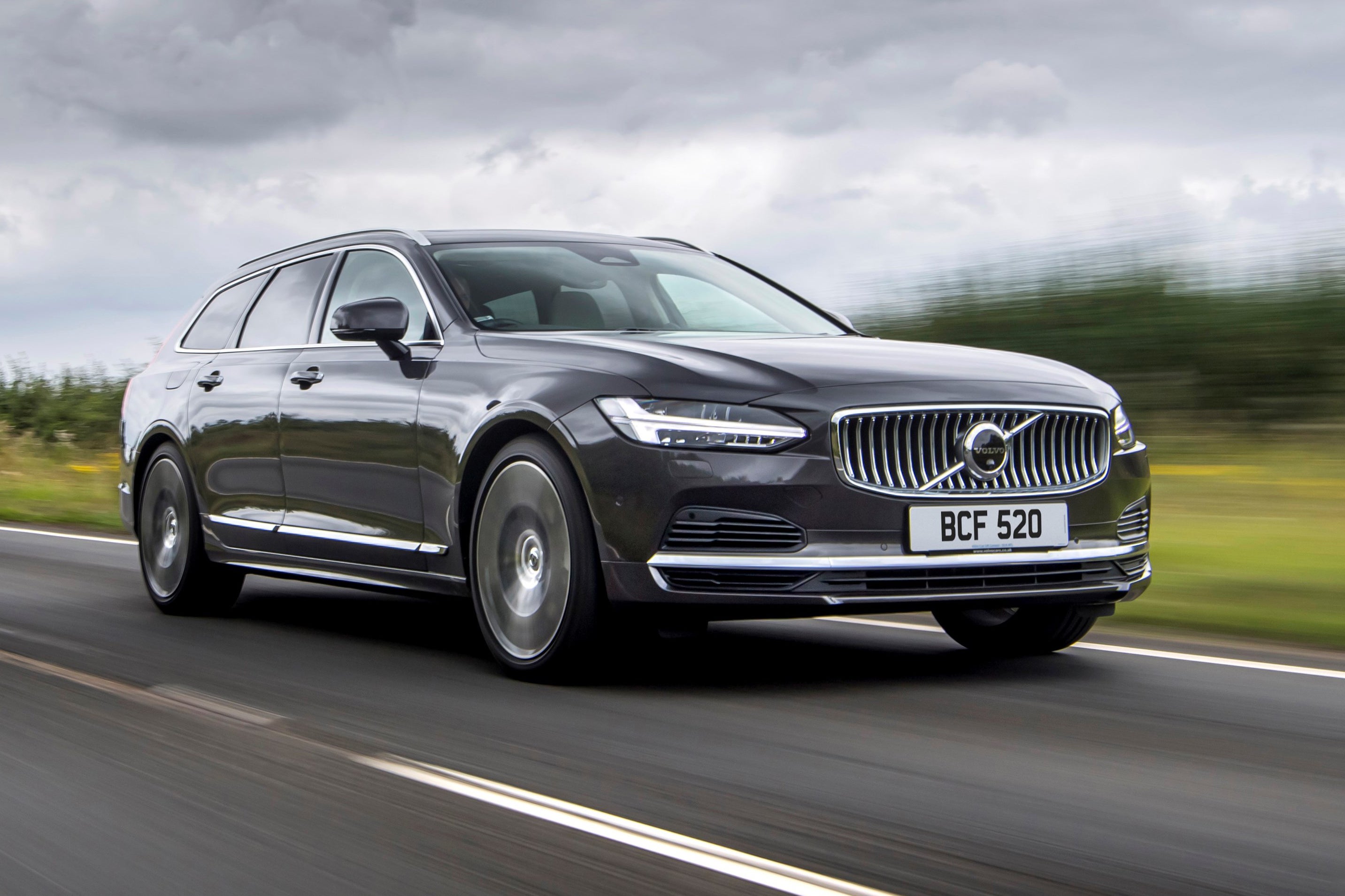
Volkswagen Passat Estate (2015-2023) Review

Written By Andrew Brady
- 2015
- Estate
- Petrol, diesel, plug-in hybrid
What we love
Huge boot and excellent rear-seat space
Very comfortable and refined over distance
Feels impressively solid and classy inside
Things to consider
Later facelifted cars have the more modern technology
R-Line models have a firmer ride setup
GTE sacrifices some boot space for hybrid system
The DRIVE take on the Volkswagen Passat, is it the right car for you?
The previous-generation Volkswagen Passat Estate is one of the most complete used family estates around if you want lots of space, strong comfort and a classy feel without stepping into obvious premium-badge territory. It's refined, roomy and deeply easy to live with, and it feels like a very grown-up car by class standards. It's not the cheapest used estate of its type, and the Skoda Superb Estate makes a formidable case on value and outright room, but the old Passat Estate still has a huge amount going for it.
The Volkswagen Passat in more detail
The previous Passat Estate now sits in the shadow of the newer-shape Passat, but that does not make it obsolete. In fact, as a used buy, it arguably makes even more sense than it did when new.
This was always one of those cars that did almost everything well. It offered the kind of space and usability families actually need, combined with the sort of refinement and solid feel that made it seem a cut above many mainstream alternatives. It was never especially flashy, but it had the quiet confidence of a car that knew exactly what it was for.
Browse used Volkswagen Passats for sale →
That still comes across today. The cabin feels spacious and well judged, the boot is enormous, and the way the car goes about long journeys is one of its biggest strengths. If you want a practical estate that feels mature and expensive without drifting too far into premium-brand used prices, the Passat Estate still makes a lot of sense.
It also helps that there is a lot of variety on the used market. Buyers can choose from petrol, diesel and GTE plug-in hybrid versions, with trims ranging from sensible fleet-spec cars through to much richer, sharper-looking R-Line models. The newer-shape Passat may have moved the story on, but this older model feels like a very complete answer in its own right.
What's the best Volkswagen Passat trim and engine option?
For most used buyers, the best all-round choice is the 2.0 TDI 150 in SE Nav, SE Business or SEL trim. It fits the Passat Estate’s character beautifully, with enough torque to carry people and luggage effortlessly, plus the sort of motorway efficiency that makes an estate like this easy to justify.
If your mileage is lower, the later 1.5 TSI petrol is the better option. It's smoother around town and economical enough to make sense if you are not constantly loading up for long motorway drives.
The GTE is worth a look if you can charge at home or at work and your routine suits a plug-in hybrid. But for many private used buyers, the 2.0 TDI 150 is the most natural fit.
What’s the price of the Volkswagen Passat?
Used examples of the Volkswagen Passat Estate now start from around £12,000 for older, higher-mileage cars, while later facelifted examples, low-mileage GTEs and well-specced R-Line models sit much higher. There are plenty of used Volkswagen Passats for sale on the secondhand market.
That means there is enough spread in the market for buyers to be choosy. You can buy an older workhorse for sensible money or spend more on a later, better-equipped car that looks and feels impressively modern.
The Passat Estate was never the bargain choice in this class, but used values now make it much easier to justify, especially if you prioritise refinement and cabin quality as much as outright boot volume.
Alternatives to the Volkswagen Passat
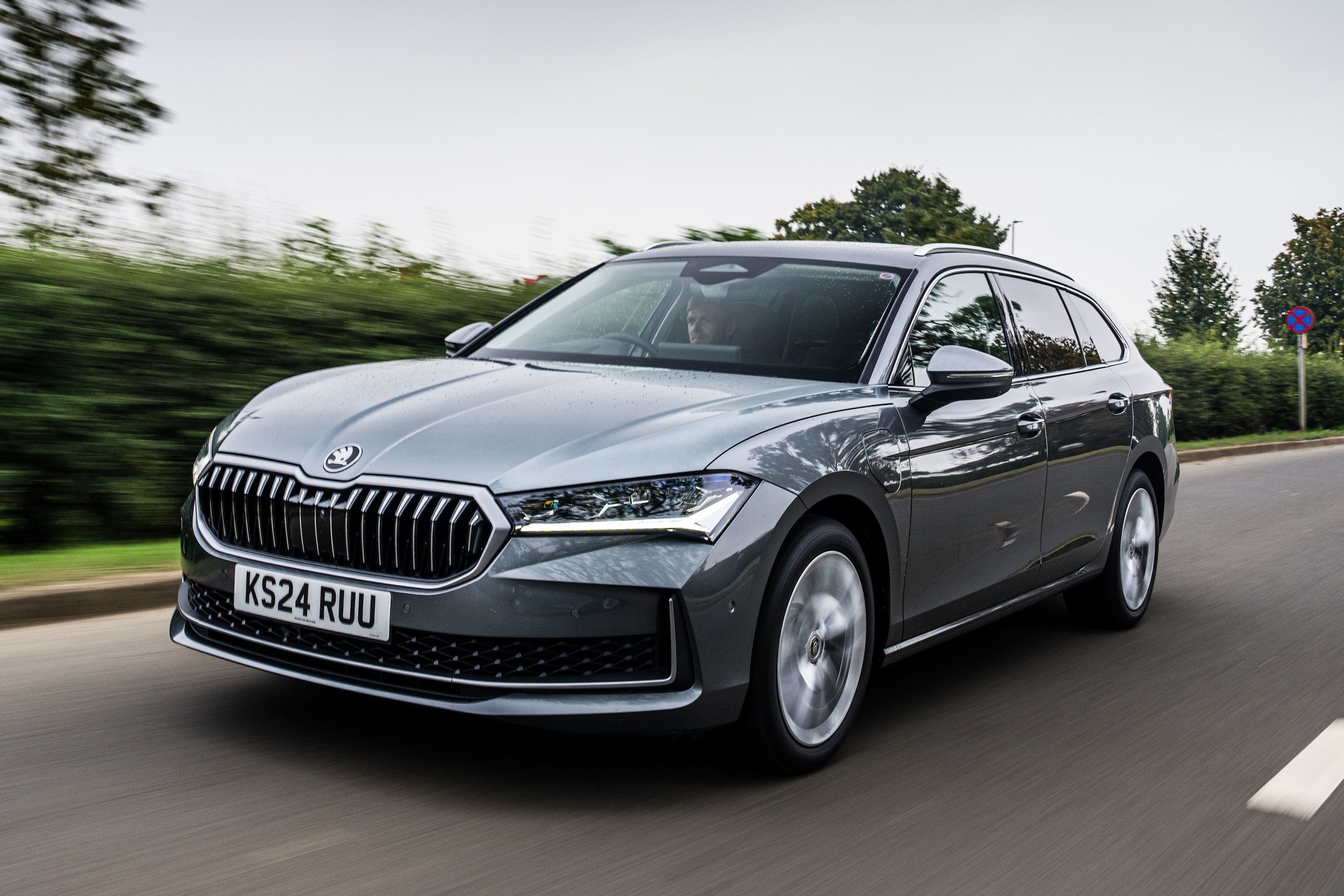
The Skoda Superb Estate is the most obvious and arguably the toughest rival. It's even roomier, usually better value and shares much of the Volkswagen’s core engineering. The Passat counters with a slightly classier overall feel.
The Ford Mondeo Estate and Vauxhall Insignia Sports Tourer are the mainstream alternatives, while the Volvo V90 is the posher, more style-led option if your budget stretches far enough.
If you are simply looking for the smartest used family estate around this sort of money, though, the Passat Estate sits right near the top of the list.
What's the interior like in the Volkswagen Passat?
The Volkswagen Passat Estate’s interior is one of its strongest points. It's spacious, neatly designed and quietly classy, with the sort of solid feel that helps it stand out in the used market.
Volkswagen Passat boot space and practicality
Practicality is the Passat Estate’s main event, and it delivers brilliantly. Rear-seat space is generous enough for tall adults, the doors open wide, and the whole cabin has the sort of easy-access, family-friendly feel that really matters in everyday life.
The boot is enormous. With 650 litres available with the rear seats in place, the Passat Estate sits right at the top of the class, only just behind the Skoda Superb Estate. Fold the rear seats and the capacity rises to 1,780 litres, which is enough for bikes, flat-pack furniture or a serious family holiday load.
It's not just the raw numbers either. The shape is useful, the opening is large, and the 40/20/40 split rear bench makes it more versatile than many rivals. This is one of those estates that feels as useful in practice as it looks on paper.
Volkswagen Passat dimensions
The Volkswagen Passat Estate measures 4,773mm long, 1,832mm wide and 1,516mm high. That makes it a substantial car, but not an intimidating one.
It's large enough inside to feel genuinely roomy, yet easy enough to place on the road and live with day to day. That balance is a big part of its appeal.
Tech and infotainment in the Volkswagen Passat
One of the Passat Estate’s quieter strengths is that its infotainment has aged rather well. Even earlier systems are logical and straightforward to use, while later facelifted cars gained improved screens, connectivity and stronger driver-assistance tech.
Higher-spec examples with the larger screen and digital instruments feel modern enough today. More importantly, the basic layout is clear and easy to get along with, which is not something every used rival can claim.
As a used buy, later cars feel fresher, but even the simpler versions remain perfectly usable.
Materials available on the Volkswagen Passat
The Passat Estate uses a straightforward mix of materials that leans more towards smart, understated finishes than anything flashy. Across most versions, you’ll find soft-touch trim on the upper dashboard and front door tops, with harder-wearing plastics lower down where the cabin is more likely to pick up scuffs from family use.
Seat trim varies by model and trim level, with cloth upholstery on more modest versions and combinations of Alcantara-style microfleece, leather-look and full leather on higher-spec cars. Decorative inlays also change depending on trim, ranging from brushed-metal-look and dark gloss finishes to more traditional wood-effect panels on some versions. The overall effect is clean and restrained rather than overtly sporty or showy.
That suits the Passat Estate well. It gives the cabin a tidy, mature look, while the materials themselves are chosen to cope with everyday use. In a used car, that matters because the Passat’s interior tends to feel designed for long-term ownership, with wipe-clean surfaces, sensible trim choices and upholstery that looks more businesslike than delicate.
What's the Volkswagen Passat like to drive?
The Volkswagen Passat Estate is best understood as a calm, comfortable and secure long-distance estate rather than something designed to entertain. Within that brief, it feels very accomplished.
Volkswagen Passat range and performance
Used buyers can choose from petrol, diesel and GTE plug-in hybrid versions, and there is enough variety to suit most needs. The broad character across the range is much the same: smooth, easy-going and better suited to relaxed progress than aggressive driving.
The 2.0 TDI 150 is the all-rounder most buyers should start with. It has enough performance to make the Passat Estate feel effortless even when loaded up, and it suits the car’s long-distance character very well.
The 1.5 TSI is a strong lower-mileage petrol alternative, while the GTE makes sense if you can genuinely use its electric running. More powerful diesel and petrol versions exist, but for most buyers the middle of the range is the smartest place to be.
Performance data
| Model | Engine/battery size | Power | 0-62mph | Range/MPG |
|---|---|---|---|---|
1.5 TSI | 1.5-litre petrol manual | 150PS | 8.9 seconds | 38.2mpg |
1.5 TSI DSG | 1.5-litre petrol automatic | 150PS | 8.9 seconds | 42.8mpg |
2.0 TDI | 2.0-litre diesel manual | 150PS | 8.9 seconds | 57.6mpg |
2.0 TDI DSG | 2.0-litre diesel automatic | 150PS | 8.9 seconds | 53.3mpg |
2.0 TDI DSG | 2.0-litre diesel automatic | 190PS | 7.9 seconds | 49.6mpg |
2.0 TSI DSG | 2.0-litre petrol automatic | 190PS | 7.6 seconds | 40.4mpg |
GTE | Plug-in hybrid automatic | 218PS | 7.6 seconds | 235.4mpg |
Volkswagen Passat driving and refinement
The Volkswagen Passat Estate is not a car that begs to be driven hard, but it's a very satisfying one to cover ground in. The steering is light but accurate enough, the body control is tidy, and the overall feel is one of relaxed competence.
Ride comfort is one of the biggest strengths, particularly on smaller-wheeled SE and SE Nav models. Cars on larger wheels or firmer R-Line setups can lose a little of that softness, but the Passat Estate is an impressively comfortable thing by class standards.
Refinement is equally strong. Wind and road noise are well suppressed, and on a long motorway journey, the Passat Estate feels close to premium-car standards. That is a big part of why it's such a convincing used choice for family-estate buyers.
How safe is the Volkswagen Passat?
The Volkswagen Passat holds a five-star Euro NCAP rating, and that result is generally applied to the estate version as well. The safety body now considers this rating to be 'expired', because its crash tests only last six years to reflect evolving testing criteria.
Safety equipment was strong, with adaptive cruise control, autonomous emergency braking, lane assistance and other driver aids available depending on year and trim. As ever, check the exact specification of the example you are considering.
Running costs: What it's like to live with a Volkswagen Passat
The Volkswagen Passat Estate should be a straightforward used car to run if you buy carefully. Its engines are well known, servicing is predictable, and the car itself feels robust enough to cope with higher mileages if it has been maintained properly.
Volkswagen Passat fuel economy
Fuel economy depends on engine choice, but the Passat Estate generally performs well here. The diesels remain the best option for long-distance users, while the later 1.5 TSI petrol is respectable enough if your mileage is lower.
The GTE can look extremely frugal on paper, but as with any plug-in hybrid, the real-world outcome depends entirely on how often you charge it.
Volkswagen Passat warranty and servicing
Any remaining manufacturer warranty will depend on the age of the car, but Approved Used examples remain the most reassuring place to start.
Volkswagen servicing runs on fixed or flexible schedules, and it's worth checking which regime your chosen Passat Estate has followed. On higher-mileage examples, history matters much more than promises.
Volkswagen Passat insurance groups
Insurance varies with engine and trim, but mainstream Passat Estate versions sit in a sensible enough band for a car of this size and ability. Insurance groupings range from 12 to 33.
How much does it cost to tax a Volkswagen Passat?
For most Volkswagen Passat Estate examples registered on or after 1 April 2017, the ongoing standard VED rate is now £200 a year. If the car’s original list price was over £40,000, it would also have been liable for the Expensive Car Supplement in years two to six, taking the annual total to £640 during that period.
That is more likely to affect higher-spec cars, GTEs and the more powerful versions than the mainstream fleet staples, but it's worth checking the original list price of the exact used example you are considering.
Cars first registered before 1 April 2017 sit under the older VED system, so annual tax can vary much more depending on engine and emissions.
What trims are available with the Volkswagen Passat?
Volkswagen Passat Estate SE models get 17-inch alloy wheels on the outside, as well as brushed chrome details and a leather-trimmed multi-function steering wheel on the inside. Kit includes a 6.5-inch touchscreen with Bluetooth, eight speakers, keyless start, two rear ISOFIX mounting points, air conditioning, electric front and rear windows and LED headlights.
Volkswagen Passat Estate SE Nav trim adds the 8.0-inch touchscreen, DAB, navigation, and a three-year subscription to online services, while Volkswagen Passat Estate SEL adds unique 17-inch alloy wheels, heated leather front seats and tinted glass.
Volkswagen Passat Estate R Line models look sporty. They get 18-inch alloy wheels, lowered suspension and an R-Line styling pack. In terms of kit, you get ambient lighting, Nappa leather, stainless steel pedals, three-zone climate control, a boot that you can open by waggling your foot under the rear bumper, heated washer jets that won’t freeze in winter and an XDS differential that gives you more grip powering out of corners.
Volkswagen Passat Estate R-Line Edition sits right at the top of the range and can be spotted by their 19-inch alloy wheels and body kit. They get the Dynamic Chassis Control we talked about earlier along with powerful LED matrix headlights, a 9.2-inch infotainment system with gesture control and an Active Info Display digital display in place of conventional dials
Ask the Drive experts: common questions
Is the previous Volkswagen Passat Estate still worth buying?
Is the old Passat Estate better than the new one?
Which Volkswagen Passat Estate engine is best?
Is the Volkswagen Passat Estate practical?
Get our latest advice, news and offers
Keep me updated by email with the latest advice, news and offers from Drive.
.jpg)
.jpeg)