Volkswagen Passat (2015-2024) Review

Written By Andrew Brady
- 2015
- Large family car
- Petrol, diesel, plug-in hybrid
What we love
Spacious, classy and quietly upmarket cabin
Very comfortable and refined over distance
Strong range of economical petrols, diesels and GTE hybrid versions
Things to consider
The saloon boot opening limits some of its practicality
Later facelifted cars have the more modern technology
GTE models give up some boot space to the hybrid system
The DRIVE take on the Volkswagen Passat, is it the right car for you?
The previous-generation Volkswagen Passat is one of the strongest used large family saloons around if you want comfort, space and a near-premium feel without defaulting to the usual Audi or BMW options. It's roomy, refined and deeply easy to live with, and it still feels more polished than many mainstream alternatives. The saloon body style is less practical than the estate and less fashionable than an SUV, but if you want an understated, genuinely talented used car, the old Volkswagen Passat still makes a lot of sense.
The Volkswagen Passat in more detail
The previous Volkswagen Passat saloon now sits in an interesting place. As a new car, the current Passat has moved on into estate-only territory in the UK, which leaves this older saloon as the used-market answer for buyers who want a traditional four-door family car with a big boot and a mature, quietly classy feel.
That suits the old Passat rather well. This was always a car that made its case through competence rather than flashiness. It never shouted about itself, but it offered a neatly designed cabin, lots of space, very strong refinement and the sort of all-round ability that made it easy to recommend to family buyers and company-car drivers alike.
Browse used Volkswagen Passats for sale →
It also sat in a useful middle ground. The Passat felt a clear step above straightforward mainstream rivals, yet it was usually easier to justify than an Audi A4, BMW 3 Series or Mercedes-Benz C-Class. That same positioning makes even more sense on the used market, where the Volkswagen often looks like a lot of car for the money now.
There is plenty of choice, too. Buyers can find petrol, diesel and GTE plug-in hybrid versions, with trims spanning sensible fleet-spec cars through to leather-lined R-Line models that edge surprisingly close to premium territory. If you want the broader brief of the current Passat Estate but prefer the look and manners of a saloon, this older model makes a very strong case.
What's the best Volkswagen Passat trim and engine option?
For most used buyers, the sweet spot is the 2.0 TDI 150 in SE Nav, SEL or business-oriented trim. It suits the Passat’s relaxed, long-distance character very well, offers strong real-world economy and is punchy enough that the car never feels strained.
If your mileage is lower, the 1.5 TSI petrol is a very likeable alternative in later cars. It's smoother around town, quieter at lower speeds and efficient enough to make sense if you are not piling on motorway miles.
The GTE is worth considering if your routine genuinely suits a plug-in hybrid. It can be a smart used buy if you can charge regularly, but for many private buyers the regular diesel looks like the simpler answer.
What’s the price of the Volkswagen Passat?
As a used buy, the Volkswagen Passat saloon now starts from around £6,000 for older, higher-mileage cars, with later facelifted examples, low-mileage GTEs and more desirable trims sitting significantly higher. There are plenty of used Volkswagen Passats for sale on the used market.
That spread is part of the appeal. There is enough supply in the market that buyers can afford to be picky, and even better cars often feel keenly priced for the amount of space, quality and refinement on offer.
The Passat was never really a bargain-basement car, but on the used market it now feels very good value against both premium-badged executive saloons and more ordinary large family cars.
Alternatives to the Volkswagen Passat
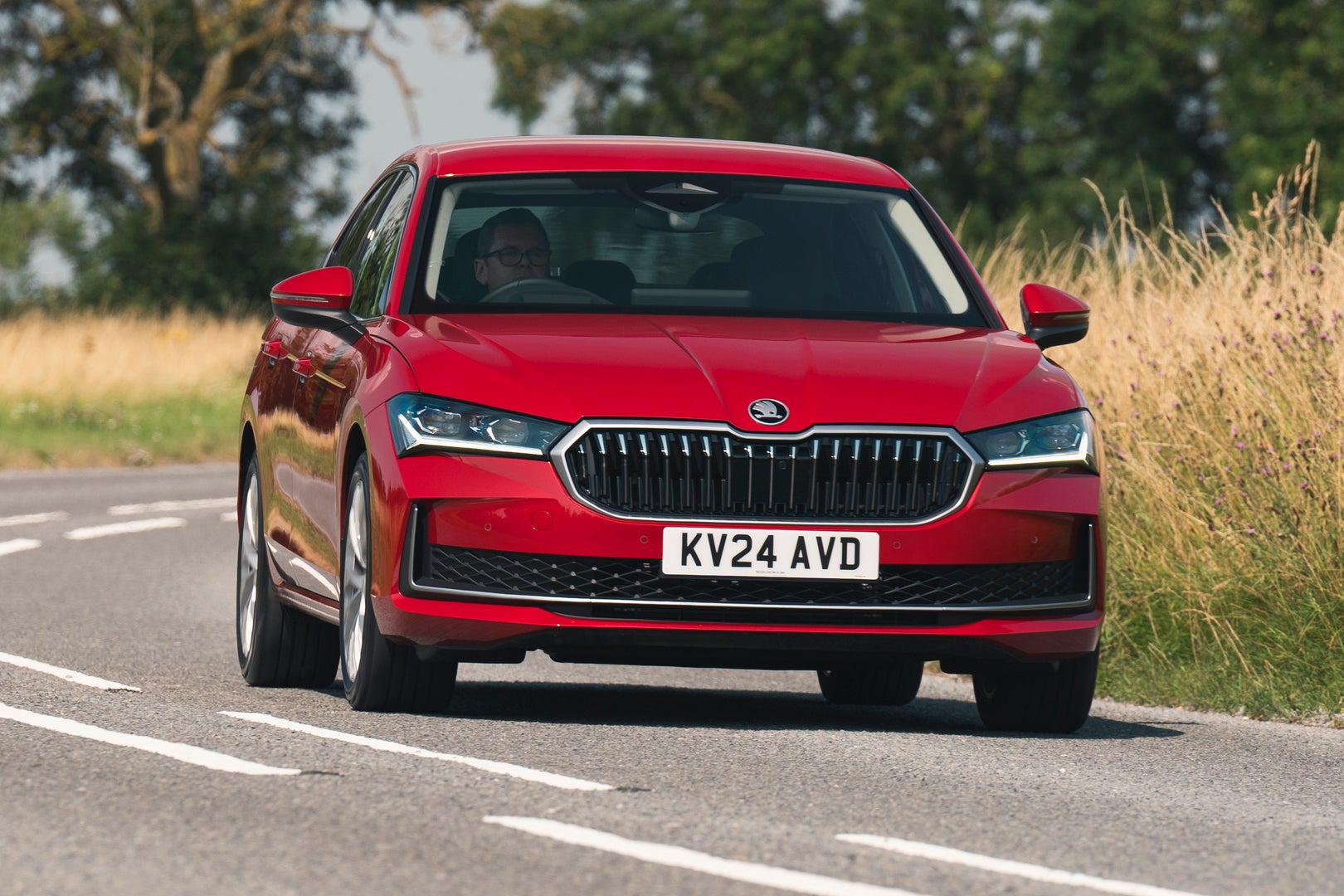
The Skoda Superb is one of the strongest alternatives and, for many buyers, the most obvious one. It's even roomier, just as sensible and often just as good to drive, although the Volkswagen counters with a slightly classier feel.
The Mazda 6 is another good option if you want something that feels a bit more special than a Ford Mondeo or Vauxhall Insignia, while the Mondeo itself is a capable used buy if you find a good one.
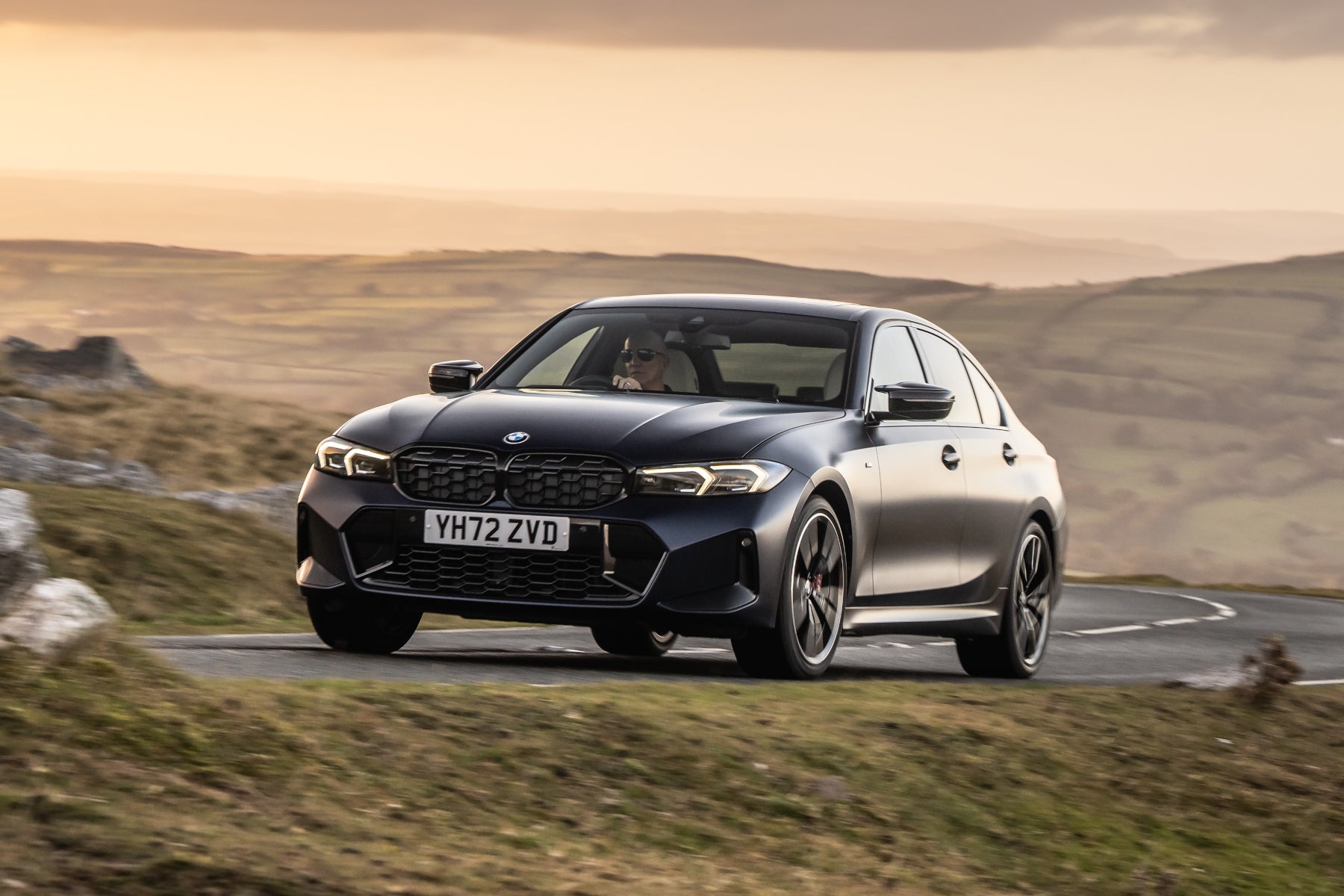
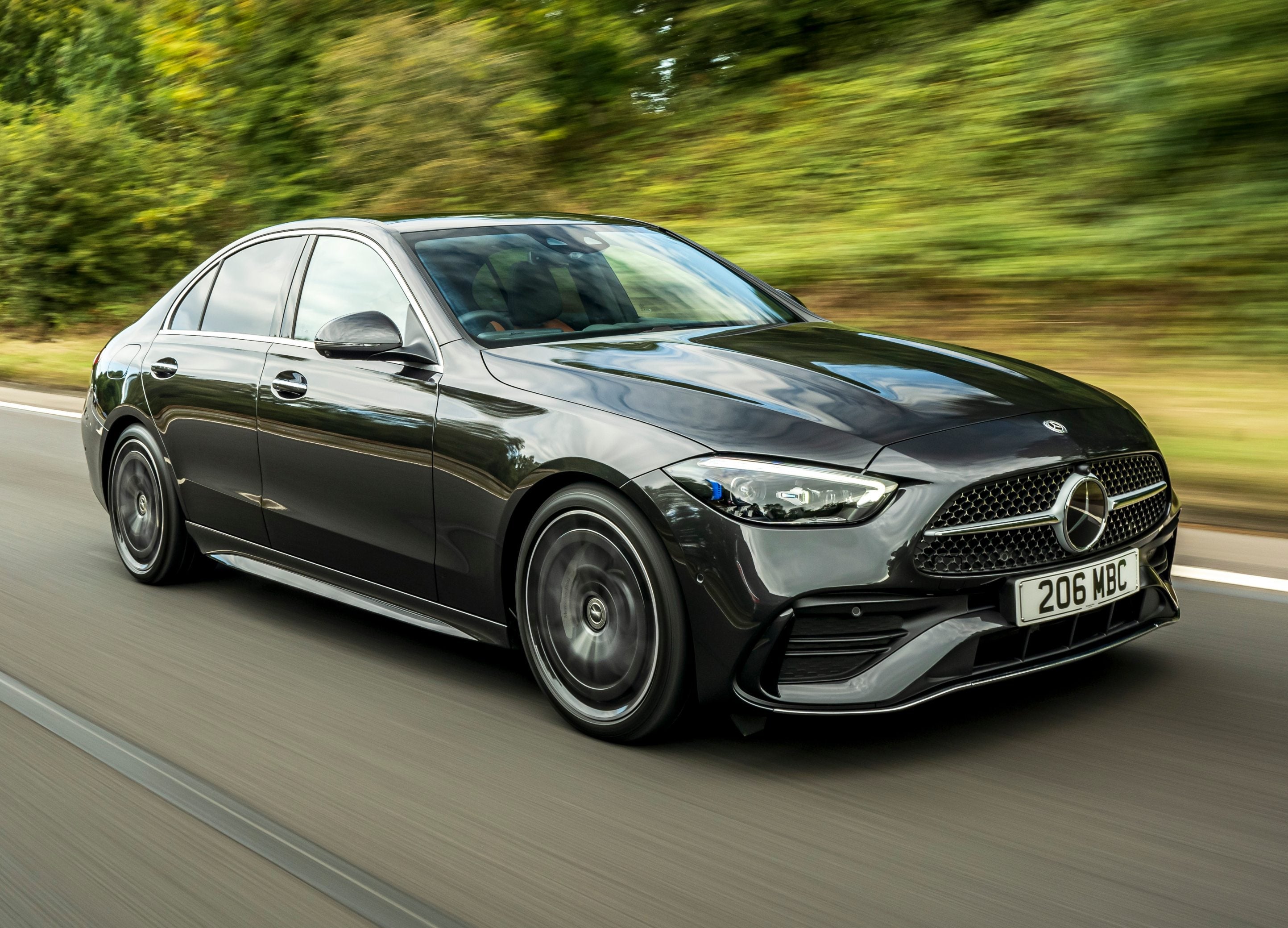
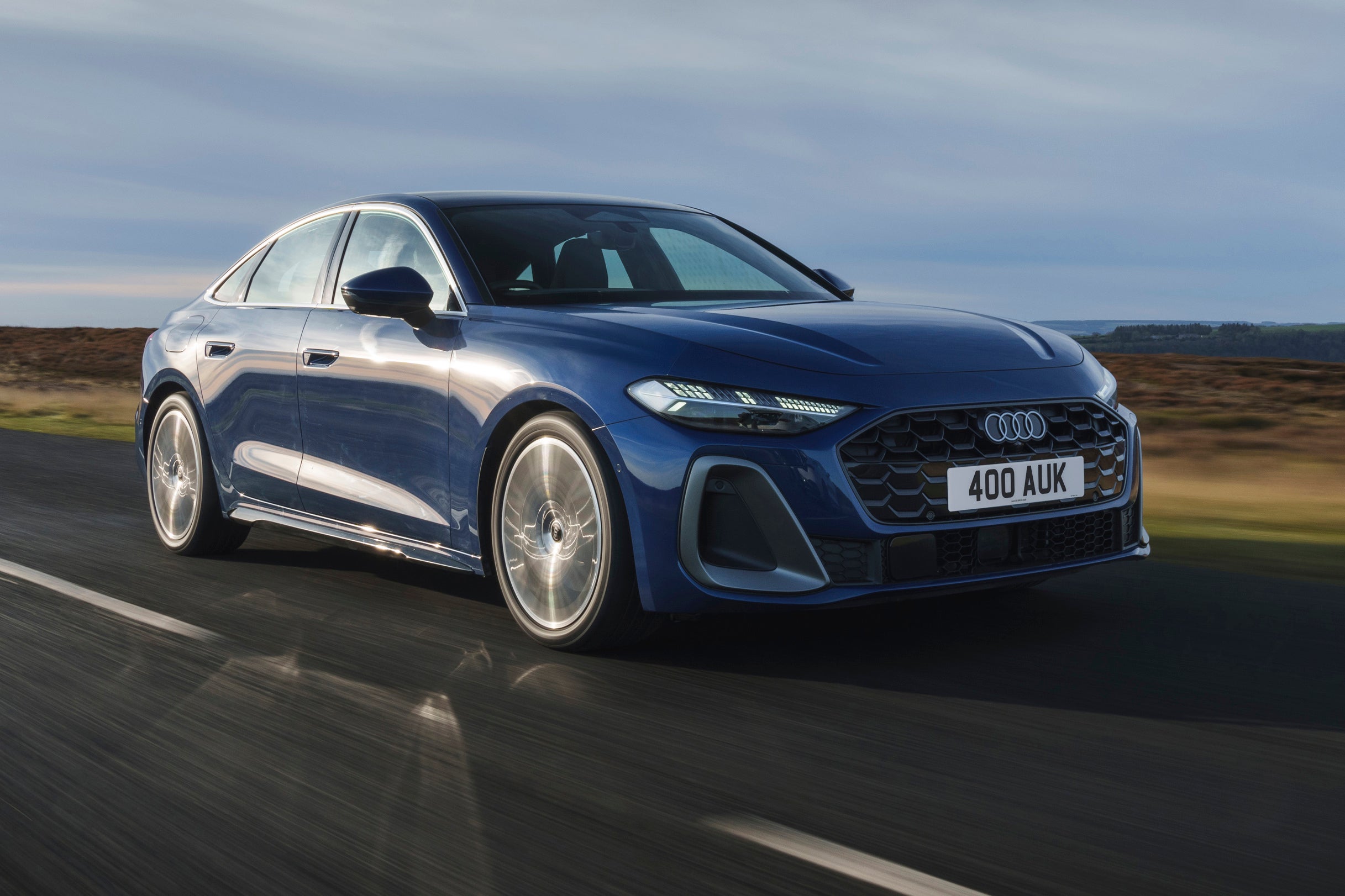
If badge appeal matters more, the Audi A4, BMW 3 Series and Mercedes-Benz C-Class are the natural premium alternatives. The Passat’s edge is that it often delivers much of the same satisfaction without making such a fuss about it.
What's the interior like in the Volkswagen Passat?
The Volkswagen Passat’s interior is one of its biggest strengths. It's spacious, neatly designed and quietly classy, with a mature look that has aged very well.
Volkswagen Passat boot space and practicality
Passenger space is excellent. Up front, there is lots of adjustment and a naturally comfortable driving position, while rear-seat space is generous enough for adults to sit comfortably on longer journeys.
The boot is another strength. At 586 litres, it's large by class standards and big enough for family luggage, business travel or the weekly shop without complaint. The drawback is that this is a saloon, so the opening is less useful than the hatchback-style alternatives some rivals offer.
That is the Passat saloon’s main practical compromise. The space is there, but access is not quite as easy as it is in the estate or in a hatchback-bodied Skoda Superb. Still, for many buyers, the trade-off is worth it for the cleaner saloon shape.
Volkswagen Passat dimensions
The Volkswagen Passat saloon measures 4,767mm long, 1,832mm wide and 1,456mm high. That puts it between mainstream large family cars and compact executive saloons. It's big enough inside to feel genuinely spacious, but not so large that it becomes unwieldy in everyday use.
Tech and infotainment in the Volkswagen Passat
One of the Passat’s strengths is that its technology has aged pretty gracefully. The infotainment systems are logical, clear and largely free of the more frustrating touchscreen-heavy quirks that afflicted some later Volkswagens.
Early cars are simpler, while later facelifted cars gain better connectivity, improved screens and stronger driver-assistance features. Higher-spec examples with the digital instruments and bigger infotainment display still feel modern enough today. It's a question of whether a feeling of freshness is more important to you than usability.
Materials available on the Volkswagen Passat
Material quality is very good for the class, and the Passat feels more expensive than many mainstream alternatives. The design is understated rather than showy, but there is enough solidity and detail to make it feel a cut above the norm.
That is one reason the Passat has aged well. It was never trying too hard, so it still looks smart today.
What's the Volkswagen Passat like to drive?
The Volkswagen Passat is at its best as a calm, comfortable and refined long-distance machine. It's not trying to be sporty, but it's always easy, predictable and quietly accomplished.
Volkswagen Passat range and performance
Used Passat buyers will mostly be choosing between petrols, diesels and the GTE plug-in hybrid. The broad character across the range is much the same: easy-going, refined and suited to real-world use rather than stopwatch heroics.
The 2.0 TDI 150 is the all-rounder most people should start with. It has enough torque to make the car feel effortless, works well on a motorway and returns strong economy.
The 1.5 TSI is a strong later petrol option if you do not want a diesel, while the GTE makes sense if your routine suits a plug-in hybrid. There are more powerful variants out there, but the sensible middle of the range is where the Passat is at its best.
Performance data
| Model | Engine/battery size | Power | 0-62mph | Range/MPG |
|---|---|---|---|---|
1.5 TSI | 1.5-litre petrol manual | 150PS | 8.4 seconds | 44.4mpg |
1.5 TSI DSG | 1.5-litre petrol automatic | 150PS | 8.7 seconds | 42.9mpg |
2.0 TDI | 2.0-litre diesel manual | 150PS | 8.9 seconds | 60.1mpg |
2.0 TDI DSG | 2.0-litre diesel automatic | 150PS | 8.9 seconds | 55.2mpg |
2.0 TDI DSG | 2.0-litre diesel automatic | 190PS | 7.9 seconds | 49.7mpg |
GTE DSG | Plug-in hybrid automatic | 218PS | 7.4 seconds | 201.8mpg |
Volkswagen Passat driving and refinement
The Volkswagen Passat is not a car that begs to be hustled, but it's a very satisfying one to drive within its brief. The steering is tidy enough, body control is secure and the overall feel is of a car designed to make day-to-day driving easy rather than exciting.
Ride comfort is one of the highlights. Smaller-wheeled SE and SEL versions in particular have the sort of fluency over poor roads that makes the Passat feel effortlessly grown up.
Refinement is equally strong. Wind and road noise are well suppressed, and on a long motorway trip, the Passat feels close to premium-car standards. That is a big part of why it's such a convincing used buy.
How safe is the Volkswagen Passat?
The Volkswagen Passat holds a (now expired) five-star Euro NCAP rating and came with a strong level of safety equipment, especially in later facelifted forms.
Features varied by year and trim, but adaptive cruise control, autonomous emergency braking, lane assistance and a broad spread of driver aids were all part of the picture. As ever, check the exact specification of the used example you are considering.
Running costs: What it's like to live with a Volkswagen Passat
The Volkswagen Passat should be a straightforward, sensible used car to run if you buy carefully. Its engines are well known, fuel economy is generally strong, and the car itself feels robust enough for higher mileages if it has been maintained properly.
Volkswagen Passat fuel economy
Fuel economy depends heavily on which engine you choose, but the Passat generally performs well here. Diesels remain the best option for big-mileage drivers, while the 1.5 TSI is respectable enough for a petrol.
The GTE can look exceptionally frugal on paper, but as ever with a plug-in hybrid the real-world result depends entirely on how often you charge it and how you use it.
Volkswagen Passat warranty and servicing
Any remaining manufacturer warranty will now depend on the age of the car, but Approved Used examples remain the most reassuring place to start.
Volkswagen servicing runs on fixed or flexible schedules, and it's worth checking which regime your chosen Passat has followed. On higher-mileage cars, service history matters more than promises.
Volkswagen Passat insurance groups
Insurance groups range from 15 to 32, which is a sensible enough range for a car of this size and performance.
The lower-powered diesels and petrols are easier to justify, while the rarer, more powerful versions push things higher. As always, get quotes before you commit.
How much does it cost to tax a Volkswagen Passat?
For most Volkswagen Passat examples registered on or after 1 April 2017, the ongoing standard VED rate is now £200 a year. If the car’s original list price was over £40,000, it would also have been liable for the Expensive Car Supplement in years two to six, taking the annual total to £640 during that period.
That is more relevant on higher-spec or more powerful versions than on the mainstream fleet staples, but it's worth checking the original list price of the exact used car you are buying.
What trims are available with the Volkswagen Passat?
As a used buy, the Passat saloon range you will encounter most often centres on SE, SE Nav, business-oriented variants, SEL and R-Line.
SE is the straightforward entry point and already covers the basics well. Expect alloy wheels, air conditioning, smartphone connectivity and the strong core safety kit that helped make the Passat such a popular fleet and family choice.
SE Nav is usually the trim most buyers should start with. As the name suggests, it adds navigation and typically a more useful infotainment setup, which helps the Passat feel more complete day to day. Many of the best-value used cars sit here, especially ex-company examples.
Business-oriented trims are also worth considering because they were aimed at high-mileage users and often came with the sort of comfort, infotainment and driver-assistance kit that matters in daily use. The key is to judge them on condition and history rather than being put off by the fleet-spec image.
SEL is where the Passat starts to feel properly plush. Depending on age and exact specification, it usually brings nicer upholstery, more comfort equipment, stronger infotainment and a generally richer cabin ambience. If you want the Passat to feel as near-premium as possible without stepping into R-Line territory, this is often the sweet spot.
R-Line is the style-led choice. It gives the Passat a sportier look with more assertive trim details, larger wheels and a slightly sharper visual presence, but it can also bring a firmer edge to the ride. It looks good, but it's not automatically the best used buy unless you particularly want the styling treatment.
Ask the Drive experts: common questions
Is the previous Volkswagen Passat still worth buying?
Is the old Volkswagen Passat better than the new one?
Which Volkswagen Passat engine is best?
Is the Volkswagen Passat practical?
Get our latest advice, news and offers
Keep me updated by email with the latest advice, news and offers from Drive.
.jpg)
.jpg)