12/10/2026
Best wheelchair accessible vehicles (WAVs) in 2026

Written By Ivan Aistrop

Choosing the right wheelchair accessible vehicle (WAV) is about far more than simply finding enough space for a wheelchair. Every individual and family has different needs, whether you're transporting a wheelchair user every day, caring for an elderly relative or looking for a vehicle that makes getting in and out easier. The best WAV should fit seamlessly into your daily life while remaining comfortable, practical and affordable to run.
Today's WAVs offer much more choice than ever before. Based on popular MPVs and van-derived cars such as the Citroen Berlingo, Ford Tourneo Connect and Peugeot Rifter, modern WAVs can accommodate everything from manual wheelchairs to larger powered models, while many retain the driving manners and technology of the unmodified donor vehicle. There are also more electric and hybrid options beginning to appear, giving buyers greater flexibility than ever.
One of the biggest decisions is whether to buy a factory-built vehicle that's been professionally converted or lease one through Motability. It's also important to consider how the wheelchair user will access the vehicle, whether that's via a rear ramp or side-entry conversion, along with seating layout, luggage space and the cost of ownership.
To help you make the right choice, we've selected the best wheelchair accessible vehicles on sale in the UK today. Whether you're looking for an all-rounder, a compact family model, a seven-seat option or an electric WAV, this guide explains the strengths of each model and highlights the key things to consider before you buy.
Ford Tourneo Connect
Best wheelchair accessible vehicle
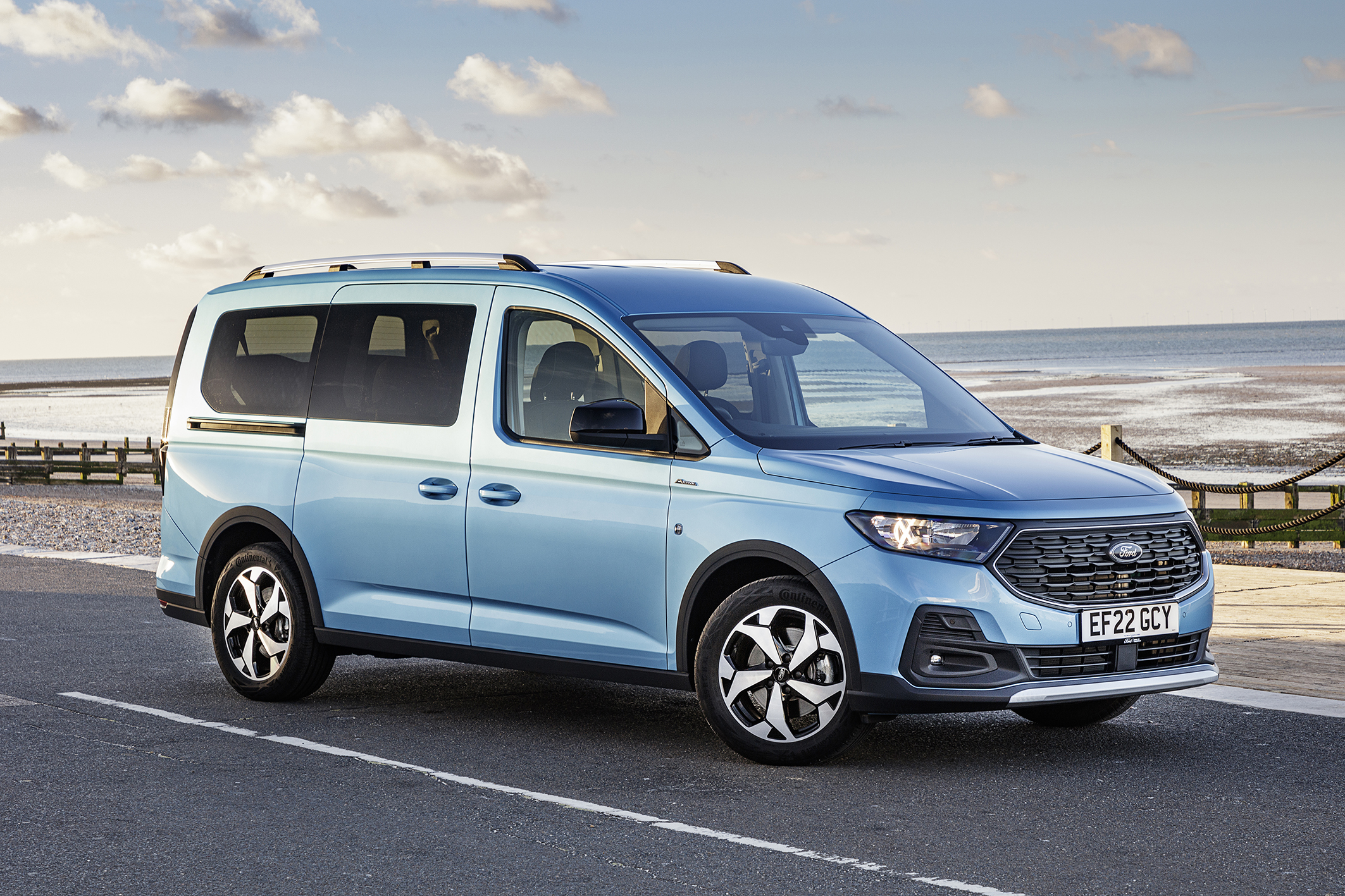
The latest Ford Tourneo Connect is one of the most complete wheelchair accessible vehicles you can buy. Based heavily on the Volkswagen Caddy, it combines MPV comfort with van-like practicality, making it equally at home on the school run or a long motorway journey.
Its boxy shape creates plenty of headroom once converted, while the large tailgate and wide-opening sliding doors make loading a wheelchair straightforward. Most conversions feature a lowered floor, lightweight folding ramp and secure wheelchair restraint system, allowing a wheelchair user to travel safely in the rear without sacrificing too much passenger space.
Unlike many older WAVs, the Tourneo Connect drives much like a modern family car. Visibility is excellent, the steering is light and predictable, and refinement is impressive, particularly on longer journeys. Petrol and diesel engines are available, while modern driver assistance systems such as adaptive cruise control and lane keeping assistance help make driving less tiring.
Available through several specialist WAV converters, it's the best all-round choice for most families thanks to its combination of comfort, practicality and everyday usability.
Dacia Jogger
Best budget wheelchair accessible vehicle
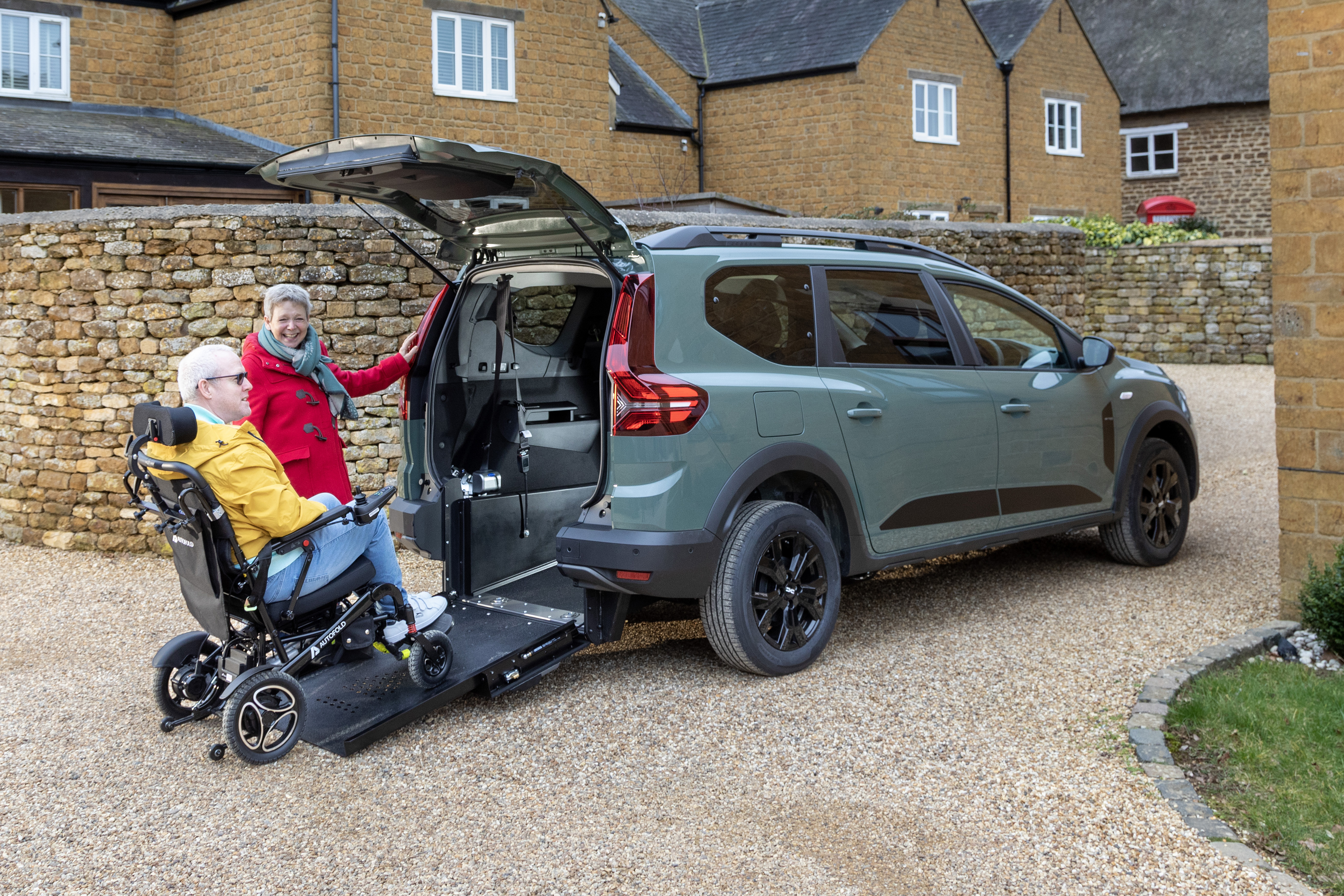
If you're looking for the most affordable route into wheelchair-accessible motoring, the Dacia Jogger deserves serious consideration. It combines the running costs of a family hatchback with the practicality of an MPV, making it an excellent foundation for specialist WAV conversions. While it isn't as tall as van-based rivals, companies such as Sirus have developed clever rear-entry conversions that allow a wheelchair user to travel safely without dramatically increasing the purchase price.
The Jogger's biggest strength is value for money. Even in higher trims, it costs considerably less than many comparable vehicles, while still offering seven-seat practicality in standard form. The raised roofline and long wheelbase provide useful interior space, and large rear doors make access easier for passengers. Petrol, bi-fuel LPG and hybrid versions are available, giving buyers a choice of low running costs depending on their driving habits.
Behind the wheel, the Jogger feels much more like a conventional family car than a van-derived MPV. It's easy to drive, comfortable on longer journeys and economical to run, while Dacia's reputation for honest, straightforward engineering should help keep maintenance costs low. If your budget won't stretch to a larger WAV, the Jogger proves you don't need to spend a fortune to gain the independence and practicality a wheelchair-accessible vehicle can offer.
Citroen Berlingo
Best compact WAV
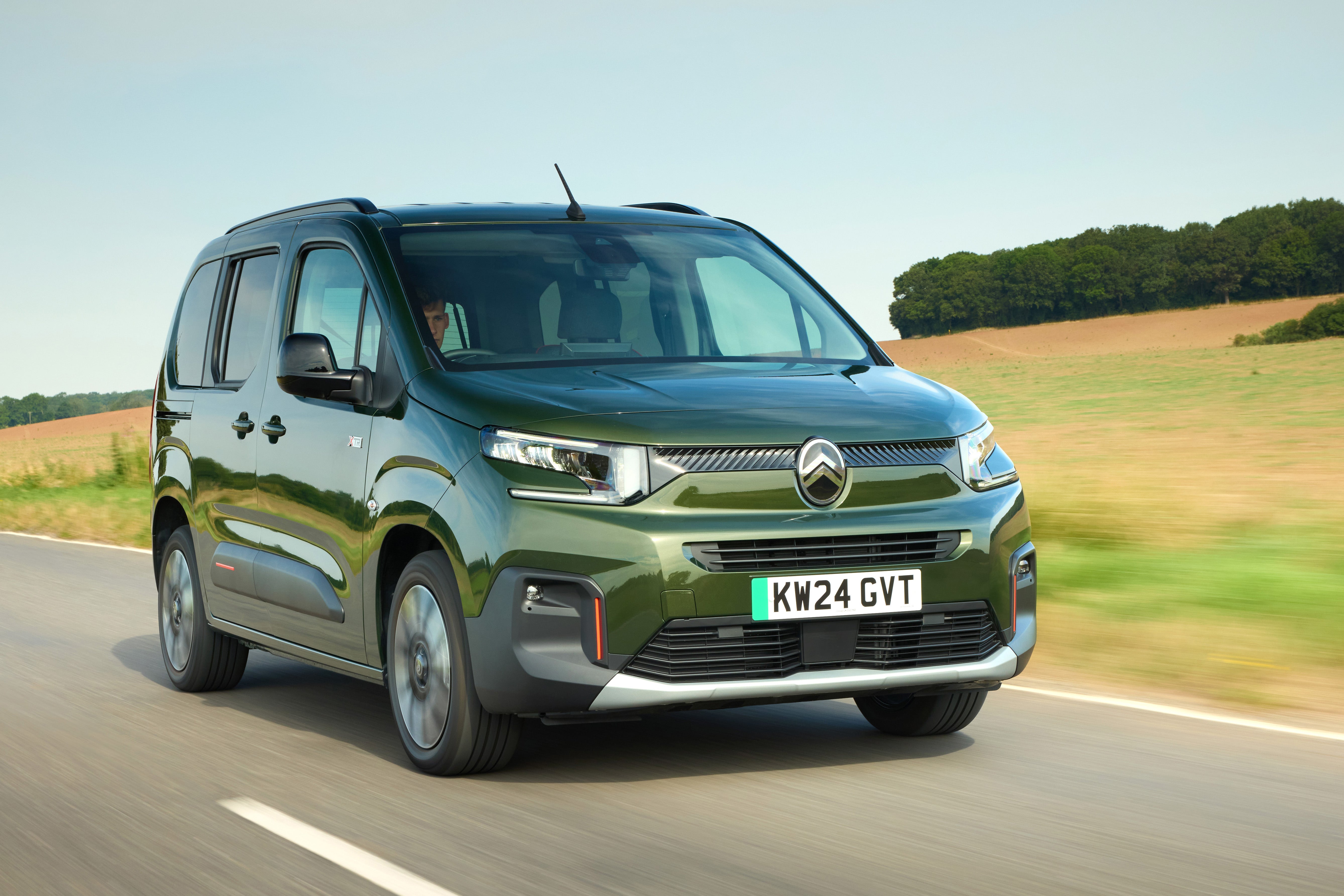
Few vehicles have become as closely associated with wheelchair accessibility as the Citroen Berlingo. There's a good reason for that. Its tall roof, square body and wide-opening rear doors make it one of the easiest vehicles to convert without compromising practicality.
The Berlingo offers generous passenger space and a comfortable ride that soaks up poor road surfaces well. The cabin is simple to use, with large controls and plenty of storage, while sliding side doors make access easier in tight parking spaces.
A wide variety of rear-entry and side-entry conversions are available, meaning there's a version to suit everything from manual wheelchairs to larger powered models. It's also one of the easiest WAVs to buy used, helping to keep ownership costs sensible.
Kia PV5 Passenger
Best new-generation wheelchair accessible vehicle
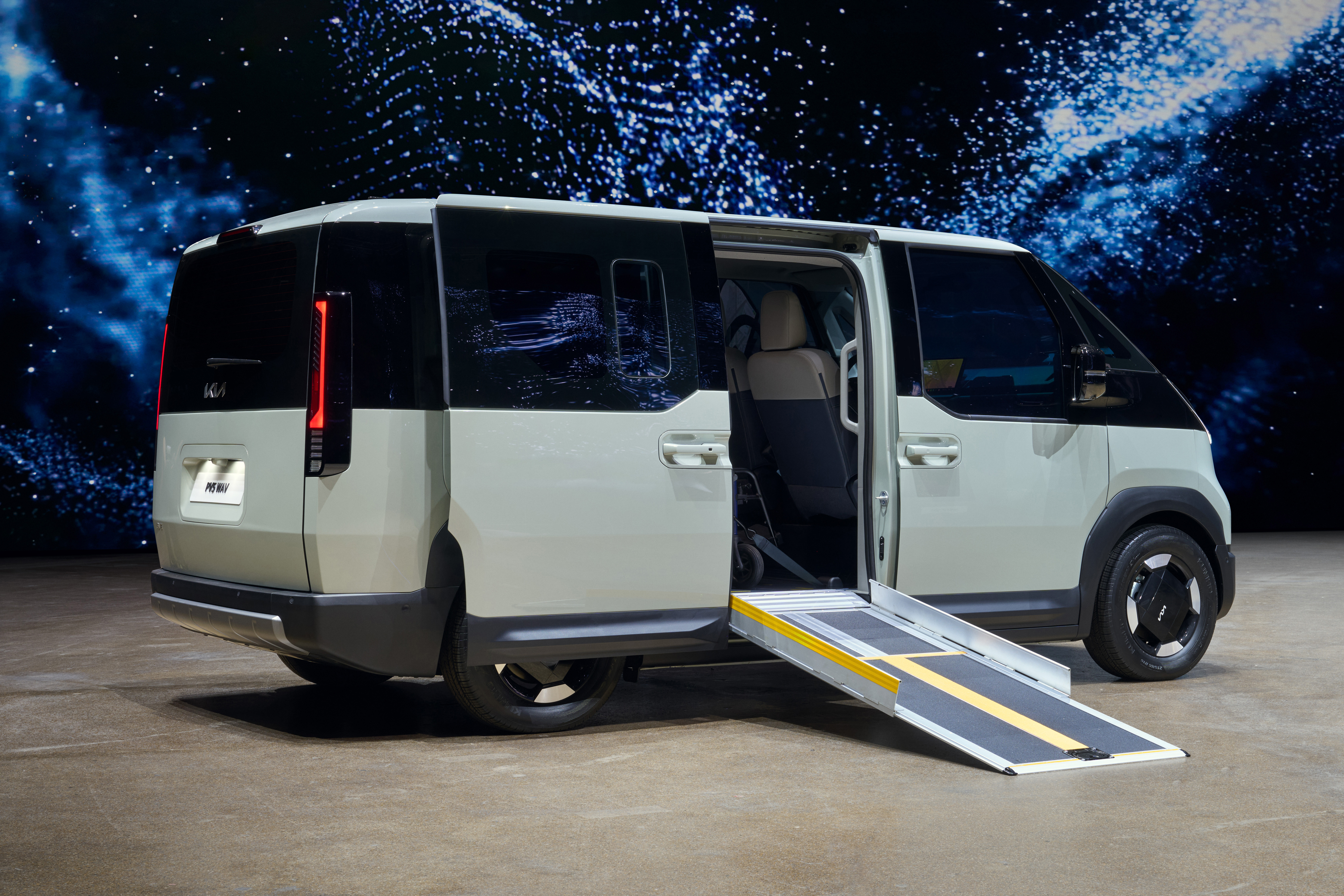
Although still a relatively new arrival, the Kia PV5 Passenger looks set to become one of the most promising wheelchair accessible vehicles of the next few years. Unlike many existing WAVs, which begin life as conventional vans before being converted, the PV5 has been designed from the outset as a flexible people carrier, making it an excellent platform for accessibility specialists.
Its electric architecture creates a flat cabin floor and impressive interior space, while the tall roof and wide sliding doors provide the dimensions converters need to accommodate both manual and powered wheelchairs. As more specialist conversions become available, buyers are likely to benefit from a wider choice of layouts than is currently offered by many rivals.
The PV5 also promises the refinement expected of a modern electric vehicle. Instant performance, quiet operation and low running costs all make it particularly appealing for drivers covering regular local journeys. Fast charging capability helps make longer trips practical, while Kia's excellent seven-year warranty offers valuable peace of mind.
As the market for electric WAVs continues to develop, the PV5 is likely to become one of the most important new vehicles in the sector. Buyers wanting a modern accessible vehicle that embraces the latest technology should keep a close eye on it.
Peugeot Rifter
Best value WAV
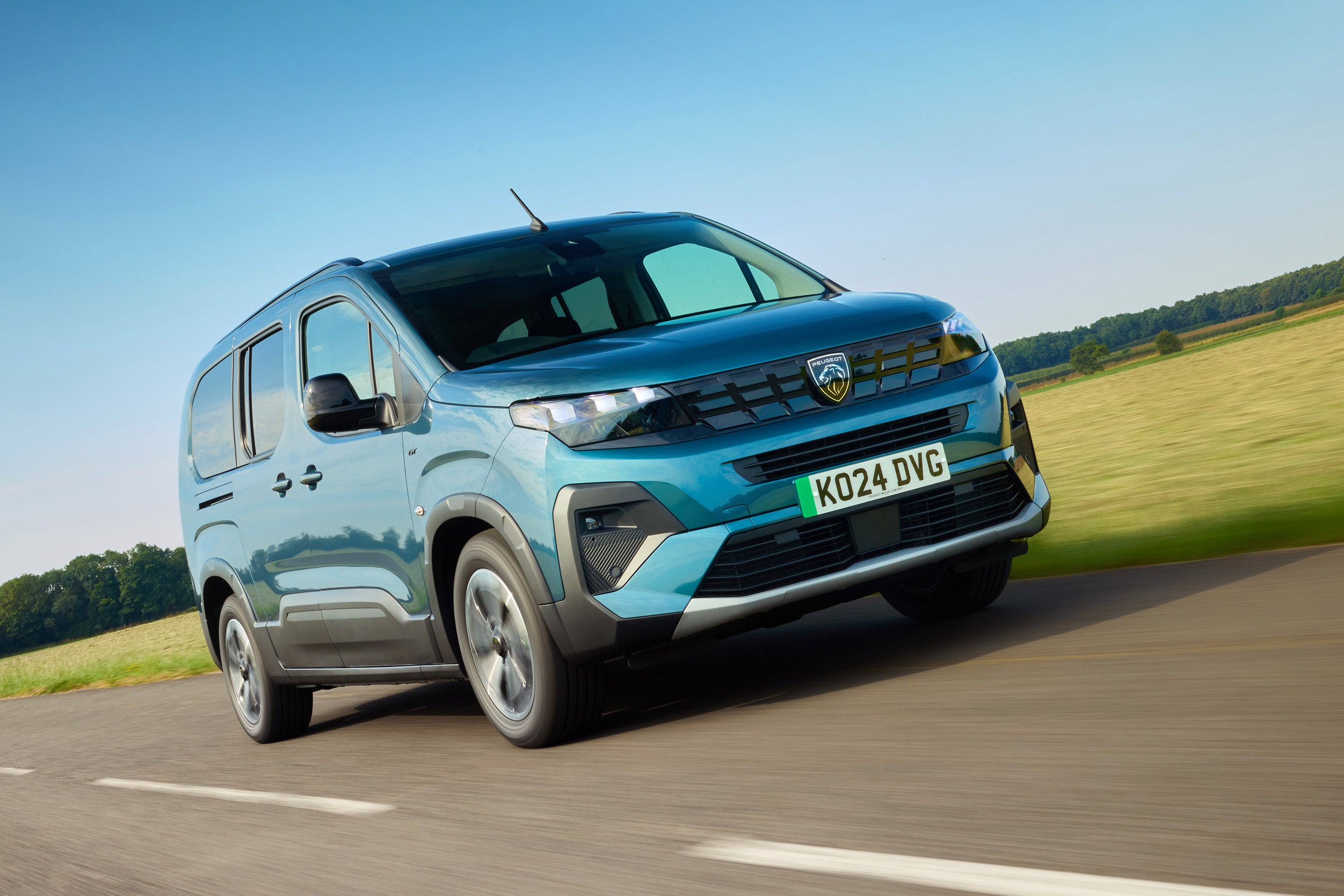
Sharing its mechanicals and bodywork with the Citroen Berlingo, the Peugeot Rifter offers many of the same practical advantages but wraps them in slightly more rugged styling and a different dashboard layout.
The raised driving position provides excellent visibility, while the cabin offers plenty of storage and comfortable seating for longer journeys. The square rear opening makes it particularly well suited to wheelchair conversions, with several specialist companies offering both rear and side-entry layouts.
Running costs are reasonable, particularly with the efficient petrol engines, while used examples represent excellent value compared with some rivals.
What marks the Rifter apart from its sister cars? Well, you get some interesting differences that include Peugeot’s easy to use i-Cockpit display, which places the instrument binnacle further away from the steering wheel as well as mounting it higher. If you’re looking for a mobility car with a forgiving ride quality then you’ll love the Rifter. The soft suspension will absorb rough surfaces with a suppressed bounce.
Ford Tourneo Custom
Best seven-seat WAV
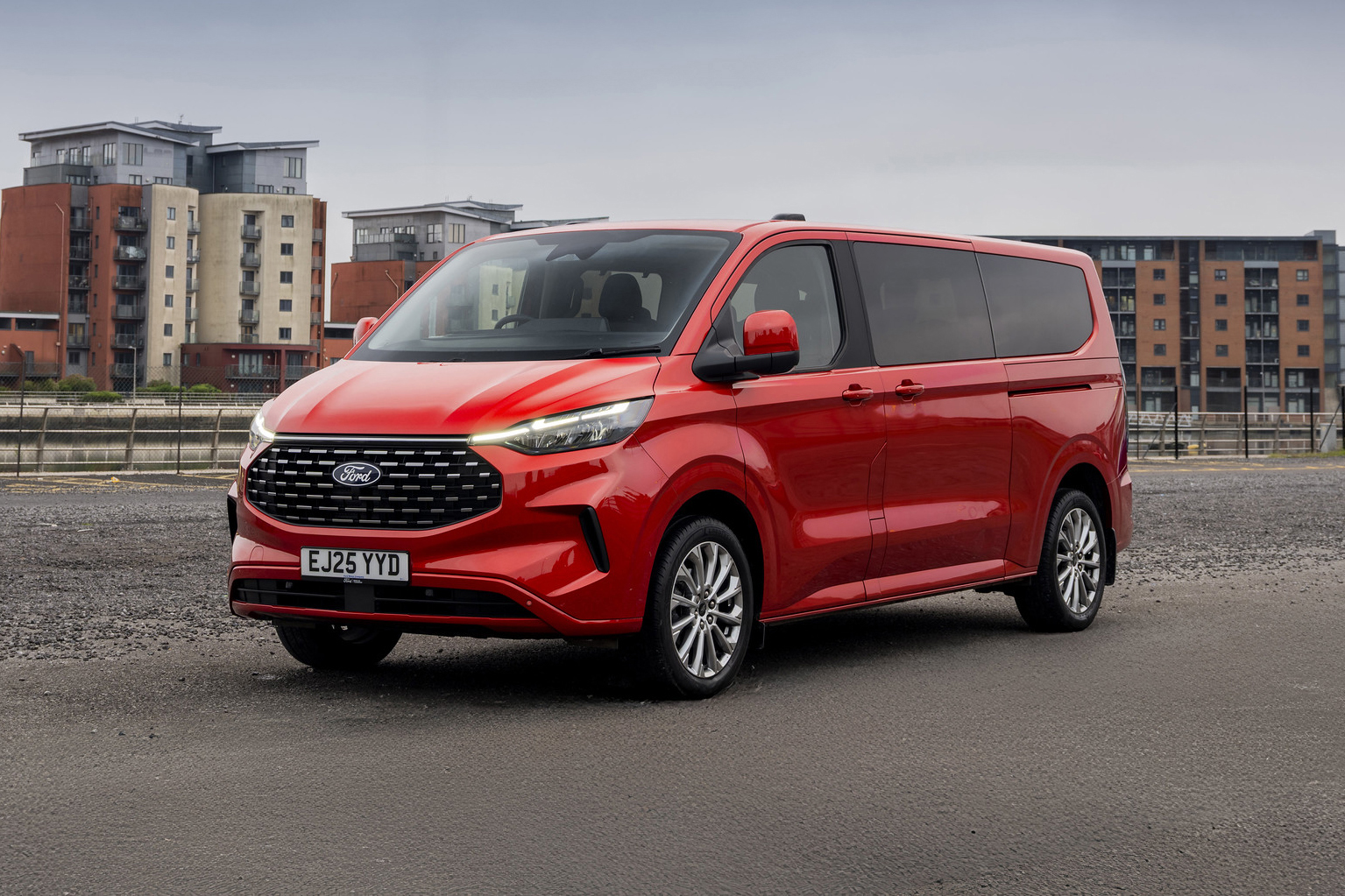
If you regularly carry several passengers as well as a wheelchair user, few vehicles match the flexibility of the Ford Tourneo Custom. Its larger dimensions allow converters to retain more passenger seating than smaller WAVs, making it an excellent choice for larger families, care organisations or anyone travelling with carers and additional equipment.
Despite its size, it drives remarkably well. The latest model feels composed on the motorway, while modern safety systems and a high driving position make it surprisingly easy to manoeuvre.
The interior has lots of space, thanks to the high roofline and wide body. The rear seats can fold into different configurations or be removed entirely. However, while the Ford has some of the widest door openings of any large car in this class, there is no option of a powered rear tailgate.
Mercedes-Benz V-Class
Best premium WAV
.jpg)
For buyers wanting luxury alongside accessibility, the Mercedes-Benz V-Class stands in a class of its own. The cabin feels more executive car than van, with premium materials, supportive seats and one of the quietest interiors available in a wheelchair accessible vehicle.
Conversions retain much of that luxury while offering generous interior space and excellent accessibility. It isn't cheap, but for frequent long-distance travel it's exceptionally comfortable.
It may be derived from the Mercedes Vito van, but the interior of the V-Class is as plushly trimmed as one of the brand's luxury limousines, which is why it's a popular car with VIP transport companies. Despite those commercial vehicle underpinnings, it's also a vehicle that rides along with excellent comfort and refinement. As you'd expect, interior space is in plentiful supply in all versions, while the seats are incredibly versatile to suit a wide variety of different needs.
Volkswagen ID. Buzz
Best electric WAV
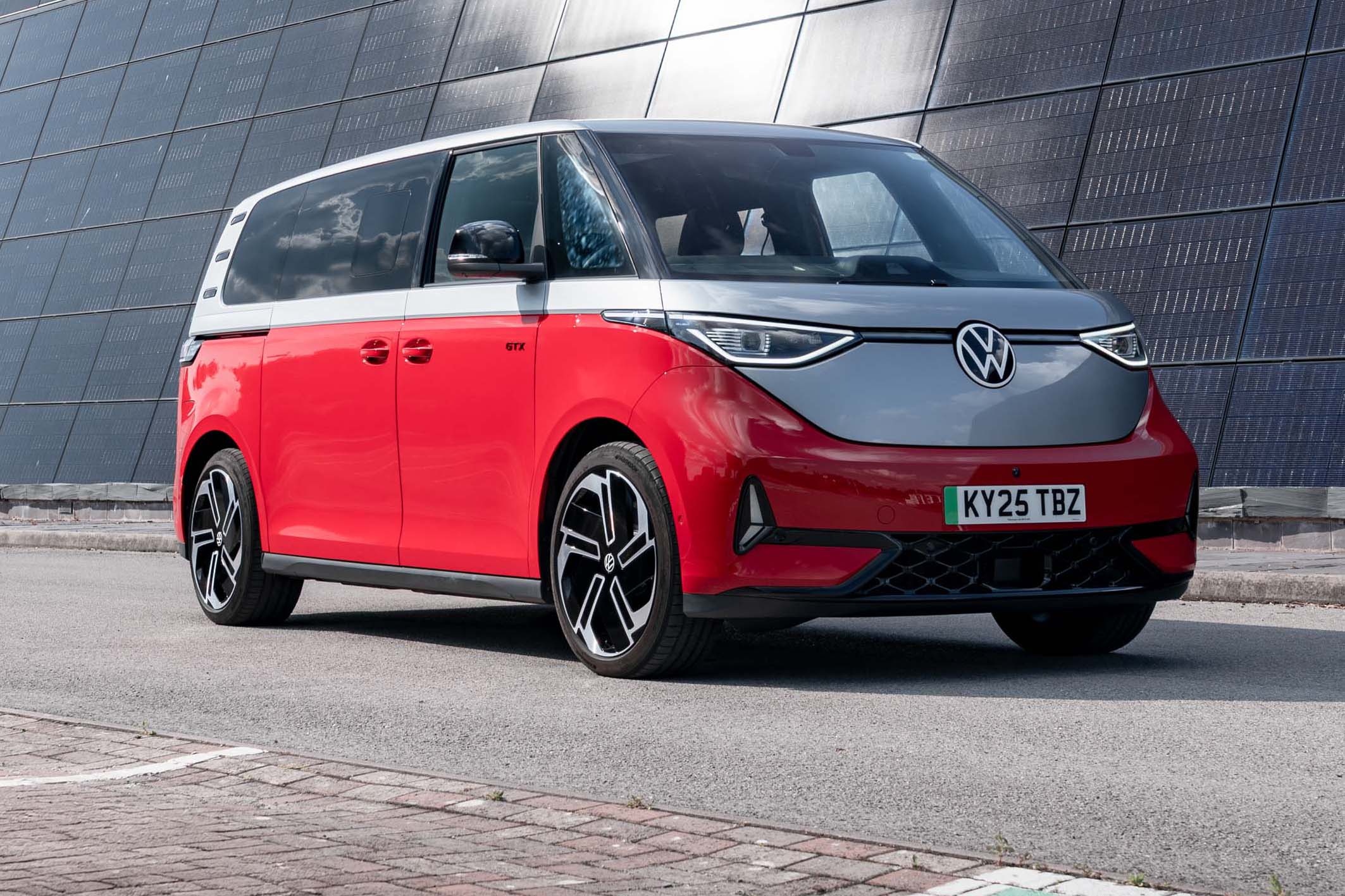
The Volkswagen ID. Buzz has quickly become one of the most exciting vehicles to enter the WAV market. Inspired by the classic Volkswagen Microbus but built on a dedicated electric platform, it offers a combination of space, refinement and zero-emission driving that's difficult to match.
Because the battery is housed beneath the floor, the cabin is completely flat, creating excellent interior space once converted. The tall roof, wide sliding doors and square rear opening also make it ideally suited to wheelchair access, while specialist converters are already offering a growing range of rear-entry and side-entry conversions.
Around town, the ID. Buzz is exceptionally relaxing to drive. There's no engine noise, no gear changes and instant electric performance makes pulling away from junctions effortless. Families will also appreciate the comfortable ride and airy interior, while the latest infotainment system supports wireless Apple CarPlay and Android Auto.
With a real-world range of well over 200 miles in most versions and rapid DC charging when longer journeys are required, the ID. Buzz shows that electric WAVs are becoming a genuinely practical option. It's more expensive than a conventional diesel-based conversion, but if you can charge at home it's one of the most forward-thinking accessible vehicles currently available.
Volkswagen Caddy
Best used wheelchair accessible vehicle
.jpg)
If you're buying on a tighter budget, the Volkswagen Caddy is one of the safest used WAV purchases you can make. It's been one of the UK's most popular conversion vehicles for many years, which means there's a huge choice on the used market with different layouts, seating configurations and price points.
Its popularity isn't difficult to understand. The Caddy combines Volkswagen's solid build quality with a compact size that's much easier to live with than a full-size van. It's comfortable enough for everyday family use, while its upright body creates the space needed for professional wheelchair conversions without making the vehicle feel cumbersome to drive.
Later petrol and Euro 6 diesel models are particularly desirable thanks to their strong fuel economy and ability to enter most UK Clean Air Zones without paying a charge. Sliding rear doors also make access easier in tight parking spaces, while the driving position feels much more like a conventional car than a commercial vehicle.
When buying used, pay particular attention to the quality of the conversion rather than simply the age of the vehicle. Check that the ramp operates smoothly, wheelchair restraints are complete and undamaged, and any lowered-floor modifications have been professionally maintained. A well-looked-after Caddy can provide many years of dependable service while costing considerably less than a brand-new WAV.
Toyota Proace Verso
Best large family wheelchair accessible vehicle
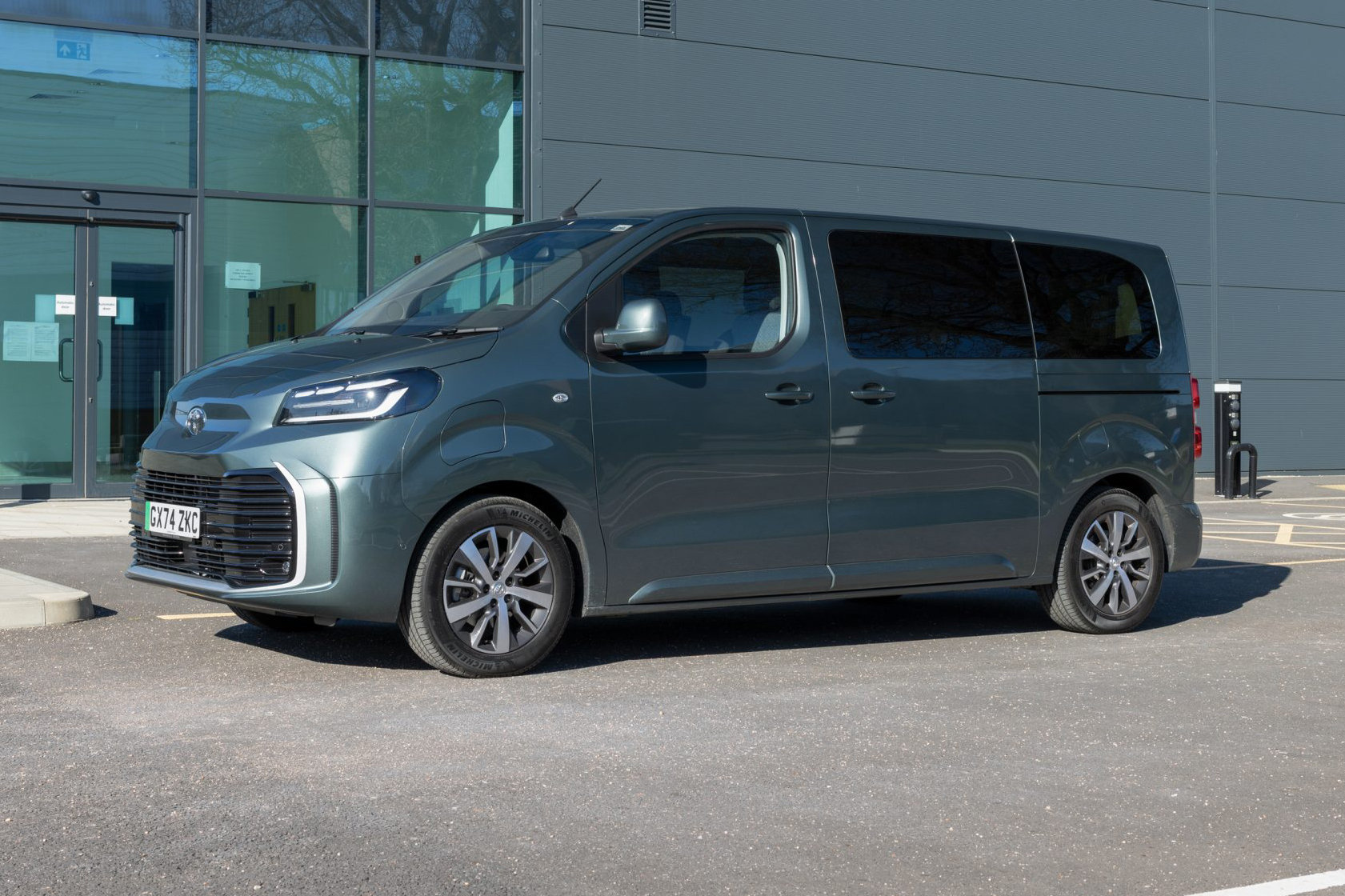
For larger families, the Toyota Proace Verso offers an excellent balance of passenger space, practicality and reliability. Available in multiple body lengths, it provides converters with plenty of flexibility while still retaining seating for several passengers alongside a wheelchair user.
The high roof and boxy shape create generous headroom throughout the cabin, making entry and exit straightforward whether you choose a rear-entry or side-entry conversion. Wide sliding doors improve access in confined parking spaces, while the large tailgate allows ramps to be deployed easily where rear access is preferred.
Toyota's reputation for reliability is another major selling point. The Proace Verso is designed to cope with demanding family life and high annual mileages, making it an attractive option for anyone who relies on their vehicle every day. Comfortable suspension and supportive seats also help make longer journeys more enjoyable, while modern infotainment systems, adaptive cruise control and comprehensive safety technology bring it up to the standards expected of a modern family vehicle.
If you need to transport several passengers without sacrificing wheelchair accessibility, the Proace Verso deserves a place near the top of your shortlist.
What is a wheelchair accessible vehicle (WAV)?
A wheelchair accessible vehicle (WAV) is a car or van that has been professionally converted so a wheelchair user can enter and travel safely inside the vehicle. Most conversions include a lowered floor, a folding ramp or powered lift, wheelchair restraints and additional headroom.
Unlike a regular MPV or SUV, a WAV allows many wheelchair users to remain in their wheelchair throughout the journey rather than transferring into a conventional seat.
Most UK market WAVs are converted from practical MPVs or van-based people carriers because their tall roofs and boxy shape make them ideal for conversion while still being comfortable to drive every day.
Rear access or side access?
One of the first decisions you'll make is how the wheelchair user enters the vehicle. Rear-entry WAVs are the most common. A ramp folds down from the back of the vehicle, allowing the wheelchair to roll straight inside. They're generally more affordable and work well where parking spaces are wide enough to deploy the ramp.
Side-entry WAVs use a sliding side door and are particularly useful in busy car parks where there isn't enough room behind the vehicle. They're also often preferred if the wheelchair user wants to sit closer to the front of the cabin.
Neither option is necessarily better. It depends on where you'll use the vehicle most and how much space you typically have when parking.
Can you get a WAV through Motability?
If you receive the qualifying mobility component of a disability benefit, you may be able to lease a wheelchair accessible vehicle through the Motability Scheme. Many of the UK's leading WAV converters offer approved vehicles via Motability, with the lease covering insurance, servicing, maintenance and breakdown cover.
Not every WAV is available through the scheme, so it's worth checking availability before deciding on a particular model. If you're buying privately, you'll generally have a much wider choice of new and used vehicles.
Buying new, used or through Motability
There are three main ways to get a wheelchair accessible vehicle. Buying new gives you the latest safety technology, a full manufacturer's warranty and the reassurance that the conversion has never been used before. The downside is cost, as WAV conversions can add thousands of pounds to the price of the donor vehicle.
Buying used is often excellent value. Many WAVs cover relatively low mileages and are meticulously maintained. As with any used vehicle, inspect the conversion carefully, paying particular attention to ramps, restraints and moving parts.
If you receive the qualifying mobility allowance, you may also be able to lease a WAV through the Motability Scheme. Depending on the vehicle and conversion, insurance, servicing, maintenance and breakdown cover are included, making budgeting much simpler.
What should you look for?
The best WAV isn't necessarily the biggest. Before buying one, consider:
Will the wheelchair user remain in the chair or transfer to a seat?
Is there enough headroom when sat in the wheelchair?
How easy is it to deploy the ramp?
Can one person operate it?
Is there also enough room for family members and luggage?
Can it accommodate a powered wheelchair if needed in future?
How accessible are the seatbelts and wheelchair restraints?
Will it fit on your driveway or in your garage?
It's also worth thinking ahead. A slightly larger vehicle may cost more initially but could save you replacing it if your needs change.
Petrol, diesel, hybrid or electric?
Most wheelchair accessible vehicles are still powered by petrol or diesel engines because they're based on MPVs and van-derived people carriers.
Petrol models are generally the best choice for lower annual mileages and frequent short journeys. Diesel still makes sense if you regularly travel long distances or carry several passengers, thanks to its excellent motorway fuel economy.
Hybrid options are beginning to appear, reducing fuel consumption around town while avoiding the need to plug in.
Fully electric WAVs remain relatively rare, but the market is expanding quickly. Vehicles such as the Kia PV5 Passenger and Volkswagen ID. Buzz are expected to make electric accessibility far more common over the next few years.
Is a WAV the right choice?
Not everyone needs a full wheelchair accessible vehicle. If the wheelchair folds easily and the user is happy transferring into a seat, a spacious MPV or SUV with a large boot may be perfectly adequate.
However, if transferring is difficult, uncomfortable or impossible, a properly converted WAV is almost always the safest and most practical solution. While they're more expensive than a standard vehicle, the additional independence, convenience and accessibility they provide can be invaluable.
Before you begin your new or used car search it is important to get a full understanding of how you plan to use the vehicle. Will you be storing the wheelchair or mobility scooter in the boot? If so, start by measuring the length, height and width of the scooter or wheelchair to ensure it’ll correctly fit.
Many people choose to travel while sitting in their wheelchair or mobility scooter. In this case, perform the measurements while the user is sitting in their wheelchair or mobility scooter. Make sure you allow for extra space at the width/height to ensure they can travel in the car comfortably. You may also wish to buy a ramp to allow for stress-free access to the vehicle.
Van-based MPVs are the best base vehicles for wheelchair or mobility scooter conversions. The tall and wide boxy shape makes a van-based MPV suitable for a wide range of conversions, with the choice of rear- or side access with a ramp or lift. These cars also have a high roofline, which allows many passengers to travel without having to get out of their wheelchair or scooter.