12/10/2026
What is a head up display? Car HUD technology explained

Written By David Ross
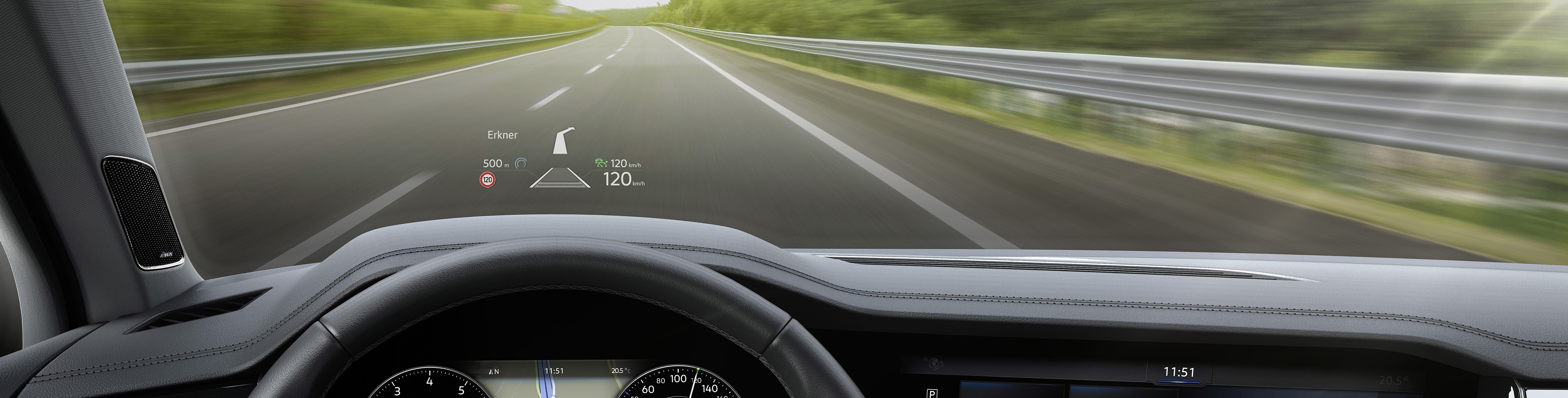
Modern cars are packed with technology designed to make driving easier, but few features have become as genuinely useful as the head-up display (HUD). Once reserved for high-end executive cars, head-up displays are now appearing on everything from family hatchbacks to electric SUVs.
Rather than forcing you to glance down at the instrument panel, a head-up display projects key information directly into your line of sight, allowing you to keep your eyes focused on the road ahead.
Today's systems can display everything from your current speed and navigation directions to speed limits, safety warnings and incoming phone calls. Some of the latest augmented reality (AR) displays even appear to project graphics onto the road itself, making complex junctions much easier to understand.
If you're considering a new car, here's everything you need to know about head-up displays, how they work and whether they're worth paying extra for.
What is a head-up display?
A head-up display projects driving information onto a transparent screen directly in front of the driver. Depending on the vehicle, this is either reflected onto the windscreen or displayed on a small retractable panel that rises from the dashboard.
The idea comes directly from military aviation, where fighter pilots needed to monitor vital information without looking down into the cockpit. Carmakers have adapted the same principle to improve both convenience and safety.
Instead of repeatedly shifting your focus between the road and the dashboard, a HUD allows you to see important information almost instantly. Most systems display your current speed, navigation instructions and speed limit recognition, while more advanced versions can also show driver assistance alerts, adaptive cruise control status and incoming calls.
Because the information appears to float several metres ahead of the car, your eyes require less refocusing than when looking down at traditional instruments. That small reduction in distraction can make driving feel noticeably more relaxed, particularly on unfamiliar roads or long motorway journeys.
Our favourite cars with a head-up display
Volkswagen ID.7
.jpg)
The Volkswagen ID.7 features one of the most advanced augmented reality head-up displays currently available. Rather than simply projecting your speed or navigation instructions, it overlays directional arrows directly onto the road ahead, making complicated junctions easier to follow. The display also works alongside the ID. Light system, providing visual prompts across the dashboard to go with the information projected onto the windscreen.
Because the ID.7 has been designed from the outset as an electric car, the technology feels fully integrated rather than added as an afterthought. Charging information, driver assistance systems and adaptive cruise control are all displayed clearly without overwhelming the driver. Combined with its exceptionally quiet cabin and impressive motorway refinement, the ID.7 demonstrates just how useful a modern head-up display can be on longer journeys.
Audi A6
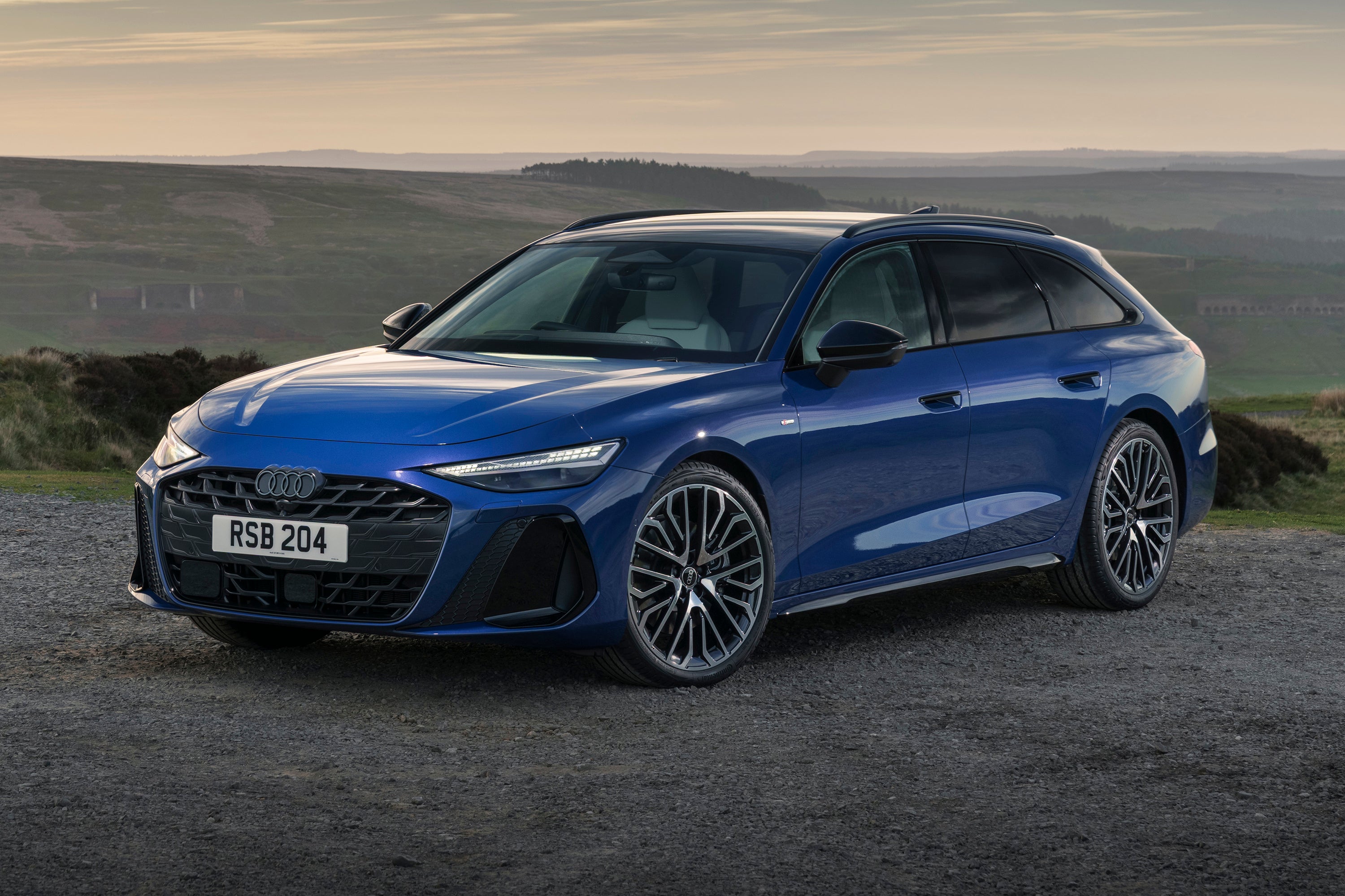
Audi has spent years refining its Virtual Cockpit technology, and the optional head-up display in the Audi A6 complements it perfectly. Crisp graphics, excellent brightness and intuitive menus make it one of the easiest systems to live with.
The display provides speed, navigation guidance, speed limits and safety alerts while remaining unobtrusive when you simply want to concentrate on driving. Drivers can customise exactly which information appears, ensuring the display never feels cluttered.
Combined with the A6's superb refinement and comfortable driving position, the HUD helps make long-distance journeys feel effortless. It's a particularly worthwhile option for anyone who regularly spends hours in their car.
BMW i5
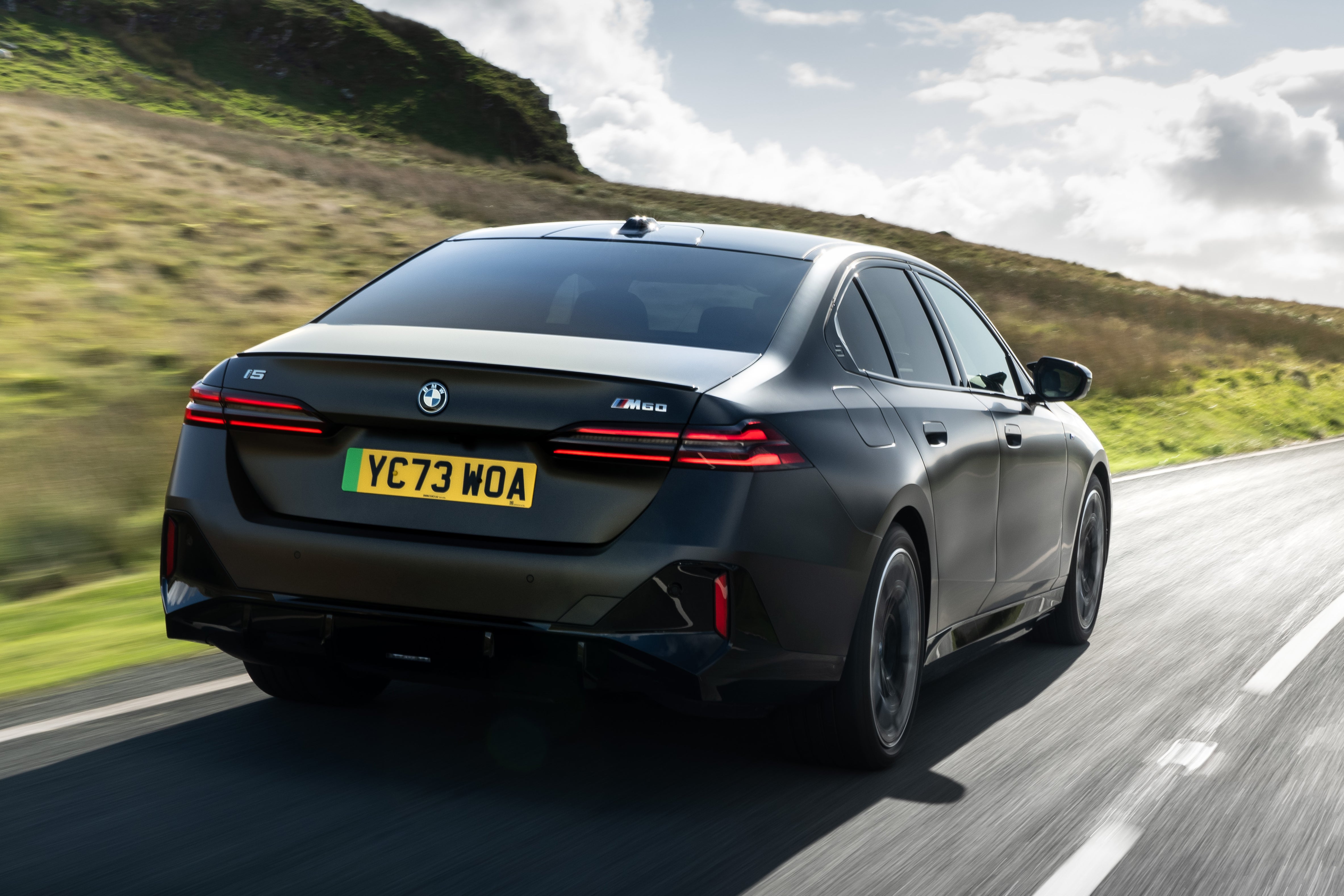
BMW's latest head-up display in the BMW i5 works seamlessly with its Curved Display and Intelligent Personal Assistant. Navigation directions are clear, graphics are exceptionally sharp and the system integrates naturally with the car's driver assistance features.
The i5's display also works alongside BMW's augmented navigation system, helping drivers navigate busy city centres without needing to constantly glance at the central touchscreen. It's particularly useful when combined with adaptive cruise control and motorway driving assistance.
As with much of BMW's latest technology, the emphasis is on reducing distraction rather than simply adding more information. The result is one of the most polished head-up display systems currently available.
Hyundai Ioniq 5
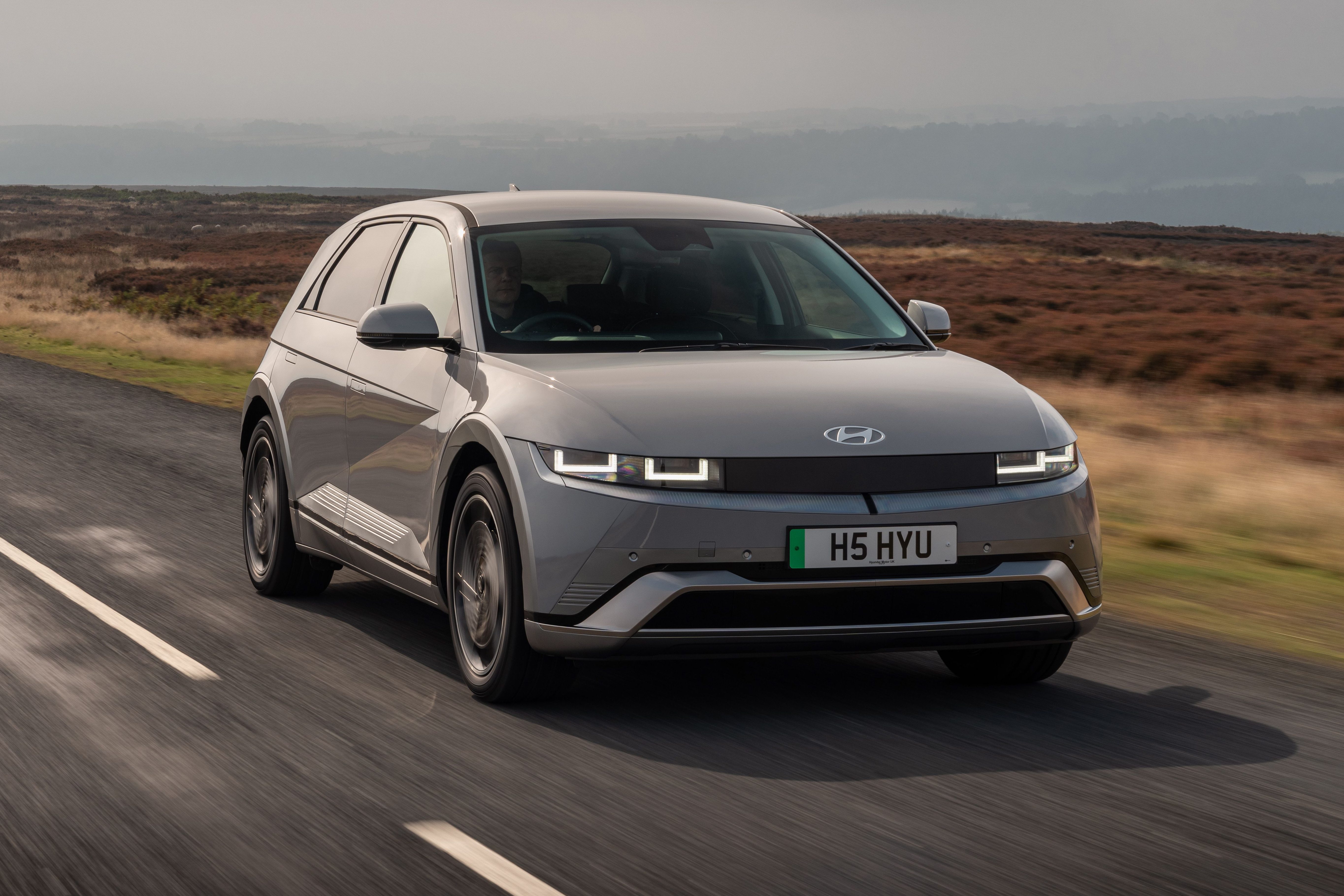
Hyundai has made a head-up display available on higher-specification versions of the Hyundai Ioniq 5, and it rivals systems found in far more expensive premium cars.
The augmented reality navigation is impressive, placing directional arrows directly into the driver's view while also displaying speed limits, safety alerts and navigation. The system works well with Hyundai's driver assistance technology, helping reduce the amount of time drivers spend looking away from the road.
Along with the Ioniq 5's relaxed driving feel and spacious cabin, the head-up display feels like a natural fit for long-distance family journeys.
Kia EV9
.jpg)
The Kia EV9 is packed with technology, and its augmented reality head-up display is one of the highlights. Large, clear graphics make navigation particularly easy, while the system displays information from the adaptive cruise control, blind spot monitoring and speed limit recognition systems.
Despite the sheer amount of technology on board, the display never feels distracting. Instead, it prioritises the information that's most useful at that moment, helping drivers stay focused on the road ahead.
For families covering long distances, it adds another layer of convenience to what is already one of the most accomplished electric SUVs on sale.
Peugeot 3008
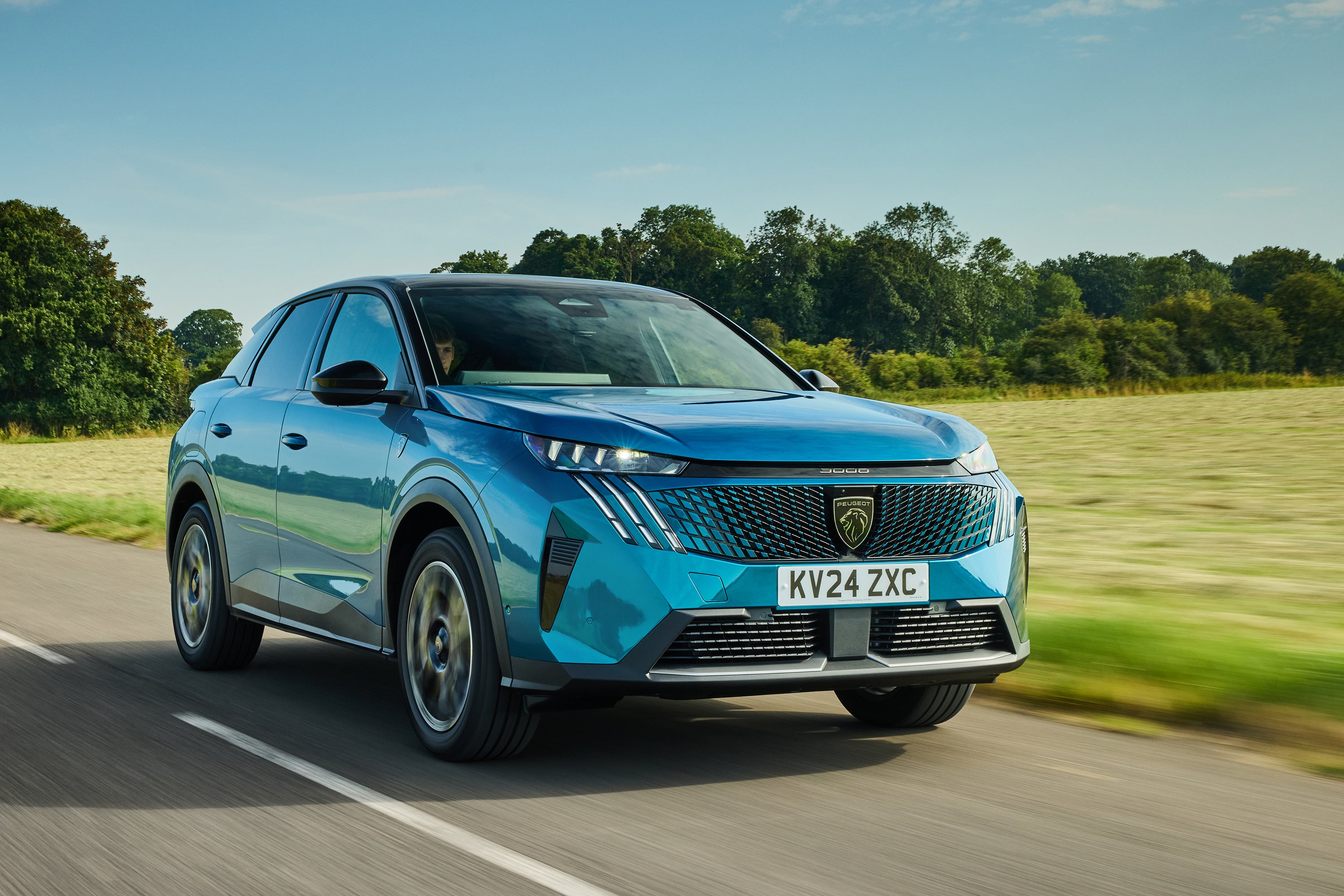
Peugeot takes a slightly different approach in the Peugeot 3008 by combining its i-Cockpit layout with an elevated digital instrument display and available head-up display technology.
The result is a cabin that feels futuristic without becoming difficult to use. Navigation prompts, speed information and safety alerts are presented clearly, while the compact steering wheel helps ensure the display remains unobstructed.
Drivers who enjoy modern cabin design will find the Peugeot's approach refreshingly different from many rivals.
Mazda CX-60
.jpg)
Mazda's head-up display reflects the brand's philosophy of simplicity and driver focus in the Mazda CX-60. Rather than overwhelming the driver with unnecessary information, it concentrates on the essentials: speed, navigation, traffic sign recognition and safety alerts.
The graphics are crisp, visibility is excellent and the system integrates neatly into one of the best-built interiors in its class. Combined with comfortable seating and excellent refinement, the CX-60 proves that a well-executed head-up display doesn't need flashy graphics to improve the driving experience.
How does a head-up display work?
Although the display appears to float in front of you, the technology is surprisingly straightforward. A projector mounted inside the dash projects an image onto either the windscreen or a flip up transparent screen. Sophisticated optics then adjust the image so it appears several metres ahead of the vehicle rather than directly on the glass.
Most systems automatically adjust brightness depending on ambient light, so the display remains clear in bright sunshine while avoiding being too bright after dark. Drivers can usually customise which information is shown, allowing you to prioritise navigation, speed or safety systems.
Some cars also allow you to adjust the height and position of the display to suit different driving positions, ensuring the information remains directly within your natural field of vision.
Because everything is projected electronically, manufacturers can continue adding new functions through software updates as infotainment systems become more advanced.
What is an augmented reality head-up display?
Augmented reality (AR) takes the concept further. Rather than simply displaying information in front of the driver, AR systems overlay graphics onto the outside world. Navigation arrows appear to sit directly on the road ahead, while lane guidance shows exactly where you should be when approaching junctions.
This makes directions far easier to follow than conventional navigation because you're looking at the road itself rather than a separate map. Many systems also use augmented reality to display hazard warnings, highlight vehicles being tracked by adaptive cruise control and identify pedestrians or cyclists.
Volkswagen Group has been one of the pioneers of this technology. Cars such as the Volkswagen ID.7 use an augmented reality head-up display that places navigation prompts into the driver's field of view.
As processors become more powerful and cameras more sophisticated, augmented reality is likely to become one of the defining technologies of the next generation of vehicles.
Is a head-up display worth paying extra for?
For many buyers, a head-up display quickly becomes one of those features they wouldn't want to be without.
Unlike some optional extras that rarely get used, a HUD is something you'll benefit from every time you drive. It makes it easier to monitor your speed, follow navigation instructions and react to changing speed limits without constantly glancing away from the road.
Drivers who regularly cover long motorway journeys often appreciate them, while anyone who drives in unfamiliar towns and cities will find navigation instructions much easier to follow.
That said, it's probably less important if you mainly make short local journeys where you're already familiar with the roads. If you're choosing between two otherwise identical cars, we'd generally recommend selecting the one fitted with a head-up display. It's one of the few technology options that delivers genuine day-to-day benefits rather than simply adding another screen.
What this means for you
A head-up display might seem like a luxury at first, but it's one of those features that quickly becomes indispensable. By keeping important information within your natural line of sight, it helps reduce distraction, makes navigation easier to follow and contributes to a more relaxed driving experience.
A good head-up display is well worth looking for. If it's available within your budget, we'd recommend adding it to your shortlist – it genuinely improves everyday driving in a way that many optional extras simply don't.
Polarised lenses are designed to cut out horizontal light reflections, which is exactly how an HUD works. While you can still see the display, it may appear significantly dimmer. Most VWG cars allow you to adjust the brightness and rotation of the HUD in the settings to help mitigate this.
Yes. If you find the projection distracting, you can turn it off entirely via the infotainment menu. You can also adjust the height and brightness to suit your seating position.
In 2026, it is available as an option or standard on most models from the Polo upwards. However, the advanced Augmented Reality HUD is currently exclusive to the electric ID. range and certain new Audi e-tron models.
Actually, HUDs are even clearer at night because of the high contrast against the dark road. In heavy rain or fog, the display remains perfectly legible, providing a helpful reference point when visibility is poor.
A standard HUD displays information in your line of sight, while an augmented reality (AR) system projects graphics that appear to sit on the road ahead. This makes navigation and lane guidance easier to understand, especially at complex junctions.