Mazda CX-60 Review

Written By Andrew Brady
- 2022
- SUV
- Plug-in hybrid, diesel
What we love
Looks smart and expensive
Interior is genuinely classy
Strong value against premium-badge rivals
Things to consider
Some buyers will still want a premium badge
PHEV is not the smoothest in the class
Ride can feel firm on larger wheels
The DRIVE take on the Mazda Cx 60, is it the right car for you?
The Mazda CX-60 is a strong choice if you want a large SUV that feels premium without defaulting to an Audi, BMW or Mercedes-Benz. It looks the part, the cabin is excellent and the standard equipment is generous.
It is not as polished as the best premium rivals in every area, especially in plug-in hybrid form, and it is a five-seat SUV rather than a seven-seat family bus. But if you want something stylish, upmarket and a little less obvious than the class default picks, the CX-60 is easy to recommend.
The Mazda Cx 60 in more detail
The CX-60 is one of Mazda’s clearest attempts yet to move into genuinely premium territory. It sits in the middle of the large SUV market, taking on cars such as the Audi Q5, BMW X3, Mercedes-Benz GLC, Lexus NX and Volvo XC60, but it does so in a very different way from most of them.
That difference starts with the hardware. While many rivals rely on small-capacity turbocharged engines and familiar plug-in hybrid formulas, Mazda has chosen a more unusual route. The PHEV combines a 2.5-litre naturally aspirated petrol engine with an electric motor, while the diesel uses a 3.3-litre six-cylinder mild-hybrid setup. That immediately gives the CX-60 a character of its own in a class where many SUVs can feel mechanically interchangeable.
The broader appeal is easy to understand. The styling is clean and expensive-looking without being fussy, the interior is among the best in the class for quality and design, and the standard equipment count is strong enough that even the entry model feels properly complete. Mazda is not pitching the CX-60 as a bargain alternative, but it still undercuts many obvious premium-badge rivals while delivering a lot of what buyers want from them.
There are a few caveats. The PHEV is quick and can cover just under 40 miles on electric power alone, but it is not the smoothest plug-in hybrid when the petrol engine and motor are working together. The chassis is tidy and there is more steering feel than in many rivals, but the firmer setup means it can feel a little restless over poor surfaces. So while the CX-60 is highly appealing, it is not the most polished car in the class.
Even so, the overall package is very convincing. For buyers who want a classy, upmarket SUV with some individuality and without the most obvious badge choice, the CX-60 stands out for the right reasons.
What's the best Mazda Cx 60 trim and engine option?
The majority of Mazda CX-60 buyers will go for plug-in hybrid power, especially if it's a company car deal.
All Mazda CX-60 models are well-equipped, so there isn't necessarily any justification to spend the extra cash on a Homura or Takumi model unless you just like the plush finishes. Standard equipment on the Mazda CX-60 Exclusive-Line includes black leather seats, a heated steering wheel and a 12.3-inch nav system as well as 18-inch alloy wheels, LED headlights and a reversing camera.
What’s the price of the Mazda Cx 60?
The Mazda CX-60 PHEV Exclusive-Line starts at £46,945 OTR, while current Mazda UK retail offers show the CX-60 PHEV Homura Plus from £52,895 OTR.
That still leaves the CX-60 looking competitive in context. It is not a cheap SUV, but it gives you a lot of equipment and a very high-quality cabin for less money than many premium-badge rivals.
The broader point is that the Mazda feels expensive in a good way. It does not rely on being a bargain to make sense.
Alternatives to the Mazda Cx 60
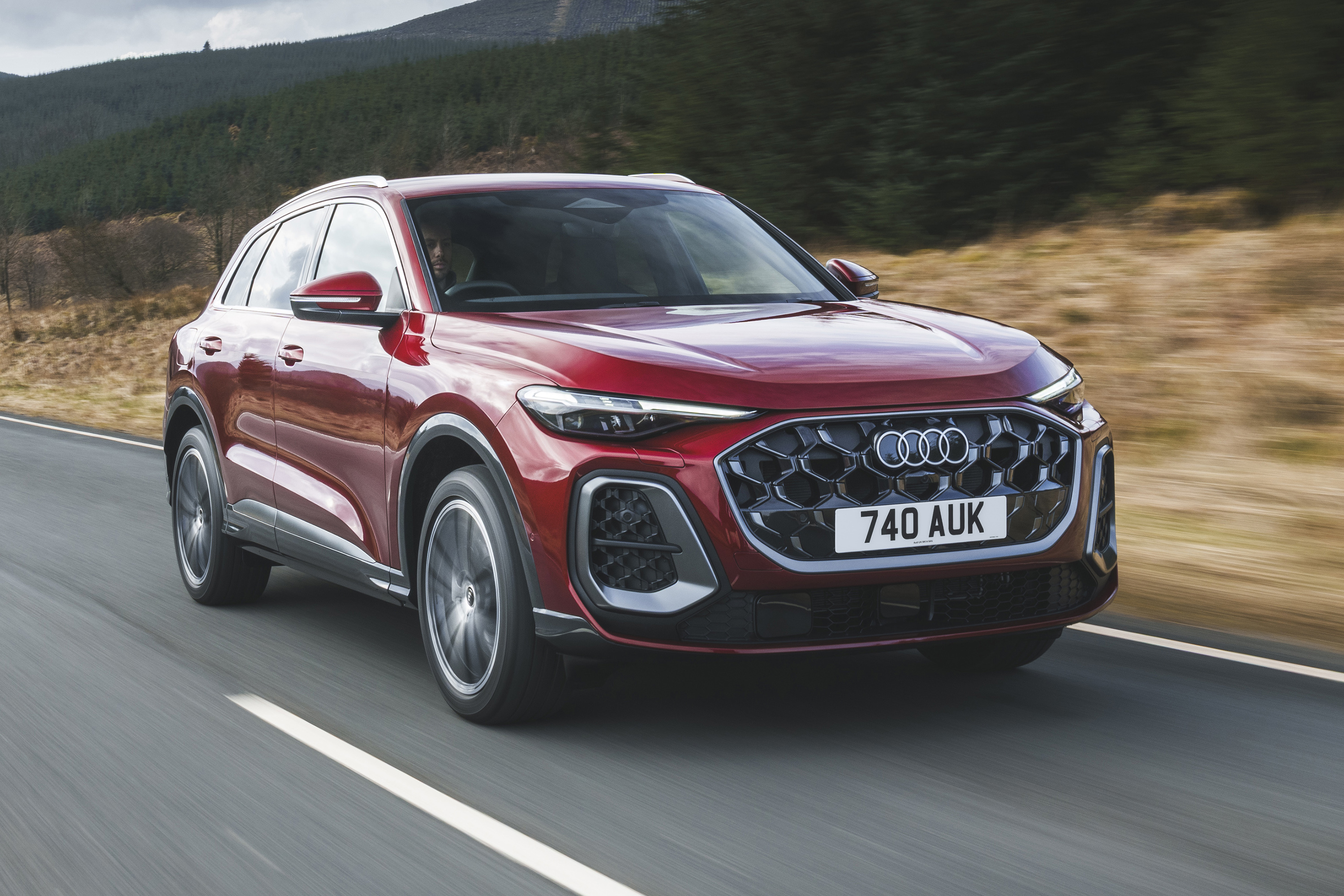
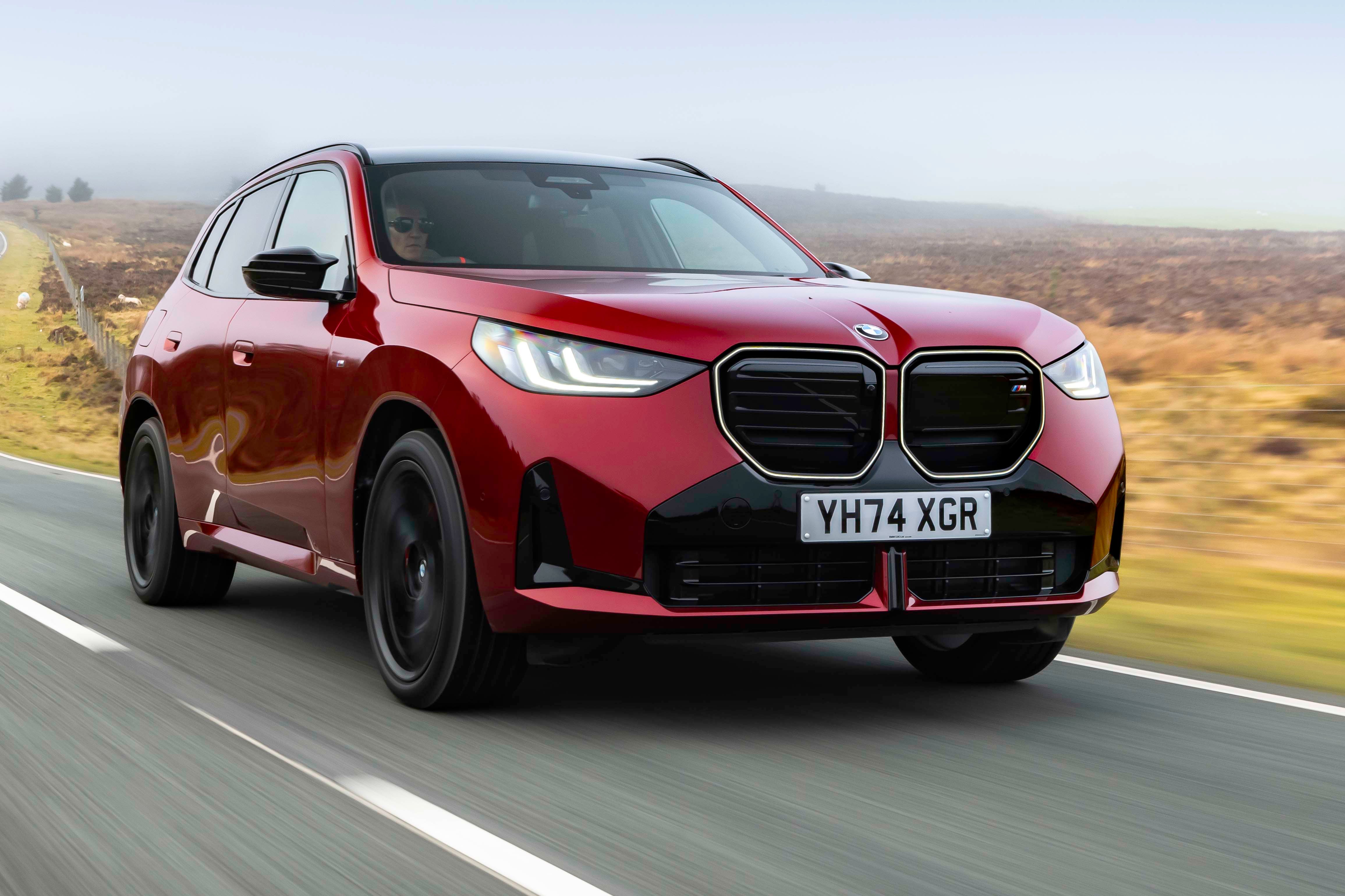
The Mazda CX-60 is locking horns with premium SUVs - notably plug-in hybrid versions of the Audi Q5, BMW X3, Mercedes GLC, Lexus NX and Volvo XC60 to name a few. Badge snobs won't understand the attraction of the CX-60 but it's certainly as impressive as premium alternatives in terms of interior quality, while even top-spec models are relatively affordable.
More mainstream competitors include the Ford Kuga, Toyota RAV4 and Hyundai Sante Fe - all of which are available with plug-in hybrid power.
What's the interior like in the Mazda Cx 60?
The CX-60’s cabin is one of its biggest strengths. It feels big, classy and thoughtfully designed, with excellent material quality and a welcome refusal to bury every function in a touchscreen.
Mazda Cx 60 boot space and practicality
The CX-60 does a good job on practicality, even if it is not the roomiest large SUV in the wider market. The 570-litre boot is a strong figure for a five-seat SUV and compares well with most premium rivals, while folding the rear seats expands capacity to 1,726 litres. The boot itself is usefully square and the wide opening makes loading awkward items less of a chore.
Compared with some obvious alternatives, the Mazda lands in a sensible middle ground. It offers more than enough space for family life and longer trips, but it is not as naturally versatile as something like a Skoda Kodiaq and it does not offer seven seats. Against premium five-seat rivals such as the Audi Q5 and BMW X3, though, its luggage space and general family usability are right where they need to be.
Rear-seat accommodation is also strong. Two adults fit comfortably with good head and knee room, and the rear backrests can be reclined between two positions. The middle seat is noticeably narrower than the outer pair, so carrying three abreast is possible rather than ideal, but that is true of a lot of SUVs in this class.
Up front, the CX-60 feels especially spacious. The seats are big and supportive, the centre console is wide and there is plenty of everyday storage. It is a cabin that feels designed for longer journeys rather than just the school run.
Mazda Cx 60 dimensions
The Mazda CX-60 measures 4,745mm in length, 2,134mm wide including mirrors and 1,675mm high.
That makes it Mazda’s biggest SUV in the UK, although it remains a five-seater rather than a three-row family car.
Tech and infotainment in the Mazda Cx 60
We've long been fans of the way Mazda goes about providing infotainment and the CX-60 doesn't disappoint here. The 12.3-inch widescreen infotainment screen isn't the focus of the cabin, but it is handily positioned high up the dashboard - so you can glance at it on the move without it being too much of a distraction.
The digital display is controlled using a physical control on the centre console, which is intuitive to use and feels much less clumsy (and potentially dangerous) than trying to use a touchscreen display on the move.
The graphics are sharp and the menus are easy to operate, while all Mazda CX-60 trim levels come with wireless Apple CarPlay and Android Auto. That means you can connect your phone to the car and access third-party apps like Google Maps and Spotify through the digital infotainment system.
Pleasingly, Mazda shuns the minimalist approach to interiors so, as well as the rotary controller for navigating the infotainment system, you also get old-school knobs and buttons for adjusting the climate control or cranking up the volume. As well as being sensibly laid out, these look neat and unfussy, while feeling pretty posh to use (if a button can feel posh...).
All Mazda CX-60 models come with a sharp 12.3-inch digital instrument cluster which is fuss-free, although not as configurable as, say, Audi's Virtual Cockpit. Music fans might want to look for a CX-60 Homura or Takumi as these come with a fancy 12-speaker Bose surround-sound system which sounds pretty impressive to our untrained ears.
Materials available on the Mazda Cx 60
The CX-60’s material quality is excellent. The cabin feels carefully assembled, the switchgear is satisfyingly solid and even the lesser trims look and feel properly upmarket.
Takumi is the one that really shows off Mazda’s craftsmanship, with white Nappa leather, maple wood and fabric detailing, but even the entry-level car feels expensive enough to justify the CX-60’s positioning.
What's the Mazda Cx 60 like to drive?
The CX-60 is more engaging than some large SUVs, with sharp steering and a slightly rear-biased feel, but it is not the most polished car in the class. The balance is more Mazda than it is comfort-first luxury SUV.
Mazda Cx 60 range and performance
The Mazda CX-60 comes with plug-in hybrid power. It's the brand's first PHEV, combining a 2.5-litre petrol engine with an electric motor to power to all four wheels. In total, the Mazda CX-60 PHEV produces 327PS and a fairly significant 500Nm of torque. As a result, it feels quick for an SUV of this size, the electric motor providing urgent acceleration off the line. Officially, it'll sprint to 62mph in just 5.8 seconds - quicker than a BMW X3 xDrive30e or Lexus NX450h+.
There are two diesel options on the Mazda table - a rear-drive only with a 200PS version of the 3.3D mild hybrid motor, or a 254PS version that comes with four-wheel drive. We've only driven the all-wheel drive model, which is smooth and refined, but the ride is not as polished as we'd like.
Both Mazda CX-60 models use an eight-speed automatic gearbox which transitions between gears cleanly enough, while the petrol engine kicks in and out relatively smoothly when necessary. It's not seamless, though - you might notice the occasional jerk as the petrol and electric motors attempt to work together.
As with most PHEVs, the Mazda CX-60 is at its most pleasant with a fully-charged battery. Even in electric mode, though, it makes a surprising amount of whirring and whooshing noises.
Performance data
| Model | Engine/battery size | Power | 0-62mph | Range/MPG |
|---|---|---|---|---|
CX-60 PHEV | 2.5-litre | 327PS | 5.8 seconds | Up to 39.77 mile EV range |
CX-60 3.3D | 3.3-litre | 200PS | 7.4 seconds | Up to 55.4mpg |
CX-60 3.3D AWD | 3.3-litre | 254PS | 7.4 seconds | Up to 51.4mpg |
Mazda Cx 60 driving and refinement
The CX-60 is different from the CX-5 because the latter is a front-wheel drive car made four-wheel drive, while the former drives more like a rear-wheel drive car at its heart (although the PHEV and more potent diesel are four-wheel drive). In that way it's similar to the BMW X3 and Mercedes-Benz GLC, in theory offering a more sporting approach.
True to Mazda form, you get sharp, communicative steering which will appeal to buyers trading in their MX-5 sports cars for a family SUV. It doesn't roll about too much in the bends, either, but that does come at the expense of ride quality. The PHEV batteries mean it's quite a heavy SUV so it does thump a bit over broken road surfaces, especially when specced with the larger 20-inch alloy wheels. The diesel is smoother in this respect but pitches more in corners.
Unfortunately for the Mazda, there are no shortage of family SUVs that are great to drive. We reckon the BMW X3 strikes a near-perfect balance of comfort and agility, while the Ford Kuga feels just as sharp as the CX-60. The CX-60 is much more entertaining than the pretty staid Toyota RAV4 or Hyundai Santa Fe, though, and it'll be interesting to see if the lighter petrol and diesel models impress more.
Forward visibility is excellent, but the Mazda CX-60 feels its size when you attempt to reverse it into a tight parking space. Fortunately tech is your friend here... all CX-60 models come with a high-resolution reversing camera as standard as well as parking sensors for the front and rear. Simple things like chunky door mirrors come in handy, too, while the Rear Cross Traffic Brake system (available as part of the optional Driver Assistance Pack) will apply the brakes if it detects a potential collision when you're reversing out of a space.
How safe is the Mazda Cx 60?
No matter which trim level you go for, the Mazda CX-60 should feel like a safe family SUV. The sheer size of the CX-60 plus its lofty seating position means you feel anything but vulnerable on the road. It comes with an extensive list of driver-assist and safety systems, too, including a Hill Decent Control system (which controls the car's speed when descending a steep or slippery slope) as well as a Driver Attention Alert feature which pings when you're not paying as much attention as you should be.
For the ultimate suite of driver-assistance tech, you'll need a CX-60 with the optional Convenience and Driver Assistance Pack. This adds adaptive LED headlights, Front Cross Traffic Alert, Rear Cross Traffic Brake, Rear Smart City Brake Support, radar cruise control and a towing mode. It also come with a 360-degree parking monitor.
The Mazda CX-60 was awarded five stars for safety when it was crash-tested by Euro NCAP in 2022.
Running costs: What it's like to live with a Mazda Cx 60
Running costs depend heavily on which version you choose and how you use it.
Mazda Cx 60 fuel economy
The PHEV can be very cheap to run if you charge it regularly and keep most journeys within its electric range. Mazda still quotes 201.8mpg officially, but as ever with a plug-in hybrid, that only really makes sense if the battery is kept topped up. Mazda quotes charging from 10 to 80% in around 1 hour 30 minutes on a 7kW wallbox, while a domestic three-pin plug can fully recharge it in less than five hours.
That makes it easy enough to keep topped up at home, which is exactly how most owners will use it.
The diesels are easier to understand in real-world terms. Mazda quotes up to 55.4mpg for the 200PS diesel and up to 51.4mpg for the AWD 254PS version. That makes them appealing for drivers who do big motorway mileage or tow regularly.
Mazda Cx 60 warranty and servicing
New Mazda CX-60s registered from 1 September 2025 come with a six-year/100,000-mile manufacturer warranty, replacing the previous three-year/60,000-mile cover. That is a significant improvement and gives the CX-60 a much stronger ownership proposition than before.
Servicing is due every 12 months or 12,500 miles, whichever comes first. That is fairly conventional for the class, but the longer warranty means staying on top of the maintenance schedule matters if you want to retain the full benefit of Mazda’s cover. For buyers planning to keep a CX-60 for several years, the combination of longer warranty protection and predictable servicing intervals adds useful reassurance.
Mazda Cx 60 insurance groups
Insurance groups run from 33 for the lower-powered diesel in Exclusive-Line trim up to 39 for the pricier PHEV versions. That is broadly in line with what you would expect for a large SUV of this value and performance.
How much does it cost to tax a Mazda Cx 60?
The CX-60 pays the standard annual VED rate of £200 after registration. Because its list price sits above £40,000, it is also liable for the Expensive Car Supplement of £440 in years two to six, making the annual total £640 in that period.
What trims are available with the Mazda Cx 60?
The CX-60 range is built around Exclusive-Line, Homura and Takumi, with Plus variants also appearing in the current UK walk-up. The core logic of the line-up is straightforward, though, and each version has a clear role.
Exclusive-Line is the value-led entry point, but it hardly feels basic. Standard equipment includes 18-inch alloy wheels, LED headlights with high-beam control, front and rear parking sensors, a reversing camera, black leather seats, heated front seats, a heated leather-wrapped steering wheel, a 12.3-inch digital instrument cluster, a 12.3-inch navigation system, wireless Apple CarPlay and Android Auto, dual-zone climate control, a head-up display, blind-spot monitoring, lane-keep assist, traffic sign recognition and keyless entry. It is one of those rare entry models that already feels properly complete.
Homura shifts the CX-60 in a sportier, slightly more assertive direction. It adds 20-inch black alloy wheels, gloss black exterior detailing, ambient cabin lighting, electric adjustment for both front seats, electric steering-wheel adjustment, ventilated front seats, heated outer rear seats, Mazda’s Driver Personalisation System and the Bose surround-sound system. It is the trim that best suits buyers who want the CX-60 to feel more overtly premium day to day without moving into the most decorative version of the range.
Takumi is the luxury-led flagship. Externally it is a little more elegant than Homura, but the big difference is inside, where it gets white Nappa leather, white maple wood, cloth dash detailing and brighter interior trim. This is the version that really leans into Mazda’s premium aspirations and shows just how good the CX-60’s cabin can be. It feels special in a way that many rivals at this sort of price do not quite manage.
The current Plus versions build on these core grades rather than replacing them outright, so the range is now broader than the original three-grade structure. Even so, the basic recommendation stays the same: Exclusive-Line is the strongest value buy, Homura is the sporty luxury pick and Takumi is the indulgent one.
Ask the Drive experts: common questions
How much does the Mazda CX-60 cost?
What’s the maximum electric range of the Mazda CX-60 PHEV?
Is the Mazda CX-60 practical?
What is the best Mazda CX-60 version?
Get our latest advice, news and offers
Keep me updated by email with the latest advice, news and offers from Drive.
.jpg)
.jpg)