Audi Q7 Review

Written By David Ross
- 2026
- SUV
- Diesel
What we love
Seven genuinely useful seats and a spacious, flexible cabin
Strong diesel engine with plenty of pulling power
Air suspension and rear-wheel steering included as standard
Things to consider
Large dimensions make narrow roads and parking more challenging
A starting price of more than £80,000
Many everyday functions rely on touchscreens
The DRIVE take on the Audi Q7, is it the right car for you?
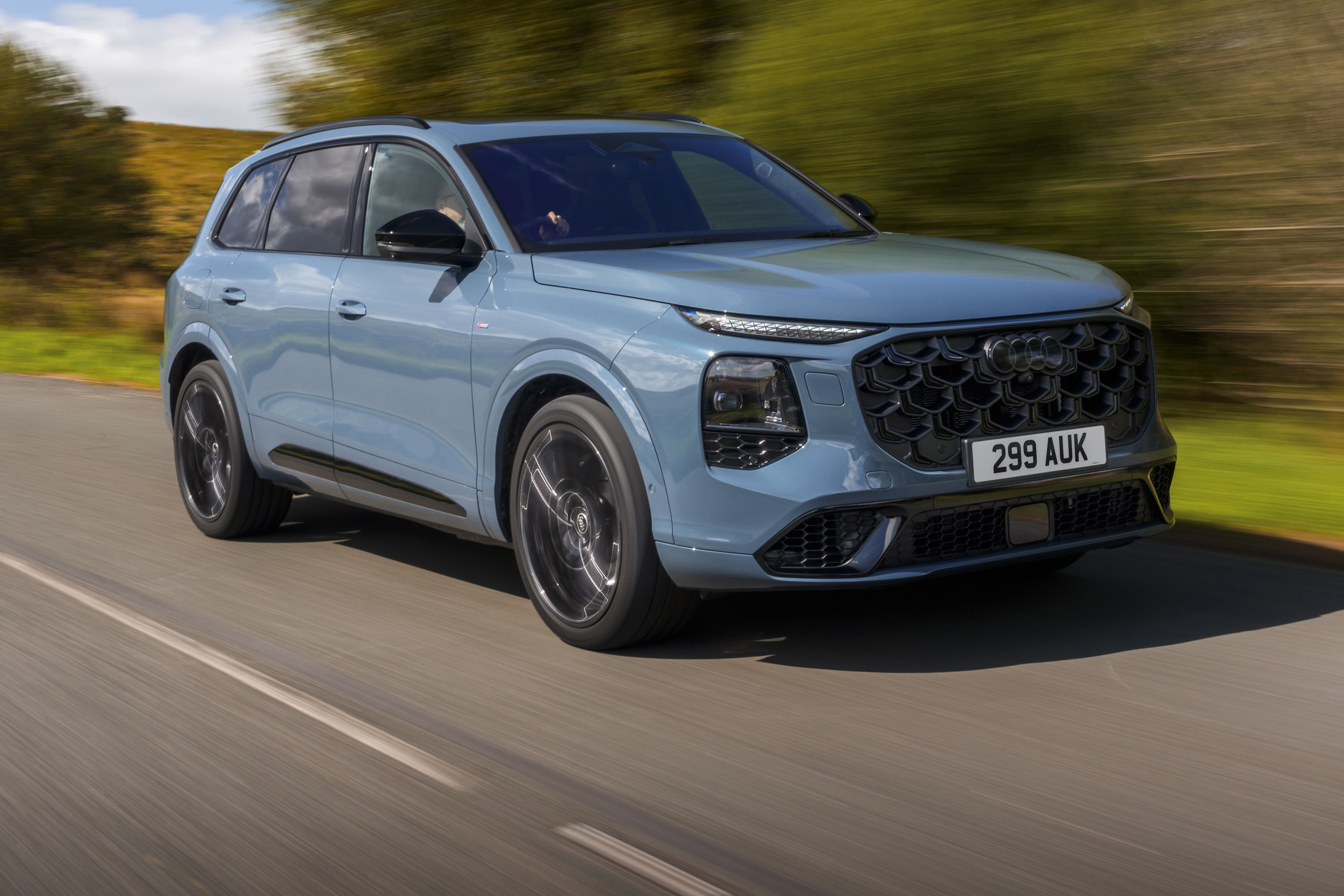
The Audi Q7 has always been at its best as a big, comfortable family car that happens to wear a posh badge. This all-new, third-generation model sticks to that formula, but adds more space, a smarter interior and some useful technology designed to make a very large SUV easier to live with.
There is plenty to like. Seven seats are standard on UK cars, the boot is enormous when the rearmost seats are folded away plus every version comes with air suspension and a system that turns the rear wheels slightly to make parking and manoeuvring easier. These are useful features on a car of this size, rather than expensive extras that you'll rarely use.
The engine choice is straightforward. At launch, there's just one - a 3.0-litre six-cylinder diesel producing 299PS, with an automatic gearbox and four-wheel drive. It gives the Q7 the sort of effortless performance that suits a big family SUV, particularly when you have a car full or are towing the family caravan.
There is, however, a substantial price to pay. With the S line starting at £82,560, the Q7 has moved into territory where buyers can reasonably expect an exceptional car. Fortunately the Q7 hits the mark despite strong competition from the likes of the Volvo XC90 which is similarly priced.
The Q7's size is another consideration. This is a substantial vehicle and although its clever steering system should make tight manoeuvres easier, it won't suddenly become a small car when you're squeezing into a supermarket parking space.
There is also the question of how much technology you really want. The new dashboard looks impressive, with a sweeping arrangement of screens and a separate display for the front passenger. But there is a difference between a car looking modern and being straightforward to operate. Physical buttons remain easier to find without taking your eyes off the road.
Nevertheless, the Q7 makes a convincing case for families who regularly need six or seven seats, travel long distances and want something that feels properly luxurious. The real question is whether you need the expensive versions. On paper, the entry-level S line already has most of the equipment that makes this new Q7 appealing.
The Audi Q7 in more detail
This is the third generation of Audi's big family SUV. The original arrived in 2005 and the Q7 has since become a familiar sight outside schools, on motorways and towing everything from horseboxes to large caravans.
The new model has a more upright shape with a flatter roofline and a taller-looking front end. That styling won't be to everyone's taste but it nonetheless looks expensive and imposing, we especially like the illuminated grille on top of the range models.
More importantly, the changes to the body have created better space inside. Audi has focussed on making the second and third rows easier to use, which is surely the key feature in a big family SUV.
The middle seats can move forwards and backwards electrically, while a clever arrangement allows access to the third row without having to remove child seats from the middle bench. Anyone who has wrestled with child seats while trying to let somebody into the back will appreciate the thinking behind that.
Audi has also made some sensible decisions about the UK specification. All UK Q7s get seven seats, air suspension and rear-wheel steering. The last two features are particularly welcome because they address the compromises that come with owning such a large vehicle.
There are more expensive models in the line up with elaborate lighting, massage seats and an upgraded sound system. They're neat touches that lift this above the ordinary, but the Q7's main appeal remains its ability to carry a family in comfort.
What's the best Audi Q7 trim and engine option?
For most buyers, we'd start with the Q7 S line. It gets the same 299PS diesel engine as the more expensive versions, along with seven seats, four-wheel drive, air suspension and rear-wheel steering. You also get 20-inch alloy wheels and advanced LED headlights.
That is already a generous specification and it includes the features most likely to make a difference to everyday driving.
Edition 1 adds larger 22-inch wheels, upgraded front seats with heating, ventilation and massage functions plus some different interior detailing. The extra comfort equipment is appealing, particularly for people who spend hours on the motorway, but it comes with a sizeable increase in price.
Vorsprung sits at the top of the range. It brings 23-inch wheels, more elaborate headlights, an upgraded sound system and a panoramic glass roof that can turn opaque at the touch of a button.
It's an impressive collection of equipment, but it's difficult to make a strong value argument for the flagship model. Large wheels can also make replacement tyres more expensive, and they're not necessarily what we'd choose for a car whose main purpose is keeping its occupants comfortable.
Our choice would be the S line, with carefully selected options if there's something you particularly want.
What’s the price of the Audi Q7?
With prices starting at £82k, the new Audi Q7 is a significant investment, even by luxury SUV standards. From launch the Audi Q7 S line is £82,560 with the Audi Q7 Edition 1 priced at £89,860 and the top Audi Q7 Vorsprung costing £102,560.
The difference between S line and Vorsprung is £20,000 which is a considerable amount to spend on additional luxury equipment when the cheaper car has the same engine and much of the same technology.
It's also worth considering the cost of financing or leasing. A higher list price doesn't always translate directly into a higher monthly payment, because finance terms and predicted future values also matter. If you're comparing, remember to look at the deposit or initial rental, contract length, mileage allowance, fees and any final payment.
If you want the size of a Q7, you can also look at the previous generation. There are plenty of used Audi Q7s for sale on the secondhand market. These won't have the new interior or all the latest features, but they could offer a hefty saving while retaining the qualities that makes the Q7 popular in the first place.
Alternatives to the Audi Q7
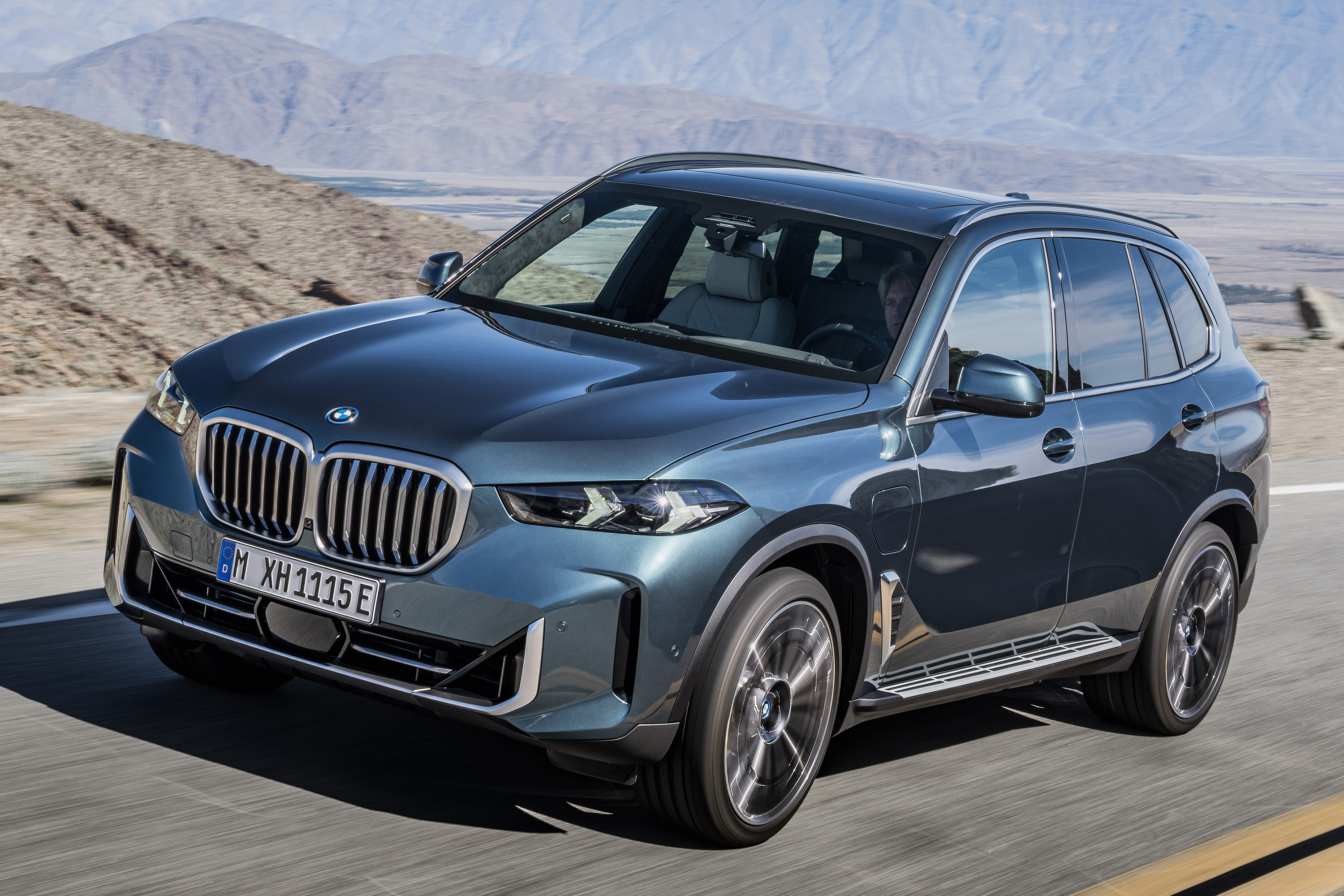
The most obvious rival is the BMW X5. It's an ideal choice if driving enjoyment matters as much as comfort, with a more engaging feel than many large SUVs. The sticking point is that the X5 isn't a seven-seater, so if you regularly need a third row will have to look elsewhere.
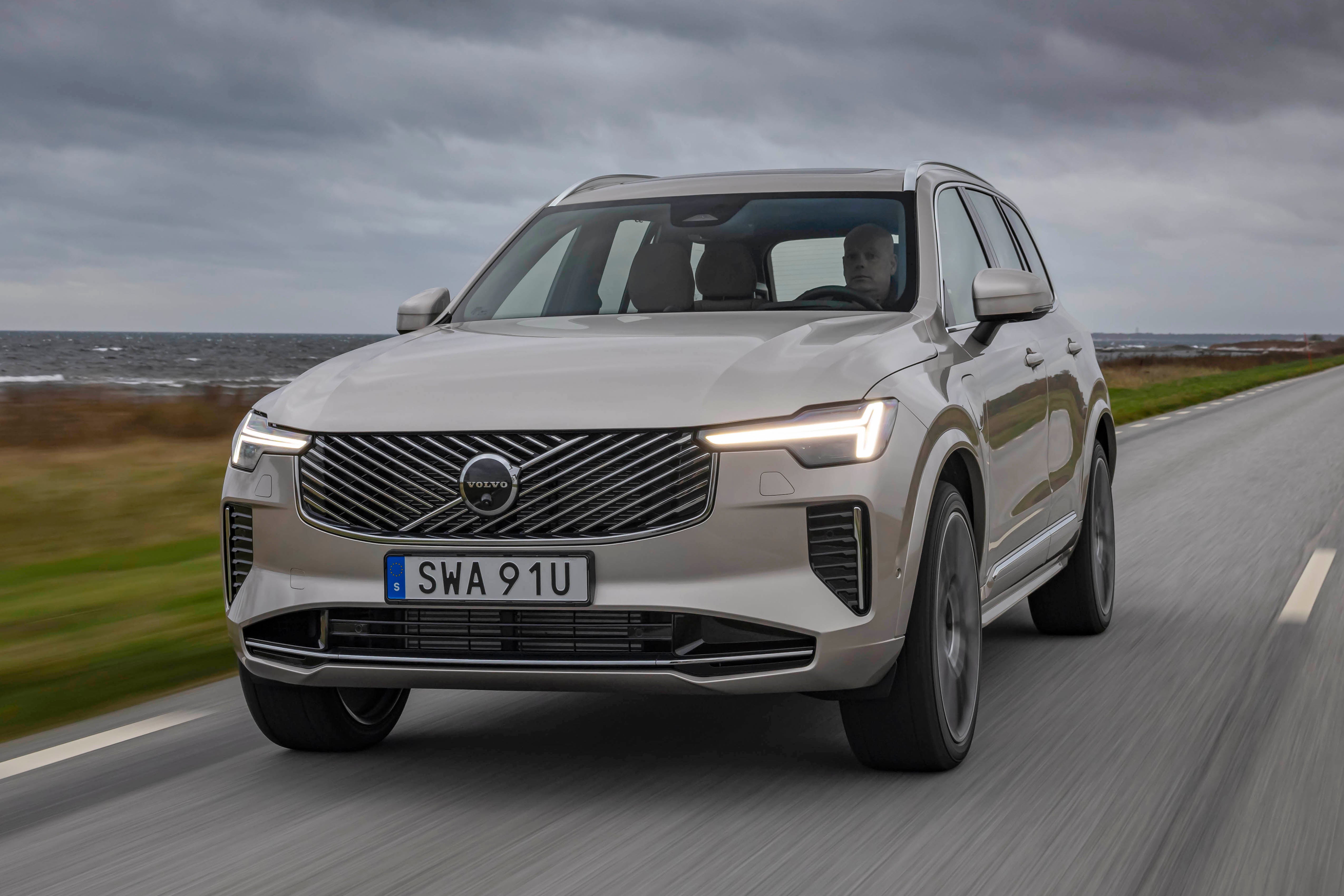
The Volvo XC90 is another strong alternative. It offers seven seats, a comfortable cabin and an understated design that will appeal to those wanting something a little less in your face. It's also available as a petrol-based plug-in hybrid rather than a diesel mild hybrid.
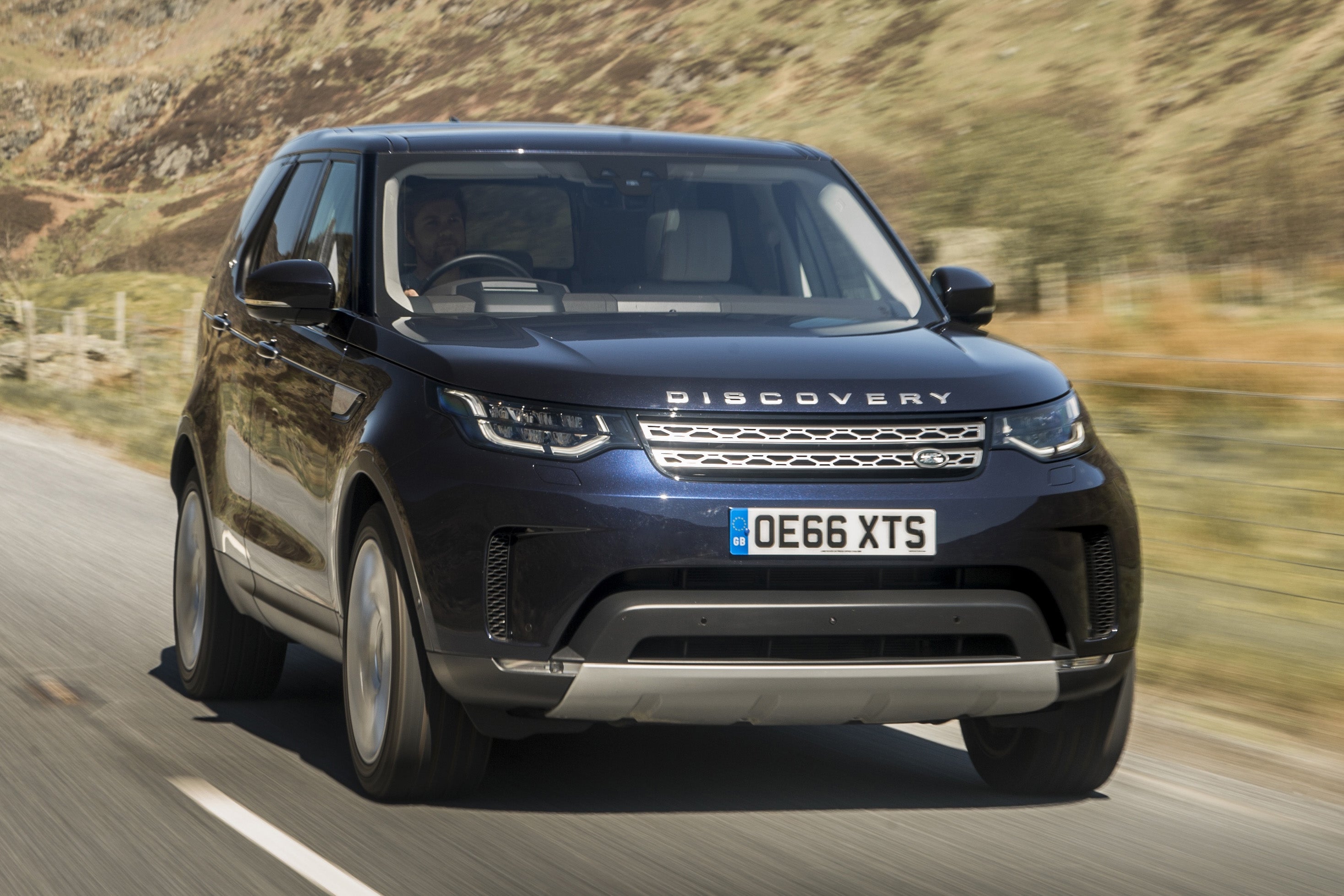
Then there's the Land Rover Discovery. Like the XC90, It may not be the newest design but its seven-seat layout and versatile interior make it an excellent family vehicle, particularly for anyone who tows or regularly ventures off road.
What's the interior like in the Audi Q7?
The new Q7's cabin has been designed around space, comfort and technology. There's room for seven people, plenty of useful storage and a dashboard dominated by screens. The important improvement, though, is how Audi has made the seats and luggage area flexible.
Audi Q7 boot space and practicality
Practicality has always been one of the Q7's strengths and the new model builds on that. With the third row of seats folded away, the seven-seat version has 722 litres of boot space. That's enough for several large suitcases, a bulky pushchair or the sort of luggage that you need for a family holiday. Fold the middle row as well and capacity increases to 1980 litres. A powered tailgate is standard and there's an optional arrangement of rails and fittings to help secure smaller items in the boot.
The middle seats can be moved electrically, allowing you to adjust the balance between legroom and space for those sitting behind them. There's also a very useful feature for families with younger children in that the middle-row seats can tilt forwards to give access to the back without you having to remove any child seats first.
The middle bench is wide enough to accommodate three child seats side by side (according to Audi) which makes the Q7 unusual and ideal for families with three young children, although it's always worth checking that your specific child seats fit properly before buying...
The third row is useful as additional seating rather than a replacement for the middle seats. As with most seven-seat SUVs of this ilk, the amount of room available depends on how far forwards the middle seats are positioned.
Audi Q7 dimensions
Even by previous Q7 standards, the new Q7 is a large SUV and its size is worth thinking about before you commit. Its tall, upright body helps create the spacious interior, but the trade-off is a car that needs more room on narrow roads and in car parks than an ordinary family SUV.
The rear-wheel steering system is designed to help. At low speeds, the back wheels turn slightly in the opposite direction to the fronts, reducing the space needed to turn the car around. That should be particularly useful when parking on the school run or negotiating an old school multi storey car park.
The high driving position and camera systems do help when it comes to this but ultimately no amount of technology can change its physical width. If you're moving up from an Audi Q5 or Volkswagen Tiguan, it's worth taking a proper test drive on the roads you use most often. A car that feels manageable on a wide motorway can be rather less convenient on a narrow residential street.
Tech and infotainment in the Audi Q7
The new Q7's dashboard is a considerable departure from the previous model. A curved display stretches across the driver's side, combining the instruments with a large central touchscreen. There's also a separate 12.3-inch screen for the front passenger, which comes as standard. The arrangement looks sophisticated and gives the cabin a thoroughly modern appearance.
While it may look touchscreen heavy, Audi has listened to customer feedback and reverted to traditional buttons for many functions - like a simple volume dial for the stereo and traditional mirror controls. But not everything has escaped. For instance if you want to adjust the direction of the vents it's done through the touchscreen. Has anyone ever found moving a vent with their fingers difficult? As ever, just because you can change something, doesn't mean you necessarily should.
On the plus side, the Audi voice control system is pretty good and can deal with various things, reducing the need to work through menus. But as ever, the potential drawback - familiar from many modern Audis - is that with so much information and so many controls placed on screens, simple adjustments can become more complicated than they need to be.
The optional Bang & Olufsen sound system is good talking point though. It uses speakers in the headrests and can even make the front seats vibrate in time with the music. It's mighty impressive and a great party piece but whether it's worth paying extra for will depend on how much you value your in-car entertainment.
Materials available on the Audi Q7
The Audi Q7's interior is designed to feel more luxurious than ever before and it certainly succeeds - there's a choice of leather finishes, decorative trim and contrasting colours available. The dashboard has a clean, layered appearance, while the seats and door panels use a mixture of soft materials and carefully finished surfaces.
Edition 1 and Vorsprung models get more elaborate front seats, including ventilated massage functions which are incredible and some of the most effective we've tested. These are the sort of extras that can make long journeys more pleasant, particularly in summer when ventilated seats help keep occupants cool.
The larger panoramic roof is another popular option. There's no sliding shade but instead it can switch between clear and opaque glass in sections, so you can have the back clear for the children while the front half is shaded.
For everyday family use, however, the quality of the standard seating, the ease of cleaning the upholstery and the number of practical storage areas will matter more the extras. Here the Q7 really excels.
What's the Audi Q7 like to drive?
The new Q7 has been developed with comfort and long-distance driving firmly in mind. Its six-cylinder diesel engine offers plenty of power, while standard air suspension and rear-wheel steering are designed to make this large SUV feel more manageable.
Audi Q7 range and performance
At launch, the UK Audi Q7 comes with a 3.0-litre six-cylinder diesel engine producing 299PS. It's a strong engine for a substantial car and the ease with which it moves a fully loaded SUV is impressive. An eight-speed automatic gearbox is standard, as is Audi's four-wheel-drive system, which sends power to all four wheels when needed.
Compared with the previous Q7 it's more refined, quieter and gear changes are even smoother. Acceleration from 0-62mph is a decent 6.2 seconds helped by the 630Nm of pulling power which means performance is strong and effortless, something you'll appreciate when joining a fast dual carriageway from a short slip road.
Being a mild hybrid, there is also a small amount of electrical assistance. This helps the engine respond when pulling away and accelerating. You don't need to plug it in, the system works automatically as you drive. The transition between electric power and the diesel engine is almost imperceptible making this one of the smoothest diesels around town - there's no hesitating at roundabouts or junctions for the power to kick in.
Performance data
| Model | Engine/battery size | Power | 0-62mph | Range/MPG |
|---|---|---|---|---|
Q7 TDI quattro tiptronic | 3.0-litre | 299PS | 6.2 seconds | 35.7-38.2 mpg |
Audi Q7 driving and refinement
Comfort is where the Q7 excels. The previous model had a strong reputation as a relaxed motorway car and Audi has clearly tried to build on that. Air suspension is standard on UK versions so instead of relying only on conventional springs, it can adjust to the road and the weight being carried. The aim is to keep the car comfortable whether you're travelling alone or with seven people and a boot full of luggage.
The system can also change the height of the car in certain situations, while different driving settings allow the driver to choose between a softer or firmer set up. Despite the large wheels, the suspension deals very well with the sharp potholes, broken surfaces and uneven country roads familiar to British drivers. It's not quite as comfortable as a Volvo XC90 but it's pretty close.
Rear-wheel steering is another useful feature. As well as helping at parking speeds, it can turn the back wheels slightly in the same direction as the fronts at higher speeds to improve stability. Audi has also worked on the way the car responds when changing direction, with the intention of making it feel more controlled through bends.
None of this is likely to turn the Q7 into a sports car, nor should it. Buyers of SUVs generally want a car that feels secure, quiet and composed rather than one that encourages them to drive quickly.
The diesel engine suits long motorway journeys, where its pulling power makes getting up to speed effortless. And on the motorway you can really appreciate how well the Q7 isolates its passengers from road and wind noise, even when fitted with the biggest 23-inch alloys.
How safe is the Audi Q7?
The new Q7 comes with a lot of driver assistance features such as automatic emergency braking, warnings for vehicles approaching from the side or behind and a system that helps the driver maintain a safe distance from traffic ahead. There are also parking cameras and assistance systems that can help steer the car into a space.
Some of the systems are genuinely useful but others can be intrusive or annoying. Fortunately Audi makes it pretty easy to switch them off, although you have to do this at the start of every journey.
On higher-specification models, the Q7 can remember certain parking manoeuvres and repeat them automatically. This is useful for owners who regularly park in a particularly awkward driveway or garage.
The lighting technology is especially elaborate. Certain versions can project markings onto the road to help the driver judge their position, while the rear lights can display warning symbols. It's clever equipment, although the value of any safety system depends on how clearly it communicates with the driver without becoming distracting.
The Audi Q7 received the full five star rating when it was crash tested in 2026. Crash Protection was an impressive 88% while Safe Driving was rated at 72%. It is fitted with a centre airbag to protect against occupant-to-occupant injuries in a side impact. The airbag performed well in Euro NCAP's test, with good protection of the front seat occupants' heads.
Running costs: What it's like to live with a Audi Q7
The Audi Q7 is unlikely to be a cheap car to run. Its large diesel engine and substantial weight aren't a recipe for cheap running costs, but of course this is all relative. The diesel makes sense for drivers covering plenty of motorway miles, where it will be at its most economical. But buyers making mainly short local journeys may find a petrol full hybrid SUV more economical.
Audi Q7 fuel economy
The new Audi Q7's 3.0-litre diesel is designed to combine strong performance with reasonable economy for a vehicle of this size. The official figures for the 299PS version suggest between 35–39mpg, depending on the specification. This isn't particularly economical compared with a smaller family SUV, but it's a reasonable starting point for a large seven-seater with four-wheel drive.
If you regularly cover long distances, the diesel engine's ability to cruise efficiently could make the Q7 a sensible choice. If most journeys involve short trips through town, you'll be carrying around a large, expensive vehicle without making the most of its strengths.
Audi Q7 warranty and servicing
Audi's standard UK new-car warranty is generally three years or 60,000 miles, whichever comes first
The new Q7 follows Audi's fixed or flexible servicing schedule. On the fixed schedule, an oil service is due every 9300 miles or 12 months, whichever comes first. This is generally the better option for owners who mainly make short journeys, spend plenty of time in traffic or cover relatively few miles each year.
The flexible schedule allows up to 18,600 miles or two years between oil services. The car monitors the condition of its engine oil and will warn you if a change is needed sooner so the full interval isn't guaranteed. This is particularly useful for drivers covering regular motorway miles, which is where the Q7's diesel engine makes the most sense.
An inspection service is generally required every 18,600 miles or two years, while the brake fluid should also be replaced every two years. Other maintenance jobs, including changing the diesel fuel filter, air filter and potentially the gearbox or four-wheel-drive system oil, have their own requirements. These should be checked against the exact Q7's service schedule rather than assuming they're included in a routine service.
Audi offers servicing plans, which can make maintenance costs easier to budget for. However, items such as tyres, brake pads, AdBlue top-ups and additional maintenance jobs will cost extra.
Tyres are another cost worth considering. Even the S line comes with 20-inch wheels, while Edition 1 and Vorsprung use 22-inch and 23-inch wheels respectively. Replacing large, high-performance tyres can be very expensive, especially as being a quattro the advice is to replace all four at the same time.
Audi Q7 insurance groups
Both the S line and Edition 1 are in insurance group 49, while the range-topping Vorsprung sits in group 50, placing every version near the top of the UK insurance scale. This is pretty much on par with rivals like the Volvo XC90 and BMW X5.
The sensible approach is to compare insurance quotations for the S line, Edition 1 and Vorsprung before deciding whether the extra equipment is worth the additional purchase and potential running costs. Insurance won't necessarily change which Q7 you choose, but it should be part of the calculation rather than an unpleasant surprise after delivery.
How much does it cost to tax a Audi Q7?
The new Audi Q7 sits in the standard VED tax rate. For 2026/27, the annual rate is £200, with a further £440 expensive car supplement (as all Q7s cost more than £40k). That brings the total to £640 a year from the second through to the sixth year of registration. From the seventh year, it reverts back to the standard rate.
The first year's tax is different as it's based on the Q7's CO2 emissions. The S line produces 194g/km, the Edition 1 203g/km and the Vorsprung produces 206g/km so all three fall into the same tax band, meaning a first-year charge of £3420 under the 2026/27 rates.
What trims are available with the Audi Q7?
The UK Q7 range is refreshingly simple at launch. There are three versions – S line, Edition 1 and Vorsprung – and all use the same 299PS diesel engine. That means choosing a trim is largely a question of how much equipment you want rather than how much performance you need.
S line is where we'd start. Despite being the least expensive version, it comes with seven seats, air suspension, rear-wheel steering, 20-inch alloy wheels and advanced LED headlights. That's an impressive list of standard equipment and importantly, it includes the features that should make the biggest difference to the way the Q7 drives and feels. The smaller wheels are another reason to favour it. They may prove a better match for the Q7's comfort-focused character than the enormous wheels fitted to the more expensive models.
Edition 1 adds a more distinctive appearance and several desirable comfort features. The front seats are upgraded to include massage and ventilation functions, while the steering wheel and certain interior surfaces are heated. There are also larger 22-inch wheels and contrasting red details inside.
Vorsprung is the flagship. It includes 23-inch wheels, elaborate headlights and rear lights, an upgraded Bang & Olufsen sound system and the panoramic roof with adjustable transparency. It also adds further convenience features, including soft-close doors which we love. There's no doubt that Vorsprung will appeal to buyers who want every available feature. But at more than £100,000, it's an expensive way to add luxury equipment to a car that already has most of what matters.
For most families, we'd choose the S line and spend the difference elsewhere. If you're considering Edition 1 or Vorsprung, compare the equipment carefully and make sure you're paying for features you'll genuinely use.
Ask the Drive experts: common questions
Does the new Audi Q7 have seven seats?
How much does the new Audi Q7 cost?
Is the new Audi Q7 a hybrid?
Is the Audi Q7 bigger than the Audi Q5?
Get our latest advice, news and offers
Keep me updated by email with the latest advice, news and offers from Drive.