Land Rover Discovery Review

Written By Andrew Brady
- 2017
- SUV
- Diesel mild hybrid
What we love
Among the most practical and versatile SUVs you can buy
Still sensational off road
Lofty driving position and excellent visibility
Things to consider
Diesel is now the only option
Interior quality is good rather than class-leading
Land Rover’s reliability reputation remains a concern
The DRIVE take on the Land Rover Discovery, is it the right car for you?
The Land Rover Discovery remains one of the best all-round family SUVs if your life genuinely demands versatility. It will seat seven adults more convincingly than most rivals, tow heavy loads, cover long motorway journeys in comfort and still go much further off road than almost anything else in this class.
That makes it a rare thing: a luxury SUV with proper substance behind the image. It is expensive, and some rivals feel richer inside or drive more tidily on road, but few can match the Discovery’s breadth of ability. If you need one car to do almost everything, the Discovery still makes a great deal of sense.
The Land Rover Discovery in more detail
Large SUVs have tended to err towards on-road dynamics and comfort, or even seriously fast performance, in recent times. Finding one capable of really tackling the toughest terrain narrows down your choices considerably, yet the Land Rover Discovery has been a constant in the sector since 1989.
Despite the less rugged appearance, the latest generation of Land Rover Discovery is actually better off-road than any of its already hugely able predecessors. Although far from elfin, it's lighter than the car that went before it while offering more ground clearance and can wade through deeper water. That's a handy trick given the unpredictable weather that now seems all too predictable in the UK.
Browse used Land Rover Discoverys for sale →
This reduction in weight means this large SUV is better to drive on the road too. Granted, it still can’t match its very best rivals in either the ride or handling stakes, but it still has the ability to waft you along comfortably - particularly on the motorway - and it seldom feels like it's going to fall over on a set of bends.
Land Rover has also slimmed down the engine range to just a single offering now - a brawny 3.0-litre turbodiesel with mild hybrid assistance. It can still pull - the Discovery has a towing capacity of 3500kg on all models, as well as a clever semi-autonomous advanced tow assist system.
The Land Rover Discovery remains a seven-seater with plenty of room for all those in the back. What’s more, in high-end versions, all of the rear seats now fold down (and back up again) electrically via buttons in the tailgate.
The interior quality is reminiscent of that in a Range Rover - so this Discovery feels that bit more luxurious than many rivals. If you're after a high-quality, go-anywhere family SUV that can cope with everything you can throw at it, the Land Rover Discovery is pretty much perfect.
What's the best Land Rover Discovery trim and engine option?
For most buyers, the Discovery S is the sensible sweet spot.
That is partly because there is now only one engine to choose from. The D350 diesel mild hybrid is standard across the range, which simplifies the buying decision considerably.
The base Discovery S already comes with a strong level of standard kit, including the 11.4-inch Pivi Pro touchscreen, Meridian audio, electronic air suspension, adaptive cruise control, blind-spot assistance and the full seven-seat layout. Because of that, it does not feel like a compromise car in the way entry-level premium SUVs often do.
Landmark and Tempest certainly add more visual drama and more luxury appeal, but the value case is strongest in the S. If you simply want the Discovery at its most useful and least financially painful, that is the version to buy.
What’s the price of the Land Rover Discovery?
The current Land Rover Discovery range starts at £69,540 for the Discovery S. From there it rises to £75,860 for the Discovery Landmark and £83,940 for the Discovery Tempest. There are also plenty of used Land Rover Discoverys for sale for considerably less.
That is a lot of money for any SUV, even one with this much breadth of ability. It places the Discovery firmly in premium territory and leaves it rubbing shoulders with some very strong alternatives from Audi, BMW, Mercedes-Benz and Volvo.
The difficulty is that the Discovery no longer has the interior richness or showroom freshness to make that pricing feel effortless. The defence is that few rivals can match the Discovery’s combination of seven-seat usability, towing strength and genuine off-road ability. Whether that matters enough is the question every buyer has to answer.
Alternatives to the Land Rover Discovery
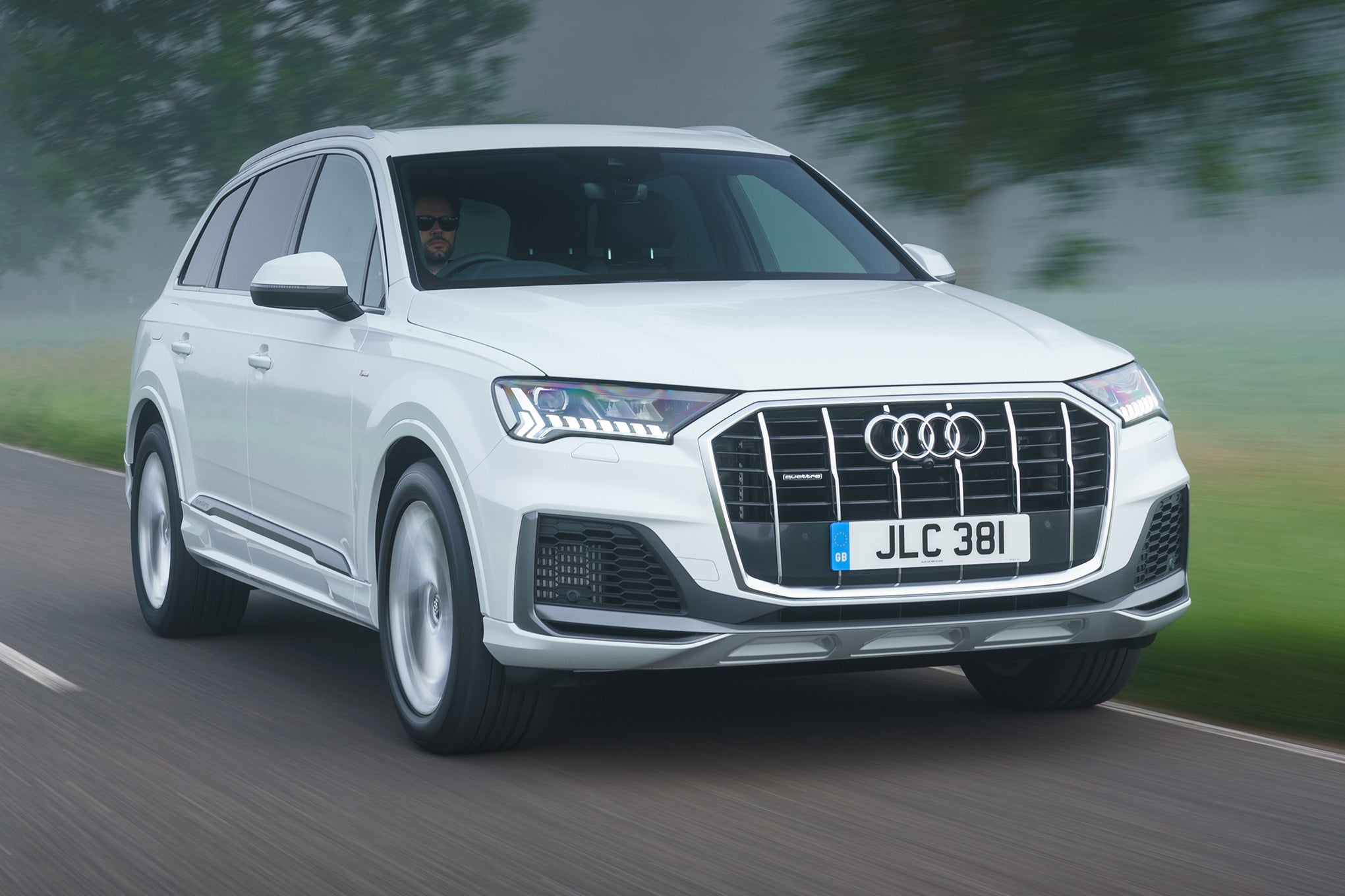
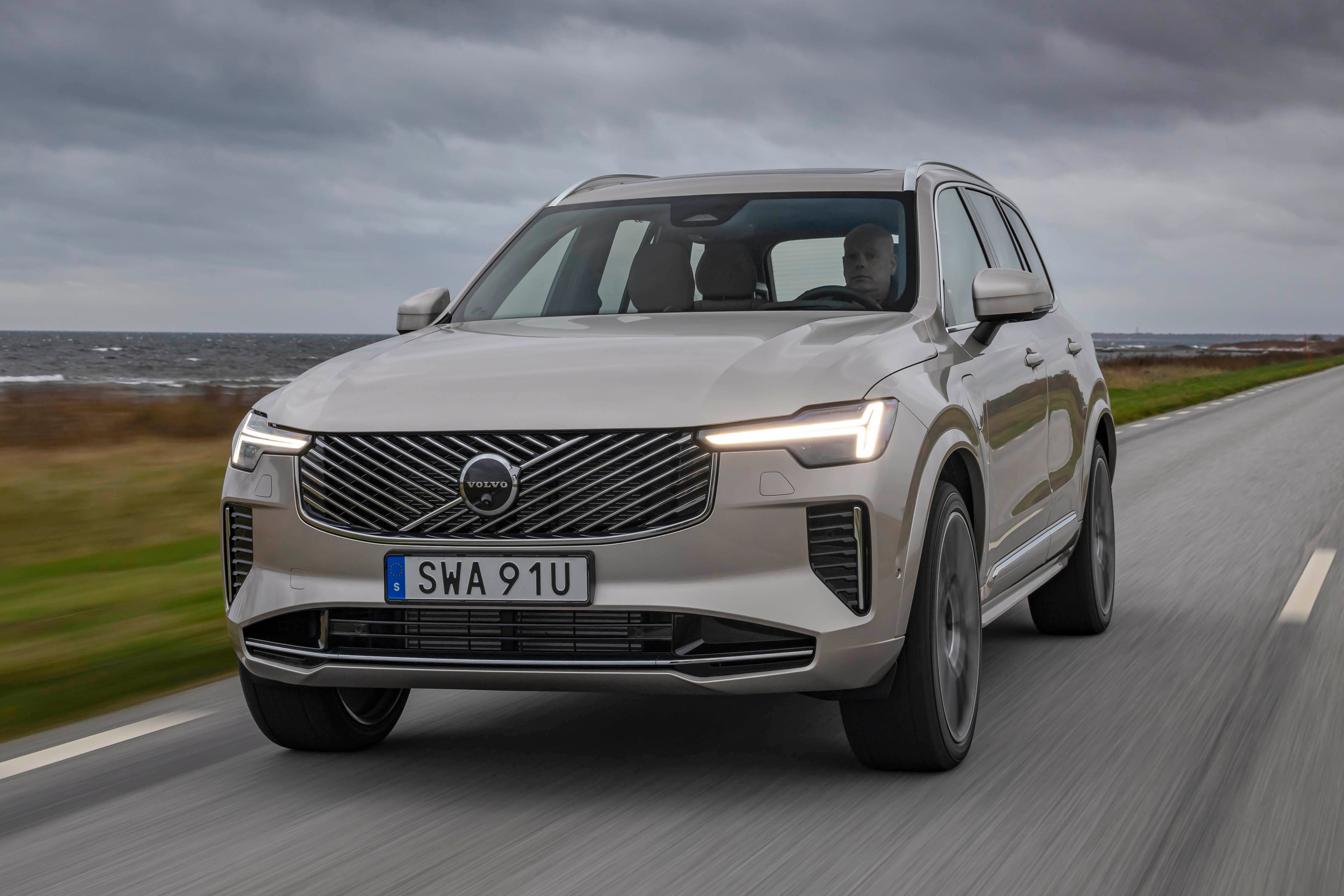
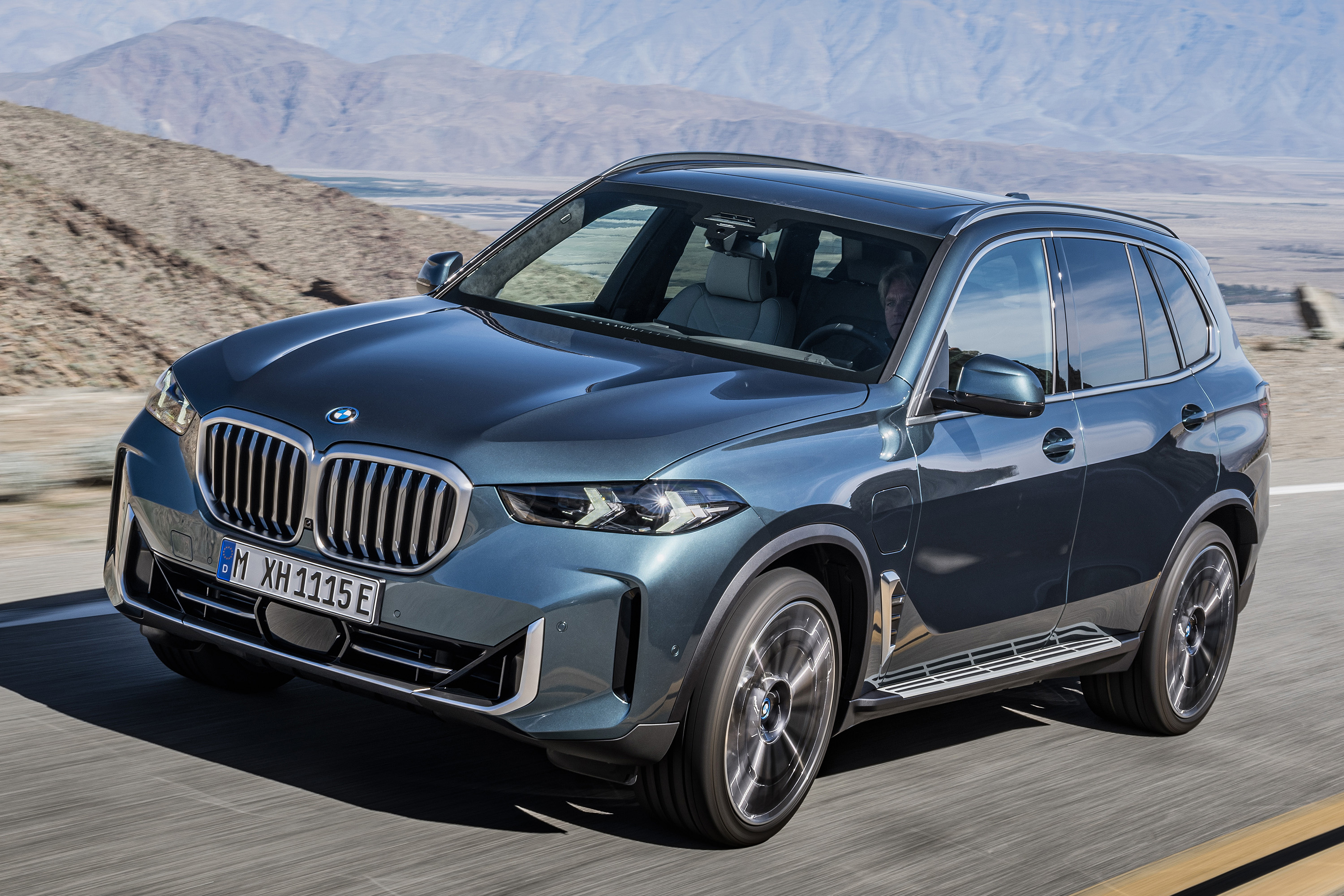
The most obvious rivals are the Audi Q7 and Volvo XC90, both of which offer strong seven-seat family-SUV appeal with a more modern premium feel on road. The BMW X5 and Mercedes-Benz GLE also belong on the list, although both are less convincing as true seven-seat alternatives.
The Land Rover Defender 110 is a more interesting internal rival because it has greater image appeal and even stronger off-road credibility, though it is not quite as neatly family-focused as the Discovery. The Hyundai Santa Fe, Kia Sorento and Skoda Kodiaq are the more value-led options if practicality matters more than badge appeal.
There is also a case for the Lexus RX-L on reliability grounds, although it does not feel as broadly capable as the Land Rover. The Discovery’s problem is not that it lacks rivals. It is that some of them now feel more contemporary. Its strength is that almost none can do quite so many jobs so well.
What's the interior like in the Land Rover Discovery?
The Discovery’s interior still feels special in the way a proper big Land Rover should. It is airy, upright and commanding, with a design that prioritises clarity and usefulness over minimalist fashion.
Land Rover Discovery boot space and practicality
As you’d expect, space up front is generous, but where this part of the cabin really impresses is on storage. The Land Rover Discovery has two gloveboxes, massive door pockets, a deep bin and two cupholders in the central partition and an ingenious concealed compartment hidden behind the air-con controls that’s big enough to hide your wallet and your phone from prying eyes.
Move to the middle row of seats, and you’ll find that headroom is just as generous. Legroom isn’t as plentiful here as it is in some rivals, but there’s sufficient room for tall adults to get comfortable. The wide cabin makes life comfortable when seating three, as do the trio of wide seats and the flat floor (with no transmission tunnel to rob you of valuable foot space). These chairs also slide and recline, but do so in a 60/40 configuration, rather than the more versatile 40/20/40 arrangement employed by some rivals.
If you’re one of those consigned to the third row, then you’d pick the Land Rover Discovery over any of its rivals because it’s the roomiest car of its class back here. Even six-foot-somethings will be sorted for head and legroom.
All of the five rear chairs fold down flat into the floor to give you a massive, perfectly flush load area. This happens electrically now on all new Discovery models, and you can do it either with buttons in the boot, via the touchscreen system, or even with an app on your phone.
The load space this gives you is, frankly, bonkers, and in five-seat mode, the boot is huge enough to make an Ikea trip look easy with 1,137-litres of space. In seven-seat mode there's still a handy 258-litres, while if you fold all the seats it will swallow 2,391-litres - that's a lot of wine.
Land Rover Discovery dimensions
The Land Rover Discovery measures 4,956mm long, 2,000mm wide & 1,888mm high.
That makes it a genuinely large SUV, and you feel that from behind the wheel. The flip side is that those dimensions help explain why the cabin feels so spacious and why the Discovery remains one of the few seven-seat SUVs that really earns the label.
Tech and infotainment in the Land Rover Discovery
All current Discovery models get the 11.4-inch Pivi Pro touchscreen, and it remains a clear improvement over Land Rover’s older systems. It is slick enough, the menus are logical and the graphics are clean without trying too hard to look futuristic.
Wireless charging, Apple CarPlay and Android Auto are all included, and even the entry-level S gets a decent 180W sound system. Higher trims upgrade to Meridian audio, which suits the Discovery’s long-distance character nicely.
What helps most is that Land Rover has not buried every function in the touchscreen. There are still physical controls where you want them, which makes the Discovery easier to use than some more aggressively digital rivals.
Materials available on the Land Rover Discovery
The Discovery’s cabin quality is good, but this is one of the areas where its age shows a little more clearly. The major touchpoints feel suitably premium and substantial, but some secondary switches and surfaces are not as rich or polished as those in an Audi Q7 or BMW X5.
That said, the Discovery’s slightly more rugged flavour suits it. It feels durable, solid and expensive enough without becoming overly delicate or overly styled.
Landmark and Tempest naturally do the best job of lifting the ambience, with richer materials and more visual drama, but even the S never feels bargain-basement.
What's the Land Rover Discovery like to drive?
The Discovery is not the sharpest large SUV on the road, but it remains a very comfortable and very capable one. That balance still defines the car.
Land Rover Discovery range and performance
The current UK Discovery uses a single engine, the D350 diesel mild hybrid. It is a 3.0-litre six-cylinder unit producing 350PS and 700Nm of torque, paired with an eight-speed automatic gearbox and four-wheel drive.
That gives the Discovery more than enough shove for the job it is being asked to do. It will tow 3,500kg, carry a full load without complaint and still reach 62mph in 6.3 seconds.
In truth, outright acceleration matters less here than the nature of the engine. The D350 feels strong, smooth and entirely appropriate for a big seven-seat SUV, which is exactly what matters most.
Performance data
| Model | Engine/battery size | Power | 0-62mph | Range/MPG |
|---|---|---|---|---|
D350 | 3.0-litre | 350PS | 6.3 seconds | Up to 35.0mpg |
Land Rover Discovery driving and refinement
All current Discovery models get air suspension as standard, and it remains one of the car’s strongest features. It gives the Discovery a genuinely plush, long-legged feel on the motorway and enough compliance around town to stop it becoming tiring.
It is not flawless. Some rivals still isolate low-speed bumps more effectively, and if you start pressing on along a twisty road the Discovery feels tall, soft and a little untidy.
That is no disaster, because this is not what the Discovery is for. It majors on calm, secure progress rather than dynamic sparkle.
Off road, though, it remains extraordinary. The standard Terrain Response system, strong ground clearance, low-range capability and up to 900mm wading depth mean the Discovery can still go far further into the rough stuff than most rivals even dare attempt.
How safe is the Land Rover Discovery?
The Discovery has a five-star Euro NCAP safety rating, even if it no longer feels like the freshest result in this part of the market.
Current standard safety equipment is strong, though. Every Discovery gets automatic emergency braking, blind-spot assistance, a 3D surround camera, adaptive cruise control, rear collision monitoring, rear traffic monitoring and lane-keeping assistance. That is a healthy list even before you move further up the range.
Running costs: What it's like to live with a Land Rover Discovery
The Discovery is never going to be a cheap SUV to run, but the current diesel-only line-up at least keeps the ownership story simple.
Land Rover Discovery fuel economy
Official combined fuel economy for the current D350 Discovery sits between 33.2mpg and 35.0mpg, depending on wheel and trim specification.
That is respectable enough for such a large, heavy seven-seat SUV with permanent four-wheel drive and real off-road hardware. It is not outstanding, but it is perfectly acceptable in context.
Land Rover Discovery warranty and servicing
Land Rover’s warranty cover is unremarkable by premium standards, and the brand’s reliability reputation remains the big question mark hanging over Discovery ownership.
That does not mean every Discovery will be problematic, but it does mean buyers should take the issue seriously. A full dealer history matters, and warranty cover is well worth having if you are buying used.
Land Rover Discovery insurance groups
Insurance groups for the current Discovery run from 43 to 45. That is expensive enough, but hardly surprising for a large premium diesel SUV with this much performance and equipment.
In other words, the Discovery will not be especially cheap to insure, but it is broadly in line with what you would expect in this class.
How much does it cost to tax a Land Rover Discovery?
After year one, the Land Rover Discovery pays the standard annual VED rate for non-EV cars, currently £200.
Because every current Discovery sits above the £40,000 Expensive Car Supplement threshold for petrol, diesel and hybrid cars, it also attracts the additional annual charge from years two to six. At current rates, that takes the annual total to £640 during that period.
What trims are available with the Land Rover Discovery?
On top of the infotainment and safety kit we’ve already talked about, the entry-level Land Rover Discovery S model comes with a decent amount of standard equipment. This trim comes with 20-inch alloy wheels, LED headlights, powered tailgate, heated windscreen, leather upholstery and electric seats are among the highlights. You also get Trailer Stability Assist to help with towing, and rear privacy glass is part of the package, too.
Landmark adds more visual drama and extra luxury features, including matrix LED headlights, powered gesture tailgate, 22-inch wheels, heated and cooled front seats, heated rear seats, a fridge compartment and upgraded audio.
Tempest sits at the top with further design embellishments and extra luxury touches, but the price premium is substantial. For most buyers, the S remains the rational sweet spot.
Ask the Drive experts: common questions
How much does the Land Rover Discovery cost?
Is the Land Rover Discovery still available as a petrol or plug-in hybrid?
Is the Land Rover Discovery practical?
What is the best Land Rover Discovery version?
Get our latest advice, news and offers
Keep me updated by email with the latest advice, news and offers from Drive.
.jpg)
.jpg)
.jpg)