BYD Seal U DM-i Review

Written By Al Suttie
- 2024
- SUV
- Petrol plug-in hybrid
What we love
Long electric range from the Comfort model
Spacious and well-finished cabin
Generous standard equipment
Things to consider
Smaller boot than several key rivals
Unsettled ride on rough country roads
Touchscreen climate controls are distracting
The DRIVE take on the BYD Seal U, is it the right car for you?
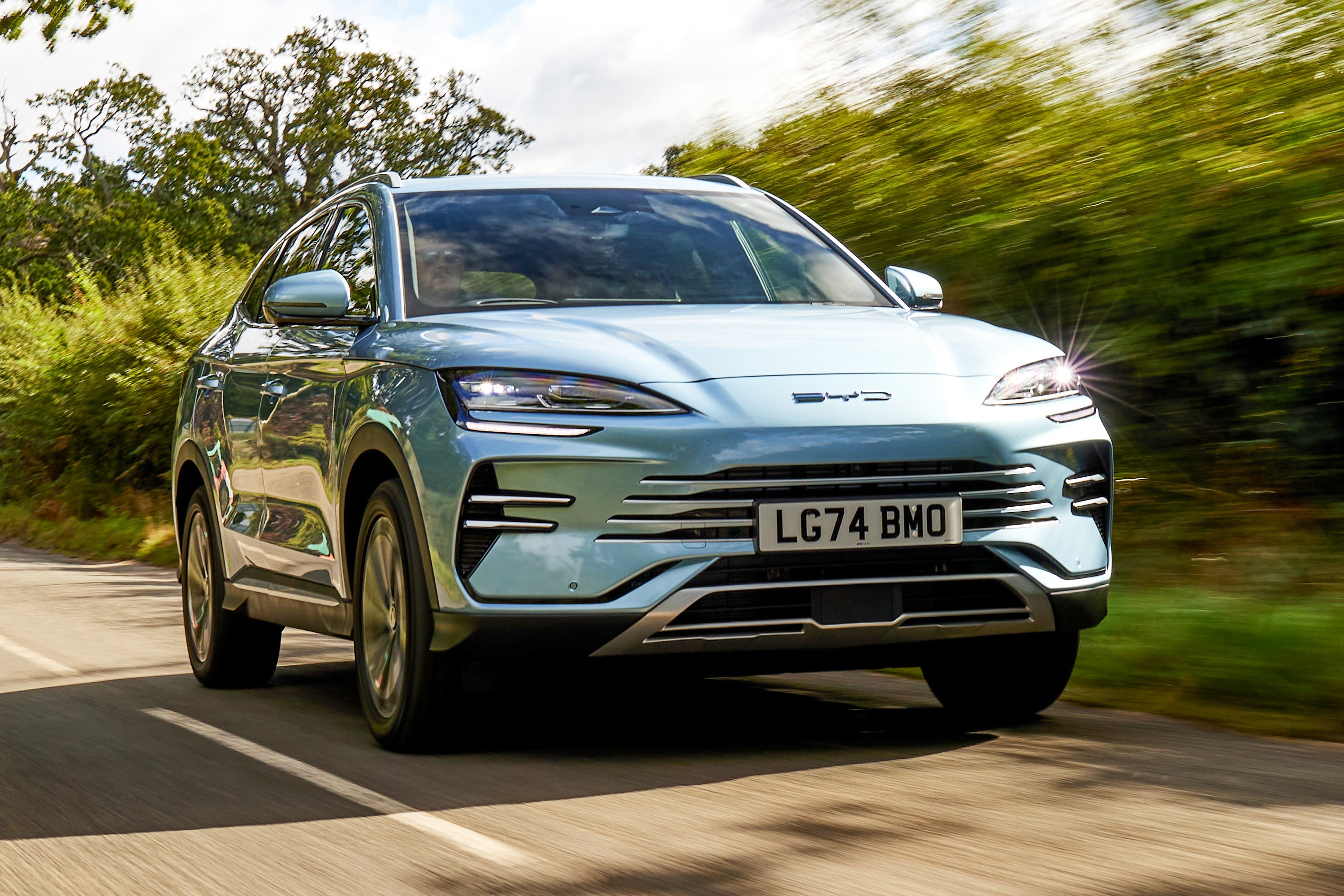
The BYD Seal U DM-i is a strong choice for drivers who want to complete most local journeys on electricity without relying on public charging for longer trips. Its roomy cabin, extensive equipment and competitive price are convincing, while the Comfort model's 78-mile official electric range is unusually useful.
It's not the most polished SUV to drive, with an unsettled ride on rougher roads and steering that offers little feedback. Its boot is also smaller than those of several key rivals, despite the car's generous exterior dimensions.
However, the Seal U DM-i offers an appealing combination of space, technology and affordability. If you can charge regularly at home, it's a particularly attractive family SUV, although the Volkswagen Tiguan eHybrid and the Kia Sportage PHEV offer more sophisticated driving experiences.
The BYD Seal U in more detail
The Seal U DM-i is a five-seat plug-in hybrid SUV positioned against the MG HS Plug-in Hybrid, Kia Sportage PHEV, Hyundai Tucson Plug-in Hybrid, Ford Kuga PHEV and Volkswagen Tiguan eHybrid.
Despite the name, it isn't simply an SUV version of the electric BYD Seal saloon. It has a taller body, a more practical cabin and a petrol-electric powertrain intended to cover everyday journeys on battery power while retaining the flexibility of an internal-combustion engine.
DM-i refers to BYD's Dual Mode plug-in hybrid system. At low speeds and under lighter loads, the electric motor handles most of the work. The petrol engine can generate electricity, assist the motor or drive the wheels more directly when greater performance or sustained higher speeds demand it.
There are three versions. Boost uses an 18.3kWh Blade Battery, a naturally aspirated 1.5-litre petrol engine and a single electric motor driving the front wheels. Comfort uses the same basic powertrain but replaces the battery with a larger 26.6kWh unit, increasing the official electric range from 50 to 78 miles.
Design returns to the smaller battery but gains a turbocharged petrol engine and a second electric motor on the rear axle. This provides four-wheel drive and increases total power to 324PS, although the official electric range falls to 43 miles.
Comfort is the most convincing expression of the Seal U DM-i concept. Its battery is large enough to cover many commutes and school runs without using petrol, yet the engine removes the need to plan charging stops on longer journeys.
That advantage depends on regular charging. Run it habitually with an empty battery and it becomes a heavy petrol SUV carrying electrical hardware it isn't using effectively. Buyers without convenient access to a home or workplace charger may be better served by a conventional full hybrid.
The cabin is spacious, comfortable and impressively finished for the price. Standard equipment is extensive across the range, so the three versions are defined more by their powertrains than by a conventional walk-up in luxury.
The driving experience is less accomplished. The Seal U is easy to operate in town and stable on the motorway, but rougher roads expose suspension that can sound and feel unsettled. Its steering is light rather than communicative, so buyers looking for an engaging family SUV will find stronger alternatives.
What's the best BYD Seal U trim and engine option?
The Seal U DM-i Comfort is the version to choose. It costs £36,995 and combines the front-wheel-drive powertrain with the larger 26.6kWh battery, giving it an official electric range of 78 miles.
That's 28 miles more than the entry-level Boost and makes a significant difference in everyday use. Drivers with a home charger may be able to complete an entire working week of short journeys without starting the petrol engine, depending on their mileage, driving style and the weather.
Comfort doesn't sacrifice useful equipment or everyday performance. It has the same 218PS combined output and 8.9-second 0-62mph time as Boost, which is adequate for a family SUV.
Design is much faster and adds four-wheel drive, but its 324PS output is more than most buyers need. The smaller battery also reduces the official electric range to 43 miles, undermining one of the Seal U's strongest qualities.
Boost is worth considering when the lower purchase price matters more than maximum electric range. Its 50-mile figure remains useful, but Comfort is better placed to deliver the low fuel consumption that makes a plug-in hybrid worthwhile.
The equipment is already comprehensive, so there's little reason to spend more unless you particularly want Design's stronger performance and extra traction. For most buyers, Comfort provides the best balance of price, electric range and everyday usability.
What’s the price of the BYD Seal U?
The BYD Seal U DM-i Boost costs £34,995. Comfort is £36,995, while Design is priced at £39,995.
The £2,000 step from Boost to Comfort pays for the larger 26.6kWh battery and increases the official electric range from 50 to 78 miles. For drivers able to charge regularly, that's the most worthwhile upgrade in the range.
Design costs £3,000 more than Comfort. It adds the turbocharged engine, rear electric motor and four-wheel drive, increasing output to 324PS and cutting the 0-62mph time to 5.9 seconds. The trade-off is a smaller battery and a 43-mile official electric range.
All three versions have a high standard specification, so there's little need to budget for major option packs. Metallic paint, 19-inch wheels, a panoramic roof, heated and ventilated front seats, a powered tailgate and a 360-degree camera are included.
The pricing compares favourably with several established plug-in hybrid SUVs. Finance and leasing offers can alter the relative value, however, so buyers should look beyond the headline monthly payment.
Alternatives to the BYD Seal U
The MG HS Plug-in Hybrid is one of the closest alternatives. It offers a large cabin, a bigger boot and a competitive electric range. The BYD's interior feels more distinctive, however, and the Comfort version travels further officially on battery power.
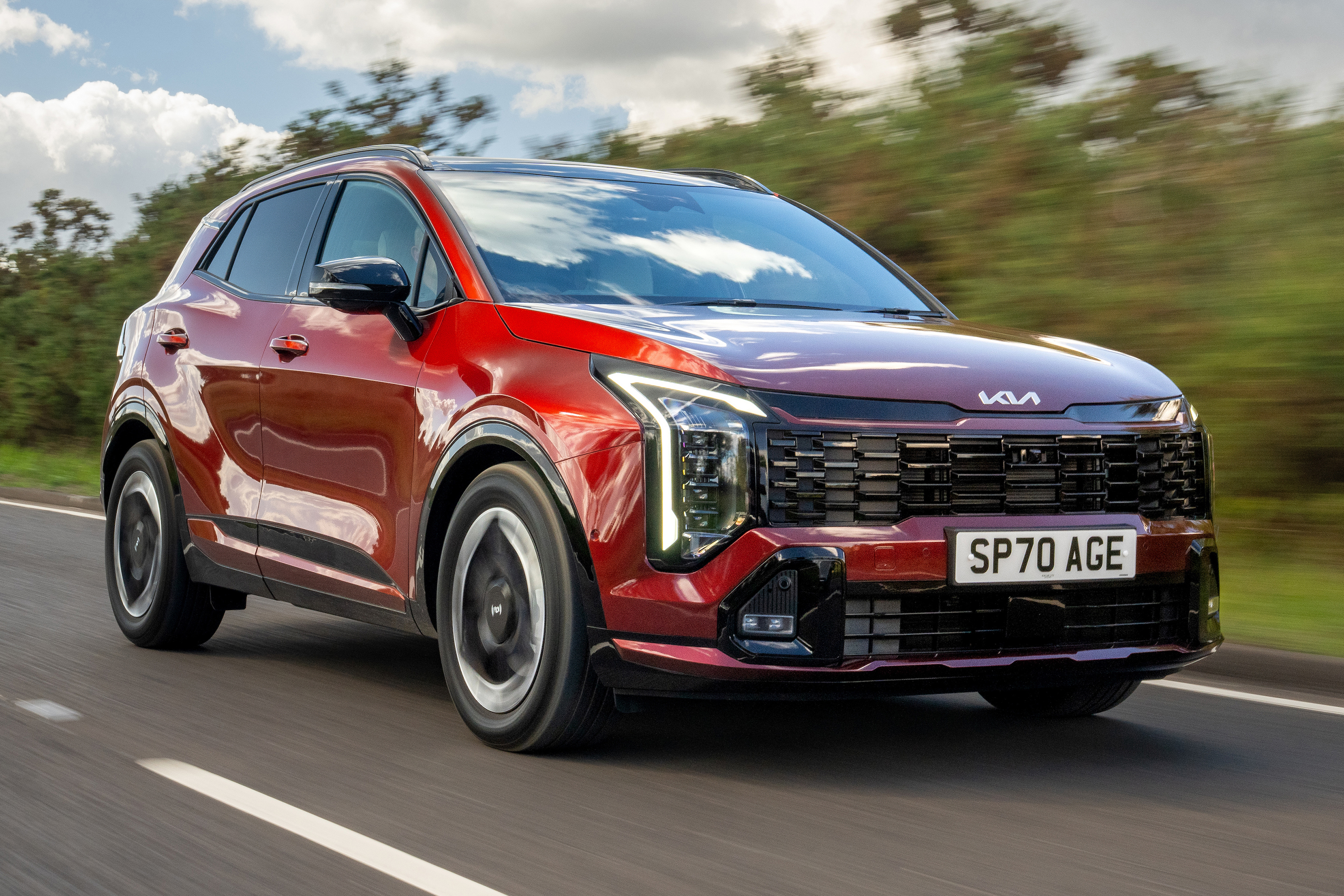
The Kia Sportage Plug-in Hybrid has a more established dealer network, a larger boot and a more polished driving experience. Its seven-year warranty is also attractive, although comparable versions can cost more.
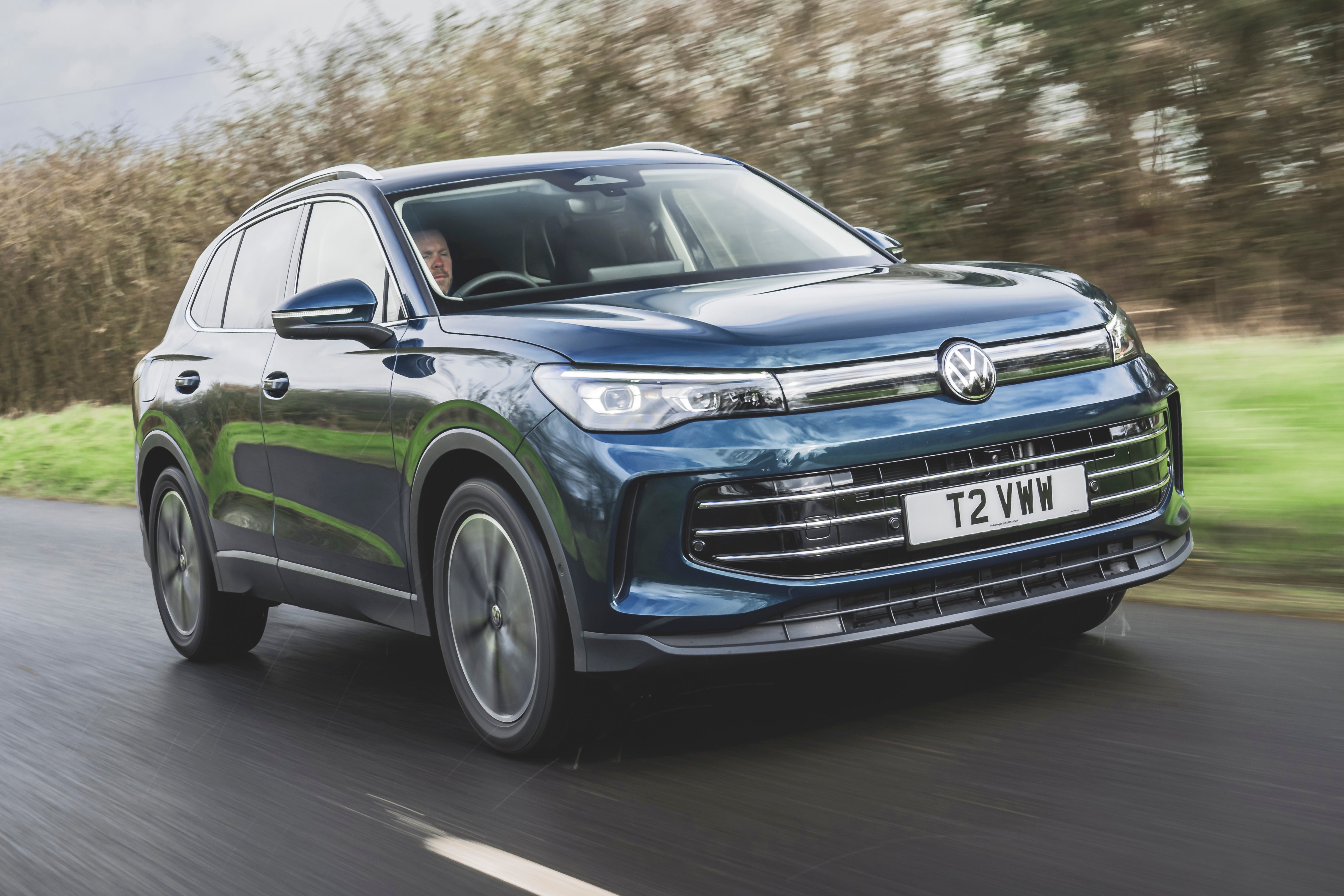
The Volkswagen Tiguan eHybrid is a particularly relevant alternative. It has a more polished chassis, a practical cabin and a long electric range, but it's likely to cost more once specifications are aligned.
The Hyundai Tucson Plug-in Hybrid is another strong option, offering a comfortable ride, generous passenger space and straightforward controls. Its cabin feels more conventional than the BYD's, which some buyers may consider an advantage.
The Ford Kuga Plug-in Hybrid deserves consideration if driving enjoyment matters. Its steering and suspension provide a more engaging experience, while the petrol-electric powertrain is well suited to everyday use.
The Seal U DM-i makes its strongest case on price, equipment and electric range, particularly in Comfort specification. Buyers who prioritise handling, ride refinement or luggage capacity may find one of these alternatives better suited to their needs.
What's the interior like in the BYD Seal U?
The BYD Seal U DM-i looks after its driver and front passenger extremely well. There's lots of space, an intriguingly different dashboard design and that all-important raised seating position, though the boot isn't as big as those in some rivals.
A large rotating touchscreen dominates the dashboard, supported by digital instruments and a head-up display. It's an impressive-looking arrangement, although some everyday functions are unnecessarily complicated.
Material quality is impressive for the price, with soft-touch surfaces, synthetic leather upholstery and comfortable electrically adjustable front seats. There's plenty of legroom in the rear, too, and the flat floor makes the middle seat more usable.
BYD Seal U boot space and practicality
The raised driving position provides a clear view of the road ahead and makes the Seal U easy to get into. It feels like a proper SUV rather than a slightly taller hatchback, without requiring occupants to climb up into the cabin.
Electric adjustment is standard for both front seats, making it easy to find a comfortable position. Heating and ventilation are also included, along with a heated steering wheel.
The seats provide good comfort on longer journeys, although stronger side support would be welcome. Their relatively smooth synthetic leather surfaces allow occupants to move around slightly when the car leans through tighter bends.
Forward and side visibility are good, but the rear screen is narrow and restricts the view over the driver's shoulder. Front and rear parking sensors, a reversing camera, rear cross-traffic alert and a 360-degree camera are standard, reducing the practical effect.
Storage is generous. There's space beneath the centre console, a covered compartment under the armrest, useful door pockets and twin cupholders. Wireless phone charging is also standard.
Rear legroom is a strength. Two adults can sit behind tall front occupants without feeling cramped, while the flat floor gives the middle passenger more usable foot space than in many petrol SUVs.
Shoulder room is also good, although the gently sloping roof can reduce headroom for particularly tall passengers. Children and average-height adults should have no difficulty.
Isofix child-seat mounting points are fitted to the front passenger seat and both outer rear positions. The broad door openings and raised bench make fitting a child seat straightforward.
The boot holds 425 litres with the rear seats upright. That's enough for a weekly shop, a pushchair or several suitcases, but it's noticeably smaller than the luggage areas in the Kia Sportage and several other family SUVs.
A height-adjustable floor can align with the loading lip, although it doesn't create meaningful extra storage beneath. There's no dedicated charging-cable compartment, so the cables need to sit in the side recesses or share space with luggage.
Folding the 60:40 split rear seatbacks increases capacity to 1,440 litres. They leave a step in the extended floor, making long or heavy items harder to slide into place than they would be in a completely flat load area.
Overall, the Seal U is a spacious family car, although its passenger accommodation is more impressive than its luggage capacity.
BYD Seal U dimensions
At 4,775mm long, 1,890mm wide and 1,670mm high, the Seal U DM-i is a substantial family SUV. Its wheelbase measures 2,765mm, helping provide the generous rear legroom that's one of the car's strongest qualities.
It's longer than a Kia Sportage or Hyundai Tucson, although the cabin and boot don't make full use of that additional exterior length. With the door mirrors included, it's approximately 2,085mm wide, which is worth considering if you regularly use narrow garages or parking spaces.
Light steering and an 11-metre turning circle make it manageable around town. The standard parking sensors and 360-degree camera are particularly useful in narrow spaces, where its width and restricted rear visibility are more noticeable.
Tech and infotainment in the BYD Seal U
The centre of the dashboard is dominated by a 15.6-inch touchscreen that can rotate electrically between landscape and portrait orientations.
The mechanism is a conversation piece, but it has some practical value when switching between different types of information. Landscape suits media and smartphone mirroring, while portrait provides a taller map view when using BYD's navigation. Apple CarPlay and Android Auto work with the screen in landscape orientation. Both provide an easier route to familiar navigation and audio apps than BYD's native menus. The display responds quickly, and shortcut controls reduce the number of steps needed for some functions. Even so, the interface is less intuitive than the best rival systems.
Climate control is operated through the touchscreen. Basic temperature shortcuts remain visible, but changing the airflow direction or accessing seat heating and ventilation requires more attention than a bank of physical switches would demand.
A 12.3-inch digital instrument display sits ahead of the driver and presents the essential information clearly. A head-up display is also standard, reducing the need to look away from the road for speed and navigation guidance.
The ten-speaker Infinity audio system provides clear sound, while USB connections and wireless phone charging cover most device needs. Voice control is included, although its usefulness depends on the type and wording of the command.
Over-the-air software updates allow BYD to introduce improvements without requiring a dealership visit, while the connected smartphone app provides access to selected vehicle functions. There's also Vehicle-to-Load (V2L) technology, allowing the car's battery to power compatible external electrical equipment using an appropriate adaptor.
The quantity of technology is impressive for the price. Its execution isn't as polished as the systems in the Volkswagen Tiguan or the Kia Sportage, but there's very little missing from the standard specification.
Materials available on the BYD Seal U
Synthetic leather upholstery is standard across the range, with heating, ventilation and electric adjustment for the front seats.
Soft-touch finishes cover most of the dashboard and door tops, while stitching and metallic-effect details prevent the cabin from appearing plain. There's little obvious difference in material quality between the three versions.
The design is less playful than the BYD Atto 3's interior, but it remains more distinctive than many family SUVs. The tested car also felt solidly assembled, with no obvious creaks or rattles over poor surfaces. The floating centre console, crystal-effect gear selector and large touchscreen give the cabin a modern appearance, while contrasting trim finishes and ambient lighting add some visual interest.
There are harder plastics lower down, as you'd expect at this price, but they're generally kept away from the surfaces occupants touch most frequently. The overall impression is of a well-finished interior that compares favourably with several more expensive alternatives.
What's the BYD Seal U like to drive?
The Seal U DM-i is easy to operate, refined in electric mode and comfortable enough in town. Its suspension becomes noisy and unsettled on rougher country roads, however, while the light steering offers little encouragement to drive with enthusiasm. The hybrid system switches smoothly between electric and petrol power, and the brakes are impressively progressive for a plug-in hybrid.
Motorway stability is good, although some wind and road noise become noticeable at higher speeds. Boost and Comfort provide adequate performance, while the more powerful Design adds much quicker acceleration and four-wheel-drive traction.
It's a relaxed family SUV rather than an entertaining one.
BYD Seal U range and performance
Boost and Comfort use a naturally aspirated 1.5-litre petrol engine with a front-mounted electric motor. The electric motor handles much of the everyday propulsion, while the engine generates electricity or supports the system when required. Both produce a combined 218PS and drive the front wheels. Their 8.9-second 0-62mph time is adequate rather than exciting, with enough performance for joining a motorway or overtaking when a suitable gap is available.
The difference is battery capacity. Boost has an 18.3kWh battery and a 50-mile official electric range, while Comfort's 26.6kWh unit raises that figure to 78 miles. That's a substantial difference for buyers planning to charge regularly. Comfort's range is sufficient to cover many daily journeys entirely on electricity, potentially reducing petrol consumption considerably.
Design uses a turbocharged version of the petrol engine and adds a rear motor. Total output rises to 324PS, four-wheel drive becomes standard and the 0-62mph time falls to 5.9 seconds. That performance is stronger than most family buyers need. The 18.3kWh battery also limits Design to 43 official electric miles, making it less useful for drivers whose priority is covering longer daily journeys without petrol.
All three versions use an automatic transmission, with the hybrid system managing the relationship between petrol and electric propulsion. The system moves between electric and hybrid operation smoothly. In EV mode, the car prioritises battery power until the charge reaches its lower reserve. Hybrid mode allows the petrol engine to manage energy more flexibly. The resulting driving experience feels closer to that of an electric car than a conventional petrol SUV, particularly in town.
The batteries use BYD's lithium iron phosphate Blade Battery technology, and all three versions can also recover some energy during deceleration.
For buyers who want straightforward family transport with the option of substantial electric-only driving, Boost and Comfort offer the more relevant powertrains. Design is the choice for those prioritising acceleration and traction. The Comfort's longer range makes it the most versatile option for everyday use, provided you have somewhere convenient to charge.
Performance data
| Model | Engine/battery size | Power | 0-62mph | Range/MPG |
|---|---|---|---|---|
BYD Seal U DM-i Boost | 1.5-litre petrol PHEV, 18.3kWh battery, automatic, front-wheel drive | 218PS | 8.9 seconds | Up to 50 miles |
BYD Seal U DM-i Comfort | 1.5-litre petrol PHEV, 26.6kWh battery, automatic, front-wheel drive | 218PS | 8.9 seconds | Up to 78 miles |
BYD Seal U DM-i Design | 1.5-litre turbo petrol PHEV, 18.3kWh battery, automatic, all-wheel drive | 324PS | 5.9 seconds | Up to 43 miles |
BYD Seal U driving and refinement
The Seal U DM-i feels most comfortable in towns and on motorways. Light steering, smooth initial acceleration and the surround-view camera make it easy to handle in traffic, while the suspension deals competently with speed humps.
Electric running is quiet and relaxed. The petrol engine joins in without an obvious jolt, and it's often difficult to identify the exact point at which the powertrain switches between its operating modes.
The engine remains subdued during normal driving. It becomes more vocal under hard acceleration, but its note is smoother and less strained than those of some rival plug-in hybrids.
The brake pedal is another strength. The transition between regenerative braking and the conventional brakes is progressive, making smooth stops easier than in many petrol-electric cars.
Country roads expose the chassis more clearly. The suspension can produce noticeable thumps over broken surfaces and doesn't settle as quickly as it should after a sequence of bumps. This is more irritating than genuinely uncomfortable, but it encourages the driver to reduce speed. A Ford Kuga feels more controlled, while a Hyundai Tucson isolates its occupants from poor surfaces more effectively.
The light steering provides little feedback and the seats lack strong lateral support, so the Seal U isn't rewarding to drive quickly. Design's extra power and four-wheel drive improve acceleration and traction rather than agility.
Motorway stability is good, with little sensitivity to crosswinds. Some wind noise develops around the door mirrors and windscreen pillars, while tyre and suspension noise are more noticeable over coarse surfaces. Overall refinement remains competitive.
The driving position is comfortable and visibility forwards is good, although the restricted rear view makes the parking cameras particularly useful when manoeuvring.
In normal driving, the Seal U's emphasis on smoothness and easy operation suits its family-car brief. The powertrain is generally more impressive than the chassis, especially when the battery has sufficient charge to allow sustained electric running.
Overall, it's a comfortable and easygoing SUV for routine journeys, but buyers who frequently travel on poorly surfaced country roads or enjoy more enthusiastic driving may prefer the Kia Sportage or the Ford Kuga.
How safe is the BYD Seal U?
The BYD Seal U has a five-star rating from independent safety organisation Euro NCAP, following testing in 2023. Additional checks carried out in 2024 confirmed that the rating also applies to the plug-in hybrid Seal U DM-i. The assessment recorded scores of 90% for adult occupant protection, 86% for child occupant protection, 83% for vulnerable road-user protection and 77% for safety assistance.
Standard equipment includes automatic emergency braking, adaptive cruise control, blind-spot monitoring, lane-keeping assistance, front and rear cross-traffic braking, door-opening warning, traffic-sign recognition and driver-fatigue monitoring. Front, side and curtain airbags are fitted, along with a centre airbag designed to reduce contact between the front occupants during a side impact.
Euro NCAP found that the automatic emergency braking system generally performed well when reacting to other vehicles. The lane-support system can also intervene when the car drifts from its lane.
Running costs: What it's like to live with a BYD Seal U
The Seal U DM-i can be inexpensive to run when it's charged regularly and most journeys fit within its electric range. Without frequent charging, fuel economy falls and much of the advantage over a conventional hybrid disappears.
Home electricity is generally cheaper than petrol for covering short journeys, particularly on an off-peak tariff, although public charging can erode those savings.
The six-year vehicle warranty and eight-year battery cover are reassuring, while insurance groups range from 32 to 40. Company car drivers may benefit from relatively low Benefit-in-Kind rates, particularly with the Comfort version's longer electric range.
Annual tax is straightforward, although cars with factory options taking the original list price above £40,000 can attract the Expensive Car Supplement.
BYD Seal U charging times and costs
The Seal U DM-i supports AC charging at up to 11kW and DC charging at up to 18kW, which is unusual for a plug-in hybrid. On a suitable three-phase AC charger, BYD quotes two hours to charge Boost and Design from 15% to 100%. Comfort's larger battery increases that to three hours and 12 minutes. A typical UK 7.4kW home wallbox takes approximately three hours for the smaller battery or around four hours for Comfort. On a suitable DC charger, Boost and Design can charge from 30% to 80% in around 35 minutes. Comfort takes approximately 55 minutes.
At an illustrative home electricity price of 25p/kWh, a full recharge costs roughly £5 to £7.50, allowing for some charging losses. Public charging generally costs more and is less attractive for routine use. The Seal U makes most financial sense when charged regularly at home or work.
BYD Seal U fuel economy
A plug-in hybrid's fuel consumption depends heavily on how it's used. Official combined figures assume the car begins with a charged battery and completes a significant proportion of the test on electric power.
BYD's official WLTP weighted figures reach 313.9mpg for Boost, 706.8mpg for Comfort and 235.4mpg for Design. These are laboratory figures that combine petrol and electric running, rather than realistic expectations for long journeys on petrol alone.
With a depleted battery, BYD quotes around 44mpg for Boost and 38mpg for Design. Comfort's larger battery makes its biggest difference when there's an opportunity to charge regularly.
Drivers with a home charger and a commute within the electric range may use very little petrol during the working week.
Company car drivers can also benefit from favourable Benefit-in-Kind rates. Based on its published electric range and emissions, Comfort falls into the 7% band for 2026/27, subject to the applicable registered vehicle figures.
Buyers unable or unwilling to charge regularly may be better served by a conventional full hybrid.
BYD Seal U warranty and servicing
The Seal U DM-i has a six-year or 93,750-mile vehicle warranty, whichever comes first. Its electric drive unit is covered for eight years or 93,750 miles, while the Blade Battery has separate protection for eight years.
In January 2026, BYD announced an increase in its European Blade Battery warranty mileage limit to 250,000km, equivalent to approximately 155,000 miles, including existing vehicles. The battery warranty includes a guarantee that its state of health won't fall below 70% during the covered period, subject to the warranty terms.
There's also a 12-year anti-perforation warranty covering the bodywork.
Servicing is required every 12 months or 10,000 miles, whichever comes first. That isn't an unusually long interval for a modern car, so buyers should include the cost of regular servicing when comparing ownership expenses.
BYD Seal U insurance groups
Boost and Comfort sit in insurance group 32, while the faster four-wheel-drive Design is in group 40.
The difference reflects Design's 324PS output and greater mechanical complexity. It's likely to cost noticeably more to insure, particularly for younger drivers.
These are relatively high groups for a family SUV, and some versions of the Volkswagen Tiguan and the Kia Sportage have lower ratings.
Insurance availability can vary for newer manufacturers as providers build repair and claims data. Buyers should obtain quotes for the exact version and registration before committing to a purchase, lease or finance agreement.
The lower-powered Boost and Comfort models should be the more manageable choices, although individual premiums can vary substantially.
How much does it cost to tax a BYD Seal U?
The standard annual Vehicle Excise Duty rate after the first year is £200. First-year road tax is included in the car's new on-the-road price.
The Expensive Car Supplement applies to plug-in hybrid cars with an original list price above £40,000. All three standard Seal U DM-i versions currently sit below that threshold.
However, Design costs £39,995, leaving very little room before the threshold is crossed. Factory-fitted options count towards the original list price, so a car specified above £40,000 may become liable.
Where it applies, the £440 annual Expensive Car Supplement is charged for five years from the second year, bringing the total annual rate to £640.
The threshold is based on the original list price rather than a retailer discount, finance contribution or later used value.
What trims are available with the BYD Seal U?
The Seal U DM-i range consists of Boost, Comfort and Design. Equipment varies little between them, with each version primarily defined by its battery and drivetrain.
Boost costs £34,995 and has the 18.3kWh battery, 218PS front-wheel-drive powertrain and a 50-mile official electric range. Standard equipment includes 19-inch alloy wheels, LED headlights, automatic lights and wipers, a panoramic glass roof, aluminium roof rails, privacy glass and a powered tailgate. Inside, it has synthetic leather upholstery, electrically adjustable heated and ventilated front seats, a heated steering wheel, dual-zone climate control, the 15.6-inch rotating touchscreen, a 12.3-inch digital instrument display and a head-up display. A ten-speaker Infinity audio system, wireless phone charging, Apple CarPlay, Android Auto, keyless entry, front and rear parking sensors and a 360-degree camera are also standard. That's a considerable amount of equipment for a car costing less than £35,000, and it means the entry-level version doesn't feel particularly basic.
Comfort costs £36,995 and retains the 218PS front-wheel-drive system but upgrades to the 26.6kWh battery. Its 78-mile electric range makes it the best version for most buyers. Equipment is broadly the same as Boost, so the extra money is concentrated on greater electric capability. The larger battery can make a significant difference to fuel costs for owners who regularly charge at home and cover journeys beyond the smaller battery's range.
Design costs £39,995 and uses the 18.3kWh battery with a turbocharged petrol engine and two electric motors. It produces 324PS, has four-wheel drive and reaches 62mph in 5.9 seconds. It also adds driving modes intended for loose or slippery surfaces. These improve traction rather than turning the Seal U into a serious off-roader. Design's performance is impressive, but its smaller battery means the official electric range falls to 43 miles. Given the generous standard equipment throughout the range, there are few compelling reasons to spend more unless you want the additional performance and all-wheel-drive traction.
Ask the Drive experts: common questions
How much does the BYD Seal U DM-i cost?
What is the electric range of the BYD Seal U DM-i?
How big is the BYD Seal U DM-i’s boot?
Is the BYD Seal U DM-i a full hybrid or plug-in hybrid?
Get our latest advice, news and offers
Keep me updated by email with the latest advice, news and offers from Drive.