BYD Seal Review

Written By Andrew Brady
- 2023
- Saloon
- Electric
What we love
Impressive cabin finish and generous standard equipment
Comfortable ride and strong refinement
Much bigger boot on 2026 cars
Things to consider
150kW charging is slower than the class leaders
Insurance groups remain high
Saloon boot is less versatile than a hatchback
The DRIVE take on the Byd Seal, is it the right car for you?
The BYD Seal is a strong choice for buyers who want a comfortable, well-equipped electric saloon without following the default Tesla route. The rear-wheel-drive Design combines 312PS with up to 354 miles of official range, while both versions have a spacious, well-finished cabin and a generous standard specification.
The 2026 update has improved practicality, increasing boot capacity from 400 to 485 litres and the frunk from 53 to 72 litres. Rapid charging remains limited to 150kW, though, and insurance is relatively expensive. A Volkswagen ID.7 is roomier, has a more useful hatchback and can charge faster.
The Byd Seal in more detail
The Seal is BYD’s electric executive saloon, taking on the Tesla Model 3, the Hyundai Ioniq 6, the Polestar 2, the Volkswagen ID.7 and the BMW i4. It arrived in the UK towards the end of 2023 and helped demonstrate that BYD could build something more ambitious than a functional, value-led electric car. Its styling is sleek without being anonymous, while the cabin combines a large rotating touchscreen with a richer selection of materials than you’ll find in some similarly priced alternatives. The doors close solidly, the main touchpoints feel substantial and standard equipment is extensive.
The UK powertrain range is deliberately simple. Both versions use an 82.5kWh lithium iron phosphate Blade Battery. The Design has a single 312PS motor driving the rear wheels and offers up to 354 miles of official WLTP range. Excellence AWD adds a second motor at the front, increasing output to 530PS and providing four-wheel drive, although range falls to 323 miles.
BYD updated the Seal for the 2026 model year without fundamentally changing those powertrains. There’s a new design of 19-inch alloy wheel, revised rear badging and a broader colour selection. Inside, the BYD logos have disappeared from the front headrests and the NFC logo has been removed from the centre armrest, although the NFC key functionality remains.
More important changes concern practicality and technology. Rear boot capacity has increased from 400 litres on earlier cars to 485 litres, with two tethering hooks added, while the storage compartment beneath the bonnet has grown from 53 to 72 litres. There’s also a new driver-monitoring system and Bluetooth smartphone key.
Those changes make the latest Seal a more complete everyday car without altering its character. It remains comfortable, seriously well equipped and more enjoyable to drive than its considerable weight might suggest.
Its weaknesses are largely unchanged. The saloon boot isn’t as flexible as the hatchback arrangements in a Volkswagen ID.7, Polestar 2 or BMW i4, while 150kW charging is increasingly ordinary when several rivals can charge substantially faster.
Even so, the Seal remains a convincing electric alternative to established European, Korean and American rivals.
What's the best Byd Seal trim and battery option?
The BYD Seal Design is the clear sweet spot. There’s no battery decision to make because Design and Excellence AWD both use the same 82.5kWh Blade Battery, but what changes is how that energy reaches the road.
Design uses a single rear-mounted motor producing 312PS and 360Nm. It reaches 62mph in 5.9 seconds and has an official WLTP range of 354 miles. That already provides far more performance than most drivers realistically need, and standard equipment is unusually generous, too. You get 19-inch alloy wheels, a panoramic glass roof, Nappa leather, heated and ventilated electrically adjustable front seats, a heated steering wheel, 360-degree camera, adaptive cruise control, 12-speaker Dynaudio stereo, heat pump and the rotating 15.6-inch touchscreen.
Excellence AWD costs £3,000 more. It adds a second motor, lifting output to 530PS and 670Nm and cutting the 0–62mph time to just 3.8 seconds. It also gets a head-up display and frequency-variable dampers. That performance is undeniably entertaining and four-wheel drive brings additional traction, but range falls to 323 miles. Unless the extra traction or outright acceleration genuinely matters, Design is the more efficient and better-value choice.
What’s the price of the Byd Seal?
The BYD Seal range starts at £45,730 for the rear-wheel-drive Design. The Excellence AWD costs £48,730, making the jump between the two versions a relatively modest £3,000. Design already comes with an unusually long equipment list, so there’s little need to spend substantially more adding options.
The Seal competes directly with the Tesla Model 3, Hyundai Ioniq 6, Polestar 2 and Volkswagen ID.7. A comparable BMW i4 generally costs more once you add similar equipment.
Nearly new examples can be considerably cheaper, so used cars are worth considering if depreciation matters more than being the first registered keeper.
Alternatives to the Byd Seal
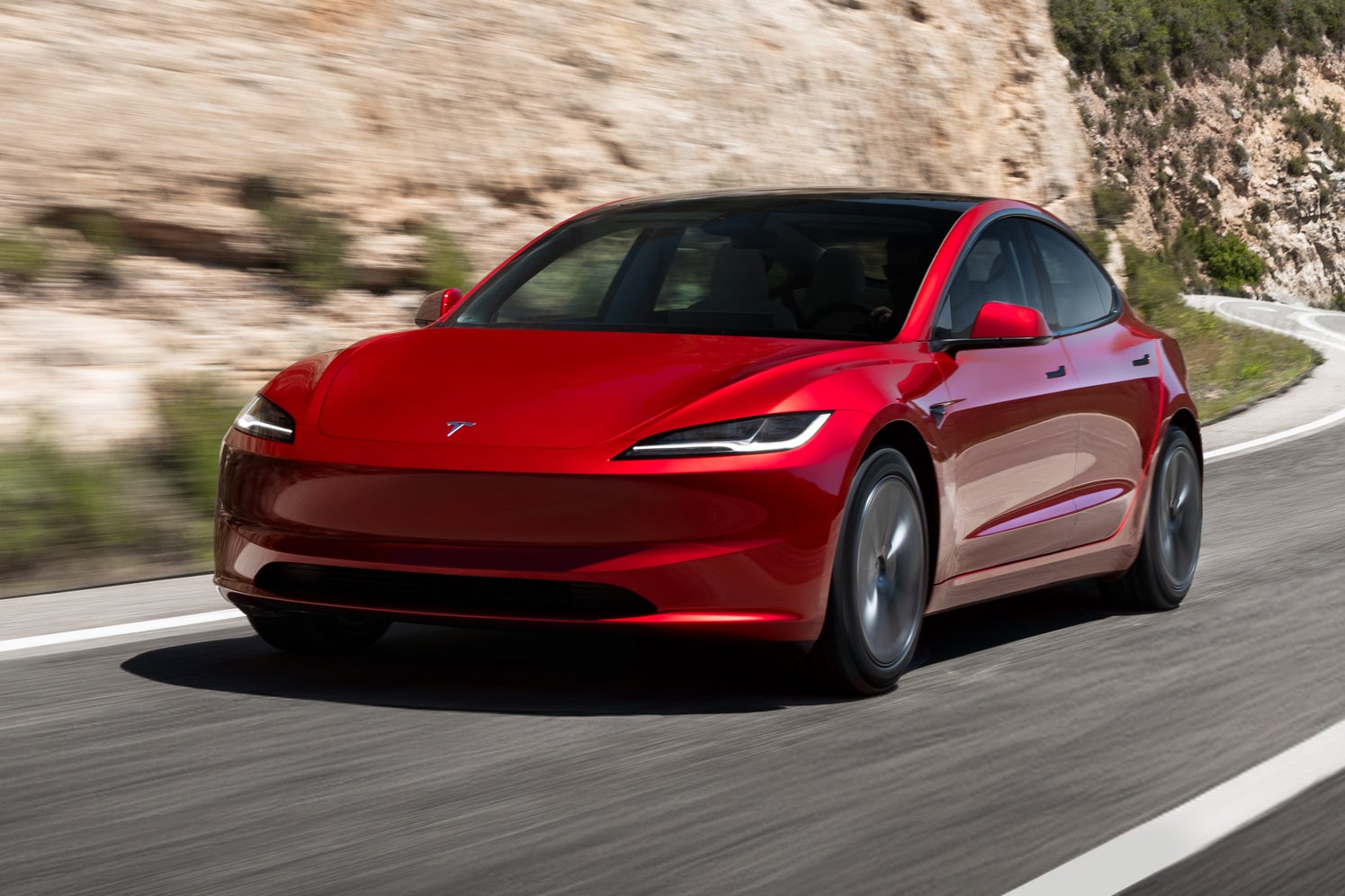
The Tesla Model 3 remains the obvious alternative. It’s exceptionally efficient, has a slick infotainment system and benefits from Tesla’s straightforward charging ecosystem. The Seal counters with a more conventional driving environment, richer-feeling cabin materials and a very generous standard specification.
The Volkswagen ID.7 makes more sense if practicality and long-distance driving are priorities. It’s larger, roomier in the back and its hatchback gives much better access to the luggage compartment. Newer versions can also charge considerably faster than the Seal.
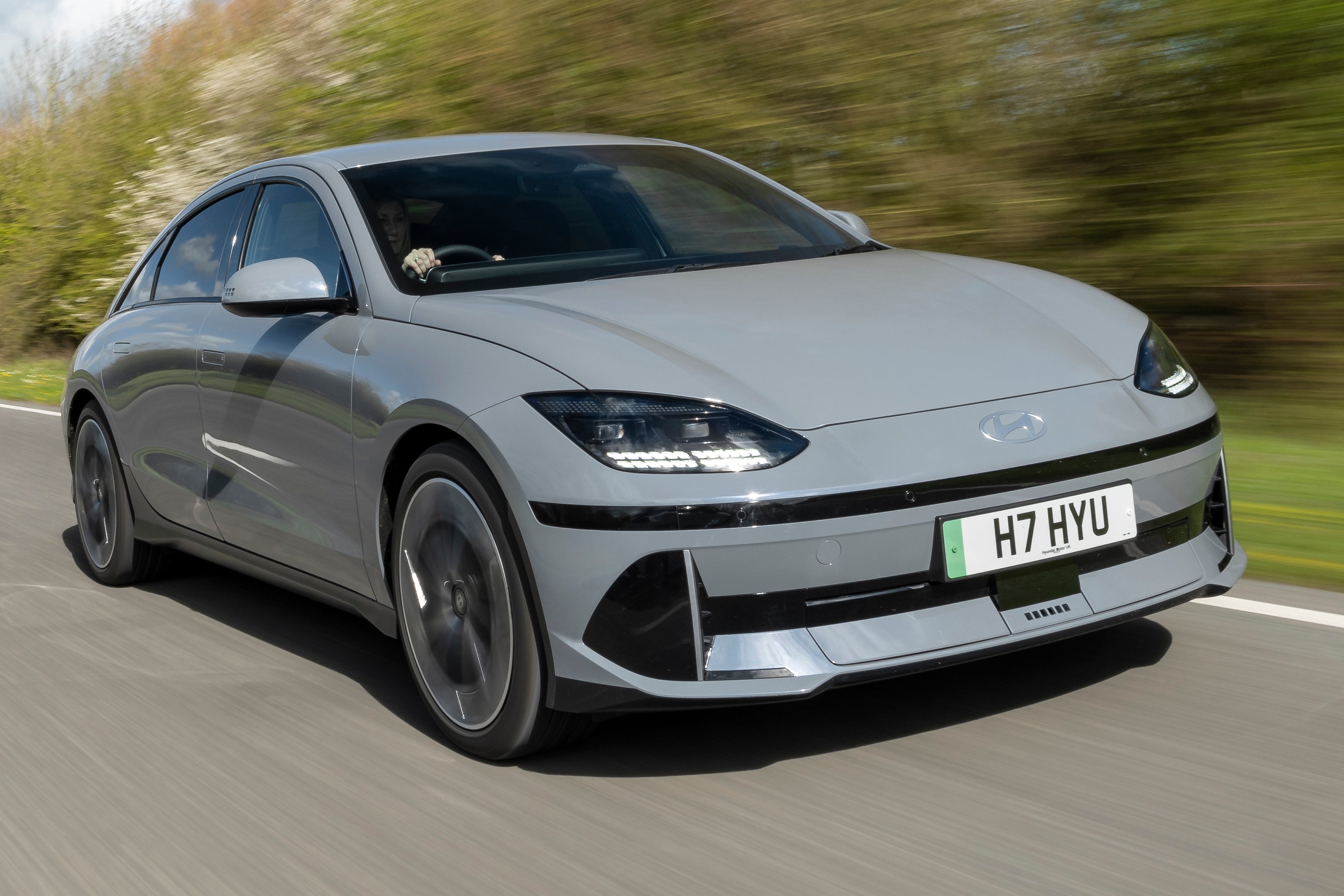
The Hyundai Ioniq 6 is another strong long-distance choice. Its 800-volt electrical architecture enables much faster rapid charging, while its aerodynamic body contributes to excellent efficiency.
A Polestar 2 feels more obviously premium and its Google-based infotainment is easier to understand, although the rear cabin is tighter.
The BMW i4 remains the keen driver’s choice. Its steering and chassis are more polished and it feels more sophisticated dynamically, but equivalent versions are expensive.
If value, equipment and cabin comfort matter more than outright charging speed or badge prestige, the Seal remains highly competitive.
What's the interior like in the Byd Seal?
The Seal’s cabin is spacious, comfortable and more visually interesting than the stark minimalist interiors found in many electric rivals. A large rotating touchscreen dominates the dashboard, but you also get a separate digital instrument display directly ahead of the driver. Material quality is generally impressive, with Nappa leather standard across the range and plenty of padded surfaces around the main touchpoints. There’s lots of adjustment in the front seats and they’re both heated and ventilated as standard.
The main irritation is usability. Too many everyday functions still rely on the central touchscreen, although physical shortcut buttons around the centre console prevent it becoming completely screen-dependent.
Byd Seal boot space and practicality
The BYD Seal’s long 2,920mm wheelbase helps create a generous passenger compartment. There’s plenty of adjustment in the driver’s seat and steering column, while the relatively low dashboard and large windscreen provide a good view forwards.
The Seal is a wide car, though. At 2.15 metres across its mirrors, it can feel substantial on narrow roads and in older multi-storey car parks. Standard front and rear parking sensors and the excellent 360-degree camera help considerably.
Storage up front is useful. The floating centre console provides space both above and underneath, while the door bins are sensibly sized. Rear-seat passengers fare particularly well for legroom, and the completely flat floor means whoever sits in the middle doesn’t have to straddle a transmission tunnel, either.
Headroom is less remarkable. The Seal’s low roofline means taller passengers sit closer to the ceiling than they would in a Volkswagen ID.7, although the panoramic glass roof prevents the cabin feeling overly enclosed. Isofix and i-Size mounting points are fitted to the front passenger seat and both outer rear seats.
Practicality improved significantly with the 2026 model-year update. Earlier Seals have a 400-litre rear boot. Current cars increase that to 485 litres and add a pair of hooks for securing loose loads. That extra space means the Seal can now carry larger items like a pushchair, shopping or several suitcases.
The shape of the opening remains the bigger limitation. The Seal is a conventional saloon, so you lift a relatively small bootlid rather than the whole rear window. A BMW i4, Polestar 2 or Volkswagen ID.7 is consequently much easier to load with bulky objects.
The rear seatbacks split 60:40 when more space is required. There’s also a particularly useful 72-litre frunk on 2026 models, up from 53 litres previously. It’s large enough to hold charging cables and other equipment without sacrificing main boot space.
Byd Seal dimensions
The BYD Seal measures 4,800mm long, 1,875mm wide and 1,460mm high, with a 2,920mm wheelbase. With the door mirrors extended, the Seal measures a substantial 2,150mm across. That puts it firmly in executive-saloon territory. It’s slightly shorter than a Volkswagen ID.7 but still requires some care in tighter UK parking spaces and narrow streets.
Its relatively long wheelbase benefits rear passenger space, while a 5.7-metre turning radius is reasonable for a car of this size. Front and rear parking sensors plus a 360-degree camera are standard on both versions, which makes manoeuvring considerably easier.
Tech and infotainment in the Byd Seal
The centrepiece of the Seal’s dashboard is its 15.6-inch touchscreen, which can rotate electrically between landscape and portrait orientation and remains one of BYD’s signature features. The novelty is entertaining, although most owners will probably leave it in landscape mode because it suits navigation and smartphone integration better.
The display itself is sharp and responsive. BYD’s native software has also improved through over-the-air updates, although its organisation still isn’t as intuitive as Tesla’s interface or the Google-based operating system used by Polestar. Apple CarPlay and Android Auto are standard, so it’s easy to bypass much of the native infotainment if you prefer.
A 10.25-inch digital instrument screen sits behind the steering wheel, displaying speed, remaining range, assistance information and other essentials. Excellence AWD adds a head-up display.
Both versions get a 12-speaker Dynaudio sound system, which is unusually generous at Design level. There are two 15W wireless phone charging pads, plus USB connections in both rows. BYD also includes its own navigation, voice control and app connectivity.
The 2026 model adds a Bluetooth smartphone key, supplementing the conventional smart keys and NFC access system. Climate temperature controls remain visible on the display and there are some physical shortcut buttons around the centre console, but fan direction and other settings still require interaction with the touchscreen. That remains the main ergonomic weakness. A Volkswagen ID.7 or BMW i4 isn’t perfect in this respect either, but both generally require less familiarisation.
Materials available on the Byd Seal
Both current Seal versions use Nappa leather upholstery as standard, with Black or Tahiti Blue interior colour schemes available. The front seats have integrated headrests and are electrically adjustable, heated and ventilated on both Design and Excellence AWD.
For 2026, BYD removed the embroidered logo from the front headrests, giving them a cleaner appearance. The NFC logo has also disappeared from the centre armrest, although the underlying functionality remains.
Elsewhere, the dashboard and doors combine padded surfaces with metallic-effect, gloss and ocean-inspired decorative elements. The design is more elaborate than the minimalist cabins in a Tesla Model 3 or Polestar 2 and won’t appeal to everyone, but there’s little material difference between Design and Excellence.
What's the Byd Seal like to drive?
The BYD Seal is comfortable, quiet and more enjoyable to drive than its considerable weight suggests. The rear-wheel-drive Design is the sweeter version. Its 312PS provides strong performance without feeling excessive, while its steering and chassis deliver a pleasing sense of balance. Excellence AWD is dramatically quicker, reaching 62mph in 3.8 seconds, but its additional front motor adds weight and doesn’t transform the Seal into a genuine sports saloon.
Ride comfort is good on both versions and motorway refinement is a strength. A BMW i4 is more precise and involving, but the Seal strikes a convincing balance between comfort, composure and performance.
Byd Seal range and performance
Both current BYD Seal versions use the same 82.5kWh lithium iron phosphate Blade Battery, but the difference lies in the motors. The rear-wheel-drive Design has a single permanent-magnet motor producing 312PS and 360Nm. It reaches 62mph in 5.9 seconds, which is comfortably quick enough for joining motorways and overtaking without giving passengers the abrupt acceleration that can make very powerful EVs tiring. Official WLTP range is 354 miles, making it the longest-range Seal.
The Excellence AWD adds an asynchronous motor on the front axle. Combined output rises dramatically to 530PS and 670Nm, with four-wheel drive helping transfer that performance to the road. It reaches 62mph in just 3.8 seconds, which is proper sports-car acceleration, although the usefulness of being able to deploy it regularly on public roads is debatable. The additional motor, hardware and weight also reduce official range to 323 miles.
Both versions have a top speed of approximately 111mph. Design is the more efficient car as well as the longer-range one, officially achieving 3.74mi/kWh compared with 3.41mi/kWh for Excellence AWD. Those WLTP figures won’t be replicated in every journey, though; cold weather, sustained motorway speeds, heating or air-conditioning use and driving style all have a significant impact. A real-world range approaching 300 miles should be achievable from Design in favourable mixed driving, but the official figures are best used primarily to compare it with other EVs.
Performance data
| Model | Engine/battery size | Power | 0-62mph | Range/MPG |
|---|---|---|---|---|
Seal Design | 82.5kWh | 312PS | 5.9 seconds | 354 miles |
Seal Excellence AWD | 82.5kWh | 530PS | 3.8 seconds | Up to 323 miles |
Byd Seal driving and refinement
Around town, the Seal feels smooth and easy to drive once you’ve become accustomed to its width. The accelerator calibration is progressive, so it’s straightforward to make gentle progress despite the strong performance available. Steering is light enough for manoeuvring without becoming completely vague as speeds increase, while the standard 360-degree camera is valuable in tighter spaces.
Ride comfort is one of the Seal’s stronger qualities. Despite a kerb weight of 2,055kg for Design and 2,185kg for Excellence AWD, the suspension rounds off most poor surfaces effectively. Larger potholes can still make themselves known through the standard 19-inch wheels, but there’s none of the persistently brittle low-speed ride that affects some heavy EVs.
On country roads, Design feels more agile than its weight suggests. Its rear-wheel-drive layout gives it a nicely balanced character, body movement is well controlled and there’s plenty of grip. The steering isn’t as communicative as a BMW i4’s, but the Seal is more enjoyable than buyers expecting a soft electric cruiser might imagine.
Excellence AWD adds a second motor and considerably more traction and performance. It also uses frequency-variable dampers on both axles. These adapt their damping response according to suspension movement without requiring the driver to select different settings. They help maintain good body control, but the AWD car doesn’t feel dramatically more sophisticated in normal use. The additional weight arguably makes Design the more natural-feeling car.
Refinement is good on the motorway. Motor noise is almost absent and wind noise remains subdued, although some tyre roar comes through on coarse surfaces.
Regenerative braking offers different levels of deceleration, but even the stronger setting is relatively gentle by EV standards. Drivers who prefer aggressive one-pedal-style braking may find it less satisfying.
How safe is the Byd Seal?
The BYD Seal earned a full five-star Euro NCAP rating in 2023. It scored 89% for adult-occupant protection, 87% for child occupants, 82% for vulnerable road users and 76% for safety assistance. Both the rear-wheel-drive Design and Excellence AWD are covered by that assessment, although the test predates the 2026 model-year update.
Standard safety equipment is extensive. It includes automatic emergency braking, adaptive cruise control, blind-spot monitoring, lane assistance, front and rear cross-traffic alerts and braking, traffic-sign recognition and door-opening warnings. All cars also have front and rear parking sensors and a 360-degree camera.
BYD updated its lane-support software after the original Euro NCAP test and added a new driver-monitoring system for 2026. The five-star overall rating remains unchanged.
Running costs: What it's like to live with a Byd Seal
The Seal combines useful range with a strong warranty and low company-car tax, although insurance is expensive and its charging speed no longer stands out. Design is the cheaper version to run. It’s more efficient, travels further on a charge and now sits two insurance groups lower than the original car.
Home charging should make energy costs substantially lower than running a similarly powerful petrol saloon, but regular use of expensive public rapid chargers narrows that advantage.
Servicing is required only every two years or 20,000 miles, while the Blade Battery now carries one of the highest mileage warranty limits available on an EV.
Byd Seal charging times and costs
Both BYD Seal versions support DC rapid charging at up to 150kW. BYD quotes 37 minutes for a 10–80% charge, or 26 minutes to go from 30–80%, in suitable conditions. That’s adequate for occasional long journeys but no longer particularly quick. Rivals including the Hyundai Ioniq 6 and newer Volkswagen ID.7 derivatives can replenish their batteries considerably faster on suitable chargers.
The Seal has an 11kW AC onboard charger. BYD quotes 8.6 hours for a full 0–100% charge using a three-phase 11kW supply. A typical 7kW UK home wallbox will need roughly 12–13 hours from completely empty, although owners will rarely be charging from 0%.
Vehicle-to-load (V2L) is standard and allows the battery to power compatible external devices, although a dedicated V2L cable is required.
Byd Seal warranty and servicing
The Seal comes with a six-year or 93,750-mile manufacturer warranty, whichever comes first. The electric drive unit receives separate cover for eight years or 93,750 miles.
BYD significantly improved its battery warranty in January 2026. The Blade Battery is now covered for eight years or 155,350 miles, whichever comes first, with BYD guaranteeing at least 70% state of health during that period. Importantly, the increased mileage limit applies retrospectively to qualifying existing BYD cars as well as new purchases. Earlier warranty information quoted 125,000 miles, so used Seal owners benefit too. Anti-perforation corrosion cover lasts 12 years with no mileage limit.
Routine servicing is generally required every 24 months or 20,000 miles, although certain checks can be brought forward under severe operating conditions.
BYD Assistance provides roadside support for the first 24 months, with further cover available subject to BYD’s servicing and assistance terms.
Byd Seal insurance groups
Insurance remains relatively expensive, although the 2026 Seal has improved. The original UK cars sat in groups 48D for Design and 50D for Excellence AWD. BYD says the revised 2026 models have dropped by two insurance groups, putting the current Design in group 46D and Excellence AWD in 48D. That’s a welcome improvement but still high compared with many electric executive-car rivals.
The Seal’s purchase price and performance both contribute to those ratings, particularly the 530PS Excellence.
How much does it cost to tax a Byd Seal?
Electric cars pay the standard annual VED rate after the first year of £200.
It will also attract the Expensive Car Supplement when the original list price exceeds £50,000. The standard Seal Design and Excellence are both below that threshold at their current list prices, so neither attracts the supplement unless factory-fitted options take the original price above £50,000.
Where it applies, the £440 annual Expensive Car Supplement is charged for five years from the second year. Eligibility is based on the car’s original list price, including factory options, rather than a discounted transaction price, finance offer or later used value.
What trims are available with the Byd Seal?
The BYD Seal range is refreshingly simple, with just two versions: Design and Excellence AWD. Both are generously equipped, so the main decision is whether you prioritise maximum range or much stronger performance.
Design costs £45,730 and is the sensible choice for most buyers. It uses a single 312PS rear-mounted motor and an 82.5kWh Blade Battery, giving it a WLTP range of up to 354 miles.
Standard equipment is extensive, including 19-inch alloy wheels, a panoramic glass roof, Nappa leather upholstery, heated and ventilated front seats, a heated steering wheel, dual-zone climate control and a heat pump. You also get a 15.6-inch rotating touchscreen, 10.25-inch digital driver display, Apple CarPlay and Android Auto, a 12-speaker Dynaudio sound system, twin wireless phone chargers and a 360-degree camera.
Excellence AWD costs £48,730 and keeps all of the Design’s equipment while adding a second electric motor and four-wheel drive. Power rises to 530PS and 670Nm, cutting the 0 to 62mph time to 3.8 seconds. It also adds a head-up display and frequency-variable dampers.
For most buyers, Design is the better-balanced choice thanks to its longer range and lower price. Excellence AWD makes more sense if you want the quickest Seal and value performance over outright efficiency.
Current cars are available with six exterior colours, while Black or Tahiti Blue Nappa leather can be specified inside.
Ask the Drive experts: common questions
How much does the BYD Seal cost?
What is the maximum range of the BYD Seal?
How big is the BYD Seal’s boot?
How long does the BYD Seal take to charge?
Get our latest advice, news and offers
Keep me updated by email with the latest advice, news and offers from Drive.
.jpg)
.jpg)
.jpg)
.jpg)