Ford Focus (2018-2025) Review

Written By Andrew Brady
- 2018
- Hatchback
- Petrol, diesel and petrol mild hybrid
What we love
Excellent balance of comfort and handling
Roomy rear seats and useful family practicality
Strong value on the used market
Things to consider
Interior quality is inconsistent
No full-hybrid, plug-in hybrid or electric version
Some engines need evidence of careful servicing
The DRIVE take on the Ford Focus, is it the right car for you?
The Ford Focus remains an excellent used family car for buyers who value comfort, space and enjoyable handling in equal measure.
It is easy to drive in town, composed on the motorway and more engaging on a winding road than most rivals. Rear passenger space is generous, the boot is useful and the best petrol engines balance respectable performance with sensible fuel economy.
The cabin does not feel as polished as those in a Volkswagen Golf or Mazda 3, but the Focus’s all-round ability and plentiful used supply make it a compelling alternative to a newer family SUV.
The Ford Focus in more detail
The Ford Focus spent more than two decades as one of Britain’s defining family hatchbacks, with the fourth and final generation arriving in 2018 before receiving a substantial update for the 2022 model year. Production continued until November 2025, and Ford has not replaced it with another conventional family hatchback.
Its current range is increasingly centred on SUVs and electric models, leaving used buyers as the main audience for the Focus. That is not necessarily a disadvantage, because large numbers were sold and there is now a broad choice of engines, trims, prices and body styles on the second-hand market.
Browse used Ford Focus models for sale →
The five-door hatchback reviewed here is the most common version. Buyers needing greater carrying capacity can also consider the Focus Estate, while the Focus ST offers substantially stronger performance.
The mainstream range covered several distinct personalities. Titanium models prioritise comfort and equipment, ST-Line versions add firmer suspension and sportier styling, while Active cars have raised suspension and rugged-looking exterior trim. Earlier buyers could also choose the more luxurious Vignale.
Ford revised the Focus in late 2021, introducing updated styling and a much larger 13.2-inch SYNC 4 infotainment screen. These facelifted models feel notably more modern inside and are worth seeking out when the budget allows.
The engine range changed throughout the car’s life. Early examples were available with 1.0 and 1.5-litre petrol engines, alongside several diesels, while mild-hybrid versions of the 1.0-litre EcoBoost arrived in 2020 and eventually became the mainstay of the later range.
There was never a full-hybrid, plug-in hybrid or electric Focus, which limits its appeal for buyers wanting to complete short journeys without using petrol. The mild-hybrid engines remain efficient by conventional family-car standards, however.
The Focus’s greatest strength is the way it drives, with its steering, suspension and controls working together with unusual precision while remaining comfortable enough for everyday family use. That balance allows it to feel enjoyable without becoming tiring, which is something several sportier-looking rivals fail to achieve.
What's the best Ford Focus trim and engine option?
The Ford Focus 1.0 EcoBoost 125PS Titanium is the best all-round used version. The engine provides enough performance for motorway driving and carrying a family without bringing the higher running costs of more powerful alternatives.
Titanium trim combines a comfortable suspension setup with useful equipment. Depending on age, that can include climate control, parking sensors, keyless start, cruise control and smartphone connectivity.
Facelifted cars from 2022 onwards are especially appealing because they receive the 13.2-inch SYNC 4 touchscreen and updated exterior styling. Buyers wanting a sportier appearance should consider the ST-Line, but its firmer suspension and larger wheels make poor roads more noticeable.
The 155PS mild hybrid is usefully quicker than the 125PS engine, although the extra performance is not essential for ordinary family use.
High-mileage motorway drivers may still benefit from the 1.5-litre EcoBlue diesel, provided their regular journeys are long enough to suit a modern diesel.
What’s the price of the Ford Focus?
Used prices start from around £7,000, although cars at this price are likely to have higher mileage or a basic specification. Condition and maintenance history should therefore take priority over trim.
Around £9,000 to £13,000 buys a broad choice of 2018 to 2021 cars, including many Zetec, Titanium and ST-Line models with the 1.0-litre EcoBoost engine.
Facelifted examples generally begin at approximately £13,000, with newer Titanium X and ST-Line X models often costing between £16,000 and £22,000.
Low-mileage 2024 and 2025 cars can approach £25,000, particularly with an automatic gearbox or high specification.
There are also plenty of used Ford Focus models for sale on the secondhand market so you have lots of choice. A complete service history, matching tyres and evidence of careful ownership are more valuable than optional equipment alone.
Alternatives to the Ford Focus
The Volkswagen Golf has a more upmarket image and can feel more refined at motorway speeds. Its later touchscreen-heavy cabin is less intuitive than the Focus’s, while equivalent cars often cost more.
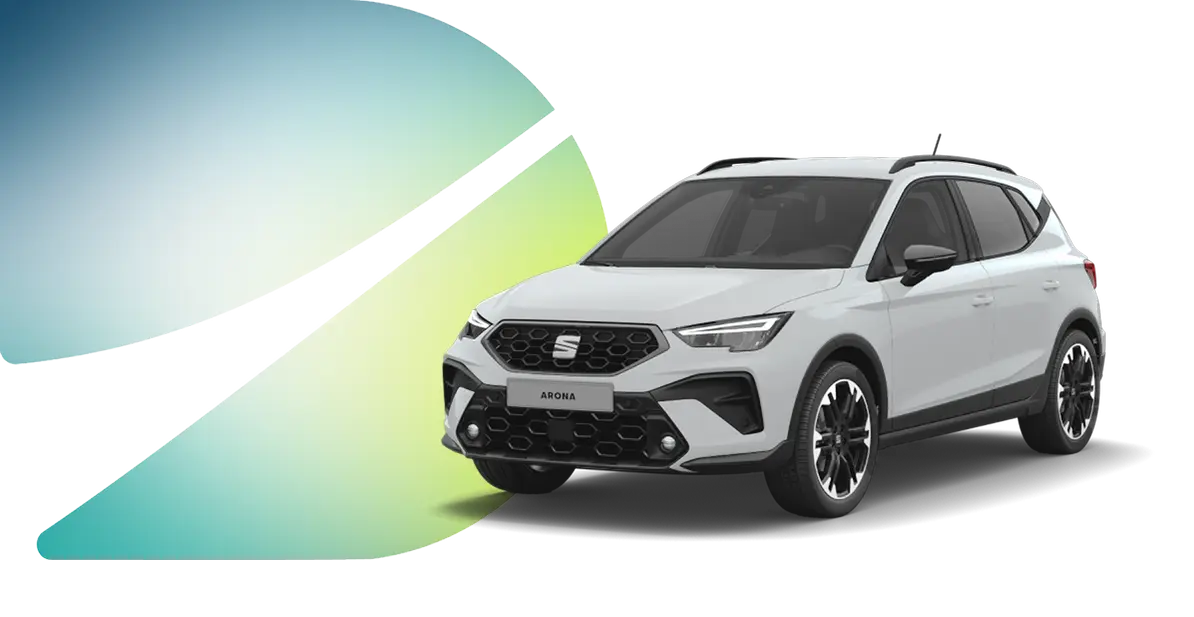
The SEAT Leon offers sharp styling, generous space and efficient engines. It is good to drive, although the Ford’s steering and ride remain more natural.
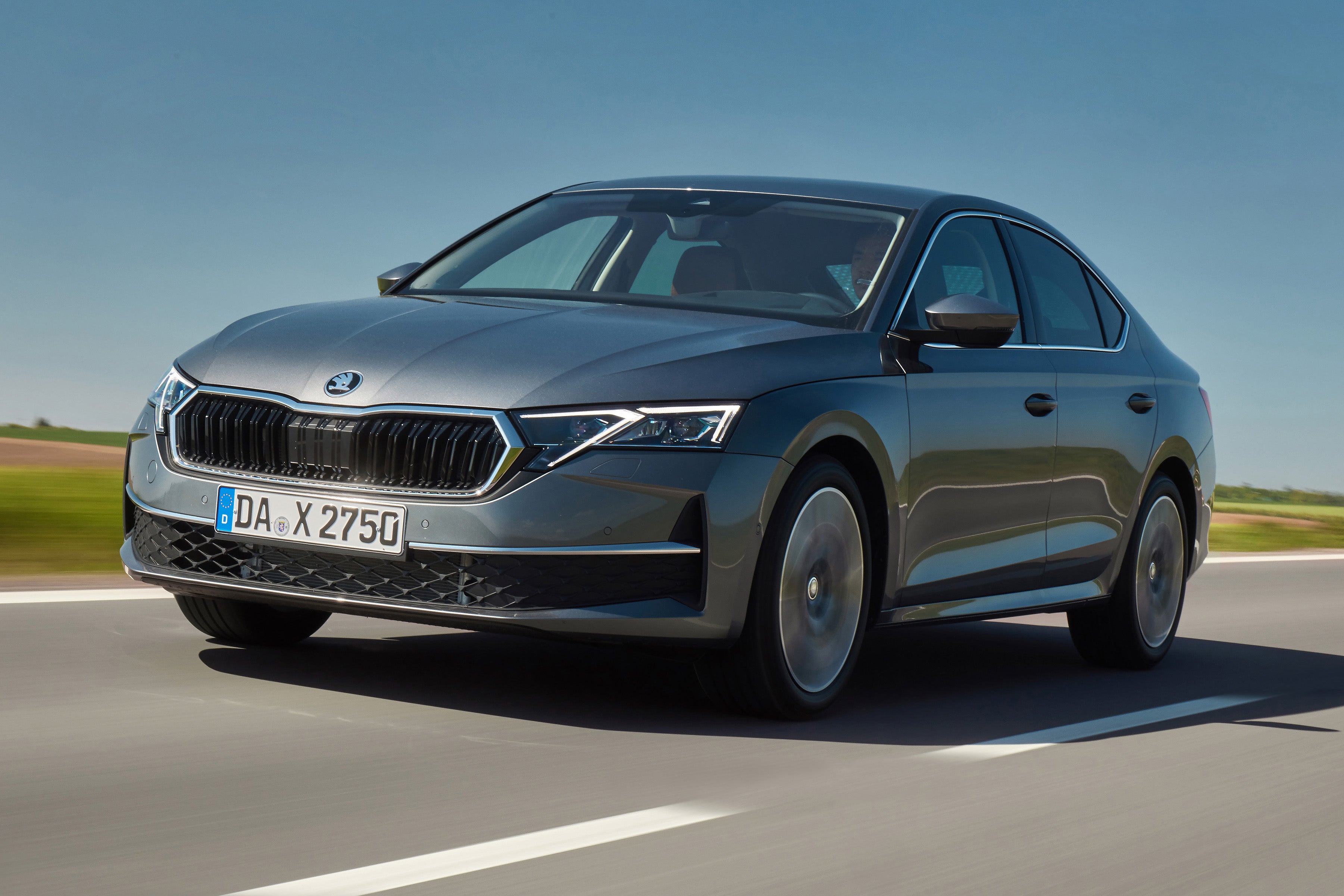
The Skoda Octavia has considerably more boot space and is the better choice for outright practicality. It feels larger on the road and is not as agile.
The Vauxhall Astra is widely available and attractively priced. The latest generation has a more modern cabin and electrified engine options, but older versions cannot match the Focus dynamically.
The Honda Civic is roomier and highly efficient in hybrid form. Used prices are usually higher, and its larger body makes it less convenient in town.
What's the interior like in the Ford Focus?
The Focus has a comfortable and spacious cabin with a good driving position. Its design is straightforward rather than glamorous, while material quality varies depending on where you look.
Ford Focus boot space and practicality
The Focus is considerably roomier than the generation it replaced, with plenty of headroom and legroom in the front and a broad range of adjustment for the driver’s seat and steering wheel.
The pedals, seat and steering wheel line up naturally, allowing drivers of different heights to find a comfortable position. Higher trims add electrical seat adjustment, although the standard manually adjusted seats are supportive enough for long journeys.
Forward visibility is good because the windscreen pillars are not excessively thick and the relatively low dashboard gives a clear view of the road. The rear window is smaller, but parking sensors and cameras were widely fitted.
Rear passenger space is one of the Focus’s strengths, with generous knee room and good headroom even behind a tall driver. A panoramic roof reduces the available head space slightly, but not enough to make the rear uncomfortable for most passengers.
Three adults fit more easily than they do in many family hatchbacks because the cabin is broad and the central floor tunnel is relatively low. The centre seat remains less comfortable than the outer positions, but it is usable for shorter journeys.
Two bulky child seats can be fitted without forcing the front occupants too far forwards, while Isofix mounting points are provided on the outer rear seats.
The boot holds 375 litres with the rear seats upright, which is similar to the Volkswagen Golf and sufficient for a weekly shop, several suitcases or a typical folding pushchair.
A Skoda Octavia or Honda Civic offers substantially more, but the Focus’s load area is sensibly shaped and relatively easy to access. There is a small lip at the entrance, although it is not high enough to create a major problem when loading heavier bags.
The rear backrests split and fold, creating an extended load area without a severe step in the floor.
Storage inside the cabin includes a useful centre compartment, cupholders, a glovebox and front door pockets. The door bins are not especially large, but there is enough space for ordinary family clutter.
Ford Focus dimensions
The Focus hatchback measures 4,378mm long, 1,825mm wide & 1,471mm high.
That makes it slightly longer and wider than a Volkswagen Golf but still manageable on urban roads and in conventional parking spaces. The steering is light at low speeds, while rear parking sensors were widely fitted and higher trims or option packs add a reversing camera and automated parking assistance.
Tech and infotainment in the Ford Focus
The infotainment system depends heavily on the car’s age and trim.
Early Style models have a basic audio system with a small 4.2-inch display, which looks dated and is best avoided unless purchase price is the overriding concern.
Most pre-facelift Zetec and ST-Line cars have an eight-inch touchscreen with Apple CarPlay and Android Auto, while higher trims add built-in navigation, voice control and FordPass connectivity.
The SYNC 3 interface is easy to understand, with large icons and a sensible menu structure. It lacks the visual impact of newer systems but remains straightforward to operate.
Facelifted cars introduced in late 2021 receive a much larger 13.2-inch touchscreen running SYNC 4, and this is the most desirable setup. Its graphics are sharp, responses are quick and wireless smartphone connectivity is supported, while the screen gives the dashboard a more contemporary appearance.
Some ventilation functions moved into the touchscreen with the facelift, although frequently used controls remain reasonably easy to reach.
Titanium X, Active X and ST-Line X models may also have a 12.3-inch digital instrument display, which presents driving, navigation and assistance information clearly and makes the cabin feel more modern.
A Bang & Olufsen sound system, wireless phone charging and a head-up display were available on selected trims or through option packs.
Specifications vary, so check the individual vehicle rather than assuming every example with the same trim badge has identical equipment.
Materials available on the Ford Focus
The Focus cabin is a mixed experience, with soft-touch material covering the upper dashboard and other prominent areas while the steering wheel, gear selector and main switches feel suitably substantial.
Harder, scratchier plastics appear lower down and in parts of the doors, while some panels lack the precise fit and finish found in a Volkswagen Golf or Mazda 3.
The overall cabin does not feel cheap, but it lacks the consistency of the best rivals. Its dark colour scheme also contributes to a slightly gloomy atmosphere, particularly in cars without lighter upholstery or a panoramic roof.
Different trims introduce their own decorative finishes. ST-Line cars have red stitching and sportier detailing, Active versions use more rugged-looking trim, and Vignale models add leather upholstery and a leather-covered dashboard.
Vignale feels more indulgent, but some ordinary Focus plastics remain visible and can undermine the premium effect. Build quality is generally solid, with few obvious squeaks or rattles in a well-kept example.
What's the Ford Focus like to drive?
The Focus remains one of the best-handling family hatchbacks, combining accurate steering and impressive body control with a comfortable ride.
Ford Focus range and performance
The available engines depend on age and specification.
The 1.0-litre EcoBoost is the most common engine, with the 125PS version providing the best balance of low-rev pull, motorway ability and running costs.
It has a distinctive three-cylinder sound and can transmit a little vibration through the controls, but it is generally smooth and willing.
The 100PS version is adequate for lighter use, while the rare 85PS model feels underpowered in a car of this size.
Mild-hybrid assistance arrived in 2020, recovering energy when the car slows and using a belt-driven starter-generator to support the petrol engine. It cannot propel the Focus electrically, so the improvement in economy is modest rather than transformative.
The 155PS version feels noticeably stronger than the 125PS engine and suits drivers who regularly carry passengers or want more effortless acceleration.
Earlier 1.5-litre EcoBoost models are smoother and faster, particularly in 182PS form, but they use more fuel and are less common.
The 1.5-litre diesel is impressively refined and economical on long journeys, making it a sound choice for high-mileage drivers but a less suitable one for repeated short urban trips.
Six-speed manual gearboxes have a light, precise action and suit the Focus’s responsive character. Automatic versions are convenient in traffic, although buyers should ensure the gearbox changes smoothly and responds promptly during a test drive.
Performance data
| Model | Engine/battery size | Power | 0-62mph | Range/MPG |
|---|---|---|---|---|
1.0 EcoBoost | 1.0-litre | 85PS, 100PS or 125PS | Up to 52mpg | |
1.0 EcoBoost mild hybrid | 1.0-litre | 125PS | Up to 54.3mpg | |
1.0 EcoBoost mild hybrid | 1.0-litre | 155PS | Up to 53.3mpg | |
1.5 EcoBoost | 1.5-litre | 150PS or 182PS | Up to 45mpg | |
1.5 EcoBlue | 1.5-litre | 95PS, 115PS or 120PS | Up to 67mpg | |
2.0 EcoBlue | 2.0-litre | 150PS | Up to 60mpg |
Ford Focus driving and refinement
The Focus’s ride and handling balance remains exceptional, with quick, accurate steering that provides enough feedback to give the driver confidence without feeling heavy or nervous.
Its suspension controls body movement neatly, allowing the Focus to change direction with greater agility than most rivals. It feels stable and predictable rather than overtly sporty, which makes its ability accessible in ordinary driving.
Comfort has not been sacrificed, because standard models absorb broken surfaces effectively and remain composed over larger dips and undulations. A Volkswagen Golf isolates occupants slightly better from the sharpest potholes, but it is less rewarding to drive.
ST-Line versions sit lower and use firmer suspension, giving them a more responsive feel through bends at the expense of greater impact over poor urban roads.
Active models take the opposite approach, with raised suspension designed to provide a little more clearance and compliance on rough surfaces. The difference is modest, and Active remains a front-wheel-drive hatchback rather than an off-roader.
Wind and tyre noise are audible but subdued at motorway speeds, while the suspension works quietly over expansion joints and rough tarmac. The 1.5-litre diesel is especially impressive on a steady cruise, producing less noise and vibration than many comparable diesel engines.
How safe is the Ford Focus?
The Ford Focus received five stars from Euro NCAP when tested in 2018, although that rating was awarded under an older protocol and should not be compared directly with a newly tested car.
Autonomous emergency braking, lane-keeping assistance, stability control, hill-start assistance and post-collision braking were standard across much of the range.
Blind-spot monitoring, traffic-sign recognition, adaptive cruise control, lane centring, a head-up display and automated parking were available according to trim and option selection.
Later facelifted models generally have the broadest assistance package, although the exact equipment fitted varies between individual cars.
Running costs: What it's like to live with a Ford Focus
The Focus offers competitive fuel economy and insurance costs, while plentiful parts and widespread specialist knowledge should help keep routine maintenance manageable.
Ford Focus fuel economy
The 1.0-litre EcoBoost mild hybrid returns up to 54.3mpg in 125PS form, while the 155PS version achieves up to approximately 53.3mpg depending on gearbox and specification.
Real-world economy in the mid to high 40s is more realistic for mixed driving.
Earlier non-hybrid 1.0-litre engines are slightly less economical but remain competitive for a petrol family hatchback.
The diesel is the best choice for sustained motorway use, with some versions capable of more than 60mpg under favourable conditions.
Short journeys do not suit modern diesel emissions systems, so petrol remains the safer choice for predominantly urban use.
Ford Focus warranty and servicing
The original warranty was three years or 60,000 miles, so most used examples are now outside manufacturer cover. Approved-used cars may include a dealer warranty, while independent cover can be purchased separately.
A complete service history is essential, particularly for EcoBoost models. Check that the correct oil has been used, automatic gearboxes operate smoothly and all electrical equipment works as intended.
Ford Focus insurance groups
Mainstream Focus models sit broadly between insurance groups 8 and 19, with lower-powered petrol cars generally at the bottom of that range and more powerful petrol, diesel and highly specified versions towards the top.
The popular 125PS 1.0 EcoBoost usually falls in the low to mid-teens, making insurance costs competitive with most family hatchback rivals.
How much does it cost to tax a Ford Focus?
Every example of this generation was registered after 1 April 2017 and uses the current Vehicle Excise Duty structure, with annual tax from the second licence set at £200. Most mainstream Focus models had a list price below the £40,000 Expensive Car Supplement threshold, so the additional charge does not apply.
What trims are available with the Ford Focus?
Zetec was the core trim on earlier cars and generally includes alloy wheels, air conditioning, smartphone connectivity and cruise control, making it a sensible budget choice.
Titanium adds more comfort and convenience equipment, including parking sensors, climate control and additional driver assistance depending on model year.
Titanium X brings larger alloy wheels, heated front seats, a heated steering wheel, upgraded upholstery, a digital instrument display and premium audio on later cars.
ST-Line adds sportier bodywork, lower suspension, larger wheels and red interior stitching, while ST-Line X combines that appearance with more comfort and technology.
Active has raised suspension, protective body trim and an SUV-inspired appearance, with Active X adding equipment similar to Titanium X.
Vignale was the most luxurious version, with leather upholstery, distinctive exterior details and a higher-grade audio system. It is relatively rare and not always worth a substantial premium.
For most buyers, Titanium offers the best balance of comfort, equipment and price. ST-Line suits those who value sharper styling and are prepared to accept a slightly firmer ride.
Ask the Drive experts: common questions
Is the Ford Focus still available new?
What replaced the Ford Focus?
Which used Ford Focus is best?
How big is the Ford Focus’s boot?
Get our latest advice, news and offers
Keep me updated by email with the latest advice, news and offers from Drive.
.jpg)
.jpg)
.jpg)
.jpg)
.jpg)