Vauxhall Astra Review

Written By Andrew Brady
- 2022
- Hatchback
- Petrol, mild hybrid, plug-in hybrid
What we love
Distinctive styling inside and out
Comfortable, easy-going road manners
Broad petrol and hybrid engine line-up
Things to consider
Rear-seat space is only average
Cabin quality still trails the best rivals
Safety rating is four stars, not five
The DRIVE take on the Vauxhall Astra, is it the right car for you?
The Vauxhall Astra is no longer the anonymous family hatchback it used to be. It now has sharper styling, a cleaner and more modern cabin, and a broader spread of petrol and hybrid engines that make it relevant to far more buyers than the old one. It still is not the class leader for practicality or outright driver appeal, and a Peugeot 308 feels more special inside while a SEAT Leon is more fun to drive, but the Astra makes a strong case for itself as a comfortable, well-equipped all-rounder. If you want a family hatchback that feels modern without becoming fussy or overcomplicated, the Astra is easy to shortlist.
The Vauxhall Astra in more detail
The Vauxhall Astra has more than a fighting chance against family hatchback stalwarts like the Ford Focus, Volkswagen Golf and Toyota Corolla thanks to its bold looks. It also appeals for having an engine to suit every buyer – including petrol, diesel and plug-in hybrid power. There's even a pure-electric Vauxhall Astra Electric.
One significant change with this generation of Vauxhall Astra is the simplification of the model line-up. Previously, there were endless trim levels available. Now there are just three: Griffin, GS, and Ultimate.
An entry-level Vauxhall Astra in the past was a pretty grim affair, with solid paint and steel wheels. The kind of thing you might be unlucky enough to land as a company car if your fleet manager didn't really like you. But today, even the most affordable Astra is a perfectly pleasant car. The Vauxhall Astra Design comes with 16-inch alloy wheels - or 18s for the Electric version, a 10-inch navigation system, LED headlights, parking sensors (for the front and rear), cruise control and automatic wipers.
The majority of buyers are expected to go for the mid-spec Vauxhall Astra GS. This is the one you'll see the most of on the second-hand market if you're reading this a year or two down the line. Standard equipment includes black exterior highlights, 17-inch alloy wheels, adaptive cruise control and fancy ambient interior lighting. Heated front seats and steering wheel, and climate control also grab our attention on the standard equipment list.
If you want a posh Vauxhall Astra, the Ultimate model is as near as you're going to get. This is identified by its 18-inch diamond-cut alloy wheels and panoramic sunroof, while inside you get wireless phone charging, a head-up display, Alcantara seats and a 360-degree panoramic parking camera. It also has Vauxhall's excellent IntelliLux adaptive headlights in its factory-fit arsenal.
If you really want an upmarket hatch, you might be better looking at the new Peugeot 308. While the Astra's cabin is a lot more interesting to look at than before, there are still quite a few hard finishes. It's pretty mediocre in the practicality stakes, too, although the front seats are comfortable and there is an estate version (badged the Vauxhall Astra Sports Tourer) on its way.
In terms of engines, the 1.2-litre petrol is likely to be the sweet spot in the Vauxhall Astra range. It's the same 1.2 turbo as you'll find in various Stellantis models and in the Astra, it's available in entry-level 110PS form, but most will go for the 130PS version. This is available with a six-speed manual or eight-speed automatic gearbox. There's also a mild hybrid model with this engine called the 1.2 Turbo Hybrid e-DCT6 that has - oh, you worked it out - 136PS.
Another significant change to the Astra is the introduction of a plug-in hybrid, badged the Vauxhall Astra e-Hybrid. This can be charged in less than two hours and will provide an electric range of up to 52 miles. That's not impressive compared to a pure-EV, but it's enough for popping to the shops or taking the kids to school. Once it's out of juice, the 1.6-litre petrol engine is on hand for those longer journeys.
The Vauxhall Astra is easy to drive, while there's a long list of driver-assistance technology on hand to keep you safe. You might not enjoy driving it as much as a Mazda 3 or SEAT Leon, but it's safe and reassuring in the way it goes about its business. Our early impressions suggest it's also extremely comfortable – even those with larger alloy wheels glide effortlessly over poor road surfaces.
What's the best Vauxhall Astra trim and engine option?
For most buyers, the best Vauxhall Astra is the GS with the 1.2 Turbo Hybrid 145PS e-DCT6.
That combination makes the most sense because it gives you the more efficient mild-hybrid drivetrain, the convenience of the electrified automatic gearbox and the trim level that best balances price and equipment. It also suits the Astra’s relaxed character better than the regular petrol manual does.
The standard 1.2-litre turbo petrol still has a place, especially in 130PS form if you want to keep the price down and do not mind either the manual gearbox or a simpler conventional auto. But the 145PS hybrid is the more rounded drivetrain and the one that feels most current.
The plug-in hybrid also deserves consideration if your usage fits. It offers a useful electric-only range and stronger performance, but it is harder to justify financially unless you will charge it consistently.
What’s the price of the Vauxhall Astra?
The current Astra hatchback line-up starts at £29,995 for the Griffin Hybrid 145PS, which is the same starting point Vauxhall now uses for the Hybrid, Plug-in Hybrid and Electric versions as a broader Astra pricing strategy.
In the core petrol and mild-hybrid hatchback range, the current price guide shows the 1.2 Turbo 130PS manual from £31,225 in Griffin trim, rising through GS and Ultimate grades. The 1.2 Turbo Hybrid 145PS e-DCT6 starts from £34,345 in GS trim and rises to £37,510 in Ultimate trim.
If you want the plug-in hybrid hatchback, prices start at £36,150 for the GS 1.6 Turbo Plug-in Hybrid 195PS and rise to £38,800 for the GSe 225PS.
That means the Astra is no longer a cut-price family hatch. It sits firmly in mainstream family-car money, and upper trims in particular ask you to spend a fair amount. The upside is that it now looks and feels like a much more complete product than cheaper Astras of old.
Alternatives to the Vauxhall Astra
The Volkswagen Golf remains one of the Astra’s clearest rivals because it still sets such a strong benchmark for all-round family-hatch ability. It feels more mature and more complete in some areas, though it is not necessarily more interesting.
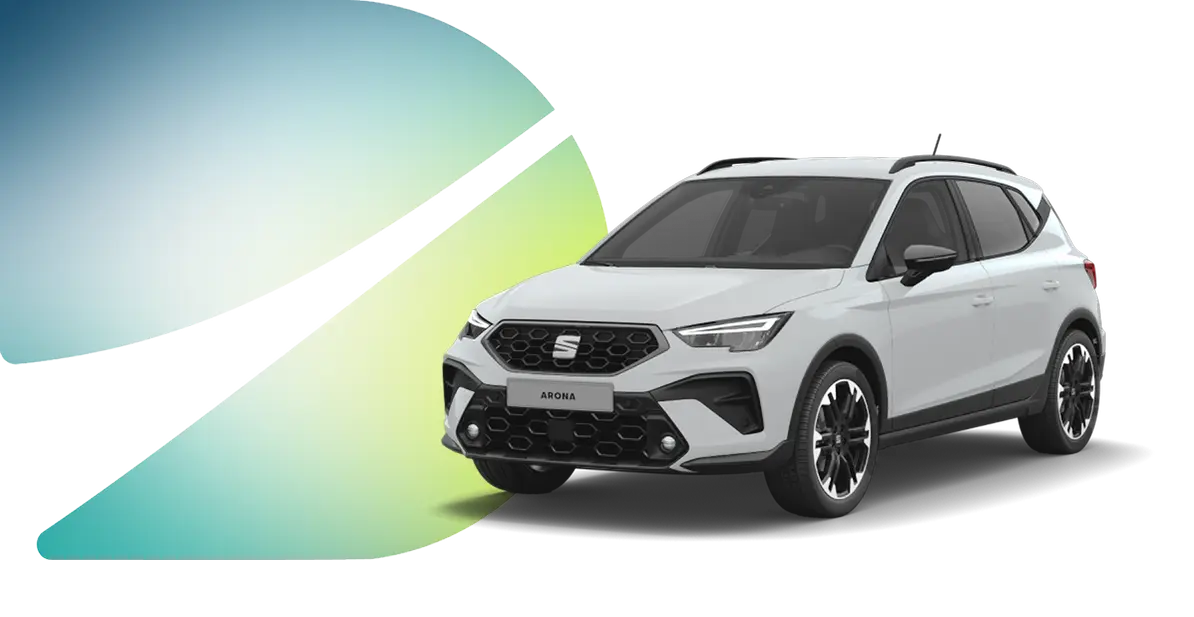
The SEAT Leon is another obvious alternative if you want sharper styling and slightly more engaging road manners without moving far from the basic Golf-class brief. It remains one of the more rewarding hatchbacks to drive in this part of the market.
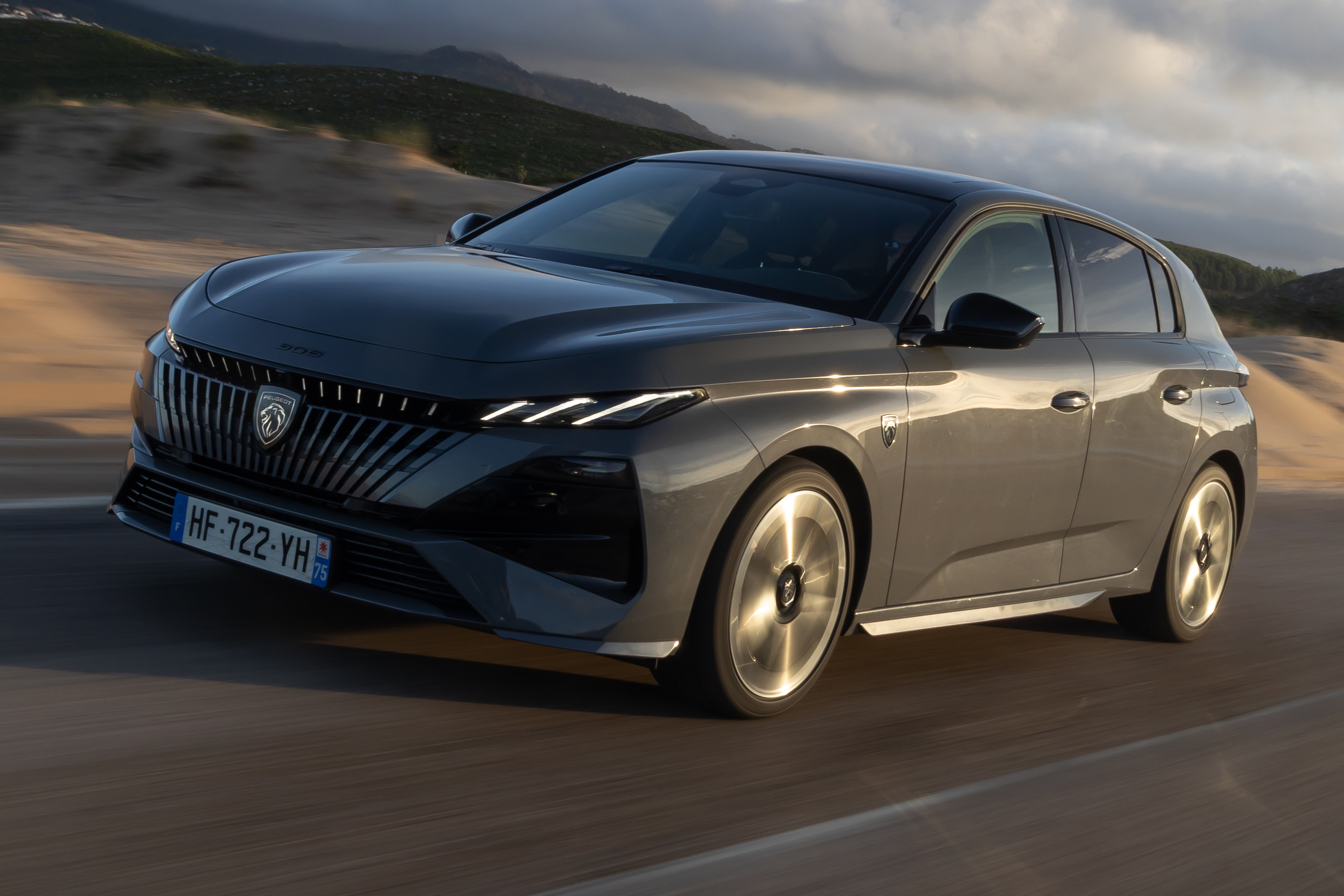
The Peugeot 308 is impossible to ignore because it shares much of the Astra’s underlying hardware. It feels more upmarket inside and has the more design-led cabin, while the Vauxhall counters with a cleaner, more straightforward interface and often slightly keener value.
The Toyota Corolla is also well worth considering if efficiency and long-term ownership reassurance are high priorities. It is not as visually bold as the Astra, but it makes a very strong case on running costs and ease of ownership.
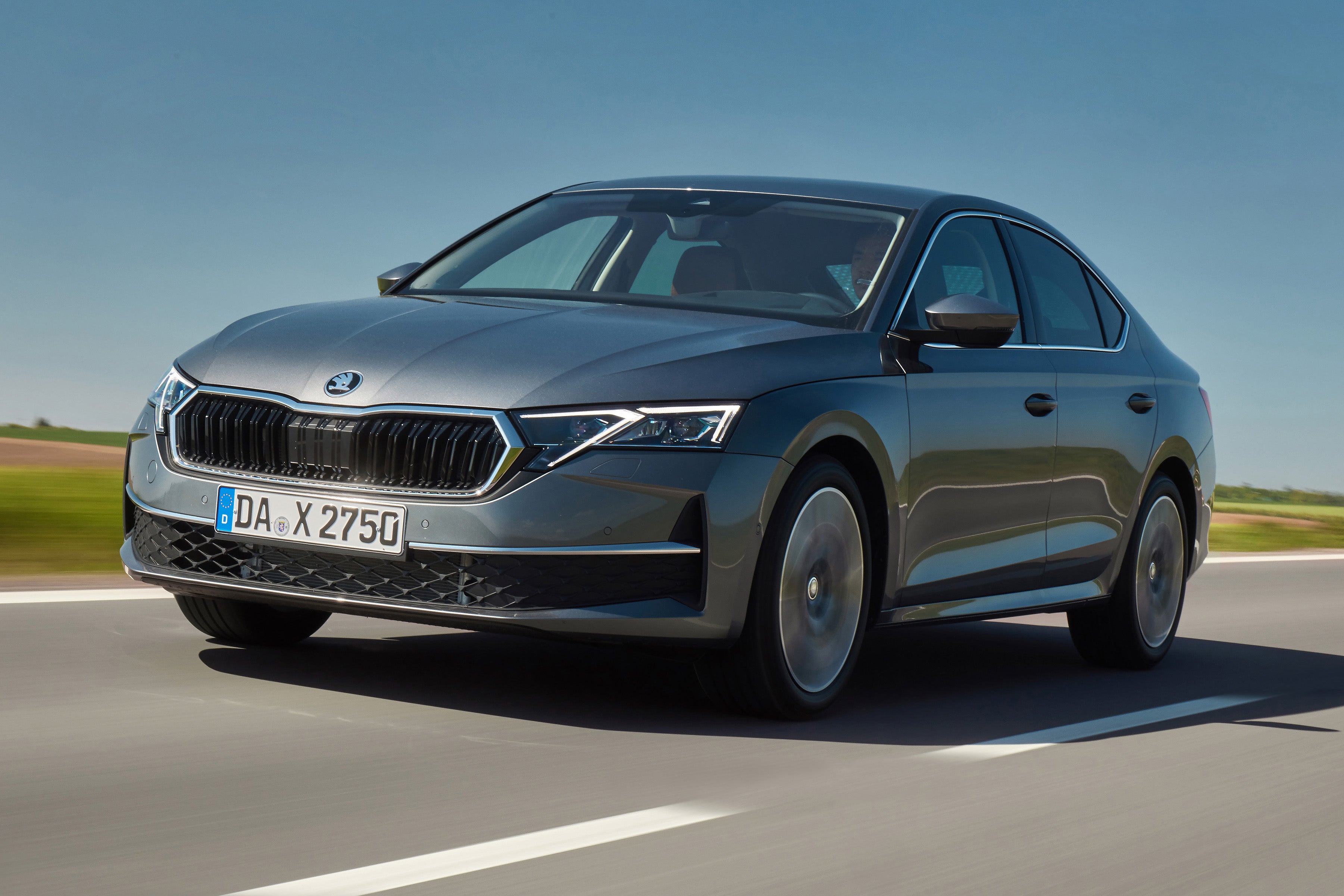
Beyond those four, the Skoda Octavia, and Mazda 3 are worth a look depending on whether you want more space or more style.
What's the interior like in the Vauxhall Astra?
Vauxhall uses the word 'detox' a lot to describe the Astra's interior. It's not quite as minimalist as that suggests (there are buttons peppered across the steering wheel and below the infotainment system), but it's more stylish than many cars in this class.
Vauxhall Astra boot space and practicality
It looks similar to the cabin of the Vauxhall Mokka, thanks largely to the twin-screen Pure Panel display (more on that below). You get a central infotainment system angled slightly towards the driver, while the centre console houses buttons for the drive modes and an electronic parking brake.
Getting comfortable shouldn't be a problem, thanks to the AGR-approved seats that are standard on Vauxhall Astra GS Line and Ultimate models. AGR is the German association for healthier backs, which means you can be pretty confident that you won't have too many aches and pains after a long journey in the Astra.
The new Vauxhall Astra is 4374mm long and 1860mm wide, making it a whole 4mm longer than before. That's not going to make a huge difference in the real world but a 13mm increase in wheelbase (that's the distance between the front and rear wheels) might be a little more noticeable.
There's certainly plenty of space in the front, where you'll find it easy to get a comfortable seating position. You get a handy storage area within the central armrest, as well as cup holders in the centre console and a tray for storing your phone.
Things aren't quite so good in the back, where adults will feel a little cramped (especially in the top-spec Vauxhall Astra Ultimate with its panoramic sunroof reducing headroom). It'll be adequate for children (or teenagers at a push), but if you're regularly transporting people in the back you might want to look at an SUV alternative like the Vauxhall Grandland instead.
In terms of boot space, the Vauxhall Astra can take 422-litres of luggage, dropping to 352- litres in the Astra Hybrid-e. That's good going, though the Skoda Octavia hatch can manage a huge 600-litres. You can always drop the rear seats to provide up to 1339-litres of luggage, though (1268-itres in the PHEV), while the Vauxhall Astra Sports Tourer estate caters for those with a need for a bit more space.
Vauxhall Astra dimensions
The Vauxhall Astra measures 4,374mm long, 1,860mm wide & 1,441mm high. That puts it squarely into the family-hatchback class and explains why it feels substantial enough for longer trips without ever becoming cumbersome in town.
It is easy enough to place on the road, and the proportions are tidy enough that the Astra never feels unnecessarily bulky.
Tech and infotainment in the Vauxhall Astra
All Vauxhall Astra models come with a 10-inch infotainment system alongside a 10-inch digital instrument cluster. This is the same Pure Panel setup that we first saw on the Vauxhall Mokka, spreading across from the centre of the dash to behind the steering wheel. It looks minimalist, while there's a useful ledge for resting your fingers when using the touchscreen, as well as buttons for the climate control.
It's all rather intuitive, although some of the graphics on both the navigation system and digital instrument cluster aren't the slickest. You can get around that by using Google Maps instead. Wireless Apple CarPlay and Android Auto are standard. However, only the Ultimate trim has wireless phone charging included as standard.
Materials available on the Vauxhall Astra
If there's one area in which the Vauxhall Astra differentiates itself significantly from the closely-related Peugeot 308, it's the perceived quality of the interior. It'd probably be a little mean to describe the Astra as 'downmarket', but there are certainly quite a few harsh plastics and flimsy finishes. On the plus side, these should deflect muddy trainers and sticky fingers well - and that kinda thing is important in a family car.
What's the Vauxhall Astra like to drive?
Just like previous generations of Vauxhall Astra, the latest model doesn't feel as agile as a Ford Focus or SEAT Leon. It's easy to drive, though, and there's plenty of driver-assistance tech on hand to act as a second pair of eyes.
Vauxhall Astra range and performance
The Vauxhall Astra is available with an extensive engine line-up that caters for every buyer. This includes petrol, diesel, plug-in hybrid, and pure-electric power.
Don't be overwhelmed by the choice on offer, though. The majority of buyers will be best buying a petrol Vauxhall Astra. This is a 1.2-litre petrol engine. That might sound small but as it's a turbocharged unit, it's just as powerful as larger engines sold in older models. You can get the entry-level Vauxhall Astra Design with a 110PS version of this engine but, unless you're really on a budget (or perhaps a new driver with an eye on insurance), we'd recommend the 130PS model. This is sold with a six-speed manual or eight-speed automatic gearbox.
We've sampled the 130PS 1.2 petrol with the manual transmission and it's lively enough, with enough grunt to prevent too many unwanted gear changes. That's good news as there's not much going for the manual transmission – it's a bit soggy to use and nowhere near as precise as you'll find in a Ford Focus or Mazda 3. It's quite telling the new Peugeot 308 is only available with an automatic gearbox.
If you spend all your day covering the lengths and breadths of the UK motorway network, you might be better looking for a diesel, though it will now be a used model as Vauxhall dropped the diesel engine in mid-2024. It's a 1.5-litre turbodiesel producing 130PS and available with a manual or automatic gearbox. It feels gruntier than the petrol, thanks to its 300Nm torque figure, but economy-minded buyers might be better looking at the mild hybrid 1.2 Turbo e-DCT6 that takes the diesel's place in the line-up. It has 136PS and, while missing the 1.5 TD's mid-range grunt, it delivers good fuel economy.
Then there are the plug-in hybrids that are badged as the Vauxhall Astra Hybrid-e. They combine a 1.6-litre petrol engine with an electric motor to provide a combined output of 180PS and 360Nm torque or, that's not enough, you can have a more powerful version with a total output of 225PS.
Frankly, we reckon the 180PS Astra Hybrid-e is more than sufficient for most buyers. It's eager off the line, while it's capable of travelling up to 35 miles before the petrol engine kicks in. It can travel at up to 84mph in fully-electric mode, too, so you're not exactly limited to town use under electric power.
The Astra Electric has a 156PS motor that offers 0-62mph in 9.6 seconds and offers a range of up to 260 miles.
Performance data
| Model | Engine/battery size | Power | 0-62mph | Range/MPG |
|---|---|---|---|---|
1.2 Turbo 130 manual | 1.2-litre petrol manual | 130PS | 9.7 seconds | 49.6mpg |
1.2 Turbo 130 auto | 1.2-litre petrol automatic | 130PS | 9.7 seconds | 50.4mpg |
1.2 Turbo Hybrid e-DCT6 | 1.2-litre mild hybrid automatic | 145PS | 9.3 seconds | 58.9mpg |
Plug-in Hybrid | 1.6-litre plug-in hybrid automatic | 195PS | 7.6 seconds | Up to 52 miles EV range |
GSe Plug-in Hybrid | 1.6-litre plug-in hybrid automatic | 225PS | 7.5 seconds | Up to 50 miles EV range |
Vauxhall Astra driving and refinement
The Astra has been tuned for comfort more than excitement, and that suits it. It rides with a nicely settled feel and generally does a good job of taking the edge off poor surfaces.
That means it does not have the crisp responses of a Focus or Leon, but it does feel easy and confidence inspiring. The steering is light, the controls are straightforward and the car never feels demanding.
The standard petrol models are quiet enough once cruising, though the little three-cylinder does make itself heard if you accelerate hard. The hybrid is the calmer option around town and in slower traffic, where the electrified drivetrain smooths off the rougher edges.
The plug-in hybrid is the most refined at lower speeds when it has battery charge, but it also carries more weight and does not feel as naturally tied down over rougher roads.
How safe is the Vauxhall Astra?
The current Astra has a four-star Euro NCAP safety rating from 2022. That is not disastrous, but it is not class leading either.
Euro NCAP’s main criticism focused on the car’s autonomous emergency braking response, which it judged only marginal in some scenarios. That means the Astra’s rating looks a little disappointing on paper next to some five-star rivals.
The standard safety kit is still decent, though. All versions get automatic emergency braking, lane-keeping support and driver-attention monitoring, while higher trims add more advanced assistance systems.
Running costs: What it's like to live with a Vauxhall Astra
Running costs depend heavily on which Astra you choose. The mild hybrid is the sensible all-round ownership pick, while the plug-in hybrid only really shines if you will make proper use of its charging ability.
Vauxhall Astra fuel economy
The 1.2 Turbo 130PS petrol returns up to 49.6mpg in manual form and 50.4mpg with the automatic gearbox. The 145PS mild hybrid improves on that, with official economy of up to 58.9mpg.
That makes the mild hybrid the most convincing mainstream option for buyers who simply want better efficiency without needing to plug in.
The plug-in hybrid tells a slightly different story. Its electric-only range of up to 52 miles is useful enough to make a real difference for shorter trips, but only if you keep it charged. Ignore the cable and much of the financial case fades away.
Vauxhall Astra warranty and servicing
Vauxhall’s new-car warranty runs for three years from first registration, with unlimited mileage in year one and a 60,000-mile cap across years two and three.
Servicing is structured around Vauxhall’s service-plan approach rather than a simple old-fashioned annual stamp book story. Vauxhall’s current service guidance sets Interim and Main services on a 24-month cycle from years one and two respectively, with Major services every 48 months.
Vauxhall Astra insurance groups
Insurance depends quite a lot on powertrain and trim. Petrol Astras sit around groups 18 to 20, the mild hybrid rises to around 21 to 22 and the plug-in hybrids climb further, topping out around 30.
That spread is fairly typical for a family hatch with such a broad engine line-up, though it does mean the plug-in hybrid can look quite expensive once you factor in both price and insurance.
How much does it cost to tax a Vauxhall Astra?
The petrol and mild-hybrid Astra now pay the standard annual VED rate after year one, which is £200.
The plug-in hybrid also now pays the same standard annual rate after year one. None of the petrol, mild-hybrid or plug-in hybrid Astra hatchbacks listed in the current range crosses the £40,000 threshold, so there is no Expensive Car Supplement to worry about on these versions. Just be careful about the On The Road price on high spec cars with a few options - if it goes over this threshold, you'll be in for an extra £440 from years two to six.
What trims are available with the Vauxhall Astra?
The Astra hatchback line-up now consists of Griffin, GS, Ultimate and GSe, though GSe is reserved for the 225PS plug-in hybrid.
Astra Griffin is the entry point and is better equipped than basic Astras used to be. You get 16-inch alloys, the twin 10-inch screen setup, LED headlights, front and rear parking sensors and key safety systems as standard.
Astra GS is the trim most buyers should aim for. It adds black exterior highlights, 17-inch alloys, adaptive cruise control, heated front seats, heated steering wheel and dual-zone climate control. This is the trim that gives the Astra most of its visual and equipment appeal without tipping too far into indulgence.
Astra Ultimate is the luxury-focused version. It adds 18-inch diamond-cut alloys, head-up display, wireless phone charging, Intelli-Lux adaptive headlights, Alcantara trim and the panoramic glass roof.
Astra GSe sits at the top of the non-electric Astra hatch range and pairs the 225PS plug-in hybrid with a sportier visual treatment and chassis setup.
In simple terms, Griffin is the value option, GS is the sweet spot, Ultimate is the plush one and GSe is the plug-in performance flagship.
Ask the Drive experts: common questions
Is the Vauxhall Astra a good family hatchback?
Which Vauxhall Astra is best?
Is the Vauxhall Astra Hybrid worth it?
Does the Vauxhall Astra get the Expensive Car Supplement?
Get our latest advice, news and offers
Keep me updated by email with the latest advice, news and offers from Drive.
.jpg)
.jpg)
.jpg)
.jpg)