Honda Civic Review

Written By Lawrence Allan
- 2022
- Hatchback
- Hybrid
What we love
Smart and spacious cabin
Very well-sorted ride and handling
Honda’s hybrid system is one of the best of its kind
Things to consider
Only one powertrain choice
Entry price point is higher than most rivals
Styling is neat rather than exciting
The DRIVE take on the Honda Civic, is it the right car for you?
The Honda Civic is one of the most complete family hatchbacks on sale. It combines a spacious, high-quality cabin with an excellent hybrid powertrain, strong fuel economy and road manners that strike a particularly smart balance between comfort and driver appeal.
The catch is that it is not cheap, and the UK range is unusually limited. If you want a lower-cost petrol, diesel or plug-in option, you will need to look elsewhere. But if a full hybrid hatch suits your needs, the Civic makes a very strong case for itself.
The Honda Civic in more detail
The latest Civic does not shout about itself in the way some earlier generations did, and that is probably deliberate. Honda has moved away from the more dramatic, divisive styling of old and produced something cleaner, more mature and easier to place in the family-hatch class.
That could make it seem a little anonymous at first glance, but there is more substance here than the restrained styling first suggests. The current Civic is a notably polished car, with a much improved cabin, a clever hybrid powertrain and the sort of ride-and-handling blend that makes it feel more expensive than many mainstream rivals.
Browse used Honda Civics for sale →
The UK range is simple to the point of austerity. There is just one mainstream engine, a 2.0-litre e:HEV full-hybrid powertrain producing 184PS, paired with Honda’s latest automatic hybrid transmission. Trim choice is limited to Elegance, Sport and Advance, while the separate Type R sits far outside the mainstream range and is covered on its own merits.
That lack of choice will annoy some buyers. In other markets, Honda offers a broader Civic line-up, and even in the UK plenty of rivals still give you a longer options list. Honda’s argument is that this one powertrain does the job well enough to cover most needs, and in fairness it largely does.
What really lifts the Civic is how cohesive it feels. The hybrid system is smooth and efficient, the chassis is genuinely well sorted, and the cabin is spacious enough to make this a very practical family hatchback. It may not be the cheapest option in the class, but it is one of the most rounded.
What's the best Honda Civic trim and engine option?
Because there is only one engine, the decision is mostly about trim. For most buyers, Sport is the sweet spot. It adds the features most people will actually appreciate day to day, including the wireless phone charger, upgraded trim details and rear air vents, without pushing the price to the point where the Civic starts to feel indulgent.
What’s the price of the Honda Civic?
The current Honda Civic range starts at £35,025 for the Elegance trim. Sport comes in at £36,645, while the range-topping Advance is £40,320 on the road. There are also plenty of used Honda Civics for sale for considerably less.
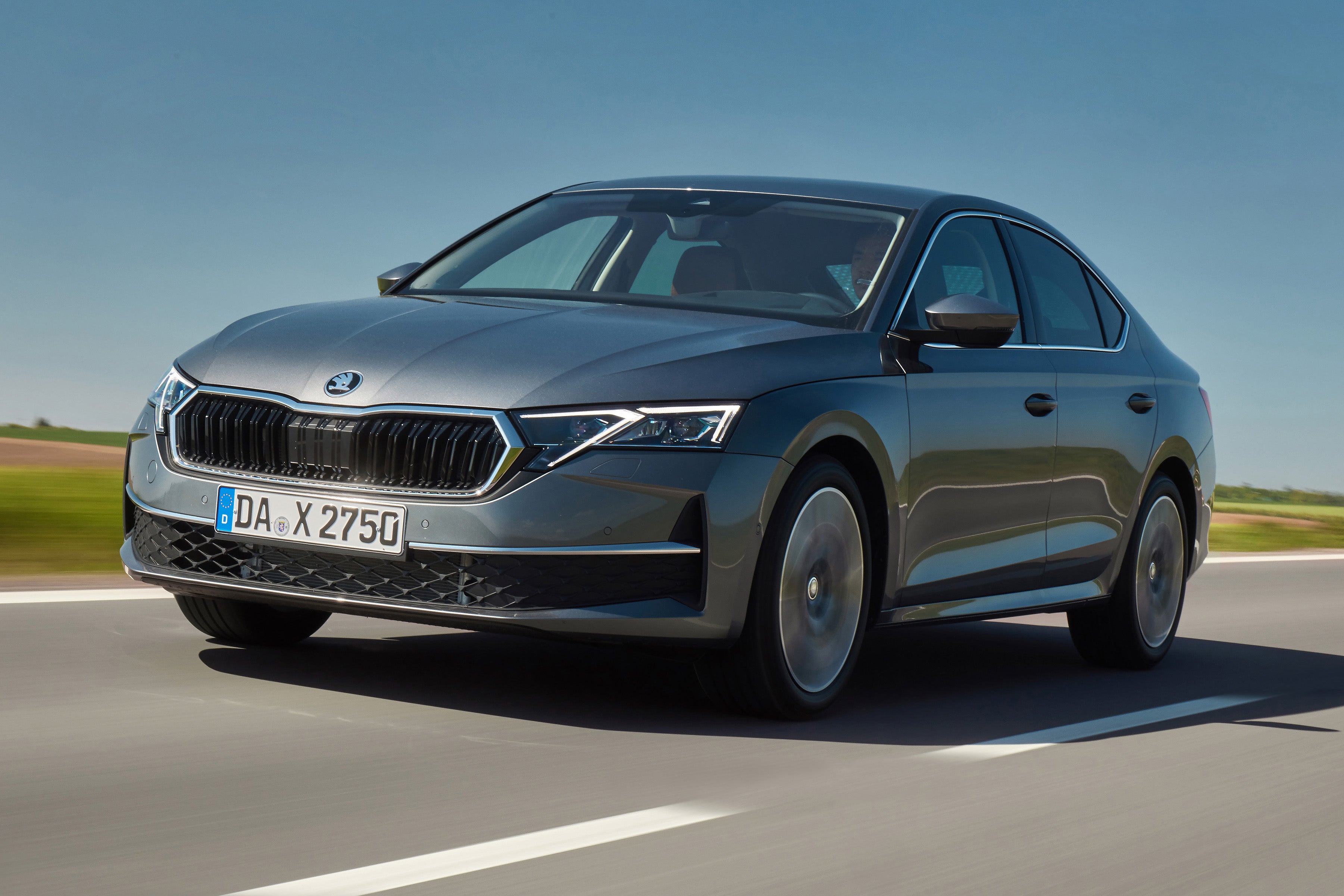
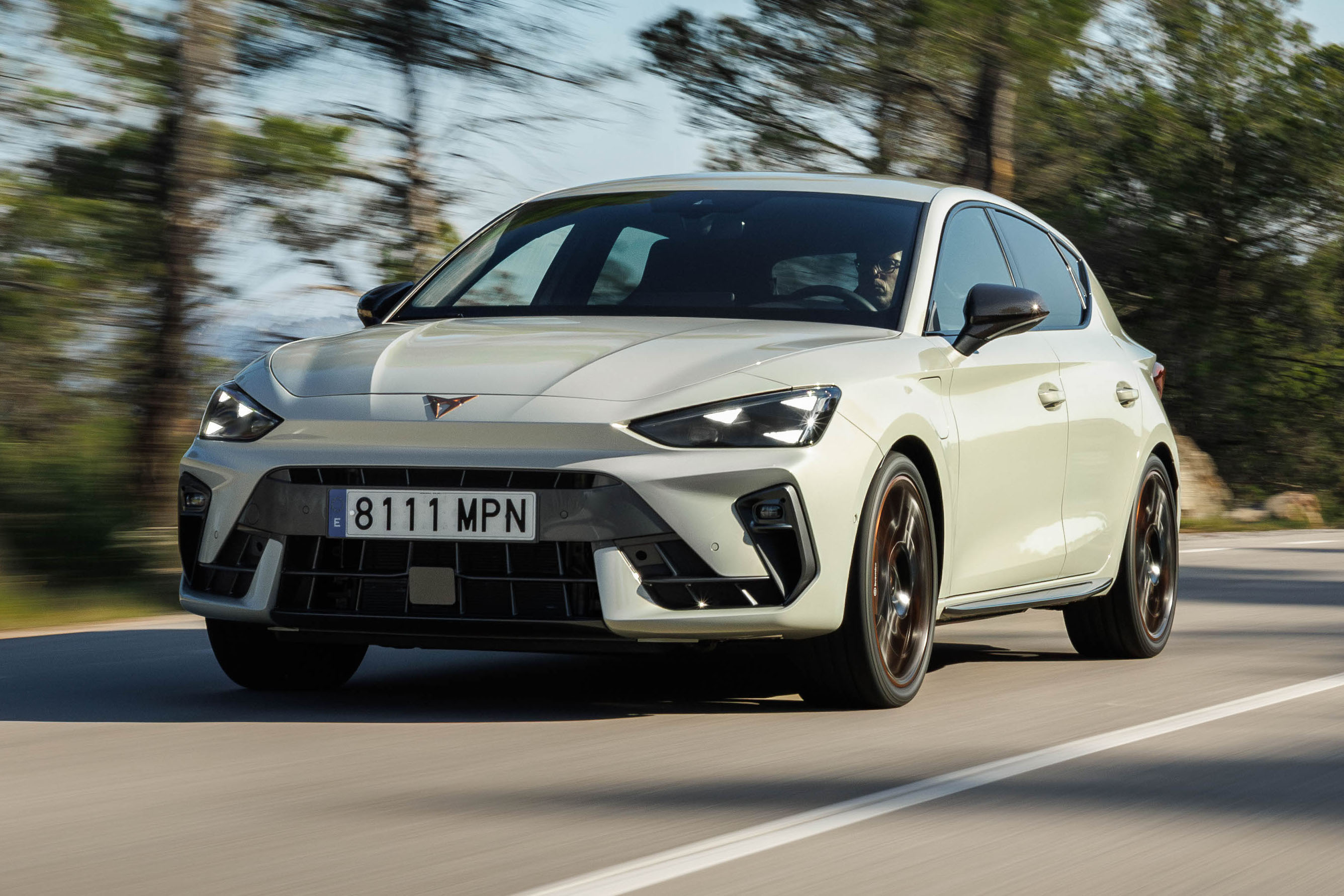
That makes the Civic one of the pricier mainstream family hatchbacks, and it is a big part of the reason some buyers will initially hesitate. A Skoda Octavia, Kia Ceed or Hyundai i30 all look cheaper at first glance, while even some premium-badged rivals can start to come into view once you climb into Advance money.
The Civic’s defence is that it is generously equipped, the hybrid system is standard and the car feels unusually polished overall. It is not cheap, but it does at least feel as though you are getting something for the money.
Alternatives to the Honda Civic
The Toyota Corolla is the most obvious direct rival because it is also hybrid-only, comes from a brand with a similarly strong reliability reputation and makes a lot of sense for buyers who want an efficient, dependable hatchback. The Civic counters with a roomier cabin, a smarter interior and a more polished hybrid system.
The Volkswagen Golf remains the all-round benchmark in many buyers’ minds, and it still does an excellent job of blending quality, comfort and practicality. If you want something a bit sharper-looking, the Mazda 3 and Peugeot 308 are both worth a look, although neither matches the Civic for rear-seat space.
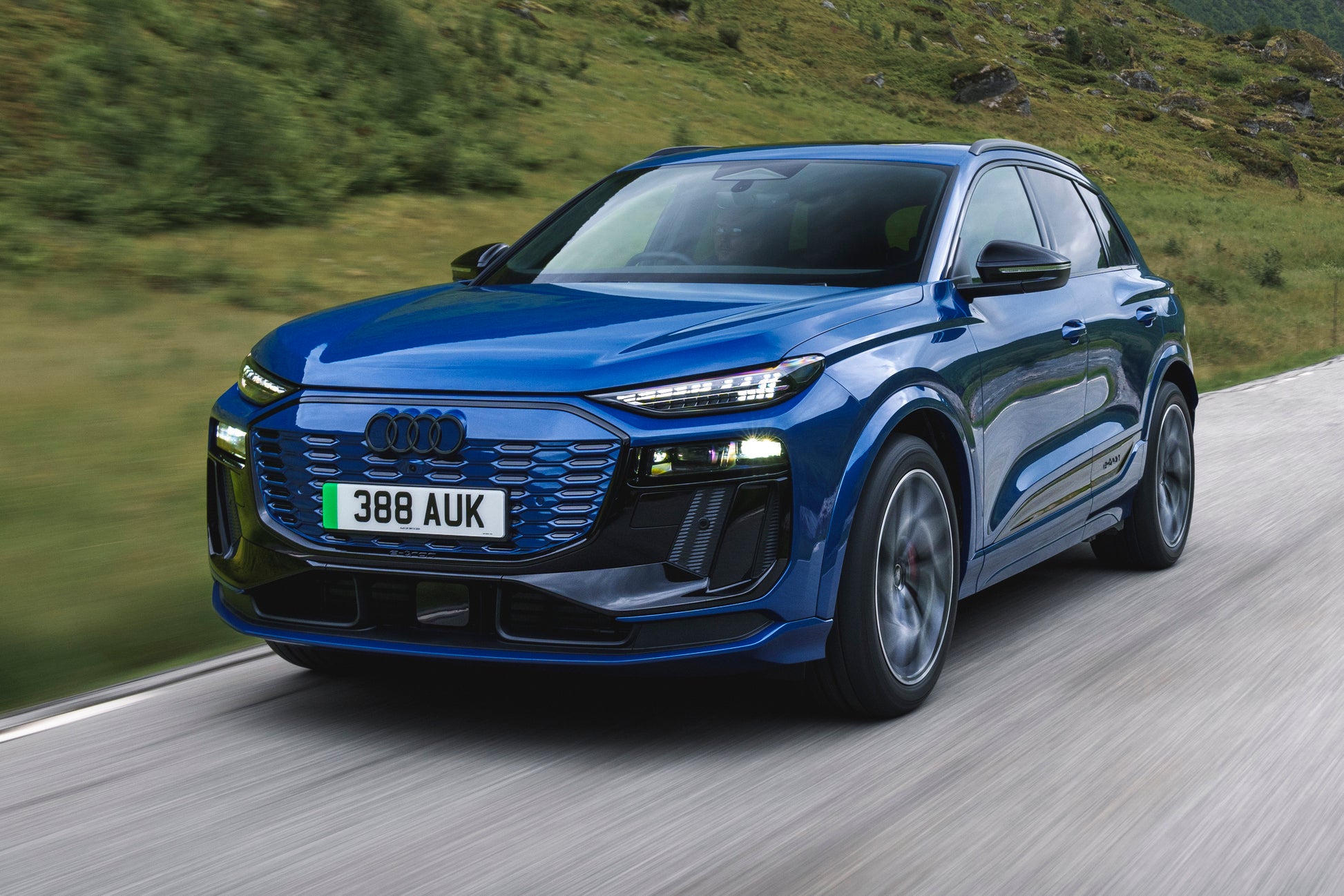
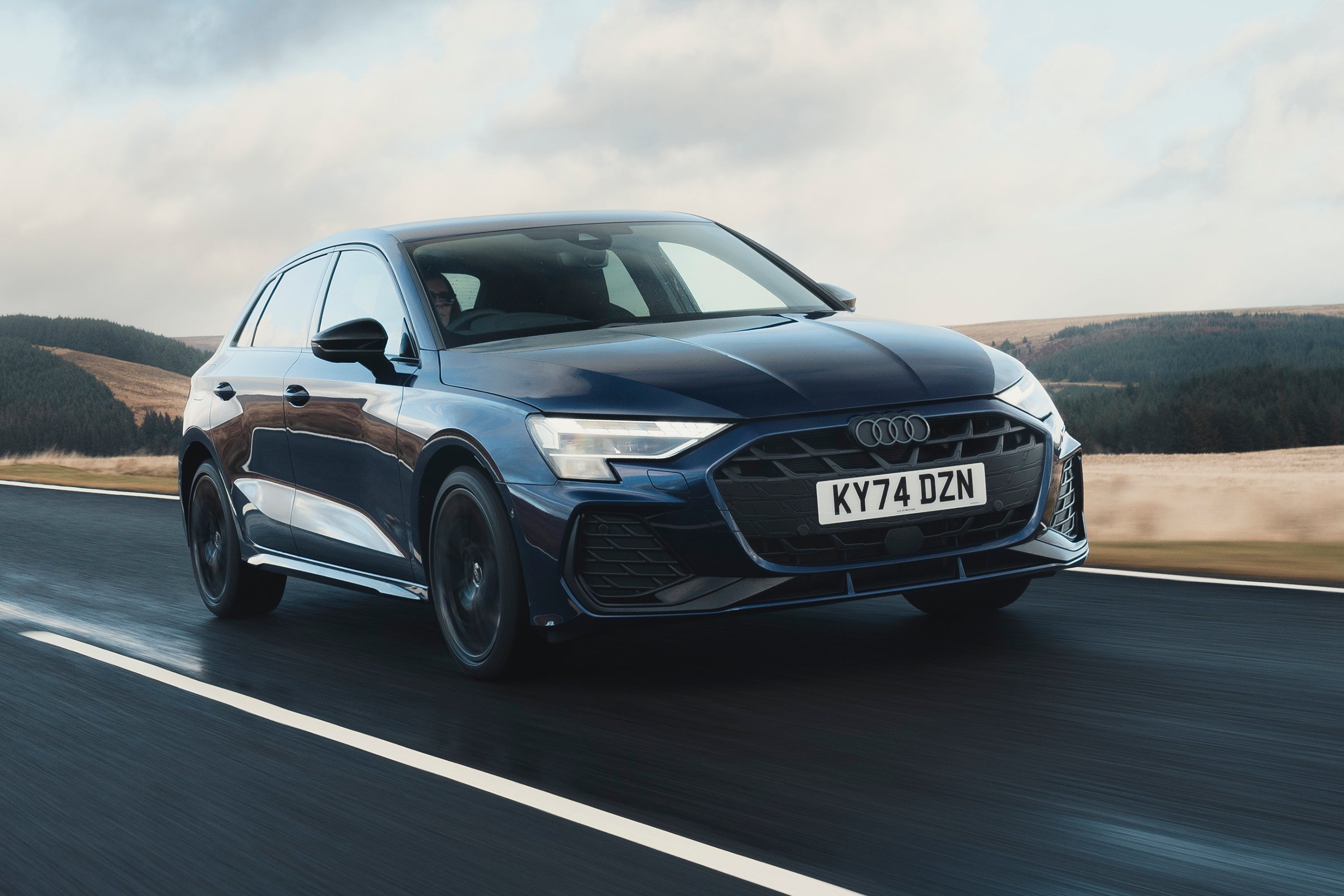
The Skoda Octavia is the smarter buy if you care most about outright value and practicality, while the Audi A3 and Mercedes A-Class remain tempting if badge appeal matters. The Civic’s strength is that it offers a little of all of these things without leaning too far in any one direction.
What's the interior like in the Honda Civic?
The Civic’s interior is one of the clearest improvements over the old car. It is smart, well made and much easier to use, with a calm, logical design that feels refreshingly free of gimmicks.
Honda Civic boot space and practicality
One of the Civic’s long-standing strengths has been cabin space, and the latest car keeps that tradition alive. There is plenty of room up front, a low-set driving position for those who like to sit more in the car than on it, and enough adjustment in the seats and steering wheel to make getting comfortable very easy.
The dashboard design helps here too. It is simple, uncluttered and sensibly laid out, which makes the Civic feel more upmarket and more intuitive than some rivals that rely too heavily on touch-sensitive controls.
Rear-seat space is another plus. Two adults will be comfortable in the back, and while three across is still a squeeze, the Civic offers noticeably more rear legroom than many family hatchbacks. Headroom is not class-leading because of the low roofline, but it is perfectly acceptable for most people.
The boot measures 410 litres in standard form, or 415 litres including the sub-floor storage area. That is a strong figure for the class, better than most direct rivals bar the Skoda Octavia, and the wide opening makes it more useful than the raw number suggests. Advance loses a few litres because of the Bose subwoofer, but not enough to matter in real life.
Honda Civic dimensions
The Honda Civic measures 4,560mm long, 1,802mm wide & 1,408mm high. That makes it one of the larger hatchbacks in this class, which helps explain the generous cabin and boot space.
It is still easy enough to place on the road, though, and it does not feel awkwardly large in the way some overgrown family hatchbacks can.
Tech and infotainment in the Honda Civic
Honda has done a good job here. The old Civic’s infotainment system was one of the car’s weakest points, but the current setup is much better. The 9.0-inch touchscreen is not the biggest in the class, yet it is clear, responsive and simple to navigate.
Apple CarPlay and Android Auto are standard, with wireless Apple CarPlay available across the range. There are also a few proper shortcut buttons and a physical volume knob, which makes the system easier to live with than many rivals’ setups.
The digital instrument display varies by trim, with the top-spec car getting the larger 10.2-inch unit, while lower trims make do with a smaller screen flanked by analogue-style dials. That is perfectly fine, if not especially flashy. Sport and Advance also add the wireless charging pad, while Advance brings the 12-speaker Bose audio system.
Materials available on the Honda Civic
The Civic feels notably more premium inside than older Hondas often did. There is a lot of soft-touch trim, the switchgear has a precise, satisfying feel and the whole cabin comes across as solidly engineered.
It is not flawless. Some of the lower centre-console trim feels a bit cheaper than the rest, and the armrest is not especially robust if you prod it. But these are small complaints in an otherwise very convincing interior.
Elegance keeps things simple, Sport adds part synthetic leather trim, and Advance gets full leather upholstery. More important than the exact materials, though, is the fact that the Civic now feels genuinely classy rather than just functional.
What's the Honda Civic like to drive?
The Civic is surprisingly enjoyable. It is not the sharpest family hatchback on sale, but Honda has managed to make it engaging enough for keen drivers while keeping it comfortable and refined for everyone else.
Honda Civic range and performance
Every current Civic uses Honda’s 2.0-litre e:HEV full-hybrid setup, which combines a petrol engine with two electric motors for a total output of 184PS and 315Nm of torque. Officially, 0-62mph takes 7.8 seconds and top speed is 112mph.
Those figures are strong for a mainstream family hatchback, and more importantly the Civic feels brisk enough in everyday use. The hybrid system delivers plenty of low-speed shove, and Honda’s latest transmission calibration does a much better job than many CVT-style rivals of avoiding the usual droning response under hard acceleration.
Performance data
| Model | Engine/battery size | Power | 0-62mph | Range/MPG |
|---|---|---|---|---|
Civic e:HEV | 2.0-litre | 184PS | 7.8 seconds | Up to 60.1mpg |
Honda Civic driving and refinement
The Civic strikes an impressive balance between handling composure and ride comfort. The steering is positive, the chassis feels tidy and there is enough grip and front-end response to make it engaging on a good road, even if it never quite matches a Ford Focus for outright fun.
The key point is that the Civic feels cohesive. Body control is strong without the ride becoming fussy, and the car deals with scruffy road surfaces better than a Mazda 3 or Focus while still feeling more agile than many comfort-led rivals.
Refinement is another area where Honda has made real progress. Around town the car is smooth and quiet, and the petrol engine cuts in and out more cleanly than in some other Honda hybrids. At higher speeds, wind noise is well suppressed, although there is still a bit more road noise than in a Volkswagen Golf.
Overall, it drives like a more premium product than the badge or pricing might initially suggest.
How safe is the Honda Civic?
The Honda Civic has a full five-star Euro NCAP safety rating from 2022. That remains a strong result and underlines the car’s family-friendly credentials.
Standard safety equipment is generous, with automatic emergency braking, lane keeping assistance, traffic sign recognition, intelligent speed assist, adaptive cruise control and Traffic Jam Assist all included across the range. Advance adds adaptive matrix LED headlights, but the core safety story is strong no matter which trim you choose.
Running costs: What it's like to live with a Honda Civic
Running costs are one of the Civic’s big strengths. The hybrid system is efficient in the real world, the engineering feels proven and Honda’s reliability reputation remains a major part of the appeal.
Honda Civic fuel economy
Official combined fuel economy ranges from 60.1mpg for Elegance to 56.5mpg for Sport and Advance. Those are strong numbers for a family hatchback with this level of performance, and they help make the Civic a particularly appealing long-term ownership proposition.
In real life, the Civic’s efficiency depends on the sort of driving you do, but this is one of those hybrids that should get close enough to its official figures to keep buyers happy. You do not have to plug it in, and you do not have to contort your driving style to get decent results.
Honda Civic warranty and servicing
Honda covers the Civic with a three-year or 90,000-mile warranty. That is better than a basic three-year, 60,000-mile package, but it is no longer especially generous in class terms.
The more reassuring part of the ownership story is Honda’s strong reliability reputation. The brand continues to perform well in owner surveys, and the Civic itself has a solid track record. This is one of those cars you would back to age well.
Honda Civic insurance groups
Current insurance groups are 27 for Elegance and 28 for Sport and Advance. That is a little higher than some family-hatch rivals, and it is worth noting if keeping premiums down is a priority.
It is not ruinous, but nor does the Civic feel especially cheap to insure.
How much does it cost to tax a Honda Civic?
After year one, the Honda Civic pays the standard annual VED rate, currently £200.
Advance sits above the £40,000 Expensive Car Supplement threshold for petrol, diesel and hybrid cars, so it also attracts the additional annual charge from years two to six. At current rates, that adds £440 a year, taking the total annual bill to £640 during that period. Elegance and Sport stay below the threshold in standard form.
What trims are available with the Honda Civic?
The current Honda Civic range consists of Elegance, Sport and Advance trims.
Elegance is the entry point, but it already comes with 17-inch alloy wheels, LED headlights, heated front seats, front and rear parking sensors, a rear-view camera, dual-zone climate control, sat-nav and the full Honda SENSING safety package.
Sport adds 18-inch black alloy wheels, gloss black exterior trim, part synthetic leather upholstery, a wireless phone charger, an auto-dimming rear-view mirror and rear air vents. This is the trim we would target for most buyers.
Advance sits at the top and adds two-tone 18-inch alloys, the larger digital instrument display, electrically adjustable front seats, full leather upholstery, a heated steering wheel, Bose audio, adaptive LED headlights and a panoramic glass roof. It is lavishly equipped, but it also pushes the Civic into much more expensive territory.
Ask the Drive experts: common questions
How much does the Honda Civic cost?
Is the Honda Civic only available as a hybrid?
Is the Honda Civic practical?
What is the best Honda Civic version?
Get our latest advice, news and offers
Keep me updated by email with the latest advice, news and offers from Drive.
.jpg)
.jpg)
.jpg)