Ford Focus Estate (2018-2025) Review

Written By Andrew Brady
- 2018
- Estate
- Petrol, diesel and petrol mild hybrid
What we love
Large and well-designed boot
Excellent balance of comfort and handling
Roomy passenger compartment
Things to consider
Cabin quality trails the best rivals
Some engines need evidence of careful servicing
No full-hybrid, plug-in hybrid or electric version
The DRIVE take on the Ford Focus, is it the right car for you?
The Ford Focus Estate remains one of the best used family cars for buyers who need plenty of luggage space without moving into an SUV.
Its 635-litre boot is easy to load, rear passenger room is generous and the suspension combines strong comfort with unusually enjoyable handling. The best petrol engines are efficient enough for everyday use, while diesel models continue to suit high-mileage drivers.
The cabin does not feel as polished as those in a Volkswagen Golf Estate or Skoda Octavia Estate, but the Focus’s practicality, road manners and plentiful used supply make it an excellent all-rounder.
The Ford Focus in more detail
The fourth-generation Ford Focus Estate arrived in 2018 alongside the hatchback, providing considerably more luggage capacity without changing the character that made the Focus such a popular family car.
Production ended in November 2025 as Ford moved away from conventional family hatchbacks and estates, leaving the Focus as a used-only model. There is no direct replacement, with the company’s current passenger-car range increasingly focused on SUVs and electric vehicles.
Browse used Ford Focus models for sale →
The Estate is 289mm longer than the Focus hatchback but shares its engines, trim structure and front passenger compartment. Most of that extra length is concentrated behind the rear wheels, creating a 635-litre boot without making the car dramatically more difficult to drive or park.
Ford offered a wide range of petrol and diesel engines during the model’s life. Early cars included 1.0 and 1.5-litre EcoBoost petrol units alongside 1.5 and 2.0-litre EcoBlue diesels, while later versions concentrated on 125PS and 155PS mild-hybrid versions of the 1.0-litre EcoBoost.
The 2022 model-year update introduced revised styling and a much larger 13.2-inch SYNC 4 infotainment screen. These facelifted examples feel more modern inside, although moving some ventilation controls into the touchscreen made the cabin less straightforward to operate.
Trim levels changed repeatedly, with early Style and Zetec models joined by Titanium, ST-Line, Active and Vignale. Later cars were simplified around Titanium, Titanium X, ST-Line, ST-Line X and Active X.
Every version provides the same useful estate-car fundamentals, although wheel size, suspension setup and standard equipment have a noticeable effect on comfort and value.
What's the best Ford Focus trim and engine option?
The Ford Focus Estate 1.0 EcoBoost 125PS Titanium manual is the best all-round used version.
The 125PS petrol engine is strong enough for ordinary family use, including motorway journeys and carrying a full load, without the higher fuel and insurance costs of more powerful alternatives.
Titanium trim uses the standard suspension rather than the firmer ST-Line setup and includes the equipment most buyers need. Depending on age, this can include climate control, cruise control, parking sensors, keyless start, smartphone connectivity and Ford’s heated Quickclear windscreen.
Facelifted examples from 2022 onwards gain the 13.2-inch SYNC 4 touchscreen and updated styling, making them the most desirable when the budget allows.
The 155PS mild hybrid is worth considering for drivers who regularly carry heavy loads or want stronger motorway performance, although the 125PS model remains sufficient for most buyers.
High-mileage drivers should look at the 1.5-litre EcoBlue diesel, particularly in 120PS or later 115PS form. It is refined, economical and well suited to long motorway journeys, but repeated short trips are less appropriate for its emissions-control system.
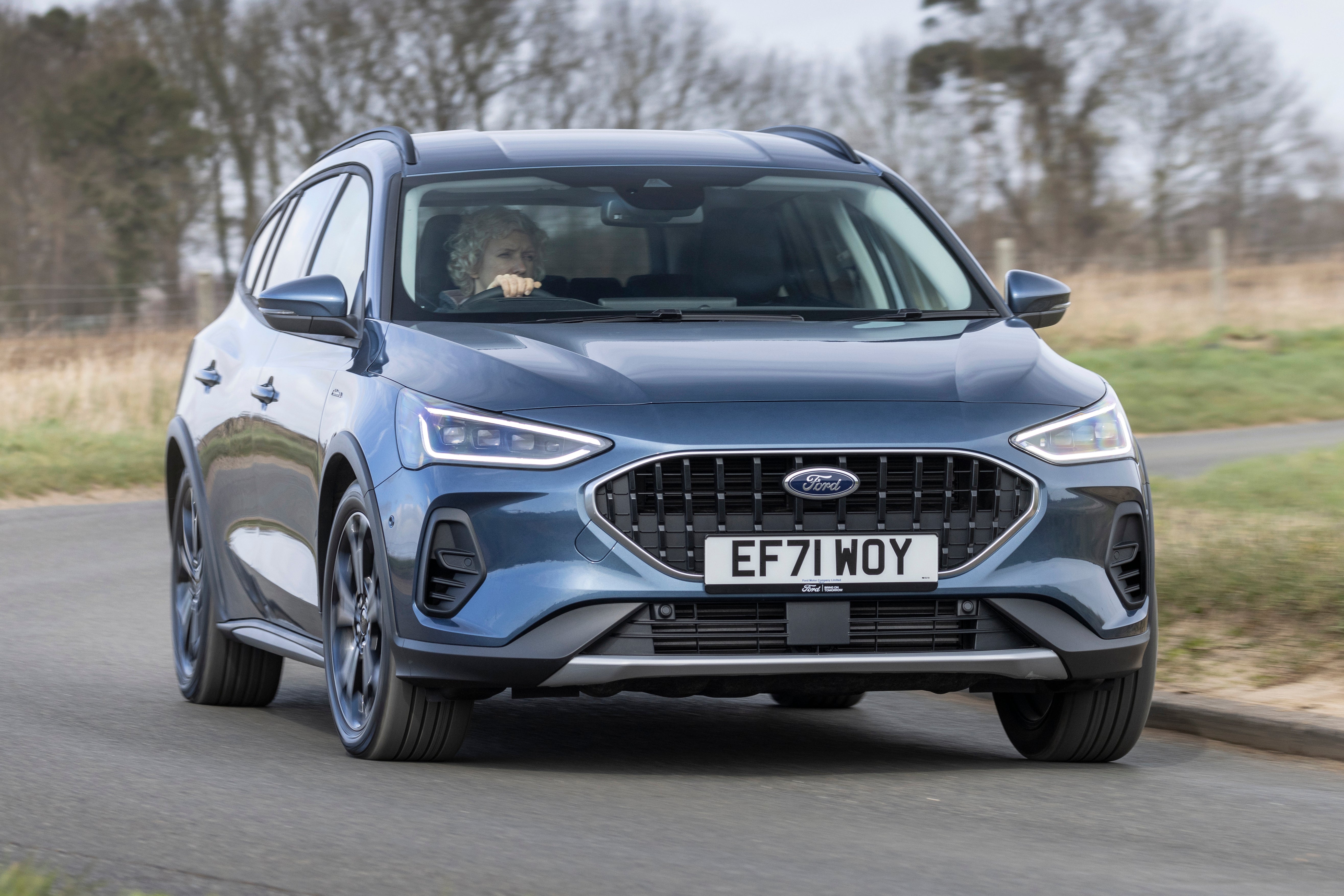
ST-Line models look sportier and handle slightly more sharply, but their firmer suspension and larger wheels reduce comfort on poor roads. Active versions have raised suspension and SUV-inspired body trim, while Titanium remains the most balanced choice.
What’s the price of the Ford Focus?
Used prices start from around £7,000 for early examples with higher mileage.
Between £8,500 and £12,000 buys a broad selection of 2018 to 2021 cars, including many Zetec, Titanium and ST-Line models with petrol or diesel engines.
Facelifted estates from 2022 onwards generally begin at around £13,000, while newer Titanium X and ST-Line X models typically cost between £16,000 and £22,000. There are also plenty of used Ford Focus models for sale on the secondhand market so you have lots of choice
Low-mileage 2024 and 2025 examples can approach £25,000, particularly with the automatic gearbox or a high specification.
Diesel cars can look especially affordable because demand has fallen, although buyers should choose one only when their regular use includes sustained higher-speed journeys.
There is a wide selection on the used market, so condition, maintenance history and specification should take priority over colour or age alone. A well-kept Titanium with matching tyres and a complete service record is preferable to a neglected higher-trim car.
Alternatives to the Ford Focus
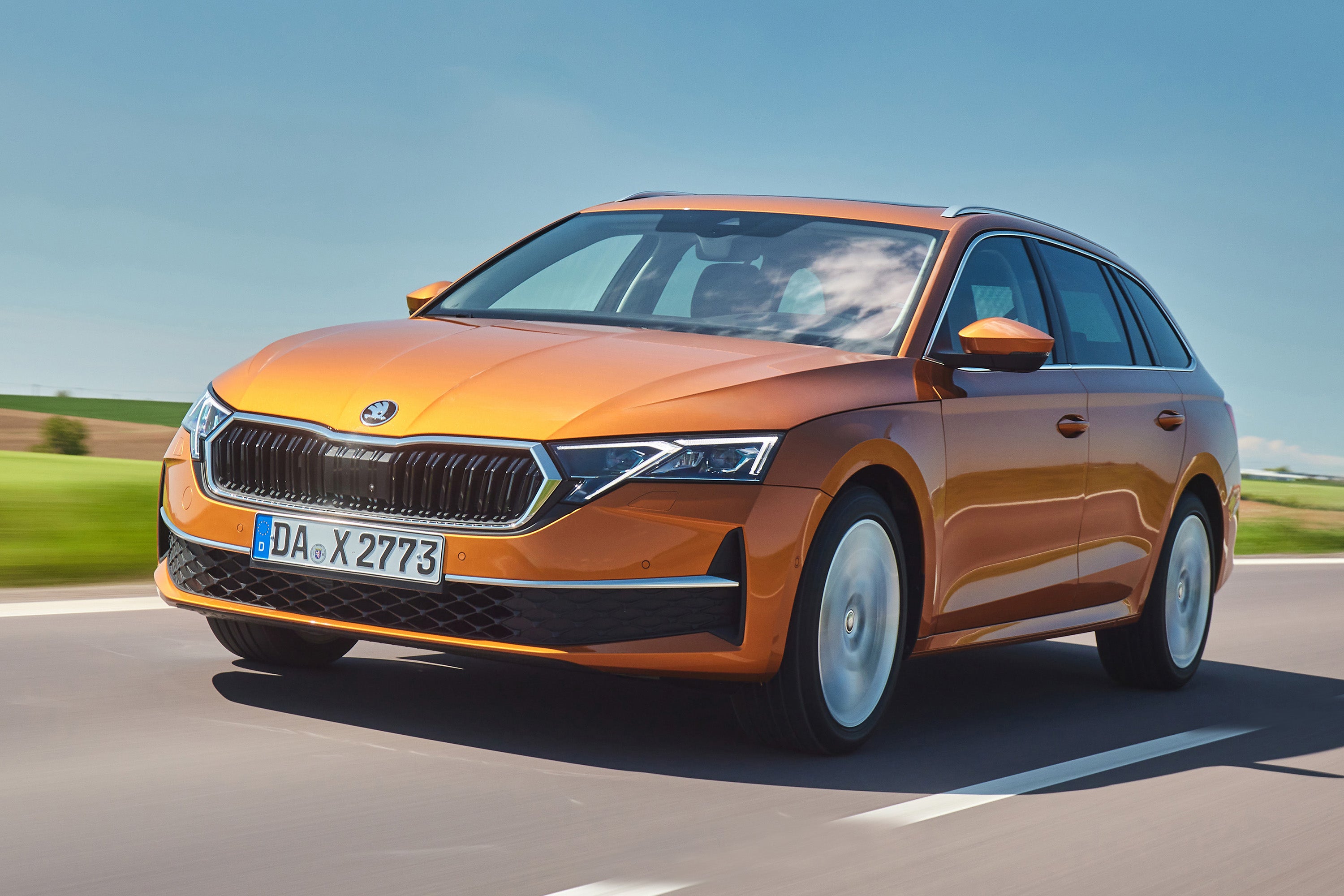
The Skoda Octavia Estate has a larger boot, more rear passenger space and a more upmarket cabin. It feels less agile than the Ford but is the stronger choice for maximum practicality.
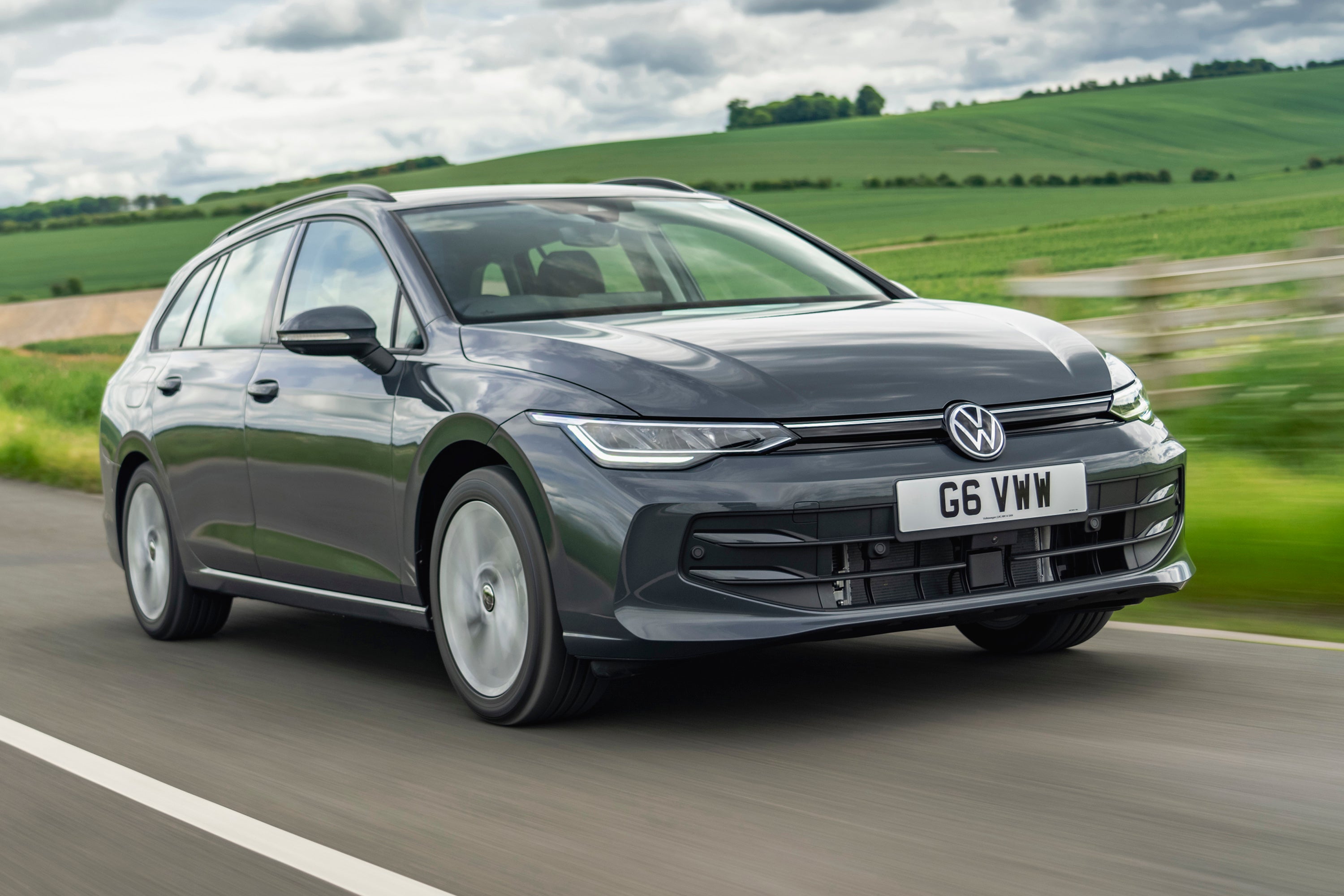
The Volkswagen Golf Estate offers greater refinement and a more premium image. Later touchscreen-heavy interiors are not as easy to use, while equivalent cars usually cost more.
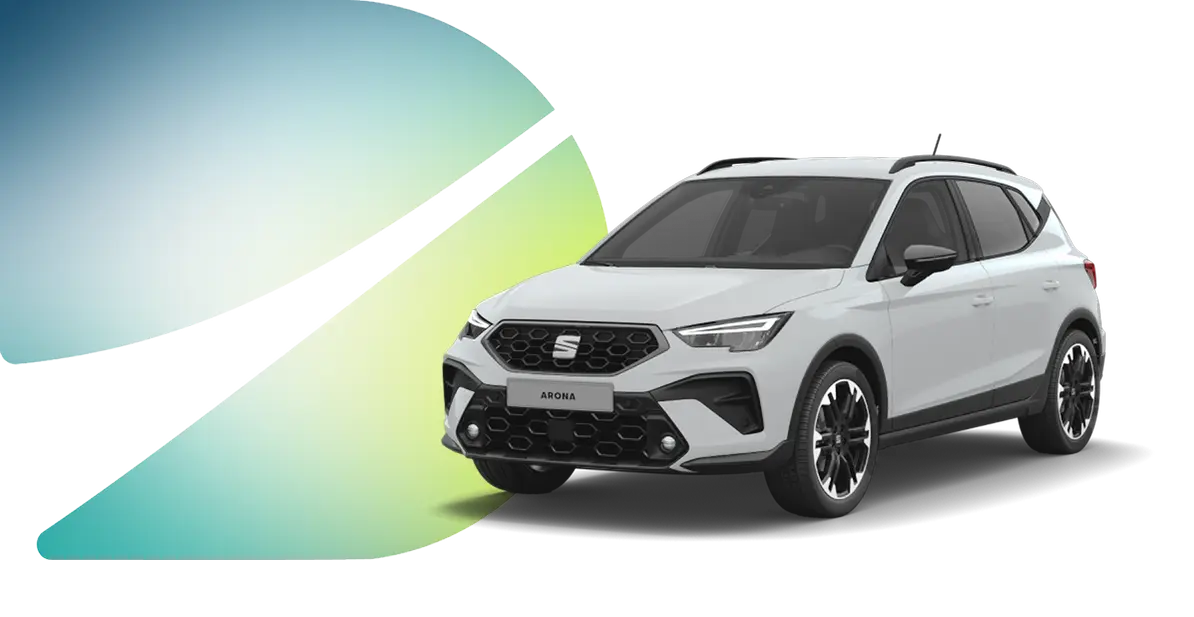
The SEAT Leon Estate combines a large boot with efficient engines and sharp styling. It is good to drive, although the Focus has more natural steering and a more settled ride.
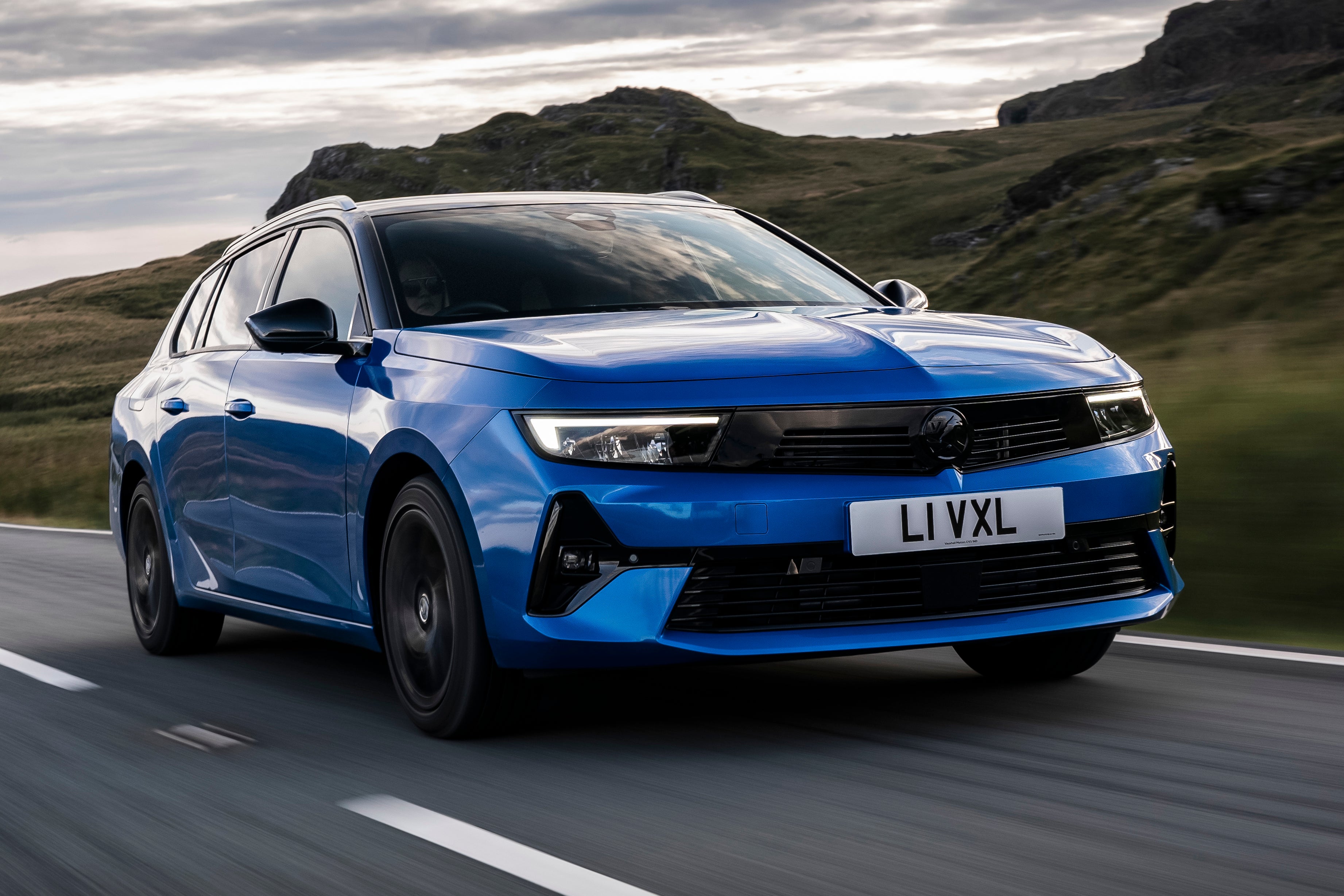
The Vauxhall Astra Sports Tourer is attractively priced and widely available. The latest version has a more modern cabin and electrified powertrains, but used examples can feel less engaging.
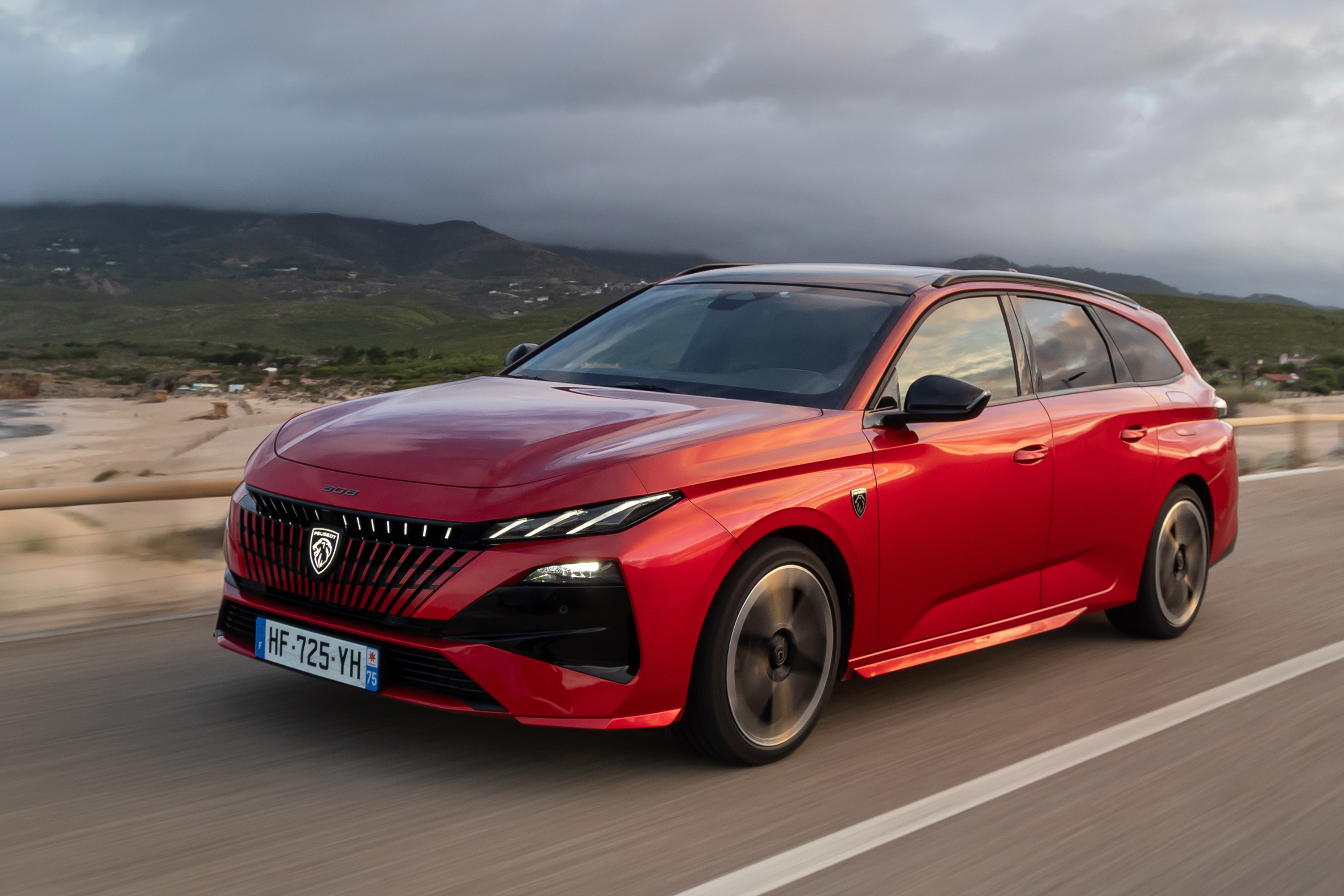
The Peugeot 308 SW has distinctive styling and an attractive interior. Its small steering wheel and unusual driving position will not suit everyone.
The Toyota Corolla Touring Sports offers excellent fuel economy and strong reliability in hybrid form. Its boot is smaller in some derivatives and its automatic transmission becomes noisy under hard acceleration.
What's the interior like in the Ford Focus?
The Focus Estate has a spacious, comfortable and logically arranged cabin, although inconsistent material quality prevents it from feeling as polished as the best family estates.
Ford Focus boot space and practicality
The driver sits lower than in an SUV but still has a clear view through the broad windscreen, while the seat and steering wheel offer enough adjustment for drivers of different heights.
The pedals, steering wheel and seat line up naturally, helping the Focus remain comfortable over long journeys. Higher trims add electrical seat adjustment, heated seats and a heated steering wheel, although the standard manually adjusted front seats are supportive.
Front passenger space is generous, with good headroom and enough legroom for taller adults. Cabin storage includes cupholders, a glovebox, door pockets and a useful compartment beneath the centre armrest, although the door bins are not especially large.
Rear passenger space is one of the Focus Estate’s strengths, with adults getting plenty of knee room behind a tall driver and more headroom than in the hatchback thanks to the extended roofline.
The cabin is broad enough for three passengers to fit more easily than they do in many rivals, while the relatively low central floor tunnel gives the middle passenger somewhere sensible to place their feet.
The centre seat remains less comfortable than the outer two positions, but it is usable for shorter journeys. Isofix mounting points on the outer rear seats and generous door openings make fitting two bulky child seats straightforward.
Behind the passenger compartment, the boot holds 635 litres with the load cover in place. That is enough for a large pushchair, several suitcases or the luggage required for a family holiday, although the Skoda Octavia Estate and Volkswagen Golf Estate provide slightly more space.
The Focus compensates with a square load area, minimal intrusion from the suspension and a low, lip-free entrance that makes heavier objects easier to load.
Ford also offered useful features including an adjustable boot floor, load dividers, bag hooks and a washable wet zone on selected models. These details help keep smaller items secure and make the estate more convenient for pets, sports equipment and muddy outdoor gear.
Folding the 60:40 rear backrests increases maximum capacity to 1,653 litres and creates a long, nearly flat load area. A hands-free powered tailgate was available on selected versions, allowing it to be opened by moving a foot beneath the rear bumper.
Ford Focus dimensions
The Ford Focus Estate measures 4,667mm long, 1,825mm wide & 1,494mm high.
It is 289mm longer than the Focus hatchback but remains manageable on urban roads and in conventional parking spaces. Its extra length is most noticeable when reversing into shorter bays, although parking sensors were widely fitted and cameras are common on higher trims.
The steering is light at low speeds, while the car’s regular shape makes its extremities relatively easy to judge. Automated parking assistance and a reversing camera were available through trim upgrades or option packs.
Tech and infotainment in the Ford Focus
The infotainment system varies considerably according to age and trim.
Early Style cars have a basic audio setup with a small display, while most pre-facelift Zetec, Titanium and ST-Line models use an eight-inch SYNC 3 touchscreen.
Apple CarPlay and Android Auto are widely fitted, while higher trims add built-in navigation, voice control and FordPass connectivity.
SYNC 3 is no longer visually impressive, but its large icons and straightforward menus make it easy to use.
Facelifted cars introduced in late 2021 have a 13.2-inch landscape touchscreen running SYNC 4. The display is sharp, responsive and supports wireless smartphone connectivity, while cloud-based navigation can use live information when planning routes.
The larger screen gives the cabin a more contemporary appearance, although Ford moved most climate-control functions into the display. Temperature shortcuts remain permanently visible, but physical controls would still be easier to use while driving.
Titanium X, Active X and ST-Line X models may also have a 12.3-inch digital instrument cluster. It displays navigation, assistance and trip information clearly and changes its layout according to the selected driving mode.
Wireless phone charging, a Bang & Olufsen audio system, a head-up display and enhanced connected services were available on selected cars.
Equipment can vary between seemingly identical models, so buyers should confirm the individual specification rather than relying on the trim badge alone.
Materials available on the Ford Focus
The Focus Estate uses soft-touch material across the upper dashboard and other frequently handled areas, while the steering wheel, gear selector and main controls generally feel substantial.
Harder plastics appear lower down and across parts of the doors, with some panels lacking the precise fit found in a Volkswagen Golf Estate or Skoda Octavia.
These inconsistencies prevent the cabin from feeling premium, although it stops short of seeming cheap and should withstand ordinary family use.
Different trims introduce their own decorative finishes. ST-Line cars have red stitching and sportier detailing, Active models use rugged-looking inserts, while earlier Vignale versions add leather upholstery and a leather-covered dashboard.
Some of the simulated carbonfibre, wood and metallic finishes look less convincing than the simpler trim fitted to Titanium models.
Buyers should inspect high-mileage cars for scratches around the centre console and boot, loose trim and signs of heavy family use. A well-kept example should still feel solid, with limited rattling over uneven roads.
What's the Ford Focus like to drive?
The Focus Estate remains one of the best-driving family load carriers, combining accurate steering and strong body control with an impressively comfortable ride.
Ford Focus range and performance
The available engine depends on age and specification.
The 1.0-litre EcoBoost is the most common petrol engine, with the 125PS version providing the best combination of flexibility, economy and availability.
Its three-cylinder design produces a distinctive sound and a small amount of vibration through the controls, but performance is adequate for ordinary family use.
Drivers carrying a full load regularly may prefer the 155PS mild hybrid or an earlier 1.5-litre EcoBoost, both of which provide stronger acceleration.
The 1.5-litre diesel is especially well suited to the Estate. Its strong low-rev torque makes carrying luggage or towing easier, while motorway fuel economy can exceed 55mpg in favourable conditions.
The 2.0-litre diesel provides stronger performance but is less common and costs more to insure and service.
Six-speed manual gearboxes have a light, precise action that suits the Focus’s responsive character. Later seven-speed automatics are smooth enough in normal driving, although buyers should ensure changes are prompt and free from juddering during a test drive.
Performance data
| Model | Engine/battery size | Power | 0-62mph | Range/MPG |
|---|---|---|---|---|
1.0 EcoBoost | 1.0-litre | 100PS or 125PS | Up to 52mpg | |
1.0 EcoBoost mild hybrid | 1.0-litre | 125PS | Up to 54.3mpg | |
1.0 EcoBoost mild hybrid | 1.0-litre | 155PS | Up to 53.3mpg | |
1.5 EcoBoost | 1.5-litre | 150PS or 182PS | Up to 45mpg | |
1.5 EcoBlue | 1.5-litre | 95PS, 115PS or 120PS | Up to 63mpg | |
2.0 EcoBlue | 2.0-litre | 150PS | Up to 60mpg |
Ford Focus driving and refinement
The Estate uses an independent rear suspension setup that provides strong control without making the ride excessively firm.
Its steering is quick, accurate and naturally weighted, allowing the driver to place the car confidently on a narrow road while remaining light enough for urban use.
The longer body does little to undermine agility, with the Focus changing direction more readily than most estates and resisting excessive lean through bends.
That handling does not come at the expense of comfort, because the suspension absorbs broken surfaces and larger undulations effectively while the body settles quickly after a bump.
ST-Line models sit slightly lower and use firmer suspension, giving them a sharper response but introducing more impact over damaged urban roads.
Active versions have raised suspension and a little more ground clearance, although they remain front-wheel-drive estate cars rather than genuine off-roaders.
Wind and road noise are well controlled at motorway speeds, while the suspension works quietly over expansion joints and rough tarmac.
The 1.0-litre petrol becomes audible when worked hard, particularly with a full load, but settles into the background at a steady cruise. Diesel versions produce more noise around town but feel relaxed during long motorway journeys.
How safe is the Ford Focus?
The Ford Focus received five stars from Euro NCAP when tested in 2018, with the rating applying to the Estate as well as the hatchback.
It performed strongly for adult and child occupant protection, while a subsequent reassessment recognised improved front-seat whiplash protection and autonomous emergency braking performance.
The rating was awarded under the 2018 protocol and should not be compared directly with a car tested under current criteria.
Autonomous emergency braking, lane-keeping assistance, stability control, hill-start assistance and post-collision braking were standard across much of the range.
Ford’s MyKey system also allows an owner to restrict maximum speed and audio volume when a particular key is used.
Blind-spot monitoring, traffic-sign recognition, adaptive cruise control, lane centring, automated parking and a head-up display were available according to trim and option selection.
Later cars generally have the broadest safety specification, although buyers should confirm the equipment fitted to the individual vehicle.
Running costs: What it's like to live with a Ford Focus
The Focus Estate offers competitive fuel economy, sensible insurance groups and widespread parts availability, although maintenance history is particularly important on EcoBoost models.
Ford Focus fuel economy
The 1.0-litre EcoBoost mild hybrid returns up to 54.3mpg in 125PS form, while the 155PS version achieves up to approximately 53.3mpg.
Real-world results in the low to mid-40s are more realistic for mixed driving, particularly when the car is regularly carrying passengers and luggage.
Earlier non-hybrid petrol engines are slightly less economical but remain competitive with similar estates.
The 1.5-litre diesel can return close to 63mpg officially and should comfortably exceed 50mpg during steady motorway use.
Diesel makes sense for high annual mileages, but petrol is the safer choice for predominantly short or urban journeys.
Ford Focus warranty and servicing
The original Ford warranty covered three years or 60,000 miles, so most used Focus Estates are now outside manufacturer cover.
Some late cars may retain part of their original or extended warranty, while approved-used examples can include separate dealer-backed protection.
A complete service history is essential, particularly for EcoBoost engines. Buyers should confirm that the correct oil specification was used and that all servicing was completed at the required intervals.
The engine’s belt arrangement and age-related maintenance requirements should be checked with a Ford specialist before purchase.
Automatic gearboxes should select drive promptly and change ratios smoothly, while every electrical feature should be tested, including the infotainment screen, parking sensors, camera, heated windscreen and climate control.
Ford Focus insurance groups
Mainstream Focus Estate models sit broadly between insurance groups 8 and 21, with lower-powered petrol versions generally at the bottom of the range and higher-output petrol engines, diesels or heavily equipped trims towards the top.
Most popular 125PS Titanium and ST-Line models fall in the low to mid-teens, making insurance costs competitive with similar family estates.
How much does it cost to tax a Ford Focus?
Every example of this generation was registered after 1 April 2017 and uses the current Vehicle Excise Duty system, with annual tax from the second licence set at £200.
Mild-hybrid versions do not receive a separate alternative-fuel discount under the current rules.
Most mainstream Focus Estates had a list price below the £40,000 Expensive Car Supplement threshold, so the additional five-year charge does not apply.
What trims are available with the Ford Focus?
Style was the most basic trim on early cars and should generally be avoided unless price is the main priority.
Zetec adds alloy wheels, air conditioning, cruise control and smartphone-compatible infotainment, making it a sensible budget choice.
Titanium brings a more comfortable specification with parking sensors, climate control, automatic lights and wipers, keyless start and additional cabin trim depending on age.
Titanium X adds heated front seats, a heated steering wheel, upgraded upholstery, electrical driver’s-seat adjustment, wireless phone charging and a digital instrument display on later cars.
ST-Line introduces sportier bodywork, firmer suspension, larger wheels and red interior stitching, while ST-Line X adds much of the comfort equipment from Titanium X.
Active has raised suspension, protective body trim and a more rugged appearance, with Active X combining that design with a higher equipment level.
Vignale was available earlier in the model’s life and provides leather upholstery, distinctive exterior trim and additional luxury equipment, although it is relatively rare.
Titanium remains the best choice for most buyers because it combines useful equipment with the most comfortable suspension and sensible wheel sizes.
Ask the Drive experts: common questions
Is the Ford Focus Estate still available new?
What replaced the Ford Focus Estate?
How big is the Ford Focus Estate’s boot?
Which used Ford Focus Estate is best?
Get our latest advice, news and offers
Keep me updated by email with the latest advice, news and offers from Drive.
.jpg)