SEAT Leon Review

Written By Andrew Brady
- 2020
- Hatchback
- Petrol, diesel and plug-in hybrid
What we love
One of the more enjoyable family hatchbacks to drive
Looks smart and feels more interesting than many sensible rivals
Petrol, diesel, mild-hybrid and plug-in hybrid options
Things to consider
eHybrid makes most sense with regular charging
Later facelifted cars have the fresher infotainment setup
Higher trims add more equipment and visual impact
The DRIVE take on the Seat Leon, is it the right car for you?
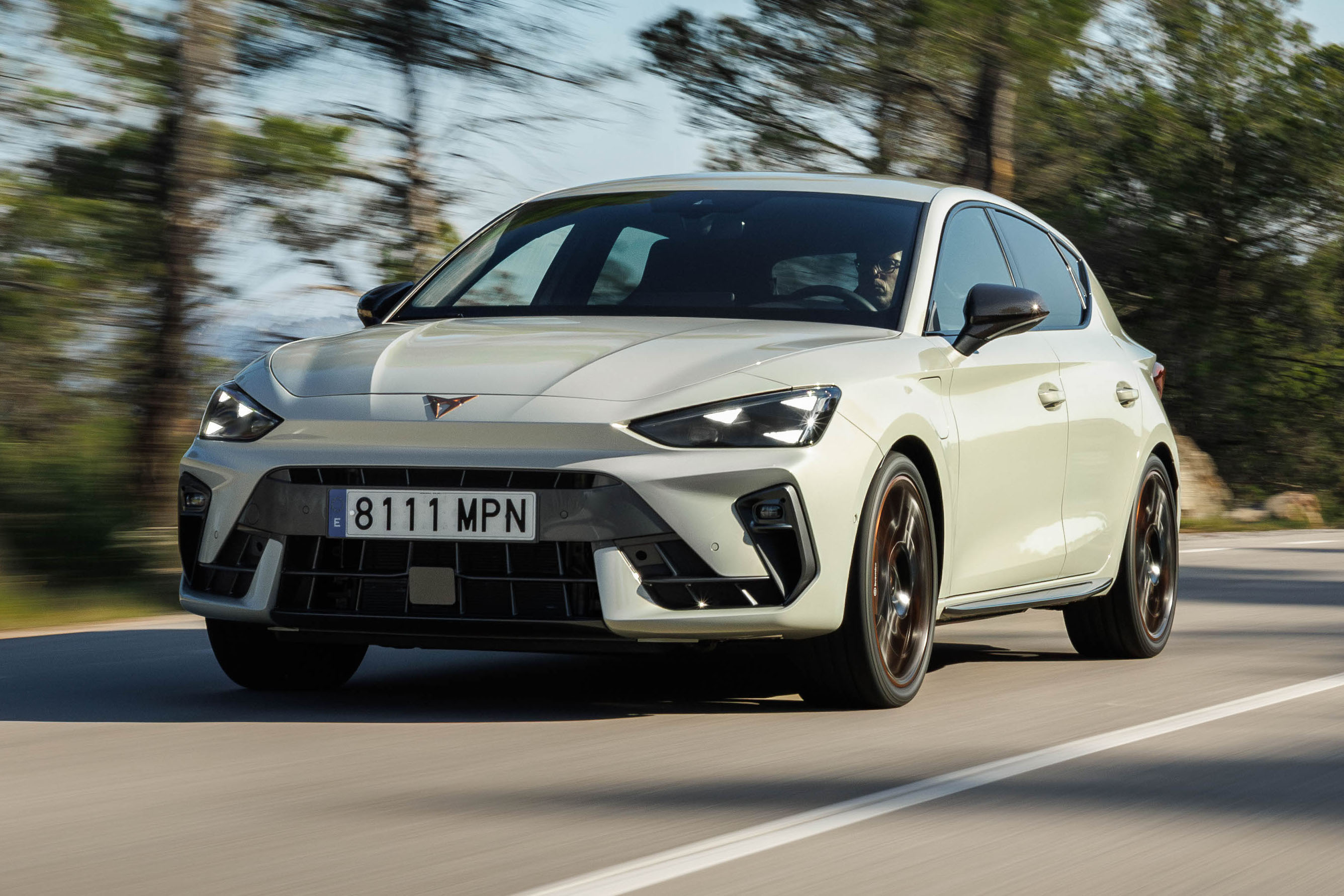
Stylish, fun to drive and practical, the SEAT Leon is everything a modern family hatchback should be. The SEAT Leon offers a sportier flavour than the Volkswagen Golf while its generous spec makes it better value, too. The SEAT Leon does the basics well, with a comfortable driving position, tidy road manners and enough practicality for everyday family use. The SEAT Leon’s biggest strength is that it balances fun and common sense better than many rivals. It's not the most spacious hatchback in the class and some alternatives feel slightly more upmarket inside, but it remains one of the best options if you want a car that looks good, drives neatly and makes sense on a monthly budget.
The Seat Leon in more detail
It's no exaggeration to say the heyday of the compact family hatch has passed, with many buyers clamouring for a small SUV instead. Yet, despite falling out of fashion, cars like the humble SEAT Leon-sized family hatch are better than ever, and remain a really good choice if you don't need a huge amount of practicality and just want something that'll get you from A to B in comfort.
The SEAT Leon shares its mechanicals with the latest Volkswagen Golf, meaning you can choose from a number of petrol, diesel and hybrid engines. The majority of buyers will go for the 1.5-litre petrol, which is efficient yet eager enough to cope with out-of-town driving.
Browse used SEAT Leons for sale →
A number of engines (those paired with automatic gearboxes and sporting 'eTSI' badges) come with mild-hybrid technology. That doesn't mean a great deal in real-world performance, apart from slightly improved fuel economy.
If you really want a true hybrid, you'll need the Leon e-HYBRID. This is actually a plug-in hybrid, meaning you'll have to charge it regularly to make the most of it (just like an electric car). Unlike an EV though, it has the back up of a 1.5-litre turbo petrol engine, for those times when you wish to travel further than its 83-mile electric range.
All SEAT Leon models are good to drive - slightly tauter than a Golf and competing with the likes of the Mazda 3 and Ford Focus in terms of driving dynamics. You sit low, which adds to the sporty feel, while the suspension is noticeably on the firm side. It's not uncomfortable, though, providing you avoid FR-spec models with their sports suspension. These are a bit eager to pass bumps into the cabin, especially if you buy one with 18-inch alloy wheels.
Inside, even low-spec Leon models feel surprisingly posh. There's a lot of chrome, while the toggle gear selector on DSG automatic models is a neat touch. Most models come with ambient lighting, which looks pretty swish, but we're not so keen on the wraparound lighting which is a little distracting when driving in the dark (although you can reduce the brightness). Fortunately, this is only available on certain trim levels.
There's more space inside than before, with loads of room for tall drivers to get comfortable (helped by plenty of adjustment in the driver's seat and steering wheel). A longer wheelbase compared to the old Leon means there's a decent amount of room in the back, but the boot isn't anything to write home about. If writing home about boots is your thing, you'd be better off looking at the Skoda Octavia or even the estate version of the Leon.
What's the best Seat Leon trim and engine option?
We reckon the SEAT Leon in SE Dynamic or FR trim with the 1.5-litre petrol engine is the pick of the range. That version gives the SEAT Leon enough performance to feel effortless in everyday use, while also keeping running costs sensible. The entry-level engines are fine if you mainly drive in town, but the 1.5-litre engine suits the SEAT Leon’s character much better and makes the car feel more relaxed on faster roads.
When it comes to trim, SE covers the essentials, but SE Dynamic is usually the more sensible place to start because it adds a bit more extra kit that most buyers will justify paying a bit extra for. The SEAT Leon in FR spec is the better choice if you want something with a bit more curb appeal, bringing sharper styling and a sportier feel.
The plug-in hybrid SEAT Leon e-Hybrid is worth considering if you can charge regularly and want to keep fuel use low on shorter journeys. It makes particular sense for commuters and company-car drivers, but for many private buyers a conventional petrol Leon will still be the a better choice, especially as it doesn’t compromise on boot space.
What’s the price of the Seat Leon?
The SEAT Leon starts at roughly £25,000 and climbs to around £35,000 for the top-spec FR Black Edition trim, though prices jump up to just over £40,000 if you plump for the PHEV. Simply put, lower trims remain competitively priced, while the more expensive versions ask you to pay extra for the sharper styling, bigger wheels and added technology. There are also plenty of used SEAT Leons for sale for considerably less.
A sensible mid-range car is usually where the SEAT Leon makes most sense. Once you move into the more expensive trims, the case becomes more dependent on whether you really want the extra styling, equipment or plug-in hybrid capability.
Alternatives to the Seat Leon
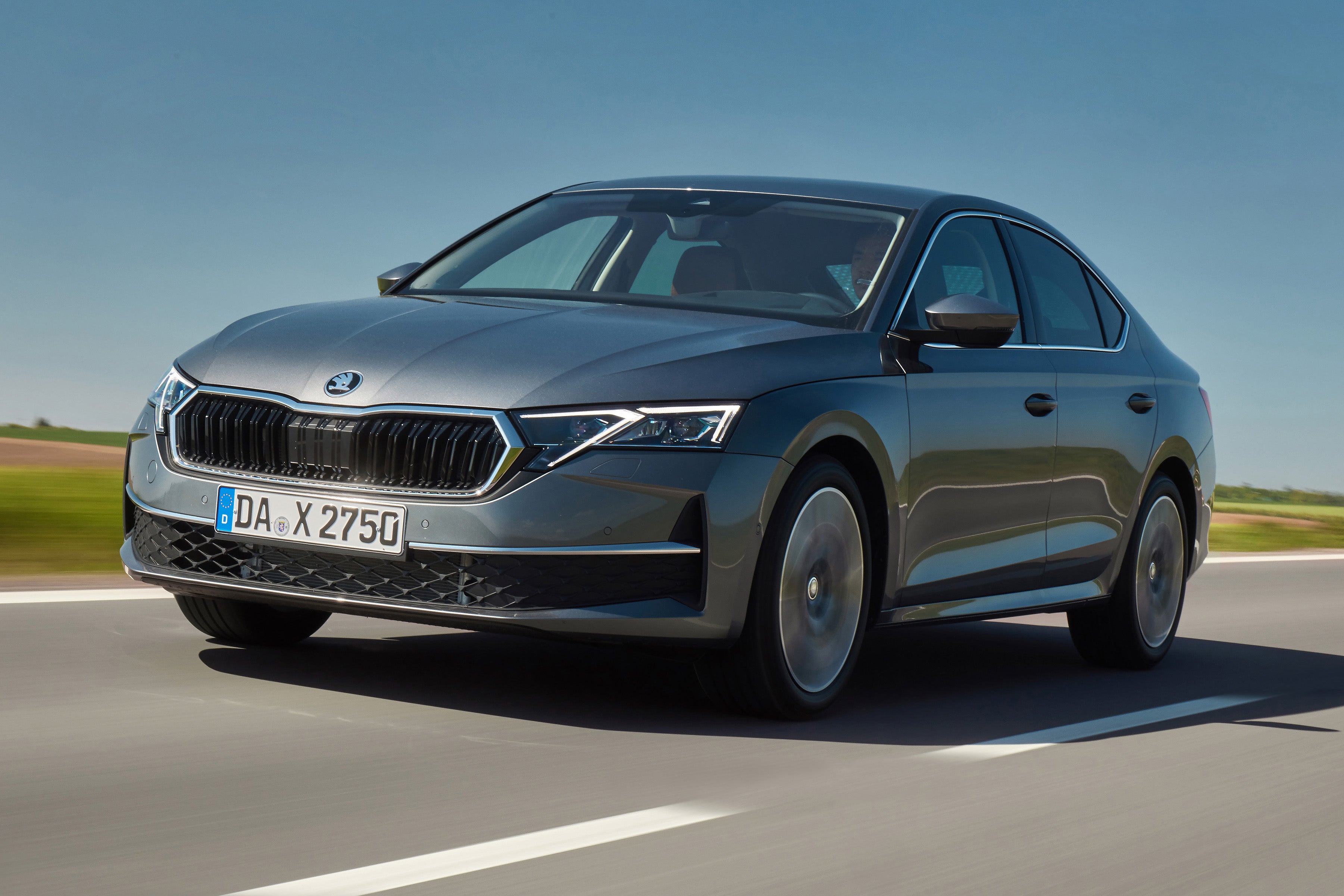
The most obvious alternatives are the Volkswagen Golf, the Skoda Octavia, the Peugeot 308 and the Ford Focus. Both the Golf and Octavia and very similar to the SEAT Leon underneath, but all offer something a little bit different. The Golf is the polished all-rounder, though it usually costs more for an equivalent specification. The Octavia is the practical choice if rear-seat space and boot room matter more than style.
Alternatively, the Peugeot 308 feels more distinctive inside and out, while the Focus is the one to choose if driving enjoyment matters most, although it's no longer especially fresh in other areas and has now been discontinued, so your only new options will be from stock.
What's the interior like in the Seat Leon?
The Leon’s interior feels much more modern than older SEAT cabins, with a clean dashboard design, a digital instrument display and a big central screen. It looks contemporary, even if some controls are less intuitive than they should be.
Seat Leon boot space and practicality
The SEAT Leon hatchback’s 380-litre boot is acceptable for this class, but it's not especially generous. That means the Leon will cope happily enough with the weekly shop, school bags or a couple of medium suitcases, but it's not the family hatchback to choose if maximum luggage space is your top priority. Cars such as the Skoda Octavia simply offer more flexibility with a boot capacity of 600 litres. Keep in mind, too, that the e-Hybrid model loses 110 litres of boot space because of its battery system.
The rest of the SEAT Leon’s cabin is better judged. Front-seat space is generous, and the driving position is one of the Leon’s strengths because it manages to feel sporty without being cramped. Rear-seat space is good enough for adults on longer trips, which matters more than outright boot bragging rights for many buyers.
There's a clean, modern feel to the dashboard, but usability is more mixed. The digital screens look sharp and help the Leon feel current, yet some key functions are not as easy to operate quickly as they would be with more physical buttons. That is less of an issue once you are familiar with the system, but it's still a weak spot compared with the best cars in the class.
Seat Leon dimensions
The Leon hatchback is 4,368mm long, 1,800mm wide and 1,456mm high. It's large enough to offer useful passenger space and grown-up road manners, but still compact enough to be easy to park and thread through tighter town streets.
Tech and infotainment in the Seat Leon
The SEAT Leon now leans heavily on its digital cabin to create a more modern feel. Depending on trim, you get a large central infotainment screen up to 12.9-inches in size, a digital driver display, smartphone connectivity (including Apple CarPlay and Android Auto) and a broader spread of driver assistance tech than older Leon models offered. It certainly looks the part inside.
The trade-off is ease of use. Like many modern hatchbacks, the SEAT Leon relies too much on touchscreen interaction for things that would be simpler with proper physical controls. That can make the car feel more advanced at first glance, but not always more satisfying to live with. The system is better than some early versions, though, and the overall technology offering remains competitive.
The Digital Cockpit instrument cluster does a brilliant job of lifting the cabin, making it look ultra-modern and a little bit premium. While it's not as customisable as a similar system used in the Audi A3, there are a variety of displays to choose from and it looks crystal clear with sharp graphics.
Materials available on the Seat Leon
Material quality depends quite heavily on trim. Entry cars keep things simple with cloth upholstery and a straightforward finish, while FR models add sportier seats and more visual flair. Better-equipped versions feel smarter and more distinctive, even if they do not quite deliver the solid polish of some pricier rivals.
The important point is that the Leon’s cabin has enough design interest to avoid feeling dull. It may not be the class leader for richness of materials, but it's modern, tidy and well judged in the areas you touch and use most often.
What's the Seat Leon like to drive?
This is one of the SEAT Leon’s strongest areas. It feels tidy and composed in everyday use, with steering and chassis responses that are sharper than many family hatchback buyers will expect.
Seat Leon range and performance
The Leon line-up gives buyers a broad choice. Petrol engines remain at the heart of the range, while diesel still makes sense for higher-mileage users. Mild-hybrid versions add a little extra efficiency and an automatic gearbox option, while the plug-in hybrid broadens the Leon’s appeal for buyers who want lower-emissions motoring.
Badged as e-Hybrid, the PHEV powertrain delivers up to 83 miles of electric running, which should mean you can happily cover short daily commutes without the need for the main engine to kick in. That’s why it can boast such impressive fuel efficiency, but to achieve anything like this you’ll need to be able to charge it regularly.
Becoming a less popular option, the diesel engines are still a sound choice if you cover a lot of motorway miles, though the efficient petrol engines aren’t that far behind.
Performance data
| Model | Engine/battery size | Power | 0-62mph | Range/MPG |
|---|---|---|---|---|
1.5 TSI 115PS | 1.5-litre | 115PS | 10.4 seconds | Up to 50.4mpg |
1.5 eTSI DSG-auto 115PS | 1.5-litre | 115PS | 10.4 seconds | Up to 55.4mpg |
1.5 TSI 150PS | 1.5-litre | 150PS | 8.7 seconds | Up to 49.6mpg |
2.0 TDI EVO 115PS | 2.0-litre | 115PS | 10.5 seconds | Up to 62.8mpg |
1.5 eTSI DSG-auto 150PS | 1.5-litre | 150PS | 8.4 seconds | Up to 53.3mpg |
2.0 TDI EVO DSG-auto 150PS | 2.0-litre | 150PS | 8.3 seconds | Up to 58.9mpg |
1.5 e-Hybrid DSG-auto 204PS | 1.5-litre | 204PS | 7.7 seconds | Up to 235.4mpg |
Seat Leon driving and refinement
Unlike a lot of sportier cars, you're not going to notice too much of a trade-off in comfort. Most models ride pretty well, although you should avoid the FR or FR Sport trim if your local roads are less than perfect. That's because FR models come with sports suspension as standard, which means lumps and bumps in the road are more likely to be felt in the cabin.
That's especially true in the FR Sport and FR Black Edition models, which come with larger 18-inch alloy wheels, but the harshest riding is the e-Hybrid model. This has the extra weight of the batteries to cope with, which doesn't bode well for ride comfort.
Whether you cover a lot of motorway miles, spend most of your time on rural roads or see yourself as a city driver, the SEAT Leon does everything pretty well. It's easy to navigate traffic and parking's a piece of cake. Front and rear parking sensors are standard on all but the cheapest SE model, while high-spec models get a reversing camera and LED headlights.
You'll find little to complain about in terms of refinement. The SEAT Leon does a good impression of a much bigger, more premium car in terms of noise and vibration levels.
The e-Hybrid can run around town in silence (provided it's fully charged) but will make a bit of a din if you try to hurry it along out on the open road. That's par for the course with plug-in hybrids, though.
Opt for one of the FR models and the sports suspension, as well as upsetting ride quality, does also create a little more noise – especially when paired with big wheels and low-profile tyres.
How safe is the Seat Leon?
The SEAT Leon has a strong safety offering, with a solid spread of driver assistance and crash-protection technology across the range. Features such as autonomous emergency braking, lane support and driver monitoring help it feel competitive in this area, and it remains a reassuring choice for family buyers.
As ever, the exact level of standard safety equipment depends on the trim you choose, so it's worth checking the finer details if safety kit is high on your list of priorities.
Running costs: What it's like to live with a Seat Leon
The Leon should be straightforward to live with, particularly in petrol form. The range is broad enough that buyers can choose between simple ownership, long-distance diesel efficiency or the tax and fuel benefits of the plug-in hybrid.
Seat Leon fuel economy
Running costs depend heavily on the version you choose. Diesel models remain the obvious pick for drivers covering big annual mileages, with official figures north of 60mpg, while mild-hybrid petrol versions make more sense if you want something straightforward but a little more efficient in mixed use.
The plug-in hybrid is the standout option if you can charge regularly. In the right conditions, it offers enough electric range to handle many daily journeys without calling on the petrol engine at all. That can make it especially attractive for shorter commutes and company-car use. If you cannot charge easily at home or work, though, a regular petrol SEAT Leon is likely to make more sense overall.
Seat Leon warranty and servicing
The Leon’s three-year/60,000-mile warranty cover is acceptable rather than class-leading, but there are options to extend it to five-years/90,000 miles when buying new, if you want longer-term reassurance. That means it should not put buyers off, even if some rivals still do better in this area.
SEAT suggests you service the Leon every 12 months or 10,000 miles, which is fairly standard for this type of car.
Seat Leon insurance groups
Insurance groups vary between 14 to 24 of 50, depending on which Leon you choose, so this is one of those ranges where the trim and powertrain can make a meaningful difference to running costs. Sensible petrol and diesel cars will be the easier ones to insure, while better-equipped trims and electrified versions sit higher.
That makes it worth checking the exact insurance rating before you commit, especially if you’re comparing a lower-spec petrol with a sportier FR or plug-in hybrid version.
How much does it cost to tax a Seat Leon?
With the exception of the top-of-the-line FR Black Edition with the PHEV engine, all models come in under £40,000 before options, so they won’t trigger the expensive car supplement. That said, be careful adding options to models a little further down the range as they can creep over this threshold. That means that as well as paying the annual standard rate of £200, you’ll need to supplement this with an additional £440 between years two and six of registration.
What trims are available with the Seat Leon?
The Leon range is built around SE, SE Dynamic, FR, FR Sport and FR Black Edition trims
Leon SE is the straightforward entry point and gives buyers the essentials like 16-inch alloys and metallic paint, keyless entry and parking sensors front and rear, which is enough for some fleets and budget-conscious private buyers.
Leon SE Dynamic is usually the more sensible place to start for private buyers because it adds the sort of everyday upgrades that make the Leon feel properly modern without overdoing the price. These include 17-inch alloy wheels, a larger infotainment screen with navigation, and cruise control.
Leon FR is where the Leon makes its strongest visual case, because the sportier styling and trim details suit the car’s personality well. It gets a beefier look, with full lED headlights and three-zone climate control, as well as an ambient lighting system to make things more stylish inside.
Leon FR Sport upgrades the wheels to 18 inches, with dark tinted windows and matrix LED headlights, which makes it possible to keep high beam on without dazzling oncoming drivers. You also get microsuede upholstery inside.
Leon FR Black Edition sits at the top with darker styling details, including black alloy wheels, and more visual impact. It certainly gives the Leon showroom appeal, but it's also the point where you need to really want the look and extra kit to justify the extra spend.
Ask the Drive experts: common questions
Is the SEAT Leon a good family hatchback?
How big is the SEAT Leon boot?
Is the SEAT Leon available as a hybrid?
What is the best SEAT Leon engine?
Get our latest advice, news and offers
Keep me updated by email with the latest advice, news and offers from Drive.
.jpg)
.jpg)
.jpg)
.jpg)