Toyota Corolla Review

Written By Andrew Brady
- 2019
- Hatchback
- Hybrid
What we love
Efficient hybrid engines with strong real-world economy
Comfortable, quiet and easy to drive
Feels solid and well finished inside
Things to consider
Boot is not especially user-friendly
The Honda Civic is roomier in the back
Engine note still hardens if you really push it
The DRIVE take on the Toyota Corolla, is it the right car for you?
The Toyota Corolla is one of the most complete family hatchbacks on sale. It is efficient without feeling joyless, comfortable without being dull and solid enough in both design and execution that it feels like a car you could happily live with for years. It is not the most practical hatchback in the class and the e-CVT-driven hybrid powertrains still sound strained if you work them hard, but judged as an all-rounder the Corolla is right near the top of the class. If you want a family hatch that majors on low running costs, reliability and everyday ease, it is an outstanding choice.
The Toyota Corolla in more detail
Toyota’s decision to revive the Corolla name in place of the Auris always felt like more than a simple badge change. The old Auris had earned a reputation for dependability, but it never really stirred the soul in the way the best family hatchbacks should. The Corolla changed that. It brought sharper looks, a much better chassis and a more polished interior, while still retaining the low running costs and strong reliability reputation buyers expect from Toyota.
The result was a car that could be recommended not merely as the sensible choice, but as one of the best cars in the class full stop. That has only become more true since the 2023 update, which strengthened the powertrain line-up and finally fixed some of the older infotainment frustrations.
Browse used Toyota Corollas for sale →
The Corolla now sits in a fascinating part of the market. Many buyers who used to default to a hatchback now drift straight into crossovers and SUVs, yet the Corolla makes a strong case for sticking with a lower, lighter, more efficient family car. It is easier on fuel than most similarly sized petrol rivals, more comfortable than plenty of sporty alternatives and more refined around town than a diesel ever was.
It also feels as though Toyota has matured into this class properly. Earlier hybrids could feel like interesting but compromised alternatives. The current Corolla just feels like a very good hatchback that happens to be a hybrid.
That matters, because the competition is serious. The Volkswagen Golf remains a benchmark, the SEAT Leon and Skoda Octavia continue to make a strong case and the Audi A3 brings a more premium spin on the same basic formula. The Corolla does not beat all of them in every area, but it gets enough right, in a way few cars do, that it remains incredibly easy to recommend.
What's the best Toyota Corolla trim and engine option?
For most buyers, the best Toyota Corolla is the Design with the 1.8-litre Hybrid 140 powertrain. It is the version that best balances price, equipment and running costs, and it gives away far less in performance than the old lower-output 1.8 used to.
The 1.8-litre Hybrid 140 is the mainstay of the line-up and, for the vast majority of buyers, it is more than enough. It feels much more responsive than earlier versions, it is strong on economy and it keeps the Corolla in the sort of price bracket that still makes sense for a mainstream family hatchback.
The 2.0-litre Hybrid 197 is undeniably quicker and a bit more effortless, and it also means less time spent with the engine flaring under load. But it comes at a noticeable price premium and is limited to upper trims, which makes it more of an indulgence than a necessity.
As for specification, Icon is well equipped, but Design is where the Corolla starts to feel really complete. GR Sport brings a more assertive look and Excel is the luxury version, but Design gets the balance just right.
In simple terms, Design 1.8 Hybrid 140 is the sweet spot, GR Sport is the sporty-looking one and Excel is the plush one.
What’s the price of the Toyota Corolla?
The Toyota Corolla hatchback currently starts at £31,045 for the Icon Hybrid 140. The Design Hybrid 140 comes in at £32,595, the GR Sport Hybrid 140 is £34,645 and the range-topping Excel Hybrid 140 rises to £35,795. If you want the 2.0-litre Hybrid 197, prices start from £33,345 and rise to £36,295 depending on trim. There are also plenty of used Toyota Corollas for sale for considerably less.
That is not cheap in absolute terms, and it means the Corolla now asks buyers to pay more upfront than some more conventional rivals. But Toyota does justify the figure with strong standard equipment, efficient powertrains and a genuinely high-quality feel.
It also helps that the Corolla is already a familiar sight on the used market. Older cars, including pre-2023 facelift models, can look especially tempting if you want the Corolla experience for significantly less money, though the newer infotainment system alone makes later examples well worth targeting.
Alternatives to the Toyota Corolla
The Volkswagen Golf remains one of the Corolla’s clearest rivals because it is still the default benchmark for many family hatchback buyers. It feels mature, polished and impressively broad in its talents, though Toyota’s hybrid efficiency and long-term ownership story remain major draws.
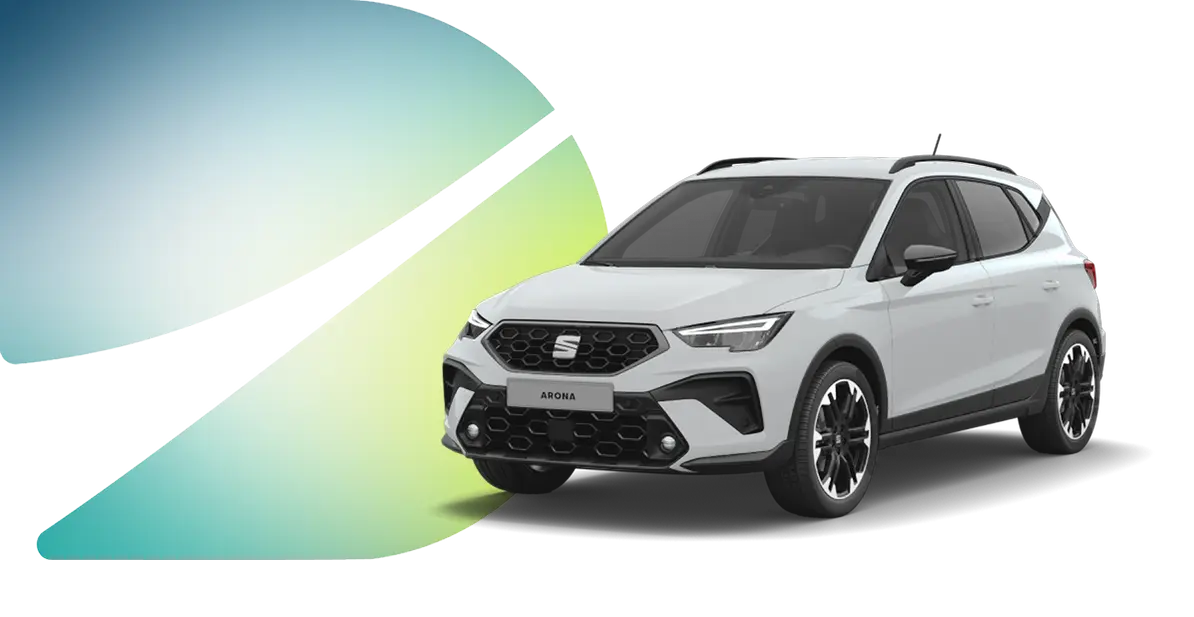
The SEAT Leon is another key alternative if you want something a little sharper in style and road manners without abandoning the basic Golf-class brief. It is still one of the more attractive family hatchbacks in this part of the market, even if it cannot match the Toyota for hybrid economy.
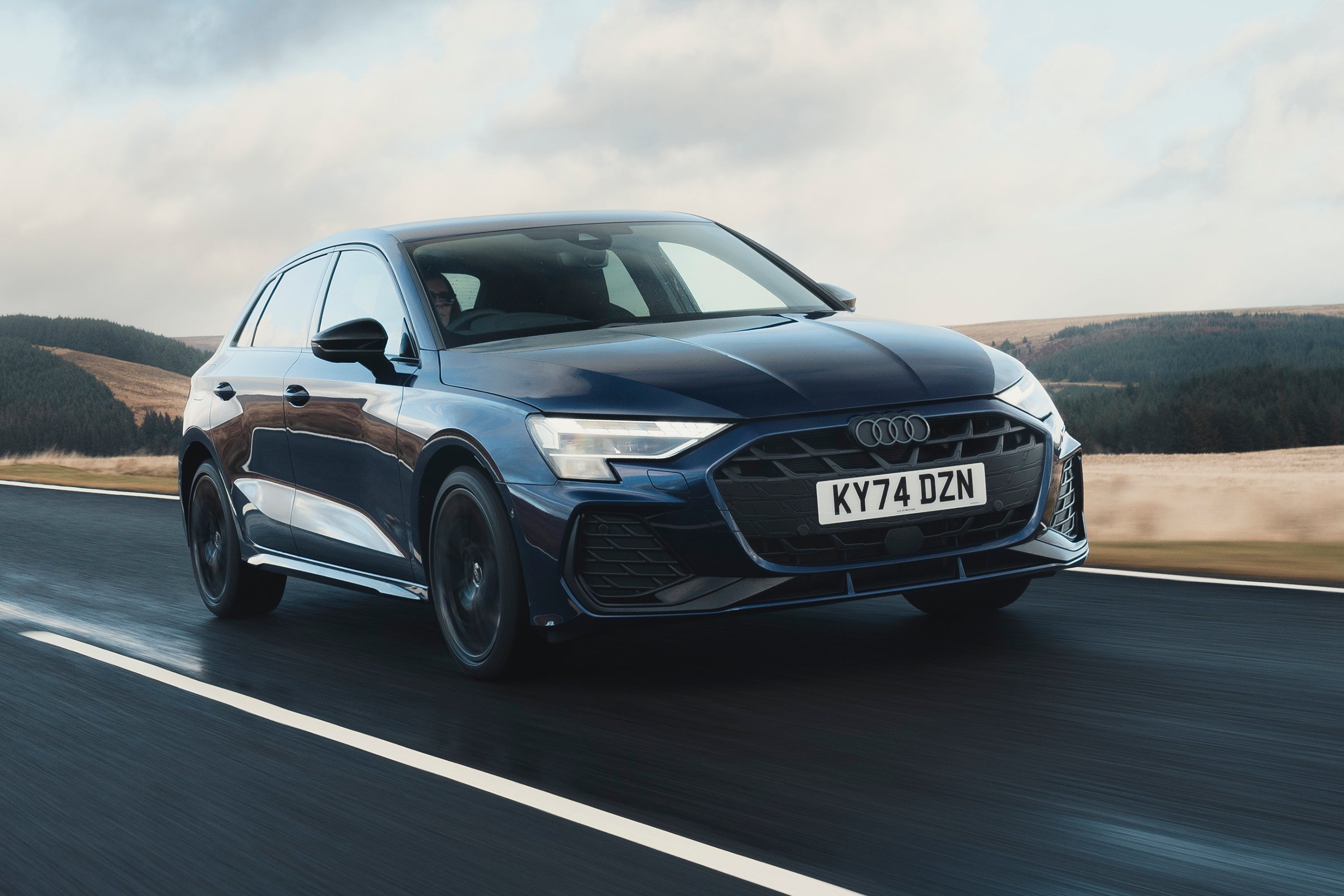
The Audi A3 is the premium-badged option in this group. It has the strongest badge cachet, a more upmarket image and a very polished cabin, though it also gets expensive quickly and does not make the same straightforward running-cost case as the Corolla.
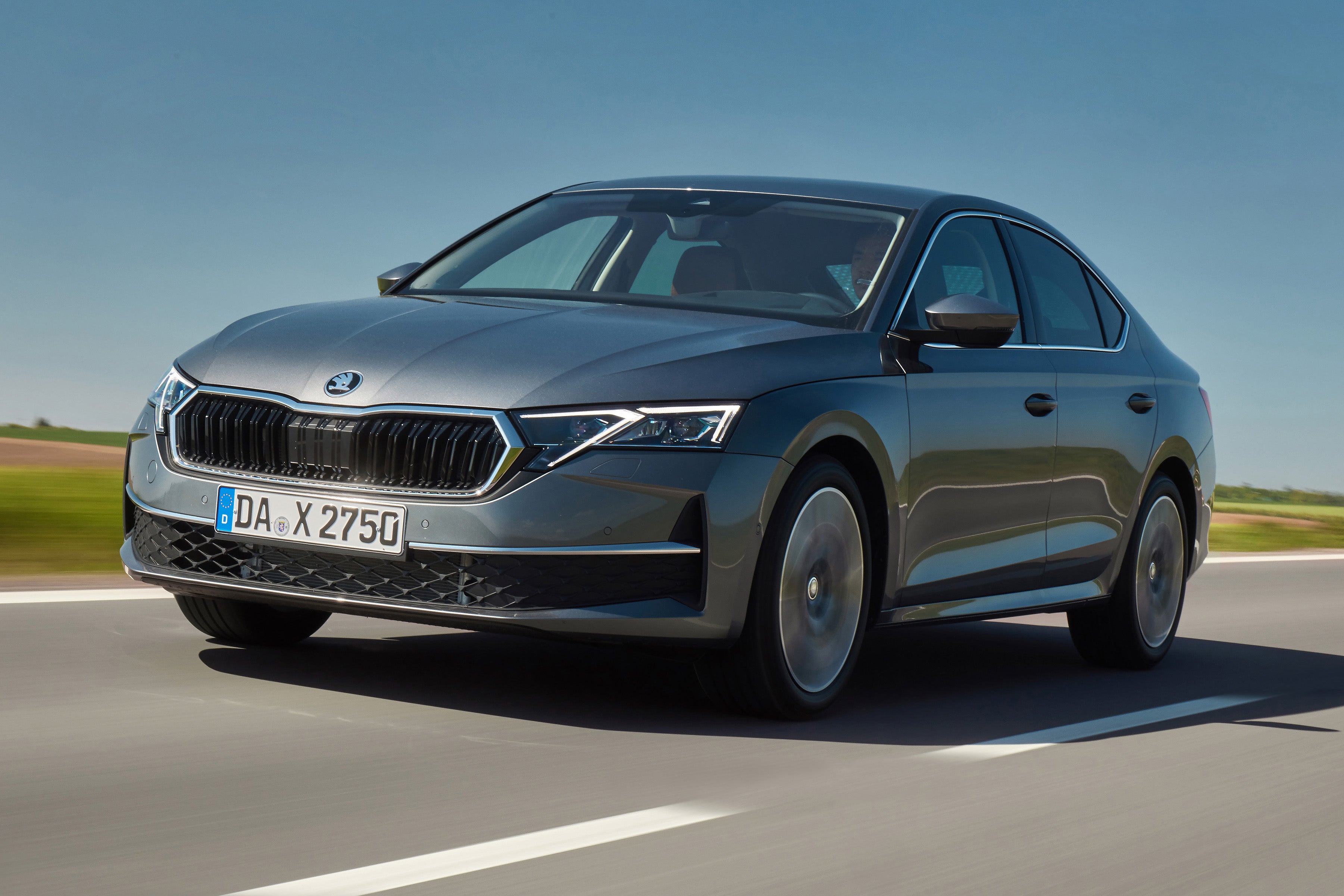
The Skoda Octavia is the rational choice. It offers more rear-seat room and a much more useful boot than the Toyota, while still being easy to live with and highly competent across the board. If practicality matters most, it is one of the strongest alternatives.
Beyond those four, the Honda Civic, Ford Focus and Mazda 3 all deserve a look. The Corolla makes most sense if you want one of the most relaxing and least stressful hatchbacks to own in the long run.
What's the interior like in the Toyota Corolla?
The Toyota Corolla’s interior is one of the biggest reasons it now feels like such a rounded choice. It is simple, smart and very solidly put together.
Toyota Corolla boot space and practicality
While space is important, it's the way this space is utilised that's more crucial to many, and a weak point in the Corolla is the boot. It's not the actual boot space itself that's the issue with the Toyota Corolla - that's actually a decent size at 361-litres which is more than a Ford Focus and not far short of a Volkswagen Golf.
The issue is with the rear design of the Corolla and in particular the angle of the tailgate. While it makes for a swoopy looking rear end look, it means you have to lean forward to get to the boot, which is further hindered by an oddly big back bumper.
Another consequence is that it's quite hard to shut the boot in one movement. The shape and angle mean it's hard to push down from the outside while the inner handle requires some Houdini-esque joint movements in your wrist, and there's no powered tailgate option for the Corolla hatch either. A Honda Civic is far more practical in this respect.
The rear seats fold down but it's not a flat floor and there are intrusions from the side which mean it's not that easy to carry big or boxy things home from Ikea. That combined with a high load lip makes this a not especially user-friendly cargo area. There are also non-existent rear door pockets, replaced instead by a cupholder.
Toyota Corolla dimensions
The Toyota Corolla measures 4,370mm long, 1,790mm wide & 1,460mm high. That puts it right in the heart of the family hatchback class and helps explain why it feels neither especially large nor especially cramped from behind the wheel.
Its proportions are well judged. It is compact enough to feel easy around town and on tighter roads, but substantial enough that it does not feel small or compromised on longer journeys.
Tech and infotainment in the Toyota Corolla
When the Toyota Corolla first went on sale in 2019, the infotainment system was its biggest weak point. Its eight-inch screen looked dated, was clumsy to operate and you couldn’t even bypass the irritating menus by mirroring apps from your phone. A hasty update towards the end of 2019 saw the introduction of Apple CarPlay and Android Auto but it still wasn’t as slick as systems found in rivals.
The latest Toyota Corolla finally has the infotainment system the original car deserved, with the same 10.5-inch display as the Toyota bZ4X electric SUV. It’s worth looking for a later car for this alone, although it’s still not perfect. While it’s quicker (and easier) to operate, we find the display in the Ford Focus to be more user-friendly. It doesn’t help that the screen has been plonked on the dash, either, with no attempt to angle it towards the driver.
On the plus side, the 2023 update saw the Toyota Corolla fitted with impressive digital dials behind the steering wheel. These are bright and clear to read, while looking much more modern than the old part-digital display.
Materials available on the Toyota Corolla
Material quality is excellent for the class. The dashboard design is simple rather than flashy, but the fit and finish are strong, the controls feel solid and the overall ambience is very good.
Toyota has clearly worked hard to move away from the slightly drab or utilitarian feel that some older cabins had. The Corolla still is not extravagant, but it does feel durable and properly engineered in a way that inspires confidence.
This is one of those interiors that becomes more impressive the longer you spend with it. Nothing feels done for effect alone. It is all just very well judged.
What's the Toyota Corolla like to drive?
The Corolla is not the last word in hot-hatch excitement, but it is one of the most relaxing and easy-going family hatchbacks to drive.
Toyota Corolla range and performance
The current Toyota Corolla hatchback line-up consists of two full-hybrid engines. The 1.8-litre Hybrid 140 produces 140PS and reaches 0-62mph in 9.7 seconds. Above that sits the 2.0-litre Hybrid 197 with 197PS, cutting the 0-62mph time to 7.4 seconds.
The 1.8 is still the sensible pick. It no longer feels underpowered in the way the earlier lower-output version sometimes could, and it remains the best fit for the Corolla’s calm, efficient character.
The 2.0 is stronger and more responsive, and if you do a lot of motorway driving or simply prefer a bit more headroom in reserve, it is easy to appreciate. It just is not essential.
Performance data
| Model | Engine/battery size | Power | 0-62mph | Range/MPG |
|---|---|---|---|---|
1.8 Hybrid 140 | 1.8-litre | 140PS | 9.7 seconds | Up to 64.2mpg |
2.0 Hybrid 197 | 2.0-litre | 197PS | 7.4 seconds | Up to 62.7mpg |
Toyota Corolla driving and refinement
What impresses most about the Toyota Corolla is how easy it is to drive. The steering is light enough to make town driving stress free, visibility is good and the car always feels unintimidating.
Yet it is not dull. Toyota’s engineers have done a good job with the chassis, and the Corolla corners with more confidence than you might expect from a comfort-focused hybrid hatchback. There is enough grip, not too much body roll and a general sense of tidiness to the way it goes down the road.
Ride comfort is another highlight. Some hybrids suffer because the suspension feels overly stiff in an attempt to control extra battery weight, but the Corolla rides remarkably well for a family hatch, especially at lower speeds where it deals with poor surfaces impressively.
Refinement is strongest in town and in gentle driving, where the electric assistance allows the car to glide around in a very calm manner. Under harder acceleration the e-CVT still brings the familiar hybrid drone, but Toyota has reduced its intrusiveness significantly compared with older efforts.
How safe is the Toyota Corolla?
The Toyota Corolla earned a full five-star Euro NCAP rating in 2019, and Toyota’s Safety Sense package has only improved since then thanks to the 2023 update and over-the-air software capability.
Standard safety equipment is generous. Features such as pre-collision warning, adaptive cruise control, lane trace assist, road sign assist and automatic high beam all come as part of the package.
Higher trims add even more, including blind-spot monitoring, rear cross-traffic alert and adaptive headlights, but the important point is that even cheaper Corollas feel very well covered in this area.
Running costs: What it's like to live with a Toyota Corolla
The Corolla’s running costs are one of its strongest selling points. This is a family hatchback designed to be easy on fuel and easy to own.
Toyota Corolla fuel economy
Toyota quotes up to 64.2mpg for the 1.8-litre Hybrid 140 in hatchback form, while the 2.0-litre Hybrid 197 returns up to 62.7mpg. Those are very strong figures for a family hatchback of this size, and Toyota hybrids tend to do a good job of getting close to their official numbers in everyday driving.
That makes the Corolla especially appealing if your mileage is mixed and includes a lot of town work, where the hybrid system can spend more time operating efficiently.
Toyota Corolla warranty and servicing
New cars get a three-year manufacturer warranty, and Toyota then adds 12 months or 10,000 miles of additional warranty cover every time the car is serviced at an approved Toyota dealer, up to 10 years or 100,000 miles. The servicing schedule is a 12-month or 10,000-mile service interval, whichever comes first.
Toyota Corolla insurance groups
Insurance groups for the current hatchback run from 17 to 22, with the 1.8-litre cars at the lower end and the 2.0-litre versions higher up. That is a little above some simpler petrol rivals, but still reasonable enough for a family hatchback with this level of equipment and performance.
How much does it cost to tax a Toyota Corolla?
The Toyota Corolla now costs £200 a year in VED after year one, which is the current standard annual rate for petrol and hybrid cars.
The Expensive Car Supplement for petrol and hybrid cars applies above £40,000, and the Corolla hatchback remains below that threshold in standard form, so it avoids the extra charge.
What trims are available with the Toyota Corolla?
The Toyota Corolla hatchback line-up consists of Icon, Design, GR Sport and Excel.
Corolla Icon already gets a generous amount of equipment. Highlights include 16-inch alloy wheels, LED headlights, the 12.3-inch digital driver display, 10.5-inch navigation system, heated front seats, wireless phone charging, front and rear parking sensors and a reversing camera.
Corolla Design is the trim that makes the strongest overall case. It adds 17-inch alloy wheels, rear privacy glass, folding mirrors, rain-sensing wipers, ambient lighting and an auto-dimming rear-view mirror.
Corolla GR Sport is the sporty-looking option. It upgrades the car with 18-inch machined alloys, darker exterior detailing, sports seats and red contrast stitching, plus bi-tone paint is available if you want the most dramatic look.
Corolla Excel tops the range with 18-inch machined alloys, adaptive and multi-beam LED headlights, head-up display, blind-spot monitor, rear cross-traffic alert, black Alcantara upholstery and safe exit assist.
Ask the Drive experts: common questions
Is the Toyota Corolla a good family hatchback?
Which Toyota Corolla is best?
Is the Toyota Corolla reliable?
Does the Toyota Corolla get the Expensive Car Supplement?
Get our latest advice, news and offers
Keep me updated by email with the latest advice, news and offers from Drive.
.jpg)
.jpg)
.jpg)
.jpg)