Range Rover Evoque Review

Written By Andrew Brady
- 2019
- SUV
- Petrol mild hybrid, diesel mild hybrid, plug-in hybrid
What we love
Distinctive exterior styling
Luxurious, beautifully finished interior
Comfortable and refined on the road
Things to consider
Expensive next to several rivals
Plug-in hybrid has a modest electric range
Boot isn't particularly large
The DRIVE take on the Land Rover Range Rover Evoque, is it the right car for you?
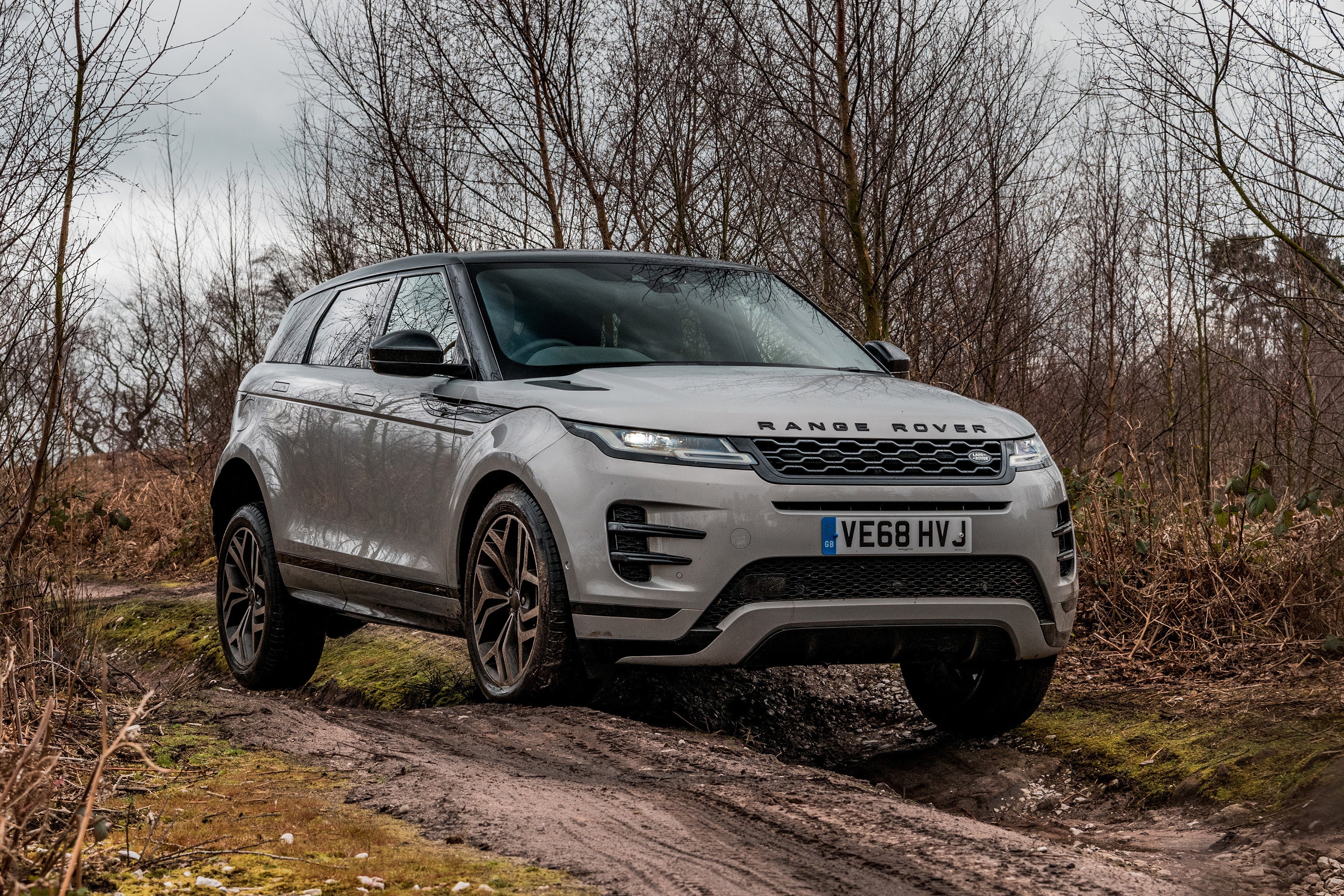
The Range Rover Evoque is a desirable compact premium SUV that combines distinctive styling with genuine comfort and refinement. The beautifully finished interior gives it an expensive feel, while the suspension provides a good balance between a comfortable ride and assured handling. It's also surprisingly capable off-road, particularly compared with most of its direct rivals.
There's enough space for a small family, although the boot isn't as generous as those in some alternatives. The diesel engines suit longer journeys, while the plug-in hybrid offers quiet electric driving around town.
It's expensive to buy and run, and the BMW X1 and the Audi Q3 are arguably more rounded choices. Nevertheless, the Evoque's combination of style, luxury and capability gives it considerable appeal.
The Land Rover Range Rover Evoque in more detail
The Range Rover Evoque has been a distinctive presence in the compact premium SUV market since the original model arrived in 2011. The second-generation Evoque was introduced in 2019, bringing a more sophisticated interior, improved refinement and more advanced technology.
Its styling remains one of its biggest attractions. The sleek headlights, rising window line, flush-fitting door handles and distinctive silhouette give it an unmistakable family resemblance to larger Range Rover models.
It also has the substance to back up its appearance. The suspension is comfortable without becoming excessively soft, while the steering feels reassuringly accurate. Wind and road noise are well controlled, making the Evoque particularly pleasant on longer journeys.
Inside, the design is minimalist but luxurious, with high-quality materials, generously padded seats and a modern infotainment system. An update in 2023 introduced a redesigned dashboard featuring an 11.4-inch curved touchscreen. It replaced the previous dual-screen arrangement and moved many secondary functions into the central display.
The latest UK range offers four engines. The P160 petrol mild hybrid uses a 1.5-litre turbocharged three-cylinder engine and front-wheel drive, and there are two 2.0-litre diesel mild hybrids: the D165, producing 163PS, and the more powerful D200, with 204PS. Both have four-wheel drive. The P270e plug-in hybrid combines a 1.5-litre petrol engine with an electric motor for 269PS and can travel up to 37 miles on electricity alone. All current versions use automatic gearboxes.
The main trim levels are Dynamic S, Hoxton Edition Black and Autobiography, although buyers may also encounter S and Hoxton Edition models from earlier production runs.
The Evoque is reasonably practical, with a spacious front cabin, comfortable rear seats and a 472-litre boot across the range, including the plug-in hybrid. However, the BMW X1 offers considerably more luggage space.
It's also an expensive choice, with prices starting above £44,000 and extending beyond £58,000 before options. For buyers who value design, interior quality and comfort, though, the Evoque remains a particularly appealing SUV.
What's the best Land Rover Range Rover Evoque trim and engine option?
The Range Rover Evoque D200 Dynamic S is the best all-round choice for most buyers. The 2.0-litre diesel produces 204PS and a substantial 430Nm of torque, giving it strong performance without needing to work the engine particularly hard.
It's especially well suited to the Evoque's comfortable, relaxed driving character. Acceleration is effortless enough for motorway overtaking, while official economy of up to 44.6mpg is respectable for a premium SUV with an automatic gearbox and four-wheel drive.
Dynamic S is also generously equipped. It includes 19-inch alloy wheels, leather upholstery, electrically adjustable front seats, heated seats, an interactive digital driver display and Land Rover's 11.4-inch Pivi Pro touchscreen. Keyless entry, a heated steering wheel and a 3D surround-view camera are included, too.
The P270e plug-in hybrid is worth considering if you can charge regularly and typically cover shorter journeys. It's quicker and quieter around town, although its electric range is modest compared with some newer rivals.
Hoxton Edition Black adds distinctive styling and desirable extras, but much of its appeal is cosmetic. Autobiography is considerably more luxurious, although its high price makes it difficult to justify purely on value.
What’s the price of the Land Rover Range Rover Evoque?
The Range Rover Evoque starts at £44,855 for the D165 diesel in Dynamic S specification. The P160 petrol Dynamic S costs £45,260, while the P270e plug-in hybrid starts at £49,540. Moving to the Hoxton Edition Black increases the starting price to £48,225 for the P160, with the D200 costing £51,285 and the P270e £54,055. The luxurious Autobiography starts at £56,185 with the D200 diesel, rising to approximately £58,390 for the plug-in hybrid.
Those prices make the Evoque considerably more expensive than several similarly sized SUVs, including some premium alternatives. There are plenty of used examples available for much less, although buyers should budget carefully for maintenance, insurance and Vehicle Excise Duty (road tax).
Alternatives to the Land Rover Range Rover Evoque
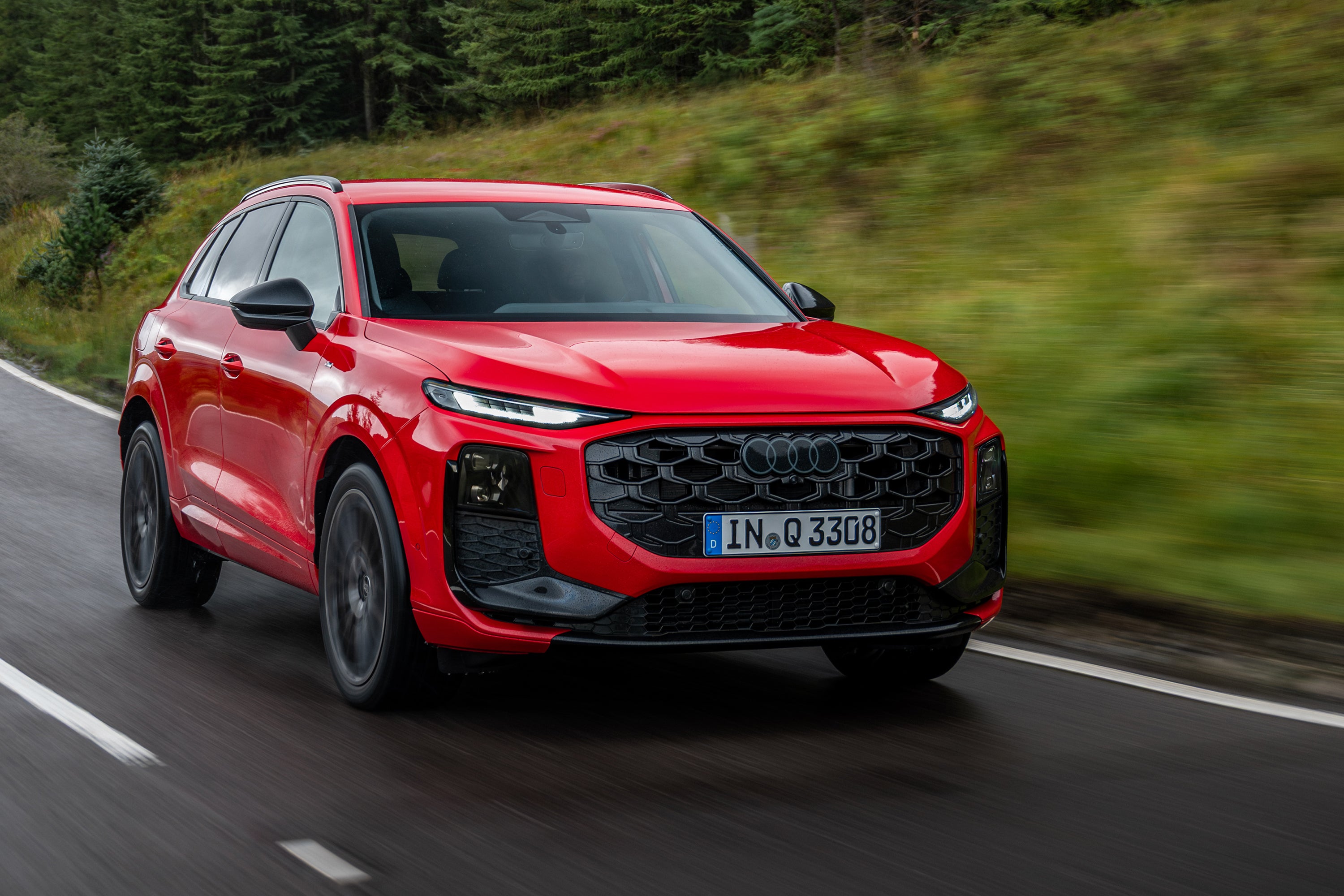
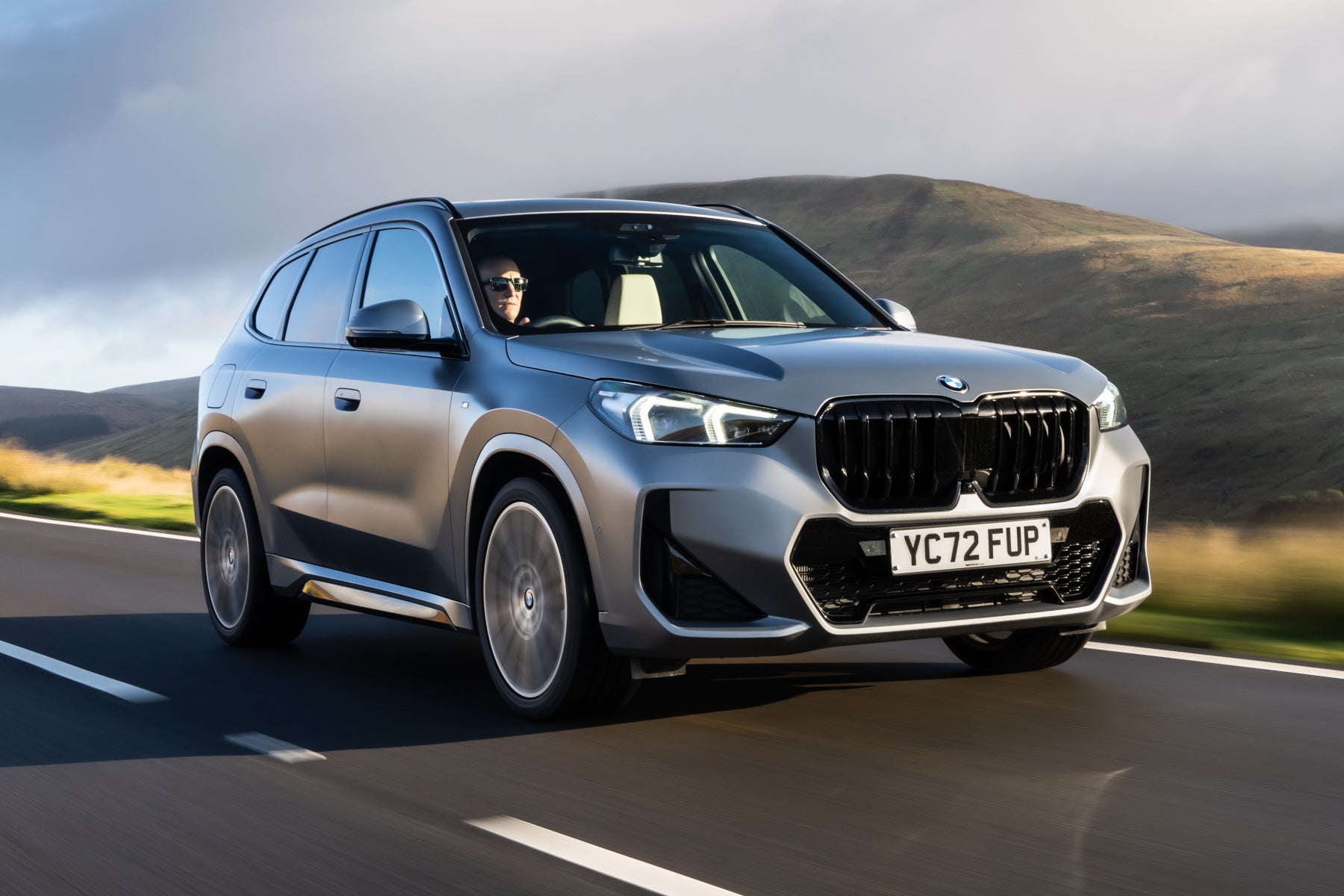
The BMW X1 is one of the Evoque's strongest rivals, offering a more practical interior, a larger boot and a broad choice of engines, including a plug-in hybrid with a substantially longer electric range. The Audi Q3 is another excellent alternative, combining a high-quality interior with comfortable road manners and useful technology.
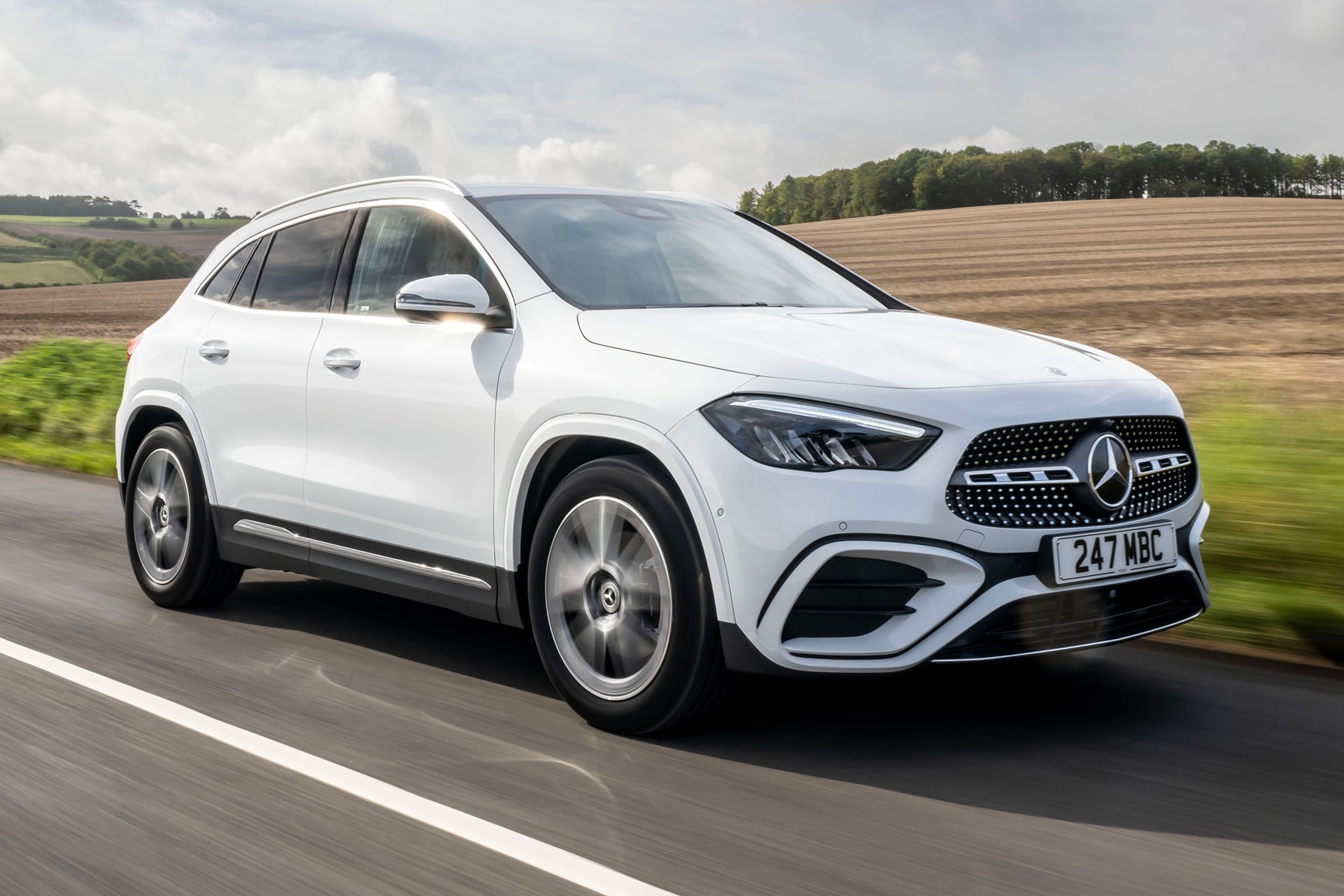
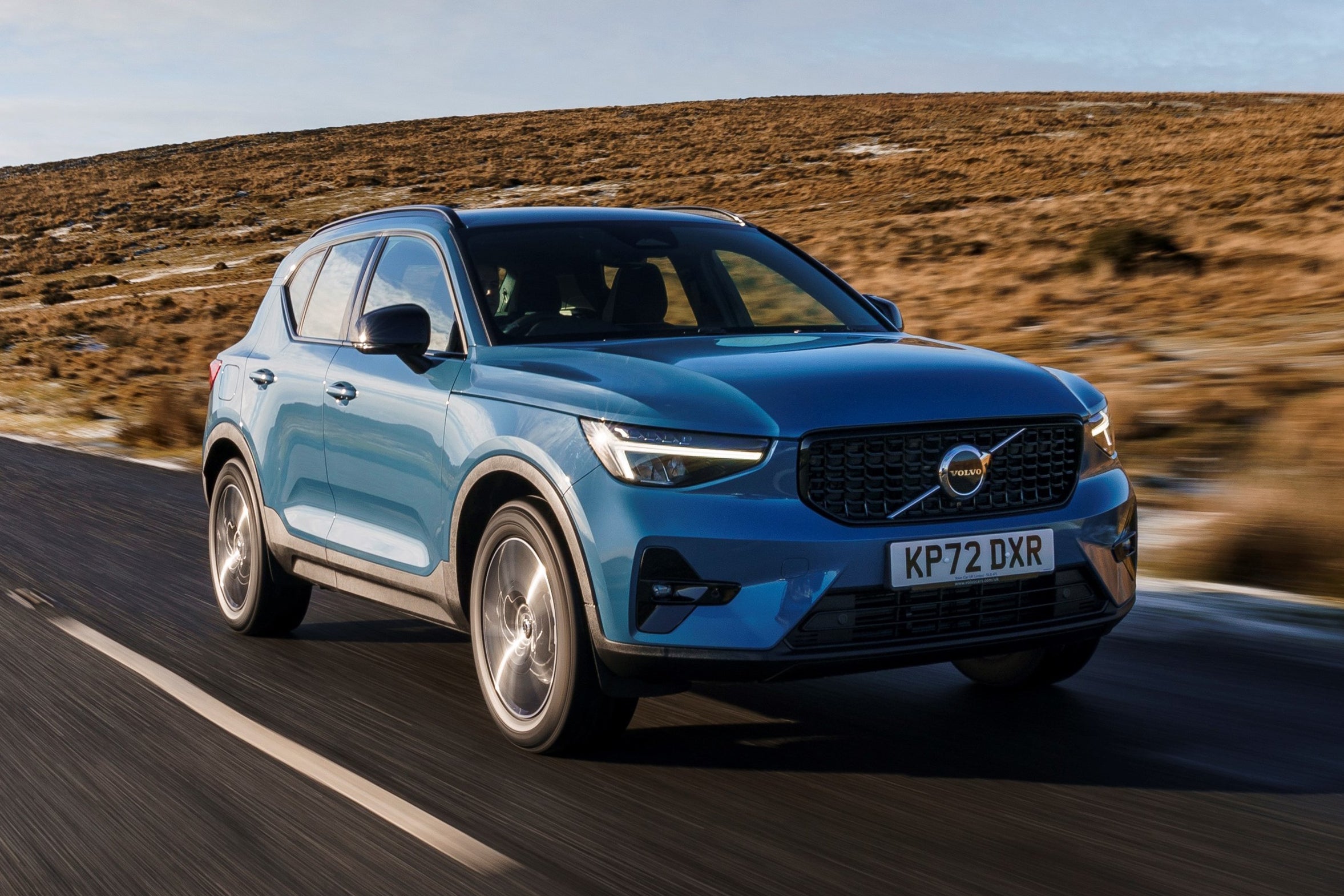
The Mercedes-Benz GLA has a similarly premium feel, although its rear-seat space and boot capacity aren't particularly generous, while the Volvo XC40 offers distinctive styling, a comfortable cabin and straightforward controls, making it an appealing alternative for buyers who prioritise comfort.
The Volkswagen Tiguan provides more interior space and a larger luggage compartment, while its plug-in hybrid offers considerably greater electric range. The Skoda Karoq is less luxurious but exceptionally practical, with comfortable seats and a straightforward interior.
The Discovery Sport is worth considering if you want a Land Rover with more family versatility, including the option of seven seats, but the Evoque stands out for its combination of distinctive styling, interior luxury and impressive off-road capability.
What's the interior like in the Land Rover Range Rover Evoque?
The Evoque has a beautifully finished interior with attractive materials, comfortable seats and a clean, minimalist dashboard. An 11.4-inch curved touchscreen handles most infotainment and climate functions, while a digital driver display provides clear information.
There's plenty of space up front and adequate accommodation for adults in the rear, although visibility through the small rear window is restricted.
Every version has a 472-litre boot, including the plug-in hybrid, although that's smaller than those in several rivals. Leather upholstery, heated front seats and electric seat adjustment are standard, while higher trims add further luxury features.
Land Rover Range Rover Evoque boot space and practicality
The Range Rover Evoque provides a comfortable and reasonably spacious interior, although practicality isn't quite as impressive as its exterior dimensions might suggest. Front passengers have plenty of headroom, legroom and shoulder room, while the raised seating position provides a commanding view of the road. There's a good range of seat and steering-wheel adjustment, making it easy to find a comfortable driving position. The front seats are generously padded and supportive, helping make longer journeys relaxing.
Storage is adequate rather than exceptional. The centre console has useful compartments and cupholders, while the door pockets can accommodate bottles and other everyday items.
Rear accommodation is surprisingly good considering the Evoque's distinctive roofline. Two adults should find enough headroom and legroom to travel comfortably, while the cabin is wide enough to make carrying three rear passengers possible for shorter journeys. There are ISOFIX mounting points on the outer rear seats, making it straightforward to install child seats. However, the rear bench doesn't slide or recline, unlike the seating in some more practical rivals. The Evoque's relatively small rear windows and thick pillars also make the back feel less open than in a BMW X1 or a Volkswagen Tiguan.
Every current Evoque has a 472-litre boot, regardless of engine. That includes the P270e plug-in hybrid, whose battery doesn't reduce the available luggage space. It's adequate for a family weekend away or everyday shopping, although several similarly sized rivals offer considerably larger boots. (You may sometimes see the Evoque's luggage capacity quoted as 591 litres. That's because Range Rover uses two different methods of measuring the same space, rather than fitting different-sized boots to different models.)
The rear seats fold in a 40:20:40 arrangement, expanding capacity to 1,156 litres. This provides useful flexibility when carrying long items alongside rear passengers. There's little loading lip to negotiate, making heavier objects easier to slide into the luggage area.
Overall, the Evoque is practical enough for small-family life, but buyers prioritising maximum space will find stronger alternatives.
Land Rover Range Rover Evoque dimensions
The Range Rover Evoque measures 4,371mm long, 1,904mm wide and 1,649mm high. Width increases to 1,996mm if you factor in with the mirrors when folded and 2,100mm with them extended. The wheelbase measures 2,681mm. That makes the Evoque relatively compact compared with many modern family SUVs, although it's quite wide for its length.
Its dimensions help make it manageable around town, but narrow parking spaces can still be awkward. The turning circle is 11.6 metres, while the raised ground clearance and four-wheel-drive system give most versions considerably more off-road capability than conventional crossovers.
Tech and infotainment in the Land Rover Range Rover Evoque
Every current Range Rover Evoque features an 11.4-inch curved touchscreen running Land Rover's Pivi Pro infotainment system. Introduced as part of the 2023 update, it replaced the previous dual-screen arrangement and gave the dashboard a cleaner, more contemporary appearance. The display includes built-in satellite navigation, DAB radio, Bluetooth, wireless Apple CarPlay and Android Auto.
Its graphics are sharp and the display is positioned conveniently within reach of the driver. The system responds reasonably quickly, although some menus are less intuitive than those in the latest BMW and Audi models. One drawback is that many climate controls are now incorporated into the touchscreen. That makes changing some settings more distracting than using conventional switches.
The Evoque also offers a digital driver display, with the more sophisticated Interactive Driver Display included on current Dynamic S and higher specifications. This allows drivers to customise the information shown, including navigation instructions.
A 3D surround-view camera is standard, providing multiple views around the vehicle when parking or manoeuvring in tight spaces. Wireless phone charging, connected services and remote vehicle functions are also included.
Hoxton Edition Black adds a head-up display, configurable ambient lighting and an upgraded Meridian sound system. Autobiography goes further with a Meridian Surround Sound System and additional convenience technology.
Materials available on the Land Rover Range Rover Evoque
The Range Rover Evoque has a particularly attractive interior, with high-quality materials and carefully considered details throughout. Soft-touch surfaces cover much of the dashboard and doors, while leather upholstery and decorative finishes create a genuinely luxurious atmosphere.
Current Dynamic S models come with grained leather upholstery and electrically adjustable front seats. Hoxton Edition Black adds grained leather with contrasting stitching, black brushed aluminium trim and illuminated metal treadplates. Its darker interior finishes complement the distinctive exterior styling. Autobiography uses Windsor leather, extended leather trim and a suedecloth headlining to create a more luxurious environment.
The seats have additional electric adjustment, while the panoramic roof helps make the cabin feel brighter. Material quality is generally excellent across the range, although some lower surfaces use harder plastics.
The Evoque is among the more convincing compact SUVs for buyers who place a high priority on interior design and finish.
What's the Land Rover Range Rover Evoque like to drive?
The Evoque is comfortable and composed, with accurate steering, good body control and impressive motorway refinement. The diesel engines provide strong low-speed torque, particularly the D200, while the P270e plug-in hybrid is quicker and quieter around town. Ride comfort is generally excellent, although large alloy wheels make sharp bumps more noticeable.
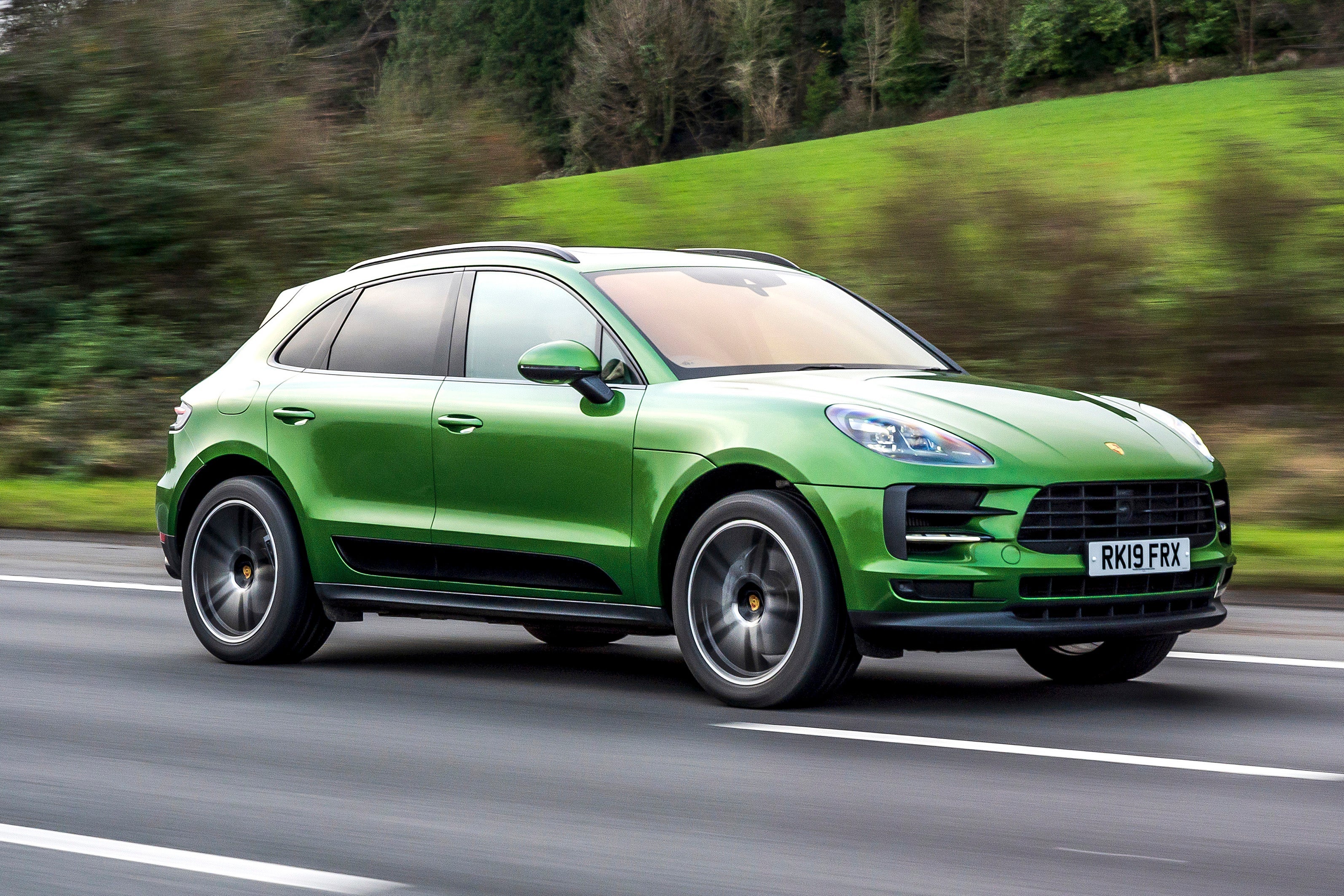
Four-wheel-drive versions offer reassuring traction and genuine off-road capability. The Evoque isn't as entertaining to drive as a BMW X1 or a Porsche Macan, but it provides a good balance of comfort, confidence and everyday usability.
Land Rover Range Rover Evoque range and performance
The current Range Rover Evoque range offers four engines, all paired with automatic gearboxes.
The entry-level P160 uses a 1.5-litre turbocharged three-cylinder petrol engine with mild-hybrid assistance. It produces 160PS and 260Nm of torque, driving the front wheels through an eight-speed automatic gearbox. The P160 takes 10.3 seconds to reach 62mph. It's adequate for everyday driving but needs to be worked harder than the diesel alternatives when accelerating or carrying a full load.
Next is the D165, which uses a 2.0-litre four-cylinder turbocharged diesel engine with 48V mild-hybrid technology. It produces 163PS and 380Nm of torque, with a nine-speed automatic gearbox and four-wheel drive. The D165 reaches 62mph in 9.8 seconds and provides useful low-speed pulling power.
The D200 uses the same basic 2.0-litre diesel engine but increases output to 204PS and 430Nm. That reduces the 0–62mph time to 8.5 seconds, making it noticeably stronger during overtaking and motorway acceleration. It's arguably the most natural engine for the Evoque, combining effortless performance with reasonable fuel economy.
At the top of the range is the P270e plug-in hybrid. This combines a 1.5-litre three-cylinder turbocharged petrol engine with an electric motor for a total output of 269PS and 540Nm. An eight-speed automatic gearbox and four-wheel drive are standard. It's the quickest Evoque, reaching 62mph in 7.2 seconds. Its rechargeable battery also provides up to 37 miles of electric driving on the official test, allowing many shorter journeys to be completed without using the petrol engine.
The P270e is particularly smooth at lower speeds, although its three-cylinder petrol engine becomes more noticeable under hard acceleration.
Performance data
| Model | Engine/battery size | Power | 0-62mph | Range/MPG |
|---|---|---|---|---|
Range Rover Evoque P160 | 1.5-litre petrol mild hybrid | 160PS | 10.3 seconds | Up to 35.9mpg |
Range Rover Evoque D165 | 2.0-litre diesel mild hybrid | 163PS | 9.8 seconds | Up to 44.6mpg |
Range Rover Evoque D200 | 2.0-litre diesel mild hybrid | 204PS | 8.5 seconds | Up to 44.6mpg |
Range Rover Evoque P270e | 1.5-litre plug-in hybrid, 15kWh battery | 269PS | 7.2 seconds | Up to 37 miles electric range |
Land Rover Range Rover Evoque driving and refinement
The second-generation Range Rover Evoque provides a particularly good balance between comfortable cruising and reassuring handling. Its suspension deals effectively with most potholes, speed bumps and rough road surfaces, absorbing imperfections without allowing the body to become excessively unsettled.
Ride comfort is particularly impressive on smaller alloy wheels. The larger 20-inch wheels fitted to higher specifications introduce a little more firmness, especially over sharp-edged bumps, although the Evoque remains comfortable overall.
Motorway refinement is another strength. Wind and road noise are generally well suppressed, while the supportive seats and settled suspension help make longer journeys relaxing.
The diesel engines are well suited to this environment, particularly the D200, which has plenty of torque for effortless overtaking. The plug-in hybrid is quieter at lower speeds when operating on electric power, although its three-cylinder petrol engine can sound coarse when accelerating hard.
Handling is secure rather than particularly entertaining. There's some body lean through corners, but the Evoque grips well and its steering is accurate and nicely weighted. A BMW X1 feels more agile, although the Evoque's comfortable suspension gives it a more relaxed character.
The Evoque also retains genuine off-road ability. Four-wheel-drive versions feature Land Rover's Terrain Response technology, which adjusts vehicle settings to suit different surfaces. The system helps manage traction on mud, gravel, snow and other slippery conditions. Hill-descent control and generous ground clearance also make the Evoque more capable away from tarmac than most compact premium SUVs.
Diesel four-wheel-drive versions can tow up to 2,000kg, while the plug-in hybrid has a lower maximum of 1,600kg.
Overall, the Evoque provides comfortable, confident progress in most conditions, with genuine versatility beyond ordinary road driving.
How safe is the Land Rover Range Rover Evoque?
Independent safety organisation Euro NCAP awarded the Range Rover Evoque five stars in 2019. It scored 94% for adult occupant protection, 87% for child protection, 72% for vulnerable road users and 73% for safety assistance.
However, that rating expired in January 2026 and shouldn't be compared directly with results achieved under today's tougher testing standards. The latest model hasn't received a new Euro NCAP rating under the current testing criteria.
However, it has a comprehensive range of safety technology, including autonomous emergency braking, lane-keeping assistance, traffic-sign recognition, driver attention monitoring and front and rear parking sensors. A 3D surround-view camera is also standard. Higher specifications add features including blind-spot monitoring and more advanced lighting.
Running costs: What it's like to live with a Land Rover Range Rover Evoque
The Evoque is relatively expensive to run, with premium-brand servicing costs, substantial insurance premiums and high annual road tax. The diesel engines are the most economical for longer journeys, returning up to 44.6mpg.
The P270e plug-in hybrid can reduce petrol consumption considerably if charged regularly, but its electric range is limited to 37 miles.
Every new Evoque comes with a three-year manufacturer warranty. All versions also attract the Expensive Car Supplement, bringing annual road tax to £640 in years two to six at current rates.
Land Rover Range Rover Evoque charging times and costs
The Range Rover Evoque P270e has a battery with approximately 15kWh total capacity, providing up to 37 miles of electric driving. It supports 7kW AC charging, allowing a full charge from a suitable home wallbox in approximately two hours and 12 minutes. Using a conventional domestic three-pin socket takes around six hours and 42 minutes.
Unlike many plug-in hybrids, the Evoque can also use DC rapid chargers. Its maximum DC charging rate is 32kW, allowing the battery to charge from 0% to 80% in approximately 30 minutes.
Charging at home should cost around £4 to £5 on a typical standard electricity tariff, depending on the unit rate and charging losses. An off-peak EV tariff could reduce that considerably.
Public rapid charging is usually more expensive, so home charging is likely to provide the greatest running-cost savings.
Land Rover Range Rover Evoque fuel economy
The most economical conventional Evoques are the diesel mild hybrids. The D165 and D200 can return up to 44.6mpg, depending on specification and equipment. The P160 petrol mild hybrid manages up to 35.9mpg, making it more expensive to fuel over longer journeys.
The P270e plug-in hybrid has an official weighted fuel economy figure of up to 201.8mpg, but that assumes regular charging and significant electric driving. In practice, its petrol consumption will vary enormously depending on journey length and how frequently the battery is charged. Land Rover quotes an electric range of up to 37 miles, but the real-world figure is likely to be lower.
That could cover many shorter daily journeys, but the P270e becomes much less economical if regularly driven with a depleted battery.
Land Rover Range Rover Evoque warranty and servicing
The Range Rover Evoque comes with a three-year manufacturer warranty with unlimited mileage. This covers manufacturing defects and includes access to Land Rover's authorised repair network.
There's also a six-year anti-corrosion warranty and a three-year paintwork warranty. Land Rover offers extended warranty products for owners who want additional cover after the original warranty expires.
The Evoque uses condition-based servicing, with a typical maximum interval of 24 months or 21,000 miles, although the vehicle may request maintenance sooner depending on use.
Given the Evoque's complex drivetrains and electronic systems, buyers of used examples should pay particular attention to the service history and ensure all required maintenance and software updates have been completed.
Land Rover Range Rover Evoque insurance groups
Current Range Rover Evoque models generally occupy insurance groups 25 to 38, depending on engine and specification. Entry-level P160 petrol models sit near the bottom of the range, while the D165 diesel is typically in the mid-20s. The more powerful D200 occupies higher groups, with some versions around group 30.
The P270e plug-in hybrid is more expensive to insure, particularly in higher specifications. The Autobiography P270e sits in group 38.
That places the Evoque towards the more expensive end of the compact SUV market for insurance. The exact premium will depend on the driver's circumstances, location and insurer, so it's especially important to obtain a quotation before buying.
How much does it cost to tax a Land Rover Range Rover Evoque?
From the second year onwards, a Range Rover Evoque costs £200 a year in standard VED. However, because the Evoque starts above £40,000 new, current versions attract the extra £440 a year Expensive Car Supplement from years two to six. That means a new Evoque will cost £640 a year to tax over that five-year period before dropping back to the standard rate afterwards.
What trims are available with the Land Rover Range Rover Evoque?
The current Range Rover Evoque range is based around Dynamic S, Hoxton Edition Black and Autobiography, with some earlier S and Hoxton Edition versions also available from stock.
Dynamic S is the entry-level specification, but its equipment is generous. It comes with 19-inch alloy wheels, LED headlights, automatic lights and wipers, keyless entry and electrically folding door mirrors. Inside, there's grained leather upholstery, electrically adjustable front seats, heated front seats, a heated steering wheel and two-zone climate control. A digital driver display and the 11.4-inch Pivi Pro touchscreen are also standard, along with wireless Apple CarPlay and Android Auto. Other features include wireless phone charging, cabin air purification, a 3D surround-view camera and front and rear parking sensors. Dynamic S therefore provides almost everything most buyers need.
Hoxton Edition Black adds distinctive styling inspired by London's Hoxton district. It features a black exterior styling package, black brake calipers and 20-inch gloss-black alloy wheels. Inside, there's leather upholstery with contrasting stitching, black brushed aluminium trim and illuminated metal treadplates. Additional equipment includes a Meridian sound system, head-up display, configurable ambient lighting, blind-spot monitoring and a powered tailgate. It looks particularly striking, although the larger wheels make the ride slightly firmer.
Autobiography is the most luxurious Evoque, with 20-inch alloy wheels, pixel LED headlights and a sliding panoramic roof. The cabin features Windsor leather upholstery, extended leather trim, a suedecloth headlining and more extensively adjustable front seats. There's also a Meridian Surround Sound System, an electrically adjustable steering column and Land Rover's ClearSight interior rear-view mirror, which can display an image from a rear-facing camera. The additional features create a particularly luxurious cabin, although the higher price makes it less compelling on value.
Ask the Drive experts: common questions
How much does the Range Rover Evoque cost?
Is the Range Rover Evoque a good premium SUV?
What is the best Range Rover Evoque version to buy?
Is the Range Rover Evoque practical?
Get our latest advice, news and offers
Keep me updated by email with the latest advice, news and offers from Drive.