Toyota RAV4 Review

Written By Matt Robinson
- 2026
- SUV
- Plug-in hybrid petrol
What we love
Long electric range for a plug-in hybrid
Comfortable and straightforward to drive
Bold design and strong warranty support
Things to consider
No conventional hybrid option in the UK
Boot space is disappointing for its size
Some cabin plastics feel too cheap
The DRIVE take on the Toyota Rav4, is it the right car for you?
The Toyota RAV4 is a comfortable, distinctive and easy-to-use family SUV. Its plug-in hybrid system offers enough electric range to cover many daily journeys without using petrol, while both front and all-wheel-drive versions provide strong performance. That said, it is not the most practical SUV in its class. The 446-litre boot is modest for a car of this size, some cabin materials feel disappointing at more than £40,000 and the UK range no longer includes a conventional self-charging hybrid. The Toyota RAV4 makes most sense for drivers who can charge regularly and value Toyota’s reputation for reliability.
The Toyota Rav4 in more detail
The RAV4 was a true innovator when it first came out around three decades ago, being an SUV that's designed primarily to be driven on the road rather than off it. Now, that's the most common type of car there is, but even amidst all those rivals emerging since the original RAV4 launched, the Toyota has remained popular, racking up some 15 million sales worldwide.
In the UK, it doesn't get as big a slice of the SUV pie, outsold significantly by cars like the Volkswagen Tiguan. Now, though, there's a new and quite striking version which might just tempt more people into Toyota dealerships.
Browse used Toyota RAV4s for sale →
Well, we do have to caveat that 'new' bit, because the 2026-on Toyota RAV4 sits on the same TNGA-K platform as the old one, and the dimensions are all near enough the same. But enough has changed that Toyota considers it a new, sixth-generation RAV4.
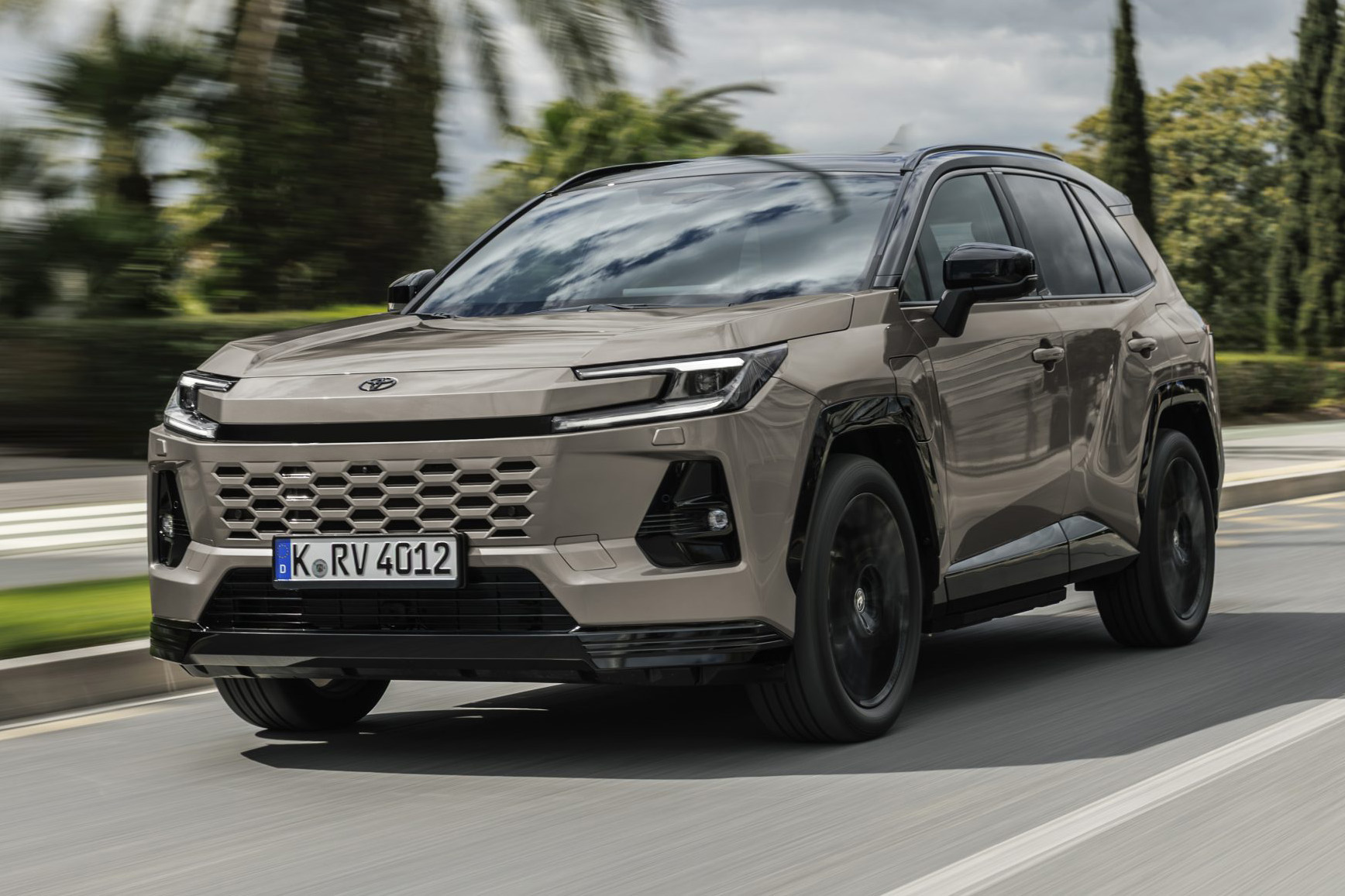
Known to aficionados as the XA60, the Mk6 Toyota RAV4 is the boldest-looking version yet. Its bodywork features an array of dramatic creases and sheer surfaces that combine to give it a much tougher appearance than the outgoing model, the result resembling a cross between Toyota’s C-HR and Land Cruiser ranges. Based on the photos released so far, it’s a successful melding of themes. The sportier GR Sport looks great, too, and comes with some suspension upgrades to improve its handling.
A similar approach has been taken inside this five-seater, the dashboard in particular being home to a variety of chunky fixtures and fittings, with two separate screens in a manner similar to Toyota’s other recent models, although the Arene software running the various functions is making its debut in the latest RAV4.
It's now only possible to buy the RAV4 in the UK as a plug-in hybrid. Other countries still get a self-charging hybrid, but Toyota isn't bringing it here. The PHEV is based around a 2.5-litre, four-cylinder engine available in front-wheel drive and all-wheel drive flavours. The electric-only driving range has increased to an impressive 85 miles.
What's the best Toyota Rav4 trim and engine option?
The front-wheel-drive Design is the strongest all-round RAV4.
Every version uses the same basic 2.5-litre plug-in hybrid system, so the main mechanical decision is whether to choose front or all-wheel drive.
The front-wheel-drive car produces 272PS and reaches 62mph in 7.5 seconds. It feels comfortably quick enough in everyday use, with strong electric response at lower speeds. It should also be slightly more efficient and less expensive than the AWD-i model. For drivers who spend almost all their time on paved roads and do not tow a heavy trailer, there is little need to pay for the additional rear motor.
Design trim adds useful equipment to an already generous standard specification. It includes 20-inch alloy wheels, two-tone paint, synthetic leather and suede-style upholstery, powered front seats, heating and ventilation for the front occupants and wireless phone charging. The larger wheels may slightly reduce ride comfort, but Design provides the best combination of equipment and price.
What’s the price of the Toyota Rav4?
The Toyota RAV4 starts at £43,845 for Icon with front-wheel drive.
Design FWD costs £45,745, while Excel FWD is £50,045. The all-wheel-drive Excel costs £52,390 and is the most expensive version.
GR Sport also uses AWD-i and costs £52,045, placing it slightly below the Excel AWD despite its sportier image. There are also plenty of used Toyota RAV4s for sale for considerably less.
Those prices look high beside entry-level versions of the Kia Sportage, Hyundai Tucson and Volkswagen Tiguan. The comparison becomes fairer when similarly equipped plug-in hybrid versions are considered.
A plug-in hybrid Volkswagen Tiguan occupies similar territory, while high-specification Sportage and Tucson PHEVs also pass £40,000.
The RAV4 includes plenty of equipment from the entry level. Even Icon has heated seats, a powered tailgate, blind-spot monitoring, digital instruments and the large central touchscreen.
The range looks strongest near the lower end. Icon provides the essentials, while Design adds enough comfort and visual upgrades to justify its premium.
Excel and GR Sport are harder to recommend on value. They do not improve the limited boot capacity, and the cabin still contains some ordinary plastics despite their prices of more than £50,000.
Alternatives to the Toyota Rav4
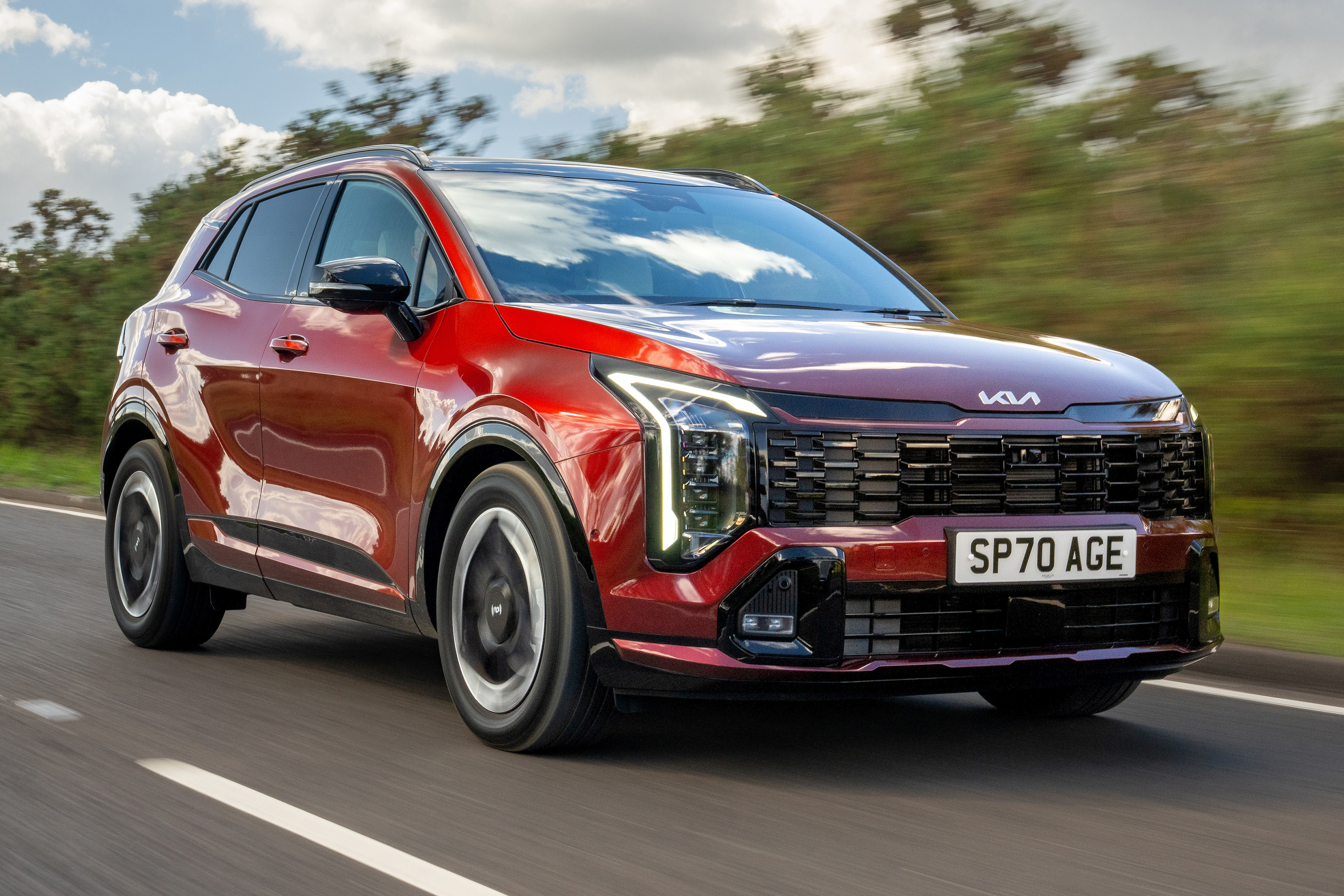
The Kia Sportage has a larger boot, a more upmarket-looking cabin and a wider selection of petrol, hybrid and plug-in hybrid powertrains. Kia’s seven-year warranty is another advantage.
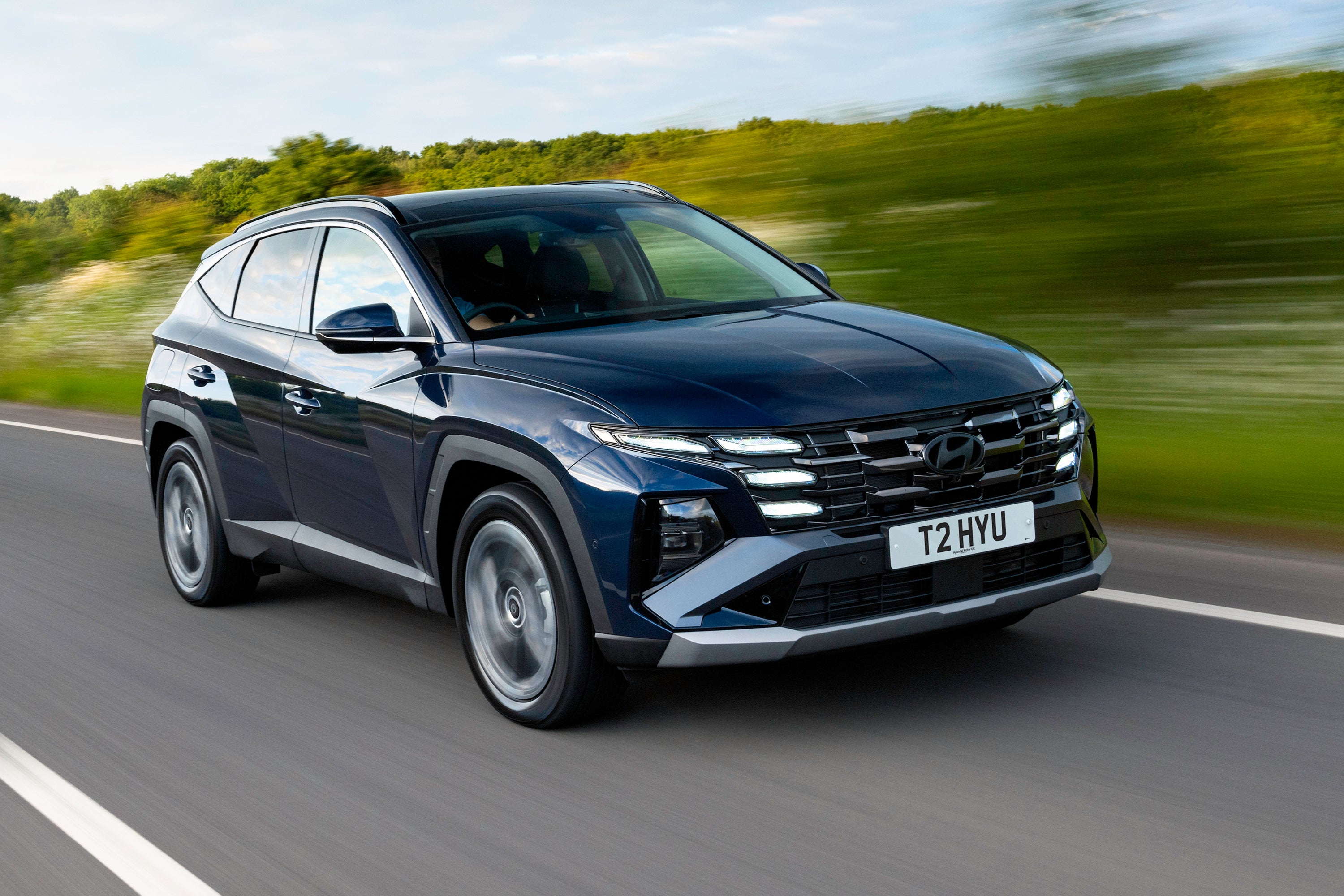
The Hyundai Tucson shares much of the Sportage’s engineering. It is spacious, comfortable and well finished, although its plug-in hybrid electric range is shorter than the Toyota’s.
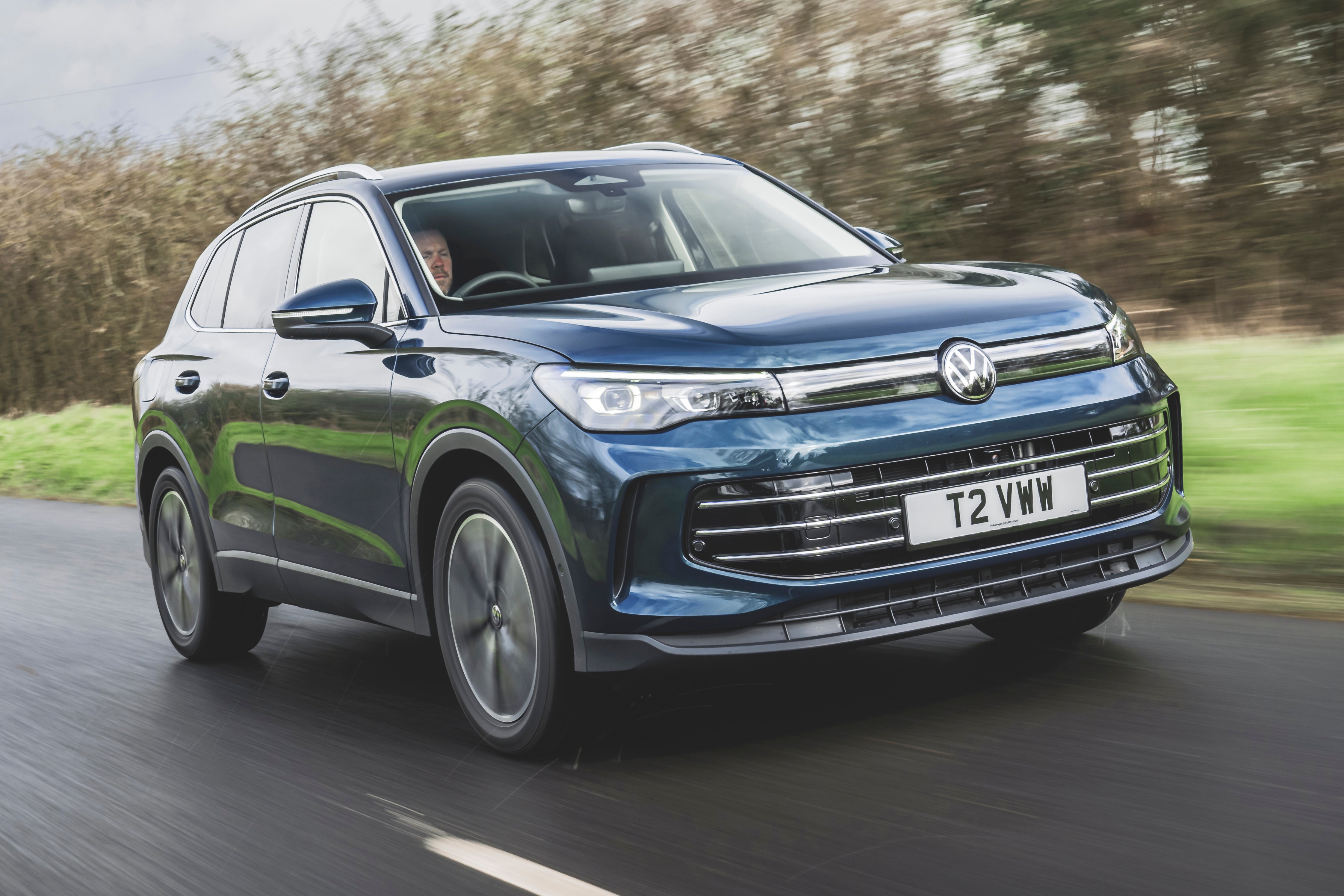
The Volkswagen Tiguan feels more polished inside and is particularly spacious. Its plug-in hybrid versions also offer a long electric range, while the boot is more useful.
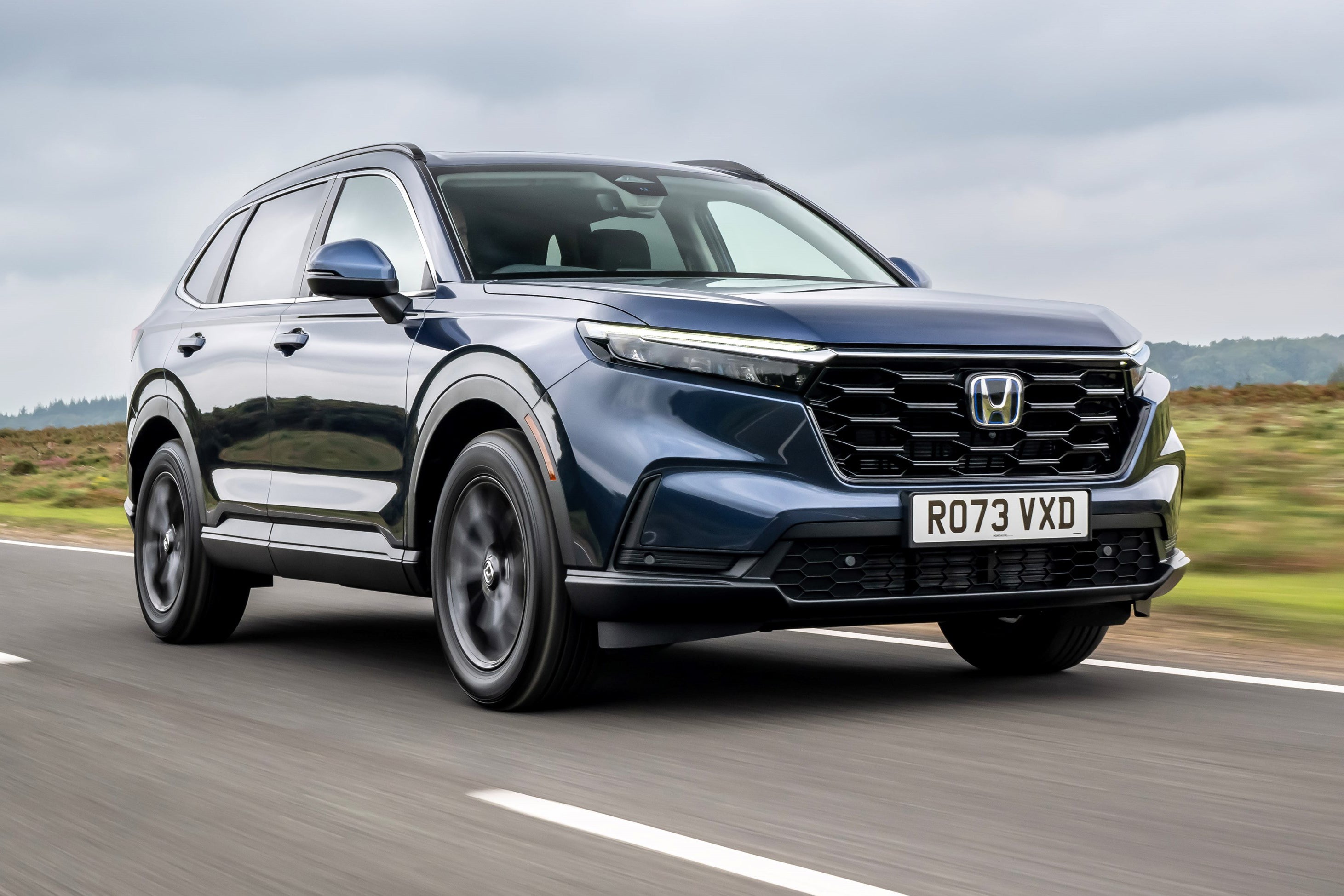
The Honda CR-V is comfortable and available as either a full hybrid or plug-in hybrid. It has a spacious cabin and smooth road manners but is expensive in higher specifications.
The Ford Kuga plug-in hybrid remains competitive on price and efficiency. It is enjoyable to drive, although its interior and technology now feel dated beside the Toyota’s.
What's the interior like in the Toyota Rav4?
The Toyota RAV4 has a robust and easy-to-use cabin with plenty of equipment. Passenger space is reasonable, but the boot and some material choices fall short of the strongest rivals.
Toyota Rav4 boot space and practicality
The RAV4's plug-in hybrid-only setup means cargo space isn't anything special – that's just the reality of sticking a load of battery cells under the boot floor. In the context of similar-sized PHEVs, though, it still disappoints. You get 446 litres, which looks poor compared to the 558 litres offered by a Hyundai Tucson PHEV.
It's also not an entirely rectangular shape, with rear wheel arch ingress meaning the boot narrows towards the end. Meanwhile, if you fold the rear seats, a total of 1690 litres of boot space opens up. It's a shame the rear seats only fold in a 40/60 split, rather than a more versatile 40/20/40.
The rear legroom is fine, but nothing amazing. A tall roof means headroom is good, with someone just over six feet tall fitting in just fine.
Under the central heater vents is a storage tray, which becomes a wireless smartphone charger on Design models and above. There's another open cubby just below, and a double cupholder further back. There's the usual storage area under the central armrest, too.
Toyota Rav4 dimensions
Dimensions: 4,600mm long, 1,855mm wide & 1,695mm high.
Those figures are close to those of the previous RAV4, reflecting the continued use of the TNGA-K platform.
The RAV4 is a typical size for a medium family SUV. It is larger than a Nissan Qashqai and broadly comparable with the Hyundai Tucson, Kia Sportage and Volkswagen Tiguan.
Its upright windows and square body make the extremities reasonably easy to judge. Cameras, parking sensors and the raised driving position also help when manoeuvring.
GR Sport has a wider track and extended wheelarch trim, giving it a slightly broader stance. Its lower suspension changes the appearance without making it significantly harder to park.
Tech and infotainment in the Toyota Rav4
Every RAV4 has a 12.3-inch digital instrument display and a 12.9-inch central touchscreen.
The infotainment system uses Toyota’s new Arene software platform. Its menus are logically arranged and the display responds quickly to most inputs.
The presentation is functional rather than visually impressive. Large pale backgrounds and simple icons make the layout easy to understand, but it does not look as sophisticated as the best systems from Kia, Hyundai or Volkswagen.
Toyota has retained physical controls for important functions, including cabin temperature. This makes the RAV4 easier to operate while driving than cars that place every adjustment inside the touchscreen.
The built-in navigation works adequately but can be slower and less clear than Google Maps or Waze.
Apple CarPlay and Android Auto are standard, allowing drivers to use preferred mapping, media and messaging apps.
The digital driver display shows speed, assistance settings and powertrain information clearly. It can also illustrate how energy is moving between the engine, battery and wheels.
Higher specifications add a head-up display, projecting key information into the driver’s line of sight.
The technology is straightforward to use and represents a meaningful improvement over the previous RAV4, even if the graphics lack visual flair.
Materials available on the Toyota Rav4
Everything inside the RAV4 feels solid, but a lot of it doesn't scream 'premium'. There are plenty of cheaper-feeling plastics, which seems like a shame considering the RAV4's price. Everything's put together well, though, as you'd expect in a Toyota.
What's the Toyota Rav4 like to drive?
The Toyota RAV4 is comfortable, predictable and easy to drive. Its plug-in hybrid system provides strong performance, although the petrol engine becomes noisy when worked hard.
Toyota Rav4 range and performance
While the outgoing RAV4 has been on sale in both self-charging and plug-in hybrid guises, as with the sleek Toyota Prius, only the PHEV option will make it to the UK market this time around. Toyota says it's a question of popularity – when both were available in the previous-generation model, the PHEV outsold the regular hybrid by over four times.
As the plug-in has been the more expensive option, in order to make the latest RAV4 as financially accessible as possible, it's also available in front-wheel drive format, as well as the present AWD-i all-wheel drive guise.
The former has a total petrol and electric combined output of 268PS, while the AWD-i version is the punchier of the two with 304PS overall. The latter dispatches the 0-62mph sprint in 5.8 seconds, and sure enough, it does feel pretty pokey when you put your foot down. Although the front-wheel drive car looks a lot slower on paper, hitting 62mph in 7.5 seconds, it doesn't feel sluggish by comparison.
Either way, you get a 2.5-litre, four-cylinder engine backed up by a 22.7kWh battery pack and an electric motor. The setup involves what's known as a 'continuously variable transmission' or CVT, rather than a conventional automatic with individual gears, and that means the revs can noisily spike when you put your foot down. Most of the time, though, it's an easy, relaxing system to use. The transitions between electric-only and hybrid running are generally very smooth.
Performance data
| Model | Engine/battery size | Power | 0-62mph | Range/MPG |
|---|---|---|---|---|
Plug-in Hybrid FWD | 2.5-litre petrol plug-in hybrid, automatic, front-wheel drive | 272PS | 7.5 seconds | Up to 85 miles |
Plug-in Hybrid AWD-i | 2.5-litre petrol plug-in hybrid, automatic, four-wheel drive | 309PS | 5.8 seconds | Up to 85 miles |
Toyota Rav4 driving and refinement
There's a clear focus on comfort in the way the RAV4 drives. It glides over most imperfections in the road surface nicely, and although it feels composed and stable in the corners, you do get a reasonable degree of body roll if you drive around a corner or a roundabout quickly.
The GR Sport has 15mm lower suspension and a wider track, and it does feel noticeably flatter during more dynamic driving. Don't be fooled by the car's name and its looks, though – this is not a particularly spicy car to drive, and comfort is still high on the agenda.
You do notice the increase in traction when switching from the front-wheel drive model to the all-wheel drive, with the former having a tendency to scrabble its front tyres if you're emerging from a side turning with a bit of enthusiasm. Most of the time, though, you won't really notice the difference.
Refinement is good when the RAV4 is operating electrically. The motor is quiet and the transition into hybrid running is normally smooth.
Wind noise is more noticeable than expected at motorway speeds. Tyre noise is reasonably well controlled, although this varies with wheel size and road surface.
The petrol engine remains unobtrusive during a steady cruise but becomes loud under harder acceleration.
How safe is the Toyota Rav4?
The sixth-generation Toyota RAV4 had not received a published Euro NCAP rating at the time of writing.
The five-star rating associated with the previous RAV4 was awarded in 2019 and should not be applied automatically to the new generation.
The latest model introduces an updated Toyota Safety Sense package through the Arene software platform.
Standard equipment includes autonomous emergency braking, adaptive cruise control, lane-keeping assistance, traffic-sign recognition, blind-spot monitoring and driver monitoring.
The system can also assist at junctions, detect surrounding traffic and help maintain the car’s position within its lane.
The absence of a current Euro NCAP result does not mean the RAV4 has failed a test. It means the independent organisation has not published an assessment of this generation.
Running costs: What it's like to live with a Toyota Rav4
The RAV4 can be inexpensive to run when charged regularly. Fuel consumption rises substantially once the battery is depleted.
Toyota Rav4 fuel economy
As with all plug-in hybrids, if you rely on the battery and do mostly short journeys, your running costs will plunge because electricity is generally cheaper than petrol, especially if you can get on a special EV tariff and time your charging sessions to coincide with cheaper off-peak periods. However, those doing longer journeys and leaning more on the petrol engine will find their fuel bills rocketing quickly.
According to the official WLTP figure, the RAV4 returns up to 217mpg, but that's not a particularly helpful figure, given that what you'll actually get depends on how much charge you had when you started, how far you're going and how you're driving.
Toyota Rav4 warranty and servicing
The RAV4 has a three-year or 60,000-mile manufacturer warranty. A qualifying service at an approved Toyota centre can activate a further 12 months or 10,000 miles of warranty protection. This service-activated cover can continue until the car reaches 10 years old or 100,000 miles, whichever comes first, subject to Toyota’s terms.
Toyota also provides separate support for the hybrid battery through its hybrid health-check programme when the required inspection and servicing conditions are met.
Toyota Rav4 insurance groups
Insurance groups for the sixth-generation Toyota RAV4 had not been published at the time of writing.
The 309PS AWD-i models are likely to cost more to insure than the front-wheel-drive version because of their stronger performance, higher price and additional drivetrain hardware.
Buyers should obtain quotations for the exact trim and drivetrain before ordering.
How much does it cost to tax a Toyota Rav4?
From the second year, the standard annual rate for 2026 to 2027 is £200.
Every RAV4 has an official list price above £40,000 and therefore attracts the Expensive Car Supplement.
The supplement is £440 a year for five years, beginning with the second vehicle licence. During that period, the annual total is £640 at current rates.
What trims are available with the Toyota Rav4?
The Toyota RAV4 is available in Icon, Design, Excel and GR Sport trims.
Icon includes 18-inch alloy wheels, heated front seats, a heated steering wheel, blind-spot monitoring, a powered tailgate, the 12.9-inch touchscreen and the 12.3-inch digital instrument display.
Design adds 20-inch alloy wheels, two-tone paint, synthetic leather and suede-style upholstery, electrically adjustable front seats, heating and ventilation, driver’s seat memory and wireless phone charging.
Excel adds leather upholstery, a head-up display, an additional wireless charger, a JBL sound system, heated rear seats and more advanced safety equipment. It is available with front or all-wheel drive.
GR Sport comes with AWD-i and adds model-specific styling, lightweight 20-inch alloy wheels, distinctive front seats, a wider track, retuned suspension and revised steering.
Icon provides the strongest value. Design is the best-balanced trim for most private buyers, while Excel suits those prioritising luxury and additional technology. GR Sport is mainly a styling and chassis choice. It feels slightly sharper but does not fundamentally alter the RAV4’s comfort-focused character.
Ask the Drive experts: common questions
How far can the Toyota RAV4 travel using electric power?
Is the Toyota RAV4 a seven-seater?
Can the Toyota RAV4 tow?
Get our latest advice, news and offers
Keep me updated by email with the latest advice, news and offers from Drive.