Peugeot Partner Review

Written By Ivan Aistrop
- 2018
- Van
- Diesel, electric
What we love
Strong payload and load-volume figures
Easy to drive and manoeuvre in town
Useful Moduwork load-through system
Things to consider
The small steering wheel will not suit every driver
Three-abreast cab seating is cramped
Some rivals feel more polished on the road
The DRIVE take on the Peugeot Partner, is it the right car for you?
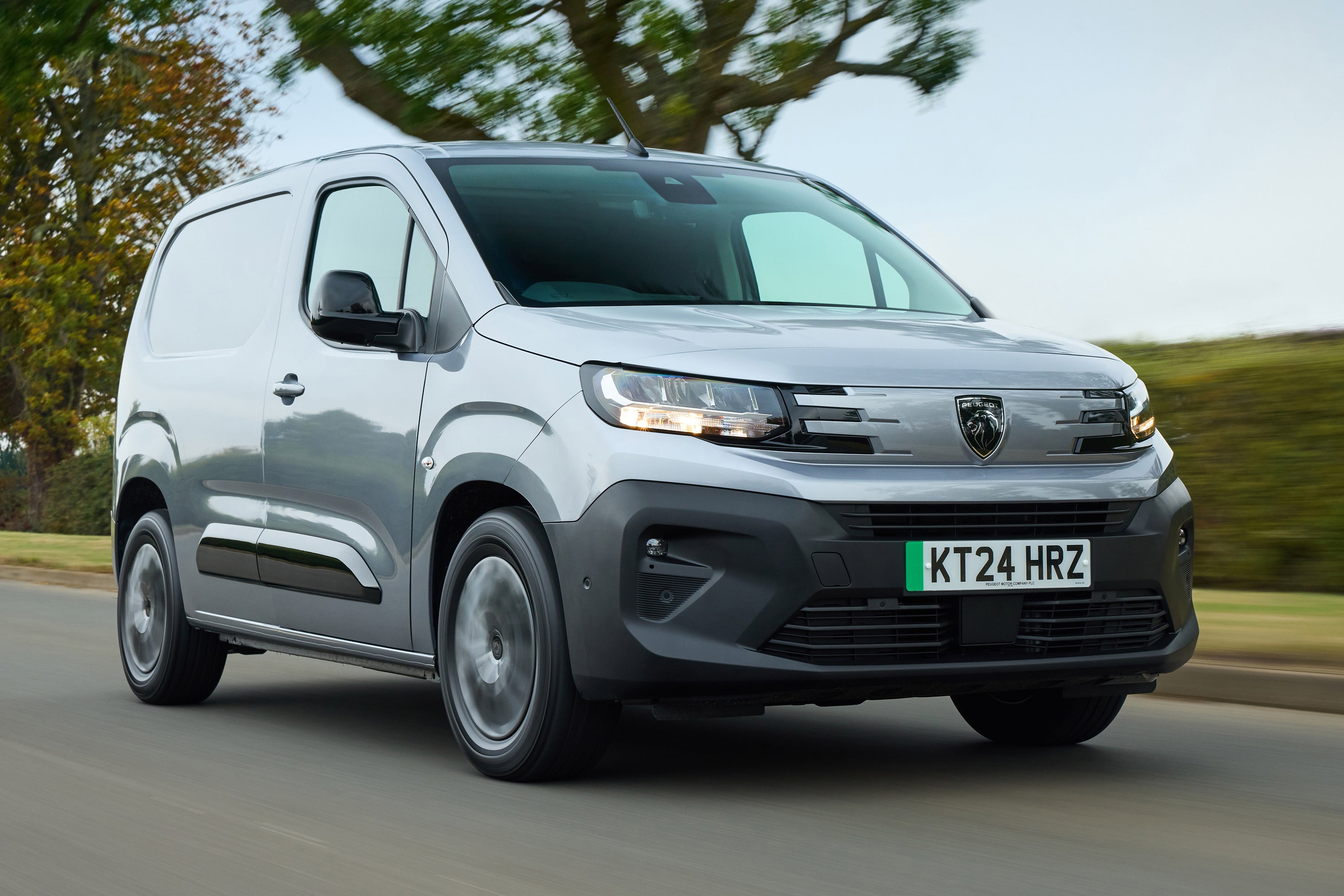
The Peugeot Partner is a practical and well-rounded small van. It can carry close to a tonne in selected versions, offers up to 4.4m³ of load space and is easy to manoeuvre in town, while its 1.5-litre BlueHDi engines suit operators covering higher mileages.
The 100PS manual is the best choice for most buyers, combining useful performance with good economy and a lower purchase price. The 130PS automatic is better suited to heavier loads, frequent stop-start driving and longer days behind the wheel, but it comes at a noticeable premium.
The main drawback is Peugeot’s i-Cockpit layout, which will not suit every driver. The Ford Transit Connect and Volkswagen Caddy Cargo feel more polished overall, but the Partner remains a strong choice if practicality and running costs are the priorities.
The Peugeot Partner in more detail
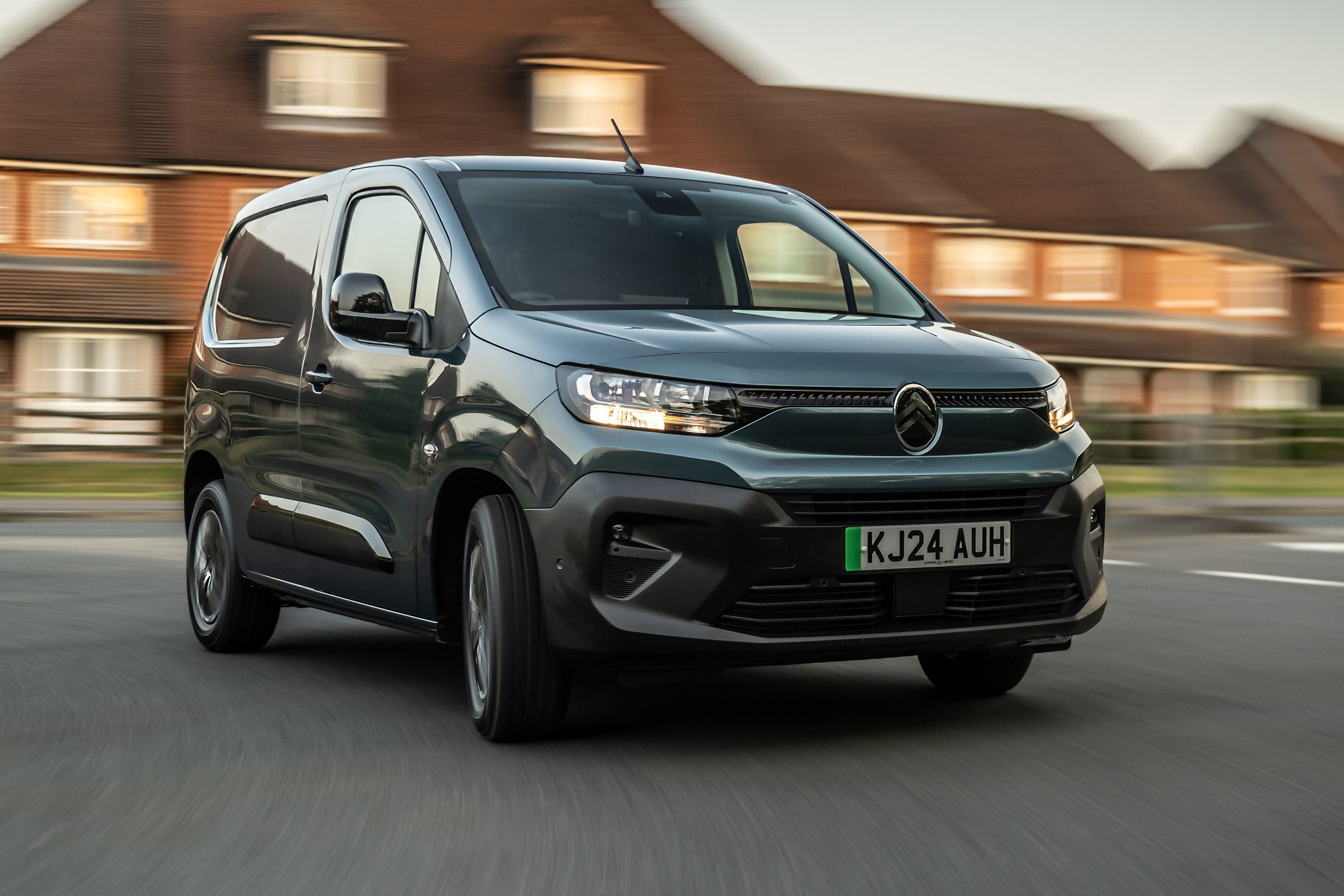
It’s an interesting fact that the Peugeot Partner has indeed always had a partner. Ever since the first-generation model was launched way back in 1996, it’s shared its mechanicals and tech with another small van from within the same group of companies, the Citroen Berlingo. And both have proved very popular over the years.
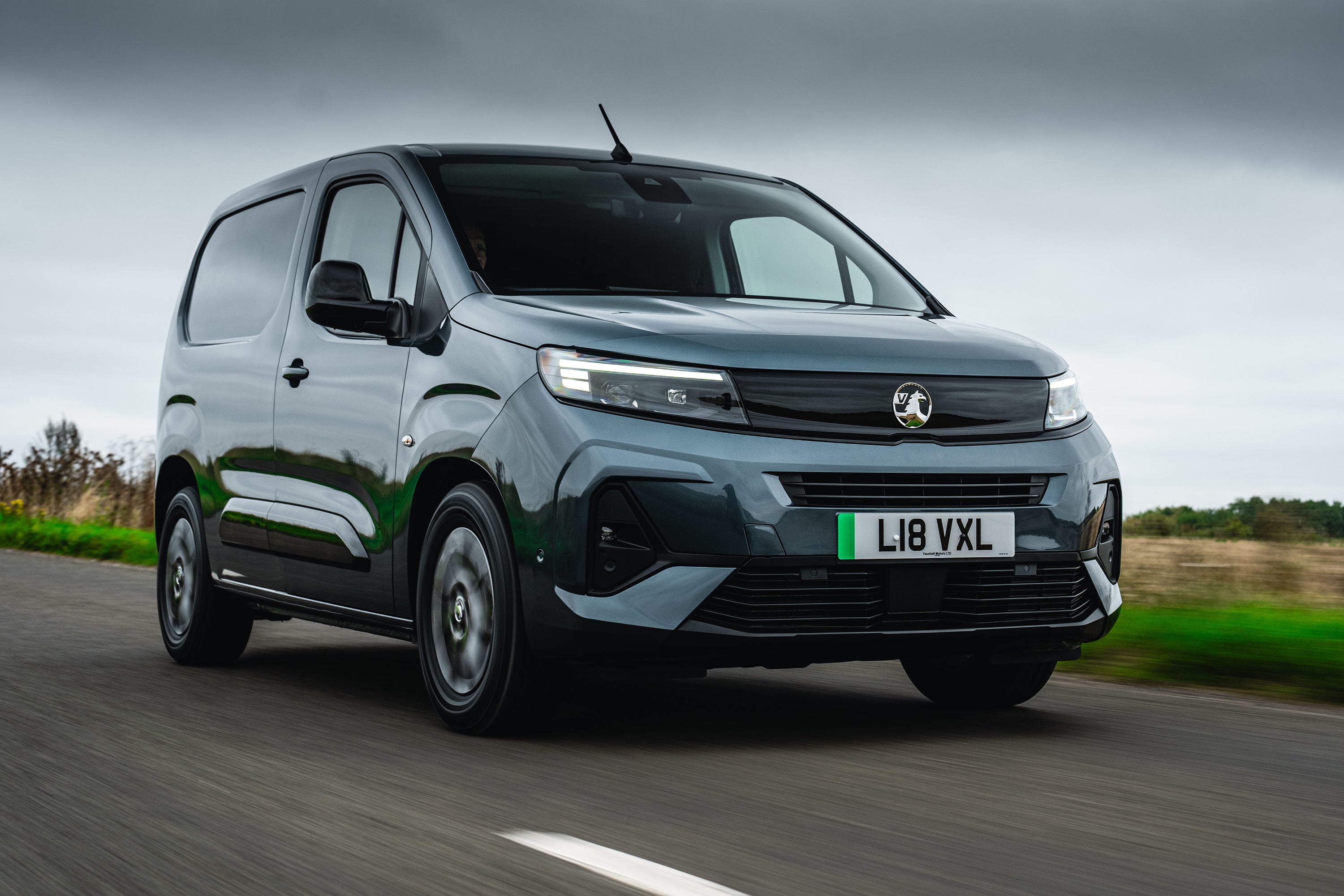
Since then, however, that group of companies we were just talking about has grown. In 2017, the PSA Group which owned both brands also acquired Vauxhall, and then in 2021, PSA merged with the FCA group (who owned Fiat, Alfa Romeo, Jeep, and others) to form a massive multi-brand manufacturing monster known as Stellantis. And as such, the underpinnings of the Partner and Berlingo now also form the basis of more compact van offerings from the group, including the Fiat Doblo and the Vauxhall Combo.
So what marks the Partner out from its stablemates? Well, not much, really. All four models are mechanically identical, so they all deliver the same driving experience, the same level of space and practicality, and pretty much the same tech. There are slight differences in styling, equipment levels and pricing, but these are very much of the blink-and-you-miss-them variety.
So what marks the Partner out from the various other compact vans that it has to compete with? Well, its official figures for payload and load capacity are among the best-in-class, so it does well there. It’s well made and reasonably affordable, too. However, some rivals are better to drive, while others are nicer inside, if those things are more important to you. Still, the Partner remains a capable and likeable all-rounder.
What's the best Peugeot Partner trim and engine option?
If you regularly cover long distances, the diesel Partner is the better choice. The 100PS manual will suit most operators, offering good economy and enough performance for everyday work, while the 130PS automatic is the more relaxed option if you carry heavier loads or spend a lot of time in traffic.
For mainly local work with regular access to charging, the e-Partner can cut day-to-day running costs, although its higher purchase price means it will not suit every business.
What’s the price of the Peugeot Partner?
Diesel Partner prices start at £21,820 excluding VAT and on-road costs for the M BlueHDi 100 Professional Plus, rising to £22,675 for the XL. The 130PS automatic starts at £23,980, while Asphalt trim begins at £23,420.
For most businesses, the 100PS Professional Plus is the strongest-value diesel, with the main practicality, infotainment and safety equipment without the extra cost of the automatic or higher trim.
The e-Partner is considerably more expensive to buy, but Peugeot currently offers the 52kWh Professional Plus from £289 a month excluding VAT on Business Finance Lease, and it qualifies for the £2,500 Zero Emissions Van Grant.
Used Partners are plentiful, with older diesel examples starting at around £10,000 including VAT. Later facelifted vans cost more, and buyers should check the safety specification carefully because early entry-level versions could be much more basic.
Alternatives to the Peugeot Partner
The Volkswagen Caddy Cargo should be near the top of the shortlist. It feels more car-like to drive than the Partner and has a higher-quality cab, although comparable versions can be more expensive.
The Ford Transit Connect is closely related to the Caddy and is another polished alternative. The Citroen Berlingo, Vauxhall Combo, Fiat Doblo and Toyota Proace City are much closer to the Partner mechanically, so price, specification and dealer support are likely to be the main deciding factors.
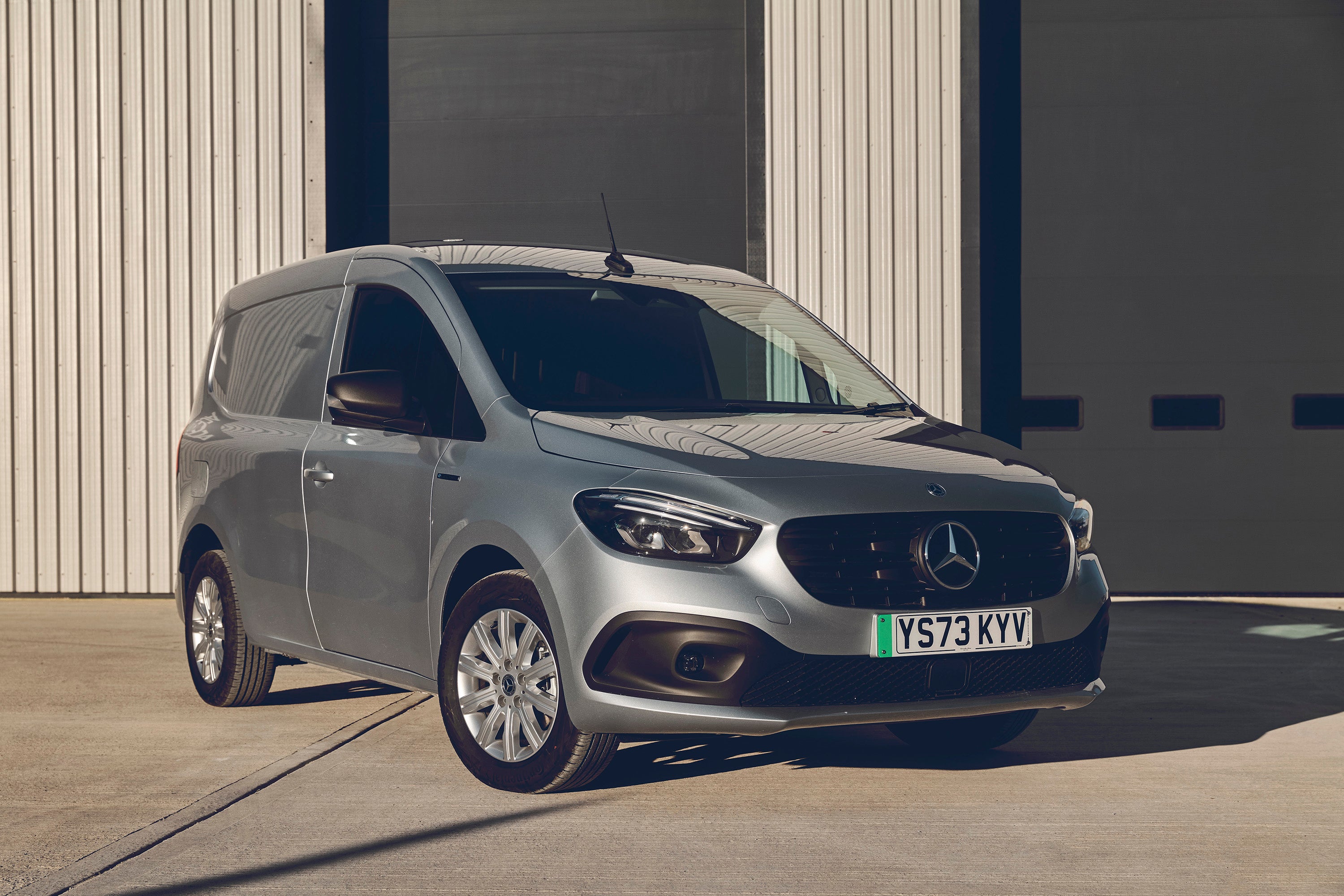
The Renault Kangoo and Mercedes-Benz Citan are also worth considering, while the smaller Ford Transit Courier makes sense for businesses that prioritise easy urban manoeuvrability over maximum load space.
What's the interior like in the Peugeot Partner?
The Partner has a tough and practical cabin with straightforward physical controls, but its unusual steering-wheel and instrument arrangement will not suit every driver
Peugeot Partner boot space and practicality
The Partner makes good use of its load area, with space for two Euro pallets and up to 4.4m³ of capacity in the XL with Moduwork. The M offers 3.3m³, rising to 3.8m³ with the load-through system, while the XL provides 3.9m³ as standard.
The load-through bulkhead is particularly useful for longer items, allowing the passenger seat to fold so loads can extend into the cab. Access is also good, with a sliding side door on the M, twin sliding doors on the XL and rear doors that open to 180 degrees.
Selected diesel versions can carry close to a tonne, although payload is lower in the e-Partner and Crew Van. The Crew Van adds a second row of three seats, taking capacity to five, but reduces cargo space as a result.
Higher-spec versions can seat three across the front, although it is a tight fit. The load area itself is fairly basic, with additional trim, lighting and camera equipment depending on specification.
Peugeot Partner dimensions
The Peugeot Partner is compact enough to be easy to use in town, with the M measuring about 4.4 metres long and the XL around 4.75 metres. Both stay under two metres tall, which helps with car parks and height-restricted access.
Tech and infotainment in the Peugeot Partner
The latest Partner has a much stronger technology package than earlier versions. Professional Plus models get a 10-inch touchscreen with DAB, Bluetooth, wireless Apple CarPlay and Android Auto, plus two USB ports.
The system is straightforward rather than flashy, with simple menus and useful physical controls for heating and ventilation.
Asphalt adds connected navigation and Peugeot’s Dynamic Surround View system, which uses exterior cameras to provide a digital rear-view mirror and extra parking views. In a fully loaded van, that is a genuinely useful upgrade.
Materials available on the Peugeot Partner
Commercial vehicles are designed around durability rather than luxury, and the Partner is no exception.
Most of the dashboard and door panels are made from hard grey plastic. These surfaces do not feel particularly expensive, but they appear robust, are easy to clean and should cope well with tools, muddy clothing and regular business use.
The controls feel solid and the updated dashboard looks more modern than the one fitted to early examples.
A Volkswagen Caddy Cargo or Mercedes-Benz Citan creates a more upmarket first impression, but the Partner’s finish is appropriate for a working van.
What's the Peugeot Partner like to drive?
The Partner is easy to operate and comfortable enough by small-van standards. Its ride improves with some weight in the back, while the light steering and compact dimensions make it particularly well suited to towns.
Peugeot Partner range and performance
Earlier Partners were offered with petrol and a wider range of diesels, but the current line-up is much simpler: a 100PS 1.5-litre diesel with a six-speed manual, a 130PS diesel with an eight-speed automatic, and the all-electric e-Partner.
The 100PS diesel is adequate for lighter work and local use, but it needs more gear changes on hills or when heavily loaded. The 130PS automatic is the more relaxed choice for heavier loads, longer distances and frequent stop-start driving.
The e-Partner uses a 136PS electric motor and is best suited to predictable local routes with regular access to charging. Eco is fine around town, Normal suits most driving and Sport is useful when stronger acceleration is needed. Three levels of regenerative braking allow you to vary how strongly the van slows when you lift off the accelerator.
Performance data
| Model | Engine/battery size | Power | 0-62mph | Range/MPG |
|---|---|---|---|---|
BlueHDi 100 six-speed manual | 1.5-litre | 100PS | TBC | Up to 52.3mpg |
BlueHDi 130 EAT8 | 1.5-litre | 130PS | TBC | Up to 51.9mpg |
Peugeot Partner driving and refinement
Comfort and ease of use matter more than outright handling in a working van, and the Partner does a decent job on both counts. The ride can feel a little unsettled with an empty load bay, but it is generally comfortable enough for long days behind the wheel.
There is plenty of grip and body control, so the Partner feels stable and predictable on faster roads. The steering is light rather than especially precise, but that makes it easy to manoeuvre in town, helped by a tight turning circle.
The Ford Transit Courier and Volkswagen Caddy Cargo feel a little more polished overall, but the Partner remains an easy and confidence-inspiring van to drive.
How safe is the Peugeot Partner?
The current Partner has a four-star rating in Euro NCAP’s 2025 Commercial Van Safety assessment, which focuses mainly on crash-avoidance technology.
Standard equipment includes automatic emergency braking, lane-keeping assistance, traffic-sign recognition, intelligent speed assistance, high-beam assistance and driver-drowsiness monitoring. Professional Plus also adds front, side and curtain airbags, while Asphalt includes blind-spot monitoring.
Euro NCAP found the Partner’s safety systems effective in simpler scenarios, but performance was less convincing at higher speeds and in some cyclist tests, so the result is solid rather than class-leading.
Used buyers should check specification carefully, as earlier entry-level Partners had less safety equipment and did not always include automatic emergency braking.
Running costs: What it's like to live with a Peugeot Partner
Strong fuel economy, a competitive payload and a three-year commercial warranty should make the diesel Partner reasonably economical to operate, although workload and driving conditions will have a major influence on real-world costs.
Peugeot Partner fuel economy
Peugeot’s current diesel figures equate to approximately 43.5mpg to 52.3mpg across the range.
The 100PS manual is the most economical choice on paper and should return close to the mid-to-high 40s in mixed driving when lightly loaded.
The 130PS automatic may use slightly more fuel in urban conditions, although its additional power and closely spaced gearbox ratios mean it does not need to work as hard when carrying weight.
Real-world consumption will depend on body length, payload, traffic, temperature and driving style.
A fully loaded XL operating on short urban journeys is unlikely to match the official maximum, while an M covering steady longer-distance work should come considerably closer.
Diesel remains the most appropriate Partner powertrain for operators undertaking frequent motorway journeys or travelling long distances between jobs.
Peugeot Partner warranty and servicing
The Peugeot Partner comes with a three-year commercial-vehicle warranty. Cover is unlimited by mileage for the first two years, with the third year provided through Peugeot’s retailer network and capped at 100,000 miles.
Peugeot has also introduced additional support for certain 1.5-litre BlueHDi engines affected by specific timing-chain issues, subject to age, mileage and servicing conditions. Owners should check whether a particular van is covered and make sure its maintenance history meets Peugeot’s requirements.
Servicing intervals vary according to age, mileage and how the van is used. Vehicles working mainly in town, carrying heavy loads or operating in harsher conditions may need more frequent maintenance than those covering easier motorway miles.
Peugeot Partner insurance groups
Diesel Partners generally sit between insurance groups 28 and 31.
The 100PS models occupy the lower end of the range, while the 130PS automatic is usually more expensive to insure.
The final premium will also depend on body length, trim, annual mileage, business use, driver history, overnight location and any tools or equipment carried.
A quotation should be obtained for the exact derivative before ordering.
How much does it cost to tax a Peugeot Partner?
Current diesel Partners and the e-Partner are taxed as Light Goods Vehicles. For 2026/27, the standard annual rate is £360.
The amount is determined by the van’s tax class rather than engine power, CO2 emissions or whether it is diesel or electric. Paying for 12 months in one go is the cheapest option, while monthly Direct Debit costs slightly more over the year.
What trims are available with the Peugeot Partner?
Professional Plus is the core trim in the current diesel Partner range and covers the essentials well. Standard equipment includes a 10-inch touchscreen with wireless smartphone mirroring, air conditioning, cruise control, rear parking sensors and the main driver-assistance systems. Moduwork is also included, adding a two-person passenger bench and load-through bulkhead for carrying longer items.
Asphalt is the more upmarket choice. It adds connected navigation, an alarm, power-folding mirrors and upgraded exterior trim, but its most useful feature is Dynamic Surround View. This combines extra parking sensors and cameras with blind-spot monitoring, side-obstacle detection and a digital rear-view mirror, making it particularly useful when the van is fully loaded.
The Crew Van is offered in XL form with five seats and a movable bulkhead. Its folding second row lets you trade passenger space for additional load length when needed.
For most buyers, the 100PS manual is the best-value engine and should be powerful enough for everyday work. The 130PS automatic is the better choice for heavier loads, congested routes and drivers who spend long periods behind the wheel.
Ask the Drive experts: common questions
What is the Peugeot Partner’s maximum payload?
How much can a Peugeot Partner carry?
What MPG does a Peugeot Partner achieve?
How many seats does a Peugeot Partner have?
Get our latest advice, news and offers
Keep me updated by email with the latest advice, news and offers from Drive.
.jpg)
.jpg)