Ford Transit Connect Review

Written By Phill Tromans
- 2023
- Van
- Diesel, Plug-in Hybrid
What we love
All-round improvement over earlier models
Plug-in hybrid option adds appeal
Clever 'FlexCab' seating option
Things to consider
Some rivals have larger payloads
No electric option
Small choice of engines
The DRIVE take on the Ford Transit Connect, is it the right car for you?
“There’s a lot to like about the Ford Transit Connect. There are several body variants to choose from, the engines are strong and there’s a good amount of equipment included. The availability of a plug-in hybrid version is a notable plus, too. However, it’s not a slam-dunk leader of the class.
The Ford Transit Connect in more detail
The Ford Transit Connect has been a commercial-vehicle favourite for more than 20 years now, and this third-generation model has been on sale since 2021. Under the surface, it shares much with the latest Volkswagen Caddy, which is no bad thing, because the Caddy is itself based on the Volkswagen Golf. As well as the various van variants, it’s also available as a passenger car called the Tourneo Connect.
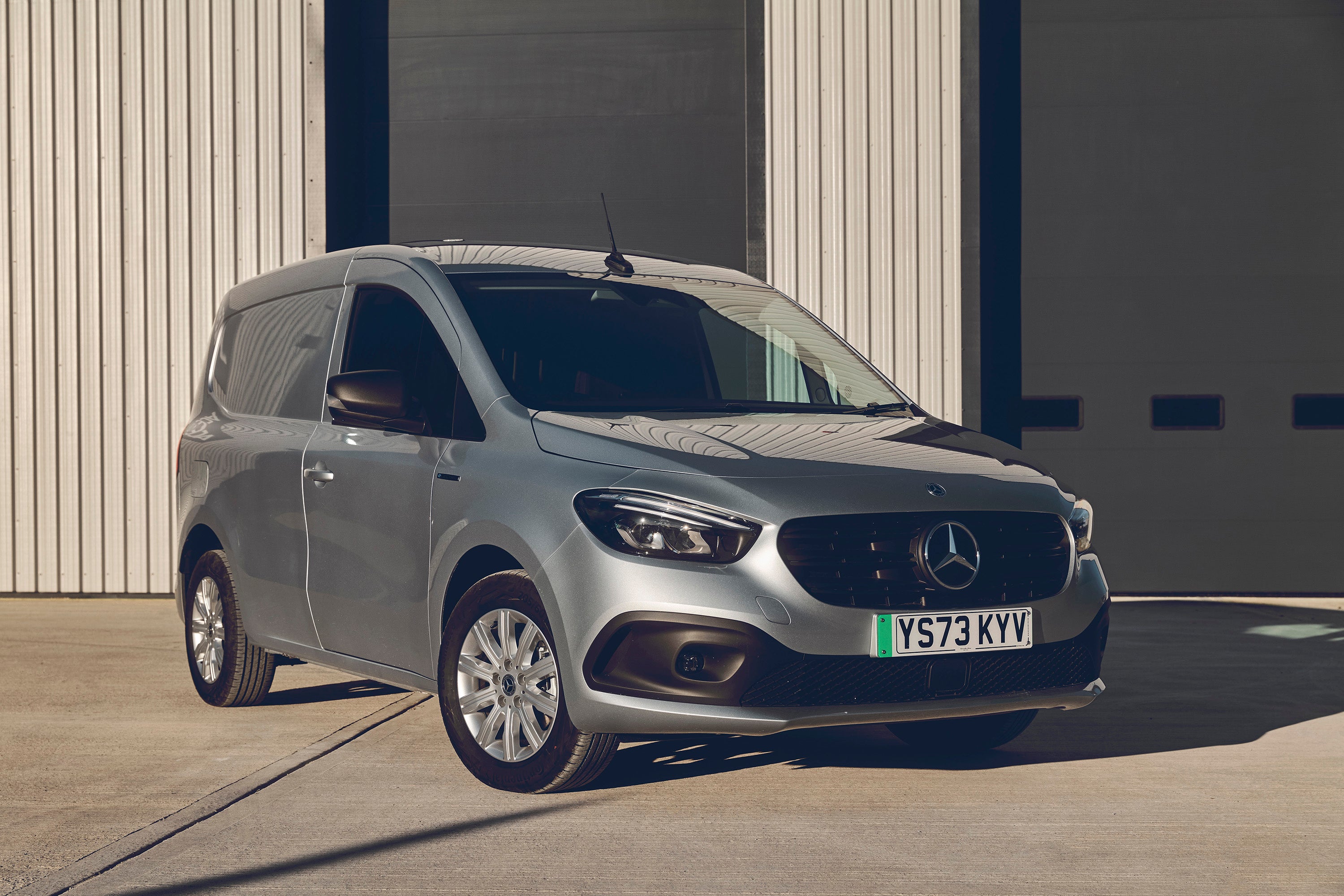
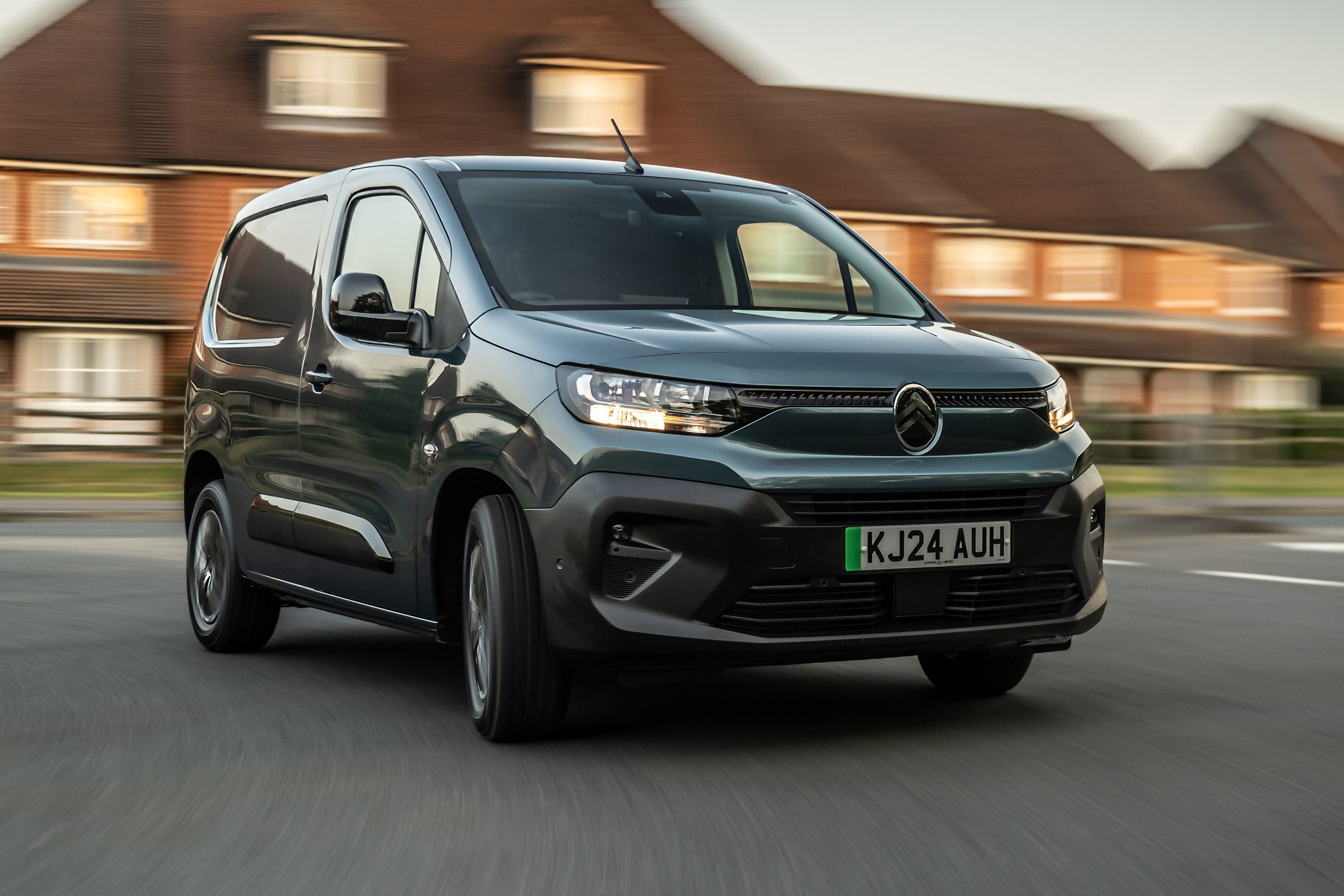
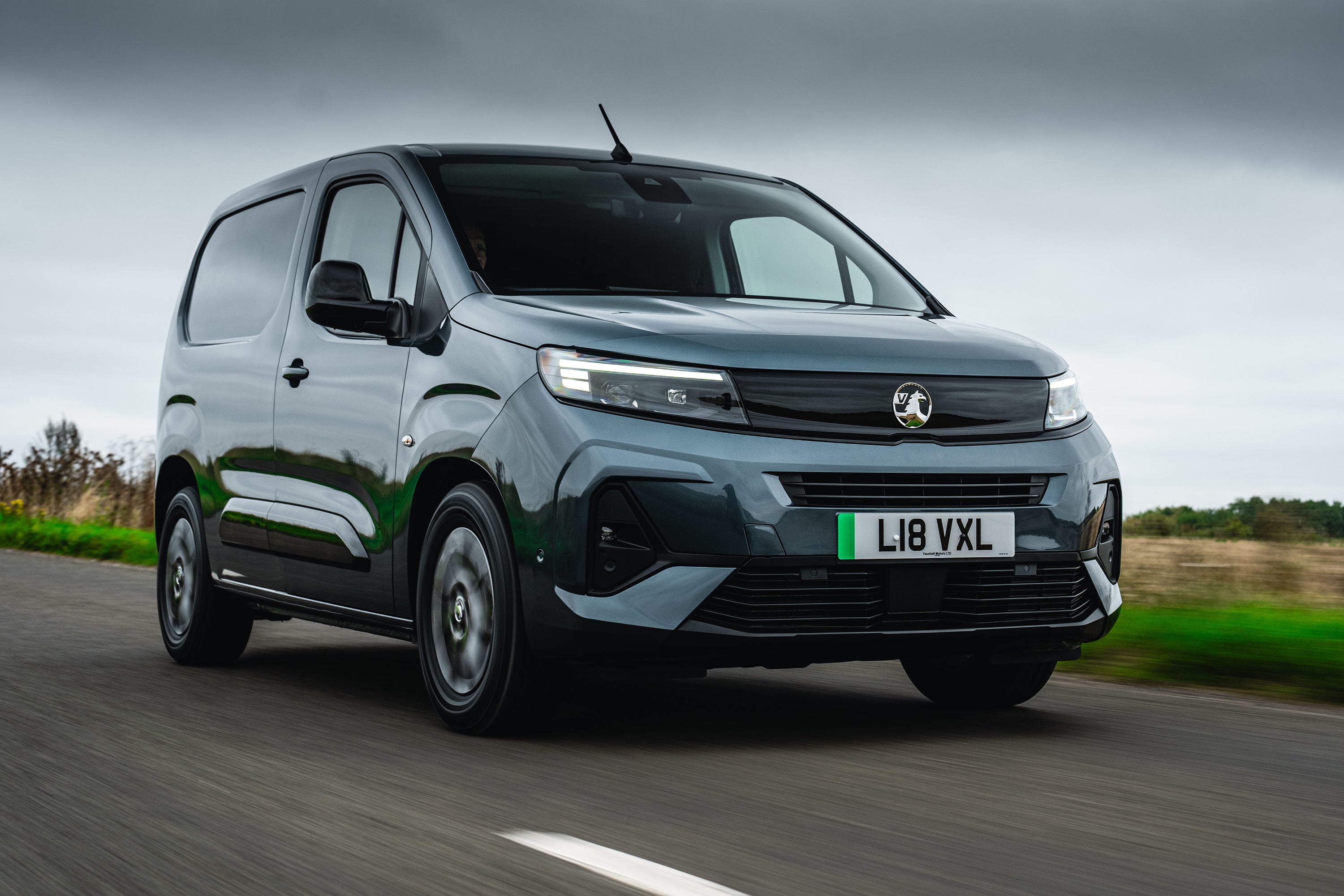
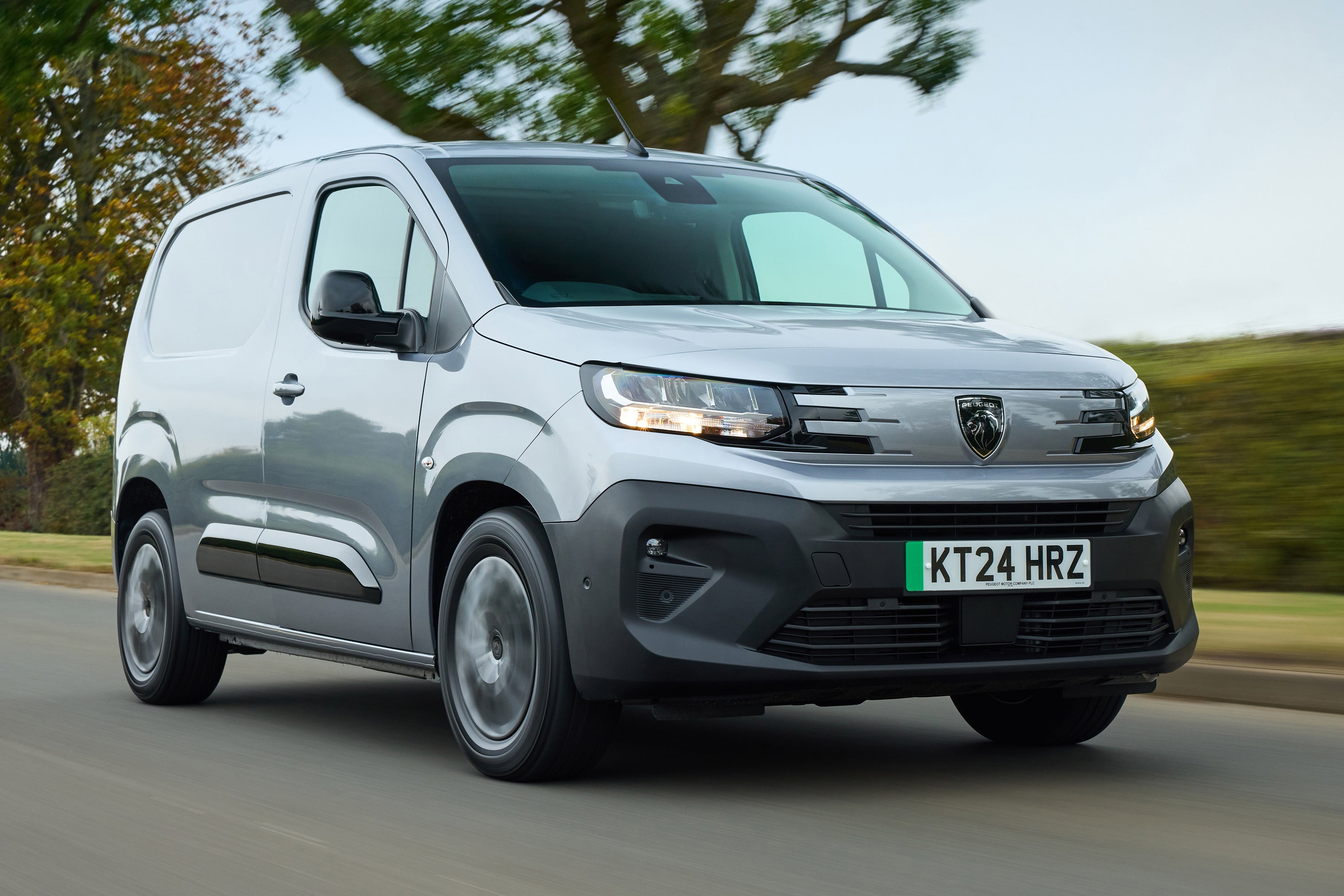
Rivals are numerous, and include the Caddy, the Citroen Berlingo, the Vauxhall Combo and the Peugeot Partner, not to mention the Mercedes-Benz Citan and the Renault Kangoo. In case you’re not clear on the Ford Transit naming scheme, the Transit Connect sits above the Transit Courier in size, but below the Transit Custom.
The Ford Connect is available in short-wheelbase (sometimes called L1) and long-wheelbase (L2) sizes, with three engine options including a plug-in hybrid, and the possibility of adding a nifty 'FlexCab' flexible five-seater cabin with a folding rear bench that lifts up to double up as a bulkhead.
The Transit Connect is a really good all-rounder, with a very decent driving experience, a comfortable cabin and reasonable space in the back. The availability of a PHEV version is a plus, too, especially if you mix around-town driving with longer distances. However, there are a number of areas where the Transit offers less than rivals. The space in the back isn’t class-leading, and with only two diesel engines to choose from, the powertrain options are more limited than with many rivals, too. There’s no electric option, either, which is something you can opt for with numerous rivals, as well as both the smaller E-Transit Courier and the larger Ford E-Transit Custom.
What's the best Ford Transit Connect trim and engine option?
Neither of the non-hybrid options is particularly powerful. The entry-level option is a 102PS 2.0-litre diesel with 280Nm and a six-speed manual gearbox. There’s also a more powerful model, with 122PS and 320Nm, connected to a seven-speed automatic ‘box. While the former felt perfectly adequate around town during our tests, that was with no load, and it felt like we had to work it hard to get up to motorway speed. If you work mostly in an urban environment and don’t lug particularly heavy cargo, it should be fine, but for longer journeys or weightier loads, you may want the extra oomph of the more powerful engine.
The plug-in hybrid version is the most powerful, but the extra weight of its large battery pack will offset a lot of the extra power in terms of overall performance, and it's also quite a bit more expensive. That said, the extra outlay could still prove to be cost-effective if you're able to take advantage of its generous electric-only range of 70-odd miles for regular petrol-free around-town running.
In terms of trim level, you can choose from Trend or Limited with the panel van, or between Trend and Active with the five-seater FlexCab. Trend is pretty well-specced for an entry-level model, but if you want niceties like alloy wheels and adaptive cruise control then go for the Limited/Active. Both are £2000 more when new compared to their Trend equivalents.
What’s the price of the Ford Transit Connect?
Prices start at around £24,500 (excluding VAT) for the short-wheelbase L1 van with the entry-level 102PS diesel engine in Trend trim. To upgrade from there, it'll cost you another £1,000 for the long-wheelbase L2 bodystyle, or £3,000 for the five-seater FlexCab arrangement (which is available in both L1 and L2 forms). Upgrading from Trend trim to Limited or Active trim costs £2,000. Upgrading your engine from the entry-level one costs £2,000 for the more powerful diesel with the automatic gearbox, or a further £3,000 on top of that if you want the plug-in hybrid. And remember that these upgrade prices are cumulative, so the range tops out at a fairly chunky £35,500, approximately speaking.
Compared with rivals, those prices are a bit more than you'll pay for the equivalent vans from Citroen, Fiat, Peugeot and Vauxhall, but it's a bit less than you'll pay for the equivalent Volkswagen Caddy, which is pretty much the same vehicle as the Ford underneath. The Mercedes Citan is no longer offered as a brand new vehicle, but used prices will be roughly on a par between the Ford, VW and Mercedes.
Alternatives to the Ford Transit Connect
Those considering the Ford Transit Connect will likely want to consider its close rivals. These include the very similar Volkswagen Caddy Cargo, and the Mercedes Citan, which looks and feels more premium. The Stellantis range of small vans – the Citroen Berlingo, the Peugeot Partner and the Vauxhall Combo Cargo – are all based on the same platform as each other, and offer more space and greater payload figures.
What's the interior like in the Ford Transit Connect?
The Transit Connect is competitive for practicality without being class-leading, although the clever folding seats of the five-seat FlexCab model make it much more versatile than a Crew Van version of a rival van. The Ford feels posher inside than most small vans, too.
Ford Transit Connect boot space and practicality
The Ford Transit Connect’s cabin has a very contemporary and dare-we-say stylish look. There's a digital driver’s display and touchscreen infotainment system that dominates the dashboard. It is, of course, all but identical to the cabin of the Volkswagen Caddy. Which is a good thing in terms of its stylish design, but less good in terms of some of the user-interfaces, like the frankly rubbish touch-sensitive slider controls on the bottom edge of the infotainment screen bezel, for temperature and stereo volume, which we've spent years moaning about when testing some other VW vehicles.
More importantly, though, it's a very practical interior full of useful cubby holes and should provide sufficient comfort to ease you through a long day at work on the road. There’s a tray on top of the dashboard and another small one in front of the gear stick with a fold-up shelf under which there’s a wireless phone charger. A fold-down pocket sits to the right of the steering wheel and there’s a reasonably sized glovebox. There are two cup holders between the seats and a small storage box behind them towards the bulkhead: just watch you don’t accidentally drop anything down there, because much ferreting around to find it will follow. The door pockets are large and there’s a large storage area in the roof above the seats.
Out back, you’ll find 3.1 cubic metres of space in the L1 Transit Connect and 3.7 cubic metres in the L2. Unsurprisingly considering their common engineering, that’s the same as in the VW Caddy Cargo, and it’s an increase from the 2.9 cubic metres you got in the old L1 Transit Connect. It’s bigger than the Mercedes Citan, too. There are asymmetric rear doors and a sliding door on the passenger side on L1 cars and dual side load doors on the L2. Maximum load length is 1797mm on the L1 and 2150mm on the L2, which is actually slightly less than the Citan.
There's also the option of the Transit Connect as a FlexCab. This involves a second row of seating (increasing the total capacity to five people), which can in seconds fold upwards vertically, forming a bulkhead behind the first-row seating, opening up a much larger load space. You lose out on about 300mm of load length compared to a two-seater Connect even with the seats retracted, but for some, that'll be a worthwhile sacrifice considering the increased versatility. The L1 has a load capacity of 2.5 cubic metres with the seats in place and 3.0 cubic metres with them stowed, while in the L2, those figures are 3.1 cubic metres and 3.6 cubic metres, respectively. In both, with the seats folded out to use, it's still possible to fit a Euro Pallet in the load bay.
When it comes to gross payloads, the highest figure in the range is 790kg, while the lowest is 593kg. The diesels get the highest figures, and there isn't much between the two of them when it comes to payload. With a few exceptions, most of the diesels have a figure in the the mid-to-high 700s. It's the plug-in hybrid versions that get the lowest figures, and these are way below those of the diesels.
In comparison to rivals, those payload figures are better than you get in the Citan, but not quite as good as with the Stellantis-Group vans in most cases.
Ford Transit Connect dimensions
The standard short-wheelbase L1 version of the Transit Connect is 4,500mm long, 2,100mm wide (including door mirrors) and 1,856mm high. The long-wheelbase L2, meanwhile, is 4,853mm long, 2,100mm wide (including door mirrors) and 1,860mm high. There are some very minor differences in height with the FlexCab versions, probably due to the weight of the extra seats sitting on the springs, but they're nothing worth mentioning here.
Tech and infotainment in the Ford Transit Connect
The infotainment system in the Ford Transit Connect is touchscreen-operated. In fact, just about everything that’s not a steering wheel, stalk or gear lever is touchscreen-operated, save for the annoying touch-sensitive slider controls that operate the air-conditioning temperature and stereo volume.
The infotainment system once had a 10-inch screen, but this was later upgraded to a 13.0-inch items. Either way, it's easy enough to use generally, but it’s harder to change settings on the move than with physical buttons that you can operate by feel.
The 10.25-inch digital driver display is clear and can show navigation directions if you use the in-built nav system, which makes it easy to quickly find your way through unfamiliar streets. Like most cars, this doesn’t work if you use Apple CarPlay or Android Auto directions, however. The good news is that you can easily change settings using the steering-wheel-mounted buttons, and these are proper buttons, not the frustrating touch-sensitive haptic pads fitted to a lot of VW-built vehicles.
Materials available on the Ford Transit Connect
The Transit Connect has solid build quality with materials that manage to feel rugged and hard-wearing without feeling cheap and plasticky. It’s not as premium-feeling as a modern car, despite the look of the cabin, but it’s good for a van.
What's the Ford Transit Connect like to drive?
The Transit Connect is car-sized, car-derived and, you’ll be unsurprised to hear, drives much like a car, too. It’s unremarkable when judged by car standards, but for a van, it feels alert and lively, comfortable enough for a whole day of zipping about, and confidence-inspiring and stable at high speeds.
Ford Transit Connect range and performance
There are two diesel engine options in the Ford Transit Connect. Both use a 2.0-litre EcoBlue engine. The lower-powered model has 102PS and 280Nm, driving the front wheels through a six-speed manual gearbox, which gives it a leisurely unloaded 0-62mph time of 14 seconds dead.
The more powerful option has 122PS and 320Nm and uses a seven-speed automatic gearbox. That translates to an 11.4-second 0-62mph time.
The former pulls you around with enough purpose when the loadbay is empty, and the manual gearbox is light and direct. However, we haven't tried this version with more weight on board, so we can't say for sure what effect that has and whether it makes the Connect feel underpowered. We haven't tried the gruntier diesel, either, so we can't tell you whether that fares any better.
There’s no electric Transit Connect, but there is a plug-in hybrid, combining a 1.5-litre EcoBoost petrol engine with an electric motor and a battery that promises more than 70 miles on electric-only power according to official WLTP figures. It’s the most powerful Transit Connect, with 150PS and 350Nm through a smooth-shifting six-speed dual-clutch automatic gearbox.
It's not massively fast but makes for easy progress, and the transitions between power sources are near enough seamless. Again, we've only tried it with an empty loadbay, so we can't say for sure what effect more weight will have on performance. When the engine is working, it's nicely smooth and refined, although that shouldn't come as a surprise. Despite the EcoBoost branding, this is actually a Volkswagen-built powertrain and is used in all sorts of cars from Golfs right the way up to the vast Multivan MPV, and it's one of the best engines the German company makes.
Performance data
| Model | Engine/battery size | Power | 0-62mph | Range/MPG |
|---|---|---|---|---|
2.0 EcoBlue manual | 2.0 Diesel | 102PS | 14.0 seconds | Up to 52mpg |
2.0 EcoBlue automatic | 2.0 Diesel | 122PS | 11.4 seconds | Up to 50mpg |
1.5 EcoBoost PHEV automatic | 1.5 PHEV | 150PS | TBC | Around 156mpg |
Ford Transit Connect driving and refinement
As we've mentioned before, the underpinnings of the Transit Connect are closely related to the Volkswagen Caddy's, and therefore, also the Volkswagen Golf's. That's due to a partnership struck between the two companies on their commercial vehicles. And, given its roots, it'll come as no surprise that the Transit Connect feels decidedly car-like in the way it goes about its business.
The ride is smooth compared with other vans, even over choppier ground, so it's one of the more comfortable options in the small van class. Meanwhile, the body remains nicely level in the corners and when negotiating roundabouts, with a small amount of body roll that's far from excessive. The steering is light, reasonably fast, and direct. Compared to a regular passenger car, the way the Transit Connect drives is no great shakes, but compared with other small vans, it's a good bit more civilised.
That's also helped by a good level of general refinement. Both road noise and wind noise are kept at bay well. The diesel engine we're tried can be rather loud and clattery, though, especially when you work it hard. And, as it’s not particularly powerful, that could be quite often. With a decent electric-only range, the Connect PHEV can be far more relaxing when its 1.5-litre petrol engine shuts off and the motor takes over.
How safe is the Ford Transit Connect?
While the Transit Connect hasn’t been tested by safety organisation Euro NCAP, the Tourneo Connect – which is the passenger car version of the van – has. Well, sort of. Euro NCAP actually tested a VW Caddy, but deemed the two cars similar enough for the scores to be carried across. The Caddy scored the maximum five stars in 2021, with solid scores across the various criteria, and pretty much everything that the experts said about the VW can be applied here, too.
All models come as standard with traffic sign recognition and lane-keep assist, as well as front and rear parking sensors. Higher-spec Limited/Active models get a reversing camera and a blind-spot assist system with rear cross-traffic alert, plus adaptive cruise control.
Running costs: What it's like to live with a Ford Transit Connect
The diesel versions of the Transit Connect deliver pretty good fuel economy, so should be cheap to run. The PHEV version has the potential to be even cheaper to run, but only if you keep your journeys short and your battery juiced.
Ford Transit Connect charging times and costs
The plug-in-hybrid version of the Transit Connect has a comparatively large 19.7kWh battery pack, and that gives it an official WLTP range of between 70.3 miles and 72.4 miles, depending on the version.
Charging that battery pack from empty to full will take around 11 hours on a standard three-pin domestic power socket, and you'll also have to pay extra for the cable that allows you to do so. The cable that comes as standard is a Type 2 cable that connects your car to a regular 7kW home wallbox charger, and a full charge on this kind of hookup will take less than four hours. Either way, a charge at home will cost around £5 if you pay for your domestic electricity at the UK's national average rate.
Using a public DC rapid charger will cost a lot more - likely three times - and because you have a petrol engine in reserve, there's no real need to do this anyway. Should you feel the need for any reason, the maximum DC charging speed is 40kW, giving you a 5% to 80% top-up in 26 minutes.
Ford Transit Connect fuel economy
All but a handful of diesel-powered Transit Connects better 50mpg according to official WLTP fuel consumption figures. Most versions of the 122PS diesel beat it by a smidge (50.6mpg is the best figure on that engine), while 102PS beats it by a little more (52.2mpg is the best figure here).
The exceptions to this rule are the L2 Limited version of the 122PS van - but that only narrowly misses the mark with a figure of 49.9mpg - and the two versions of the FlexCab versions with the same engine, which have a figures of 49.3mpg and 49.0mpg. Whatever the case, then, your fuel economy is going to be pretty good.
The PHEV's fuel economy is given at between 147.2mpg and 156.9mpg depending on the version, but before you get too excitied, do bear in mind that matching these laboratory-gleaned figures in the real world will be all but impossible.
That said, if you can keep your mileage within the van's electric-only range in day-to-day driving (the comparatively generous range helps here), and keep the vehicle charged up when at home or work, then you might not have to use any fuel at all during an average working week, making the PHEV extremely cheap to run.
Ford Transit Connect warranty and servicing
While Ford provides a bog-standard three-year, 60,000-mile warranty on its passenger cars, it does a little better with its commercial vehicles, with three-year, 100,000-mile cover. That still not as generous as you get on some vans, but it's something.
We've looked high and low on Ford's website for information on servicing schedules, but we're afraid we've drawn a complete blank as owners access that information by inputting their VIN number into the website which, not being owners, we don't have.
Ford Transit Connect insurance groups
Insurance groups for the Ford Transit Connect sit between 24 and 33, depending on the model.
How much does it cost to tax a Ford Transit Connect?
The Ford Transit Connect is a light goods vehicle, which means it’s subject to the standard flat rate of Vehicle Excise Duty (VED), currently charged at £360 a year.
What trims are available with the Ford Transit Connect?
There are two trims to choose from on the latest Ford Transit Connect panel van, both of which are available on L1 and L2 vans.
The basic trim is Trend, which rides on steel wheels, and comes with a body-coloured front bumper and door handles, but black plastic finishes for the rear bumper and door mirrors, although the mirrors are heated and electrically adjustable. You also have front- and rear parking sensors, powered windows, and a variety of active safety systems. Inside, there's manual air-conditioning (or electronic climate control on the PHEV), cruise control, , and the full infotainment system with Apple CarPlay and Android Auto.
Upgrade to the Limited model and you’ll get 17-inch alloy wheels, chrome surrounds on the grille and fog lights and a body-coloured rear bumper and mirrors, which gives a more premium look. The mirrors fold when the van is locked. The Limited model also gets a Quickclear heated windscreen (a godsend in frosty conditions), automatic wipers, a fold-flat passenger seat with integrated work surface, extra lighting in the cargo area, as well as dual-zone air conditioning and a wireless charging pad. You also get a reversing camera and adaptive cruise control.
Go for the FlexCab variant, and you again choose between two trims, but while the entry-level one is the same Trend as with the panel van, the higher-spec one is called Active. This provides largely the same kit as Limited trim does on the panel van, but it has more of a faux-4x4 look, with roof rails and chunkier bumpers with decorative skid plates.
Ask the Drive experts: common questions
What is the difference between the Ford Transit and the Ford Transit Connect?
Is Ford discontinuing the Transit Connect?
Can you get an electric Ford Transit Connect?
Get our latest advice, news and offers
Keep me updated by email with the latest advice, news and offers from Drive.
.jpg)
.jpg)