Volkswagen Caddy Cargo Review

Written By Andy Brady
- 2021
- Van
- Diesel, petrol, plug-in hybrid
What we love
More car-like to drive than most small vans
Smart, modern cab with genuinely good seats
Strong cargo-space flexibility, especially in Maxi form
Things to consider
Payload varies depending on version
The Maxi is worth considering if load space is a priority
The diesel suits heavier use and longer journeys best
The DRIVE take on the Volkswagen Caddy, is it the right car for you?
The Volkswagen Caddy Cargo remains one of the most convincing compact vans on sale if you want something that feels civilised, modern and easy to drive every day. It’s not the cheapest option, and it’s not the payload champion of the class, but it makes a very strong case because it feels more polished and more car-like than many direct rivals. If your van life involves regular urban mileage, long hours behind the wheel and a preference for something a little more sophisticated than the norm, the Volkswagen Caddy Cargo stands out.
The Volkswagen Caddy in more detail
Now in its fifth iteration, this is the first time the Caddy Cargo has been called the Caddy Cargo. Previously it was known simply as the Volkswagen Caddy, while the people-carrier model was badged the Caddy Life. Now the Caddy Life is just the Caddy, while the Caddy van is now the Caddy Cargo.
Confused? Wait until we tell you what the Caddy Cargo has in common with the Audi TT. That's the MQB platform – the oily bits that the Caddy Cargo is based on, which also underpin a whole range of Volkswagen Group cars from the Volkswagen Golf to the Skoda Karoq.
The logic behind this move is that it makes the Caddy Cargo more car-like than ever before, a desirable feature in a small van that's set to compete with the likes of the Ford Transit Connect, Citroen Berlingo, Peugeot Partner and Vauxhall Combo Cargo. The best compliment we can pay the Volkswagen Caddy is that its cabin feels just like a Volkswagen Golf's. You get a stylish dashboard and comfortable seats with enough support for those who spend all day in their van.
Browse used Volkswagen Caddys for sale →
There are three key trim levels: Commerce, Commerce Plus and Commerce Pro. The standard Commerce is a bit basic, but the Commerce Plus will tick all the boxes for the majority of buyers. The Commerce Pro, meanwhile, offers a bit more luxury – but don't expect it to be cheap. You can easily splash more than £30,000 on one of these.
If you're getting the impression that the Caddy's been watered down, you'd be wrong. You get a bigger load bay than in the old model, capable of swallowing Euro pallets whole. And, like before, you can buy the Caddy Cargo in two sizes – the standard length, and the longer Caddy Cargo Maxi.
The majority of Caddy Cargo buyers are likely to go for the 2.0-litre diesel engine, today’s Volkswagen Caddy Cargo line-up also includes a plug-in hybrid. That broadens the appeal for urban operators and buyers whose usage suits regular charging, and makes the Volkswagen Caddy Cargo more relevant to modern fleets and business users than it was at launch.
There's also a 1.5-litre petrol engine available, intended to appeal to those drivers who spend most of their time in city centres or don't cover many miles each year. Unfortunately, there isn't an electric or hybrid model. There is, however, a 4Motion four-wheel-drive version – ideal for drivers who need to traipse across muddy fields or can't afford to be stuck in bad weather.
In terms of being car-like to drive, the Caddy Cargo ticks that box more so than any of its competitors. The electric power steering means it's a doddle to drive around town while driver-assistance technology poached from the latest Golf is on hand to keep you safe. We don't think you'll find a more car-like van on the market.
And that pretty much sums up the Caddy Cargo. It's more practical than before and more car-like than any of its competitors. Sure, it's not as versatile as the bigger Volkswagen Transporter, but for a van of this size it's impressively practical. It's not cheap – with a new top-spec model listing at more than £30,000 – but you get what you pay for, and the new Caddy Cargo ought to hold its value well.
What's the best Volkswagen Caddy trim and engine option?
For most buyers, the one to go for is the Volkswagen Caddy Cargo Commerce Plus 2.0 TDI 122PS DSG. It combines the strongest all-round diesel engine with the trim level that makes the most sense in daily use.
Volkswagen Caddy Cargo Commerce is usable but quite sparse. Volkswagen Caddy Cargo Commerce Plus feels like the point where the van starts to justify its more premium positioning, thanks to a better spread of comfort features and a more pleasant cab environment.
If your work is mostly urban and you can charge reliably, the Volkswagen Caddy Cargo eHybrid deserves serious consideration. But for general mixed-use van duties, the Volkswagen Caddy Cargo 2.0 TDI 122PS DSG looks like the most natural fit.
What’s the price of the Volkswagen Caddy?
The current Volkswagen Caddy Cargo range starts at £29,989 OTR including VAT for the short-wheelbase Volkswagen Caddy Cargo Commerce 1.5 TSI 116PS and rises to £39,685 OTR including VAT for the Volkswagen Caddy Cargo Maxi Commerce Pro eHybrid. There are also plenty of used Volkswagen Caddys for sale for considerably less.
That means the Volkswagen Caddy Cargo is no bargain-bin small van, and it can look expensive against rivals from Citroen, Peugeot and Vauxhall. The counter-argument is that the Volkswagen Caddy Cargo feels more polished than most of them and should hold its value strongly.
Alternatives to the Volkswagen Caddy
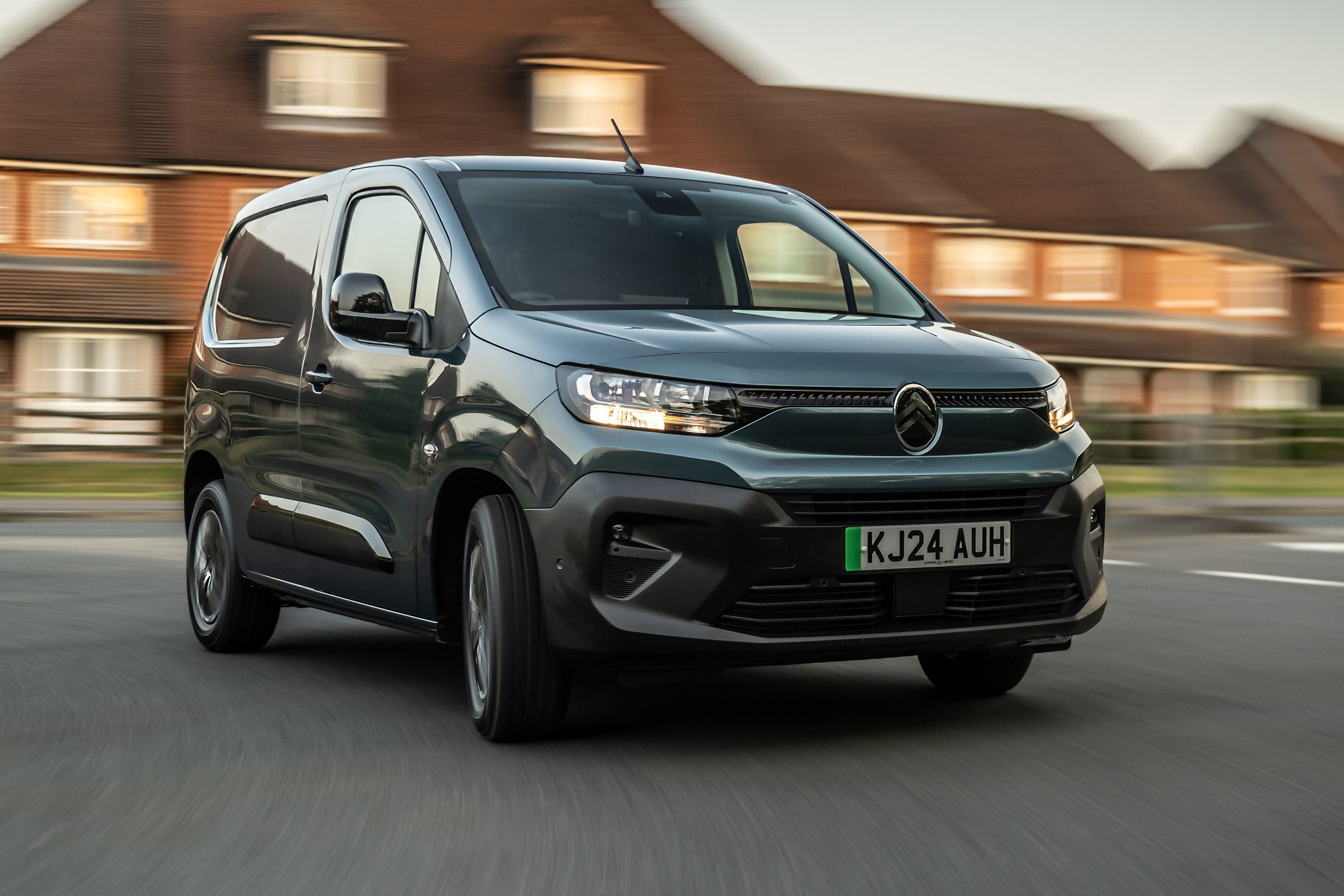
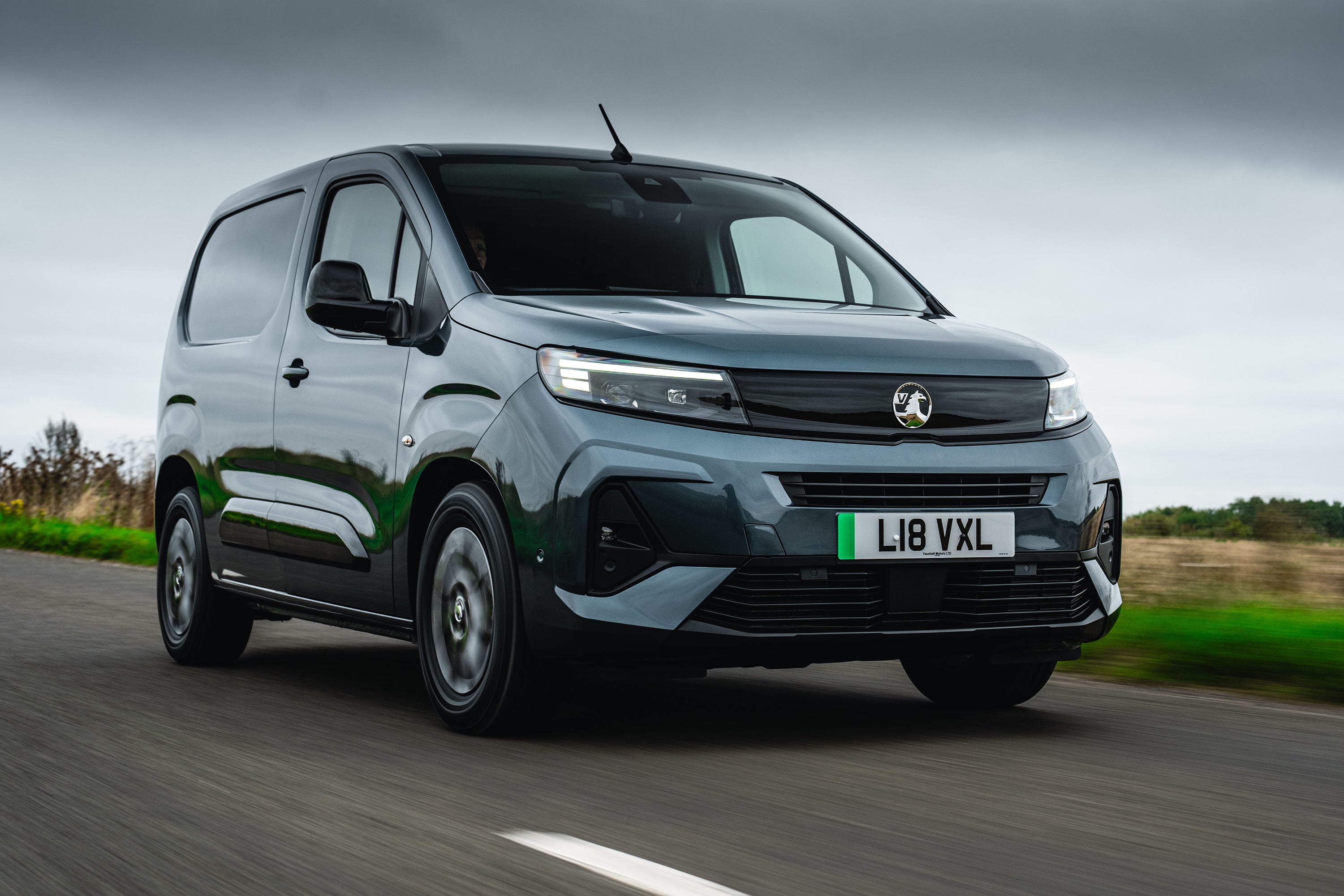
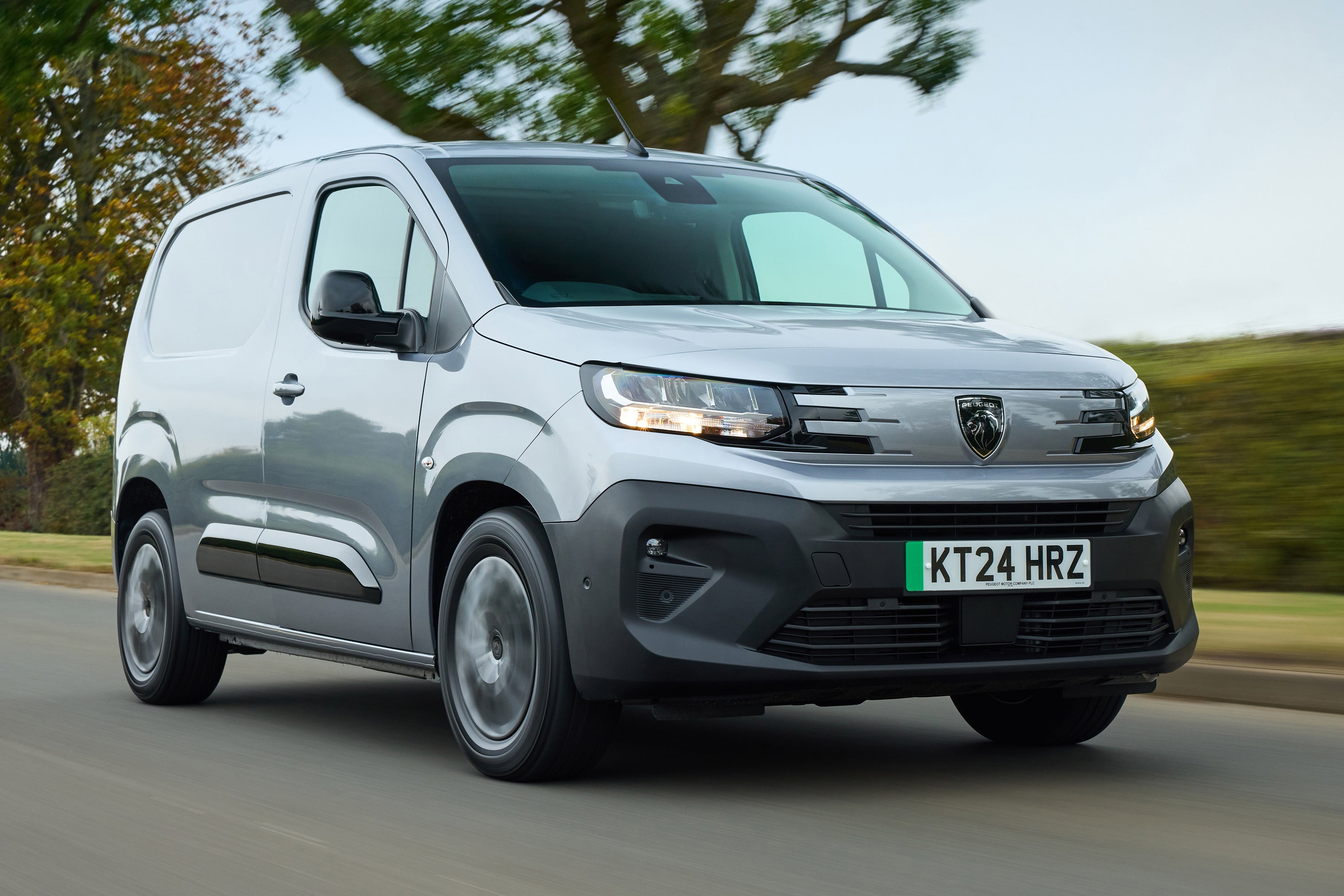
The Citroen Berlingo Van, Peugeot Partner and Vauxhall Combo Cargo are the obvious alternatives if payload value matters most, while the Ford Transit Connect is the rival that traditionally comes closest on driver appeal.
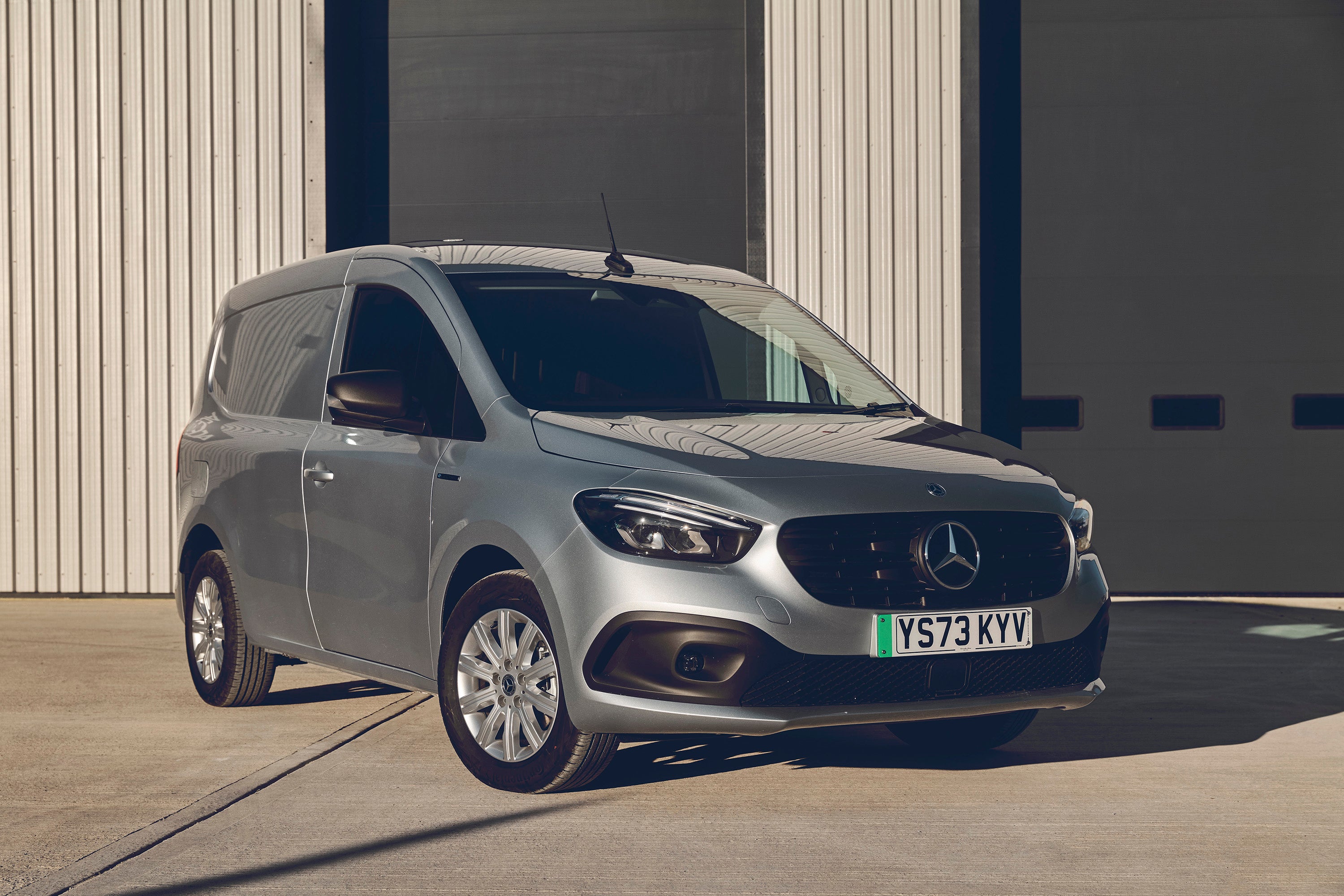
The Mercedes-Benz Citan is another polished option in this class, though it’s not usually the cheap one either. The Volkswagen Caddy Cargo feels like one of the most rounded products in the segment, especially if your van doubles as a mobile office.
What's the interior like in the Volkswagen Caddy?
The Volkswagen Caddy Cargo’s cabin is one of its biggest selling points. It looks and feels more like a passenger car than many commercial vehicles, which makes a real difference if you spend long hours behind the wheel.
Volkswagen Caddy boot space and practicality
This is where a van lives or dies, and the Volkswagen Caddy Cargo is strong even if it’s not the outright class leader in every measure.
There are two body lengths. The standard Volkswagen Caddy Cargo offers 3.1 cubic metres of cargo space, while the Volkswagen Caddy Cargo Maxi raises that to 3.7 cubic metres. Load-compartment width is 1,614mm in both, with 1,230mm between the wheel arches, which is enough for a Euro pallet.
Load length is up to 1,797mm in the standard van and 2,150mm in the Maxi. The longer van is also the more versatile of the two because it can carry two Euro pallets side-by-side, which will matter to some users far more than any infotainment upgrade ever could.
The Volkswagen Caddy Cargo’s rear opening is usefully square and practical, and buyers can choose rear wing doors or a tailgate depending on how and where they load. Side-door access also matters. The Volkswagen Caddy Cargo Maxi’s wider sliding door makes a noticeable difference if you regularly work from the kerb or in tight spaces.
Payload is more mixed news. Depending on trim and powertrain, the Volkswagen Caddy Cargo tops out at around 754kg, which is respectable but not especially strong for the class. Some rivals can legally carry more, so if your van will spend its life heavily loaded, that is worth keeping firmly in mind.
In short, the Volkswagen Caddy Cargo is excellent on space and access, but merely middling on outright carrying weight.
Volkswagen Caddy dimensions
The standard Volkswagen Caddy Cargo measures 4,500mm long, 2,100mm wide including mirrors and 1,856mm high. The Volkswagen Caddy Cargo Maxi stretches to 4,853mm long and 1,860mm high.
That leaves the Volkswagen Caddy Cargo compact enough to work well in town, fit easily into most parking spaces and feel notably less cumbersome than a medium van.
Tech and infotainment in the Volkswagen Caddy
The Volkswagen Caddy Cargo dashboard is one of the most car-like in the class, but it’s not faultless.
Most versions get a modern touchscreen setup and digital instruments are available, while Volkswagen Caddy Cargo Commerce Pro models feel the plushest thanks to the larger 10-inch screen with navigation. Smartphone connectivity is available, and the overall impression is much more polished than that of the average small van.
The downside is usability. Some simple functions are buried in the screen, which is not ideal in a working vehicle where you may be wearing gloves or jumping in and out all day. The cleaner design looks smart, but it’s not always the easiest to use on the move.
Materials available on the Volkswagen Caddy
This is not a luxury vehicle, but the Volkswagen Caddy Cargo still feels more upmarket than many rivals. The dashboard design is neat, the seating is good, and the better trims add touches such as a leather-trimmed steering wheel that lifts the cab ambience noticeably.
There are hard plastics and the odd flimsy section if you go looking for them, but by small-van standards, the overall impression is strong.
What's the Volkswagen Caddy like to drive?
One of the Volkswagen Caddy Cargo’s biggest strengths is that it doesn’t feel like a chore to drive. That more important in a van this size than you might think.
Volkswagen Caddy range and performance
The current Volkswagen Caddy Cargo range is now simpler and more modern than it used to be.
The diesel line-up centres on the 2.0-litre TDI, with the most attractive version for most buyers being the Volkswagen Caddy Cargo 2.0 TDI 122PS DSG. It offers useful shove, low-effort cruising and enough flexibility to suit the Volkswagen Caddy Cargo’s working character.
The Volkswagen Caddy Cargo 1.5 TSI 116PS remains in the line-up, and that makes sense for buyers whose work is mostly urban and low-mileage. It’s quieter and smoother than the diesel, but it’s also harder to justify if you cover serious distance.
The biggest change is the arrival of the Volkswagen Caddy Cargo 1.5 eHybrid 150PS DSG. This brings up to 72 miles of official electric range in the Volkswagen Caddy Cargo and gives Volkswagen a much more modern answer for urban fleets, low-emission zones and buyers who can charge regularly.
Performance data
| Model | Engine/battery size | Power | 0-62mph | Range/MPG |
|---|---|---|---|---|
Volkswagen Caddy Cargo 2.0 TDI | 2.0-litre diesel manual | 102PS | 13.5 seconds | 57.6mpg |
Volkswagen Caddy Cargo 2.0 TDI DSG | 2.0-litre diesel automatic | 122PS | 11.4 seconds | 47.1 to 54.3mpg |
Volkswagen Caddy Cargo 1.5 TSI | 1.5-litre petrol manaul or automatic | 116PS | 11.6 seconds | 37.7 to 40.9mpg |
Volkswagen Caddy Cargo eHybrid | 1.5-litre plug-in hybrid petrol automatic | 150PS | 11.4 to 12.2 seconds | 73 to 75 miles |
Volkswagen Caddy driving and refinement
This is one of the most car-like vans in the class to drive. The steering is light and accurate, visibility is good, and the Volkswagen Caddy Cargo feels more agile than most commercial vehicles of its size.
The suspension setup is an important part of that. This generation moved to a more sophisticated arrangement than the old cart-spring feel of earlier vans, and the payoff is a much more settled, more comfortable ride whether the Volkswagen Caddy Cargo is loaded or not.
Around town, the Volkswagen Caddy Cargo is particularly easy to place, with a compact footprint and a relatively tight turning circle that make it simple to thread through traffic or reverse into awkward spaces. On the motorway, the Volkswagen Caddy Cargo settles down nicely too, especially in diesel form.
Refinement is decent by van standards, though not exceptional. The Volkswagen Caddy Cargo lets in more tyre and road noise than the passenger-car Caddy, but it’s civilised enough for long days on the move. The petrol is the smoothest, the diesel is the most natural long-distance fit and the eHybrid should be the quietest at lower speeds when running on electric power.
How safe is the Volkswagen Caddy?
The Volkswagen Caddy Cargo comes with a broad spread of safety technology by small-van standards. Front Assist with pedestrian and cyclist detection, lane-keeping assistance and an eCall emergency system are all part of the basic package, while more advanced systems are bundled into higher trims or option packs.
Running costs: What it's like to live with a Volkswagen Caddy
The Volkswagen Caddy Cargo is not the cheapest van in the class, but the ownership case is about more than the sticker price.
The diesel is the easiest all-round answer for most van buyers. The petrol makes more sense if you are mostly urban, while the eHybrid is the wildcard that could work very well for the right operator and very badly for the wrong one. If you can charge it regularly and use its electric range properly, the Volkswagen Caddy Cargo eHybrid looks highly attractive. If not, the Volkswagen Caddy Cargo diesel feels like the safer bet.
Volkswagen Caddy fuel economy
Fuel economy is respectable across most of the line-up, and the diesels make the most straightforward real-world case. Officially, the Volkswagen Caddy Cargo 2.0 TDI 102PS returns up to 57.6mpg, while the Volkswagen Caddy Cargo 2.0 TDI 122PS returns up to 54.3mpg, depending on body style and transmission.
The Volkswagen Caddy Cargo 1.5 TSI 116PS drops back to a still-reasonable 37.7 to 40.9mpg, while the Volkswagen Caddy Cargo 1.5 eHybrid 150PS DSG posts huge official numbers of 565.0 to 706.2mpg. As always with a plug-in hybrid, those figures only make proper sense if the battery is charged regularly and the electric running is used properly.
Volkswagen Caddy warranty and servicing
The latest Volkswagen Caddy Cargo comes with a five-year warranty capped at 124,000 miles, which is a reassuring level of cover for a van that may spend much of its life on deliveries, site runs or daily business use. For smaller businesses and sole traders in particular, that longer warranty adds useful peace of mind.
Routine servicing should be straightforward enough to budget for, and Volkswagen Commercial Vehicles also offers service plans to help spread those costs.
Volkswagen Caddy insurance groups
Insurance groups run from 26 to 31 across the range, which is fairly reasonable by small-van standards. Even so, it’s still worth quote-checking the exact version you want, because trim, engine and transmission choice can all shift the premium more than you might expect.
How much does it cost to tax a Volkswagen Caddy?
For most current diesel and petrol Volkswagen Caddy Cargo models, the first-year VED rate is £360 and then the standard annual light-commercial vehicle rate applies thereafter.
What trims are available with the Volkswagen Caddy?
The Volkswagen Caddy Cargo line-up is split into three main trim levels: Commerce, Commerce Plus and Commerce Pro.
The entry-level Caddy Cargo Commerce will appeal to those looking for a basic van without too many thrills. Standard equipment includes 16-inch steel wheels (17-inch on the Maxi), black exterior highlights and halogen headlights. There's a 6.5-inch touchscreen display in the cabin along with DAB radio and two USB slots. Cruise control (with a speed limiter) is standard, as well as an electronic parking brake with auto-hold function. There are electric front windows, a lockable glovebox and manual height adjustment for the front seats.
Standard safety kit includes a driver alert system, brake assist and an automatic post-collision braking system. Regenerative braking is on hand to boost efficiency, as well as a stop-start system.
Highlights of the Caddy Cargo Commerce Plus include body-coloured bumpers, rear parking sensors and air conditioning. There's a leather-trimmed steering wheel, an armrest for the driver and manual height adjustment for both seats, while the driver gets adjustable lumbar support.
The Volkswagen Caddy Cargo Commerce Pro adds quite a long list of nice-to-haves. These include 16- or 17-inch alloy wheels, power-folding (and heated) exterior door mirrors and body-coloured exterior highlights. You get LED rear tail lights, parking sensors (front and rear) while, on the inside, you'll find a 10-inch media system (with navigation) and an armrest for the driver's and passenger's seat.
Ask the Drive experts: common questions
Is the Volkswagen Caddy Cargo a good small van?
Which Volkswagen Caddy Cargo is best?
Is the Volkswagen Caddy Cargo Maxi worth it?
Is the Volkswagen Caddy Cargo better than a Citroen Berlingo Van?
Get our latest advice, news and offers
Keep me updated by email with the latest advice, news and offers from Drive.
.jpg)
.jpg)