Peugeot 208 Review

Written By Al Suttie
- 2019
- Hatchback
- Petrol, hybrid
What we love
Distinctive styling inside and out
Comfortable, refined road manners
Strong petrol and hybrid options
Things to consider
Rear seat space trails the best rivals
Peugeot i-Cockpit still does not suit everyone
You pay extra for some of the best driver-assistance kit
The DRIVE take on the Peugeot 208, is it the right car for you?
The Peugeot 208 is one of the most stylish superminis on sale, but it is more than a good-looking small car. It combines a comfortable ride, a smart cabin and a stronger sense of desirability than many rivals, while the current petrol and hybrid line-up gives buyers a sensible range of options. The trade-off is that rear-seat space is not class-leading and the i-Cockpit layout still will not suit everyone. Even so, if you want a small hatchback that feels a bit more special than the norm, the Peugeot 208 deserves a place near the top of your shortlist.
The Peugeot 208 in more detail
The Peugeot 208 has been one of the more characterful choices in the supermini class since this generation arrived, and that still counts for a lot. Cars such as the Volkswagen Polo, SEAT Ibiza, Skoda Fabia and Toyota Yaris all make a lot of rational sense, but the Peugeot 208 offers something more visual and a little more dramatic without becoming harder to live with.
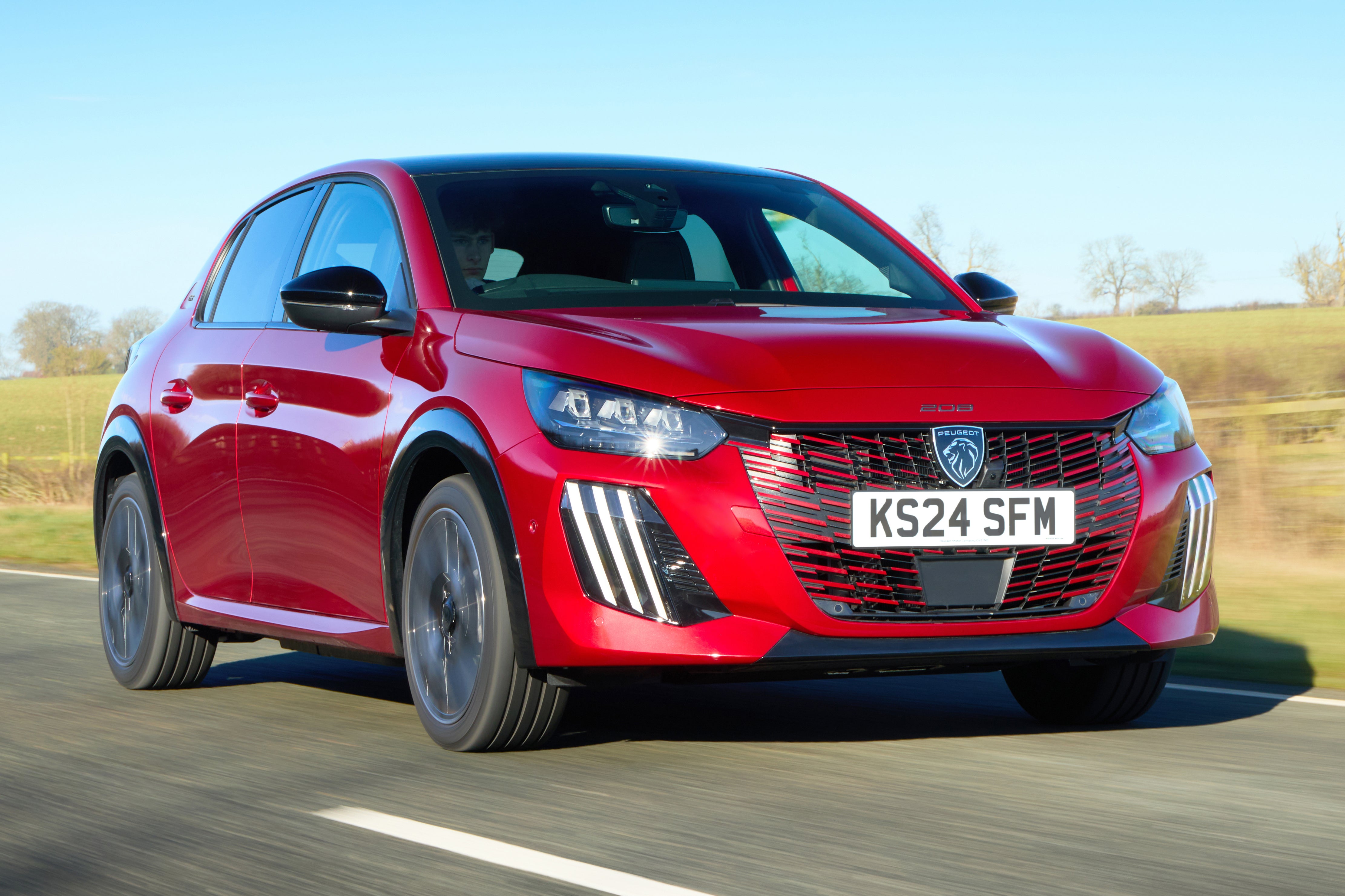
That is obvious from the styling. The sharp lights, strong grille treatment and more sculpted bodywork mean the Peugeot 208 still looks fresher than many rivals, even several years into its life. The 2023 facelift sharpened things further and kept the car looking current without changing its core character.
Browse used Peugeot 208s for sale →
Inside, the Peugeot 208 still has one of the most distinctive cabins in the class. The i-Cockpit layout, small steering wheel and high-set instruments give it a very different feel from more conventional alternatives. That helps it stand out, but it does come with a catch, because not every driver will find the layout natural.
The other reason the Peugeot 208 continues to make sense is that it is no longer trying to be just a style piece. It rides well, feels impressively refined for a small car and has a broader spread of engines than some rivals. There are straightforward petrol versions for buyers who want simplicity, while the hybrid models bring a useful boost in economy and everyday smoothness.
There is an electric version too, but our Peugeot E-208 review covers that in more detail. In standard petrol and hybrid form, the Peugeot 208 still makes a strong case for itself as one of the more interesting small hatchbacks you can buy.
What's the best Peugeot 208 trim and engine option?
For most buyers, the best Peugeot 208 is the Hybrid 110 in Allure trim. It gives you the strongest blend of efficiency, everyday refinement and sensible pricing without pushing you into the more expensive end of the range.
The entry-level 1.2-litre 100hp petrol still makes sense if budget matters most. It is a willing little engine, offers decent real-world pace and keeps the 208’s starting price relatively attractive. But the Hybrid 110 feels more polished in daily use, especially in town, and brings the fuel-economy advantage many buyers will want in a modern small car.
The Hybrid 145 is the quicker, more desirable option, but it is also the version that pushes the 208 towards the pricier end of the class. For many people, the extra performance is nice to have rather than essential.
As for trim, Allure is the sweet spot. It gives you the digital instrument cluster, front and rear parking aids and the extra convenience features that make the Peugeot 208 feel properly modern without overpaying for the visual extras of GT or GT Premium.
In simple terms, Style covers the basics, Allure is the smartest buy, GT is the style-led choice and GT Premium is the indulgent one.
What’s the price of the Peugeot 208?
The Peugeot 208 now starts at £18,495 in current UK configurator form for the 1.2-litre 100hp petrol. From there, prices rise into the low £20,000s for better-equipped petrol and hybrid versions, with the current range reaching £28,145 for the GT Premium Hybrid 145. There are also plenty of used Peugeot 208s for sale for considerably less.
That means the Peugeot 208 is not the cheapest supermini on sale, but it does at least feel more distinctive than many rivals at similar money. The higher trims in particular make a stronger emotional case than a lot of more conservative alternatives.
Used prices are worth noting too. Early examples are now much more affordable, and the 208’s combination of style and comfort still makes it an appealing nearly new buy.
Alternatives to the Peugeot 208
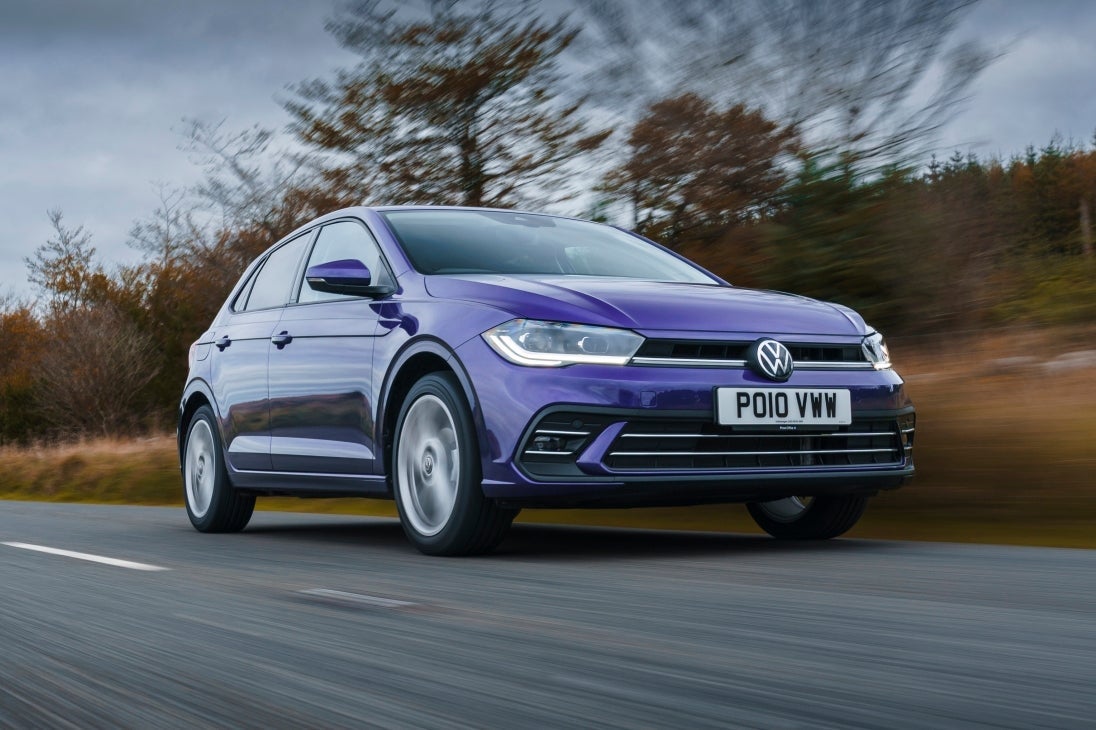
The Volkswagen Polo is the obvious alternative if you want the most complete all-rounder. It is roomier, more conventional and easier to get comfortable in, while still feeling polished and grown-up for a small hatchback.
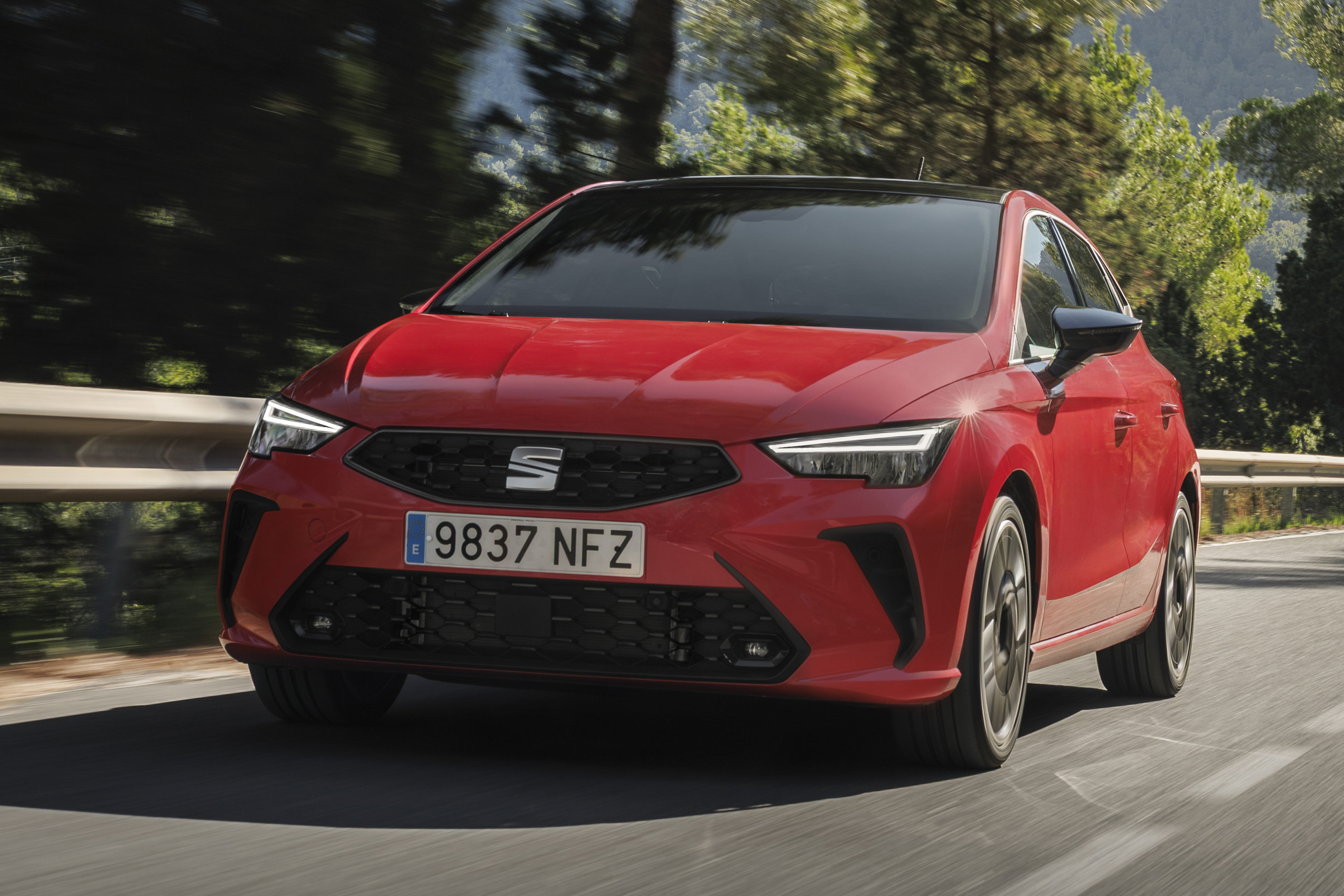
The SEAT Ibiza is a strong choice if you want something a little more understated than the Peugeot 208 but still good to drive and easy to live with. It keeps the familiar Volkswagen Group strengths of solid ergonomics and decent space, but wraps them in a slightly lighter, less formal feel than the Polo.
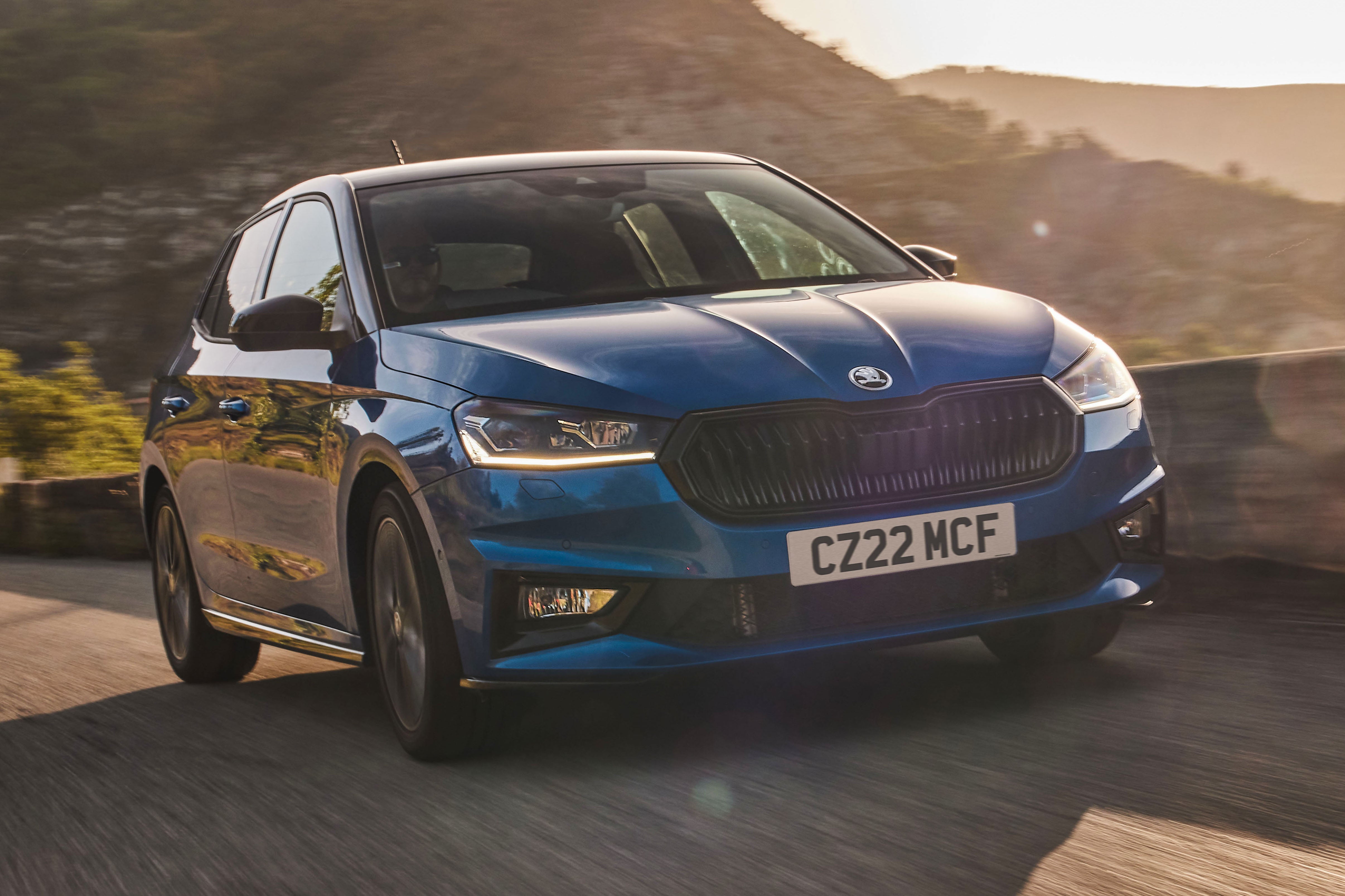
The Skoda Fabia is the rational option. It is roomy for a supermini, easy to recommend and does a particularly good job if everyday usability matters more than design flourish. If rear-seat space, boot room and straightforward ergonomics are your priorities, the Fabia makes a very strong case.
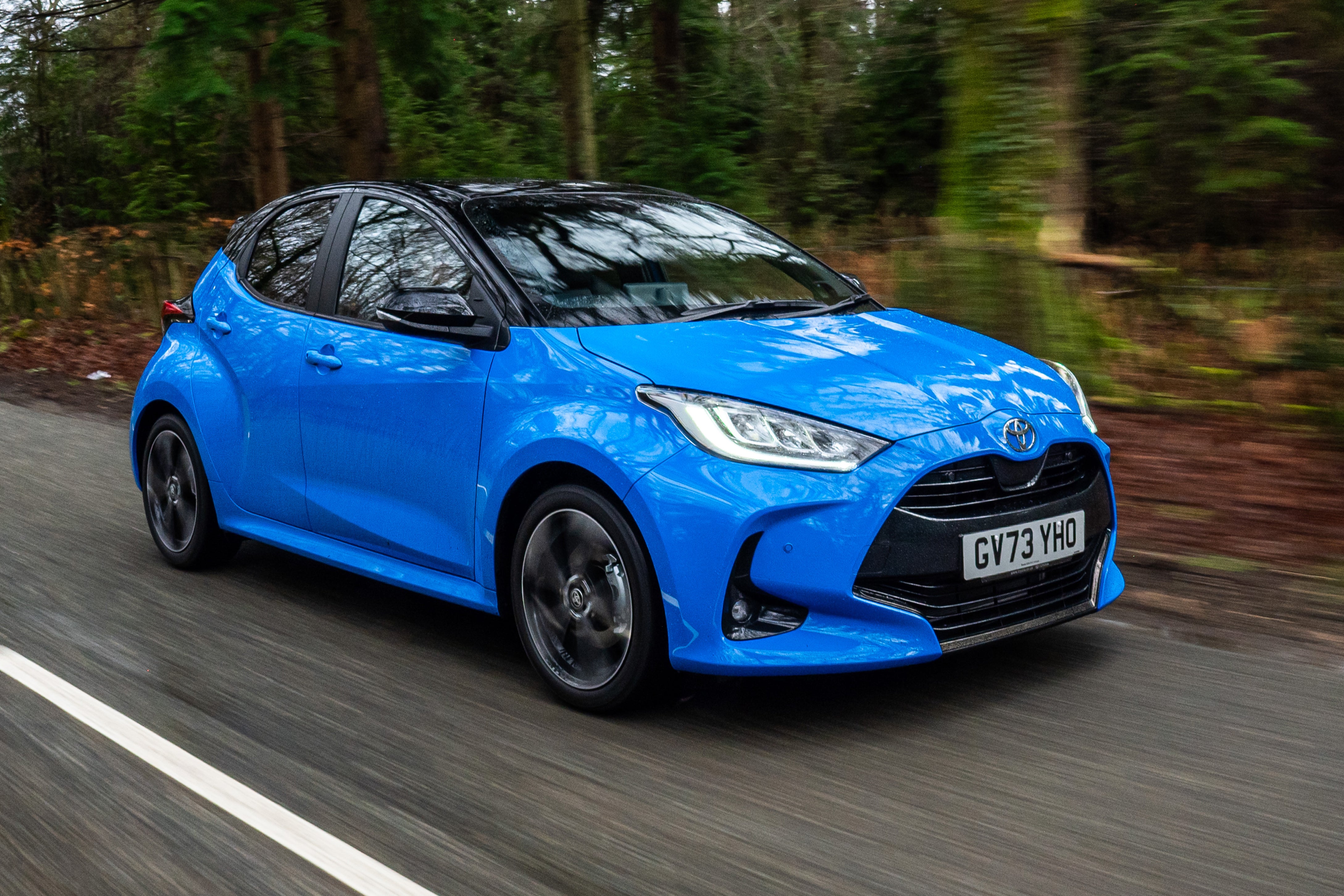
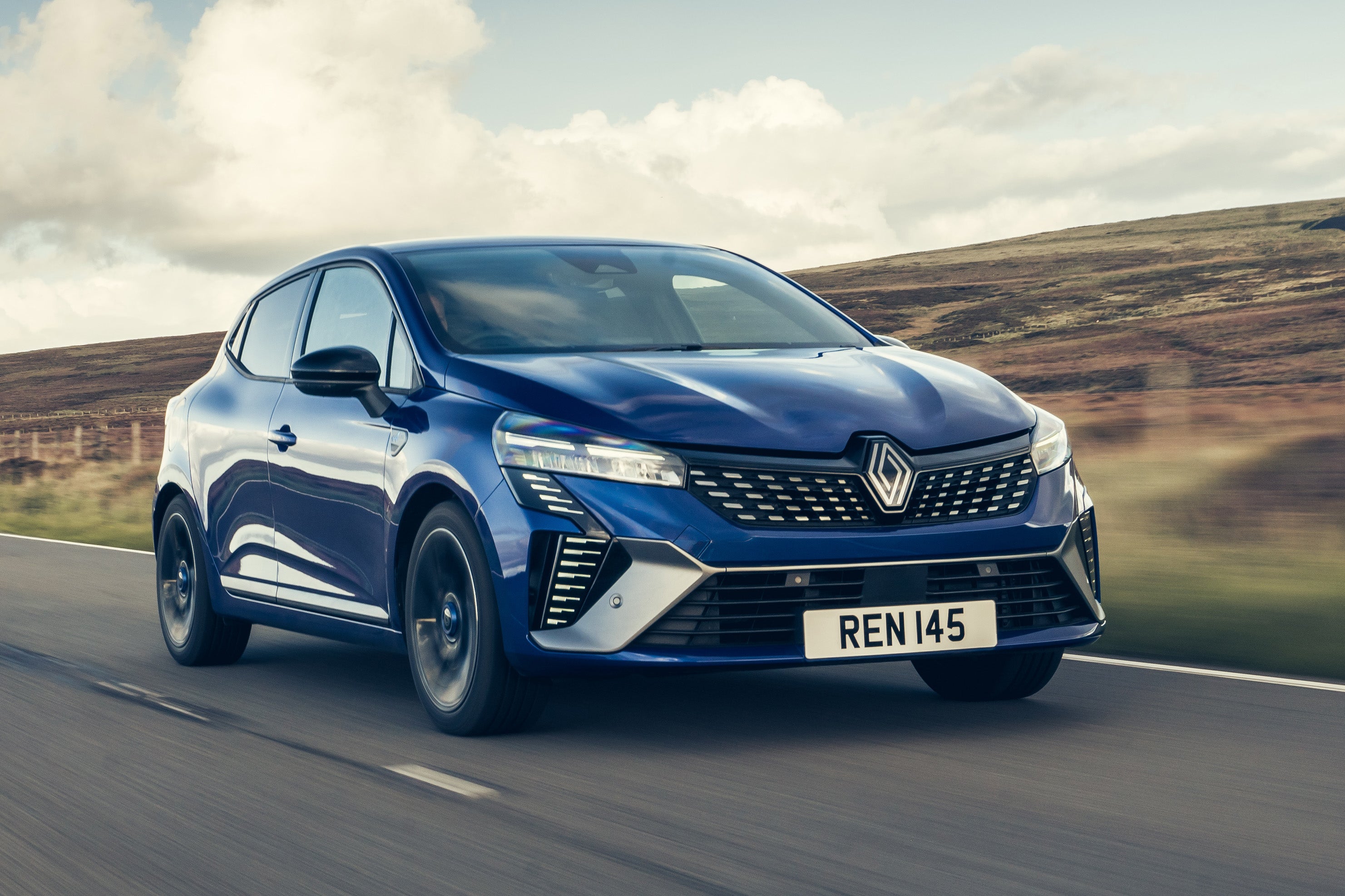
Beyond those three, the Renault Clio remains a stylish and well-rounded alternative, while the Toyota Yaris is still worth a close look if efficiency and standard driver-assistance kit matter most. The Peugeot 208 makes most sense if you want your small hatchback to feel a little more distinctive than average, without giving up the comfort and refinement needed for everyday life.
What's the interior like in the Peugeot 208?
The Peugeot 208 has one of the most distinctive interiors in the class. It looks smart and feels modern, even if its unusual layout still demands a proper try-before-you-buy approach.
Peugeot 208 boot space and practicality
The Peugeot 208 is practical enough for everyday use, but it is not the roomiest supermini in the class. Up front, there is enough adjustment to get comfortable, and most drivers will find the seats supportive enough for longer journeys. Smaller storage areas are decent too, with useful door bins, cupholders and cabin cubbies.
Rear-seat space is the bigger compromise. Taller adults will feel the limited legroom more than they would in a Volkswagen Polo or Skoda Fabia, and the rear doors are not the easiest to work with if you are fitting a child seat. For occasional rear passengers it is fine, but this is not the most spacious car in the class.
Boot space is 352 litres in the petrol and hybrid Peugeot 208, which is a useful improvement on what earlier small Peugeots used to offer, but it still does not beat the best rivals for outright capacity. Fold the rear seats and there is up to 1,163 litres available. The space is usable enough, even if the floor is not the cleverest or most flexible in the class.
So the Peugeot 208 is practical enough for most small-car duties, but if rear-seat room and boot versatility matter more than design, you may prefer one of the more conventional alternatives.
Peugeot 208 dimensions
The Peugeot 208 measures 4,055mm long, 1,745mm wide & 1,430mm high. That makes it compact enough for town use while still feeling like a proper grown-up hatchback rather than a cut-price city car.
In practical terms, it is easy to place on narrow streets and simple enough to park, but it also has enough presence to feel more substantial than smaller A-segment alternatives. That helps it strike a good balance for buyers who want a supermini that can handle motorway work as well as urban driving.
Tech and infotainment in the Peugeot 208
Technology is one of the Peugeot 208’s stronger areas. The 10-inch central touchscreen and wireless smartphone mirroring help it feel more current than some older rivals, while the graphics are bright and the general layout is easy enough to understand.
The infotainment is not perfect. Some rivals still feel a little more intuitive, and Peugeot’s reliance on the touchscreen means there is more menu diving than in the best systems. Even so, it is modern enough and looks smart.
The more distinctive feature remains Peugeot’s i-Cockpit layout. Allure and above get the more impressive digital cluster, while GT adds the 3D version that gives the dashboard real visual drama. It looks special, but the familiar caveat remains: you need to make sure the driving position suits you, because the small steering wheel and high-set instruments still divide opinion.
Materials available on the Peugeot 208
The Peugeot 208’s cabin materials are a mixed bag, but the overall impression is still strong for the class. The upper dashboard and main touchpoints do enough to make the car feel more upmarket than many rivals, while the design helps it feel less ordinary than a typical supermini.
Move lower down and you do find cheaper plastics, and in outright material quality a Volkswagen Polo or Renault Clio can feel a little more solid in places. Even so, the Peugeot 208 still makes a strong first impression, and higher trims with ambient lighting and richer upholstery do a good job of lifting the cabin further.
What's the Peugeot 208 like to drive?
The Peugeot 208 is not the sharpest or most playful supermini in the class, but it is easy to drive, impressively comfortable and feels more refined than many small hatchbacks.
Peugeot 208 range and performance
The current Peugeot 208 range revolves around a 1.2-litre 100hp petrol and two hybrid options badged Hybrid 110 and Hybrid 145. That gives buyers a sensible walk-up from simple petrol motoring to the more polished, efficient hybrid versions.
The 100hp petrol is the straightforward choice. It offers enough performance for most everyday driving and still suits the 208 well if you mainly use the car in town or on shorter trips. The Hybrid 110 adds mild-hybrid assistance and a dual-clutch automatic gearbox, which helps the 208 feel smoother and less strained in mixed driving. The Hybrid 145 adds another useful step up in pace.
There is an electric version too, but our Peugeot E-208 review covers that in more detail.
For most buyers, the Hybrid 110 makes the strongest case because it combines decent performance with the sort of economy and ease of use that suit the 208’s comfort-first character.
Performance data
| Model | Engine/battery size | Power | 0-62mph | Range/MPG |
|---|---|---|---|---|
208 1.2 100 | 1.2-litre | 100PS | 9.9 seconds | Up to 58.2mpg |
208 Hybrid 110 | 1.2-litre | 110PS | 9.8 seconds | Up to 65.9mpg |
208 Hybrid 145 | 1.2-litre | 145PS | 8.1 seconds | Up to 65.0mpg |
Peugeot 208 driving and refinement
The Peugeot 208 is very easy to drive in town. Light controls, a compact footprint and decent visibility all help, while the brake pedal is easier to modulate than on some small electrified rivals.
On faster roads, the 208 feels more comfortable than sporty. The suspension does a good job of smoothing out bumps, and the car’s general refinement is one of its biggest strengths. It feels more mature on a motorway run than many small cars, which is not something every supermini manages.
The downside is that it is not especially entertaining. There is noticeable body lean if you push on, and the tiny steering wheel still feels slightly unnatural to some drivers. A Renault Clio or even an Ibiza feels more natural and engaging on a twisty road.
Still, the Peugeot 208’s comfort-first setup will suit far more buyers than an over-eager chassis ever would. It is a pleasant, relaxed small car rather than a keen one.
How safe is the Peugeot 208?
The Peugeot 208 received a four-star Euro NCAP rating, which is respectable but no longer exceptional in this class.
Standard safety kit is decent, with automatic emergency braking, lane support and driver attention monitoring widely available. More advanced driver-assistance features such as adaptive cruise control and the stronger motorway-support functions are offered higher up the range or through options, depending on trim.
In other words, the Peugeot 208 is not poorly equipped for safety, but some rivals are more generous with advanced assistance systems lower down the range.
Running costs: What it's like to live with a Peugeot 208
The Peugeot 208 should be relatively affordable to run, particularly in Hybrid 110 form, though the exact picture depends on whether you choose simple petrol power or one of the more efficient hybrid versions.
Peugeot 208 fuel economy
The Peugeot 208 Hybrid 110 is officially capable of up to 65.9mpg, while the Hybrid 145 is close behind on 65.0mpg. Those are very strong figures for a petrol-powered supermini and help the hybrid versions make a very convincing case.
The 1.2-litre 100hp petrol is quoted at up to 58.2mpg, which is still respectable and should keep running costs manageable if you are not doing huge annual mileage.
In real-world terms, the hybrids are the smarter options if you do a lot of urban or mixed driving, because they improve both economy and everyday smoothness. The standard petrol still makes sense if keeping the purchase price down is the bigger priority.
Peugeot 208 warranty and servicing
Peugeot’s standard manufacturer warranty is three years from first registration. In the first two years it is unlimited mileage, while the third year is capped at 60,000 miles.
Servicing costs should be manageable by class standards, and the petrol and hybrid line-up is straightforward enough in concept. Peugeot also offers broader Peugeot Care coverage on eligible electric models, but that sits outside the core petrol-and-hybrid focus of this review.
Peugeot 208 insurance groups
Insurance groups for the current Peugeot 208 petrol and hybrid range run from around group 15 for the most basic versions to group 29 for the highest-spec Hybrid 145.
That means cheaper petrol models should remain fairly manageable to insure by class standards, while the higher-powered hybrid trims will naturally cost more. Broadly, the 208 is not an outlier here, but the posher versions are less bargain-basement than the badge might suggest.
How much does it cost to tax a Peugeot 208?
The Peugeot 208 now costs £200 a year in VED after year one, which is the current standard annual rate.
The Peugeot 208 range sits below the £40,000 Expensive Car Supplement threshold in petrol and hybrid form, so you do not need to worry about the extra annual charge here.
What trims are available with the Peugeot 208?
The Peugeot 208 line-up is straightforward, centred on Style, Allure, GT and GT Premium.
Style is the entry point, but it already gives you a decent amount of kit. Standard highlights include LED headlights, Peugeot’s 3.5-inch instrument display, wireless Apple CarPlay and Android Auto, and the core safety pack. It is the sensible starting point if you want the 208’s looks without spending heavily.
Allure is where the 208 starts to feel properly current. It adds the 10-inch digital instrument cluster, front and rear parking aids and extra visual upgrades that help the car feel more polished inside and out. For a lot of buyers, this is the trim that gives you most of what makes the Peugeot 208 appealing.
GT is the style-led option. It adds full LED headlamps, the 3D digital i-Cockpit display, an HD rear camera and the extra trim details that make the 208 feel more premium and more distinctive. This is the one to choose if design is a big part of the attraction.
GT Premium sits at the top and adds Alcantara trim, navigation, more advanced assistance features and the extra kit that turns the 208 into a genuinely high-spec small hatchback. It is desirable, but it is also where the price starts to push hard against larger or more practical alternatives.
Ask the Drive experts: common questions
Is the Peugeot 208 a good small car?
Which Peugeot 208 is best?
Is the Peugeot 208 practical enough for a family?
Is the Peugeot 208 better than a Volkswagen Polo?
Get our latest advice, news and offers
Keep me updated by email with the latest advice, news and offers from Drive.