Renault Trafic Review

Written By Matt Robinson
- 2014
- Van
- Diesel, EV
What we love
Much improved from 2019 making this a far better van
Refined and comfortable
Electric option in the form of the Trafic E-Tech
Things to consider
Feels dated inside
Rivals can carry more payload
E-Tech version charges slower than rivals
The DRIVE take on the Renault Trafic, is it the right car for you?
The Renault Trafic in more detail
Given its mixed fortunes, it’s perhaps understandable that Renault gave the Trafic its most extensive overhaul some five years later.
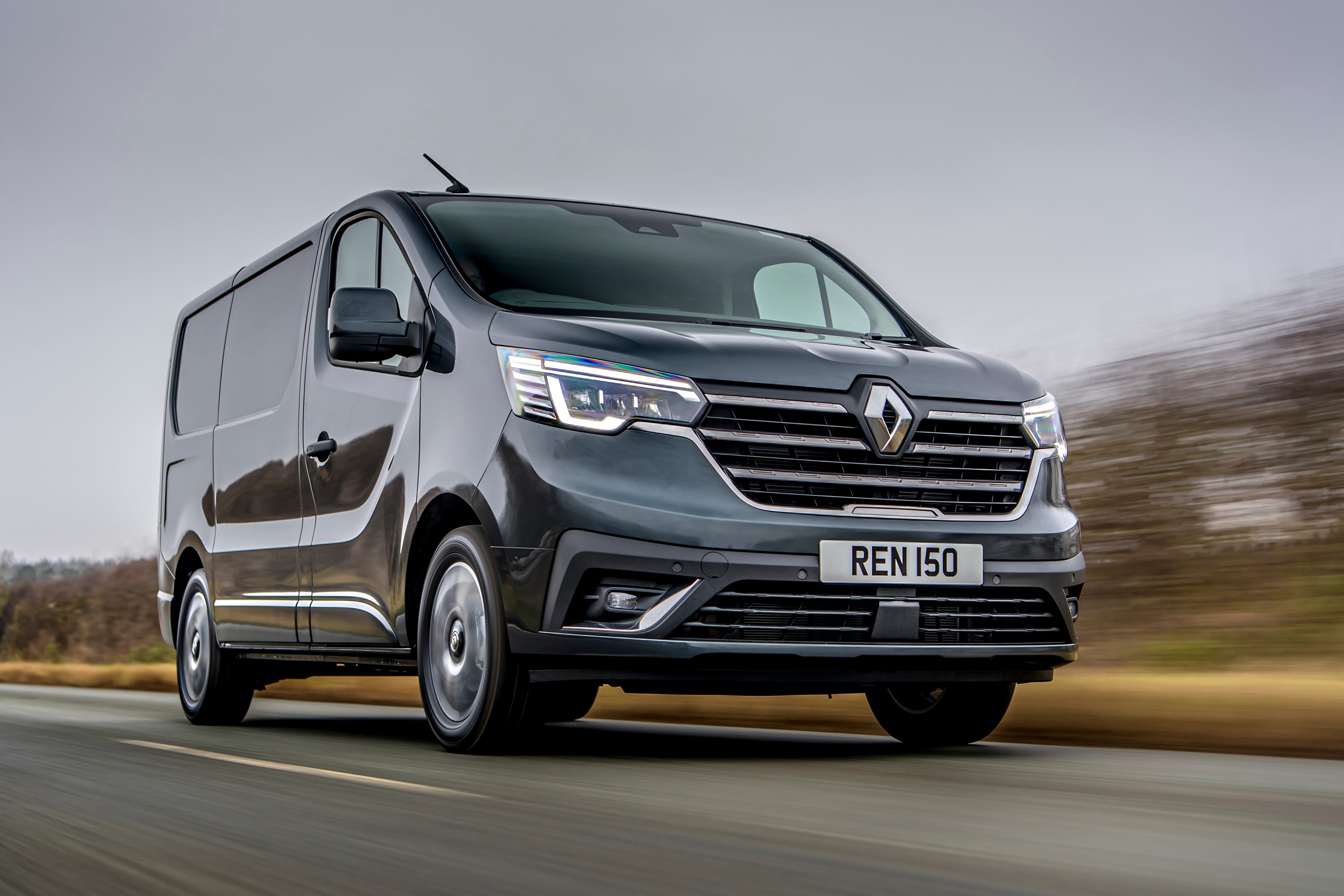
The exterior, for example, has been smarted up with a new front-end that glistens with LED lighting signatures and generous helpings of chrome. There is also a new Urban Grey colour scheme.
There are important changes under the metal, too. The 1.6 dCi diesel engines are gone and replaced with all-new 2.0-litre dCi units, which use variable geometry turbocharging to develop more power and (more significantly) better low-gear pull under heavy loads.
The steering and suspension have been carried over from the old Trafic, which means the 2019 van has the same sharp handling and comfortable ride quality as before. The six-speed auto is also excellent, with smooth changes and good anticipation on both the up and downshift.
The load area of the Trafic is the same as before, which means it will be easy to transfer load area racking and storage. The Trafic gets the same smart load solutions as before, with the most popular one being the useful bulkhead hatch that extends the van's maximum load length to 4.1 metres.
The Trafic is available in two lengths and two heights and can carry items of up to 3.75 metres. Carrying capacity ranges from 5.2 to 8.6 cubic metres, while the load area has a simple-to-use through-hatch that allows the loading of planks or pipes.
Looking for a used van for sale? We've got 100s of Renault Approved Used Cars for Sale for you to choose from, including a wide range of Renault Trafic vans for sale.
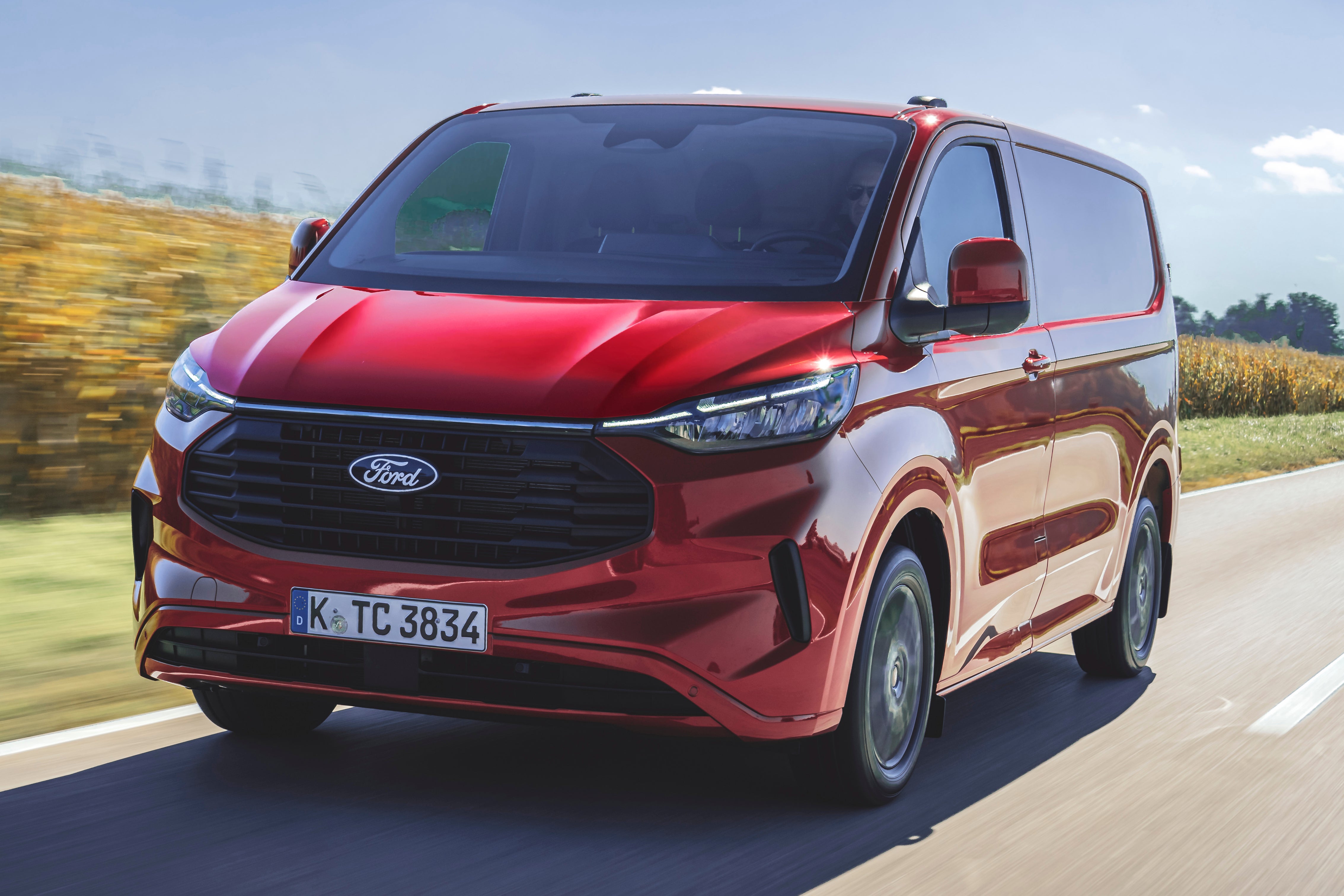
If you're after a well-priced van and aren't worried about having the latest and greatest on-board tech, while also not being worried about outright capacity in terms of weight, quite possibly. The Trafic is still competitive enough with fresher rivals like the Ford Transit Custom in most ways, with the key difference being that Renault offers substantial discounts, which make it much easier to overlook its more dated aspects.
What's the best Renault Trafic trim and battery option?
Which of the three body styles you opt for will depend on your business needs. None of the 2.0-litre engines available is lacking in torque, so there's something to be said for simply going for the cheapest one, which is the 130. It's only available with a manual gearbox, though – if you want a manual, it'll need to be either the 150 or the 170.
Sticking with the 130 then gives the option of two different trim levels – Advance or Extra. Picking between the two will depend on the luxuries you're after, but what you're getting in return for a fairly small premium on the Extra seems worth it.
Whether you ignore the diesel and opt for the electric will, again, depend on the intended use of the vehicle, and/or if you're purchasing for a business fleet with the intention of lowering a company's overall emissions levels. Should that be the direction you go in, your life is made much easier in the configurator, with only one electric powertrain available, which in turn can only be specced in Advance trim.
What’s the price of the Renault Trafic?
That'll get you into an SL30 (low roof, short wheelbase) model in the Advance trim level and with the base Blue DCi 130 engine. At the other end of the scale for the panel van is the £45,200 Extra Sport LWB with the 170 engine.
The Crew version ranges from £40,400 to £48,200, while the Trafic E-Tech starts at £39,300 once the government's electric van grant of £5,000 is factored in.
As it's been around for so long, there's no shortage of Trafics on the used market offering substantial savings. Renault also discounts brand-new Trafic vans significantly, with savings of up to £10,000 on some versions.
Alternatives to the Renault Trafic
If you're looking at new vehicles, the Nissan Primastar is as similar as it gets, because it's essentially the same van but with some very light styling changes. It was the same case for the older Nissan NV300, the Fiat Talento and the previous-generation versions of the Vauxhall Vivaro.
After the creation of the huge Stellantis group of brands a few years ago, the Vivaro became a badge-engineered version of the Citroen Dispatch, which is also used as a base for the Fiat Scudo, the replacement for the Talento.
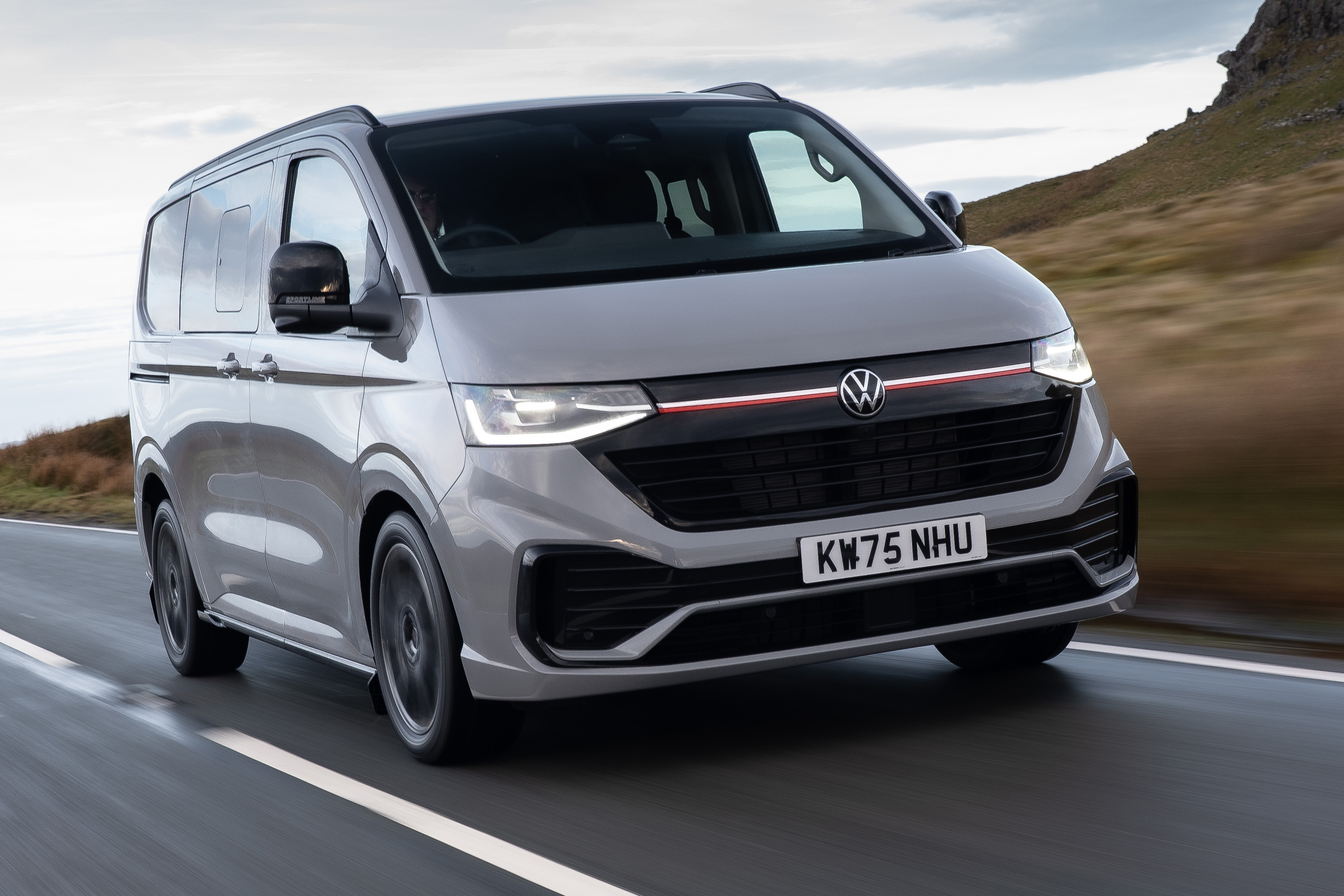
All of these can be considered rivals to the Trafic, as can the Ford Transit Custom and its close relative, the T7 Volkswagen Transporter.
What's the interior like in the Renault Trafic?
Renault Trafic boot space and practicality
In-cab storage has been improved, but the Trafic still lacks the space and smart touches of its rivals. The door pockets, for example, are narrow, and some of the switchgear feels cheap.
The optional dashboard top box also has clips that make it painfully easy to catch the sides of your fingers between the plastic trim. That said, everything feels sturdy and hardwearing, which will please builders. Vans with three seats also get a work table that's located on the back of the middle seat.
A further update arrived in 2023, making the Trafic more competitive with fresher-faced rivals. It's a minimalistic, surprisingly classy-looking space, and the new infotainment system is a big improvement.
You'll be able to carry three Euro pallets even with the smallest SL30 model. Thanks to load-through hatches it's possible to take items from 3,750 to 4,150mm long, depending on which length of Trafic you've chosen. Behind the bulkhead, the SL30 can take up to 2,537mm, while for the LL30 and LH30 it's 2,937mm.
Loading can be done either via a sliding side door or asymmetrical rear doors. The thinking behind the latter is that the smaller door with the number plate can be locked in place, allowing for the wider one to be open for well-secured oversized loads to extend out of the rear.
The total payload weights range from just over 1,000 to just under 1,300, depending on which size of Trafic you pick and which engine powers it. That's a fair way behind the Trafic's Stellantis-built rivals, including the Fiat Scudo and Vauxhall Vivaro, which can haul a few hundred kilos more, although none quite match the Trafic's load length capability.
Tech and infotainment in the Renault Trafic
The range-topping Media Nav Evolution gets full Android Auto and Apple CarPlay compatibility, while the cheaper R-Link is limited to Android Auto only. Neither system is a match for the tech used by Ford and Volkswagen, however, with the blocky graphics and slow screen changes making maps difficult to read when on the move.
When we spent a week with a Trafic E-Tech, we had issues with the DAB radio signal, with the van taking some time to actually find it after first starting up. It switching back to FM whenever restarted was a pain, too.
Another infotainment grumble concerns the USB ports. They're at the far end of a storage tray on top of a dashboard, so they aren't the easiest to access. You do get additional ports on the upgraded infotainment system, which is standard on the Extra-trimmed Trafic but a £400 option on the Advance. There's also a wireless charging pad available for £120.
Materials available on the Renault Trafic
A van interior needs to be hard-wearing above all else, so it's inevitable that much of the Trafic's cabin places a bigger emphasis on being hardy rather than plush. That being said, there are some surprise premium touches, including a large piece of dashboard trim which Renault describes as having a "horizontal grain and chrome detailing". It wouldn't look out of place in one of Renault's now quite swanky passenger cars.
Most importantly, everything seems to be screwed together properly, with no obvious build quality issues that we noticed in our time with the van.
What's the Renault Trafic like to drive?
Renault Trafic range and performance
Previously available with 1.6 and 2.0-litre diesel engines, the Trafic now only comes with a line-up of 2.0-litre units comprising the Blue dCI 130, 150 and 170. Each name corresponds to the output in PS, while the torque figures for each are 300, 350 and 380Nm respectively. The 130 only comes with a six-speed manual gearbox, the 150 can be specced with either a manual or a nine-speed automatic, and the 170 is exclusively auto.
The old 1.6 dCi engines were never particularly bad, but only the twin-turbocharged versions ever truly felt up to the task of heavy-duty work. In comparison, the new 2.0 dCi feels more than a match, with only half the turbo power.
The Trafic E-Tech just has the one available powertrain, combining a 52kWh battery pack with a front-mounted motor producing 120PS and 245Nm of torque. This makes it the least potent of all Trafics, but the near-instantly delivered nature of the torque means the E-Tech feels plenty brisk off the line. Most importantly, it's easy and relaxing to drive thanks to the smooth, quiet nature of its electric propulsion.
Beyond that initial pep off the line, the E-Tech does start to feel a bit more sluggish, especially compared to some versions of the Ford E-Transit Custom (which you can spec with an amusingly fast 282PS powertrain), but it's doubtful Trafic drivers will be crying out for more go.
One frustration of the E-Tech is it's limited to 68mph. So if you're overtaking someone on the motorway at that speed who decides to speed up every so slightly, there's not a great deal you can do about it.
The Trafic E-Tech has a range of up to 186 miles according to the WLTP Combined cycle. We averaged 2.7 miles per kWh during our week-long test of the van, which would give you a range on a full charge of more like 140 miles. We mostly drove the car on dual carriageways and motorways, however, which typically doesn't help EV efficiency. A greater bias towards urban driving should get you close to the claimed figure.
Renault Trafic driving and refinement
The Trafic generally rides well when either empty or with lighter loads of up to around 150kg (we're yet to try one loaded up any further), although speed bumps can feel a little bouncy. At speed, things settle down much more.
Body roll is well contained, and light steering makes the Trafic an easy van to drive around town. We particularly like the high-mounted rear-view camera – it makes life so much easier when reversing, offering a great field of view, if not at the best quality we've ever seen.
No one buys a van and expects it to be as quiet as a Rolls-Royce, but it is worth noting there are vans that are better in terms of wind and road noise than the Trafic. The new Ford Transit Connect and its Volkswagen Transporter T7 cousin, for example. It's not bad, though, and the all-electric E-Trafic makes for a relaxing experience with its quiet powertrain. You get a faint whirr, and that's about it.
How safe is the Renault Trafic?
The Renault Trafic is rated four stars out of five by safety body Euro NCAP. That's the same score awarded to the Citroen Dispatch and related Stellantis group vans, but behind the five-star rated Ford Transit Custom and Volkswagen Transporter, which are essentially the same thing.
Showing its age, the Trafic has hydraulic power steering, meaning it's not possible for it to have lane-keeping assistance. It does have lane departure warning, speed limit detection and automatic emergency braking, though, with a blind-spot warning available optionally.
What trims are available with the Renault Trafic?
The Trafic is currently offered in three trim grades – Advance, Extra and Extra Sport. Other decisions you make in the configurator, including engine and body type and will restrict your choice, though. Some, for instance, are only available in the base Advance grade or in the top Extra Sport trim. The E-Tech is only available in Advance.
Advance includes a rear parking camera, manual conditioning, LED headlights, a reversing camera, deadlocks, cruise control and a load-through bulkhead. Extra adds 17-inch alloy wheels, an upgraded 'Easy Link' eight-inch touchscreen infotainment system with navigation, a synthetic leather steering wheel and body-coloured bumpers. Extra Sport switches to a different set of 17-inch alloy wheels and adds climate control and 360-degree parking sensors.
Ask the Drive experts: common questions
How long is a Renault Trafic?
How much does a Renault Trafic weigh?
How tall is a Renault Trafic?
Get our latest advice, news and offers
Keep me updated by email with the latest advice, news and offers from Drive.