SEAT Leon Estate Review

Written By Andrew Brady
- 2020
- Estate
- Petrol, diesel, mild hybrid and plug-in hybrid
What we love
Far more luggage space than the hatchback
A more stylish estate than many obvious alternatives
Petrol, diesel, mild-hybrid and plug-in hybrid options
Things to consider
e-Hybrid gives up some luggage space
FR models have a firmer suspension setup
Diesel versions suit frequent long-distance use best
The DRIVE take on the Seat Leon, is it the right car for you?
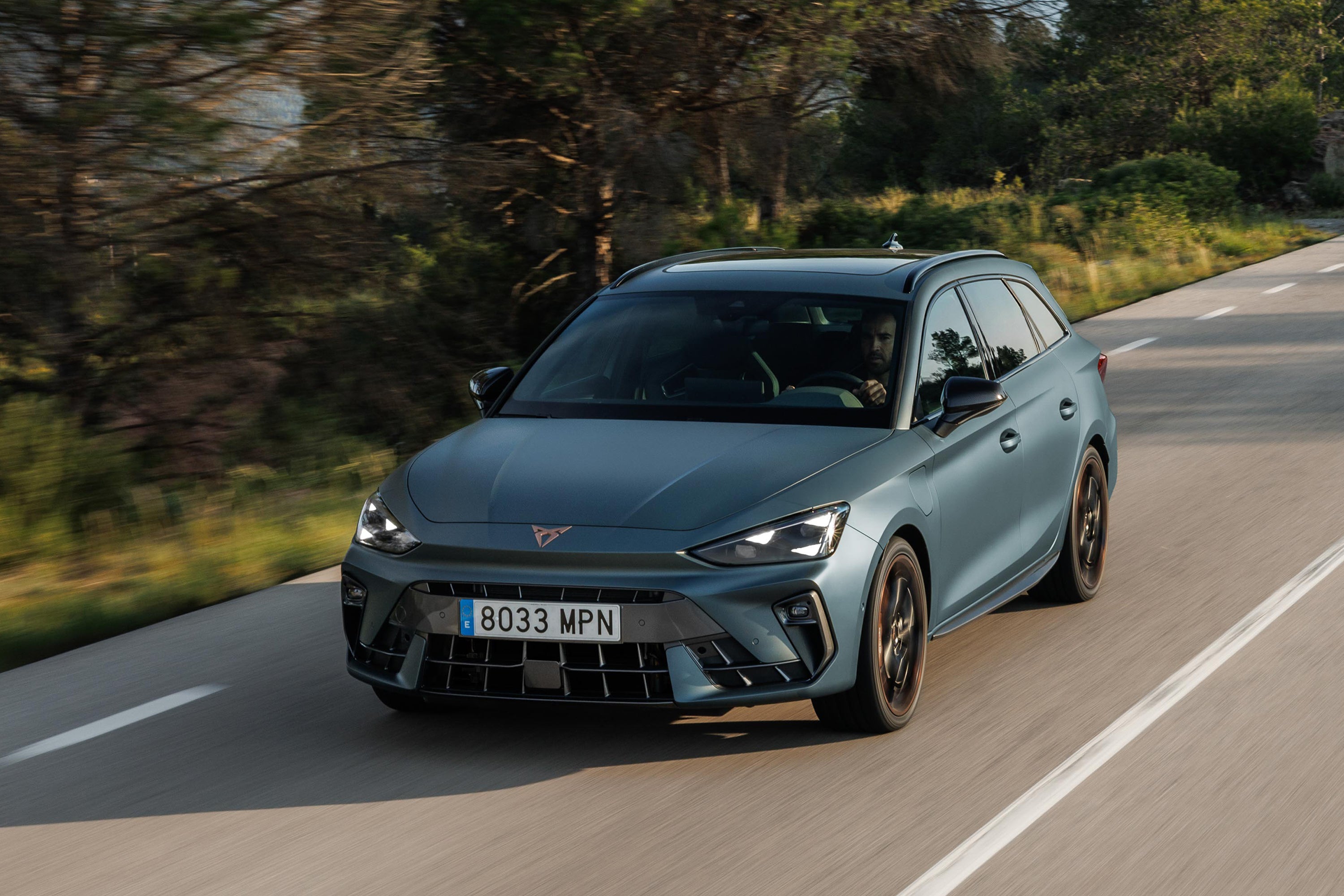
Whether you're a growing family, a loving dog owner or just need a big boot for your weekly shop, the SEAT Leon Estate is a strong alternative to the usual mix of crossover SUVs. It's not quite as spacious as the Skoda Octavia Estate (although you'll struggle to tell the difference in the real-world), while bigger estate cars like the Volkswagen Passat might be a better option if you really need as much space as possible. The SEAT Leon Estate keeps much of what makes the Leon hatchback appealing – tidy handling, smart styling and a modern cabin – but adds the sort of boot space that makes family life much easier.
The Seat Leon in more detail
If you're searching for a new family car, you'll have noticed that the market is dominated by small SUVs like the SEAT Ateca, Nissan Qashqai and Kia Sportage. While these are all hard to fault, you shouldn't overlook the humble estate car, such as the Seat Leon Estate we're reviewing here.
The SEAT Leon Estate is very similar to the Volkswagen Golf and Skoda Octavia (it shares its mechanical bits with both), yet with a healthy dose of Spanish flair. And it majors on affordability – with as-new, well-specced pre-registered models on the market now for around £5000 less than the official list price.
It doesn't feel like a cheap option, though. SEAT's pretty generous with its standard equipment (and doesn't really do optional extras), so even the most basic Leon Estate SE comes with alloy wheels, metallic paint and LED headlights. Inside, there's a 10.4-inch infotainment screen - up from the previous 8.25-inch media system, and some chrome interior detailing, while all models come with cruise control, keyless start and rear parking sensors. Higher trim models now have an even larger 12.9-inch display screen.
Most buyers will stretch to the stylish Leon Estate FR but, it's not where our money would go. The SE Dynamic model will do a far better job of imitating a Golf from the new car line-up but without a Golf price tag. Used buyers would do well to look for an Xcellence trim version.
Whichever model you choose, the SEAT Leon Estate gets a stylish interior that feels well-finished. It's a very comfortable choice, too – an important factor in a car that's popular with high-mileage motorway drivers. The seats are supportive, with loads of adjustment (including standard-fit adjustable lumbar support), while you won't find space lacking.
Indeed, there's enough room up front for a pair of tall adults and plenty of useful little stowage areas to keep your odds and ends. Three adults in the back will be a squeeze (although it's doable) – a pair of adults or children won't have any cause for complaint, however, and there's more legroom in the back of the Leon than there is in the Golf.
With up to 620 litres of space, the SEAT Leon Estate has a huge boot (only beaten by the Skoda Octavia Estate in this class). However, the plug-in hybrid model is reduced to a far less impressive 470-litres due to the battery pack under the boot floor. With the other Leon Estates, you can cram an extra 240 litres of luggage in the back of a Leon Estate compared to the hatch, which is quite a significant difference. It's bigger than the Ateca's boot, too.
While the Octavia might be a slightly more practical option, the Leon Estate's speciality is how it drives. It's really good fun on open roads, with loads of grip and precise steering.
The Volkswagen Group's popular 1.5-litre petrol is the mainstay of the range. The most affordable Leon Estate comes with a 115PS version, while pricier models see power upped to 150PS. This is available with a manual or DSG automatic gearbox – while the latter comes with mild-hybrid technology. Don't expect to silently drive this about under electric power, but it helps improve fuel economy and refinement.
Alternatively, you can have a 2.0-litre turbodiesel with manual gearbox. It might sound old fashioned and deliver a modest 115PS in the SE trims, but it's still a good bet for high mileage drivers and the FR versions come with a 150PS development of the diesel motor.
There's also a plug-in hybrid model badged the e-Hybrid. When charged, this can cover up to 82 miles under electric power alone (38 miles on early versions) – great if you have a short commute or regularly drive in town centres.
What's the best Seat Leon trim and engine option?
For most buyers, the best all-round choice is a mid-range SEAT Leon Estate in SE Dynamic or FR trim with the 1.5-litre petrol engine. That version gives you enough performance for family and motorway use without making running costs feel excessive, and it suits the Leon Estate’s character better than the lower-powered alternatives.
Trim choice follows the same logic as the hatchback. SE covers the essentials, but SE Dynamic is usually the more sensible place to start because it adds the equipment most buyers will appreciate every day. FR is the better choice if you want the SEAT Leon Estate to look and feel at its best, because the sportier styling suits the shape well without making it feel overdone.
What’s the price of the Seat Leon?
The SEAT Leon Estate starts at roughly the high-£27,000 mark and climbs to around £37,000 for the top of the range FR Black Edition trim, though plump for the plug-in hybrid and prices rise to over £40,000.
Lower and mid-range cars make the strongest case. They still give you the key SEAT Leon Estate strengths without pushing too hard into premium-car money. Higher-spec versions can look tempting, especially in FR trims or plug-in hybrid form, but they also ask you to pay much more for the visual upgrades, extra technology and electrified powertrain.
Alternatives to the Seat Leon
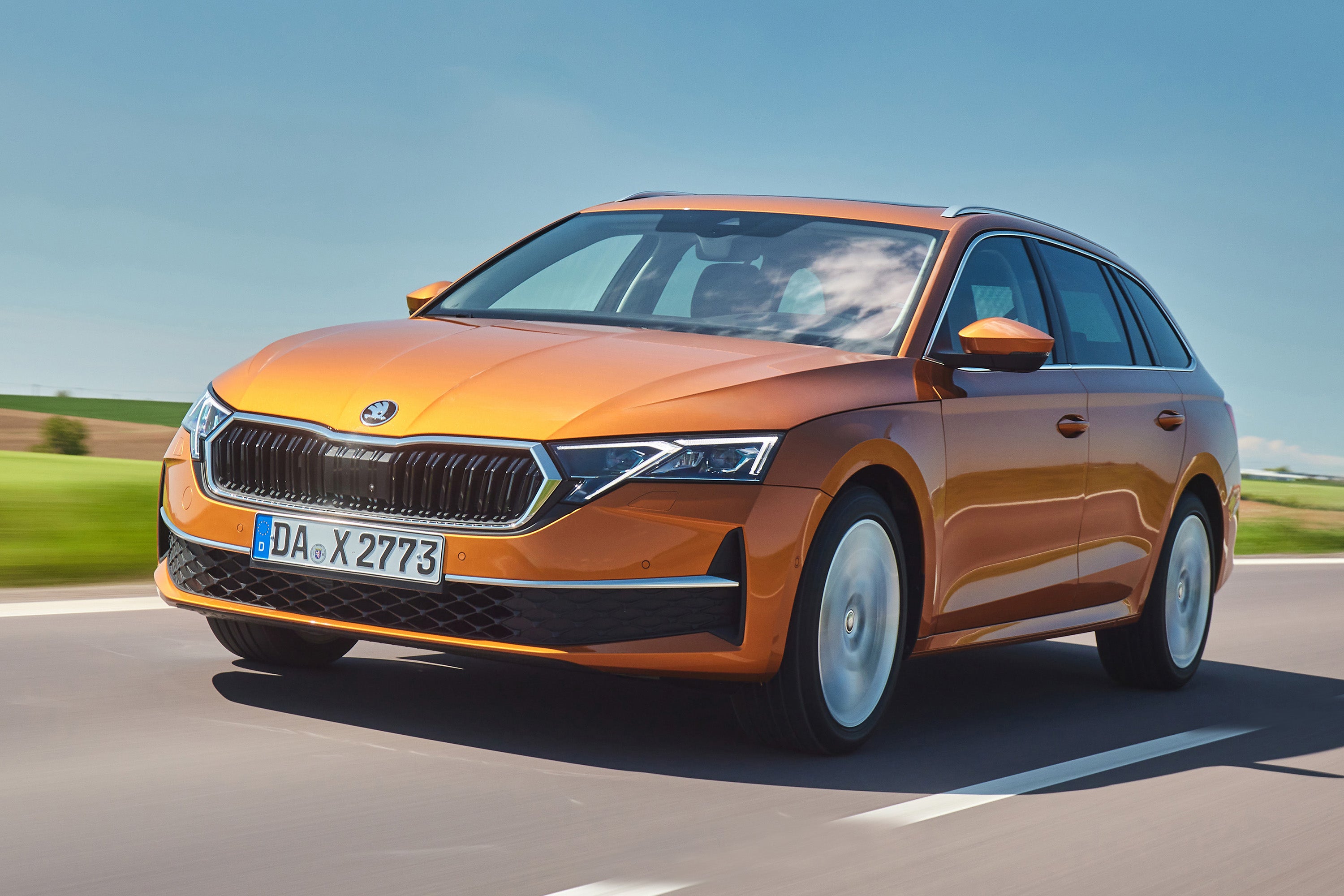
The most obvious alternative is the Skoda Octavia Estate. Sharing the same platform underneath and many of the same engines, it's the car to choose if maximum practicality matters most. It edges the SEAT Leon Estate here with even more rear-seat and boot space, leaning further into straightforward family usability.
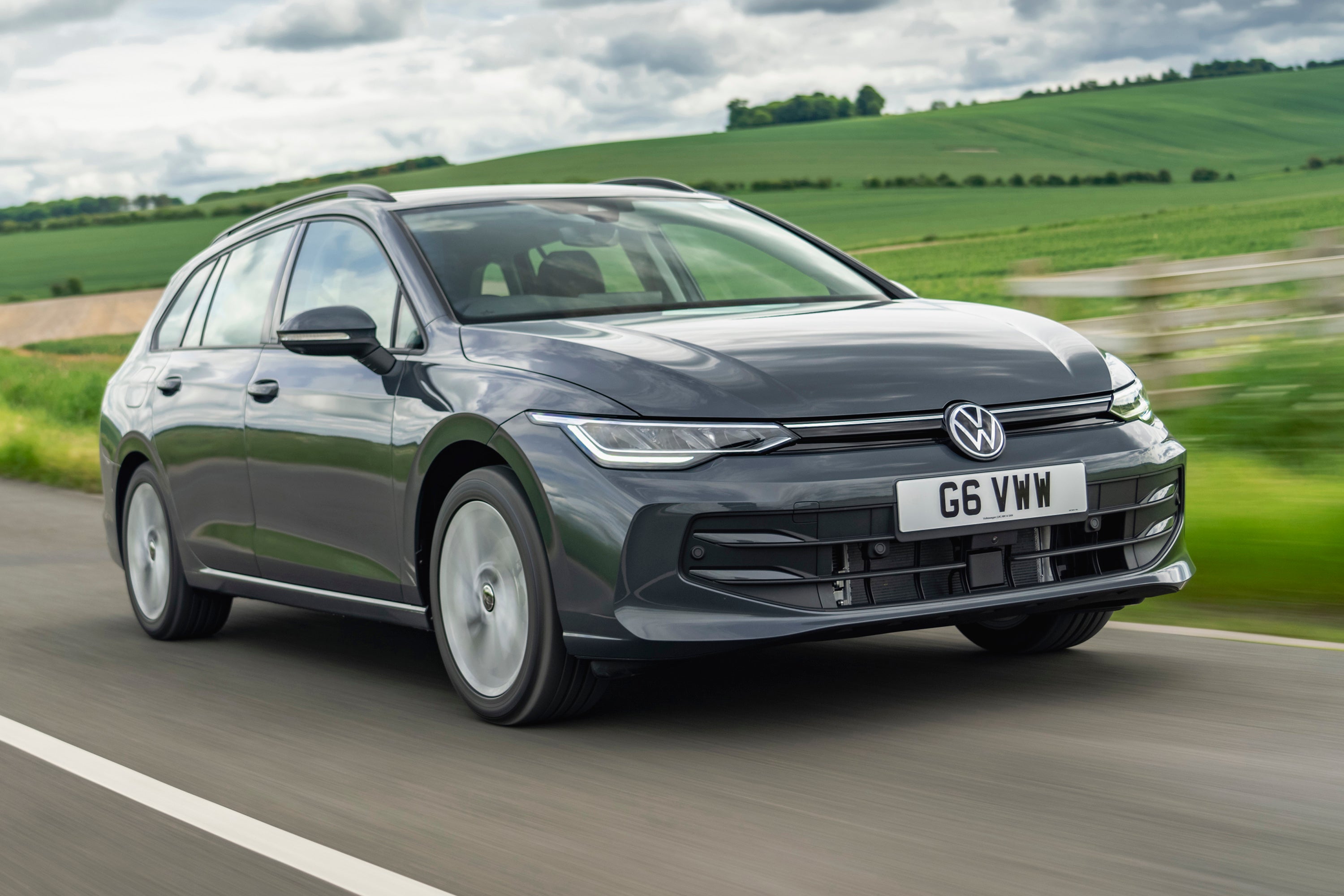
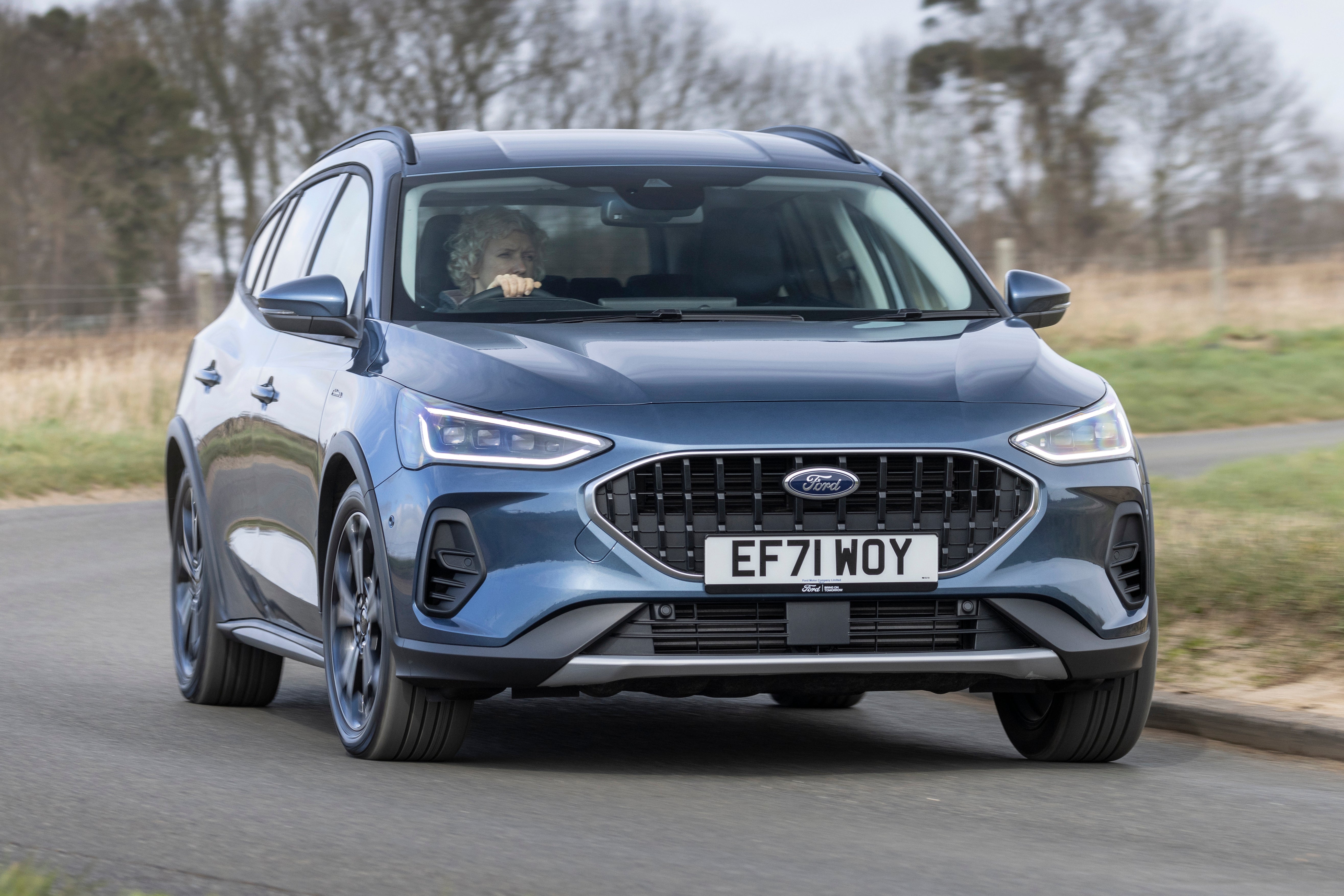
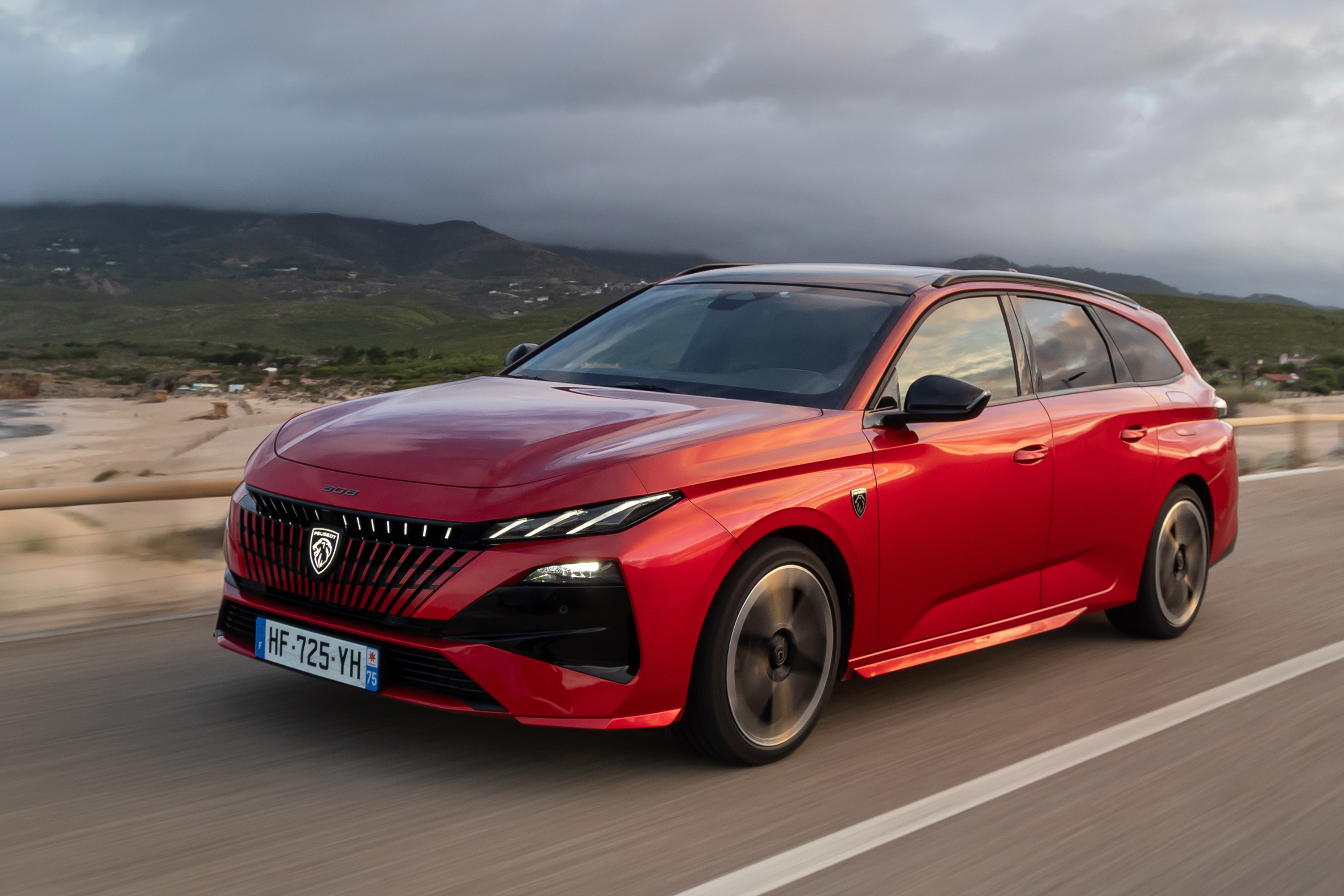
The Volkswagen Golf Estate is the more polished-feeling relative, but it usually costs more for similar equipment, and is no longer available to order new. The Ford Focus Estate is another strong rival if driving enjoyment matters, but again, no longer available to buy new. That leaves the Peugeot 308 SW, offering plenty of visual flair inside and out.
What's the interior like in the Seat Leon?
The SEAT Leon Estate’s interior feels modern and clean, with a digital-first dashboard and a more contemporary design than older SEAT cabins. It looks smart, even if some of the touchscreen-heavy controls are not quite as intuitive as they should be.
Seat Leon boot space and practicality
This is one of the SEAT Leon Estate’s biggest selling points. Standard versions offer around 620 litres of boot space, which is a major jump over the hatchback’s 380 litres. Fold the rear seats and capacity rises to 1,600 litres, which gives the SEAT Leon Estate the sort of versatility that can swallow bikes, bulky holiday luggage or flat-pack furniture without fuss. This is a properly useful estate, though the Octavia Estate’s boot offers about 20 litres more.
That extra practicality does come with a caveat if you choose the plug-in hybrid. The battery eats into luggage space, which means the e-Hybrid gives away some 200 litres of boot room compared with regular petrol and diesel versions.
The rest of the cabin is well judged. There’s good front-seat space, a driving position that feels natural and slightly sporty, and enough rear-seat room for adults to travel comfortably. The SEAT Leon Estate is not the biggest car in this class for passenger room, but it's spacious enough for most family duties.
Seat Leon dimensions
The Leon Estate is 4,642mm long, 1,799mm wide and 1,448mm high. That extra length over the hatchback is what unlocks the much bigger boot, but it doesn't make the car feel unwieldy. It's still compact enough to use easily in town and on tighter roads, which is part of the Leon Estate’s appeal compared with larger SUVs.
Tech and infotainment in the Seat Leon
The SEAT Leon Estate uses the same digital-heavy cabin layout as the hatchback, which means a large central 12.9-inch infotainment touchscreen (10.4-inches on the entry-level SE model), digital instruments and the connectivity features including Apple CarPlay and Android Automotive.
The trade-off is that some day-to-day functions are handled through the screen when physical controls would be easier. That is not unusual now, but it does mean the Leon Estate is not quite as intuitive as some cars in this class. Even so, the cabin feels contemporary and the overall technology package remains strong enough.
Materials available on the Seat Leon
Material quality depends a lot on trim. Entry cars keep things simple, while FR versions add more visual flair and a sportier feel inside. Better-equipped cars look smarter and feel a little richer, even if the SEAT Leon Estate still stops short of feeling genuinely premium.
That is not really the point of it, though. The Leon Estate’s cabin succeeds because it feels modern, tidy and a little more interesting than many rivals, even if some alternatives edge it for outright finish.
What's the Seat Leon like to drive?
This is one of the SEAT Leon Estate’s strengths. It still feels tidy, composed and more responsive than many practical family cars, despite the extra load-lugging ability.
Seat Leon range and performance
Considering a lot of Leon Estate buyers will be looking for a car to trawl the motorway network, SEAT's was a bit tardy in adding a diesel to the range. A 2.0-litre diesel with 115PS was added in 2021, but that does mean used models are rarer and more expensive. There is also a much better, punchier 150PS version of this diesel motor offered in FR models.
The entry-level estate is powered by a 1.5-litre petrol producing 115PS. The big seller, though, will be the 150PS version of the same engine, but this unit is only in the FR trims. It's available with or without mild-hybrid technology (the latter badged the eTSI and with a DSG automatic gearbox as standard).
The performance of the 150PS 1.5 eTSI petrol is very similar to any other mid-range petrol engine offered in rival estate cars. It might be hybrid by name, but it's not really hybrid by nature – it can't run under electric power alone and you won't really notice a difference in the way it drives. Acceleration from 0-62mph takes 8.7 seconds which isn't anything special (and only 0.3 of a second quicker than the standard 1.5 TSI) – but few buyers will find it lacking.
Like a lot of dual-clutch automatic gearboxes, the DSG transmission can become flustered at times but, generally, it's perfectly acceptable.
There's also a plug-in hybrid model, badged the e-Hybrid. This combines a 1.5-litre petrol engine (replacing the earlier 1.4-litre version) with an electric motor, producing an impressive 204PS in total. This is the quickest of the bunch, accelerating from 0-62mph in 7.9 seconds. Of course, most buyers will be considering the Leon Estate e-Hybrid for its low running costs (and eco-credentials) rather than its pace.
It offers an impressive 82 mile electric-only range officially, meaning it should be able to do many local commutes without using any petrol at all. You will need to make sure you can charge it regularly though - once the battery is depleted, you’ll be lugging a heavy battery around that will harm your overall fuel efficiency.
Performance data
| Model | Engine/battery size | Power | 0-62mph | Range/MPG |
|---|---|---|---|---|
1.5 TSI 115PS | 1.5-litre | 115PS | 10.7 seconds | Up to 50.4mpg |
1.5 eTSI DSG-auto 115PS | 1.5-litre | 115PS | 10.7 seconds | Up to 54.3mpg |
1.5 TSI 150PS | 1.5-litre | 150PS | 9.0 seconds | Up to 49.6mpg |
2.0 TDI EVO 115PS | 2.0-litre | 115PS | 10.8 seconds | Up to 61.4mpg |
1.5 eTSI DSG-auto 150PS | 1.5-litre | 150PS | 8.7 seconds | Up to 53.3mpg |
2.0 TDI EVO DSG-auto 150PS | 2.0-litre | 150PS | 8.6 seconds | Up to 57.6mpg |
1.5 e-Hybrid DSG-auto 204PS | 1.5-litre | 204PS | 7.9 seconds | Up to 217.3mpg |
Seat Leon driving and refinement
One of the Leon Estate’s main strengths is that it doesn't feel like a cumbersome estate. The steering is neat, body control is tidy and the whole car feels more agile than many rivals. That makes it genuinely pleasant to drive rather than simply useful.
The SEAT Leon Estate is good around town, with steering that doesn't require arms like Popeye and reasonable visibility. And even the most affordable model comes with front and rear parking sensors, while SE Dynamic models and above get a reversing camera, too.
Out of town, the FR model (with its sports suspension) corners almost as well as the Ford Focus Estate – the wagon of choice for the most enthusiastic drivers. Of course, if you do buy a Leon Estate with the sports suspension, you'll have to be prepared for a few bumps to make their way into the cabin. It's not uncomfortable but it is definitely on the firm side, something you ought to bear in mind if you live in an area with a lot of speed bumps or broken road surfaces.
Even with its standard suspension setup, the Leon Estate isn't as smooth-riding as the Volkswagen Golf or Skoda Octavia. The firmest model in the range is the e-Hybrid, which is understandable as it has to cope with the extra weight of its batteries.
Refinement is good rather than outstanding. Some rivals are quieter at speed and feel slightly more isolated from rougher road surfaces, but the Leon Estate strikes a likeable balance between comfort and driver appeal. That is exactly what many buyers in this part of the market are looking for.
How safe is the Seat Leon?
The Leon has a five-star rating from independent safety organisation Euro NCAP, and that applies to the Leon range more broadly rather than just the hatchback body style. Standard safety equipment includes a solid spread of assistance and crash-protection tech, with features such as autonomous emergency braking, lane support and driver monitoring. As usual, exact specification depends on trim, but the Leon Estate remains a reassuring family choice.
Running costs: What it's like to live with a Seat Leon
The SEAT Leon Estate should be straightforward to live with, particularly in petrol or diesel form. The broad range means buyers can choose between simple ownership, long-distance efficiency or the tax and fuel benefits of the plug-in hybrid.
Seat Leon fuel economy
Running costs depend heavily on the version you choose. Diesel models remain the obvious pick for buyers covering high annual mileage, while mild-hybrid petrol cars make more sense if you want something straightforward but a little more efficient in mixed use.
The e-Hybrid is the standout if you can charge regularly. It offers enough electric range to cover many daily trips without using the petrol engine, which can make a real difference to fuel bills if your routine suits it. If you cannot charge easily at home or work, though, a regular petrol Leon Estate is usually the more sensible option.
Seat Leon warranty and servicing
The SEAT Leon Estate comes with a three-year vehicle warranty. That breaks down into a two-year unlimited-mileage manufacturer warranty, followed by a third year of cover up to 60,000 miles. You also get a three-year paintwork warranty and a 12-year anti-perforation warranty.
If you want longer cover, SEAT also offers extended warranty options that can take protection to four years and 75,000 miles or five years and 90,000 miles.
SEAT recommends that the Arona is serviced every 12 months or 10,000 miles (whichever comes sooner), while fixed-price service plans are also available.
Seat Leon insurance groups
The latest SEAT Leon Estate falls into insurance groups 14 to 25, depending on engine and trim. That is a fairly typical spread for a modern family estate, with the lower-powered cars sitting at the more affordable end and better-equipped or electrified versions higher up the scale.
It's still worth checking the exact rating of the version you want before you commit, especially if you’re comparing a regular petrol car with an FR or plug-in hybrid model.
How much does it cost to tax a Seat Leon?
For most Leon Estate petrol, diesel and hybrid models registered under the current system, the standard annual VED (Vehicle Excise Duty, or road tax) rate is £200 after the first year. That is the figure most private buyers will be interested in as an ongoing ownership cost.
If you do opt for a top-spec model, it could come in over the £40,000 benchmark for the expensive car supplement once you’ve added a few options, which will add on another £440 per year between years two and six of registration.
What trims are available with the Seat Leon?
The SEAT Leon Estate range is built around five trims – SE, SE Dynamic, FR, FR Sport and FR Black Edition.
Leon Estate SE is the straightforward entry point and gives buyers the essentials, like 16-inch alloy wheels, metallic paint and wireless smartphone connection, which is enough for some fleets and budget-conscious private buyers.
Leon Estate SE Dynamic is usually the more sensible place to start for private buyers because it adds the sort of everyday upgrades that make the Leon Estate feel properly modern without overdoing the price. These include 17-inch alloy wheels and a larger 12.9-inch touchscreen, as well as on-board navigation and a rearview camera.
Leon Estate FR is where the Leon Estate makes its strongest visual case, because the sportier styling and trim details suit the longer body well. You get full LED headlights, three-zone climate control and ambient lighting inside, as well as upgraded looks
Leon Estate FR Sport adds 18-inch alloy wheels, tinted windows and clever matrix LED headlights, which let drivers maintain a high beam without dazzling oncoming cars.
Leon Estate FR Black Edition sits at the top with darker styling details and wheels, and more visual impact. It certainly boosts showroom appeal, but it's also the point where you need to really want the look and extra kit to justify the extra spend.
Ask the Drive experts: common questions
Is the SEAT Leon Estate a good alternative to an SUV?
How big is the SEAT Leon Estate boot?
Is the SEAT Leon Estate available as a hybrid?
What is the best SEAT Leon Estate engine?
Get our latest advice, news and offers
Keep me updated by email with the latest advice, news and offers from Drive.
.jpg)