SEAT Tarraco (2019-2024) Review

Written By Andy Brady
- 2019
- SUV
- Petrol, Diesel
What we love
Stylish seven-seat SUV
Spacious and upmarket cabin
Strong diesel engines suit it very well
Things to consider
Third row is best for occasional use
Later cars have the more modern infotainment setup
2.0 TSI prioritises performance over economy
The DRIVE take on the Seat Tarraco, is it the right car for you?
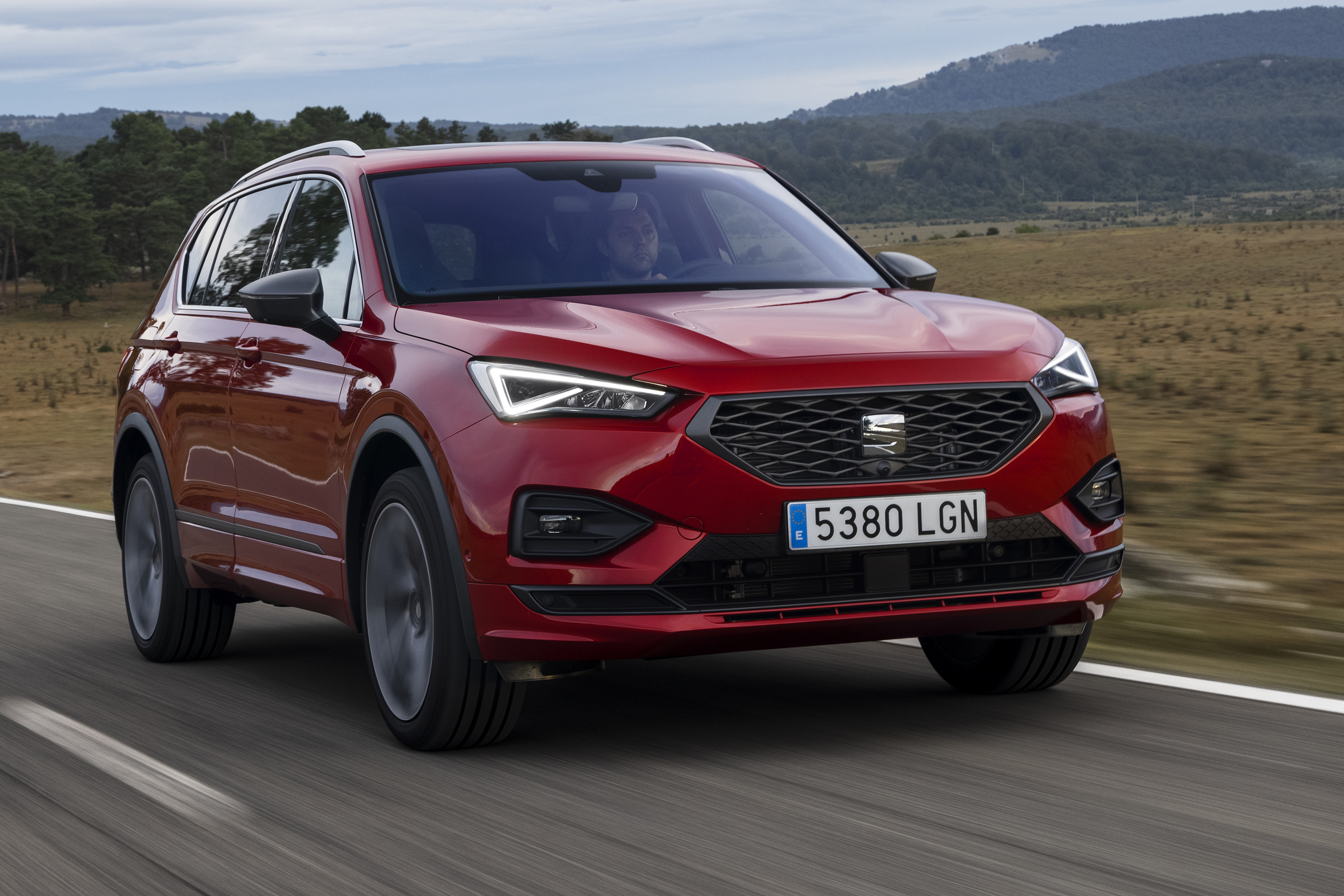
The SEAT Tarraco is a very appealing used seven-seat SUV if you want something a little sharper in look and feel than the usual family-bus choices. It has a spacious and flexible cabin, plenty of useful kit and more driver appeal than some rivals, while still doing the sensible family-SUV stuff properly. It's not a true full-size seven-seater, because the third row is best treated as occasional seating, but if you want a roomy, stylish and well-rounded used SUV, the Tarraco still makes a strong case.
The Seat Tarraco in more detail
The Tarraco arrived as SEAT’s largest SUV and, in many ways, it felt like a smarter-looking, slightly sportier take on a proven recipe. It shared much of its substance with the Skoda Kodiaq and Volkswagen Tiguan Allspace, but set out to feel a little more design-led and a little less purely sensible.
That approach still works well on the used market. The Tarraco has the sort of clean, sharp styling that has aged neatly, and inside it offers the kind of space and flexibility family buyers actually need. It's roomy, well-equipped and easy to drive, which is exactly what a car like this has to be.
It's also a bit more than just a seven-seat box. The cabin feels more polished than you might expect from a SEAT, the digital displays were strong for the time, and the overall impression is of a car that was aimed slightly above the bargain-basement end of the market.
As a used buy, the Tarraco now sits in an interesting position. It's no longer a current new-car proposition, which means buyers can focus on the value it offers second-hand. This matters, because one of the Tarraco’s strongest cards was always that it gave you a lot of the substance of pricier alternatives without asking quite as much for the badge.
What's the best Seat Tarraco trim and engine option?
For most used buyers, the best all-round choice is the 2.0 TDI 150 in SE Technology or FR trim. That engine has enough torque to suit the Tarraco’s size and weight, and it feels much more natural in a loaded seven-seat SUV than the smaller petrol does.
If your mileage is lower, the 1.5 TSI petrol can make sense, but it's the sort of engine that feels more comfortable in lighter-duty use than when the car is full of passengers and luggage.
Trim-wise, SE Technology is the sensible place to stop because it already gives you a strong spread of equipment without pushing you into the larger wheels and pricier territory of the range-toppers.
What’s the price of the Seat Tarraco?
Used SEAT Tarraco prices now start from around £18,000 for earlier, higher-mileage examples, while later low-mileage cars and higher-level trims can still sit much higher.
That leaves the Tarraco looking like decent value in the used market, especially against some similarly sized rivals that hold onto stronger money. It's not bargain-basement cheap, but there is enough car here to justify the outlay.
As ever, the sweet spot tends to be somewhere in the middle of the range: not the oldest basic cars, and not the biggest-wheel, highest-spec versions either.
Alternatives to the Seat Tarraco
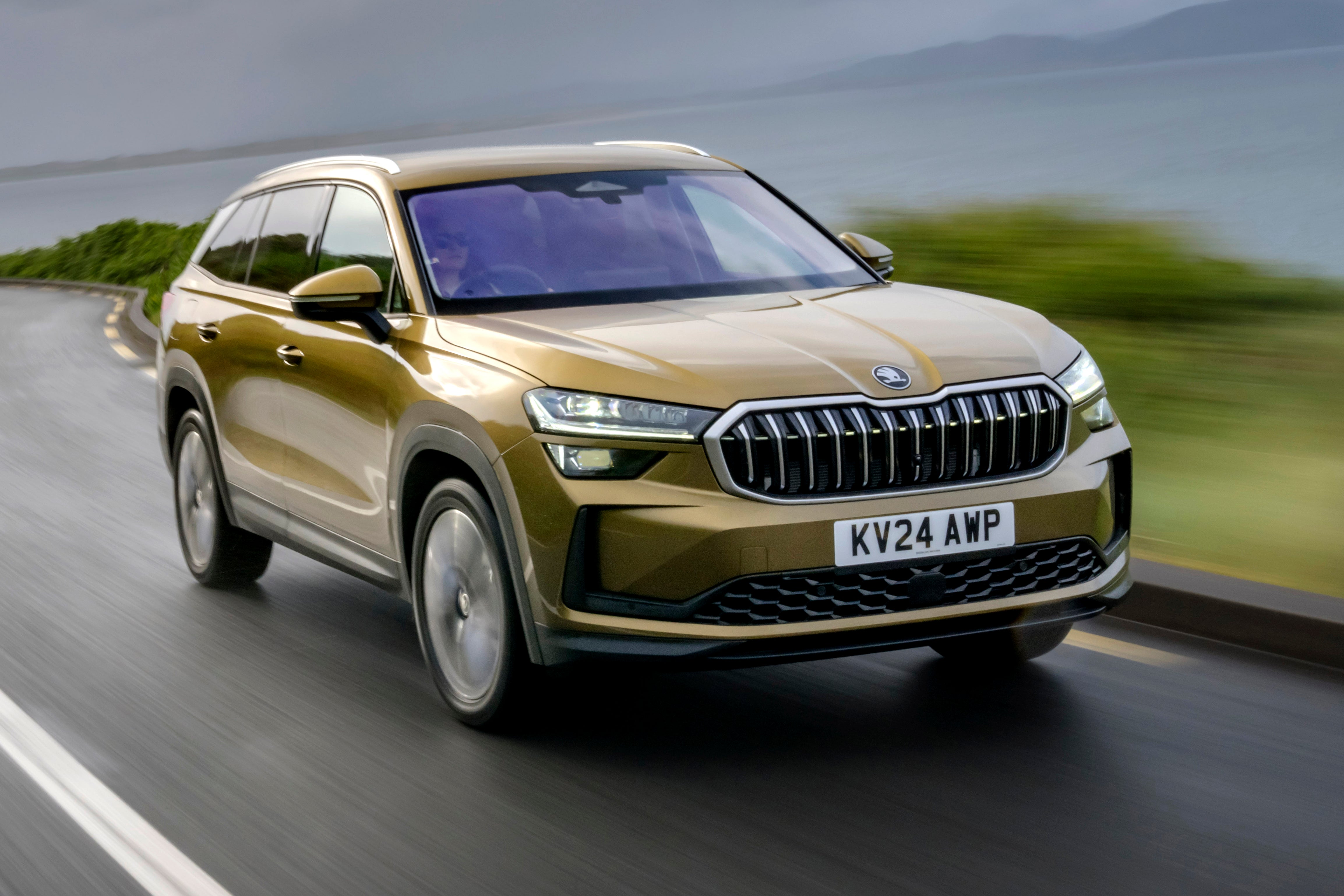
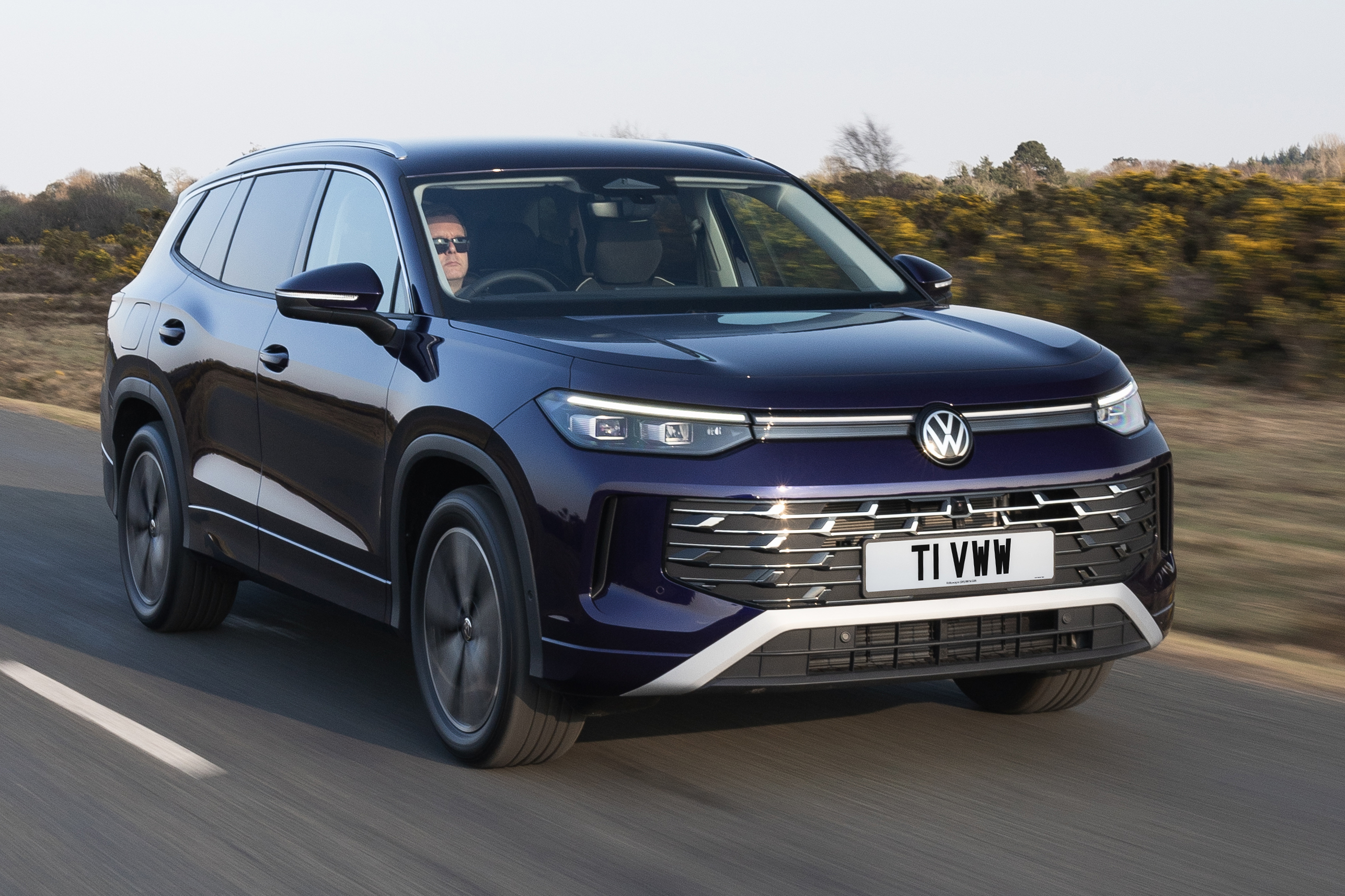
The Skoda Kodiaq is the most obvious alternative and, for many buyers, the toughest rival. It offers much the same practicality with a slightly softer, more comfort-led character, while the Volkswagen Tiguan Allspace feels a little more premium but usually costs more.
The Peugeot 5008 is another strong rival if you want something a bit more adventurous inside, while the Hyundai Santa Fe and Kia Sorento are worth a close look if genuine seven-seat usability matters more.
The Tarraco’s strength is that it sits in a very useful middle ground: sharper and more stylish than some, but still practical enough to do the family job properly.
What's the interior like in the Seat Tarraco?
The SEAT Tarraco is one of the most rounded SUVs on sale, with decent interior quality, an excellent driving position, great infotainment and an interior that is roomy and flexible.
Seat Tarraco boot space and practicality
Practicality is one of the Tarraco’s biggest strengths. Up front, there is loads of room, plenty of storage and an easy driving position, while the middle row gives adults enough space to travel in real comfort.
The sliding and reclining second row is particularly useful because it lets you juggle passenger comfort against luggage space, and the wide-opening rear doors make life easier if you are fitting child seats.
The third row is where expectations need to stay realistic. It's handy to have and fine for children or short hops, but it's not somewhere you would want to put adults regularly. In that sense, the Tarraco is best understood as a roomy five-seater with occasional seven-seat capability.
The boot is excellent in five-seat form. At 700 litres, it's seriously useful, and even with all seven seats in place, there is still enough room for a few bags rather than nothing at all. For many families, that will be exactly the balance they need.
Seat Tarraco dimensions
The SEAT Tarraco measures 4,735mm long, 1,839mm wide and 1,674mm high. That puts it squarely into the big family-SUV bracket.
It looks sizeable on paper, but on the road, it's easier to place than you might expect, which helps it feel less intimidating than some rivals of a similar footprint.
Tech and infotainment in the Seat Tarraco
The Tarraco’s technology has aged reasonably well. Early cars used an 8.0-inch touchscreen, while later versions moved to an 8.25-inch display as standard, with a larger 9.2-inch navigation system on better-equipped cars. The 10.25-inch Digital Cockpit also helped keep the cabin looking modern, especially on later and higher-spec examples.
The infotainment itself is generally clear and straightforward to use, and smartphone connectivity is a real plus because it helps stop the Tarraco from feeling too tied to its era. If cabin tech matters a lot to you, it’s worth targeting a later or higher-spec car with the 9.2-inch screen and 10.25-inch Digital Cockpit, but even the smaller-screen versions cover the essentials well enough in day-to-day use.
Materials available on the Seat Tarraco
The Tarraco uses a mix of materials that suits its straightforward, family-focused layout. Soft-touch finishes feature across the upper dashboard and front door tops, while lower areas use tougher moulded plastics that are better suited to everyday wear from children, luggage and regular use.
Trim and upholstery vary by version, with cloth seats on more modest models and combinations including microsuede-style and leather upholstery on higher-spec cars. Decorative inlays also help shape the feel of the cabin, with dark metallic-look and gloss trim finishes giving the dashboard and centre console a cleaner, more contemporary look
What's the Seat Tarraco like to drive?
Seat Tarraco range and performance
Used buyers will mainly be choosing between the 1.5 TSI petrol, the 2.0 TDI diesel in 150PS or 190PS forms, and the rarer 2.0 TSI petrols.
The 2.0 TDI 150 remains the one most buyers should start with. It has enough pulling power to suit the Tarraco’s size, still delivers respectable economy and feels like the most natural fit in a seven-seat SUV.
The 1.5 TSI is fine if your mileage is lower, but it does feel a little more stretched when the car is heavily loaded. The more powerful diesel gives you more effortless motorway pace, but the standard 150 is usually enough.
Performance data
| Model | Engine/battery size | Power | 0-62mph | Range/MPG |
|---|---|---|---|---|
1.5 TSI | 1.5-litre petrol manual | 150PS | 9.5 seconds | 38.7mpg |
2.0 TDI | 2.0-litre diesel manual | 150PS | 9.8 seconds | 48.7mpg |
2.0 TDI DSG 4Drive | 2.0-litre diesel automatic | 190PS | 8.0 seconds | 39.2mpg |
Seat Tarraco driving and refinement
The Tarraco has a slightly firmer edge than some direct alternatives, which gives it a more tied-down feel on the move. That helps it feel tidy and composed on a twisting road, even if nobody is going to mistake it for a hot hatch.
Around town, it's easy enough to drive. Visibility is decent, parking sensors help take the stress out of manoeuvring, and the steering is light enough that it never feels like a chore.
The trade-off for that slightly sharper feel is that bigger-wheeled versions can thump over rough surfaces more noticeably than the softer Skoda Kodiaq. That's why the more modestly wheeled trims often make the most sense.
At motorway speeds, though, the Tarraco settles down into a very accomplished cruiser. Refinement is good, the ride calms down nicely and the diesel engines in particular suit the car’s long-legged family-SUV brief.
How safe is the Seat Tarraco?
The SEAT Tarraco scored a five-star Euro NCAP rating and came with a strong standard spread of safety equipment.
Emergency braking, lane assistance and eCall were all part of the picture, and later or higher-spec cars can feel especially well equipped. As ever with a used family SUV, it is worth checking the exact specification of the individual car.
Running costs: What it's like to live with a Seat Tarraco
The Tarraco should be fairly straightforward to live with if you choose the right engine and buy carefully, which is part of its appeal as a used family SUV. Diesel versions in particular make a strong case for family buyers who cover plenty of miles.
Seat Tarraco fuel economy
Fuel economy is respectable rather than outstanding, but the Tarraco generally makes sense if you choose carefully. The 2.0 TDI 150 is the most sensible all-rounder for higher-mileage drivers, with official WLTP economy of up to 52.3mpg in the most efficient front-wheel-drive manual versions, while DSG versions are a little lower.
The 1.5 TSI 150 is the better fit for lower-mileage buyers, but its official figure is only 40.9mpg, so it doesn’t have the diesel’s long-distance edge. The 2.0 TSI petrols are the thirstier options, with the 190PS version officially rated at 35.8mpg, so they make less sense if fuel costs matter.
Seat Tarraco warranty and servicing
Any remaining SEAT warranty will depend on the age of the car, but Approved Used examples remain the most reassuring place to start.
SEAT Approved Used currently includes a one year SEAT Warranty, one year Roadside Assistance, a full multi-point inspection, comprehensive independent vehicle history and mileage checks, a full service history check and 1 MOT. That is a strong level of reassurance for a used family SUV, where prior care and maintenance matter a lot.
SEAT servicing is straightforward enough, but as with any DSG-equipped car, it's sensible to check the history carefully and make sure the car has been maintained on time.
Seat Tarraco insurance groups
Insurance costs vary widely by engine and trim, but mainstream Tarracos sit in a fairly sensible band for a car of this size, ranging from groups 19 to 31. The 1.5 TSI is the cheapest place to start, while the more powerful petrols and diesel 4Drive models climb higher. As always, quotes are worth checking before you commit.
How much does it cost to tax a Seat Tarraco?
For most SEAT Tarraco examples registered on or after 1 April 2017, the ongoing standard VED rate is now £200 a year. If the car’s original list price was over £40,000, it would also have been liable for the Expensive Car Supplement in years two to six, taking the annual total to £640 during that period. That is worth watching on better-specced cars, because some higher-end Tarracos could cross that threshold when new.
What trims are available with the Seat Tarraco?
The SEAT Tarraco range kicks off with the SE grade. This comes with 17-inch alloy wheels, a touchscreen media system (with DAB radio and Apple CarPlay/Android Auto), the 10.25-inch digital instrument cluster, rear parking sensors and three-zone climate control.
Tarraco SE Technology models build on this with 18-inch alloy wheels, tinted rear windows and navigation with 3D mapping. Later versions also got a bigger touchscreen.
The stylish Tarraco FR adds 19-inch alloy wheels, black exterior highlights (including the grille and roof rails), a rear spoiler and a twin exhaust system. Sports seats trimmed in Alcantara and cloth are standard, along with electric seat adjustment for the driver’s seat. The FR also comes with adaptive cruise control, keyless entry and go and an electric tailgate. The park assist feature is also standard with self-parking functionality and front parking sensors.
The Tarraco FR Sport builds on the FR trim with 20-inch alloy wheels, leather seats, a rear- and top-view camera and the Winter pack (with heated front and rear seats as well as heated washer nozzles).
The posh Tarraco Xcellence (later renamed Xperience) comes with 19-inch alloy wheels, chrome exterior trim (including roof rails and window trim), and front sports seats in cloth with Alcantara. Technology includes the adaptive cruise control, keyless start, electric tailgate, park assist and a rear-view camera.
Topping the range is the Tarraco Xcellence Lux (later renamed Xperience Lux). This comes with 20-inch alloy wheels, leather sports seats (with electric adjustment for the driver), a top-view camera and a winter pack.
Ask the Drive experts: common questions
Is the SEAT Tarraco still worth buying?
Is the SEAT Tarraco a proper seven-seater?
Which SEAT Tarraco engine is best?
Is the SEAT Tarraco better than a Skoda Kodiaq?
Get our latest advice, news and offers
Keep me updated by email with the latest advice, news and offers from Drive.