Kia Sorento Review

Written By Phill Tromans
- 2020
- SUV
- Diesel, full hybrid, plug-in hybrid
What we love
One of the best seven-seat SUVs for space and comfort
Available as diesel, petrol hybrid or PHEV
Well-equipped and backed by Kia's seven-year warranty
Things to consider
Rivals from Peugeot and Skoda are cheaper to buy
The driving experience could be better
High-spec models are pricey
The DRIVE take on the Kia Sorento, is it the right car for you?
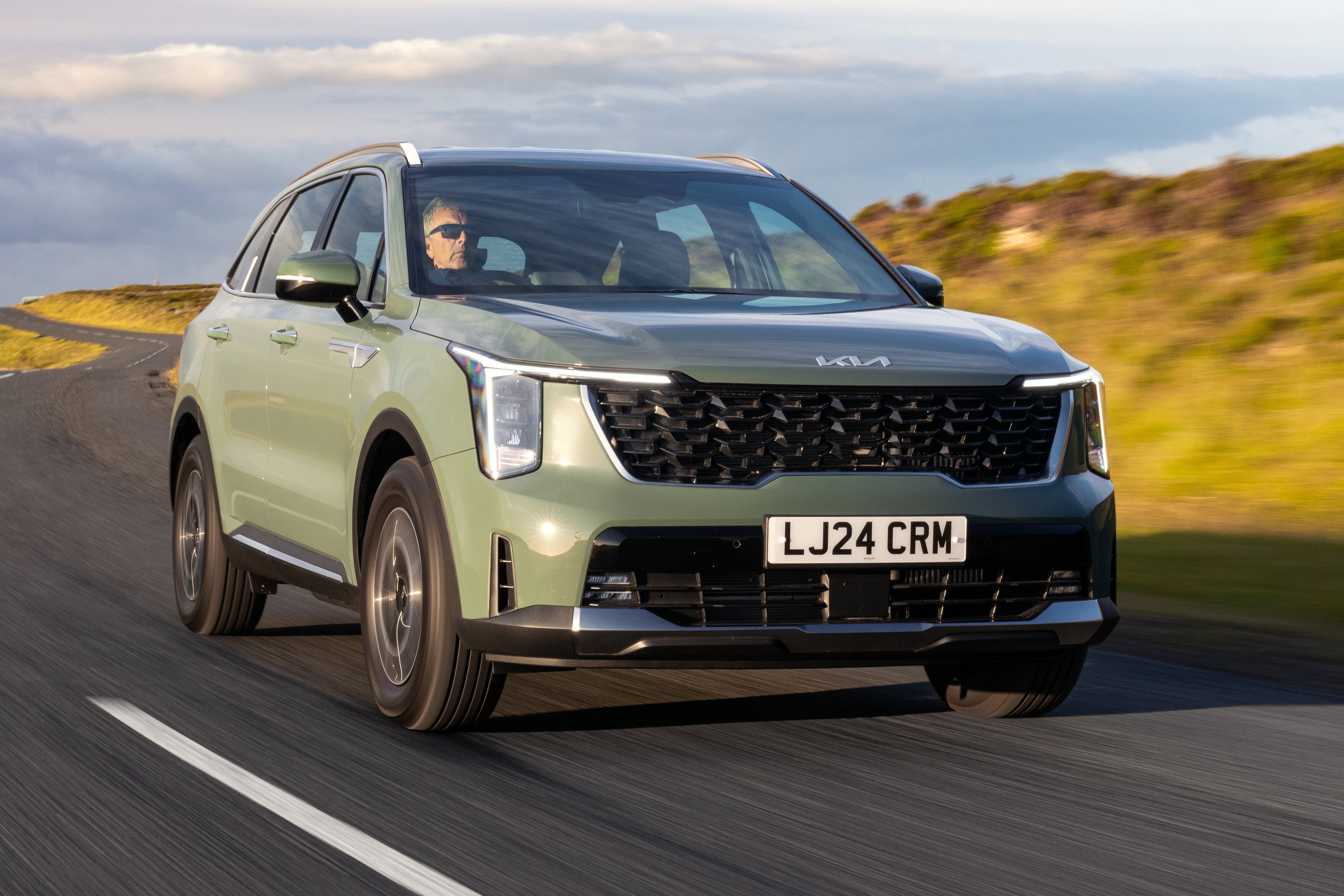
The Kia Sorento remains one of the most convincing large family SUVs on sale because it does the fundamentals so well. It's spacious, comfortable, well equipped and genuinely usable as a seven-seater, which is still rarer than it ought to be in this class.
What makes it especially appealing is the breadth of choice. There are still diesel, hybrid and plug-in hybrid options in the UK line-up, which means buyers can pick the powertrain that best fits how they actually use a big SUV.
It's not the cheapest option in the class, and it does not drive with the polish of the very best premium SUVs, but it delivers where a big family car needs to. If you want space, comfort and flexibility wrapped in a cabin that now feels properly upmarket, the Sorento makes a very strong case for itself.
The Kia Sorento in more detail
The Sorento has quietly become one of Kia’s strongest all-round products. Earlier generations won buyers over with value and practicality, but the current car has moved the game on by adding a much richer interior, more sophisticated technology and a broader powertrain line-up.
That matters because the large SUV market has shifted and buyers no longer accept a big, practical seven-seater simply being good enough. If you're spending this sort of money, you expect quality, comfort and enough equipment to make the car feel special as well as useful.
The Sorento gets closer to that premium brief than any of its predecessors. The 2024 facelift sharpened the styling, upgraded the cabin technology and helped keep the car feeling fresh against newer rivals, while the broader mix of diesel, hybrid and plug-in hybrid power means Kia has avoided funnelling every buyer into the same drivetrain solution.
That flexibility is important. Some buyers still cover enough motorway miles to want a diesel, while others will like the idea of a self-charging hybrid that suits mixed use. And some will be able to make proper sense of the plug-in hybrid’s electric running, especially if they can charge regularly at home.
The Sorento also remains one of the more convincing seven-seat SUVs if you actually plan to use all seven seats. Many rivals talk a good game here but really offer five seats plus two occasional extras in the boot. The Kia is not perfect in the third row, but it's useful enough to justify the claim.
Its biggest challenge is value. The Sorento now sits closer to premium territory than older Kias ever did, and while you can see where the money has gone, buyers are entitled to compare it with both mainstream seven-seat SUVs and premium-badged alternatives. The good news is that the Sorento has the substance to survive that comparison.
What's the best Kia Sorento trim and engine option?
For most buyers, the Sorento Hybrid in Evolve trim is the sweet spot.
The hybrid powertrain offers the best balance for typical family use, with strong enough performance, respectable fuel economy and none of the charging discipline demanded by the plug-in hybrid. Evolve trim adds the equipment most people will actually appreciate day to day, without the price rising as hard as it does in Aspire.
The diesel still makes sense if you tow regularly or cover big motorway mileage, because it remains the most natural fit for that kind of work. The plug-in hybrid is the one to choose if you can charge at home and your routine includes enough shorter trips to make proper use of its electric range.
Pure is not a bad entry point because it already comes well equipped, but Evolve feels like the best all-round fit for the Sorento’s brief. Aspire is tempting, though it pushes the car much deeper into expensive territory.
What’s the price of the Kia Sorento?
The current Sorento range starts at £42,725 for the 2.2-litre diesel in Pure trim. The hybrid starts at £44,705 in Pure trim, while the plug-in hybrid starts at £48,425.
Evolve takes the diesel to £45,965, the hybrid to £48,935 and the plug-in hybrid to £52,655. At the top of the range, Aspire is £50,465 as a diesel, £53,435 as a hybrid and £57,155 as a plug-in hybrid.
That means the Sorento is no longer a bargain-basement seven-seat SUV. It sits much closer to premium territory than older Kias ever did, and it's priced accordingly.
The defence is that the standard equipment count is strong, the cabin quality has improved dramatically and there are very few direct rivals that offer this mix of seven-seat usability, powertrain choice and long warranty cover. It's expensive, yes, but not unjustifiably so.
Alternatives to the Kia Sorento
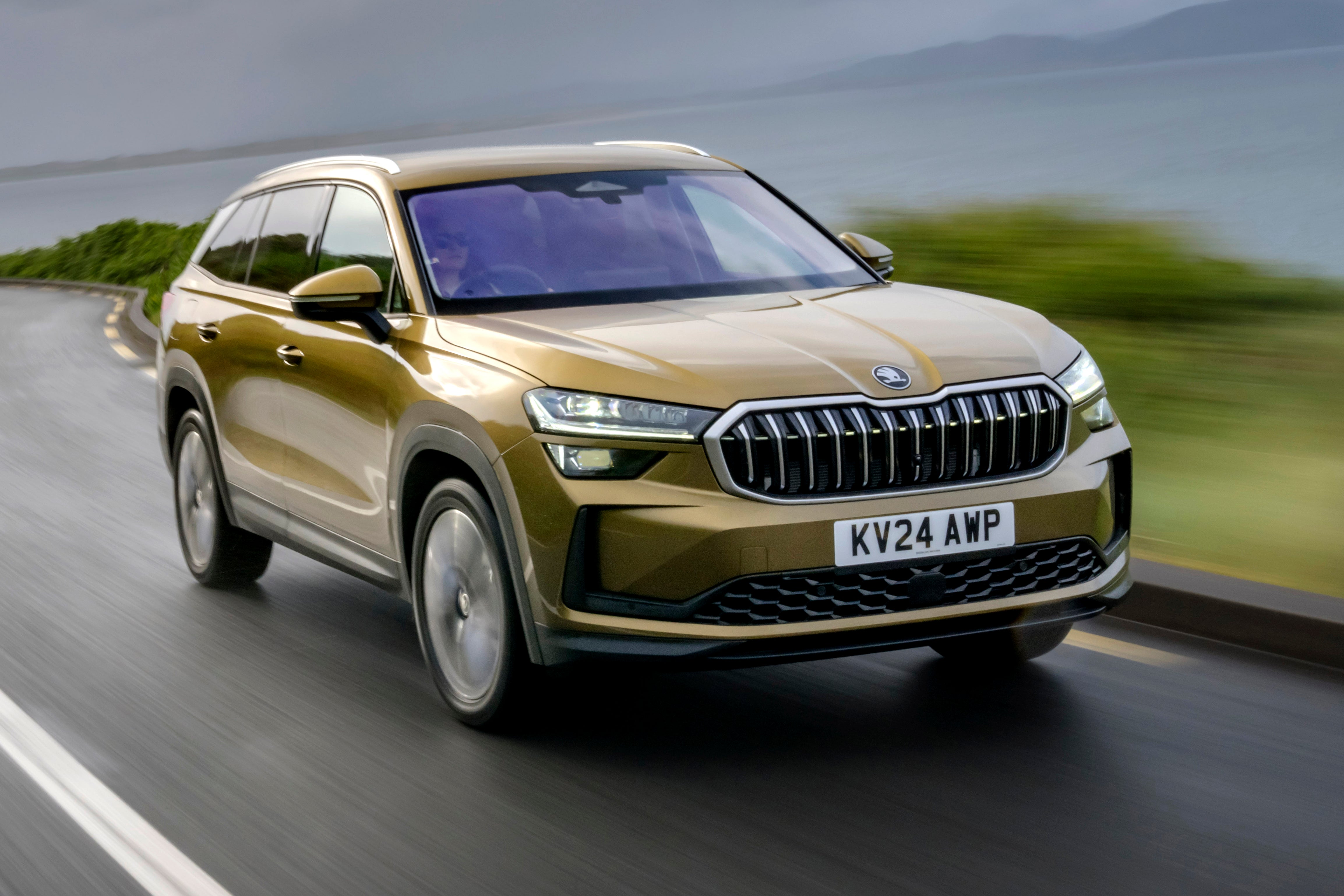
The Skoda Kodiaq is one of the clearest alternatives because it delivers huge family-SUV appeal at a lower price, even if it does not feel quite as plush or as generously equipped in equivalent form.
The Peugeot 5008 is another strong rival if space and value matter more than outright towing ability or four-wheel-drive traction. The Hyundai Santa Fe is the obvious sister-car alternative if you like the Sorento’s fundamentals but want a bolder design and a more theatrical cabin.
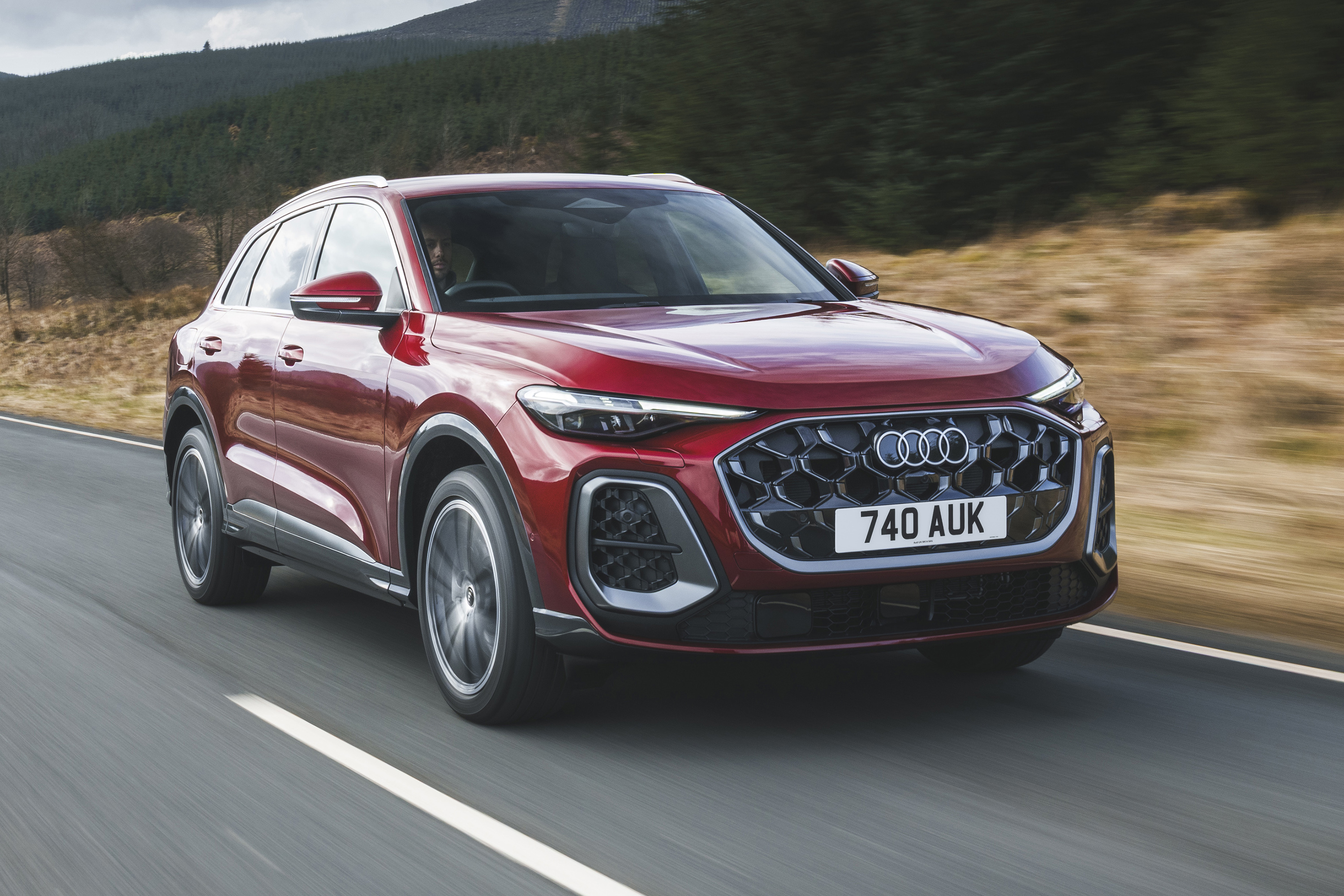
If you are willing to spend this sort of money on badge appeal, the Land Rover Discovery Sport, the Audi Q5 and the Mercedes-Benz GLC all come into the conversation, although none of them matches the Sorento’s blend of standard kit, warranty cover and seven-seat practicality quite so neatly.
What's the interior like in the Kia Sorento?
The Sorento’s interior is one of the clearest examples of how far Kia has come. It now feels much closer to premium territory than mainstream family-car norms, with a strong sense of quality and a cabin designed around real family use.
Kia Sorento boot space and practicality
The Sorento has always been a practical SUV, but the current car delivers that space with a lot more sophistication than before. There's plenty of room in the front, strong second-row comfort and a third row that's genuinely usable for children and passable for adults on shorter trips.
Access to the rearmost seats is straightforward enough, thanks to the second row folding and sliding forward. Once in place, passengers in the back get more space than in many rivals, and the inclusion of USB ports in the third row underlines that Kia expects those seats to be used rather than merely advertised.
Boot space is the usual compromise point in any seven-seat SUV. With all seven seats in place, the Sorento offers 187 litres, so luggage room is limited. Fold the third row flat and you get 821 litres, which is a much more convincing family-car number. Fold the second row as well and the capacity rises to 2,011 litres.
That means the Sorento works well in all its likely use cases: full family transport, five-seat holiday car and load-lugging SUV. It's also filled with thoughtful details, from the charging points spread through the cabin to the generally generous storage provision.
Kia Sorento dimensions
The Kia Sorento measures 4,815mm long, 1,900mm wide & 1,700mm high. Those are substantial dimensions, and they help explain why the Sorento feels so roomy inside.
It's not a tiny thing to thread through tight city streets, but the visibility, cameras and light steering mean it's easier to place than the figures suggest.
Tech and infotainment in the Kia Sorento
The Sorento’s technology offering improved significantly with the 2024 facelift. All current models now get a 12.3-inch infotainment screen as standard, along with wireless Apple CarPlay and Android Auto.
That makes the Sorento feel much more modern than earlier versions, and the system itself is easy enough to navigate once you are familiar with it. Kia has also wisely retained enough shortcut controls that you are not constantly diving through menus to do simple things.
Evolve and Aspire add the larger 12.3-inch driver display and extra comfort-focused equipment, while Aspire goes further with the upgraded audio and a more fully loaded tech package.
The important point is that the Sorento’s cabin technology now feels competitive rather than merely sufficient, which is exactly what it needed to remain persuasive at this price level.
Materials available on the Kia Sorento
Kia has done a very good job here. The Sorento’s major touchpoints feel solid and expensive, the trim quality is strong and there's enough soft-touch material throughout the cabin to make it feel genuinely upmarket.
The Pure trim already feels smart enough, but the Evolve and the Aspire do the best job of making the Sorento feel like a real alternative to more expensive premium SUVs. The layout is not quite as visually dramatic as some rivals’, but there's an honesty and solidity to it that suits the car’s brief well.
It's not flawless. Some lower-down plastics still remind you that this is not an Audi Q7 or Volvo XC90, but the gap is far smaller than it used to be.
What's the Kia Sorento like to drive?
The Sorento is not trying to be sporty, and that's no criticism. Its main job is to move people around in comfort and security, and it does that very well.
Kia Sorento range and performance
The current Sorento range gives buyers a choice of three powertrains. The 2.2-litre diesel produces 193PS, the 1.6-litre petrol hybrid makes 238PS and the 1.6-litre plug-in hybrid produces 287PS.
The hybrid is the one that makes the most sense for many buyers. It delivers strong enough punch for a large seven-seat SUV and still feels reasonably efficient for the class. The plug-in hybrid is the most powerful, and the one to go for if you can make use of its 34-mile official EV range.
The diesel remains the towing and long-distance specialist. It may not be the fashionable choice, but it still suits the Sorento’s size and weight well, particularly if you regularly carry heavy loads.
None of those figures turns the Sorento into a performance SUV, but that's not the point. All three engines are well suited to its family-car brief.
Performance data
| Model | Engine/battery size | Power | 0-62mph | Range/MPG |
|---|---|---|---|---|
Kia Sorento Diesel AWD | 2.2-litre diesel | 193PS | 9.9 seconds | Around 42mpg |
Kia Sorento Hybrid AWD | 1.6-litre full hybrid | 238PS | 9.7 seconds | Around 41mpg |
Kia Sorento Plug-In Hybrid AWD | 1.6-litre plug-in hybrid | 287PS | 8.8 seconds | Up to 34 miles electric range |
Kia Sorento driving and refinement
The Sorento is easy and relaxing to drive, which is exactly what you want in a large family SUV. The steering is light, visibility is decent and the overall sense of control is strong, even if there's not much in the way of entertainment value.
Ride comfort is good, particularly on the smaller wheels, and the Sorento does a convincing job of smothering rough roads without feeling floaty. Higher-spec cars on bigger wheels let a few more sharp edges through, but nothing that fundamentally undermines the car’s comfort-led character.
Refinement is another strength. The cabin is well insulated, wind noise is low and the hybrid in particular does a nice job of feeling smooth and hushed in everyday use. The diesel is a little more vocal, especially from cold, but it settles down well enough once moving.
The overall impression is of a large SUV built for long family journeys rather than for impressing anyone on a favourite B-road. That suits the Sorento perfectly.
How safe is the Kia Sorento?
The current fourth-generation Sorento was given a full five-star rating from independent safety organisation Euro NCAP in 2020.
All models get a healthy spread of active safety systems, including forward collision avoidance, blind-spot support, rear cross-traffic warning, intelligent speed assistance and trailer stability assistance. Parking sensors and a reversing camera are standard too.
Running costs: What it's like to live with a Kia Sorento
Running costs depend heavily on which Sorento you choose. The hybrid looks like the most broadly sensible option, the diesel still makes the most sense for heavy users and the plug-in hybrid only really pays off if you charge regularly.
Kia Sorento fuel economy
Official economy for the diesel is up to 42.8mpg, while the hybrid manages up to 41.5mpg depending on trim and wheel size. Those are perfectly respectable figures for a large seven-seat SUV with standard four-wheel drive.
The plug-in hybrid can officially cover up to 34 miles on electric power alone, and its weighted fuel economy figure will look impressive on paper. As ever with a plug-in hybrid, though, the real-world story depends on whether you keep it charged and how often your journeys fit within that electric range.
Kia Sorento warranty and servicing
Kia’s seven-year or 100,000-mile warranty remains one of the Sorento’s strongest ownership advantages. It's a significant reassurance in a car that's both expensive and likely to be bought for long-term family use.
Kia’s broader reputation for reliability is also good, and the Sorento has generally built a solid ownership record. That does not guarantee perfection, but the warranty cover alone gives the Sorento a meaningful edge over many rivals.
Kia Sorento insurance groups
Current insurance groups run from 26 for the diesel Pure to 36 for the plug-in hybrid Aspire. Most mainstream versions sit somewhere in the middle.
That means the Sorento is not especially cheap to insure, but it's also not wildly punitive for a large, well-equipped seven-seat SUV in this price bracket.
How much does it cost to tax a Kia Sorento?
After year one, the Kia Sorento pays the standard annual Vehicle Excise Duty (VED or road tax) rate for non-EV cars, which is currently £200.
Because every current Sorento sits above the £40,000 Expensive Car Supplement threshold for petrol, diesel and hybrid cars, all versions also attract the additional annual charge from years two to six. At current rates, that adds £440 a year, taking the total annual bill to £640 during that period.
What trims are available with the Kia Sorento?
Initially the Kia Sorento ws available in three equipment levels – 2, 3 and 4 – but the latest models have been rebranded as the Pure, the Evolve and the Desire.
Pure is the entry point, but it hardly feels basic. Standard equipment includes LED headlights, heated front seats, touchscreen infotainment, parking sensors, a reversing camera and a good spread of safety technology. It feels much more generous than the name might suggest.
Evolve is the sweet spot. It adds the larger digital driver display, more comfort and convenience kit, upgraded upholstery and enough extra polish to make the Sorento feel more special without pushing too hard on price.
Aspire sits at the top with the richest trim, bigger standard equipment count and the most overt luxury feel. It's appealing, but it's also the version that most clearly pushes the Sorento into expensive territory.
Ask the Drive experts: common questions
How much does the Kia Sorento cost?
Is the Kia Sorento available as a diesel?
Is the Kia Sorento practical?
What is the best Kia Sorento version?
Get our latest advice, news and offers
Keep me updated by email with the latest advice, news and offers from Drive.