Skoda Kodiaq (2016-2023) Review

Written By Andrew Brady
- 2016
- SUV
- Petrol, diesel
What we love
Hugely practical and family-friendly cabin
Still feels classy and very well thought through
Strong diesel engines suit it particularly well
Things to consider
Third row is only occasional-use seating
1.5 petrol can feel strained when fully loaded
Higher-spec cars command stronger used prices
The DRIVE take on the Skoda Kodiaq, is it the right car for you?
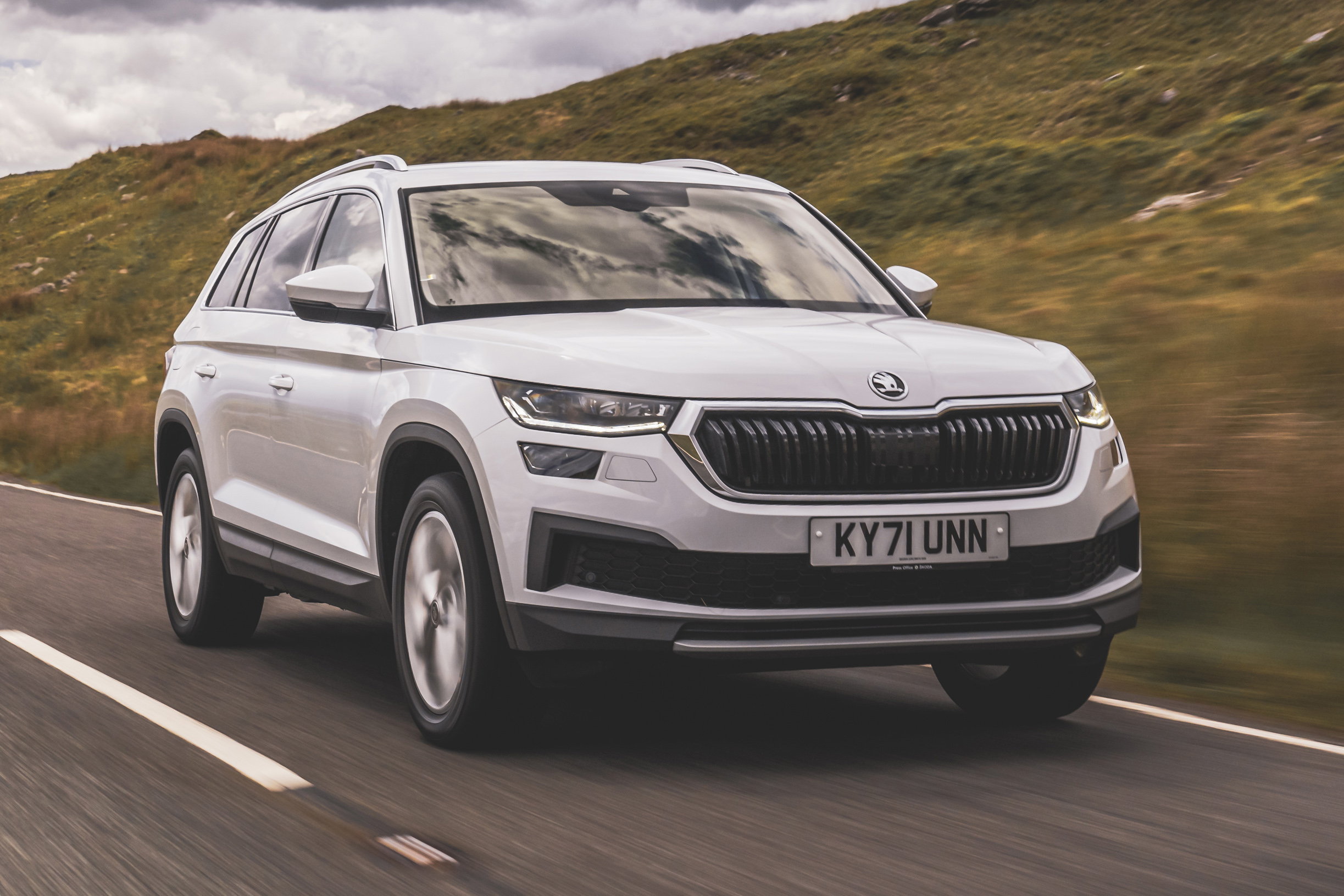
The older Skoda Kodiaq remains one of the easiest used family SUVs to recommend if you want maximum practicality without spending premium-badge money. It is spacious, comfortable and intelligently designed, and it covers family life with the sort of calm competence that makes many rivals feel needlessly complicated. It is not the most exciting choice in the class, and the third row is better for occasional use than regular adult transport, but if you want a large used SUV that simply gets the job done brilliantly, the Kodiaq still stands out.
The Skoda Kodiaq in more detail
The Kodiaq was the car that really established Skoda as a serious player in the large family-SUV market. It arrived with a very simple brief: offer lots of space, plenty of clever touches and a strong sense of value, all without feeling cheap or compromised.
That formula still works very well. The Kodiaq is not trying to be the most glamorous or sporty SUV of its kind. Instead, it focuses on doing the things family buyers actually care about, such as easy access, lots of room, a huge boot and a cabin that is designed by people who clearly understand everyday life.
Browse used Škoda Kodiaqs for sale →
That is why it has aged so well as a used buy. The styling still looks neat enough, the cabin still feels well made and the core package remains one of the strongest in the class. This is a car that majors on real-world usefulness rather than showroom flash.
Although the lack of any hybrid powertrain is a disappointing omission, there’s an engine to suit more buyers. We rate the 2.0-litre TDI diesel, even now. This is available with 150 or 190PS (the latter upgraded to 200PS with the facelift), with both providing more than adequate performance and decent fuel economy. You’d be better with the 1.5-litre TSI petrol if you don’t cover many miles, but it does feel a touch underpowered - especially when the car’s full of passengers and their luggage.
You’ll also find four-wheel-drive models of the Skoda Kodiaq (great if you plan to tow or need to venture off-road), as well as manual or automatic gearboxes. Most used Kodiaqs will come with the seven-speed DSG auto transmission - good news as it’s pretty slick and suits its laid-back nature well.
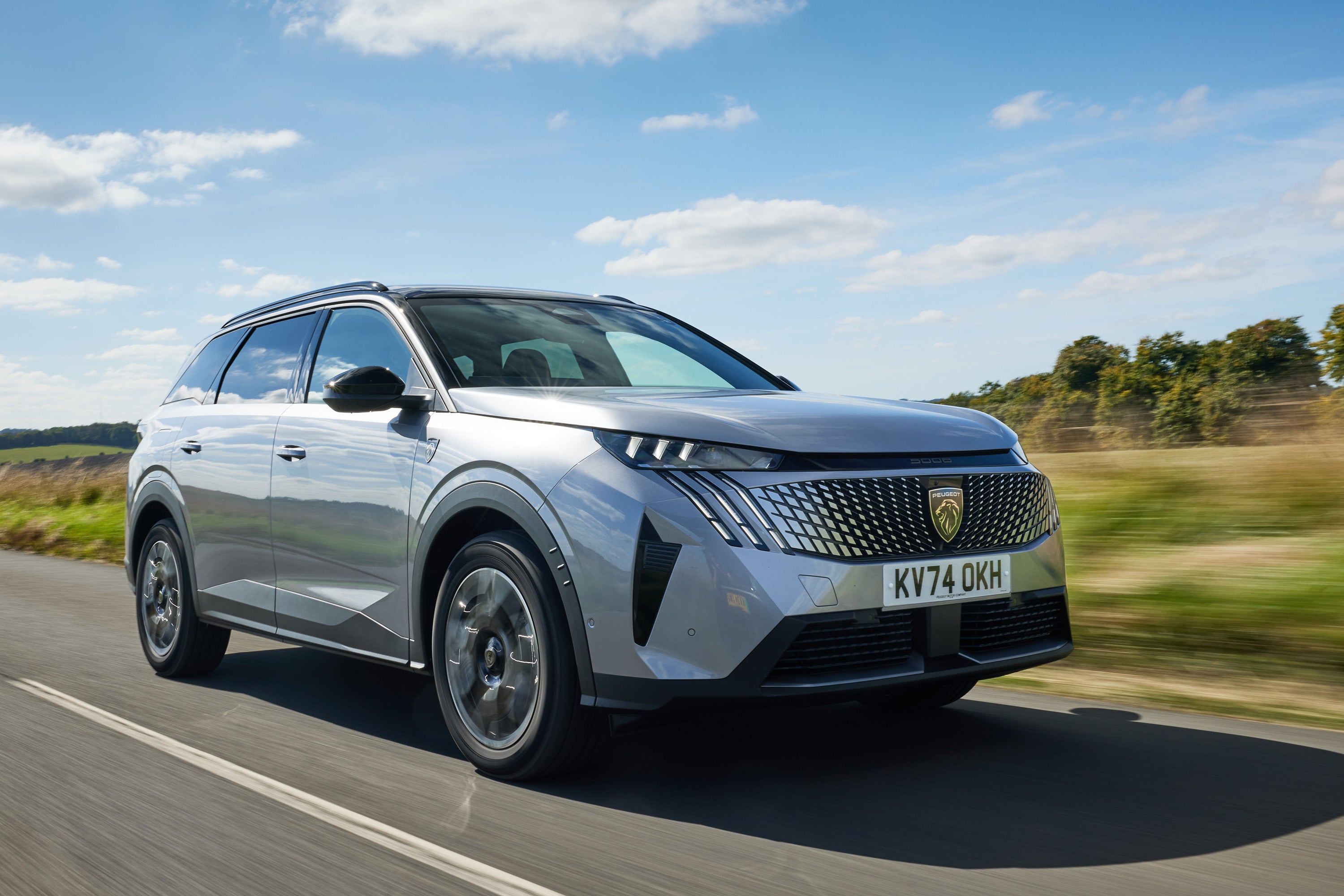
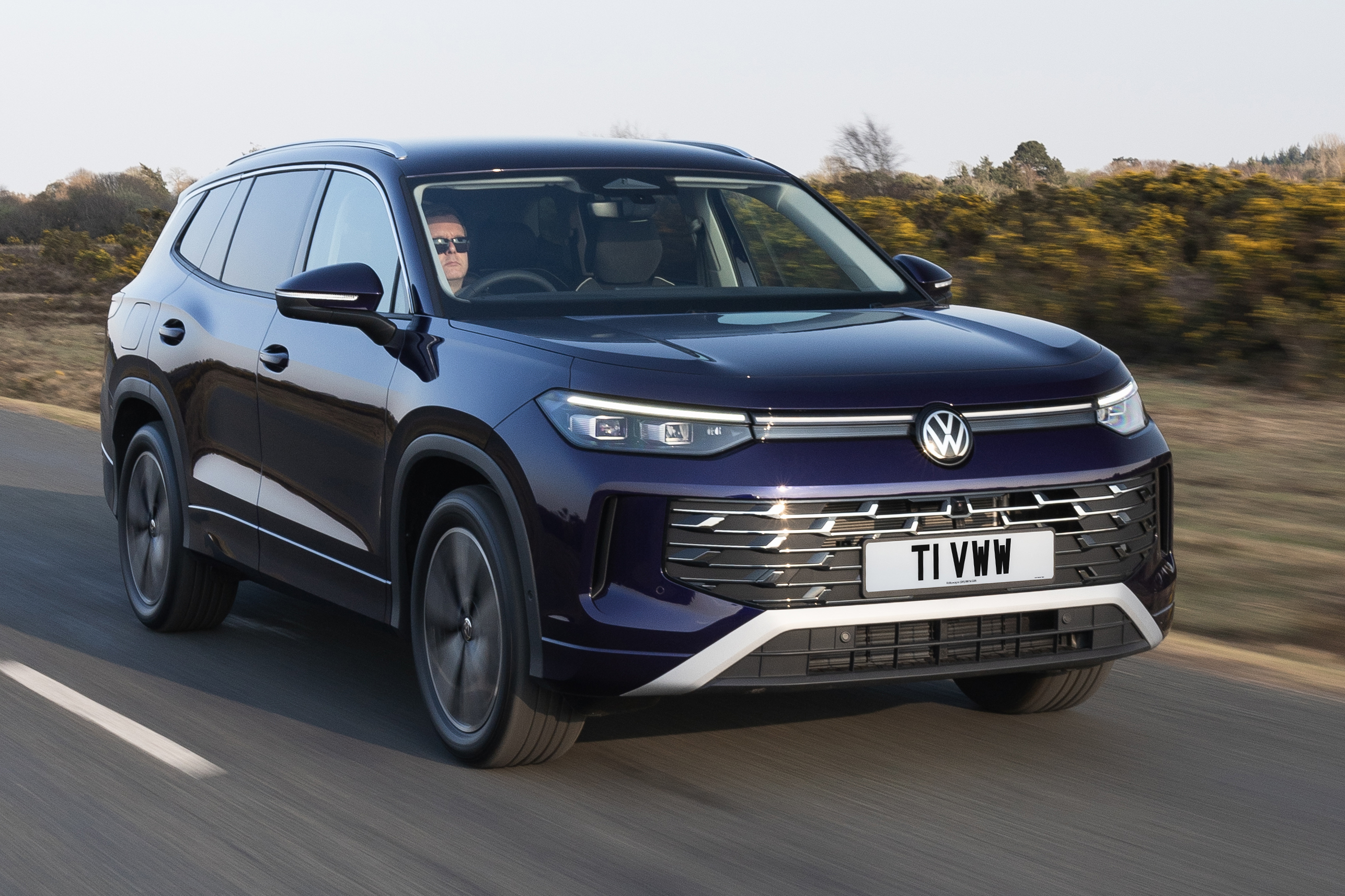
It might not have the image of the Volkswagen Tiguan Allspace - nor the quirky cabin of the Peugeot 5008 - but it’s incredibly good at ticking all the boxes for the vast majority of buyers looking for a used large SUV. If you're looking to buy new, check out our Skoda Kodiaq review.
What's the best Skoda Kodiaq trim and engine option?
For most used buyers, the sweet spot is the 2.0 TDI 150 in SE Drive, SE L or Edition trim. That engine suits the Kodiaq very well, because it has enough torque to cope with the car’s size and weight without feeling strained, and it still delivers the kind of economy family buyers will appreciate.
If your mileage is lower, the 1.5 TSI is fine, but it makes the most sense if you are not regularly filling the car with people and luggage. In a big seven-seat SUV like this, the diesel still feels like the more natural fit.
Trim matters too. The Kodiaq range evolved over time, but in broad terms mid-spec versions are the ones to aim for. They usually bring the most useful equipment without the bigger wheels and higher prices of the range-toppers.
What’s the price of the Skoda Kodiaq?
Used Skoda Kodiaq prices now start from around £17,500 for earlier cars, with later facelifted versions, stronger trims and lower-mileage examples sitting comfortably above that. Usefully there are plenty of used Škoda Kodiaqs for sale on the secondhand market.
Even so, the Kodiaq usually still looks like very strong value given how much car you are getting. It may not be cheap in absolute terms, but the amount of space, practicality and polish on offer helps it justify its place in the market.
If your budget stretches to a later facelifted car, it is usually worth doing. The tech is a bit better, the trim line-up is easier to make sense of and the whole thing feels a touch fresher.
Alternatives to the Skoda Kodiaq
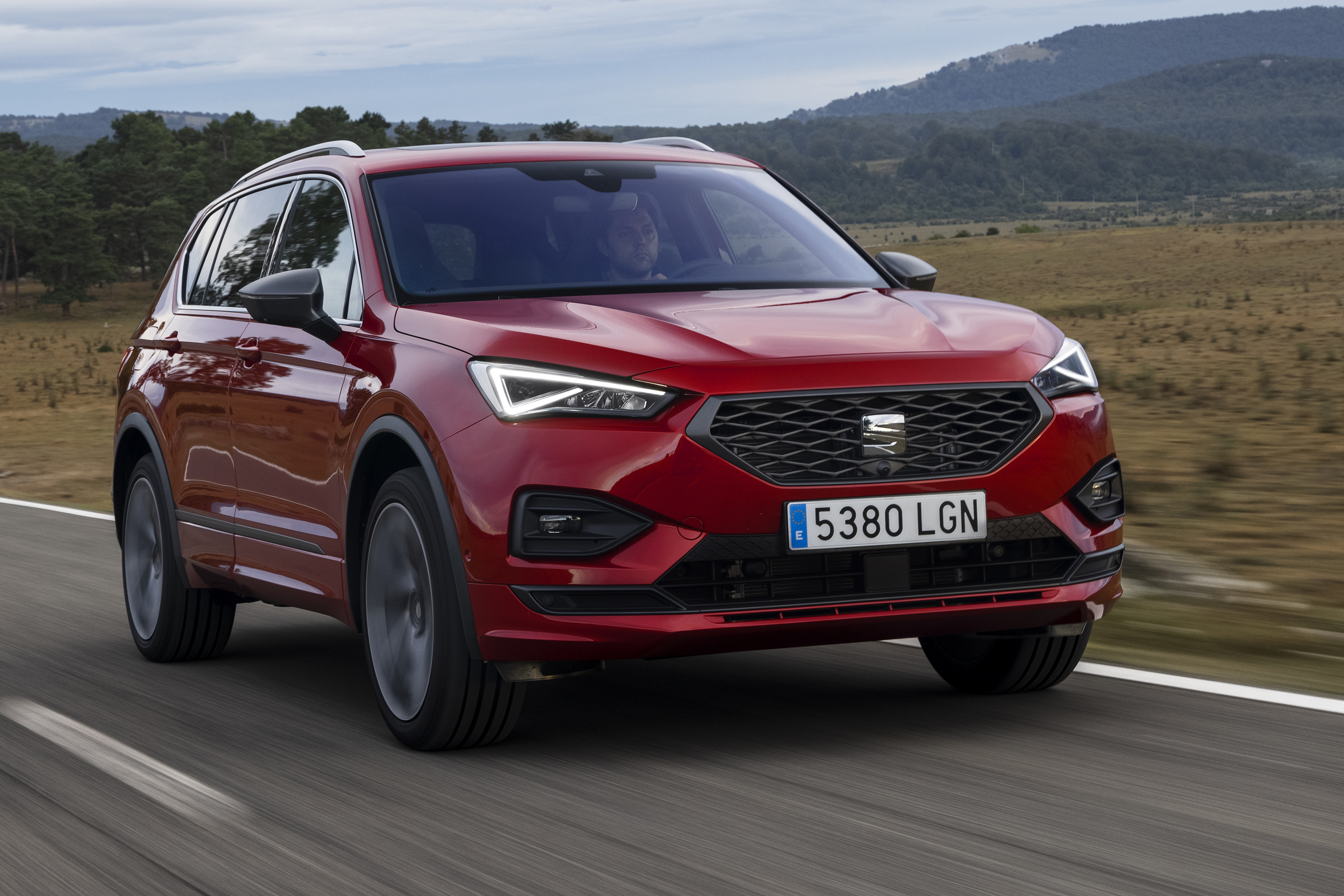
The SEAT Tarraco and Volkswagen Tiguan Allspace are the most obvious alternatives because they share so much with the Kodiaq underneath. The SEAT is the slightly sharper, more style-led option, while the Volkswagen feels a bit more premium but usually costs more.
The Peugeot 5008 is another strong rival if you want something more design-led inside, while the Hyundai Santa Fe and Kia Sorento are worth a close look if you want something bigger or more lavishly equipped.
The Kodiaq’s edge is that it combines space, usability and value better than most of them. It is not flashy, but it is deeply effective.
What's the interior like in the Skoda Kodiaq?
The Skoda Kodiaq’s interior is a great example of function done well. It may not be the most adventurous design in the class, but it is logical, comfortable and feels well built enough to stand years of family use.
Skoda Kodiaq boot space and practicality
A high seating position is a desirable feature in a car like the Skoda Kodiaq. Some SUVs position the seats fairly low down, however, in order to increase the feeling of space. While the Kodiaq has loads of adjustment in its seats, you do generally get that feeling of being high up and looking down at other traffic.
The seats are very wide and supportive, while it’s easy to find a comfortable seating position. Higher-spec models come with electrically-adjustable front seats, including adjustable lumbar support, while you’ll get manually-adjustable lumbar support on certain lower-spec models. This makes a big difference in supporting your lower back on long journeys.
There are some useful features which are offered as optional extras and might be worth looking out for. These include the Family Pack (£190 when new), which adds handy little touches like flip-out door edge protectors, roller blinds for the rear side windows and a small bin in the door pocket. The Sleep Pack, meanwhile, costs £325 when new and adds things like acoustic glass and special rear headrests designed to help you take a kip. It also gets tinted windows and mechanical sun blinds in the rear.
As you’d expect for an SUV of this size, there’s a huge amount of room in the front of the Skoda Kodiaq. Sure, the seats are positioned fairly high, but you’re not going to struggle for headroom. Legroom is generous too, and there’s plenty of room between the front seats to prevent any awkward elbow bashing.
There’s more than enough space for a couple of tall adults in the middle row, while a sliding bench lets you prioritise boot space or legroom. Individual reclining backrests are a nice feature, too.
Access to the second row of seats is easy, with Isofix points on the outer seats (and on the front passenger seat as an optional extra when new). Middle-seat passengers might find the seating position a bit narrow and awkward, but who carries three people in the back regularly? It’s definitely for occasional use only.
Talking of ‘occasional use’... most Kodiaqs will have seven seats. You won’t want to be using the rearmost pair on a daily basis, however. Getting into them is a bit of a challenge for adults, and only children will relish spending any time back there. If you’ve got a big family, you’d be much better off with a large MPV like a Volkswagen Sharan.
With all seven seats in use, you’ll find the boot’s quite tight. There’s only 270 litres of luggage space, which amounts to a few shopping bags and not a great deal more. Fortunately, the third row of seats easily drops entirely flat, providing a much bigger 835 litres of space. That should be enough for all the family paraphernalia you could possibly wish to carry - and if it’s not, a Skoda dealer will sell you an optional roof box.
Five-seat Skoda Kodiaq models are offered with a temporary space-saver spare wheel when new, but most Kodiaqs will come with a tyre repair kit. Not as useful in the case of a puncture, but practicality takes priority here…
Skoda Kodiaq dimensions
The Skoda Kodiaq measures 4,697mm long, 1,882mm wide and 1,680mm high. That makes it a sizeable SUV, but not an unmanageably large one.
It feels big enough inside to justify itself properly as a family car, yet still easy enough to place on the road and live with every day.
Tech and infotainment in the Skoda Kodiaq
For buyers on a budget, the entry-level Skoda Kodiaq S came with a tiny 6.5-inch infotainment system. It might sound small but it does the job, with useful buttons providing access to its rather limited features. Apple CarPlay and Android Auto are available via Skoda’s SmartLink system, allowing you to access your phone’s features on the move.
Kodiaq SE Drive models and above will have an eight-inch system as a minimum. It’s worth looking for a higher-spec model for this feature alone. We rate the eight-inch Amundsen infotainment display highly - it looks the part, with enough buttons to prevent it from being too distracting on the move. It also has fast responses and again comes with Apple CarPlay and Android Auto. Note, however, that navigation isn’t standard on the SE - you’ll need an SE Drive or above for that (if you're buying new, then sat-nav is now standard on all models.
The Columbus 9.2-inch navigation system is standard on Skoda Kodiaq SE L models and above. This is very similar to the smaller unit, but with in-built navigation as standard and a bigger screen. Again, it’s very impressive, with sharp graphics and all the features you could possibly want. It also brings with it onboard WiFi, which will appeal to families and business people alike. On the downside, it comes with fewer physical buttons making it a bit less easy to operate on the move.
As well as the infotainment, further tech highlights include a premium Canton sound system which is standard on the Kodiaq L&K. There’s also a 10.25-inch Virtual Cockpit offered across most of the range, replacing the conventional dials and giving you the ability to select from a number of different views. It looks pretty smart and is a desirable extra if you find one on the used market.
Materials available on the Skoda Kodiaq
Build quality throughout the Skoda Kodiaq's cabin is generally excellent. Sure, you’ll find some hard finishes if you look for them, but you could easily be fooled into thinking the Kodiaq wears a Volkswagen badge. It certainly feels well up to the job of handling the kind of abuse family life will throw at it.
High-spec Skoda Kodiaq SE L Executive and L&K models get full leather upholstery, which manages to make the Kodiaq’s cabin feel like a very classy affair. The SE L features part-leather seats which also look pretty smart, if not as luxurious as the full leather, while the Sportline trim gets sports seats with pleasant microsuede fabric.
Everything you touch feels well-finished, with even the buttons and switchgear having a premium vibe about them. Features like ambient lighting on the latest facelifted models also help to lift the premium feel, especially at night.
What's the Skoda Kodiaq like to drive?
The Kodiaq is one of those cars that does not set out to be exciting, but still ends up being very satisfying to drive because it is so well rounded.
Skoda Kodiaq range and performance
Diesel might be a bad word these days, but the 2.0 TDI suits the Skoda Kodiaq well. Even the lower-powered 150PS models feel pretty brisk, thanks to a useful amount of torque available early in the rev range. If you want one with a bit more poke, look for a 190PS version. This is available on SE L models and above and makes for a very relaxing drive, with enough power for overtaking with little hassle.
For the 2021 facelift, very little changes. That 190PS diesel engine has been uprated to 200PS, but it doesn't make a dramatic difference to the way the Kodiaq drives. It's worth noting, though, that there is no longer a manual gearbox option with a diesel engine - only the 1.5 TSI petrol gets one.
The Skoda Kodiaq was initially offered with a 1.4 TSI engine, which was replaced by 1.5 in a mid-2018. While we rate the 1.5 in other Volkswagen Group models, it’s a bit underpowered for a car the size of the Kodiaq. It’ll be fine if most of your driving is around town but, as soon as you fill the car with passengers and head for the hills, it’ll start to feel out of its depth. It’ll keep up the pace if you work it hard, but doing so will impact fuel economy.
If a petrol is a must but you’re after more power than the 1.5, look for one with the 190PS 2.0 TSI petrol engine. This feels effortlessly quick but, as it’s only available with the DSG automatic gearbox and four-wheel drive, it’s far from frugal.
Most Kodiaq models on the used market will come with the DSG automatic gearbox. This is good news as it suits the car well, providing an effortless drive and generally changing gears smoothly. If you’d prefer to change gears yourself, the Kodiaq is available with a six-speed manual transmission with most engines. It’s precise enough with a clean change and a light clutch pedal, but we’d still prefer the auto.
Performance data
| Model | Engine/battery size | Power | 0-62mph | Range/MPG |
|---|---|---|---|---|
1.5 TSI manual | 1.5-litre petrol | 150PS | 9.8 seconds | 40.5mpg |
1.5 TSI DSG | 1.5-litre petrol automatic | 150PS | 9.7 seconds | 42.2mpg |
2.0 TSI DSG 4x4 | 2.0-litre petrol automatic | 190PS | 7.8 seconds | 35.0mpg |
2.0 TDI manual | 2.0-litre diesel | 150PS | 10.0 seconds | 52.3mpg |
2.0 TDI DSG | 2.0-litre diesel | 150PS | 9.6 seconds | 50.4mpg |
2.0 TDI DSG 4x4 | 2.0-litre diesel | 200PS | 7.8 seconds | 42.4mpg |
Skoda Kodiaq driving and refinement
There’s no getting around the fact that the Skoda Kodiaq is a big car but, once behind the wheel, it’s not as daunting to drive as you might expect.
Most come with front and rear parking sensors but, for the ultimate in parking assistance, look for one with the optional 360-degree area view camera. That was made standard on higher-end models in late 2021. You can even get one with Skoda’s Park Assist, which can steer the Kodiaq into a space by itself.
Despite its size, the Skoda Kodiaq is quite an easy car to drive around town, with a genuinely high-up seating position, big door mirrors and light steering. Out of town, it strikes a good balance between handling and ride quality - especially if you buy one with small wheels. It’s not quite as agile as the smaller SEAT Ateca, but it can be hustled down a road quicker than something like a Hyundai Santa Fe.
One option box that’s rarely ticked is the Dynamic Chassis Control (DCC). This is Skoda language for adaptive suspension, giving the driver a choice of three different drive modes (normal, comfort and sport) - each with their own suspension settings. Four-wheel-drive models also get an off-road mode.
It’s an expensive option when new so most buyers won’t bother, and we wouldn’t pay loads extra for it on the used market. Sure, it’s slightly softer than the standard suspension in comfort mode, but you’re not going to notice a huge difference day-to-day. Really, the thing that most improves the Kodiaq's ride is avoiding the biggest wheels - but if you insist on having those, the DCC does help matters.
Four-wheel-drive models provide a little more security on slippery roads but it’s an expensive option in terms of buying and running costs. Unless you’re planning to lug a caravan across a field, we’d stick with one of the cheaper and more efficient two-wheel-drive models.
The Skoda Kodiaq’s refinement is definitely one of its key selling points. It does a brilliant job of filtering out noise from external factors, leaving you inside a car that’ll provide a comfortable sanctuary for many miles. There’s little in the way of vibration that makes its way into the cabin, which isn’t something that can be said for all of the Kodiaq’s mainstream rivals.
The 1.4- and 1.5-litre petrols are the quietest around town and at a standstill, although you’ll notice a clear thrum when you build the revs (something you’ll need to do if you wish to make progress or join a motorway). It’s a shame the Kodiaq isn’t available as a hybrid - you’d be better looking at the Toyota RAV4 if you want serene stop-start driving.
The diesels have a noticeable rumble - especially when cold - but once you’re up to speed (and temperature) on the motorway, they settle down into a quiet enough cruise.
The DSG gearbox generally changes gear early enough for refinement levels not to be hit, although it can occasionally be a little jerky when setting off from a standstill. You might notice your passengers heads bobbing if you try to make a hasty entry onto a roundabout...
Refinement is one of the Kodiaq’s biggest strengths. Wind and road noise are well suppressed, the diesel engines settle down nicely at speed and on a long trip the car feels every inch the calm family workhorse it was designed to be.
How safe is the Skoda Kodiaq?
There’s a whole host of clever safety assist features available on the Skoda Kodiaq but many of them are only available as optional extras, particularly on lower-spec models. The same applies with the 2021 facelift - really, we were expecting these features to be made standard.
If you want the latest driver assistance features, we’d recommend looking for a Kodiaq with the driver assistance package (a £1320 option when new). It’s only available on DSG models, adding things like lane assist with blind-spot detection - a system which uses cameras to nudge your steering if you start to wander from your lane, while also notifying you of vehicles in your blind spot using a light on the door mirror. This feature’s also offered as an option on its own.
Other highlights of the driver assistance package include adaptive cruise control, traffic jam assist (which can control the steering, braking and acceleration in a low-speed traffic jam), rear traffic alert (which notifies you of an approaching vehicle when reversing out of parking bays) and emergency assist (which can automatically bring the car to a standstill with the hazard lights on if it detects a driver who’s no longer responding).
For the 2021 facelift, Skoda split some of these featured up into individual or doubled-up option packs. This makes it easier to select what you want, but it's puzzling in this day and age that features such as adaptive cruise control aren't standard.
A driver alert system uses a fatigue sensor to warn you when to take a break, but it’s only available for an extra £50 when new. High-beam assist, which will automatically switch high-beam lights on and off when driving at night, is standard on Edition and L&K models, but a £205 option on lesser trim levels.
If you’ve got young children, you might want to look for a Kodiaq with the optional Isofix child seat mounting point on the front passenger seat. This is a £55 option when new and is in addition to the standard Isofix points on the outer rear seats.
When Euro NCAP crash tested the Kodiaq in 2017, it was awarded a maximum five-star safety rating. Given the test is stricter than it used to be regarding standard safety assist features, we expect it wouldn't fare as well today - although it'll still hold up well in a crash.
Running costs: What it's like to live with a Skoda Kodiaq
The Kodiaq should be a straightforward used SUV to live with if you choose the right engine and buy carefully. It is large and capable without becoming unduly expensive to run, which is a big part of its appeal.
Skoda Kodiaq fuel economy
Fuel economy is respectable for a car of this size, especially if you choose the 2.0 TDI 150. That remains the most convincing all-round option for buyers who want to balance performance and running costs.
The petrols are fine if your mileage is lower, but the 2.0 TSI is the one to approach with caution if economy matters.
Skoda Kodiaq warranty and servicing
Any remaining Skoda warranty will depend on the age of the car, but Approved Used examples remain the most reassuring place to start.
Skoda Plus Approved Used currently includes 1 year’s Warranty, 1 year’s Roadside Assistance, comprehensive multi-point checks, independent vehicle history and mileage checks and a service history check. That is a useful layer of reassurance on a family SUV that may have led a busy life.
Skoda servicing is generally straightforward, but on used examples it is still worth checking the history carefully.
Skoda Kodiaq insurance groups
The cheapest model to insure will be the Skoda Kodiaq SE with the 1.5 TSI petrol engine, as this falls into insurance group 15. Generally, the higher-spec and more powerful models gradually increase in insurance costs, with the 2.0 TDI 190 being noticeably costly - placed in insurance groups 23 to 25, depending on trim level. Aside from the sporty Skoda Kodiaq vRS, the L&K model with the 2.0 TSI 190 engine with DSG and 4x4 is the most expensive, placed in insurance group 26.
This is comparable to rivals and no Kodiaq should cost a fortune to insure unless you’re a young or inexperienced driver. If you’re concerned, it might be worth shopping around for quotes.
How much does it cost to tax a Skoda Kodiaq?
For most Skoda Kodiaq examples registered on or after 1 April 2017, the ongoing standard VED rate is now £200 a year. If the car’s original list price was over £40,000, it would also have been liable for the Expensive Car Supplement in years two to six, taking the annual total to £640 during that period.
That is worth watching here because higher-spec Kodiaqs could quite easily cross that threshold when new.
What trims are available with the Skoda Kodiaq?
In 2022, the trim levels changed as part of the facelift. That equipment walkthrough is below:
The base point is Kodiaq SE Drive, which is the only Kodiaq that is a five seater as standard (seven seats are optional, though). Standard kit includes 18in alloys, LED headlights, front and rear parking sensors with a rear-view camera, dual-zone climate control, keyless entry and start and an eight-inch touchscreen with sat-nav, Apple CarPlay and Android Auto.
Kodiaq SE L upgrades the wheel size to 19in, plus adds adaptive LED Matrix headlights, heated front seats, an electric bootlid and wireless phone charging. There's also some style upgrades inside and out, including chrome roof rails and nicer trim.
Kodiaq SE L Executive further changers the exterior and interior styling, plus adds leather upholstery and and electric memory driver's seat.
Kodiaq Sportline trim bring 20in alloys (which don't do the ride any favours) but you also get black exterior detailing, a sportier look, sports seats with suede trim and progressive steering. You also get the upgraded 9.2in infotainment system with integrated WiFi.
Finally, the standard Kodiaq range tops out with Kodiaq L&K trim. That drops the wheel size back down to 19in, but brings in a panoramic sunroof, ventilated seats, the Virtual Cockpit and an uprated sound system.
Ask the Drive experts: common questions
Is the old Skoda Kodiaq still worth buying?
Is the Skoda Kodiaq a proper seven-seater?
Is the Skoda Kodiaq better than the SEAT Tarraco or Volkswagen Tiguan Allspace?
Get our latest advice, news and offers
Keep me updated by email with the latest advice, news and offers from Drive.
.jpg)