Suzuki Ignis (2017-2025) Review

Written By Andrew Brady
- 2017
- Crossover
- Petrol and petrol mild hybrid
What we love
Distinctive styling and character
Spacious cabin for such a small car
Low fuel costs and optional four-wheel drive
Things to consider
Interior plastics feel cheap
Ride can become unsettled over sharp bumps
Motorway refinement is only average
The DRIVE take on the Suzuki Ignis, is it the right car for you?
The Suzuki Ignis is a strong used choice for drivers who want a small, economical car that feels more versatile than a conventional city hatchback.
Its upright body creates impressive passenger space, while the compact dimensions, light steering and good visibility make it particularly easy to drive in town. The 1.2-litre petrol engine is efficient, and ALLGRIP versions offer useful extra traction in winter or on muddy rural roads.
The cabin feels basic and the Ignis is less settled on long motorway journeys than larger alternatives, but its character, practicality and low running costs give it lasting appeal.
The Suzuki Ignis in more detail
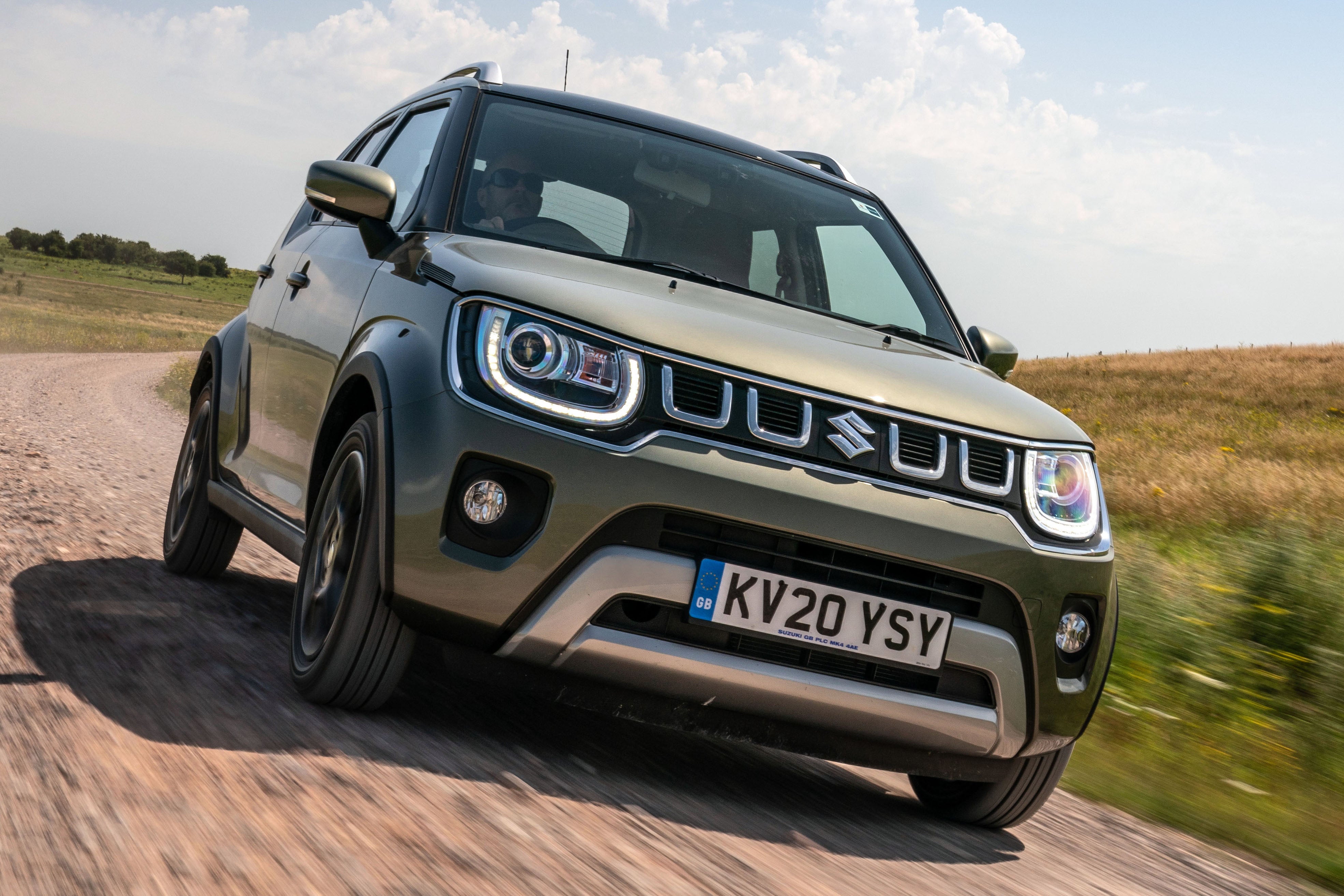
The Suzuki Ignis arrived in the UK in 2017 as an unusual combination of city car and miniature SUV.
At 3.7 metres long, it occupies less road space than most modern superminis, but its tall roof, raised driving position and chunky styling give it a stronger crossover flavour than conventional rivals.
Suzuki stopped selling the Ignis in the UK after dealer stock was exhausted, making it a used-only model in 2026. Its departure leaves the current Swift as Suzuki’s smallest new passenger car, although the Swift is lower, less SUV-like and not a direct replacement.
The Ignis used a single 1.2-litre Dualjet petrol engine throughout its UK life. Early buyers could choose versions with or without Suzuki’s SHVS mild-hybrid assistance, but the hybrid system later became standard.
It uses a small integrated starter-generator to recover energy during braking and assist the petrol engine during acceleration. The system cannot drive the car independently on electricity and does not need to be plugged in.
Most cars have a five-speed manual gearbox, although automatic versions were also offered at different points in the model’s life. Earlier automatics used an automated manual transmission, while later cars switched to a continuously variable transmission.
ALLGRIP four-wheel drive was available with selected manual versions. This does not turn the Ignis into a serious off-roader, but the additional traction is useful on snow, wet grass and muddy tracks.
The range was built around SZ3, SZ-T and SZ5 trims, although equipment changed during the car’s production run. SZ3 provides the basic essentials, while SZ-T introduces smartphone-compatible touchscreen infotainment and a more flexible sliding rear-seat arrangement.
SZ5 adds more safety technology and comfort equipment but usually commands a higher used price.
The Ignis was updated in 2020 with revised styling, mild-hybrid technology across the range and changes to the trim structure. Later cars look fresher and are generally more efficient, but early examples remain appealing when priced correctly.
What's the best Suzuki Ignis trim and engine option?
The Suzuki Ignis 1.2 Dualjet Hybrid SZ-T manual is the best all-round used version because it combines good fuel economy with the most useful cabin features.
SZ-T models have the sliding two-seat rear bench, allowing owners to trade rear legroom for additional boot capacity. They also add a touchscreen with Apple CarPlay and Android Auto, which makes the dated built-in software less important.
The manual gearbox suits the Ignis better than either automatic because it is light to operate, more responsive and generally more economical.
SZ3 is worth considering for buyers who prioritise price and need five seats, although its infotainment system is basic and the fixed rear bench is less flexible.
SZ5 adds autonomous emergency braking and extra comfort equipment, but used prices can overlap with larger and more refined alternatives.
ALLGRIP is useful for rural drivers or those who regularly face winter conditions, although its extra hardware reduces boot capacity and fuel economy.
What’s the price of the Suzuki Ignis?
Used Suzuki Ignis prices start at around £5,000 for early cars with higher mileage. Between £7,000 and £10,000 buys a broader selection of 2018 to 2021 examples, including many desirable SZ-T and SZ5 models.
Later mild-hybrid cars from 2022 or 2023 generally cost between £10,000 and £13,000, depending on mileage, trim and gearbox.
Low-mileage examples from the final years of production can approach £15,000, particularly in SZ5 trim or with ALLGRIP.
Used supply is more limited than it is for a Hyundai i10 or Kia Picanto, so buyers may need to travel for the right car.
Alternatives to the Suzuki Ignis
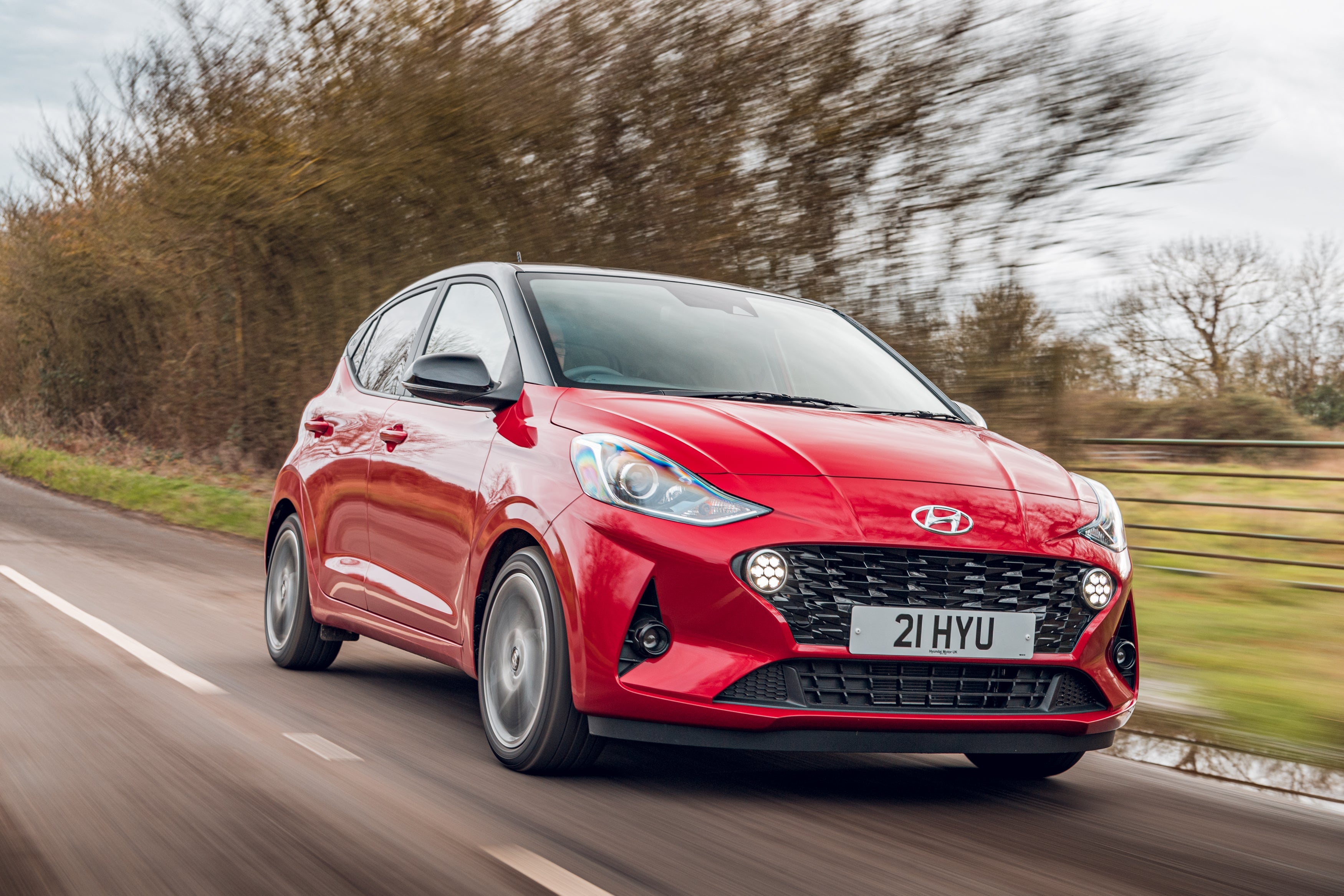
The Hyundai i10 is more refined, better finished and available in a broader selection of trims. It lacks the Ignis’s ground clearance and distinctive crossover appearance.
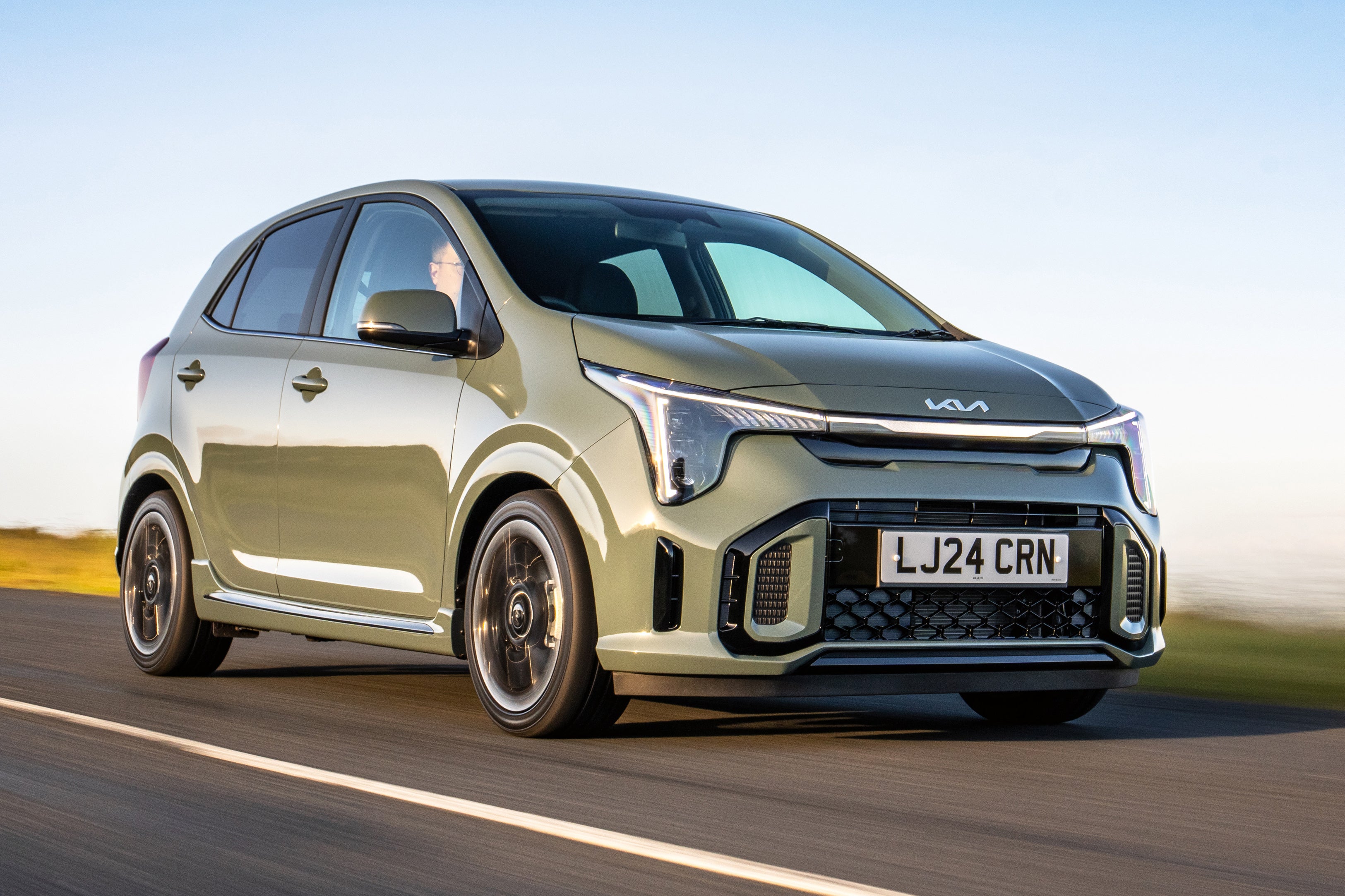
The Kia Picanto feels more substantial and has a longer original warranty. Rear space is tighter, while the Suzuki offers better visibility.
The Toyota Aygo X has SUV-inspired styling and a more modern cabin. It is less spacious in the rear and costs more as a newer used car.
The Volkswagen Up is more composed and refined, particularly at motorway speeds. It lacks the Suzuki’s flexible rear seating and elevated driving position.
The Dacia Sandero offers much more cabin and boot space for similar money. It is a larger car and does not feel as agile in tight urban areas.
What's the interior like in the Suzuki Ignis?
The Ignis has a bright and distinctive cabin with excellent visibility and far more passenger space than its compact exterior suggests, although the materials feel basic.
Suzuki Ignis boot space and practicality
The Ignis’s tall body makes it easy to get into and provides a raised driving position without the bulk of a conventional SUV.
The large windscreen and upright seating position give the driver a clear view ahead, while the short bonnet and compact dimensions make the car easy to judge in tight spaces.
The seat and steering wheel provide enough adjustment for most drivers, although the wheel adjusts for height rather than reach. Early SZ3 models may also lack driver’s-seat height adjustment, so taller drivers should check the seating position carefully before buying.
The front seats are comfortable enough for shorter journeys but provide limited side support, allowing occupants to move around more than they would in a Volkswagen Up or Hyundai i10 when cornering quickly.
Front headroom and legroom are generous for a car of this size, while the narrow centre console creates a reasonable amount of space around the driver and passenger.
Storage includes useful door pockets, cupholders, a glovebox and small trays around the dashboard and centre console.
The Ignis also makes good use of its height in the rear, where two adults can travel more comfortably than they can in many city cars.
SZ-T and SZ5 models have two individual sliding rear seats, allowing each passenger to choose between additional legroom and more luggage space.
SZ3 uses a conventional three-person bench, although the limited cabin width means the centre seat is only suitable for occasional use.
Isofix mounting points are fitted to the two outer rear positions, while the wide-opening doors and tall roof make it relatively easy to install child seats.
Boot capacity depends on trim, drivetrain and the position of the sliding rear seats. SZ-T and SZ5 models provide 260 litres with the seats in their normal position, increasing to approximately 373 litres when they are pushed forwards.
The five-seat SZ3 holds 267 litres, while ALLGRIP versions drop to 204 litres because the four-wheel-drive hardware occupies space beneath the floor.
A standard two-wheel-drive Ignis therefore carries more than many city cars, although the advantage disappears with ALLGRIP.
Folding the rear seats increases capacity to around 501 to 514 litres, depending on trim, but the seat design leaves an uneven load floor. The opening is broad enough for shopping bags and small suitcases, while the upright body makes the available space easy to use.
Suzuki Ignis dimensions
The Suzuki Ignis measures 3,700mm long, 1,690mm wide & 1,605mm high, making it particularly well suited to crowded streets and small parking spaces.
Its short and narrow body is easy to position, while the tight turning circle makes three-point turns straightforward.
The steering is very light at low speeds, and the high driving position makes the car’s corners easy to judge.
Higher trims have a reversing camera, although the Ignis is compact enough that parking is rarely difficult even without one.
Tech and infotainment in the Suzuki Ignis
Infotainment depends on trim and age.
SZ3 models use a basic audio system with DAB radio, Bluetooth and USB connectivity. The small digital display looks dated and can make browsing stations or music libraries awkward, but the physical buttons are easy to operate.
SZ-T and SZ5 versions add a touchscreen with Apple CarPlay and Android Auto. Earlier cars use a 6.2-inch display, while later models have a seven-inch system.
The screen looks more modern than the SZ3 setup but can be slow to respond, while the built-in navigation on equipped versions has dated graphics and menus.
Connecting a smartphone provides the simplest way to access navigation, music and calls.
Physical ventilation controls remain beneath the screen, allowing the driver to change temperature and fan settings without working through digital menus.
The conventional instrument cluster is clear, with a small display providing fuel economy, range and mild-hybrid information.
The system lacks the slickness of newer rivals, but the straightforward dashboard layout reduces the time needed to become familiar with it.
Materials available on the Suzuki Ignis
The Ignis cabin looks more distinctive than those in many city cars, with contrasting dashboard panels and lighter trim helping to break up the dark plastics.
The design remains appealing, particularly in cars with colour-coordinated interior details, but most surfaces are hard and some panels feel thin.
The steering wheel and gear lever are leather-trimmed on higher-specification cars, although the doors, dashboard and centre console remain firmly budget-grade.
Some switches lack the weight and precision found in a Volkswagen Up or Hyundai i10, while the doors sound light when closed.
The cabin generally feels securely assembled and should withstand everyday use, but heavily used examples may show scratches on the harder plastics.
Buyers should also listen for rattles on rough roads and check that the sliding rear seats lock securely in each position.
What's the Suzuki Ignis like to drive?
The Ignis is light, manoeuvrable and enjoyable around town, although its tall body and soft suspension make it less composed on faster roads.
Suzuki Ignis range and performance
Every Ignis uses a 1.2-litre four-cylinder petrol engine, with later versions gaining mild-hybrid assistance as standard.
Early 90PS cars feel reasonably lively because the Ignis weighs less than one tonne, while later 83PS mild hybrids provide sufficient performance for urban and rural driving despite their lower output.
The engine responds cleanly at lower speeds and has enough flexibility for ordinary traffic, although overtaking or joining a motorway requires planning.
The five-speed manual gearbox has a light clutch and a positive shift action, making it easy to use in traffic.
Earlier automated manuals can hesitate between ratios and feel jerky during low-speed manoeuvres, while later CVT automatics are smoother but allow the engine to hold high revs during stronger acceleration.
The mild-hybrid system recovers energy as the car slows and uses it to assist the petrol engine when accelerating. Its contribution is subtle, with improved stop-start operation and a small reduction in fuel use rather than electric-only driving.
Performance data
| Model | Engine/battery size | Power | 0-62mph | Range/MPG |
|---|---|---|---|---|
Ignis 1.2 Dualjet | 1.2-litre | 90PS | Up to 61mpg | |
Ignis 1.2 Dualjet Hybrid | 1.2-litre | 83PS | Up to 56.4mpg | |
Ignis 1.2 Dualjet Hybrid ALLGRIP | 1.2-litre | 83PS | Up to 51mpg |
Suzuki Ignis driving and refinement
The Ignis feels at its best in town, where its low weight, light steering and compact dimensions make it easy to thread through narrow gaps.
The suspension deals well with most cracked and patched urban surfaces, providing a softer ride than the car’s short wheelbase might suggest. Sharper potholes and ridges can still send a noticeable thump through the cabin, while a sequence of bumps can make the body feel unsettled.
The tall shape produces noticeable lean through faster bends, although grip is adequate and the car remains predictable.
The steering is accurate but provides little feedback, so the Ignis feels more playful than genuinely sporty. Its low weight helps it change direction eagerly, and the modest performance allows drivers to use much of the engine without reaching excessive speeds.
ALLGRIP versions automatically send power to the rear wheels when the front tyres lose traction, helping them cope with wet grass, muddy tracks and light snow.
Hill-descent control adds reassurance on slippery slopes, although the Ignis is not designed for deep mud or serious off-road routes.
The engine remains quiet enough during gentle driving, but wind noise builds around the windscreen and mirrors at higher speeds. Road noise also becomes more noticeable on coarse motorway surfaces, making the Ignis less relaxing over long distances than a Volkswagen Up or larger supermini.
How safe is the Suzuki Ignis?
Euro NCAP tested the Ignis in 2016 and published separate results for cars with standard equipment and those fitted with the optional safety pack.
The standard car received three stars, while the safety-pack version achieved five stars under the test protocol used at the time. Both ratings have since expired and should not be compared directly with assessments of newer cars.
All versions have six airbags, stability control and Isofix mounting points on the two outer rear seats.
The safety pack adds autonomous emergency braking, lane-departure warning and a speed limiter, and was standard on later SZ5 models.
Equipment varies according to age and trim, so buyers should check the individual car rather than relying solely on the badge.
Running costs: What it's like to live with a Suzuki Ignis
The Ignis combines strong fuel economy with simple mechanical components and the potential for long-term warranty cover through Suzuki servicing.
Suzuki Ignis fuel economy
Official economy varies according to model year and testing method, but most Ignis versions return between approximately 51 and 61mpg.
Later mild-hybrid cars can achieve up to around 56.4mpg under WLTP testing, while front-wheel-drive manuals generally provide the best real-world results.
The car’s low weight helps it achieve fuel economy close to its official figures in mixed driving, with results in the low to mid-50s realistic for a well-maintained manual.
Urban use and gentle rural journeys suit the engine particularly well, while automatic and ALLGRIP versions use slightly more fuel because of their additional mechanical losses and weight.
Suzuki Ignis warranty and servicing
The original manufacturer warranty covered three years or 60,000 miles, so most examples are now outside their initial cover.
Suzuki’s service-activated warranty can provide renewed protection after a qualifying dealer service until the car reaches 10 years old or 100,000 miles.
Eligibility depends on the vehicle’s age, mileage, service history and the terms of the programme.
The Ignis has a strong reputation for reliability, but used buyers should still check for a complete maintenance record, uneven tyre wear and warning lights relating to the safety systems.
Automatic versions should move away smoothly, while ALLGRIP cars should be inspected for damage underneath if they have been used off road.
Suzuki Ignis insurance groups
The Suzuki Ignis sits broadly between insurance groups 15 and 21, with entry-level front-wheel-drive manuals generally at the lower end and high-specification, automatic or ALLGRIP versions higher.
The ratings are relatively steep for a small, low-powered car, so younger and newly qualified drivers should obtain insurance quotes before buying.
How much does it cost to tax a Suzuki Ignis?
Most Ignis models were registered after 1 April 2017 and pay the standard annual Vehicle Excise Duty rate of £200.
A small number of the earliest cars were registered before the rules changed and remain on the previous emissions-based system, where annual tax can be much lower.
Buyers should check the registration date and exact tax status of the individual car. No Ignis had a list price close to the £40,000 Expensive Car Supplement threshold.
What trims are available with the Suzuki Ignis?
SZ3 is the entry-level trim and includes air conditioning, DAB radio, Bluetooth, electric front windows and daytime running lights.
It has a five-seat rear bench rather than the more flexible pair of sliding rear seats fitted to higher trims.
SZ-T adds alloy wheels, a touchscreen with Apple CarPlay and Android Auto, roof rails and the sliding two-seat rear arrangement.
That combination of connectivity and cabin flexibility makes it the best choice for most buyers.
SZ5 adds keyless entry, automatic climate control, LED headlights and additional safety equipment, including autonomous emergency braking on applicable models.
Later trim specifications changed slightly, so equipment should be checked on the individual car.
ALLGRIP was reserved for selected higher-specification versions and is most worthwhile for rural or winter use.
Ask the Drive experts: common questions
Is the Suzuki Ignis still available new?
s the Suzuki Ignis a proper four-wheel-drive car?
How big is the Suzuki Ignis’s boot?
Which used Suzuki Ignis is best?
Get our latest advice, news and offers
Keep me updated by email with the latest advice, news and offers from Drive.
.jpg)
.jpg)
.jpg)