Toyota Aygo X Review

Written By Lawrence Allan
- 2022
- City car
- Hybrid
What we love
Exceptionally efficient for a small petrol car
Funky styling inside and out
Better performance than the old Aygo X
Things to consider
There are more spacious city cars
The canvas roof hurts rear headroom
Larger rivals offer more outright practicality
The DRIVE take on the Toyota Aygo X, is it the right car for you?
The Toyota Aygo X was already one of the most likeable city cars on sale, and this updated hybrid version makes a lot more sense than before. It still looks playful, it is still easy to place in town and it still has the sort of chunky crossover styling many buyers seem to enjoy, but the old 1.0-litre petrol engine has now been replaced by a much stronger and much more efficient full-hybrid setup. That makes the new Aygo X easier to recommend, even if it remains a small car with the usual compromises in rear space and outright practicality.
What really matters here is that Toyota has not lost the Aygo X’s charm in the process. This is still a small car bought as much with the heart as the head. Buyers like the way it looks, like the fact it sits a little higher than a conventional city hatch and like the sense that it feels more cheerful than most cars at this end of the market. The difference now is that you no longer need to make quite such a big dynamic sacrifice to get that style.
It still is not a miniature Yaris and it still is not trying to be one. The Aygo X remains best suited to urban life, shorter commutes and drivers who want something compact, efficient and simple to own. But the hybrid update gives it broader ability than before and makes it much easier to justify as your only car if your needs are modest.
The Toyota Aygo X in more detail
The Aygo X always occupied an unusual niche. It took the old Aygo city-car idea and gave it crossover styling, a slightly raised seating position and a more fashion-led image. At first that looked like a clever way of keeping the city car alive when most rivals had disappeared, but the original version always had one notable weak point: its old 1.0-litre engine felt increasingly out of step with the rest of the car.
That has changed. The current Aygo X is now hybrid-only in the UK, using Toyota’s familiar 1.5-litre full-hybrid system. This is a major step on, not just because it is more efficient, but because it also makes the car feel more grown up and more usable beyond the city limits.
Browse used Toyota Aygo Xs for sale →
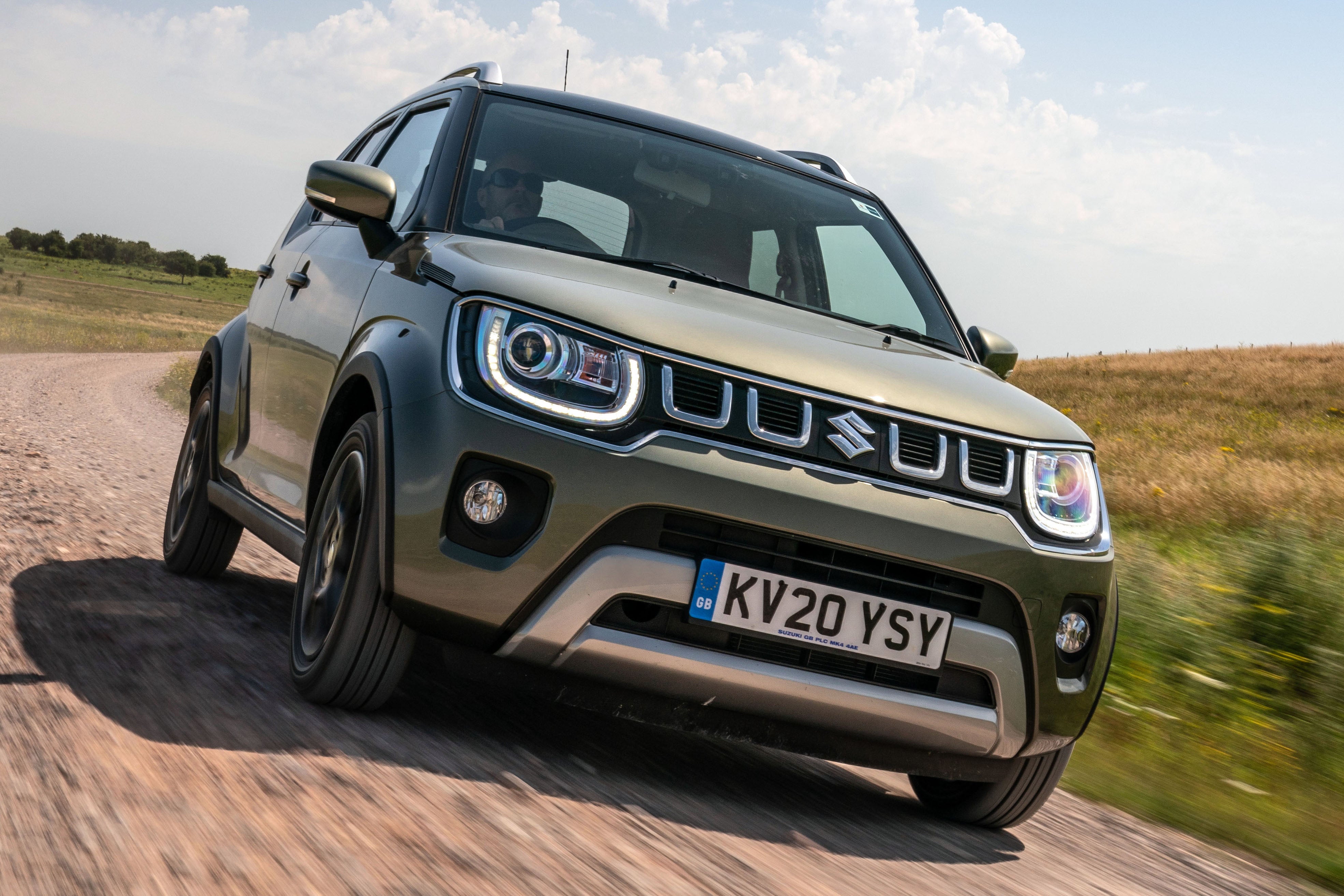
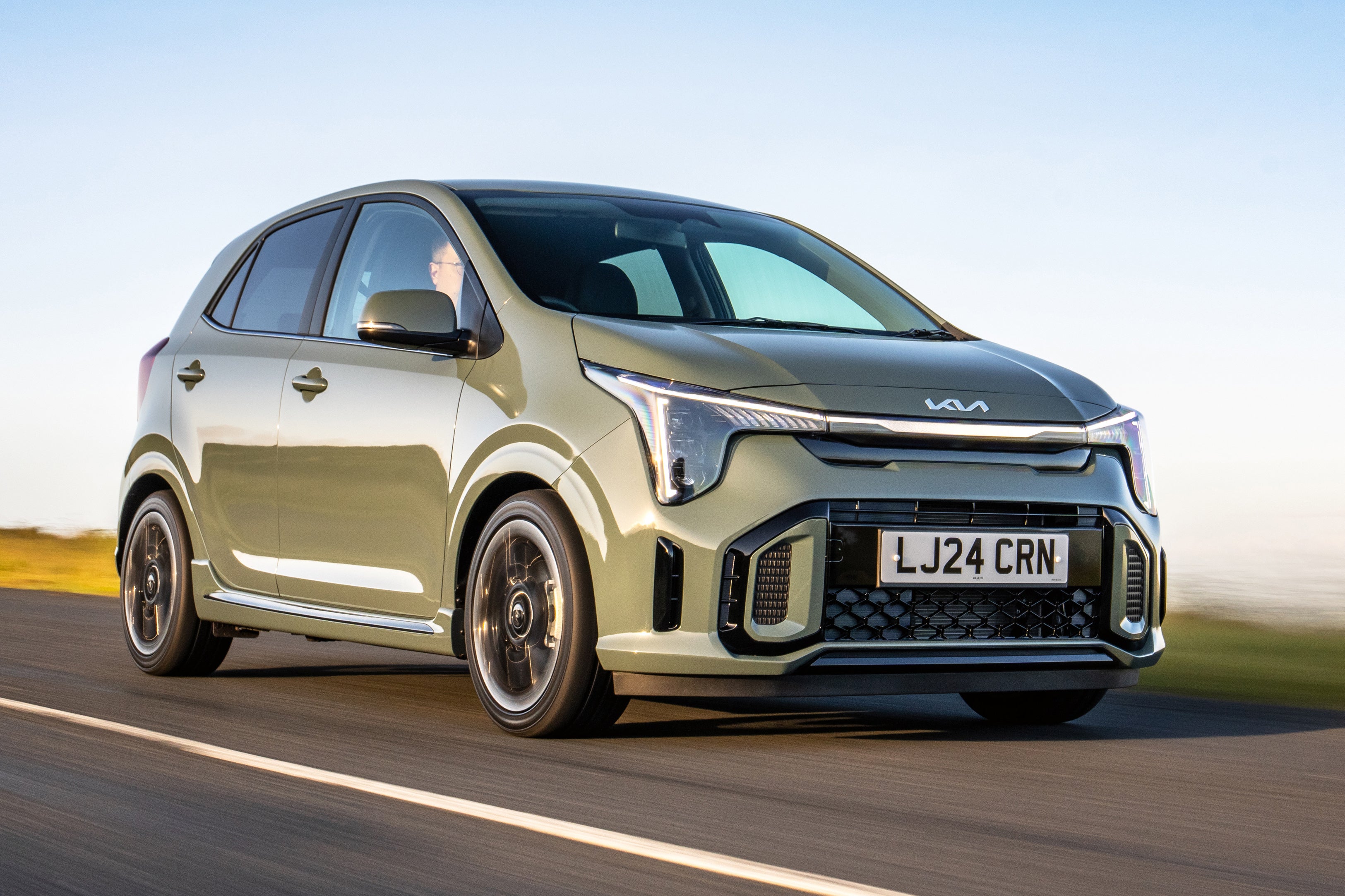
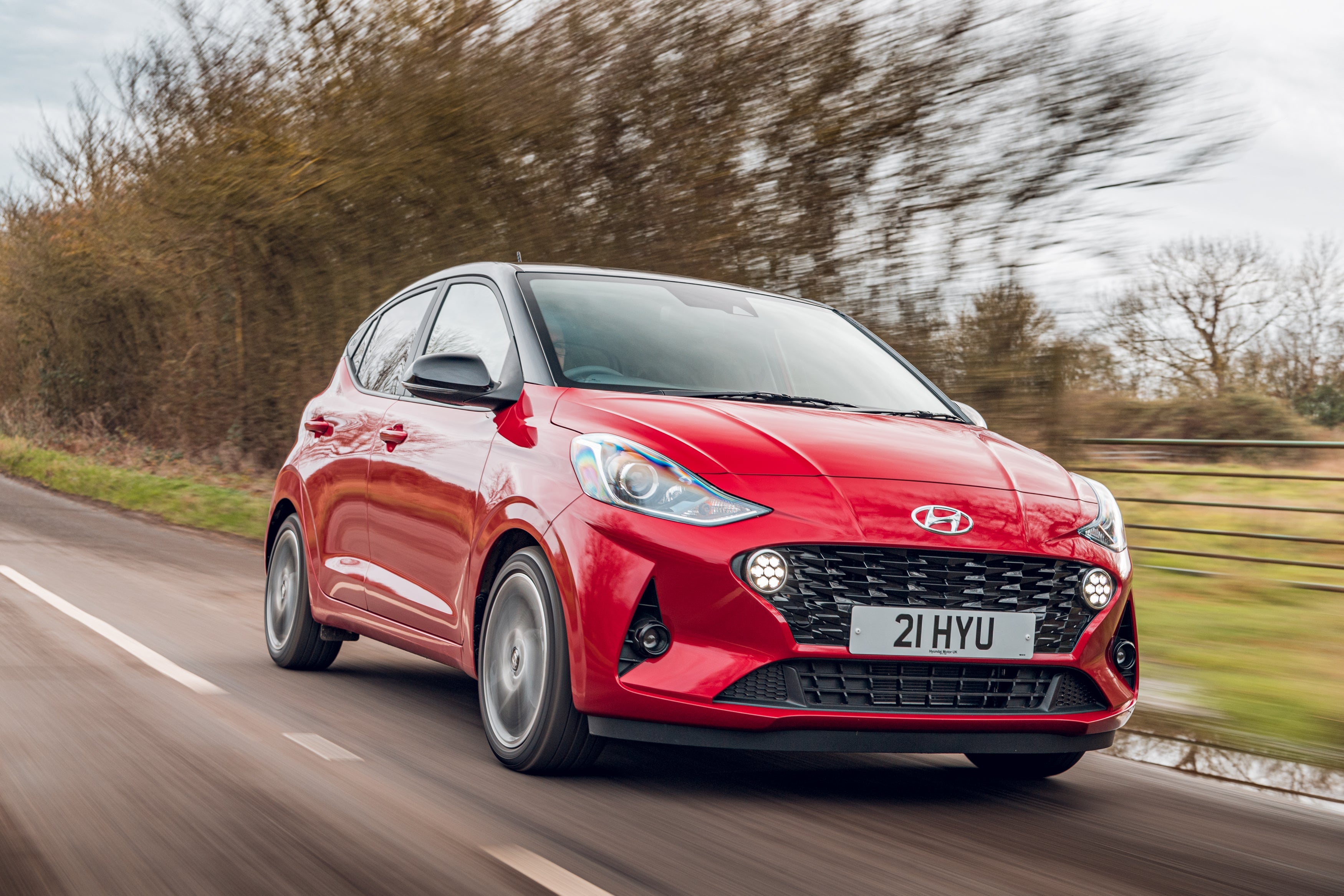
That matters because the Aygo X still does not have many direct rivals. Traditional city cars are rare now, and the Aygo X’s pseudo-crossover look puts it in a niche of its own. The Suzuki Ignis is the closest thing in spirit, while the Kia Picanto and Hyundai i10 are more conventional small hatchbacks.
The Toyota’s appeal remains broader than just young first-time buyers, too. Yes, it still makes sense as a first car, but it also works for older drivers downsizing into something easy to park, cheap to run and not too intimidating to own.
The key thing is that the hybrid update has turned the Aygo X from a charming but compromised oddball into a genuinely smart small-car choice.
Toyota has also been shrewd in the way it has positioned the car. The Aygo X is no longer sold as a bare-bones budget city runabout. Instead, it has been pushed gently upmarket, with better standard equipment, a stronger technology story and the kind of hybrid efficiency Toyota buyers increasingly expect as standard. That inevitably makes it more expensive than the old Aygo formula, but it also makes it feel like a much more complete product.
This is important because cheap and cheerful is no longer enough in this part of the market. Buyers spending over £20,000 on a small car want something that feels contemporary and considered, not something that trades only on being tiny and inexpensive. The Aygo X Hybrid now has a much stronger answer to that brief.
What's the best Toyota Aygo X trim and engine option?
The good news is that Toyota has simplified the hard bit. There is now just one powertrain in the Aygo X range: the 1.5-litre full-hybrid system with 116PS and an automatic transmission.
That means your main choice is trim. For most buyers, the best Toyota Aygo X is the Design. It adds enough useful extra kit over the entry-level Icon to make the car feel more special day to day, but it still avoids the higher price of the top versions.
Icon is far from stripped out, though. Toyota gives it a lot of standard equipment, including a nine-inch touchscreen, adaptive cruise control and a solid spread of active safety kit. That makes it easy to recommend if price matters most.
Excel is the plush one, adding more comfort and convenience kit, while GR Sport is the interesting choice. It brings sportier styling and a lightly sharpened chassis, but this is still an Aygo X first and foremost, not a pocket hot hatch.
In simple terms, Icon is the value one, Design is the sweet spot, Excel is the plush one and GR Sport is the sporty-looking one.
The Design also feels like the point at which the Aygo X’s visual character really comes through. The larger wheels, smarter trim details and upgraded cabin touches lift it beyond the basic look of an entry-level city car without taking it into decorative-overkill territory.
It is also the version most likely to appeal to private buyers who want the Aygo X because they genuinely like it, rather than simply because it is the cheapest way into a Toyota showroom. That balance is what makes it the one to pick.
What’s the price of the Toyota Aygo X?
The Toyota Aygo X Hybrid currently starts at £21,595 for the Icon. The Design is £23,695, the Excel rises to £26,045 and the GR Sport tops the range at £26,895. There are also plenty of used Toyota Aygo Xs for sale for considerably less.
That does make the Aygo X noticeably more expensive than the old petrol version, and there is no getting away from the fact that this is a lot of money for a city car-sized vehicle. But you are also getting much more performance, much better economy and a higher level of standard equipment than before.
In that context, the Aygo X looks more like a very small hybrid car than a budget runabout, and that changes the way its pricing should be judged.
Used supply of the hybrid version is still extremely limited because the car is so new, so for the time being this is mainly a new-car proposition.
That may still be a sticking point for buyers used to seeing city cars as the cheapest end of the market. The Aygo X no longer really plays that role. Cars such as the Hyundai i10 and Kia Picanto still make a clearer value case if maximum space for minimum cash is the priority.
But the Toyota’s price makes more sense once you treat it as a compact hybrid crossover-style hatch with unusually strong efficiency and safety kit, rather than as a stripped-out urban appliance.
Alternatives to the Toyota Aygo X
The Suzuki Ignis remains the Aygo X’s closest conceptual rival because it combines small dimensions with a lightly SUV-inspired look and a useful upright cabin. It is still clever and characterful, though it now feels older and less polished than the Toyota.
The Kia Picanto is the more conventional alternative. It offers a more traditional city-car shape, a roomier back seat and a clearer value story, even if it does not have the Toyota’s image or hybrid efficiency.
The Hyundai i10 is another very strong small-car rival. It is roomy for its size, easy to drive and more mature in feel than many city cars, though it too lacks the Aygo X’s more distinctive crossover styling.
Beyond those three, buyers with a little more budget may find themselves looking at the Toyota Yaris, simply because it offers a lot more space and only asks for so much more money. The Aygo X makes most sense if you want something genuinely compact, well equipped and very efficient without giving up too much personality.
You could also argue that the Fiat 500 still belongs in this conversation, especially if image matters most. The difference is that the Fiat leans much harder into retro appeal, while the Aygo X feels more modern, more usable and more rationally equipped. That may not make it cooler, but it does make it easier to live with.
What's the interior like in the Toyota Aygo X?
The Aygo X’s cabin still majors on simplicity, but that is no bad thing in a car like this. It looks cheerful, feels sturdily built and is easy to get along with.
Toyota Aygo X boot space and practicality
The Aygo X is still a small car with small-car compromises. Up front there is enough room for adults to get comfortable, but in the back things are predictably tighter.
Rear-seat space is acceptable for shorter journeys and children, though adults will notice the limited legroom quickly. This is a strict four-seater, too, which is worth bearing in mind if you occasionally need to squeeze five in.
Boot space stands at 231 litres. That is adequate for shopping and smaller bags, but it is still shy of what you get in the Hyundai i10 and Kia Picanto. Fold the rear seats and there is more room, but the Aygo X remains a car best suited to one or two occupants most of the time.
The optional canvas roof also needs careful thought. It adds character and open-air fun, but it significantly compromises rear headroom, to the point that taller passengers in the back will really notice it.
That said, the Aygo X is still usefully more practical than the old Aygo in the ways that matter most to urban buyers. The wider body helps front-seat occupants feel less hemmed in, and the boot is large enough to cope with the weekly shop or a couple of soft bags. It is not a miracle of packaging, but it is no longer quite as apologetic as city cars used to be.
The one thing to keep in mind is that rivals such as the i10 do a better job of feeling like small family cars in miniature, whereas the Toyota still feels more like a style-led city car that can occasionally stretch to broader duties.
Toyota Aygo X dimensions
The Toyota Aygo X measures 3,776mm long, 1,740mm wide & 1,525mm high. That makes it slightly larger than an old-school city car, but still comfortably compact enough for tight urban use.
Those dimensions are a big part of the Aygo X’s appeal. It remains very easy to park, easy to thread through narrow streets and generally well suited to the kind of environments in which larger superminis already feel a bit bulky.
The extra height compared with a conventional city hatch also helps with the driving position. You sit slightly more upright, with a clearer view out than in some lower, more enclosed small cars. That will particularly appeal to older buyers and anyone who values ease of entry and exit.
Tech and infotainment in the Toyota Aygo X
Toyota has done well here. Even the entry-level Aygo X Hybrid now comes with a 9-inch multimedia screen, which is more generous than plenty of small cars manage.
The system itself is easy enough to use, and smartphone connectivity is standard. Higher trims build on that with larger-screen Smart Connect functionality, navigation and extra connected services, but the key thing is that no Aygo X feels technologically bare.
There are enough USB-C connections and charging options across the range to keep it feeling current, and while the system is not especially flashy, it does the basics well. That is arguably more important in a small urban car than endless layers of digital showmanship.
The overall impression is of a cabin designed by people who understand that convenience matters more than theatre in this class. You can get in, pair your phone, set the climate and get moving without having to fight the car first. That is exactly how it should be.
Materials available on the Toyota Aygo X
As with most city cars, hard plastics are everywhere. The difference is that Toyota has managed to make them feel robust rather than nasty.
The Aygo X’s interior does not feel premium, but it does feel as though it will stand up well to years of use, and that suits the car’s brief. Some contrasting trim and colour detailing help brighten things up, especially away from the entry-level cars.
Build quality is one of the stronger points. This is a little Toyota that feels as though it has been designed to survive real life.
That matters more than softness in a car like this. Nobody is buying an Aygo X expecting plush materials and stitched leather surfaces. What they do want is something that feels durable, solid and smart enough that it does not seem cheap every time they climb aboard. On that front, the Toyota does a good job.
What's the Toyota Aygo X like to drive?
The Aygo X has always been an easy car to enjoy in town, but the hybrid powertrain gives it a much broader spread of ability than before.
Toyota Aygo X range and performance
All current Aygo X models use Toyota’s 1.5-litre full-hybrid setup with a total system output of 116PS. That is a substantial step up from the old 72PS 1.0-litre petrol engine and transforms the way the car feels.
Toyota says the new hybrid powertrain improves acceleration significantly, and even if exact headline performance figures are less important in a car like this, the real-world difference is easy to imagine. The Aygo X no longer has to rely on wringing the neck of a tiny naturally aspirated engine just to keep up.
That does not make it fast, but it should make it much more effortless, especially once roads get quicker and traffic gets heavier.
This is probably the most meaningful single improvement to the Aygo X. The old car always felt as though it demanded a bit too much anticipation once you left town. The hybrid version should still feel small-car brisk rather than genuinely quick, but it now has enough performance to avoid feeling apologetic.
Performance data
| Model | Engine/battery size | Power | 0-62mph | Range/MPG |
|---|---|---|---|---|
Hybrid | 1.5-litre | 116PS | 10.0 seconds | Up to 76.3mpg |
Toyota Aygo X driving and refinement
The Aygo X’s chassis was already one of the better things about the old car, and that should remain true here. The underlying platform gives it a mature, stable feel for such a small car, and it is more composed at speed than many city cars of the past ever were.
Around town, the light steering and tiny dimensions still make it a doddle to drive. On country roads and dual carriageways, it feels more stable and settled than you might expect from something this short.
Toyota has also worked to improve refinement in the hybrid model, adding more noise-damping measures and extra insulation. That should help the new car feel more grown up still, particularly in urban driving where it can make more use of electric running.
The GR Sport version is the most dynamic-looking Aygo X and gets some suspension and steering tweaks, but it is still best thought of as a lightly sharper small car rather than a genuinely sporty one.
The main thing here is that the Aygo X no longer feels like a city car nervously pretending to be bigger than it is. It now behaves more like a genuinely mature small hatchback that just happens to be extremely compact. That is a meaningful distinction, and it makes the car easier to recommend to buyers who occasionally need to leave town.
How safe is the Toyota Aygo X?
The Aygo X has always been notably strong on safety kit for a car of this size, and the current hybrid version builds on that with an upgraded Toyota Safety Sense package.
That includes full-range adaptive cruise control, proactive driving assist, an enhanced pre-collision system, lane trace assist and road sign assist. Higher trims also add front and rear parking sensors and other useful features.
Euro NCAP gave the earlier Aygo X a four-star safety rating, and the updated hybrid version also carries a four-star result under the newer 2025 regime. That is not class-leading, but the breadth of standard active-safety kit remains impressive for such a small car.
This remains one of the Aygo X’s strongest arguments against older city-car thinking. Small no longer has to mean stripped back on safety, and Toyota deserves credit for making the car feel well specified in this area right across the range.
Running costs: What it's like to live with a Toyota Aygo X
Running costs are one of the Aygo X Hybrid’s biggest selling points. This is where the new hybrid system really earns its keep.
Toyota Aygo X fuel economy
Toyota quotes fuel economy of up to 76.3mpg for the Aygo X Hybrid, with official WLTP figures ranging from 70.6 to 76.3mpg depending on trim.
That makes it an exceptionally efficient small petrol-hybrid car and a big step on from the old non-hybrid Aygo X. It should be particularly good in town, where the hybrid system can lean more heavily on electric running.
In practical terms, the Aygo X should be a very cheap car to fuel for drivers doing lots of urban mileage.
That efficiency also helps justify the higher list price. The Aygo X is no longer cheap by city-car standards, but it should claw back some of that premium over time if your driving is mostly stop-start and urban.
Toyota Aygo X warranty and servicing
Toyota’s warranty remains one of the Aygo X’s strongest ownership arguments. Every new Aygo X comes with a three-year manufacturer warranty, and Toyota extends cover with an additional 12 months or 10,000 miles every time the car has a qualifying service at an approved dealer, up to 10 years or 100,000 miles.
Toyota schedules the Aygo X at 12 months or 10,000 miles, whichever comes first, and that same annual pattern is what owners should budget around with the Aygo X. That is not an especially long interval, but it is straightforward and pairs neatly with Toyota’s service-activated warranty setup.
This is worth stressing because Aygo X ownership looks especially reassuring in this part of the market. Many buyers will keep a car like this for a long time, and the combination of simple annual servicing and the possibility of warranty cover stretching out to 10 years is a significant selling point.
Toyota Aygo X insurance groups
The new Aygo X Hybrid sits in insurance group 18 across the range. That is a step up from the old petrol Aygo X, but still reasonable enough given the jump in performance and the amount of safety kit included.
You would not call it bargain-basement cheap to insure, but it should still remain accessible for a wide range of drivers, particularly compared with larger hybrids and more powerful small cars.
How much does it cost to tax a Toyota Aygo X?
The Toyota Aygo X now costs £195 a year in VED after year one, which is the current standard annual rate for petrol and hybrid cars.
The Expensive Car Supplement only applies to petrol and hybrid cars with a list price above £40,000, and the Aygo X is nowhere near that threshold. So there is no extra premium-car tax sting to worry about here.
What trims are available with the Toyota Aygo X?
The Toyota Aygo X Hybrid line-up consists of Icon, Design, Excel and GR Sport.
Aygo X Icon is the entry point and already gets plenty. Highlights include 17-inch alloy wheels, the 9-inch touchscreen, automatic air conditioning, the 7-inch digital combimeter and an extensive Toyota Safety Sense package.
Aygo X Design is the sweet spot. It adds 18-inch alloy wheels, LED headlights, push-button start, wireless charging, heated folding mirrors, an electronic parking brake and extra cabin soundproofing.
Aygo X Excel is the more luxurious choice. It gets the 10.5-inch Smart Connect multimedia system, front and rear parking sensors, smart entry and heated front seats. The optional Premium Pack brings the JBL audio and retractable canvas roof.
Aygo X GR Sport is based on the Excel but adds sportier styling, suspension tuning and dedicated alloy wheels. It is the most eye-catching Aygo X, though not necessarily the most rational.
One of the Aygo X’s strengths is that there is no genuinely poor trim in the range. Even the base car feels properly specified, which means buyers can shop on price or taste rather than feeling forced upwards simply to get the essentials.
Ask the Drive experts: common questions
Is the Toyota Aygo X a good city car?
Which Toyota Aygo X is best?
Is the Toyota Aygo X hybrid-only now?
Does the Toyota Aygo X get the Expensive Car Supplement?
Get our latest advice, news and offers
Keep me updated by email with the latest advice, news and offers from Drive.
.jpg)
.jpg)
.jpg)