Tesla Model Y Review

Written By Richard Aucock
- 2022
- SUV
- Electric
What we love
Huge passenger and luggage space
Excellent efficiency and driving range
Superb charging and navigation integration
Things to consider
Too many functions rely on the touchscreen
No Apple CarPlay or Android Auto
Ride is firmer than some rivals
The DRIVE take on the Tesla Model Y, is it the right car for you?
The Tesla Model Y is one of the most convincing electric family SUVs you can buy. It’s enormously practical, impressively efficient and particularly easy to live with on long journeys thanks to excellent route planning and seamless access to Tesla’s Supercharger network. There’s plenty of performance even in the basic Rear-Wheel Drive, while Premium versions offer close to 400 miles of official range and a more luxurious cabin.
The touchscreen-heavy interface won’t suit everyone and rivals such as the Skoda Enyaq offer a softer ride and more conventional controls. Insurance can be expensive, too. But for buyers who prioritise space, efficiency, technology and effortless EV touring, the Model Y is an extremely strong all-rounder.
The Tesla Model Y in more detail
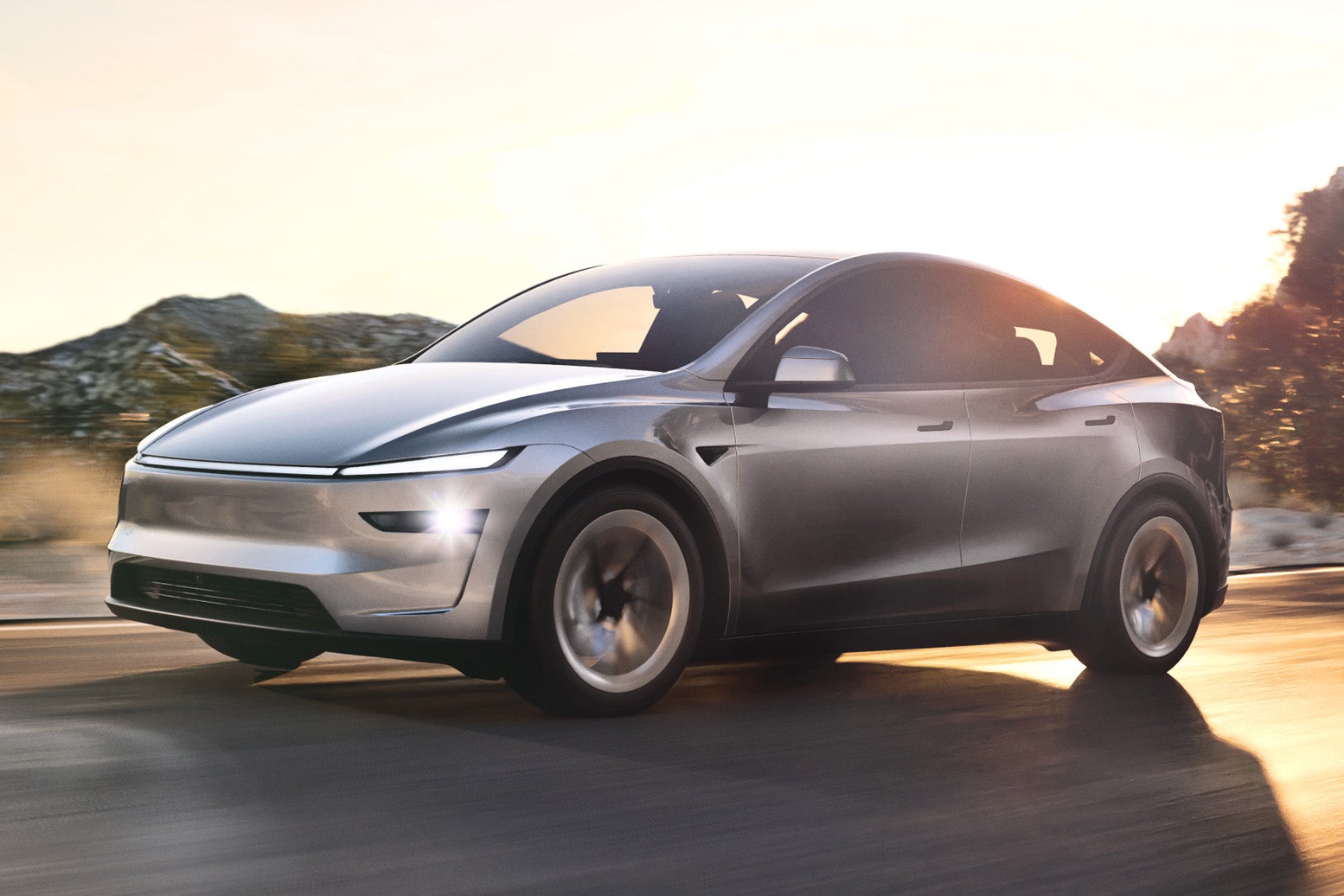
Few electric cars have had as much impact as the Tesla Model Y. It takes the basic concept of the Model 3 and packages it in a taller, vastly more practical SUV body with room for a family and an enormous amount of luggage. The current car dates from a comprehensive redesign introduced in 2025. It has a cleaner exterior with slim lighting, a much quieter cabin and suspension tuned for greater comfort.
There are two distinct flavours in the current UK range. The entry-level Model Y Rear-Wheel Drive puts the emphasis on value and efficiency. It has a simpler textile-trimmed cabin and misses some of the luxury features fitted to Premium versions, but it retains the core Tesla experience: a huge central touchscreen, excellent navigation, over-the-air software updates, strong efficiency and access to the Supercharger network.
Above it sit the Model Y Premium versions. The Long Range Rear-Wheel Drive maximises efficiency and touring range, while the Long Range All-Wheel Drive adds another motor for stronger acceleration and extra traction. It can also be ordered with seven seats – the only current UK Model Y with that option.
At the top is the Model Y Performance, with four-wheel drive, adaptive suspension, 21-inch wheels and a spectacular 3.3-second 0–60mph time.
Practicality is a major strength. There’s excellent passenger space, an 854-litre rear luggage area with substantial underfloor storage and a useful front boot. Tesla measures boot capacity differently from many manufacturers, but there’s no questioning the sheer amount of usable space.
The main irritations are ergonomic. Nearly everything revolves around the central touchscreen, there’s no conventional driver display and Apple CarPlay and Android Auto aren’t offered. That approach takes some acclimatisation, but the Model Y’s efficiency, space and exceptionally well-integrated charging experience make it particularly easy to own.
What's the best Tesla Model Y trim and battery option?
The Premium Long Range Rear-Wheel Drive is the best all-round Model Y for most buyers. Its main advantage is efficiency, because with just one motor to power, it offers the longest potential driving range in the Premium line-up – around 378 miles depending on configuration. It also reaches 60mph in just 5.4 seconds, so there’s more performance than a family SUV realistically needs.
Premium specification makes it considerably more appealing than the basic Rear-Wheel Drive, with a more sophisticated cabin, panoramic glass roof, improved sound insulation, heated and ventilated front seats, heated rear seats and an 8.0-inch touchscreen for rear passengers.
The basic Rear-Wheel Drive is worth considering if keeping the purchase price down matters more than outright range. The Premium Long Range All-Wheel Drive adds useful traction and stronger performance, but its biggest advantage for many families is that it’s the only Model Y available with seven seats. Performance is extraordinarily fast, but harder to justify as a family car.
What’s the price of the Tesla Model Y?
The Tesla Model Y currently starts at £44,990 for the Rear-Wheel Drive. The Premium Long Range Rear-Wheel Drive costs £49,990, while the additional motor of the Premium Long Range All-Wheel Drive takes that to £52,990. At the top of the range, the Model Y Performance costs £61,990.
That makes the basic car relatively expensive compared with some electric SUVs, although its standard equipment and huge practicality help compensate. The Premium Rear-Wheel Drive is particularly interesting because its standard list price sits just below the £50,000 threshold for the EV Expensive Car Supplement when it comes to paying Vehicle Excise Duty.
Tesla changes its pricing and incentives more frequently than most manufacturers, so it’s worth checking the live configurator before ordering.
Alternatives to the Tesla Model Y
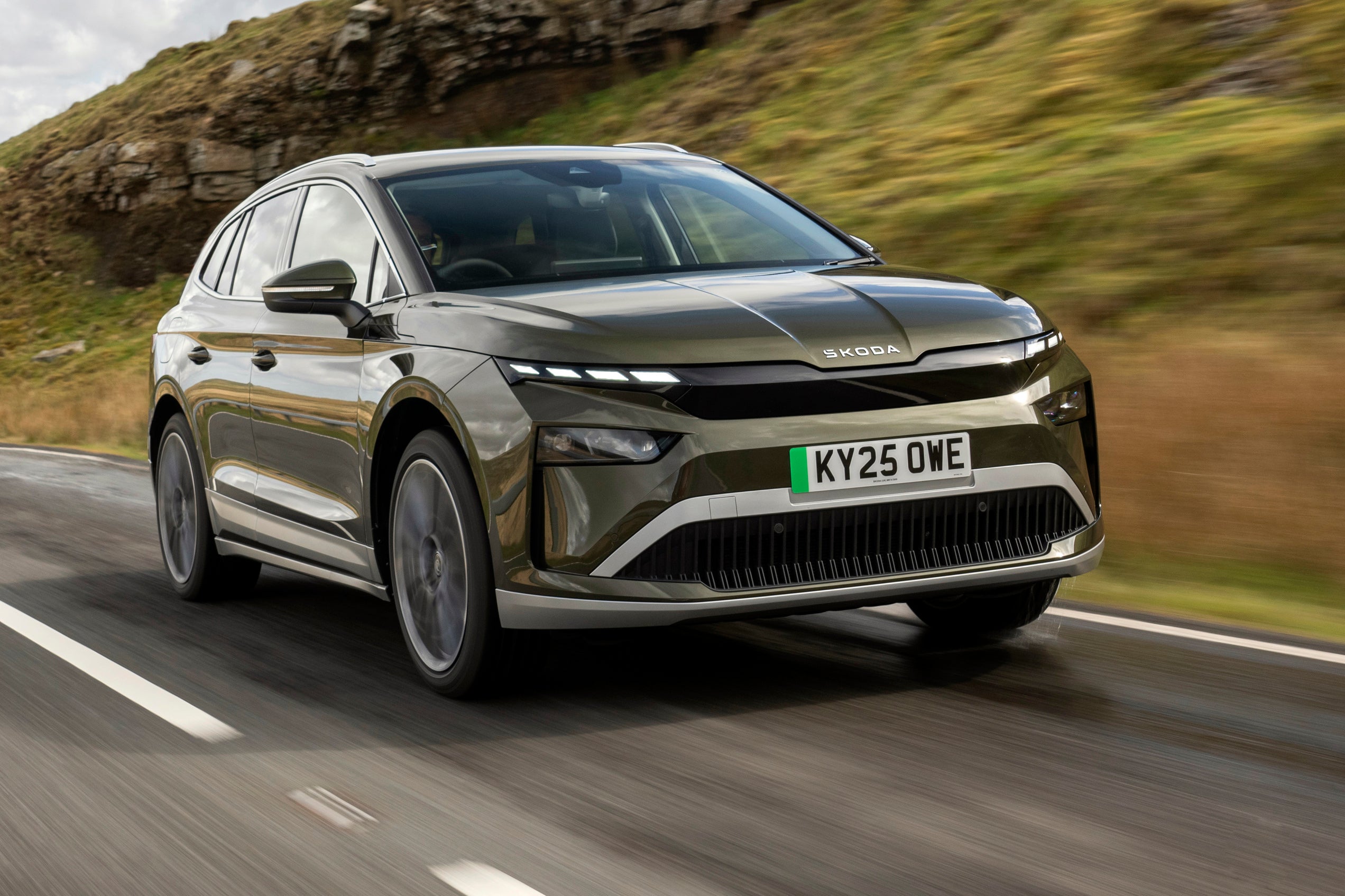
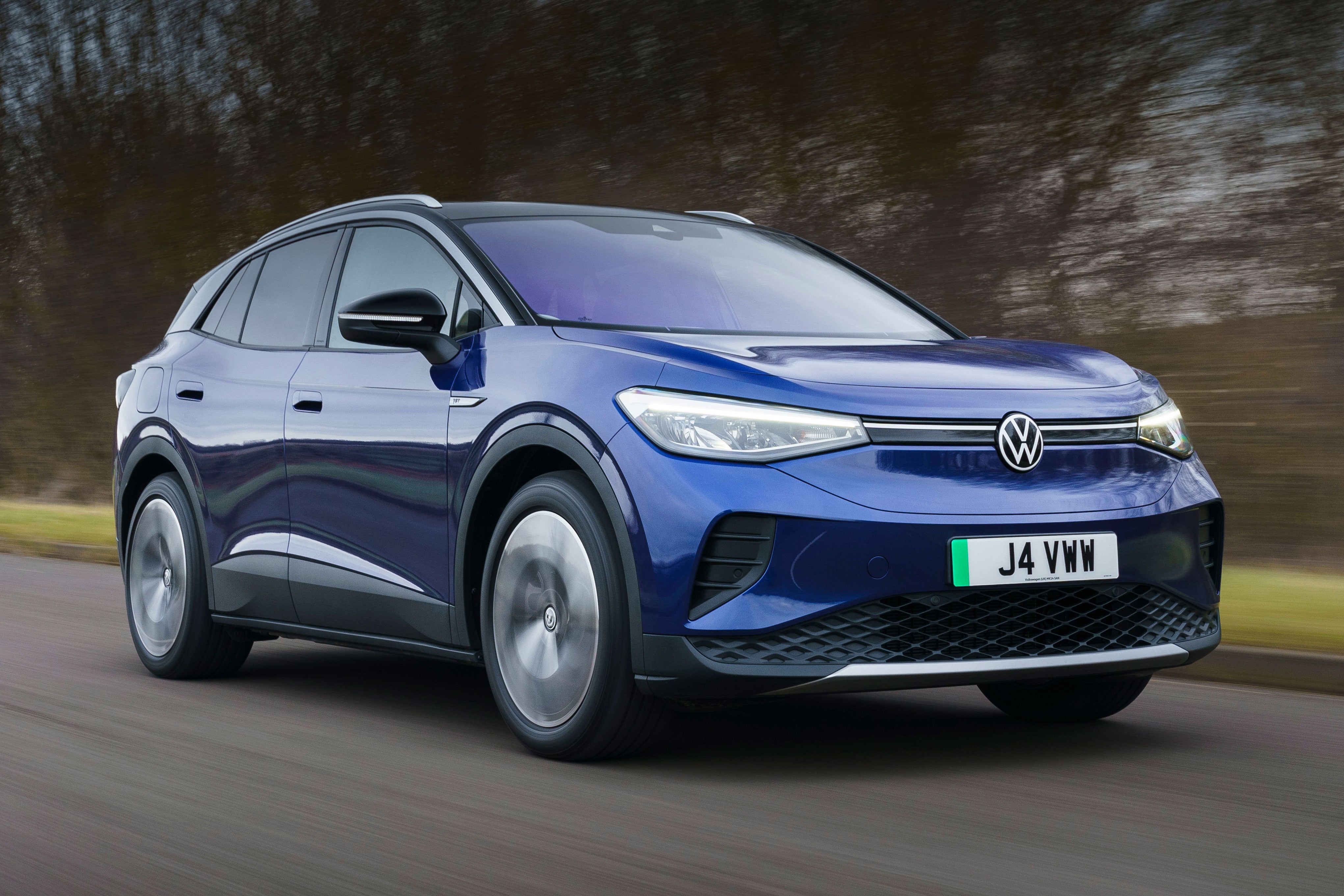
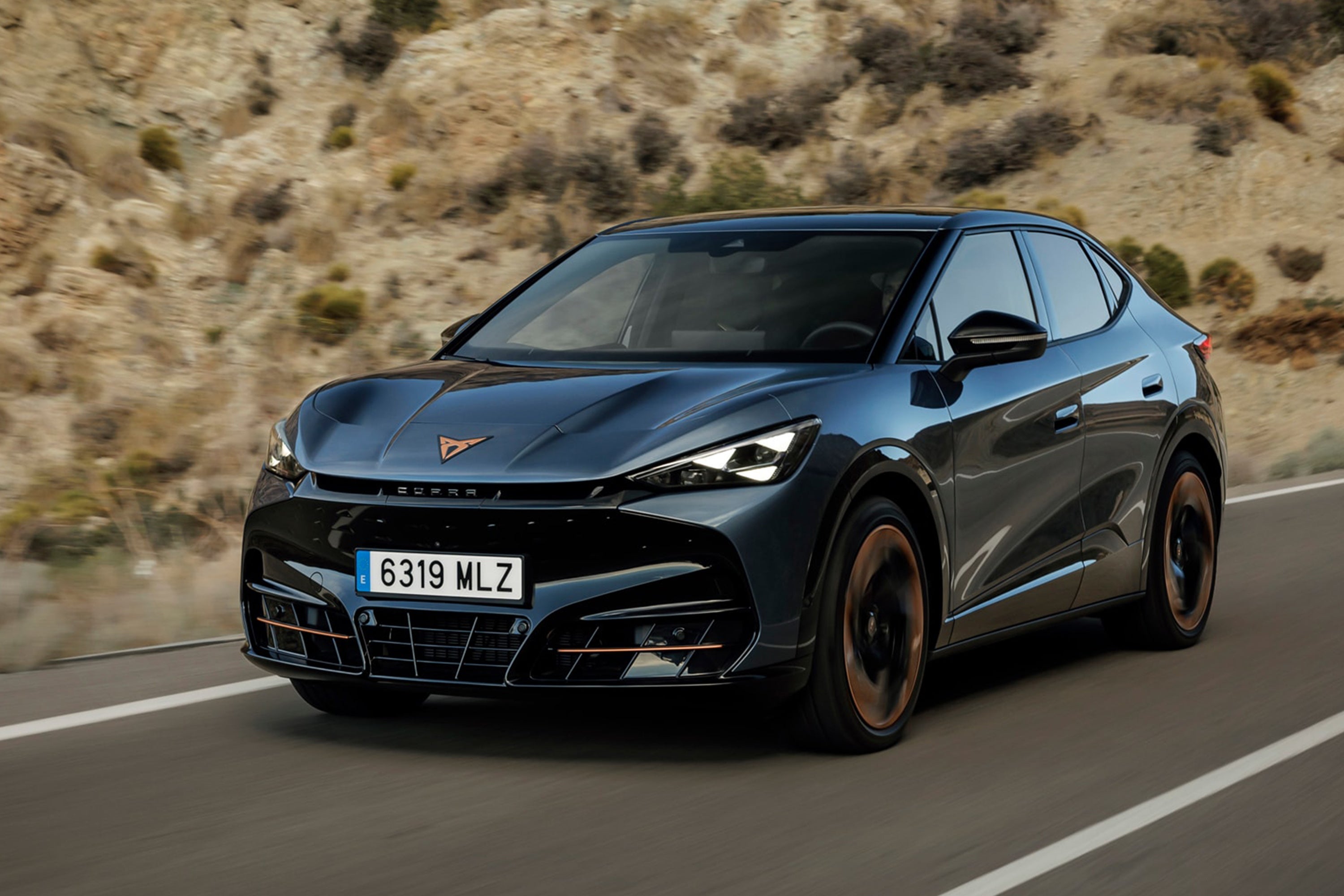
The Skoda Enyaq is exceptionally spacious, rides more comfortably and has a more conventional dashboard, making it an excellent family alternative. The Volkswagen ID.4 offers similar qualities, while the Cupra Tavascan adds bolder styling and a sportier feel.
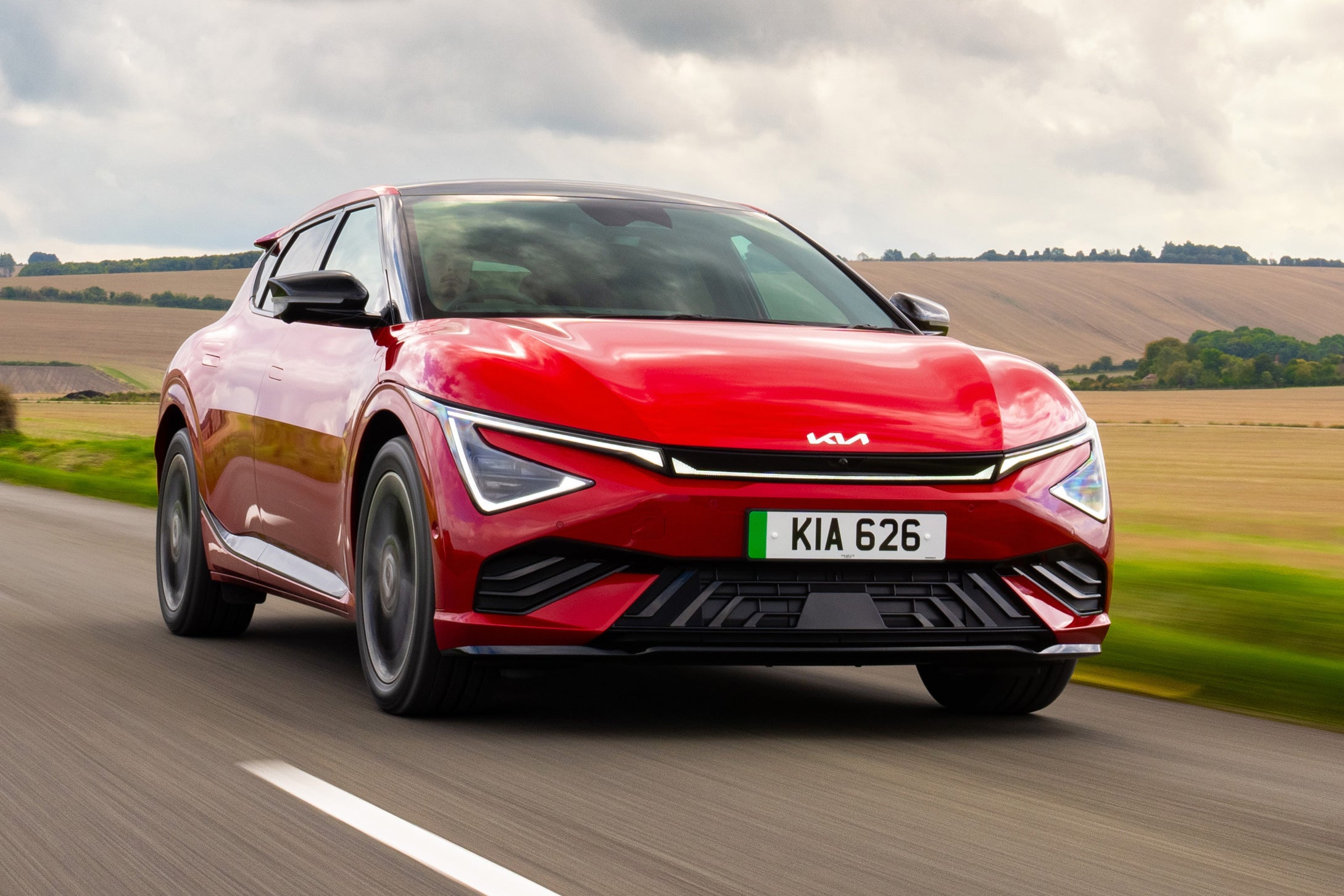
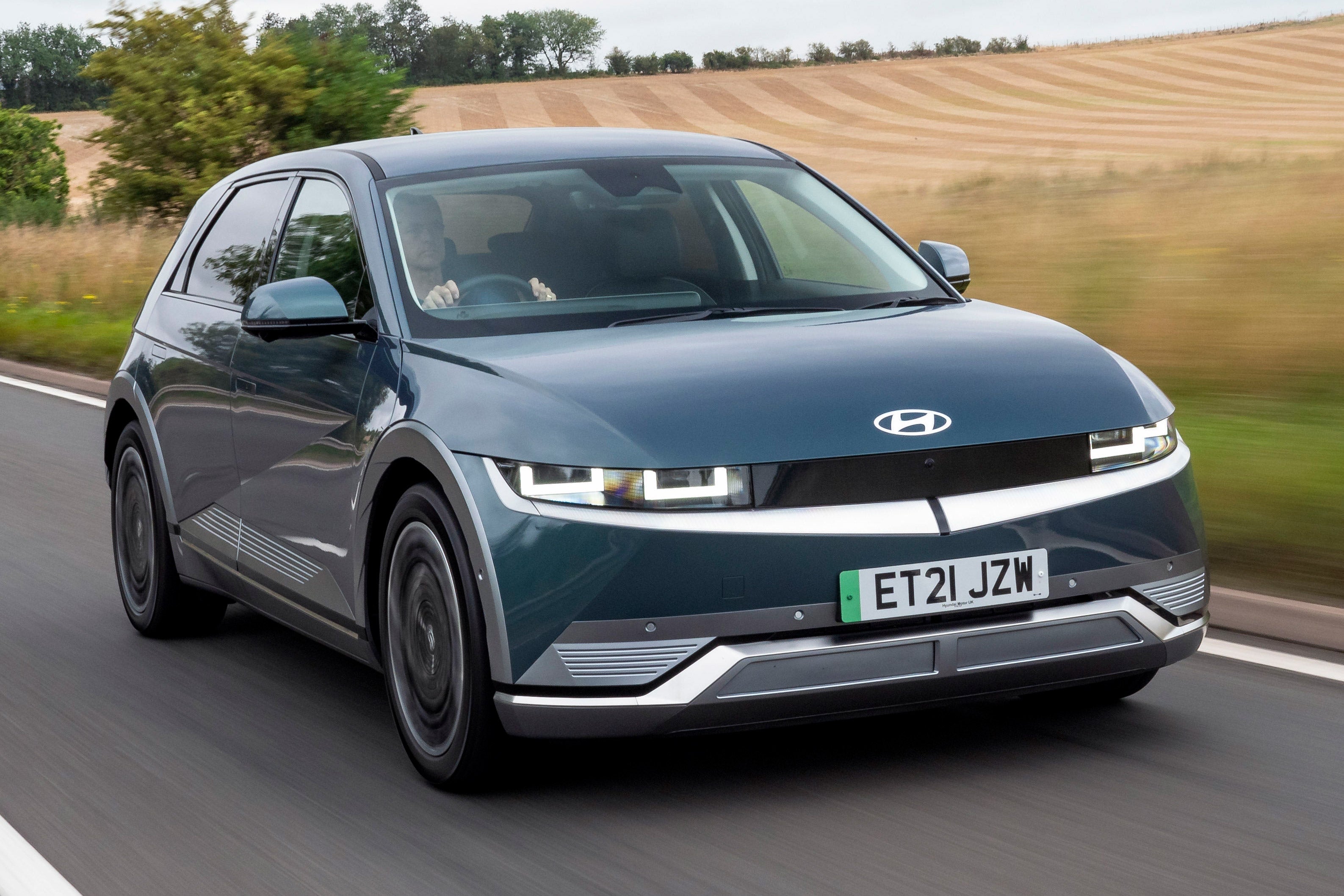
The Kia EV6 is more engaging to drive and its 800-volt electrical system enables extremely rapid charging, although it can’t match the Tesla for luggage space. The Hyundai Ioniq 5 also charges very quickly and provides an unusually roomy, flexible cabin.
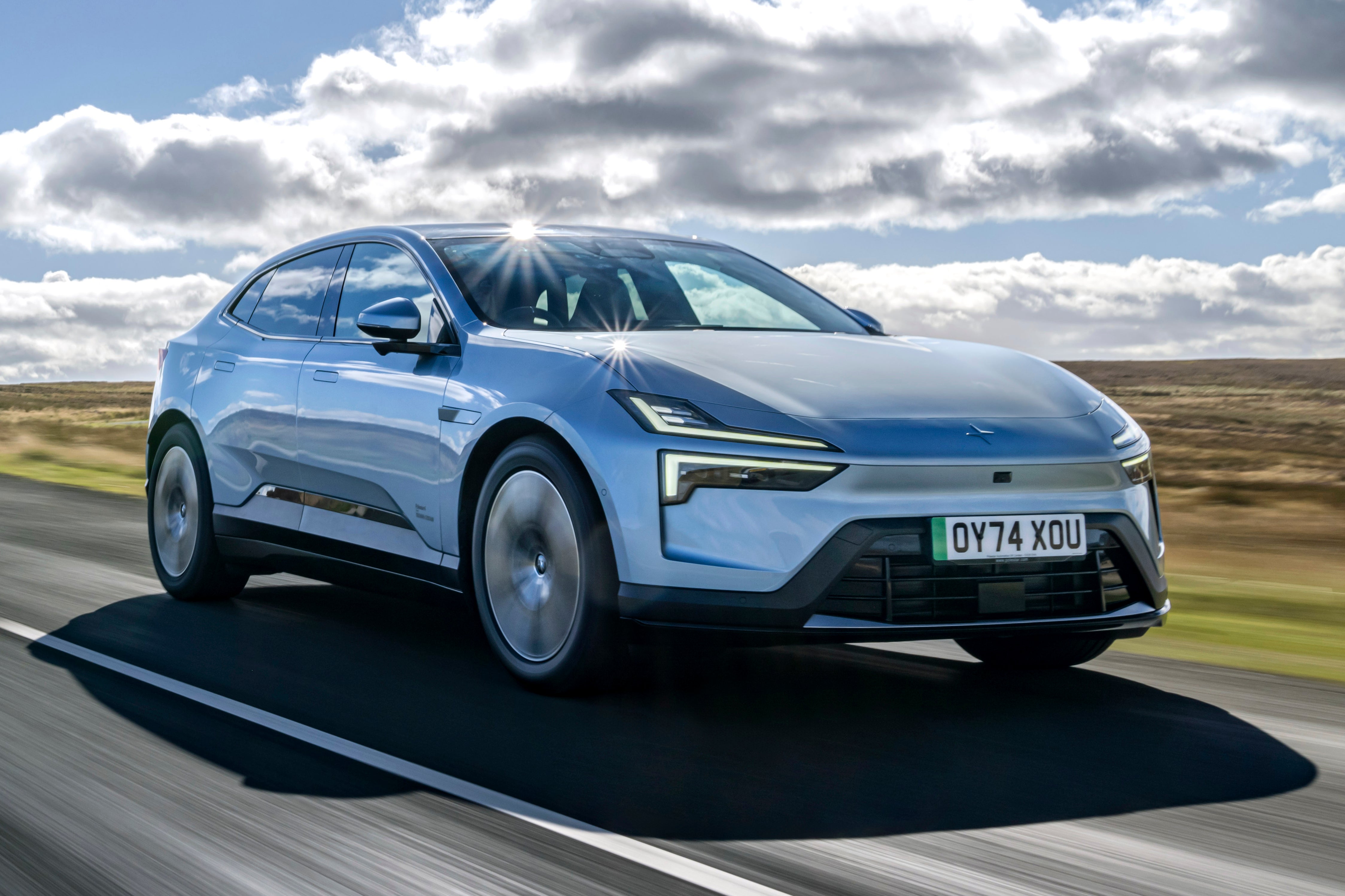
The Polestar 4 feels more premium and distinctive inside, while the BYD Sealion 7 combines strong equipment levels with impressive performance.
The Model Y counters with outstanding practicality, efficiency and particularly well-integrated route planning and charging.
What's the interior like in the Tesla Model Y?
The Model Y has a spacious, minimalist cabin dominated by its central touchscreen. Material quality is good, the seats are comfortable and there’s masses of storage. Premium versions feel noticeably more luxurious, with a panoramic glass roof, additional sound insulation, heated and ventilated front seats and an 8.0-inch rear touchscreen.
There’s no conventional instrument display, while almost everything from navigation to vehicle settings is controlled through the centre screen. The software itself is excellent, but the lack of Apple CarPlay and Android Auto will frustrate some buyers.
Passenger space is excellent in both rows.
Tesla Model Y boot space and practicality
Space is one of the Model Y’s biggest advantages. Front occupants get generous headroom and legroom, while the low dashboard and large windscreen create an open, airy driving environment. Storage is excellent, with sizeable door bins and deep compartments for everyday clutter.
There’s plenty of room in the rear, too. Adults have generous legroom and headroom, while the completely flat floor makes the centre seat more usable than in many petrol, diesel or hybrid SUVs. Premium versions add electrically reclining rear seats and an 8.0-inch touchscreen through which passengers can control climate and entertainment functions.
Most current Model Ys have five seats, but UK buyers can specify the Premium Long Range All-Wheel Drive with seven seats. The third row is best suited to children or occasional use rather than adults on long journeys.
Boot capacity varies slightly according to version. The five-seat Rear-Wheel Drive has 835 litres behind the second row, while five-seat Premium and Performance versions provide 822 litres. The seven-seat Premium All-Wheel Drive has 370 litres behind the third row with all seven seats in use. Fold the third row and that increases to 766 litres, while folding both rear rows provides 1,966 litres.
Tesla also provides a useful front boot. The non-Premium Rear-Wheel Drive has 114 litres of under-bonnet storage, while Premium and Performance versions have 116 litres.
All that said, Tesla measures its cargo spaces differently from many manufacturers and also publishes figures that combine the rear load area, underfloor compartments and front boot. That means its headline capacities shouldn’t necessarily be compared directly with conventional VDA boot figures from rivals.
Even so, there’s no question that the Model Y is an exceptionally practical electric family SUV.
Tesla Model Y dimensions
The Tesla Model Y is 4,790mm long, 1,982mm wide (2,129mm including side mirrors) and 1,624mm high, with a 2,890mm wheelbase. Exact measurements vary slightly between versions, with the Performance using different bodywork and sitting a little lower. However, all versions are substantial on narrow UK roads, and that's worth remembering in older multi-storey car parks and in areas with width restrictions.
A turning circle of roughly 12 metres also means it isn’t especially nimble in confined spaces, although multiple external cameras and a front-facing camera make parking considerably easier.
Tech and infotainment in the Tesla Model Y
The Model Y’s technology is one of its biggest attractions, but also the source of most of its ergonomic quirks.
The central touchscreen is exceptionally quick, clear and feature-rich. Tesla’s navigation is particularly good because route planning, remaining battery charge and charging stops are all tied together. Plan a long journey and the car can automatically route you through suitable Superchargers, tell you how busy they are and precondition the battery before you arrive so it can charge as quickly as possible.
Tesla’s smartphone app is equally impressive. It handles vehicle access, charging, climate control, location, security cameras and numerous other functions.
Premium versions add an 8.0-inch rear touchscreen, allowing passengers to adjust climate settings or access entertainment. Performance also gets a higher-resolution 16-inch centre display.
The downside is Tesla’s determination to minimise physical controls. There’s no traditional instrument cluster, with speed and other important information displayed centrally. The gear selector is screen-based too, although the indicator stalk thankfully remains. There’s also no Apple CarPlay or Android Auto. Tesla’s native software is good enough that many owners won’t miss them, but buyers deeply embedded in either smartphone ecosystem may disagree.
Autopilot driver-assistance features are included, while further assistance functionality can be added. None of the currently available UK systems makes the Model Y autonomous and the driver remains responsible at all times.
Materials available on the Tesla Model Y
The Model Y’s minimalist design puts plenty of emphasis on the materials that are visible, and the cabin feels suitably substantial for an electric SUV at this price. The entry Rear-Wheel Drive uses a simpler combination of cloth and synthetic materials, along with textile dashboard trim. It doesn’t have the panoramic roof or some of the richer detailing found higher up the range.
Premium models use softer trim extensively around the cabin and add an all-glass roof, ambient lighting and more heavily upholstered seats. The front seats are heated and ventilated, while the rear seats are heated. Performance adds carbon-fibre dashboard and door inserts, aluminium pedals and more heavily bolstered sports seats with powered thigh support.
The interior doesn’t imitate traditional wood-and-leather luxury, but the clean design, solid construction and generous equipment give it a suitably upmarket feel.
What's the Tesla Model Y like to drive?
The Model Y is quick, secure and easy to drive, with precise steering and well-controlled body movement. Rear-wheel-drive models feel particularly natural, while dual-motor versions provide huge traction and effortless acceleration.
The suspension is relatively firm, but it deals with most poor surfaces without becoming uncomfortable. The basic Rear-Wheel Drive is a little less sophisticated than Premium versions, while Performance gets adaptive dampers. Refinement is good, with effective sound insulation keeping motorway noise under control.
Even the entry model reaches 60mph in 6.9 seconds, while Performance cuts that to a remarkable 3.3 seconds.
Tesla Model Y range and performance
The current UK Model Y range starts with the Rear-Wheel Drive. It uses a single rear motor and reaches 60mph in 6.9 seconds. Tesla advertises a maximum WLTP range of up to around 326 miles for this version, although the current UK configurator quotes 309 miles with the standard 19-inch Crossflow wheels, so the figure you see will depend on configuration.
Next is the Premium Long Range Rear-Wheel Drive. Its larger battery and efficient single-motor drivetrain give it the strongest touring credentials, with Tesla quoting around 378 miles of estimated range. It reaches 60mph in 5.4 seconds.
The Premium Long Range All-Wheel Drive adds another electric motor, providing four-wheel-drive traction and cutting the 0–60mph time to 4.6 seconds. Official range is around 372 miles depending on configuration.
At the top sits the Model Y Performance. Its dual-motor powertrain delivers an extraordinary 3.3-second 0–60mph time and a 155mph maximum speed, yet Tesla quotes 360 miles of WLTP range.
Tesla doesn’t routinely publish battery capacities in the way most manufacturers do, so quoted figures elsewhere are generally estimates rather than official specifications.
All versions deliver the immediate throttle response expected of an EV. Even the basic car is easily quick enough for family use, while the Premium Rear-Wheel Drive offers the best combination of range and performance.
Performance data
| Model | Engine/battery size | Power | 0-62mph | Range/MPG |
|---|---|---|---|---|
Model Y Rear-Wheel Drive | 283PS | 6.9 seconds | Up to 326 miles | |
Model Y Premium Long Range Rear-Wheel Drive | 311PS | 5.4 seconds | Up to 378 miles | |
Model Y Premium Long Range All-Wheel Drive | 380PS | 4.6 seconds | Up to 387 miles | |
Model Y Performance | 460PS | 3.3 seconds | Up to 360 miles |
Tesla Model Y driving and refinement
The Model Y is easy to drive despite its size. Visibility forwards is good, the steering is light enough for urban driving and the cameras remove much of the stress from parking.
The suspension has a relatively firm underlying character. It controls the heavy body well through corners and limits float over faster roads, but rivals such as the Skoda Enyaq provide a more cushioned ride over broken urban surfaces.
There are differences between versions, too. The entry Rear-Wheel Drive uses a simpler suspension setup and can feel a little busier over poor surfaces. Premium cars have more sophisticated damping that gives them a better balance between control and comfort.
Rear-wheel-drive versions feel lighter and more natural when changing direction, while the additional motor and weight of the all-wheel-drive model bring huge traction and much stronger acceleration.
Performance takes things considerably further. It gets adaptive suspension, uprated brakes, 21-inch wheels and additional chassis settings. Its acceleration is genuinely spectacular, although this is a two-tonne family SUV rather than a lightweight sports car and it never feels especially delicate or communicative.
Regenerative braking is strong enough for effective one-pedal driving, making the Model Y particularly relaxing in stop-start traffic.
Motorway refinement is good. Acoustic glass and extensive insulation suppress most wind and suspension noise, although tyre noise becomes more apparent on coarse surfaces and with the larger wheel options.
The overall character is secure, responsive and confidence-inspiring rather than overtly sporty, except for the extreme straight-line pace of Performance.
How safe is the Tesla Model Y?
Independent safety organisation Euro NCAP awarded the current Tesla Model Y five stars in 2025. It scored an excellent 91% for adult occupant protection, 93% for child protection, 86% for vulnerable road users and 92% for safety assistance and was subsequently named Best in Class in the Small SUV category for 2025.
Standard safety technology includes autonomous emergency braking, lane-departure avoidance, blind-spot monitoring and adaptive cruise control. Tesla also offers more advanced driver-assistance functionality, but these systems require active driver supervision. Despite Tesla’s terminology, no Model Y currently sold in the UK is capable of fully autonomous driving.
Running costs: What it's like to live with a Tesla Model Y
Excellent efficiency and easy charging make the Model Y relatively inexpensive to power if you can charge at home. Official efficiency is as high as 4.4mi/kWh, while Premium versions can travel well over 350 miles between charges, with Tesla's Supercharger network and the car's excellent route planning making long-distance journeys particularly straightforward.
Tesla provides a four-year/60,000-mile vehicle warranty, with eight years of separate battery and drive-unit cover. There’s no fixed annual servicing requirement, although insurance can be expensive and the pricier versions attract the Expensive Car Supplement.
Tesla Model Y charging times and costs
The entry Rear-Wheel Drive can rapid-charge at up to 175kW, with Tesla claiming it can add as much as 158 miles of range in 15 minutes. Premium Long Range models increase the maximum DC rate to 250kW, adding around 160–166 miles in 15 minutes under suitable conditions. Performance also supports up to 250kW.
Tesla’s integrated Supercharger system is a major advantage. Navigation can choose a suitable charger, show availability and precondition the battery before arrival.
Supercharger prices vary by location and time, so the car or Tesla app provides the most useful live figure. Tesla doesn’t publish battery capacity, but independent estimates put it at roughly 63kWh for the basic car and around 78kWh for long-range versions, which means that at the average capped electricity rate of 26.32p/kWh (late 2026), that represents roughly £17–£21 of electricity for a full battery’s worth of energy before charging losses. But an overnight EV tariff can make home charging dramatically cheaper.
Tesla Model Y warranty and servicing
Tesla provides a four-year/60,000-mile basic vehicle warranty for UK Model Ys. Battery and drive-unit cover depends on the version. The Rear-Wheel Drive gets eight years or 100,000 miles, while Premium Long Range and Performance versions extend the mileage limit to 120,000 miles. Both battery warranties guarantee at least 70% battery-capacity retention during the cover period.
There’s no conventional annual servicing requirement. Tesla recommends replacing the cabin filter every two years and checking the brake fluid every four years, along with tyre rotation and other maintenance as required. The car’s maintenance menu tracks relevant items, while many diagnostic and service functions can be handled remotely through Tesla’s app. That unusual approach can reduce routine workshop visits compared with many conventional cars.
Tesla Model Y insurance groups
Insurance is one of the Model Y’s more significant running-cost considerations. Current UK versions sit broadly between groups 34 and 47, depending on the exact derivative. The entry Rear-Wheel Drive is at the lower end, while the Long Range cars sit higher and Performance is particularly expensive to cover.
That’s better than some earlier Model Y insurance classifications, but the Tesla can still generate surprisingly expensive quotes because of repair costs and performance.
How much does it cost to tax a Tesla Model Y?
New electric cars pay £10 Vehicle Excise Duty in the first year and the standard £200 annual rate thereafter. The Expensive Car Supplement threshold for zero-emission vehicles is £50,000, which means the £41,990 entry Model Y sits below the threshold. Cars with an original list price above £50,000 can attract the additional £440 annual supplement for five years from the second year. Factory-fitted options count towards the original list price.
What trims are available with the Tesla Model Y?
The current UK Model Y range consists of Rear-Wheel Drive, Premium Long Range Rear-Wheel Drive, Premium Long Range All-Wheel Drive and Performance.
Rear-Wheel Drive is the simplest version and focuses on value and efficiency. It has 19-inch Crossflow alloy wheels, a textile-trimmed five-seat interior, heated front seats, electric seat adjustment, climate control, Tesla’s central touchscreen and standard Autopilot assistance. It misses some of the luxury touches fitted to Premium cars, including the panoramic glass roof and rear touchscreen, but retains the core Tesla software, navigation and charging experience.
Premium Long Range Rear-Wheel Drive is the strongest all-round choice. It adds the richer Premium cabin, panoramic glass roof, improved sound insulation, heated and ventilated front seats, heated rear seats, powered rear-seat adjustment and an 8.0-inch touchscreen for rear passengers. Its single-motor layout gives it the strongest combination of range and efficiency.
Premium Long Range All-Wheel Drive uses essentially the same Premium specification but adds a second motor for four-wheel-drive traction and considerably quicker acceleration. It’s also the only current UK Model Y that can be ordered with seven seats, which could make it the obvious choice for larger families.
Performance is the flagship. It combines dual-motor four-wheel drive with adaptive suspension, unique 21-inch Arachnid wheels, uprated brakes, different front and rear bodywork and a carbon-fibre spoiler. Inside, there are more supportive Performance front seats with powered thigh extensions, carbon-fibre trim and a higher-resolution 16-inch touchscreen.
Ask the Drive experts: common questions
How much does the Tesla Model Y cost?
What is the maximum range of the Tesla Model Y?
How big is the Tesla Model Y’s boot?
How long does a Tesla Model Y take to charge?
Get our latest advice, news and offers
Keep me updated by email with the latest advice, news and offers from Drive.