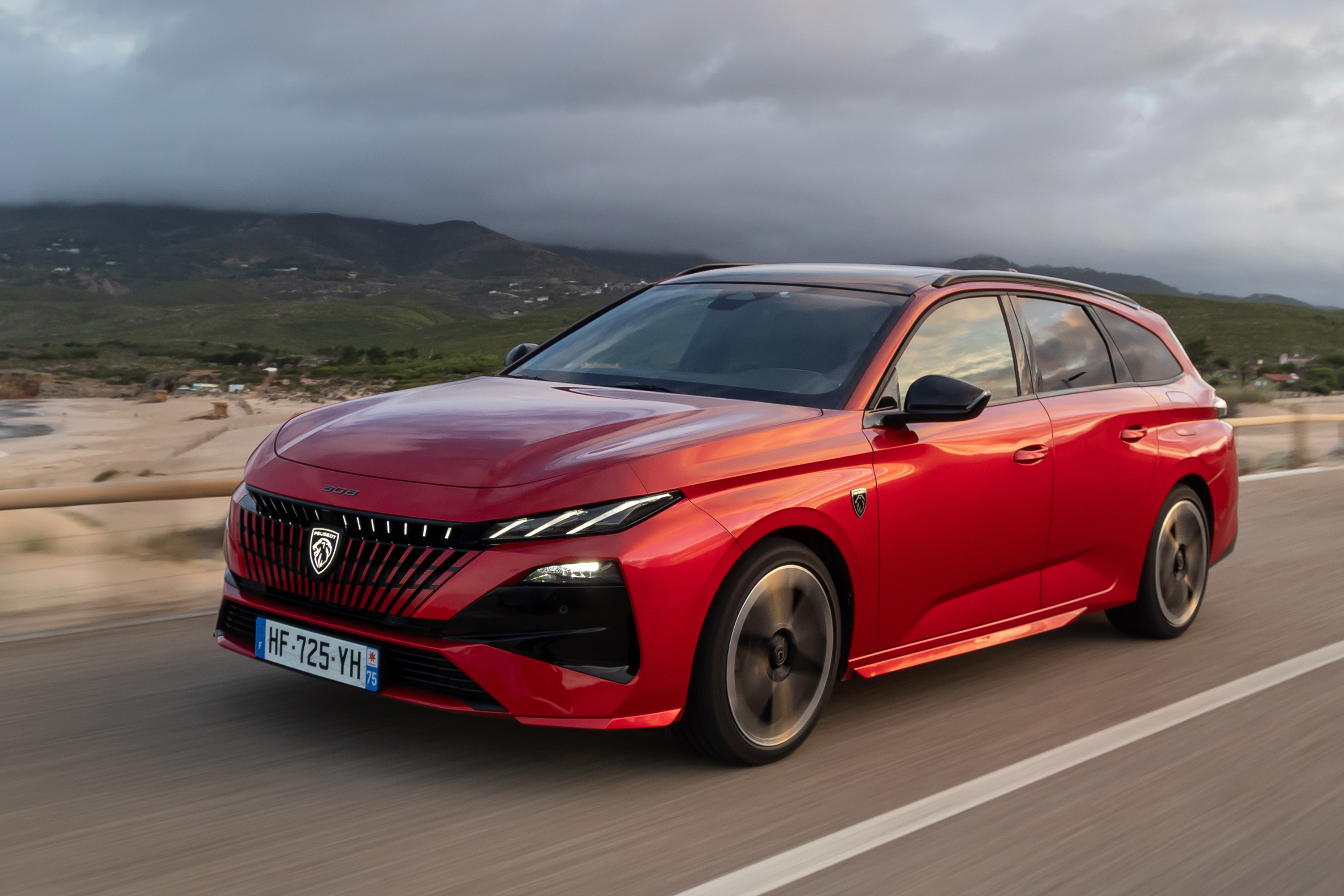
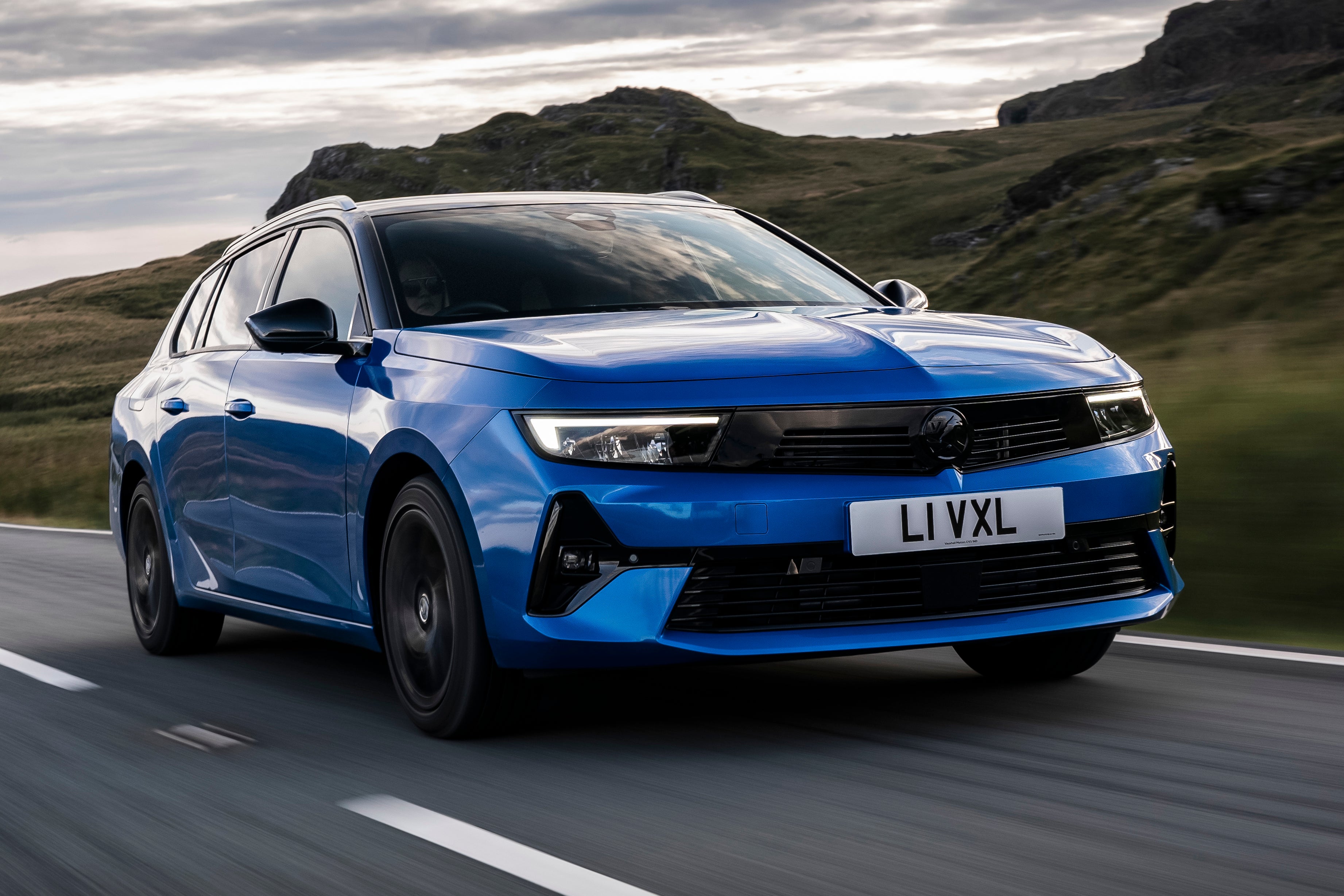
Vauxhall Astra Sports Tourer Review

Written By Richard Aucock
- 2022
- Estate
- Petrol, hybrid, plug-in hybrid
What we love
Bold styling makes for a handsome estate car
Generous specification and strong value for money
Wide choice of powertrain options to choose from
Things to consider
Luggage capacity is not the largest in the class
Other estate cars are more enjoyable to drive
Diesel engine no longer available to buy new
The DRIVE take on the Vauxhall Astra, is it the right car for you?
The Vauxhall Astra Sports Tourer is a good fit for buyers who still want the clarity and practicality of an estate car without drifting into SUV territory. It looks smart, comes well equipped and offers petrol, hybrid and plug-in hybrid power.
The facelifted 2026 model is also substantially cheaper than the outgoing car. Prices now start at £27,495, while the hybrid and plug-in hybrid both cost from £29,995. Vauxhall also charges exactly the same for the estate as it does for the equivalent Astra hatchback, so you no longer pay extra for the larger boot.
Its weakness is that rivals such as the Skoda Octavia Estate and Volkswagen Golf Estate still feel a little more rounded in some key areas, whether that’s rear-seat room, boot versatility or outright driving polish.
The plug-in hybrid’s larger battery also reduces luggage space more than before the facelift. Even so, if you want a family estate that balances value, style and powertrain choice particularly well, the Astra Sports Tourer makes a strong case.
The Vauxhall Astra in more detail
The Astra Sports Tourer has often felt like the sensible, slightly anonymous option in the family-estate market. This generation changes that. It still does the practical stuff buyers expect, but it has more visual confidence than older Astras and a much cleaner, more modern cabin.
The 2026 facelift sharpens the appearance further. There’s a slimmer interpretation of Vauxhall’s Vizor front end, an illuminated Griffin badge, revised lighting and new wheel designs. Inside, the basic layout remains familiar, but there are clearer displays, revised seats and less glossy trim.
That matters because estate cars have become a more niche choice. If you’re buying one in 2026, it’s probably because you actively want one rather than because it’s simply the default family car. The Astra Sports Tourer understands that, and it does enough on style to feel desirable rather than merely rational.
The current UK line-up consists of a 130PS 1.2-litre petrol with an eight-speed automatic gearbox, a 145PS 48V hybrid and a 195PS plug-in hybrid. The Sports Tourer Electric is covered separately.
The petrol is the cheapest option, while the hybrid brings better efficiency without needing to be plugged in. The plug-in hybrid offers the strongest performance and up to 51 miles of electric range, but it only makes financial sense if you’ll charge it regularly.
Used buyers have a much broader selection. Early cars were sold with 110PS and 130PS petrol engines, with manual and automatic gearboxes, as well as a 130PS diesel. The diesel was removed from the UK line-up in 2023 and none of those earlier engines is available to order new.
The 48V hybrid first appeared with a quoted output of 136PS before being boosted to 145PS. Earlier cars took 9.3 seconds to reach 62mph, compared with 9.0 seconds for the current models.
The plug-in hybrid has changed more substantially. The original version produced 180PS and used a 12.4kWh battery, offering up to 42 miles under the most favourable official test. It was later replaced by a 195PS system with a 17.2kWh battery and an electric range of up to 51 miles in the Sports Tourer.
There was also a 225PS GSe plug-in hybrid with firmer suspension, revised steering and a 10mm lower ride height. Early GSe models offered up to 39 miles of electric range, while later examples received the larger battery and could manage around 49 miles. The GSe is no longer available new but remains an interesting used option for buyers who want a quicker and more driver-focused Astra estate.
Trim levels have moved on too. Rather than Design, GS Line, GS, Ultimate and GSe, today’s Sports Tourer range consists of Griffin, GS and Ultimate.
The result is a car that’s easier to recommend than before. It’s still not the biggest or most driver-focused estate in the class, but it covers family needs with very little fuss and now has enough personality to stop it fading into the background.
What's the best Vauxhall Astra trim and engine option?
For most buyers, the sweet spot is the Astra Sports Tourer Griffin 145PS Hybrid e-DCT6.
The 48V hybrid is the most well-rounded choice in the range. It delivers smoother low-speed driving and better urban efficiency than the standard petrol, without the need to plug in or the boot-space penalty of the plug-in hybrid.
It now costs the same as the equivalent plug-in hybrid, which makes the decision even clearer. While the PHEV offers stronger performance and up to 51 miles of electric range, it only really makes sense if you can charge regularly. If you can’t, the hybrid is lighter, simpler and easier to live with day to day.
Griffin trim is far from basic. Standard equipment includes heated front seats, a heated steering wheel, satellite navigation, wireless smartphone mirroring, adaptive cruise control, front and rear parking sensors and an AGR-certified driver’s seat.
GS is worth stepping up to if you want 18-inch wheels, a reversing camera, keyless entry and start, dual-zone climate control and the more integrated PurePanel Pro display setup.
Ultimate adds Intelli-Lux HD headlights, a head-up display, wireless charging, enhanced driver assistance, a powered tailgate and heated, electrically adjustable massage seats. It’s the most luxurious version, but Griffin already covers most essentials.
The petrol automatic remains the budget-friendly option at £27,495, best suited to lower-mileage drivers who don’t need hybrid efficiency.
The plug-in hybrid suits company-car users or private buyers with reliable home charging and short daily commutes that can be done on electricity alone.
Used buyers may prefer the 130PS manual petrol for value, or the diesel for high-mileage use. The earlier 180PS plug-in hybrid is a cheaper entry into PHEV ownership, though with less electric range.
What’s the price of the Vauxhall Astra?
The Vauxhall Astra Sports Tourer starts at £27,495 for the 130PS petrol automatic in Griffin trim. The petrol GS costs £28,995, while the petrol Ultimate is £31,495.
The 145PS hybrid and 195PS plug-in hybrid cost exactly the same as each other. Griffin versions are £29,995, GS models are £31,495 and Ultimate costs £33,995. That’s a big cut from the pre-facelift models, which could top £40,000 when new.
Vauxhall also now charges exactly the same prices for the Sports Tourer and Astra hatchback, so there’s no longer a premium for choosing the estate.
The current pricing puts the Astra Sports Tourer right in the thick of the family-estate market. It’s not necessarily the cheapest route into this class, but it’s competitive once you factor in the standard equipment.
The bigger story is that the hybrid and plug-in hybrid no longer carry a large premium over the petrol, while the estate itself costs no more than the hatchback. That gives the Astra an unusually simple and appealing price structure.
Alternatives to the Vauxhall Astra
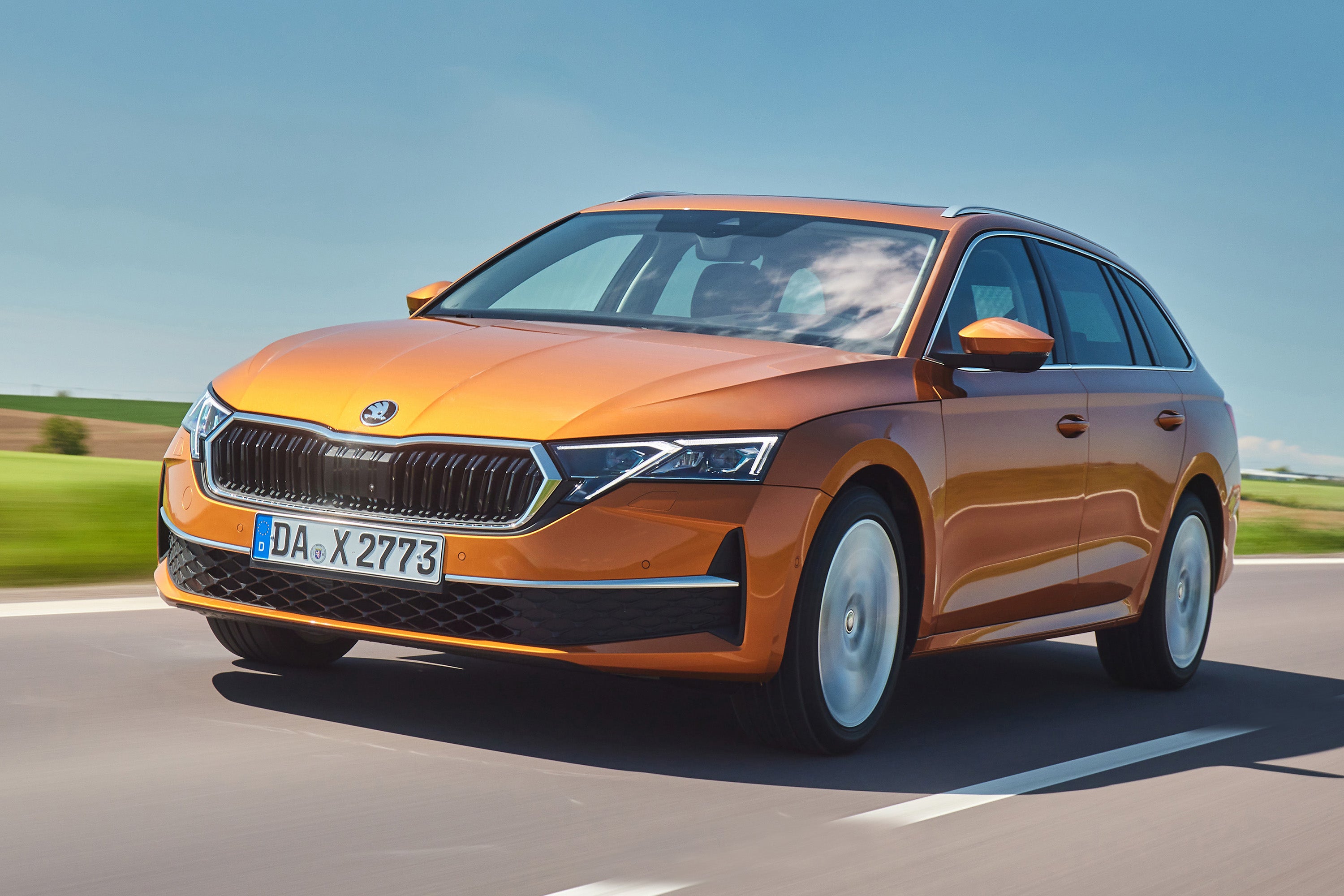
The Skoda Octavia Estate remains the most obvious alternative if outright practicality matters most, because it’s roomier in the back and makes better use of its boot.
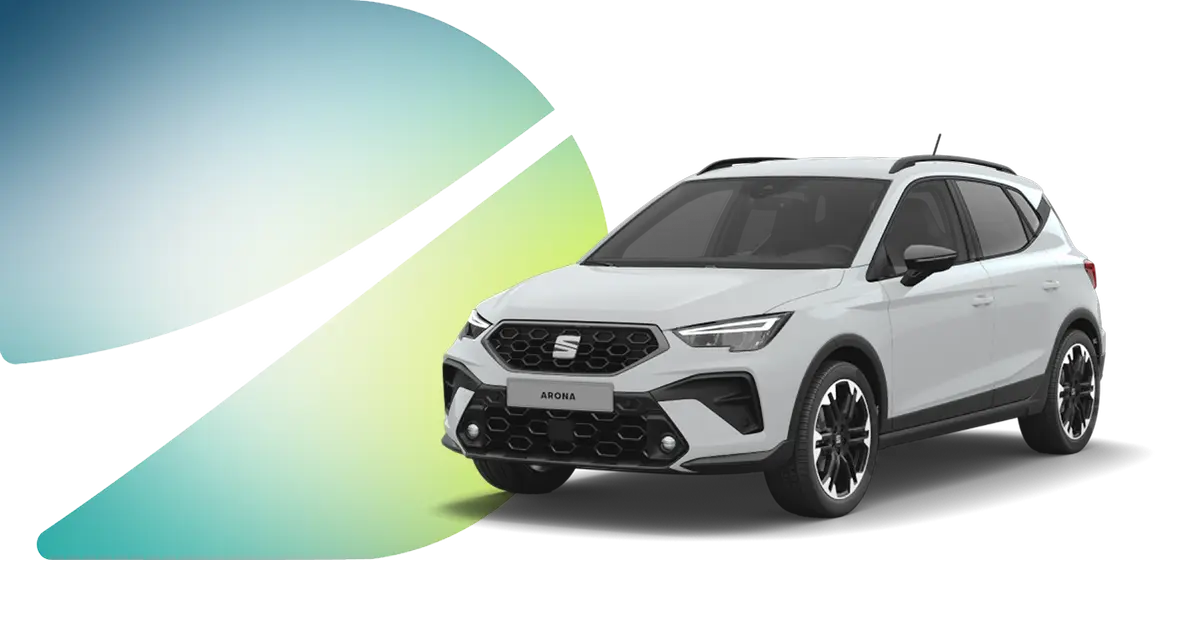
The Volkswagen Golf Estate is the Astra’s most natural all-round rival, while the SEAT Leon Estate offers much of the same appeal with a slightly more youthful edge.
The Toyota Corolla Touring Sports is worth considering if you want a conventional full hybrid with a strong reputation for efficiency and reliability. The Peugeot 308 SW is a very close relative to the Astra underneath and has a more style-led cabin, although its unusual driving position won’t suit everyone.
What's the interior like in the Vauxhall Astra?
The Astra Sports Tourer’s cabin is one of the biggest improvements over older Astras. It looks clean and modern, and crucially it doesn’t fall into the trap of burying every major function inside the touchscreen.
The 2026 update introduces revised seats, seven-colour ambient lighting and more scratch-resistant satin-grey trim in place of some of the previous gloss-black surfaces. The physical climate and audio controls remain, helping the Astra feel easier to operate than some more touchscreen-heavy rivals.
Used pre-facelift cars have the same basic dashboard architecture but use different materials, seats and software. Their equipment also varies considerably by year and trim.
Vauxhall Astra boot space and practicality
Practicality is the whole point of the Sports Tourer, and it delivers reasonably well, even if it isn’t the most cavernous estate in the class.
Petrol and 48V hybrid versions offer 597 litres of boot space, which is strong enough for family use and helped by a sensible square opening. Fold the rear seats and maximum load capacity rises to 1,634 litres.
The current plug-in hybrid offers 466 litres with the seats up and 1,483 litres with them folded. That’s 50 litres less than the electric Sports Tourer and 131 litres behind the regular hybrid.
Earlier 180PS and initial 195PS plug-in hybrids had a smaller 12.4kWh battery and provided 516 litres of boot space, or 1,553 litres with the seats down. The later 17.2kWh battery has increased electric range but reduced luggage capacity, so used buyers need to check which plug-in-hybrid version they’re considering.
There are some useful details too. All Sports Tourers get a 40:20:40 split-folding rear bench, making it easy to carry longer items while leaving two passenger seats available.
The low loading lip and long floor also make the Astra more convenient for pushchairs, dogs and bulky luggage than the hatchback. Ultimate adds a powered tailgate, although it no longer includes every feature fitted to the previous Ultimate as standard.
Passenger room is less impressive. Front-seat space is absolutely fine, but the rear seats aren’t as generous as those in an Octavia Estate or Leon Estate. That doesn’t make the Astra cramped, but it does mean it isn’t the automatic winner if rear legroom is your top priority.
Vauxhall Astra dimensions
The Vauxhall Astra Sports Tourer measures 4,642mm long and 2,062mm wide including its mirrors. Height varies from approximately 1,443 to 1,498mm, depending on version and specification.
The wheelbase is 2,732mm, which is 57mm longer than the Astra hatchback’s. The 2026 facelift hasn’t materially changed the amount of road space the car occupies.
Those figures help explain why it strikes a decent balance between usability and manageability. It’s long enough to offer a worthwhile boot advantage over the hatchback, but not so large that it feels cumbersome in town.
Tech and infotainment in the Vauxhall Astra
Every current Astra Sports Tourer gets a 10-inch touchscreen, a 10-inch digital instrument cluster, built-in navigation and wireless Apple CarPlay and Android Auto.
That’s a strong standard technology package, particularly against rivals that still make buyers climb the trim ladder for navigation or the better displays.
GS and Ultimate use Vauxhall’s PurePanel Pro layout, which places both displays behind a more integrated edge-to-edge glass panel. GS also adds a 180-degree reversing camera, while Ultimate brings a head-up display and wireless phone charging.
The system is easy enough to use in daily life because Vauxhall has retained physical shortcuts and climate controls. The graphics still aren’t the slickest in the class, and some menus can take longer to navigate than they should, but it avoids much of the needless frustration that affects some rivals.
Earlier cars also use twin 10-inch screens, but their software and standard features vary. Used buyers should check whether navigation, wireless smartphone integration, a reversing camera and wireless charging are actually fitted.
Materials available on the Vauxhall Astra
The Astra Sports Tourer feels like a meaningful step up from older Vauxhalls in terms of perceived quality. There are more soft-touch surfaces around the cabin, the design is cleaner and the major controls feel well integrated.
The facelift replaces some of the glossy trim with satin-grey finishes that should hide fingerprints and scratches more effectively. Vauxhall has also increased the use of recycled materials and introduced its Intelli-Seat design across the range.
Griffin uses fabric upholstery, while GS gets sportier fabric seats and an AGR-certified driver’s seat.
Ultimate has ReNewKnit upholstery made from recycled fibres. Its front seats are heated and electrically adjustable, with massage functions and additional lumbar support. Earlier Ultimate models used Alcantara and could also include a panoramic roof, so they aren’t directly comparable with the current version.
It isn’t flawless, and there are still some harder plastics lower down, but the overall impression is solid and sensible rather than cheap. That’s enough for a mainstream family estate.
What's the Vauxhall Astra like to drive?
The Astra Sports Tourer is set up to be easy, calm and comfortable rather than entertaining. That suits its brief.
It isn’t the most engaging estate to drive, but the controls are straightforward, visibility is good and it feels secure and predictable in normal use.
Vauxhall Astra range and performance
The current Astra Sports Tourer range offers three non-electric powertrains: a 130PS petrol automatic, a 145PS 48V hybrid and a 195PS plug-in hybrid.
The petrol uses a 1.2-litre three-cylinder turbo engine producing 130PS and 230Nm. It’s paired exclusively with an eight-speed automatic gearbox in the current range. Vauxhall quotes 0–62mph in around 9.7 seconds, a top speed of 130mph and economy of up to 48.7mpg.
The 48V hybrid combines a 136PS petrol engine with an electric motor integrated into a six-speed dual-clutch gearbox, giving a total system output of 145PS and 230Nm. It reaches 62mph in 9.0 seconds and returns between 56.5 and 58.9mpg.
The plug-in hybrid uses a 1.6-litre petrol engine, a larger electric motor and a seven-speed dual-clutch gearbox. It’s badged as a 195PS model, although Vauxhall’s latest technical data quotes a peak system output of 196PS and 360Nm. It reaches 62mph in 7.7 seconds and offers up to 51 miles of electric range in the Sports Tourer.
Used buyers will encounter several additional engines. Early examples were available with 110PS and 130PS petrol engines with manual gearboxes, a 130PS petrol automatic and a 130PS diesel with manual or automatic transmission.
The diesel was removed from the UK range in 2023. The manual petrols have also disappeared from the current new-car line-up, although 130PS manual examples remain widely available used.
The first 48V hybrid was marketed at 136PS and took 9.3 seconds to reach 62mph. Earlier plug-in hybrids produced 180PS and offered up to 42 miles of electric-only driving. The 225PS GSe cut the 0 to 62mph time to 7.5 seconds and had unique suspension and steering settings. Both versions are now used-only choices.
Performance data
| Model | Engine/battery size | Power | 0-62mph | Range/MPG |
|---|---|---|---|---|
Astra Sports Tourer 1.2 Turbo | 1.2-litre petrol automatic | 130PS | 9.7 seconds | Around 48mpg |
Astra Sports Tourer Hybrid | 1.2-litre 48V hybrid | 145PS | 9.0 seconds | Around 58mpg |
Astra Sports Tourer Plug-in Hybrid | 1.6-litre plug-in hybrid | 195PS | 7.7 seconds | Up to 51 miles electric range |
Vauxhall Astra driving and refinement
Out on the road, the Astra Sports Tourer majors on calm competence. The steering is light, the controls are intuitive and it’s easy to place, which makes it a relaxed thing to drive in everyday conditions.
Ride comfort is one of its better qualities. Vauxhall hasn’t tried to make the standard Astra feel artificially sporty, and that helps it settle well over broken UK roads. It’s still firmer than the softest cars in the class, but it’s comfortable enough for family use.
It’s less satisfying if you’re chasing enjoyment. The now-discontinued Ford Focus Estate feels keener and more agile, while the Astra’s plug-in-hybrid versions feel heavier than the petrol or 48V hybrid.
The GSe is the exception. Its lower suspension, firmer springs, revised dampers and sharper steering make it more involving than the standard car, although the firmer ride won’t suit everyone. It’s no longer available new.
Refinement is good rather than outstanding. The petrol has a faint three-cylinder thrum under load, while the hybrid feels smoother around town and can move short distances on electric power alone at low speeds.
The plug-in hybrid is the quietest option when its battery has charge, although its heavier weight can be felt over uneven surfaces and through quicker corners.
Overall, the Astra does a decent job of feeling grown-up on longer journeys without becoming awkward around town.
How safe is the Vauxhall Astra?
The Astra Sports Tourer received a four-star rating from independent safety organisation Euro NCAP rating, with adult occupant protection rated at 80% and child occupant protection at 82%. Euro NCAP’s main criticism centred on the autonomous emergency braking system.
Standard safety equipment is still strong, though. All versions get autonomous emergency braking, adaptive cruise control with intelligent speed adaptation, lane-keeping assistance, driver drowsiness alert and front and rear parking sensors. GS and above add the 360-degree camera, while Ultimate and GSe add broader driver-assistance features such as lane positioning and blind-spot support.
So while the crash-test headline is not perfect, the Astra Sports Tourer still has a decent spread of active safety technology.
Running costs: What it's like to live with a Vauxhall Astra
Running costs depend heavily on the powertrain you choose, but the Astra Sports Tourer generally makes a decent case for itself. The petrol is the cheapest to buy, the 48V hybrid is the easiest route to lower fuel consumption and the plug-in hybrid can be exceptionally cheap for short journeys if it’s charged regularly.
Vauxhall Astra fuel economy
The current 130PS petrol automatic returns up to 48.7mpg according to official figures. It’s competitive enough for a conventional petrol estate, although buyers covering a lot of urban mileage will get more benefit from the hybrid.
The 145PS hybrid returns between 56.5 and 58.9mpg. It can run on electric power for short periods at low speeds, but it doesn’t need to be plugged in.
The plug-in hybrid manages up to 51 miles of electric range. As with every PHEV, that fuel-economy figure assumes regular charging and a large proportion of electrically driven mileage.
The current plug-in hybrid has a 17.2kWh battery, up from 12.4kWh in the previous 180PS version. The larger battery increases the range from roughly 42 miles.
It takes around four hours and six minutes to charge from 20% to 100% using the standard 3.7kW onboard charger. Specifying the optional 7kW charger cuts that to around two hours and 53 minutes from a suitable supply.
The discontinued 225PS GSe offered broadly similar fuel-economy potential but prioritised performance and handling. Early versions managed up to 39 miles electrically, while later cars with the larger battery reached around 49 miles.
In practice, the conventional petrol is still perfectly viable, the 48V hybrid looks like the best private-buyer compromise and the plug-in hybrid makes most sense if you’ll actually charge it.
Vauxhall Astra warranty and servicing
Vauxhall’s new-vehicle warranty runs for three years from registration. It has unlimited mileage for the first year, followed by cover up to a total of 60,000 miles during years two and three.
The plug-in hybrid’s high-voltage battery is covered for eight years or 100,000 miles and is guaranteed to retain at least 70% of its original capacity during that period.
Service intervals depend on the powertrain and model year. Earlier plug-in hybrids were generally listed with annual or 12,500-mile servicing, whichever came first, while petrol and hybrid requirements can differ.
Vauxhall Astra insurance groups
Current insurance groups run from group 19E for the 130PS petrol to group 30E for an Ultimate plug-in hybrid.
The 145PS hybrid generally sits between groups 20 and 24, depending on trim, while the 195PS plug-in hybrid is usually in groups 29 or 30.
Earlier versions span a wider range. The original 110PS petrol could sit as low as group 16, while the 225PS GSe reached group 31.
That’s competitive enough for the class, even if the more powerful electrified versions are inevitably dearer to insure. It’s worth getting a quote for the exact derivative rather than relying only on the trim name.
How much does it cost to tax a Vauxhall Astra?
After year one, petrol, hybrid and plug-in-hybrid Astra Sports Tourers pay the standard annual VED rate, currently £200.
First-year tax is based on CO2 emissions and is included in Vauxhall’s on-the-road prices. It varies between the petrol, hybrid and plug-in hybrid, with the PHEV attracting the lowest initial charge.
The useful detail is that every current Astra Sports Tourer is priced below the £40,000 Expensive Car Supplement threshold. That means none attracts the additional £440 annual charge in years two to six.
Used buyers need to be more careful. Some earlier GSe versions had an original list price above £40,000, while options could also push an Ultimate or another high-spec model beyond the threshold.
The supplement is based on the car’s original list price, not what you pay for it second-hand, so a used car can still be liable during the relevant period.
What trims are available with the Vauxhall Astra?
The current Astra Sports Tourer line-up consists of Griffin, GS and Ultimate.
Griffin is the entry point, but it comes with plenty of useful equipment. Standard features include 17-inch alloy wheels, an illuminated Vizor and Griffin badge, black roof, tinted rear windows, roof rails, heated front seats, a heated steering wheel, satellite navigation, wireless Apple CarPlay and Android Auto, adaptive cruise control and front and rear parking sensors.
It also has Vauxhall’s Intelli-Seat design and an electrochromatic rear-view mirror. That’s a comprehensive standard specification and makes Griffin the strongest-value trim.
GS adds 18-inch black alloy wheels, a sportier front bumper, fabric sports seats, an AGR-certified driver’s seat, the edge-to-edge PurePanel Pro display, a 180-degree reversing camera, keyless entry and start, dual-zone climate control and electrically folding heated mirrors.
Ultimate sits at the top with diamond-cut wheels, Intelli-Lux HD headlights, a head-up display, wireless phone charging and a broader driver-assistance package.
Its ReNewKnit front seats are heated, electrically adjustable and fitted with massage functions. The Sports Tourer also gets a powered tailgate.
Used buyers will encounter several discontinued trims. Early cars were offered in Design and GS Line forms, with Ultimate joining the Sports Tourer range later. GS Line was eventually renamed GS, while Griffin arrived as a value-focused special edition before becoming the regular entry trim.
The GSe was the performance flagship. It came with 225PS, unique styling, a lower suspension setup and Alcantara sports seats, but it’s no longer available new.
Earlier Ultimate models also had a different specification from the current version, including Alcantara upholstery, pixel headlights, a panoramic roof and other equipment that may now be optional or unavailable.
Ask the Drive experts: common questions
How much does the Vauxhall Astra Sports Tourer cost?
Is the Vauxhall Astra Sports Tourer available as an electric car?
Is the Vauxhall Astra Sports Tourer practical?
What is the best Vauxhall Astra Sports Tourer version?
Get our latest advice, news and offers
Keep me updated by email with the latest advice, news and offers from Drive.
.jpg)