Vauxhall Frontera Review

Written By Phill Tromans
- 2024
- SUV
- Hybrid
What we love
Excellent rear-seat space for the class
Very competitive pricing
Optional seven-seat layout is unusual at this size
Things to consider
Cabin materials feel cheap in places
Seven-seat option leaves very little luggage space when all seats are in use
Some rivals feel richer and more sophisticated
The DRIVE take on the Vauxhall Frontera, is it the right car for you?
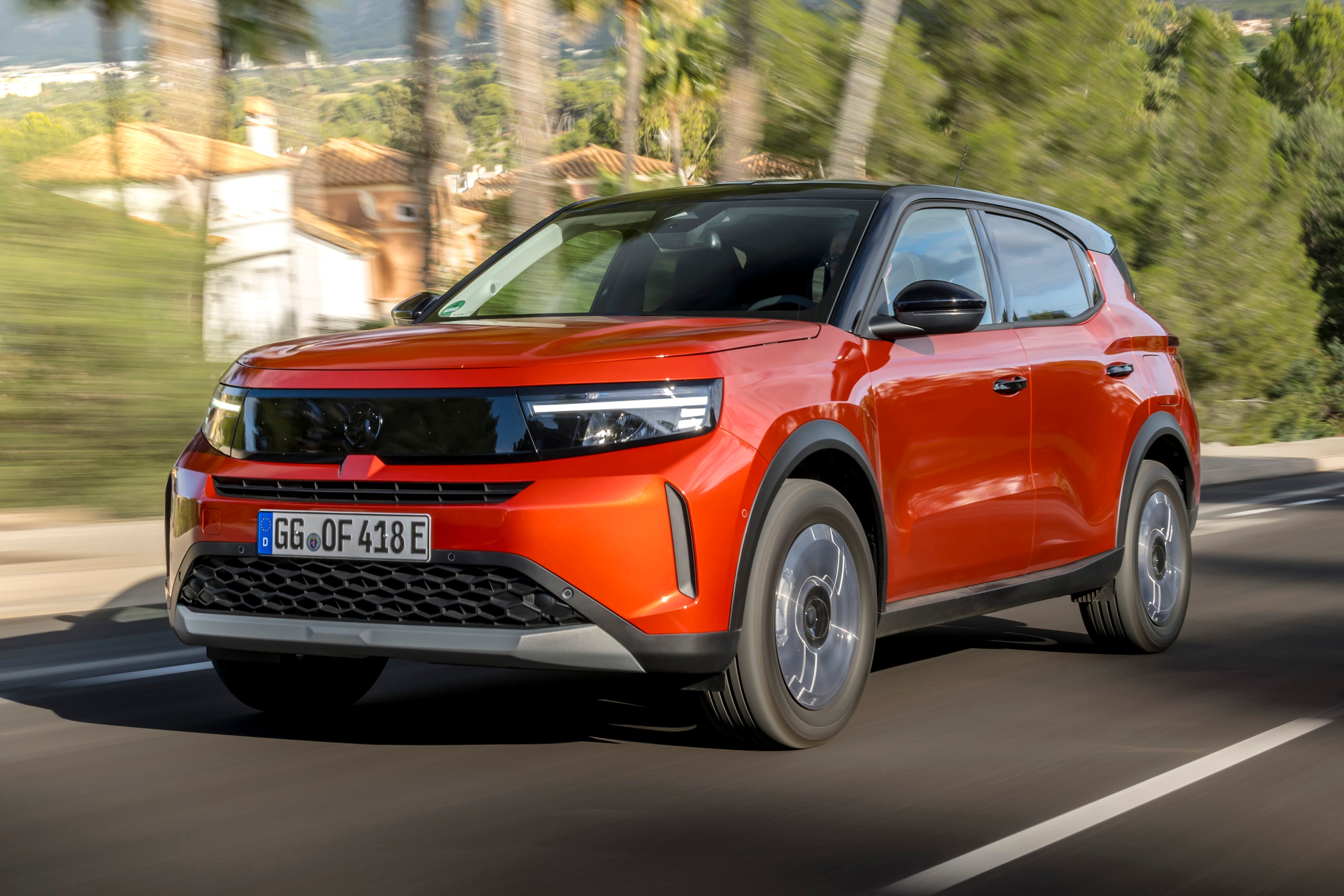
The Vauxhall Frontera makes sense if you want a small SUV that majors on space, simplicity and value rather than fashionable design flourishes or a pseudo-premium feel. It is one of the roomiest cars of its size, it is priced very keenly and it has a straightforward hybrid range that should be easy for family buyers to understand.
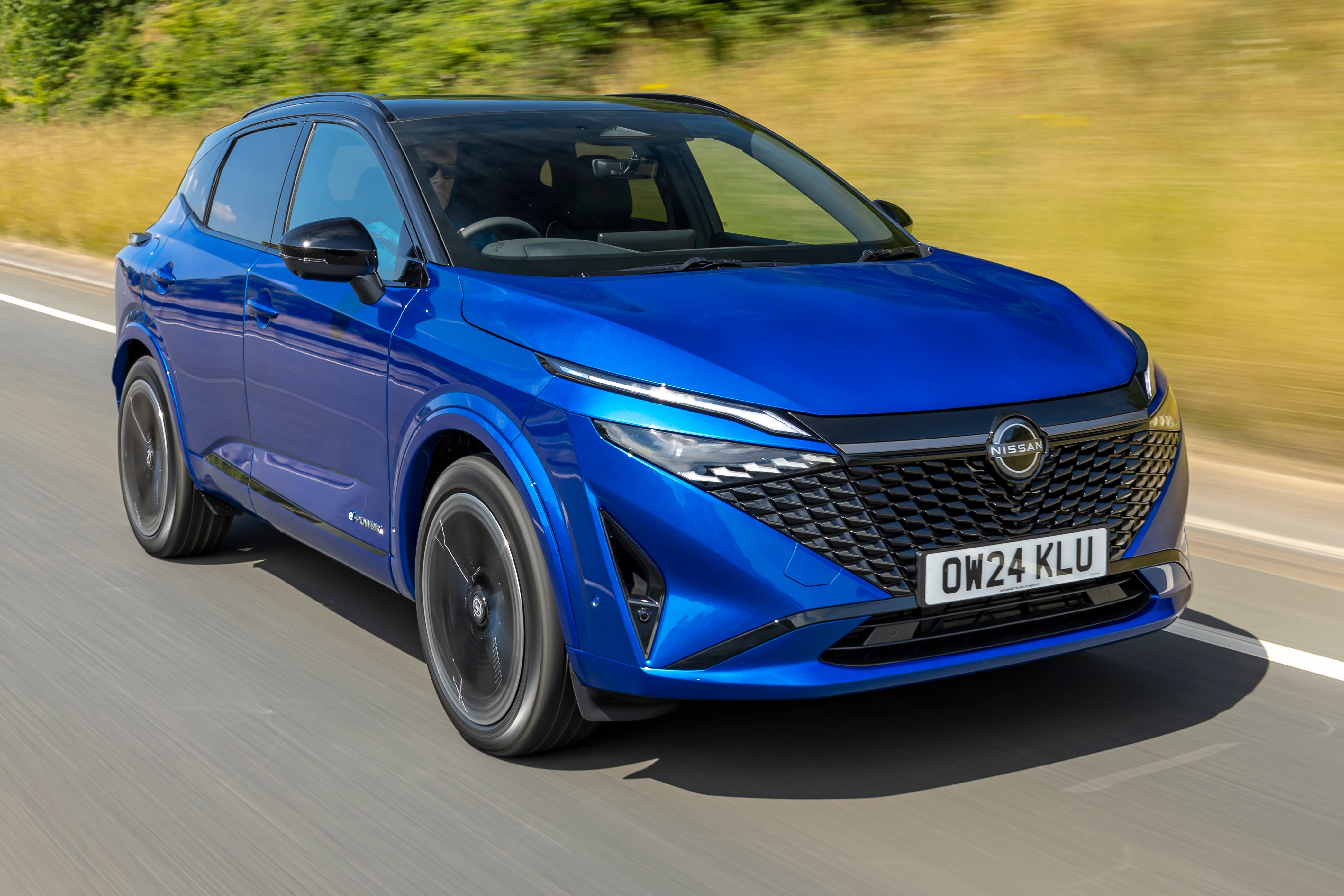
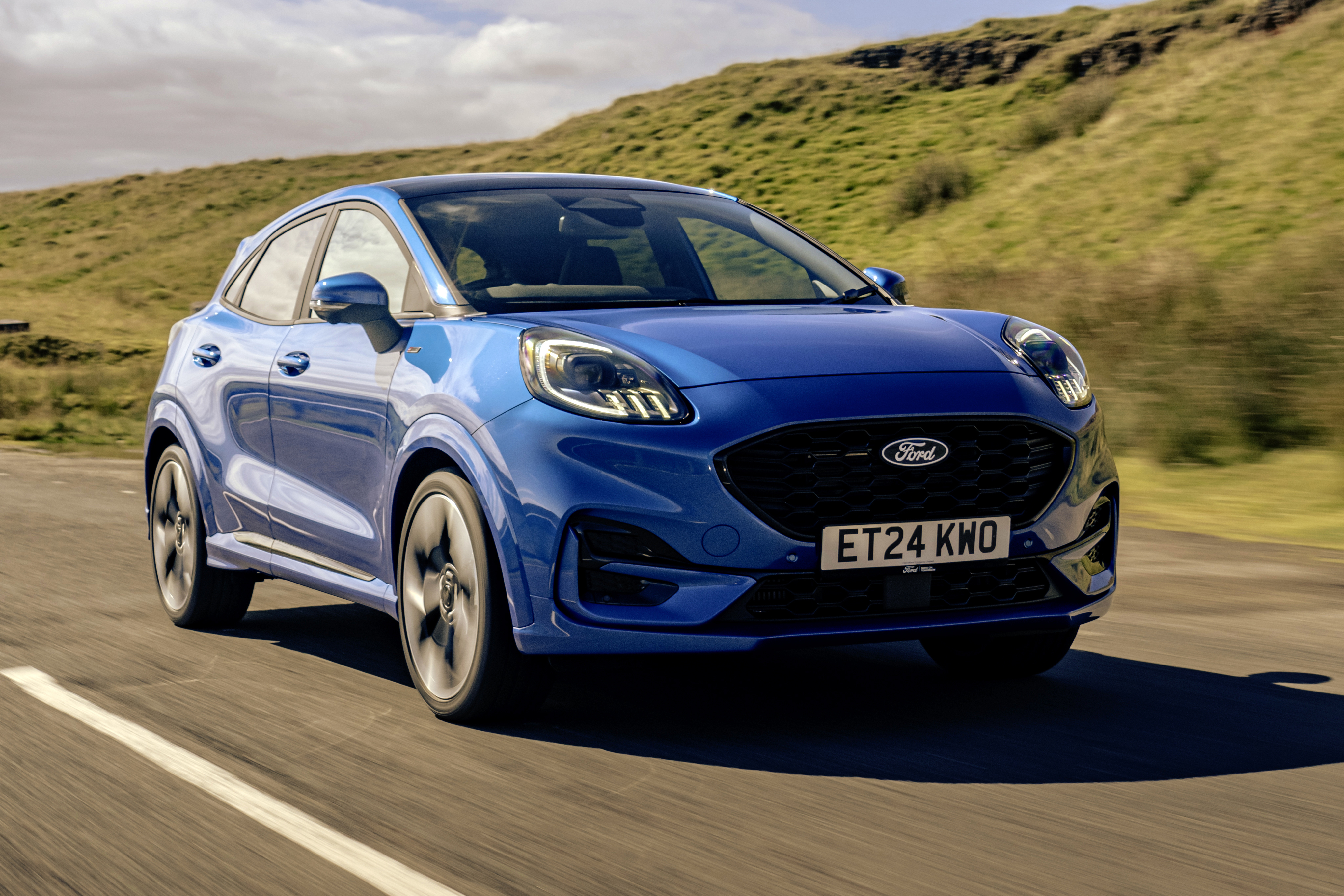
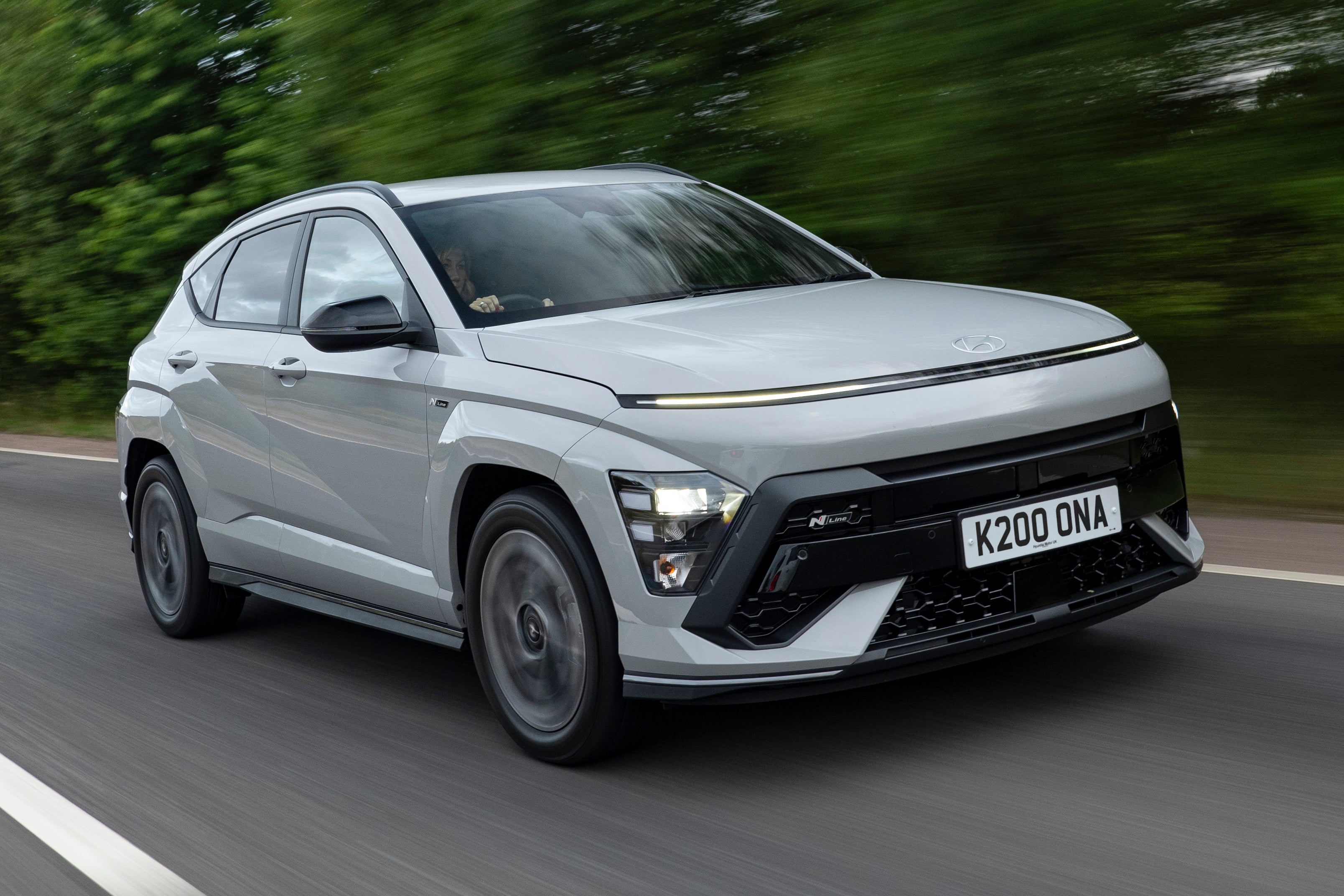
That gives it a different flavour from cars such as the Ford Puma, Nissan Juke or Hyundai Kona. Those rivals often feel a little more polished or a little more desirable, but the Frontera answers back with more rear passenger room, a big boot and the option of seven seats on hybrid GS and Ultimate models. If practical family usefulness matters more than showroom sparkle, it makes a very strong case.
The Vauxhall Frontera in more detail
The reborn Frontera has a very different brief from the old Vauxhall SUV that wore the same name in the 1990s. Today’s version is not trying to be a rugged off-roader. Instead, it is a compact family SUV designed to replace the old Crossland and sit neatly between the Mokka and Grandland in the Vauxhall range.
That sounds straightforward enough, but the Frontera matters because it approaches the small SUV class from a slightly different angle. Where many rivals lean heavily on style, sportiness or image, the Frontera is more interested in space, ease of use and low upfront cost. That makes it feel refreshingly honest.
The hybrid range is simple enough. Buyers choose between two versions of the same 1.2-litre petrol hybrid, badged 110PS and 145PS, both paired with a six-speed dual-clutch automatic and a 48V electrical system. The fully electric Frontera is covered separately. Vauxhall’s official price guide also confirms a three-trim walk-up of Design, GS and Ultimate, which is more detailed than some earlier launch coverage suggested.
The appeal of that structure is that even the basic car gets the essentials right. You are not forced straight into a high trim just to get the important family-car features. Move higher up the range and the Frontera adds more comfort, more styling and a few desirable extras, but the fundamental character stays the same: spacious, straightforward and value-led.
That leaves the Frontera with a clear role in the market. It is not the sharpest small SUV, not the plushest and not the most fashionable. But if you judge it on what families actually need rather than what brochures tend to emphasise, it is a more convincing thing than it might first appear.
If you want the EV version, you need our Vauxhall Frontera Electric review.
What's the best Vauxhall Frontera trim and battery option?
For most buyers, the sweet spot is the Frontera GS Hybrid 145PS e-DCT6.
The more powerful 145PS hybrid is worth having because it gives the Frontera a more relaxed, easier character without fundamentally changing the car’s sensible brief. The 110PS version is still affordable and should be fine for gentler use, but once the car is carrying a full load of passengers and luggage, the extra shove of the 145PS makes more sense. Vauxhall quotes 0-62mph in 9.0 seconds for the 145PS and 11.0 seconds for the 110PS.
GS is the trim we would target because it adds the things buyers are most likely to appreciate every day. Over Design, it brings front parking sensors, blind-spot alert, electronic climate control, heated folding mirrors, the more supportive Intelli-Seat front chairs, rear LED reading lights, tinted rear windows and the contrasting black roof that lifts the Frontera’s look quite noticeably.
Ultimate goes a little further still, adding heated front seats, a heated steering wheel, heated windscreen, keyless entry and start, roof rails and front fog lamps. Those are worthwhile upgrades, but the value case is strongest in GS. The useful seven-seat option is also available on GS and Ultimate hybrids for £550, which could be enough on its own to push some family buyers away from the entry-level car.
What’s the price of the Vauxhall Frontera?
Pricing starts at £24,870 for the Frontera Design Hybrid 110PS, rising to £26,380 for the Design Hybrid 145PS. GS opens at £27,270 for the 110PS and £28,780 for the 145PS, while Ultimate tops the range at £28,070 for the 110PS and £29,580 for the 145PS.
Those prices are a major part of the Frontera’s appeal. They undercut a lot of established small-SUV rivals, especially once you compare like-for-like automatic hybrid powertrains and similar equipment levels. It is one of the clearest reasons to put the Frontera on your shortlist.
The key point is that the Frontera does not really ask you to pay a style premium. It is pitched more as a practical family buy than a lifestyle accessory, and the pricing supports that.
Alternatives to the Vauxhall Frontera
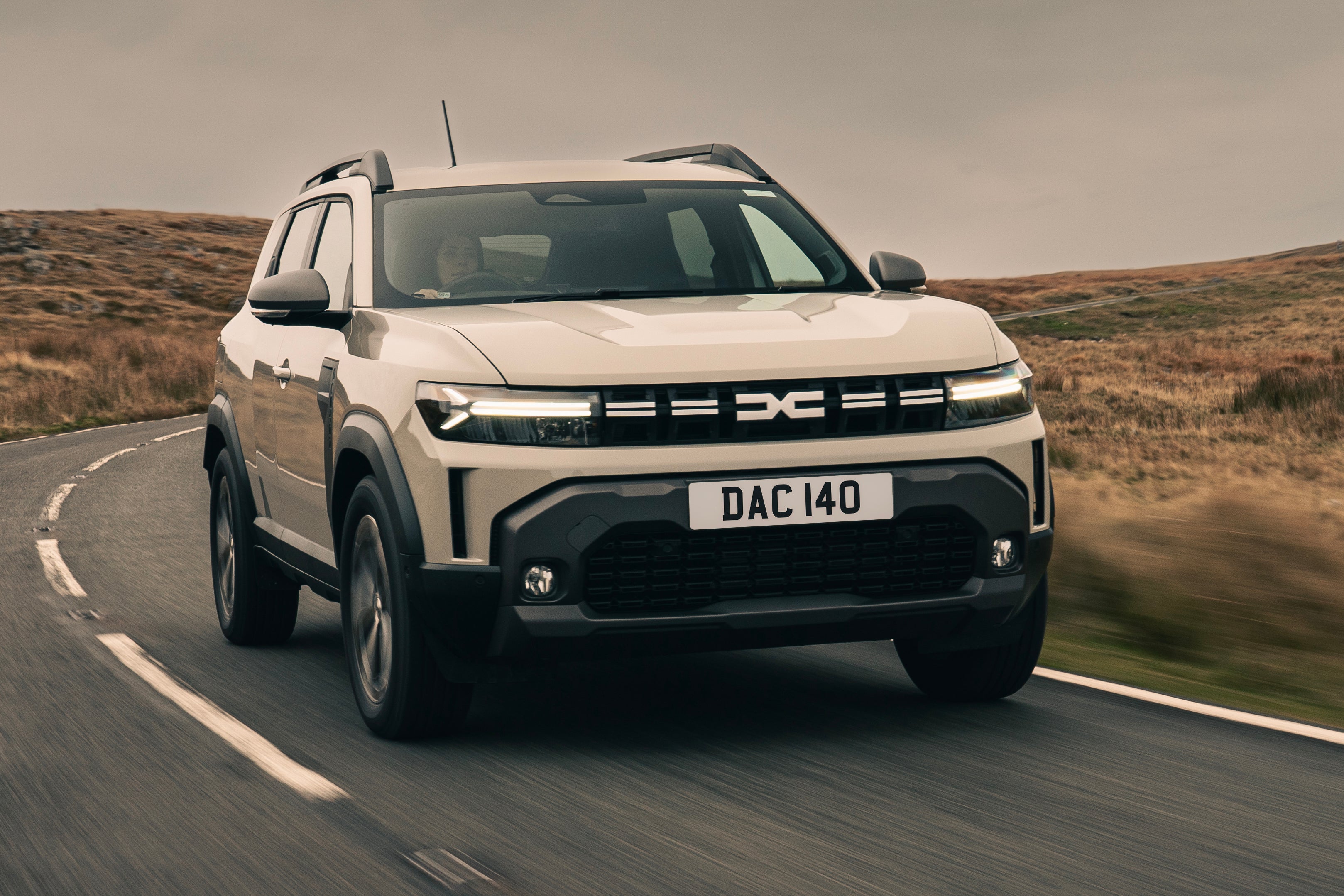
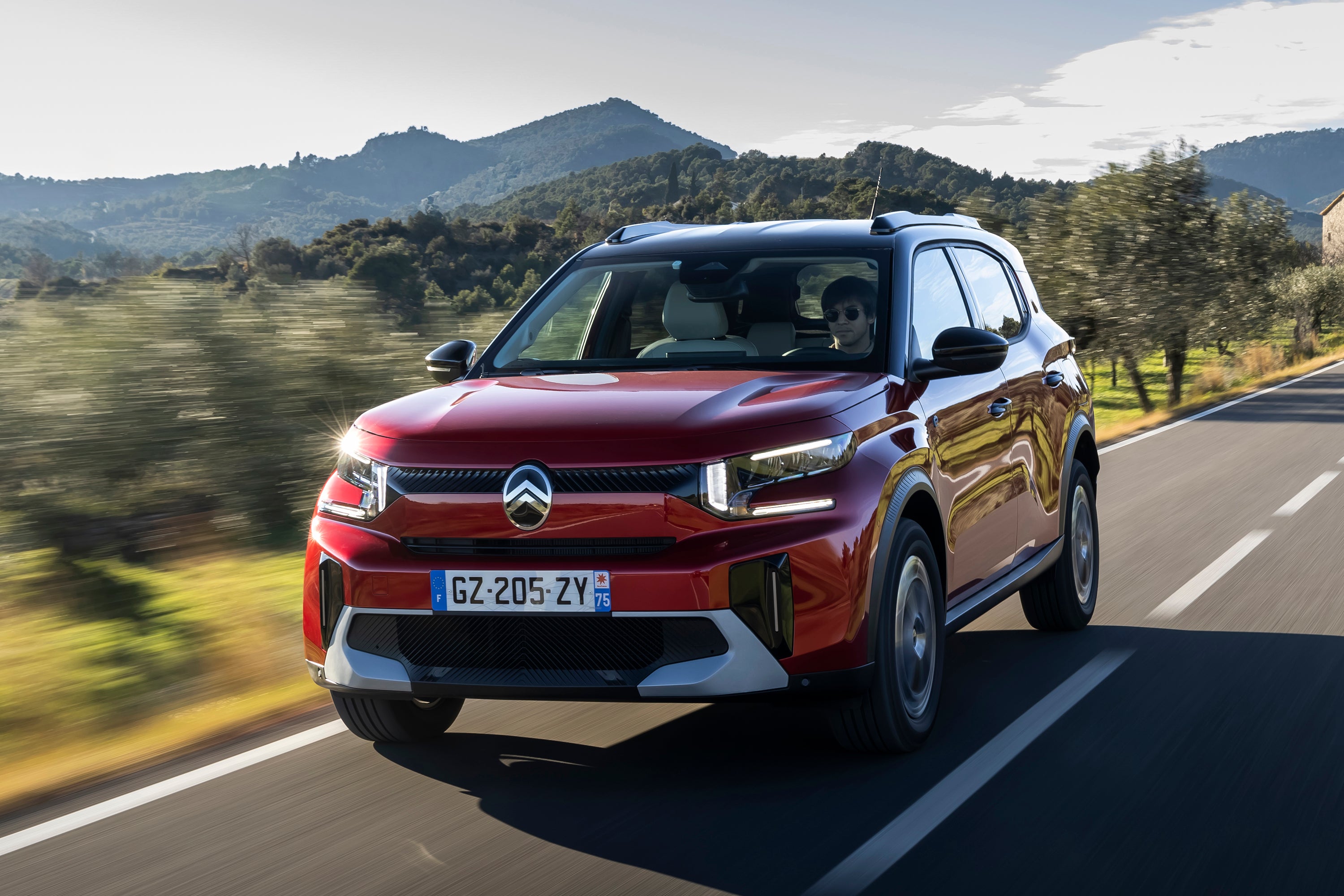
The most obvious value-led alternative is the Dacia Duster, which shares the Frontera’s honest, spacious flavour and similarly down-to-earth appeal. The Citroen C3 Aircross is another important rival because it also majors on affordability and family space. The Nissan Qashqai is bigger-feeling and more mature in some areas, but it is notably more expensive.
The Ford Puma is still the driver-focused choice in this part of the market, and the Hyundai Kona is a more polished all-rounder with a richer-feeling cabin. But neither feels as obviously packaging-led as the Frontera, and neither offers its unusual seven-seat option.
That seven-seat point matters because it pushes the Frontera closer in spirit to cars such as the C3 Aircross than to sportier small SUVs. If you really need an occasional extra pair of seats at this money, there are not many direct alternatives.
What's the interior like in the Vauxhall Frontera?
The Frontera’s cabin is a reminder that affordability and visual appeal do not always have to be mutually exclusive. It looks modern enough and is sensibly laid out, even if some of the materials quickly reveal where costs have been saved.
Vauxhall Frontera boot space and practicality
This is where the Frontera makes its strongest argument. For a relatively compact SUV, it is impressively roomy in the back, and that gives it a very different feel from cars such as the Ford Puma and Nissan Juke. The rear bench offers more genuine legroom than either of those, and adults will be noticeably happier there on longer trips. Even a Hyundai Kona, which is hardly cramped, does not feel as airily family-focused in the second row.
The boot is another strength. In standard five-seat form, the Frontera offers 460 litres, which is a very useful figure for this class. It does not quite beat the Dacia Duster, but it comfortably outmuscles many fashionable small-SUV rivals and makes a stronger practical case than cars such as the Puma or Juke. Fold the rear seats and capacity rises to 1,600 litres, which again is a strong result for a car of this footprint.
There is also the unusual option of seven seats on GS and Ultimate hybrids. That does not turn the Frontera into a true seven-seat family car in the way a bigger SUV might be, and those extra seats are clearly for occasional use rather than regular adult accommodation. More importantly, they reduce boot space with all seats in place to 370 litres and 1,400 litres with seats folded, so this is a flexibility feature rather than a miracle of packaging.
The details are well judged too. There is a useful square load bay, a height-adjustable floor and seats that fold flat enough to make it genuinely practical. So while the Frontera is not the last word in cleverness, it is one of the more family-friendly small SUVs for outright usefulness.
Vauxhall Frontera dimensions
The Vauxhall Frontera measures 4,385mm long, 1,795mm wide & 1,655mm high.
Those are tidy dimensions for a small family SUV, and they help explain why the Frontera feels like a halfway house between the smaller Mokka and larger Grandland. It is large enough to deliver proper rear-seat space and a worthwhile boot, but still compact enough not to feel awkward around town.
Tech and infotainment in the Vauxhall Frontera
Every Frontera gets Vauxhall’s Multimedia Pure Panel Navigation system, built around a 10-inch touchscreen and a 10-inch digital instrument cluster. Wireless Apple CarPlay and Android Auto are standard, as are Bluetooth, natural voice recognition, DAB and wireless phone charging. That is a strong core setup for the money and means the Frontera does not feel stripped out even in Design trim.
The system is straightforward rather than flashy, and that suits the car. It does not try to overwhelm you with layers of clever graphics or deep menus. Instead, it covers the basics cleanly and leans on smartphone integration where needed.
This is one of those cases where the spec sheet matters because Vauxhall has sensibly kept the important things standard. You do not need to chase a pricier trim just to get a decent screen setup.
Materials available on the Vauxhall Frontera
The Frontera’s interior is a clear case of money being spent where it matters most and saved where buyers are more likely to forgive it. The design is tidy and there are some nice visual touches in the trim and fabrics, but there is no escaping the fact that many of the plastics are hard and utilitarian.
That does not make the Frontera unpleasant inside. In fact, it feels robust enough for the kind of family life it is likely to lead. The bigger issue is that rivals such as the Kona or some higher-spec Puma models simply feel richer and more sophisticated.
Still, judged against its price rather than against pseudo-premium SUVs, the Frontera’s cabin quality is acceptable. It feels built to a budget, but not carelessly so.
What's the Vauxhall Frontera like to drive?
The Frontera is much more composed than you might expect from something pitched so squarely at value-conscious family buyers. It is not sporty, but it is tidy, easy and confidence-inspiring.
Vauxhall Frontera range and performance
The hybrid range consists of two versions of the same 1.2-litre three-cylinder turbo petrol with 48V assistance and a six-speed e-DCT automatic. The entry engine produces 110PS and 205Nm, while the stronger version produces 145PS and 230Nm. Vauxhall quotes 0-62mph in 11.0 seconds for the 110PS and 9.0 seconds for the 145PS, with top speeds of 112mph and 118mph respectively. Both officially return 53.3mpg, with CO2 figures of 119-120g/km.
The hybrid system is worth mentioning because it is more useful than some mild-hybrid setups. Vauxhall says the integrated electric motor can power the car alone for very short distances at low speeds, such as manoeuvring or creeping through city traffic under 18mph. That should help in everyday urban driving, even if it does not turn the Frontera into anything close to a full hybrid.
For most buyers, the 145PS is the better match for the Frontera’s size and family focus. The 110PS keeps the price tempting, but the 145PS gives the car the effortlessness it really needs.
Performance data
| Model | Engine/battery size | Power | 0-62mph | Range/MPG |
|---|---|---|---|---|
Frontera Hybrid 110 | 1.2-litre | 110PS | 11.0 seconds | Up to 53.3mpg |
Frontera Hybrid 145 | 1.2-litre | 145PS | 9.0 seconds | Up to 53.3mpg |
Vauxhall Frontera driving and refinement
On the road, the Frontera is better sorted than its budget-friendly image might suggest. The steering is quick enough and accurate enough to make it feel easy to place, and the body stays reasonably well controlled for something with such a comfort-first brief. That does not make it fun in the conventional hot-hatch sense, but it does mean it feels more disciplined than some cheap small SUVs.
Ride comfort is another positive. The Frontera’s relatively generous tyre sidewalls and family-biased setup help it settle into everyday use quite well. It is the sort of car that should cope with potholes and poor urban surfaces better than overly style-led SUVs on larger wheels. That matters more to the target buyer than cornering sparkle.
Refinement is good for the money too. The hybrid engine can sound a bit gruff if you work it hard, but in gentler use the Frontera generally feels calmer than its price might lead you to expect. Overall, it feels more mature than flashy, which is exactly right for the role it is supposed to play.
How safe is the Vauxhall Frontera?
Euro NCAP had not yet published a Frontera crash-test rating in the latest official material I checked. Vauxhall’s standard safety story is still decent, though, with rear parking sensors, a reversing camera, cruise control, automatic emergency braking, lane-keep assist, driver attention warning, speed sign recognition, forward collision alert and hill-start assist all included on Design. GS adds blind-spot alert and front parking sensors.
That is a healthy spread of standard active-safety equipment for a value-led small SUV, even if the conspicuous absence of adaptive cruise control remains a gap compared with some rivals.
Running costs: What it's like to live with a Vauxhall Frontera
Running costs should be one of the Frontera’s stronger suits, particularly if you stick with the hybrid rather than chasing something bigger, heavier or more premium.
Vauxhall Frontera fuel economy
Vauxhall quotes 53.3mpg for both hybrid outputs. That is a respectable figure for a small automatic family SUV and helps strengthen the Frontera’s case as an easy, affordable all-rounder. The 44-litre fuel tank should also give it enough range between fills to avoid becoming a chore on longer trips.
Real-world results will depend on use, of course, but the hybrid’s ability to creep on electric power alone at low speeds should help around town and in traffic.
Vauxhall Frontera warranty and servicing
Vauxhall’s new-vehicle warranty runs for three years from registration. It is unlimited mileage for the first year, then limited to 60,000 miles for years two and three. Hybrid servicing is due every 16,000 miles or one year, whichever comes first.
That warranty is functional rather than generous. Several rivals now offer longer cover, so this is not an area where the Frontera stands out. The service intervals are straightforward enough, though.
Vauxhall Frontera insurance groups
Insurance groups for the hybrid range run from 16 for the Design and GS 110PS to 21 for the Ultimate 145PS, with Design 145PS at 20, GS 145PS at 20 and Ultimate 110PS at 17. That is competitive enough for a family SUV of this size and should help keep the overall ownership case strong.
How much does it cost to tax a Vauxhall Frontera?
After year one, the Frontera Hybrid pays the standard annual VED rate, currently £200. Frontera Hybrid sits well below the £40,000 Expensive Car Supplement threshold for petrol, diesel and hybrid cars, there is no additional annual charge to worry about.
What trims are available with the Vauxhall Frontera?
The hybrid Frontera range is built around Design, GS and Ultimate. That matters because Vauxhall has actually spaced the trims out quite well.
Design is not a stripped-out entry model. It already gets rear parking sensors, rear camera, cruise control, automatic emergency braking, Intelli-LED headlights, the twin 10-inch screen setup with navigation and wireless smartphone mirroring, wireless charging, rain-sensitive wipers and air conditioning. It also gets 17-inch alloy wheels on hybrid versions, rather than the steel-wheel impression some buyers might assume from the price.
GS adds the equipment many family buyers will really want. Front parking sensors, blind-spot alert, electronic climate control, anti-dazzle rear-view mirror, heated folding door mirrors, the more supportive Intelli-Seat front chairs, tinted rear windows, LED tail lights, black roof and black exterior detailing all help it feel more desirable and a bit less bare-bones. It is also the point where the optional seven-seat layout becomes available.
Ultimate is a narrower step again, but it still adds worthwhile luxury touches. Heated front seats, heated steering wheel, heated windscreen, keyless entry and start, roof rails and front fog lamps make it feel more winter-friendly and slightly more upmarket, even if it is harder to justify on value grounds.
That more detailed trim spread is important because the Frontera is not simply a two-spec budget SUV any more. There is a proper walk-up here, and GS remains the one to target for the best balance of price, equipment and family usability.
Ask the Drive experts: common questions
How much does the Vauxhall Frontera cost?
Is the Vauxhall Frontera available as a seven-seater?
Is the Vauxhall Frontera practical?
What is the best Vauxhall Frontera version?
Get our latest advice, news and offers
Keep me updated by email with the latest advice, news and offers from Drive.