Volkswagen Tiguan (2016-2023) Review

Written By Andrew Brady
- 2016
- SUV
- Petrol, diesel, plug-in hybrid
What we love
Spacious, high-quality and family-friendly cabin
Easy, comfortable and confidence-inspiring to drive
Broad used-market choice across trims and engines
Things to consider
Later facelifted cars have the more modern technology
eHybrid has a smaller boot than other versions
Larger wheels can make the ride feel firmer
The DRIVE take on the Volkswagen Tiguan, is it the right car for you?
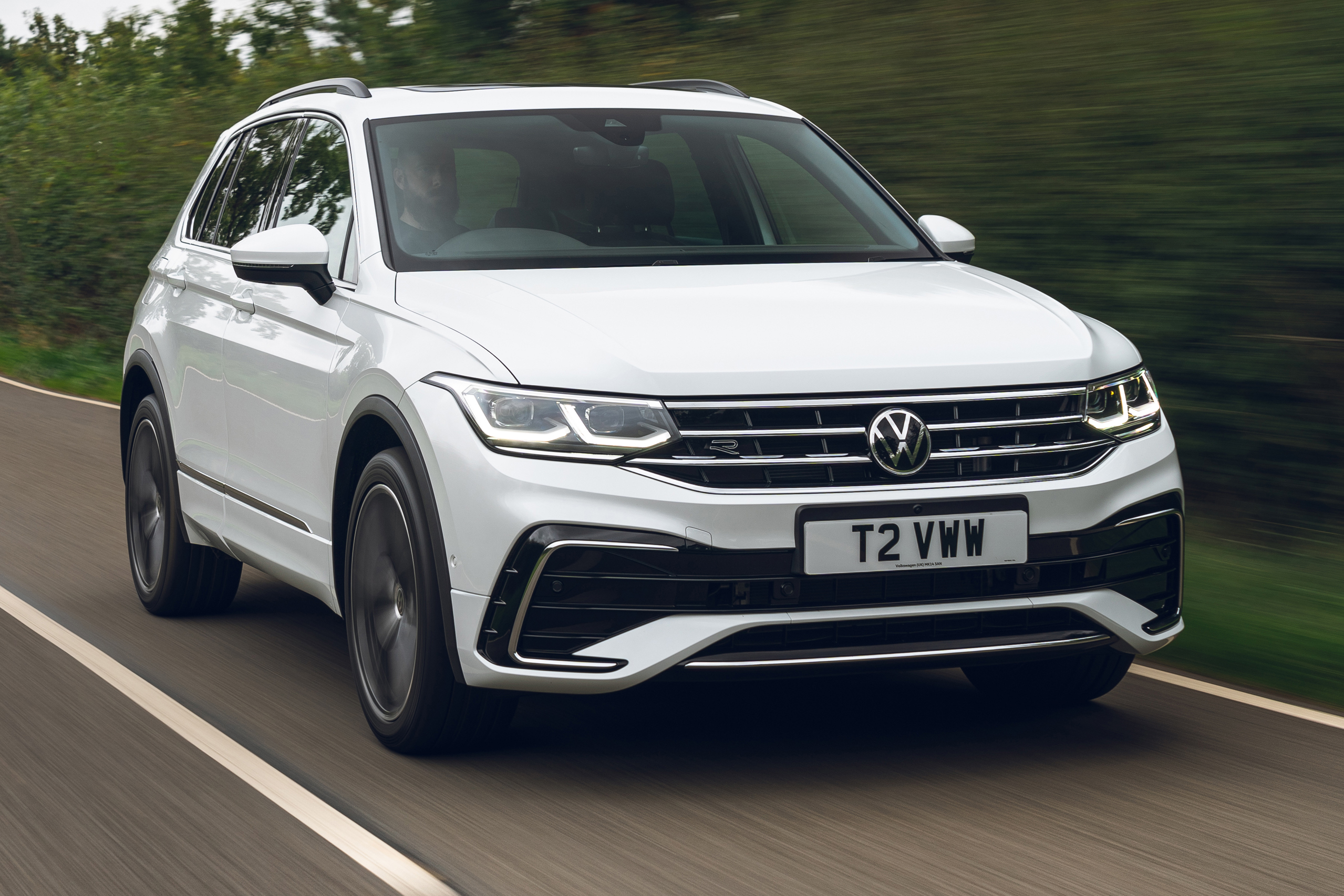
The previous-generation Volkswagen Tiguan is one of the best used family SUVs if you want something that feels polished, spacious and easy to live with. It isn’t the cheapest option in its class, and you can save money by looking at closely related alternatives, but the Tiguan makes a very strong case through its mature road manners, high-quality cabin and broad all-round ability. If you want a family SUV that simply feels like a safe pair of hands, the old Tiguan gets a lot right.
The Volkswagen Tiguan in more detail
The previous Tiguan now sits behind the newer shape model in Volkswagen’s line-up, but that doesn’t hurt its appeal as a used buy. If anything, it makes the older car easier to recommend, because depreciation has taken the sting out of what was always a strongly priced family SUV.
That matters because the Tiguan was never really about novelty or showroom drama. It built its reputation on being deeply competent: comfortable, practical, solidly made and easy to recommend to a broad spread of family buyers. It was the SUV equivalent of the sort of car Volkswagen used to do so well.
Browse used Volkswagen Tiguans for sale →
That character comes through clearly in the used market. The cabin is one of the Tiguan’s big strengths, rear-seat space is generous, and the boot is large enough to cope with family life without fuss. It also has the sort of mature, confidence-inspiring feel that some flashier rivals struggle to match.
There’s also plenty of choice. Used buyers can look at petrol, diesel and eHybrid versions, plus a broad range of trims from sensible fleet favourites to much plusher, more style-led R-Line models. If you like the idea of the current Tiguan but would rather spend significantly less, this previous-generation car makes a lot of sense.
Want to read about the new car? You'll want our Volkswagen Tiguan review.
What's the best Volkswagen Tiguan trim and engine option?
For most used buyers, the best place to start is the 2.0 TDI 150 in Match, SE Nav or SEL trim. It suits the Tiguan’s relaxed, load-carrying character very well, offers strong real-world economy and has enough shove that the car never feels strained.
If your mileage is lower, the later 1.5 TSI petrol is the more natural alternative. It’s quieter around town and smoother in short-trip use, although it’s worth making sure any software updates have been carried out.
The eHybrid deserves a look if your routine genuinely suits a plug-in hybrid, but it’s a rarer sight on the used market. For most buyers, the sensible middle of the diesel and petrol range is the best place to start.
What’s the price of the Volkswagen Tiguan?
Used prices for the previous-generation Volkswagen Tiguan now start from around £16,000 for older, higher-mileage cars, with facelifted examples, better trims and more desirable engines sitting notably higher. There are plenty of used Volkswagen Tiguans for sale on the secondhand market.
The Tiguan has always held onto its value well, and that means you may pay a little more for one than for some rivals of a similar age. The upside is that it feels like a strong, desirable product, which goes some way to justifying the premium.
If your budget stretches to a later facelifted car, it’s usually worth doing. The tech is better, the trim structures make more sense, and the whole thing feels a little fresher.
Alternatives to the Volkswagen Tiguan
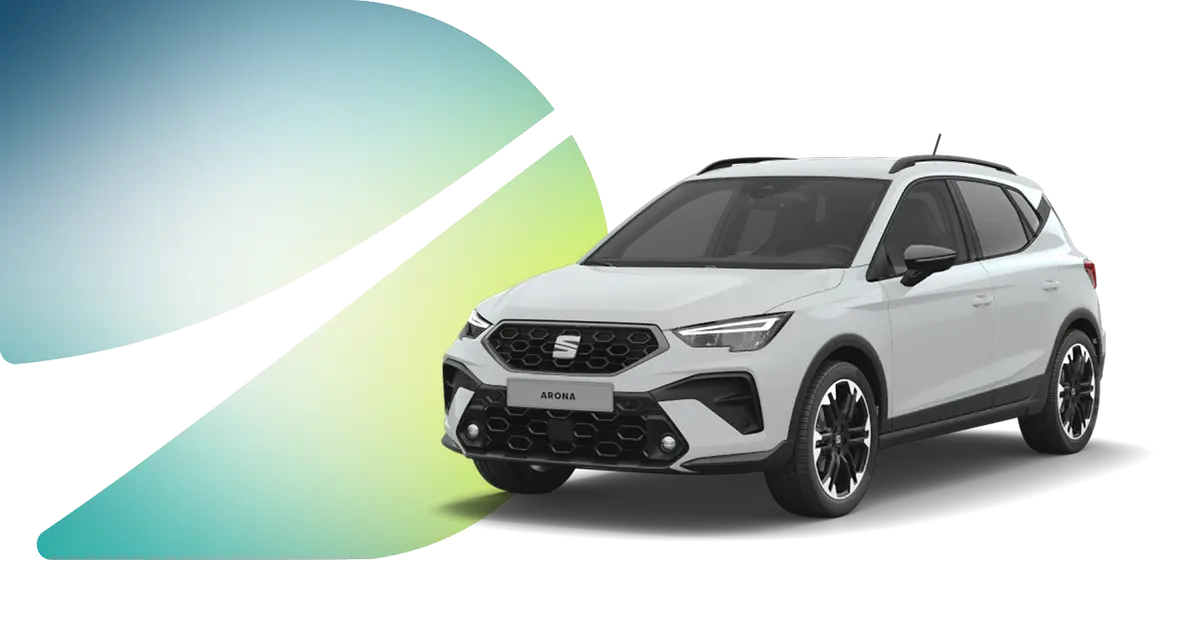
The Skoda Karoq and SEAT Ateca are the obvious alternatives because they share much of the Volkswagen’s engineering but usually cost less. The Tiguan counters with a classier interior and a slightly more mature feel.
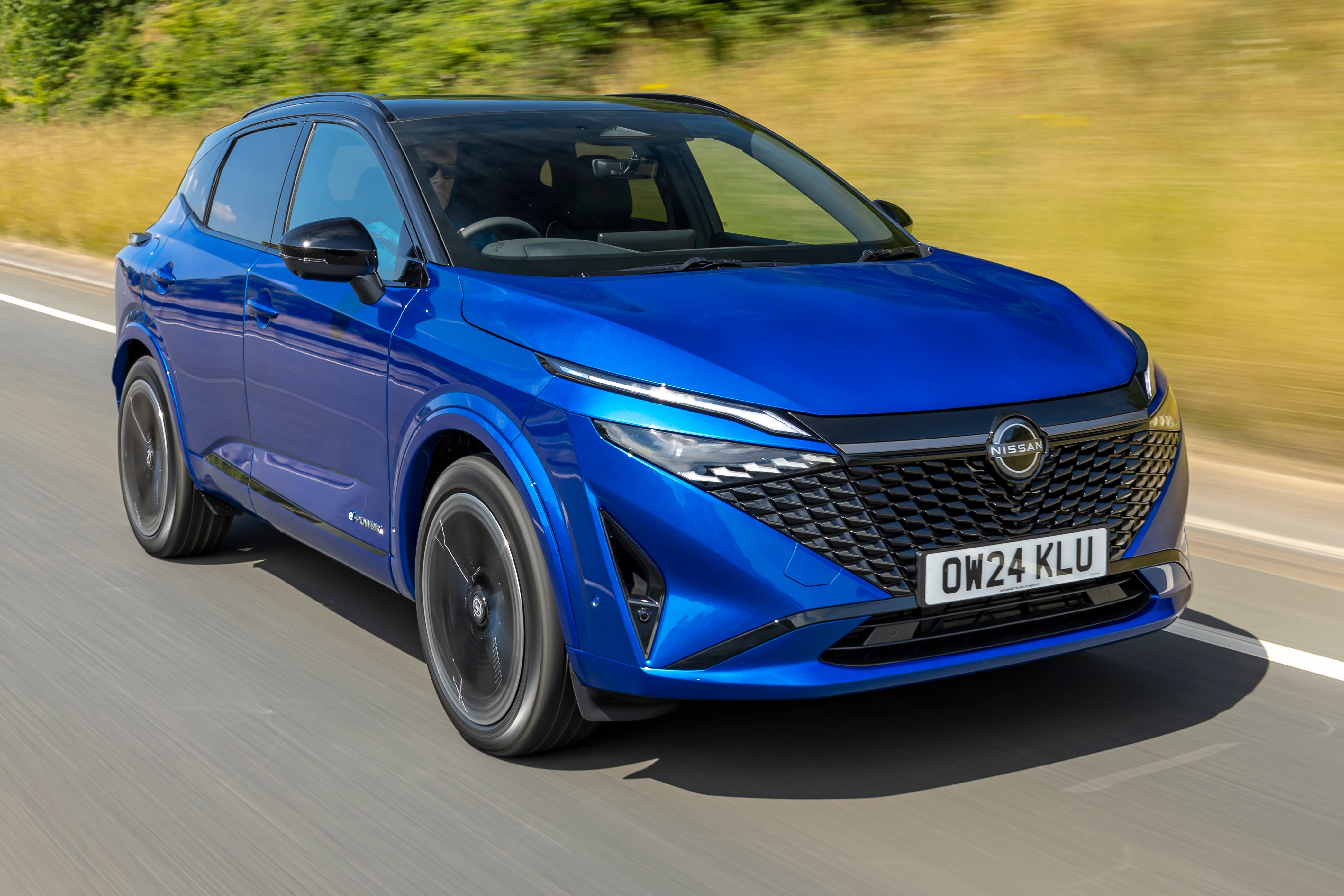
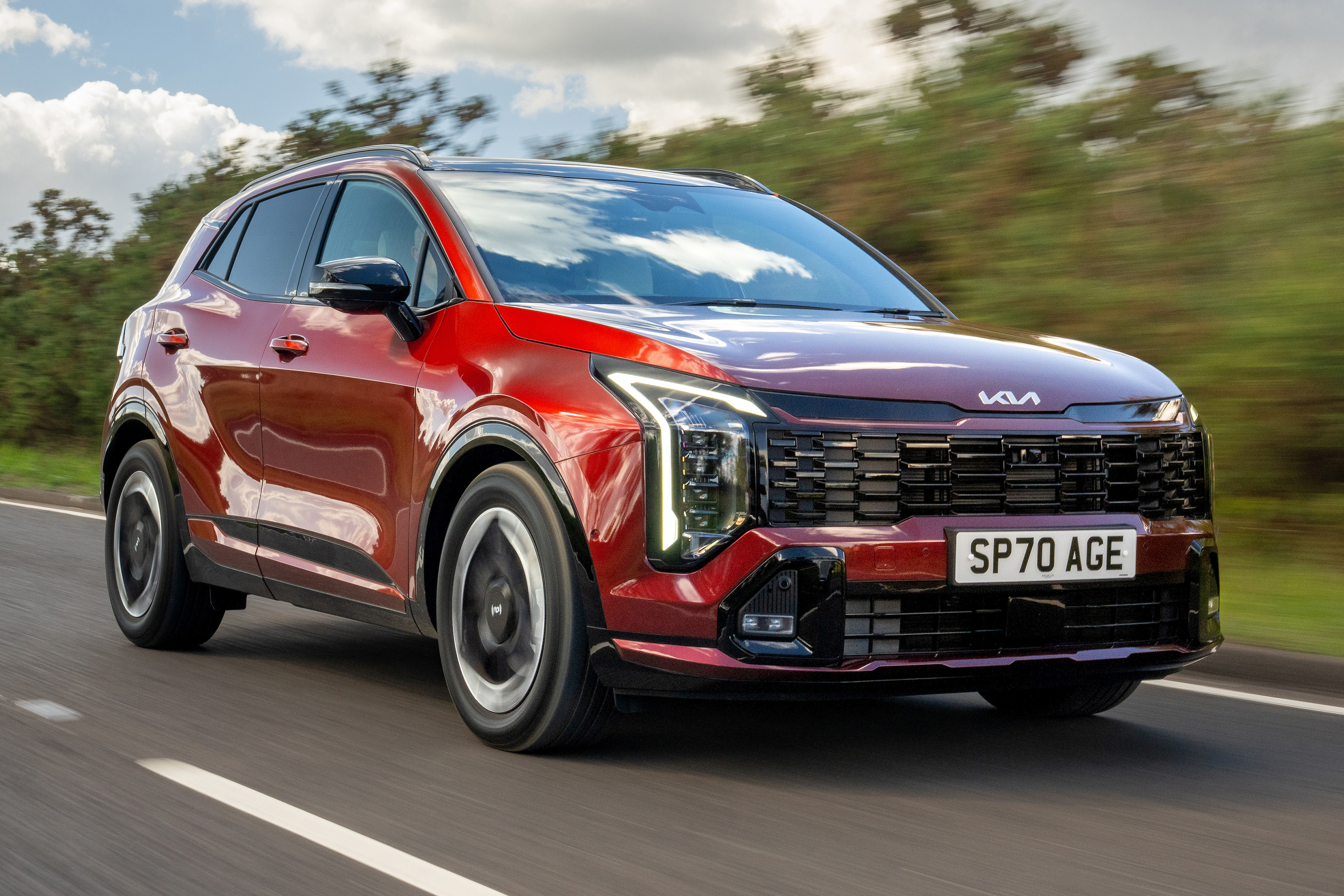
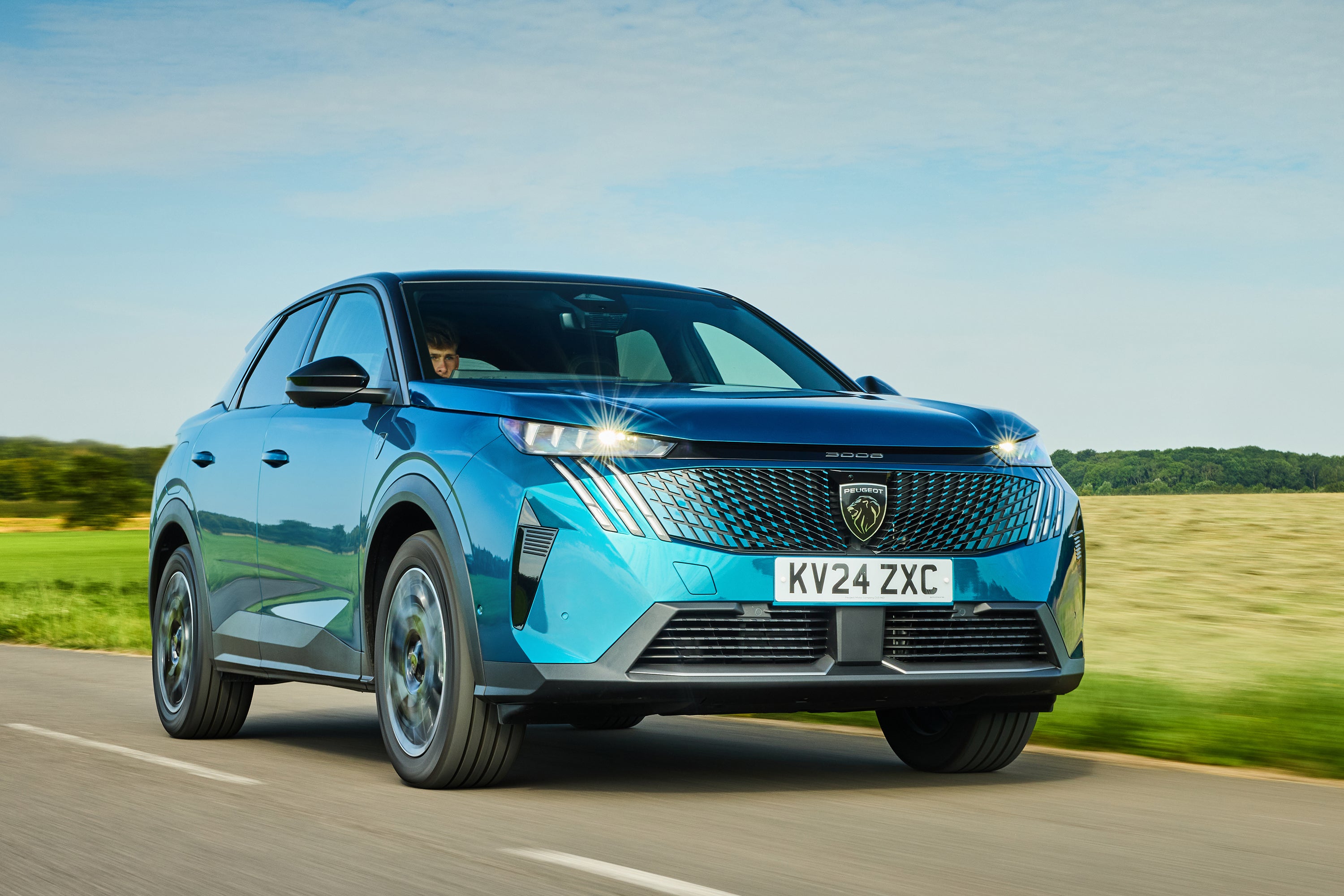
The Peugeot 3008 is another strong rival if you want something with more visual flair, while the Nissan Qashqai and Kia Sportage are sensible mainstream alternatives. If your budget stretches further, an Audi Q3 or Volvo XC60 may also come into the frame.
What's the interior like in the Volkswagen Tiguan?
The Volkswagen Tiguan’s interior is one of its strongest selling points. It’s spacious, neatly designed and pleasantly high quality, with the kind of mature, no-nonsense feel that ages very well.
Volkswagen Tiguan boot space and practicality
The Tiguan is a very family-friendly SUV. Up front, there’s loads of adjustment, plenty of storage and the sort of easy access that makes it feel immediately usable.
Rear-seat space is generous, with enough headroom and legroom for adults to sit comfortably, while the sliding rear bench gives you some flexibility between passenger room and luggage space. Big windows and wide-opening doors help as well, especially if you’re regularly dealing with child seats.
The boot is one of the Tiguan’s standout features. With up to 615 litres available, it’s larger than many rivals and easily big enough for pushchairs, holiday bags or the usual family clutter. The opening is wide, the shape is useful, and the adjustable floor helps make loading easier.
Volkswagen Tiguan dimensions
The Volkswagen Tiguan measures 4,486mm long, 1,839mm wide and 1,654mm high. That puts it towards the larger end of the five-seat family SUV class.
In practice, it feels roomy without becoming unwieldy. It has enough size to feel substantial and useful, but it’s easy enough to park and place on the road.
Tech and infotainment in the Volkswagen Tiguan
One of the Tiguan’s advantages is that its technology has aged quite well. Even the simpler systems are straightforward to use, with clear menus, useful shortcut buttons and a layout that doesn’t force you to rely on the screen for every little thing.
Match models and above are usually the best place to start because they bring navigation and a more complete infotainment setup, while higher-spec cars with digital instruments and a larger screen feel noticeably more premium.
If you really care about cabin tech, it’s worth hunting out a car with the optional larger infotainment system and digital driver display. But even the standard setup is easy enough to live with today.
Materials available on the Volkswagen Tiguan
The Tiguan uses a mix of materials that give it a more upmarket feel than many mainstream rivals. Soft-touch finishes feature across the upper dashboard and main cabin touchpoints, while trims higher up the range add smarter upholstery, contrasting inserts and more decorative detailing.
It’s not quite Audi-like in the way it presents itself, but it does a good job of balancing family-proof practicality with a more polished look and feel.
What's the Volkswagen Tiguan like to drive?
The Volkswagen Tiguan isn’t a sporty SUV, but it’s one of the more complete and confidence-inspiring cars of its type to drive. It’s easy, comfortable and very well judged for everyday family use.
Volkswagen Tiguan range and performance
Used buyers will mainly be choosing between the 1.5 TSI petrol, the 2.0 TDI diesel and, in smaller numbers, the eHybrid, but the Tiguan range was broader than that. Depending on year, there were also earlier 1.4 TSI petrols, more powerful 2.0 TSI petrols and stronger 2.0 TDI diesels.
The 2.0 TDI 150 is still the all-rounder most buyers should start with. It has enough torque to feel effortless when the car is full of people or luggage, and it suits the Tiguan’s motorway-friendly character well. The 1.5 TSI is a better fit if your mileage is lower or your driving is more urban, while the eHybrid makes sense if you can charge regularly, though a range of 30 miles looks modest by current models. More powerful petrol and diesel versions do exist, but they are rarer and usually only worth seeking out if you specifically want extra pace or four-wheel drive.
Performance data
| Model | Engine/battery size | Power | 0-62mph | Range/MPG |
|---|---|---|---|---|
1.4 TSI manual | 1.4-litre petrol manual | 150PS | 9.2 seconds | 48.7mpg |
1.5 TSI manual | 1.5-litre petrol manual | 150PS | 9.2 seconds | 44.8mpg |
2.0 TSI DSG 4MOTION | 2.0-litre petrol automatic | 190PS | 6.8 seconds | 34.4mpg |
2.0 TDI | 2.0-litre diesel manual | 150PS | 9.3 seconds | 50.4mpg |
2.0 TDI DSG 4MOTION | 2.0-litre diesel automatic | 190PS | 7.9 seconds | 44.8mpg |
eHybrid DSG | Plug-in hybrid petrol automatic | 245PS | 7.5 seconds | 141.2mpg |
Volkswagen Tiguan driving and refinement
The Tiguan is at its best when it’s being used exactly as most family SUVs are: around town, on school runs and covering motorway miles with the minimum of fuss. It feels stable, composed and easy to trust, which is a big part of its appeal.
Around town, the Tiguan feels surprisingly easy to place for a car of this size. The steering is light, visibility is good, and the upright driving position helps you feel comfortable very quickly. It has the sort of relaxed, confidence-inspiring nature that makes family life easier rather than harder.
On a faster road, the Tiguan stays tidy and predictable. It isn’t as eager or as playful as a SEAT Ateca, but it doesn’t feel clumsy either. There’s enough grip, enough body control and enough precision in the steering to make it feel dependable when the road turns more demanding.
Ride comfort is generally very good, especially on smaller wheels. Higher-spec cars with larger alloys and sports suspension can feel firmer, but even then, the Tiguan rarely becomes uncomfortable. If comfort matters most, the more modestly wheeled trims are usually the best bet.
Refinement is another strong point. Wind and road noise are well suppressed, the controls are light and easy, and the Tiguan feels impressively grown up at speed. On a long trip, it gives off the sort of calm, solid impression that helps explain why it’s such a convincing used choice for family SUV buyers.
How safe is the Volkswagen Tiguan?
The Volkswagen Tiguan holds a five-star Euro NCAP rating (now expired due to age) and comes with a strong level of active and passive safety equipment.
Features vary by year and trim, but emergency braking, lane assistance and a broad spread of airbags were all central to the package. As ever with a used SUV, it’s worth checking the exact specification of the individual car.
Running costs: What it's like to live with a Volkswagen Tiguan
The Volkswagen Tiguan should be a straightforward used SUV to run if you choose the right engine and buy carefully. Fuel economy is respectable, parts and servicing are familiar enough, and there’s wide support through Volkswagen’s dealer network.
Volkswagen Tiguan fuel economy
Fuel economy depends heavily on engine choice, but the Tiguan generally makes a decent case for itself. The 2.0 TDI is the obvious choice for higher-mileage drivers, while the 1.5 TSI is respectable enough if your annual mileage is lower.
The eHybrid can look very efficient on paper, but as with any plug-in hybrid, the result depends entirely on how often you charge it and what sort of journeys you do.
Volkswagen Tiguan warranty and servicing
Any remaining manufacturer warranty will depend on the age of the car, but Volkswagen Approved Used examples are the most reassuring place to start.
Volkswagen Approved Used currently includes one year of unlimited mileage warranty, one year of roadside assistance, independent vehicle history and mileage checks, a comprehensive multi-point vehicle check and service history checks. That extra reassurance is particularly welcome on used family SUVs, where mileage and previous use can vary a lot.
Volkswagen Tiguan insurance groups
Tiguan models sit between insurance groups 15 and 28, depending on engine, trim and drivetrain.
Lower-powered petrols and diesels are easier to justify, while the more powerful four-wheel-drive and higher-spec versions push premiums up. As always, get quotes before you commit.
How much does it cost to tax a Volkswagen Tiguan?
For most Volkswagen Tiguan examples registered on or after 1 April 2017, the ongoing standard VED rate is now £200 a year. If the car’s original list price was over £40,000, it would also have been liable for the Expensive Car Supplement in years two to six, taking the annual total to £640 during that period.
That is most relevant on higher-spec cars and pricier powertrains, but it is always worth checking the original list price of the used Tiguan you are considering.
What trims are available with the Volkswagen Tiguan?
As a used buy, the Tiguan range you will most often encounter centres on S, SE Nav, Match, SEL and R-Line Tech. S is better equipped than its badge suggests and already gives you the fundamentals, including the core infotainment setup and a decent spread of safety kit. Even so, it is the trim most likely to feel a little plain, both visually and in terms of convenience features, so it only really makes sense if price is the main priority.
SE Nav is where the Tiguan starts to feel more complete. It adds the sort of everyday features that matter most in the used market, including navigation and a stronger all-round equipment balance.
Match is often the sweet spot. It usually brings a bit more visual polish, more convenience equipment and the kind of family-friendly touches that make the Tiguan feel especially easy to live with.
SEL is where the Tiguan starts to lean into its near-premium brief. Depending on engine and year, it often adds more comfort-focused equipment, a plusher cabin ambience, digital displays and the sort of details that make the car feel more expensive than most mainstream rivals.
R-Line Tech is the look-at-me version. It gets the larger wheels, sportier styling, more aggressive trim details and a stronger sense of visual presence. It can look very smart, but it is not always the most sensible used buy because the larger wheels and sportier setup can chip away at the Tiguan’s comfort advantage.
Ask the Drive experts: common questions
Is the old Volkswagen Tiguan still worth buying?
Should I buy the old Tiguan or the new one?
Which Volkswagen Tiguan engine is best?
Is the Volkswagen Tiguan practical?
Get our latest advice, news and offers
Keep me updated by email with the latest advice, news and offers from Drive.
.jpg)
.jpg)