12/10/2026
Best cars for motorway driving: Top picks for 2026

Written By Mark Nichol

A great motorway car is about reducing fatigue. That can come from comfortable ride quality, but it also comes from driver assistance tech, strong performance, seat design, charging speed (for EVs), battery range and low noise.
Then there's fuel economy. If you're covering 20,000 motorway miles a year, the difference between averaging 40mpg and 60mpg can save you hundreds of pounds. For electric cars, it's less about outright range and more about how quickly they can charge. A car that can add 200 miles in 15 minutes is a far better travelling companion than one that takes twice as long.
Of course, a big luxury car will be great on the motorway — if money was no object, you’d probably just buy a Bentley — but we’ve tried to find something for everyone. There are affordable hatchbacks, practical family SUVs and electric cars that make surprisingly capable long-distance cruisers.
So whether work has you practically living on the M6, or you’re regularly driving from London to Cornwall for holidays or you simply enjoy disappearing off on a long road trip for the sake of it, these are the motorway cars we'd recommend.
1. Volkswagen ID.7
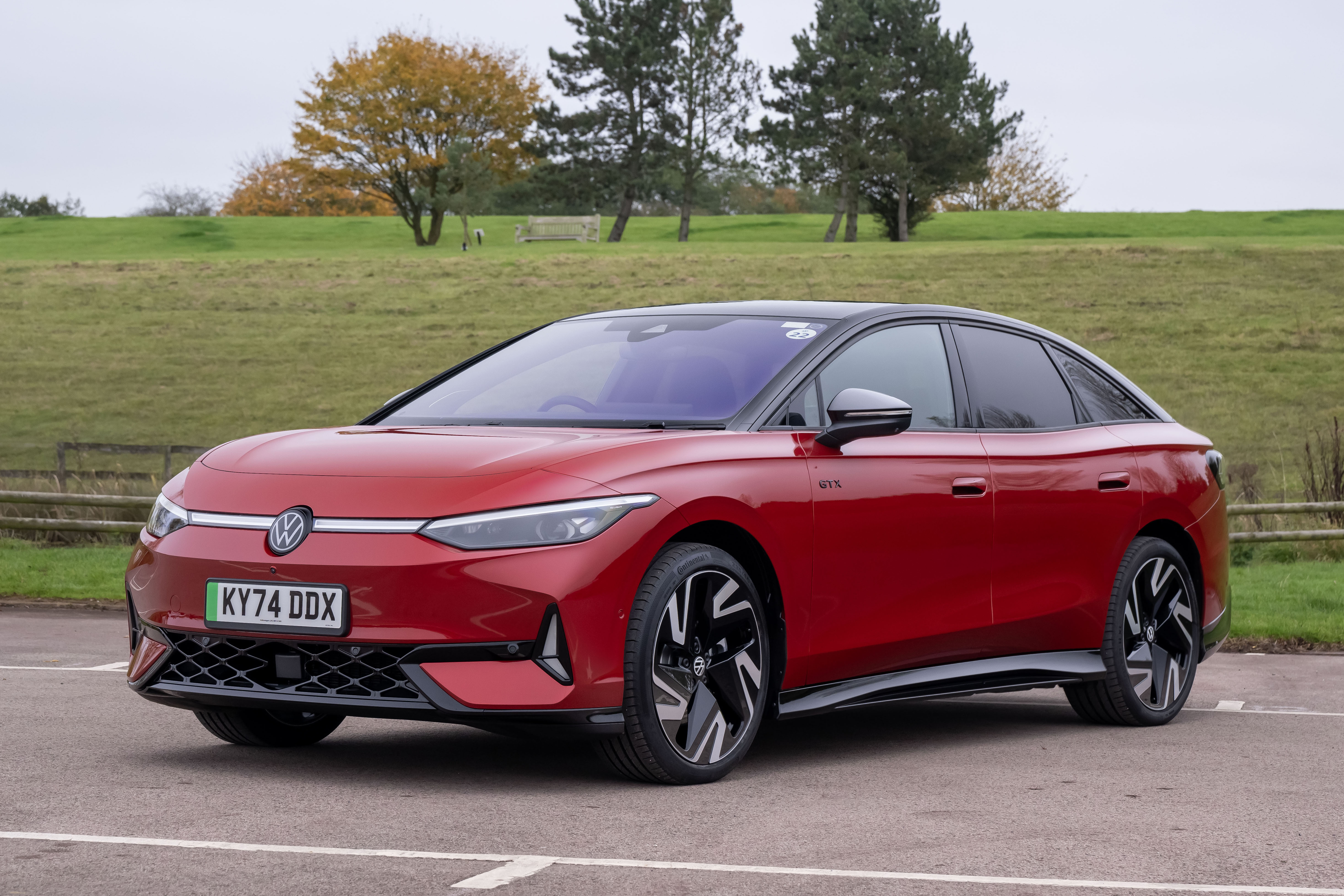
The Volkswagen ID.7 doesn't try to pin you to the back of your seat at every set of traffic lights or impress you with a dashboard that looks like a nightclub. Instead, Volkswagen concentrated on the things that actually matter when you're driving 300 miles up the M6.
The result is one of the most relaxing motorway cars on sale. It's exceptionally quiet at speed, the ride is supple without feeling floaty and the seats are superb. If you spend hours behind the wheel, we'd recommend choosing a model fitted with VW's optional ErgoActive seats, which offer massage and enough adjustment to keep even the fussiest backs happy.
Go for the Pro S Match and you'll get an official range of up to 433 miles. It also supports DC rapid charging at up to 200kW, allowing you to add around 150 miles of range in ten minutes, in theory. Combined with its impressive efficiency, the ID.7 is one of the easiest EVs to cover serious motorway miles in.
2. Mercedes-Benz E-Class
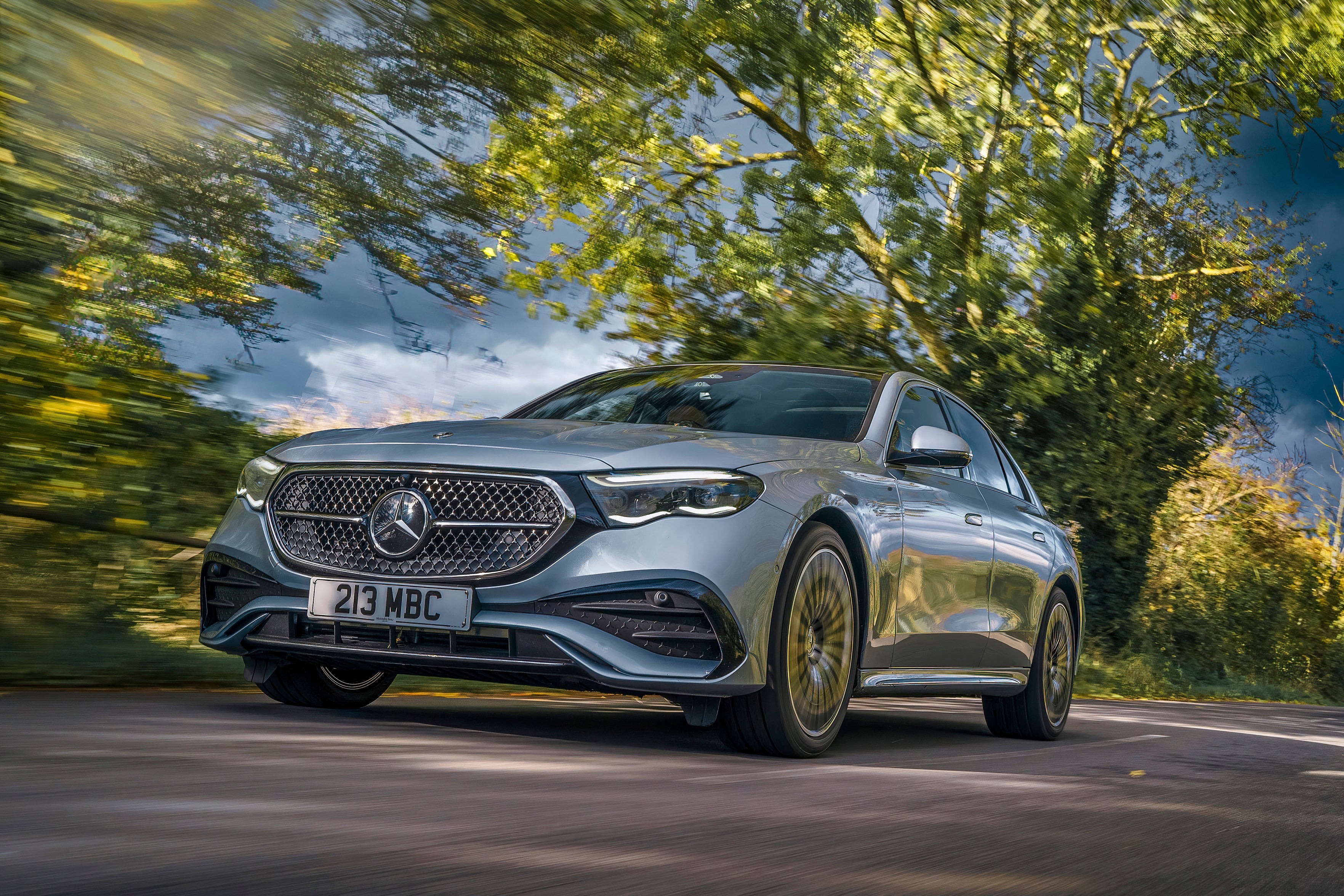
Mercedes has reacquired its mojo recently, mainly by making cars that blend high technology with old-school qualities like ride refinement and cabin quality. The S-Class and EQS are the best examples, but the Mercedes-Benz E-Class does nine-tenths of it for two-thirds of the price. It's lovely.
You can even still have a diesel — the best fuel by literally miles for long motorway journeys. Stick an E220d in cruise control and it's about as relaxing as 50mpg motoring gets. The optional Airmatic air suspension is worth having too, smoothing out rough roads without making the car feel floaty, while acoustic glass keeps wind noise impressively low. Add excellent adaptive cruise control, supportive seats and one of the best driving positions around and you’ve got a supreme motorway car.
If your driving is more mixed, there's also the clever E300de diesel plug-in hybrid. It's one of the last of its kind, combining genuine electric commuting with diesel economy when it's time to head up the motorway.
3. Škoda Superb
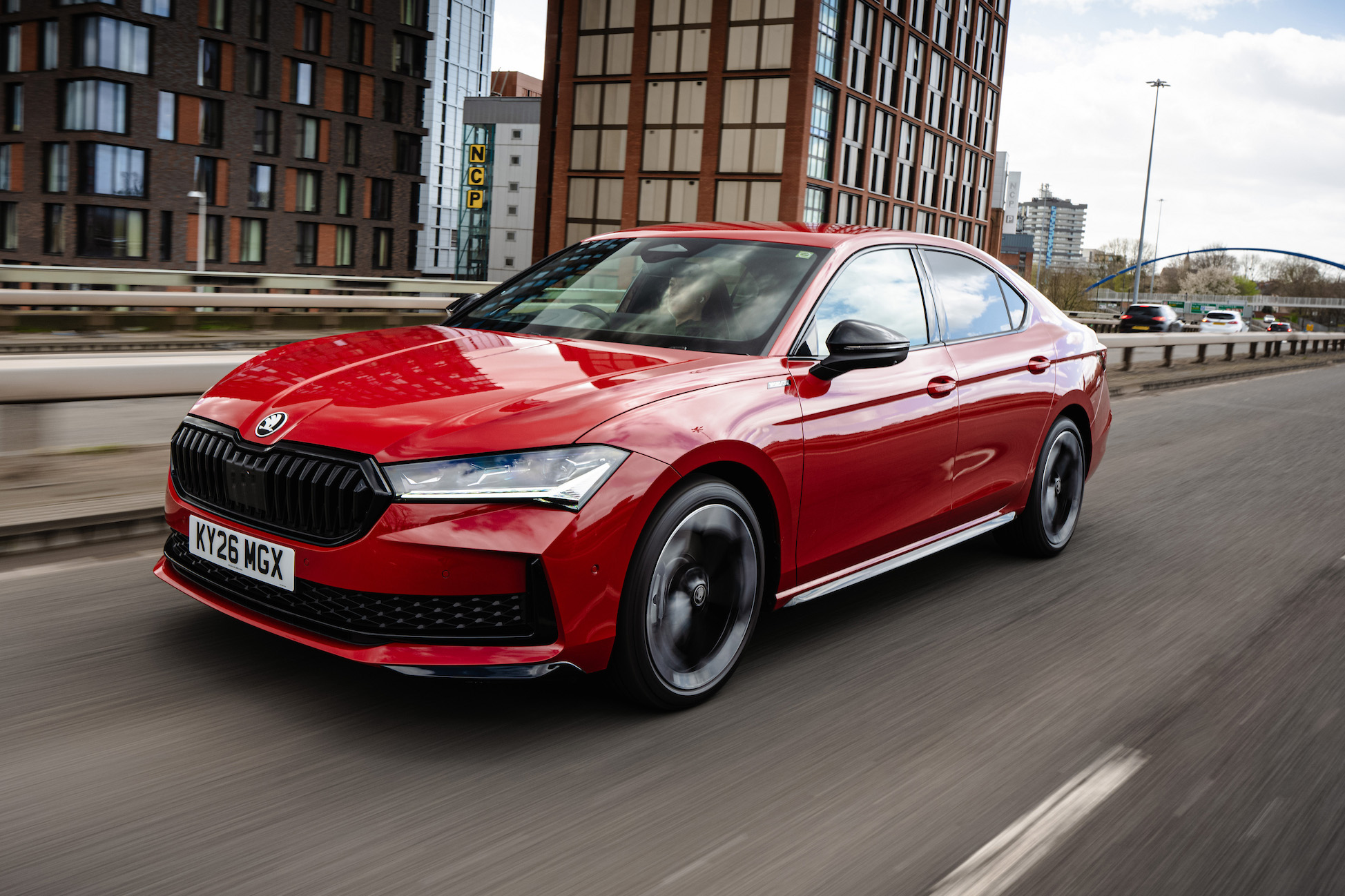
If you regularly cover big motorway miles, few cars make more sense than the Škoda Superb. It has always been one of the best long-distance cruisers around and the latest version is quieter, more comfortable and more refined than ever.
The suspension does a superb job of smoothing out rough motorway surfaces, while higher-specification models fitted with Dynamic Chassis Control Pro allow you to tailor the ride to suit your journey. Leave it in Comfort mode and the Superb settles into a relaxed, effortless stride that makes long trips fly by. Wind and road noise are impressively well suppressed, while the supportive seats are incredibly comfortable.
The Superb also excels at practicality. Rear passengers get treated to limousine-like legroom, while the 645-litre boot is among the largest you'll find in any non-SUV. If you spend most of your time on the motorway, the excellent 2.0-litre TDI diesel remains the pick of the range, delivering easy overtaking performance and good fuel economy.
4. BMW iX3
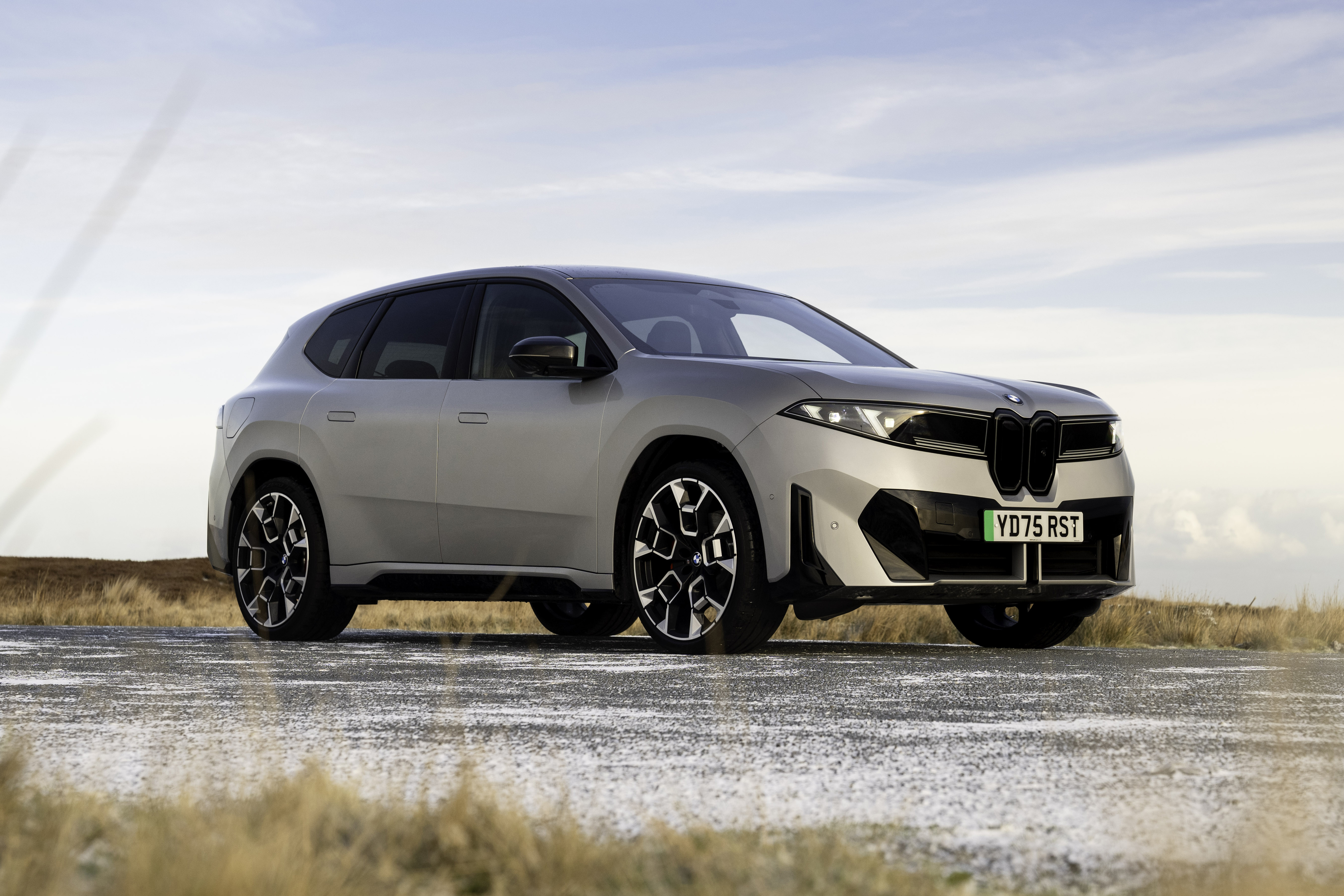
The new BMW iX3 isn't just another BMW. It's the first car built on the company's all-new electric platform, which means almost everything underneath it is box fresh. New batteries, new motors, new software, new displays — even a new way of building BMWs. If this car had got it wrong, BMW was about to head into a tough old decade.
Thankfully, the iX3 is genuinely marvellous. It can do up to 500 miles on a charge (officially, anyway), while its 800-volt electrical system allows charging at up to 400kW. In plain English, that's enough to add more than 230 miles of range in just ten minutes if you find a powerful enough charger. That makes it one of the fastest-charging EVs on sale.
BMW has also remembered that not every car has to feel like a sports car. The iX3 focuses on refinement, comfort and effortless long-distance cruising, making it feel every bit the spiritual successor to BMW's great motorway cars of old — just without the diesel engine.
5. Audi A6
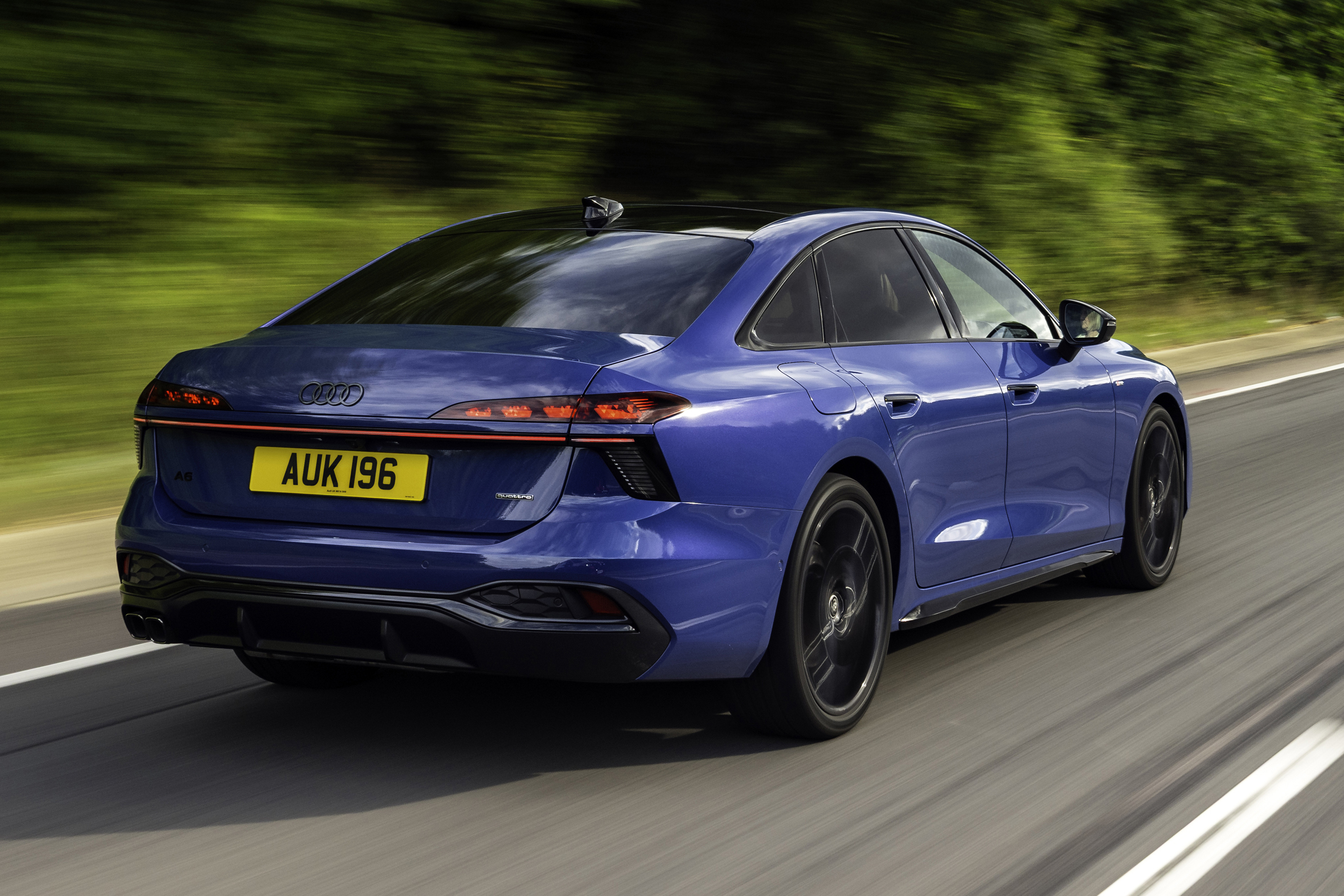
The Audi A6 is proof that not every great car needs a big personality. In the most positive way, it isn't flashy — and that's exactly why so many people love it. Quietly, almost anonymously, it remains one of the best executive cars ever built.
Audi has filled it with enough technology to keep an Airbus pilot occupied, but the important bits are the ones you barely notice. The cabin is superbly insulated from wind and road noise, the seats remain comfortable for hours on end and everything just works. Within days of owning an A6, the whole dashboard will be as second nature as using your old air fryer.
The TDI 204PS diesel is the engine we'd pick, for basically the same reasons we recommended the diesel E-Class: 50mpg, whisper-quiet cruising and a tank range of around 700 miles. It's almost as though these things are aimed at the same people. It's not the newest car here, but it’s one of the easiest ways to make a long journey disappear.
6. BMW 5 Series
.jpg)
The BMW 5 Series has always been a great motorway car, but a reputation as “the ultimate driving machine” has arguably overshadowed that fact. In this version, it’ll take you less than half a mile on the M1 to realise that while this might be much more dynamic than the average big saloon, it’s fundamentally a luxury car.
There’s loads of choice in the range. You can have a petrol, a plug-in hybrid, a diesel or the all-electric i5. The EV is the best one - the quietest and the most responsive - but even a basic diesel feels like a luxury car.
In fact, pound-for-pound, the 520d diesel is the one we'd actually recommend if you're piling on motorway miles. It's so quiet at 70mph that you'll forget it's a diesel, and it'll return around 50mpg - enough for roughly 650 miles between fill-ups. Nice.
7. Volkswagen Golf
.jpg)
The Volkswagen Golf's greatest talent is making everything feel easy. It always has been. It never asks you to adapt to it, never bombards you with gimmicks and never feels intimidating, no matter how far you're driving.
That's exactly what makes it such a brilliant motorway car. It's quiet enough at 70mph, the seats are supportive without being overstuffed and the touchscreen is designed to actually work, rather than looking flashy just for the sake of it. Volkswagen updated the Golf in 2024 and not only made the software much better, but replaced the clunky haptic steering wheel buttons with proper clicky ones.
Don't feel obligated to get a top-end version. The Life trim has everything most buyers need, such as air conditioning, alloy wheels and phone mirroring, while the 1.5 eTSI mild hybrid is smooth, economical and perfectly suited to chewing through motorway miles without emptying your bank account.
8. Range Rover
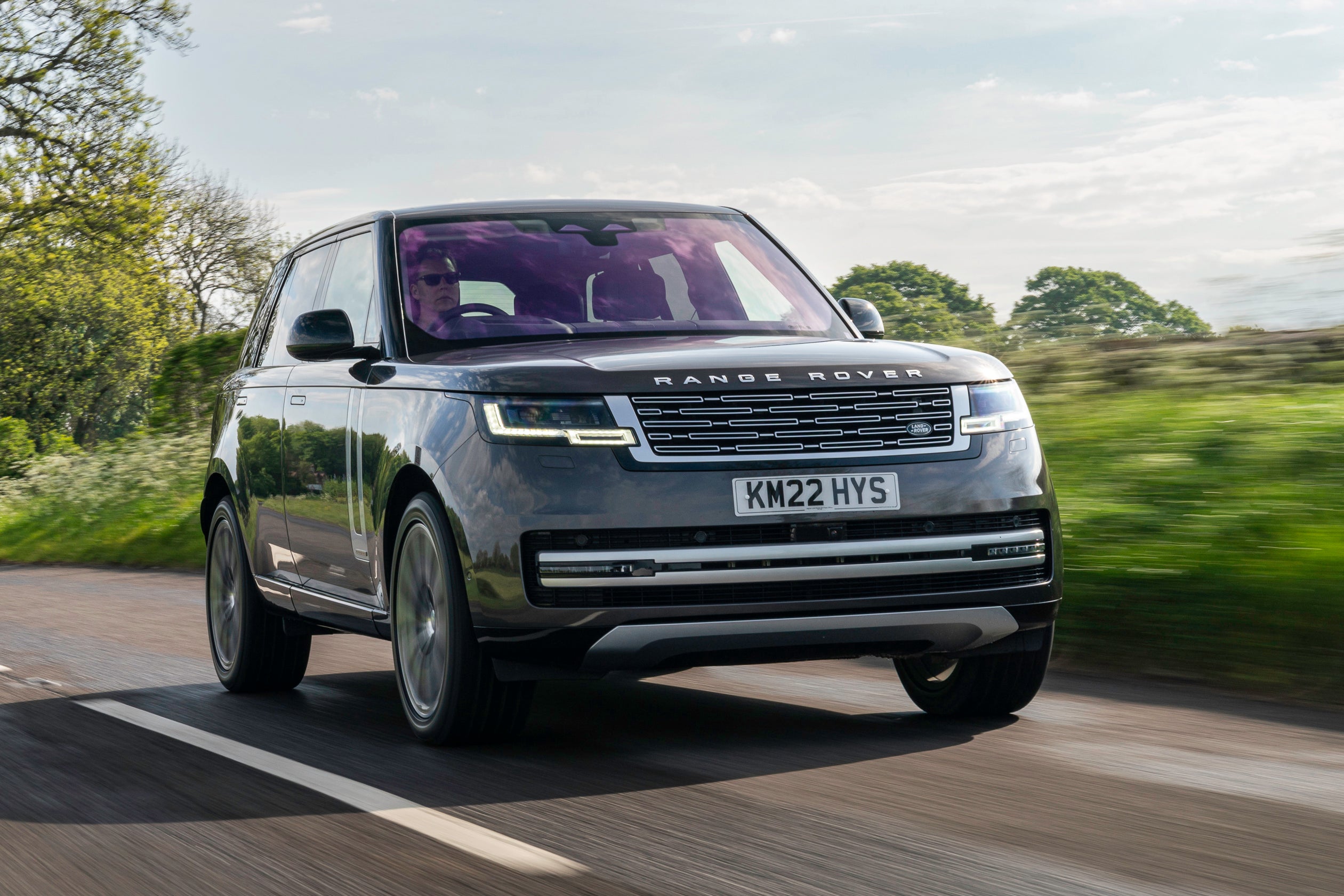
Everything about the Range Rover is engineered to make long journeys feel effortless. Actually, that's not quite true. It's also one of the greatest off-roaders ever built. Honestly though, you'll forget all about that because it feels a million miles away from a rickety old Defender.
Standard air suspension makes it feel like the car's floating on... Well, air. And features like noise-cancelling speakers in the headrests make it more refined than high tea in Harrogate. The seats are supple, the steering is feather-light and the dashboard makes more sense than Brian Cox explaining why the Earth isn't flat.
The D350 diesel will give you more than 30mpg, which is about as much as you could expect from a two-tonne apartment on wheels. Better still, it doesn't chug like a tractor. And because it's built for economy (of sorts), rather than outright speed, it doesn't cost the 200 grand of a Range Rover Sport SV. Diesel is the way to go.
9. MG IM6
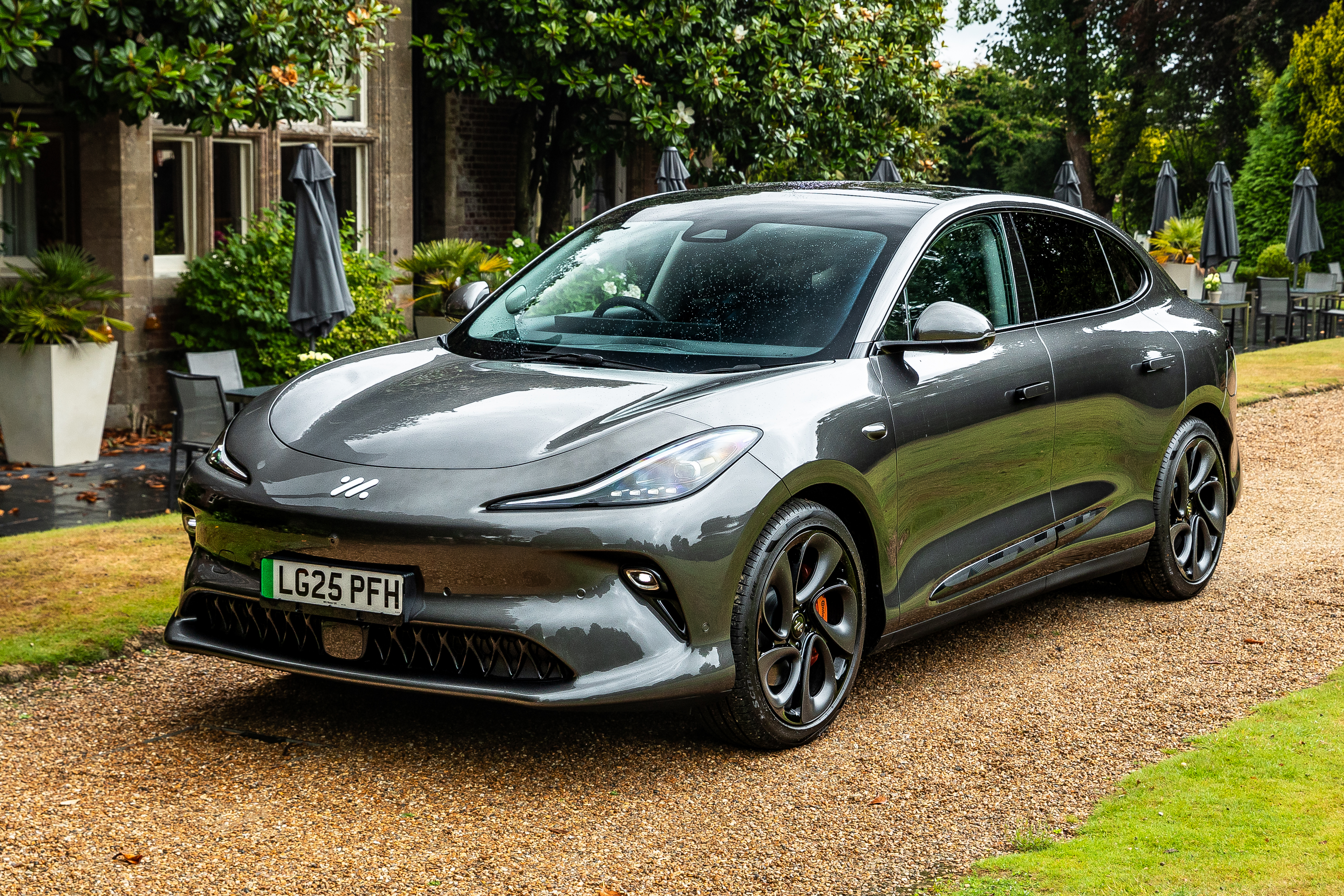
Ten years ago, nobody would have believed an MG would appear on a list like this. Yet here we are. The MG IM6 is astonishingly accomplished, blending serious electric range with the kind of refinement you'd normally expect from a luxury brand emanating from... Germany, say?
With a large battery and ultra-rapid 800-volt charging, it's built for covering serious distances. Depending on the version you choose, it'll officially travel up to 388 miles on a charge, while a 396kW max potential charging speed makes it one of the fastest-filling EVs on sale.
It also makes a fantastic first impression. The cabin feels genuinely premium, the technology is slick without becoming overwhelming and motorway refinement is exceptional. Even at 70mph, wind and tyre noise are kept remarkably low. We'd argue that the IM5 looks a little better and feels very similar from behind the wheel, but the IM6's taller roof and 457-litre boot give it that extra bit of practicality for not much more money.
10. Tesla Model Y
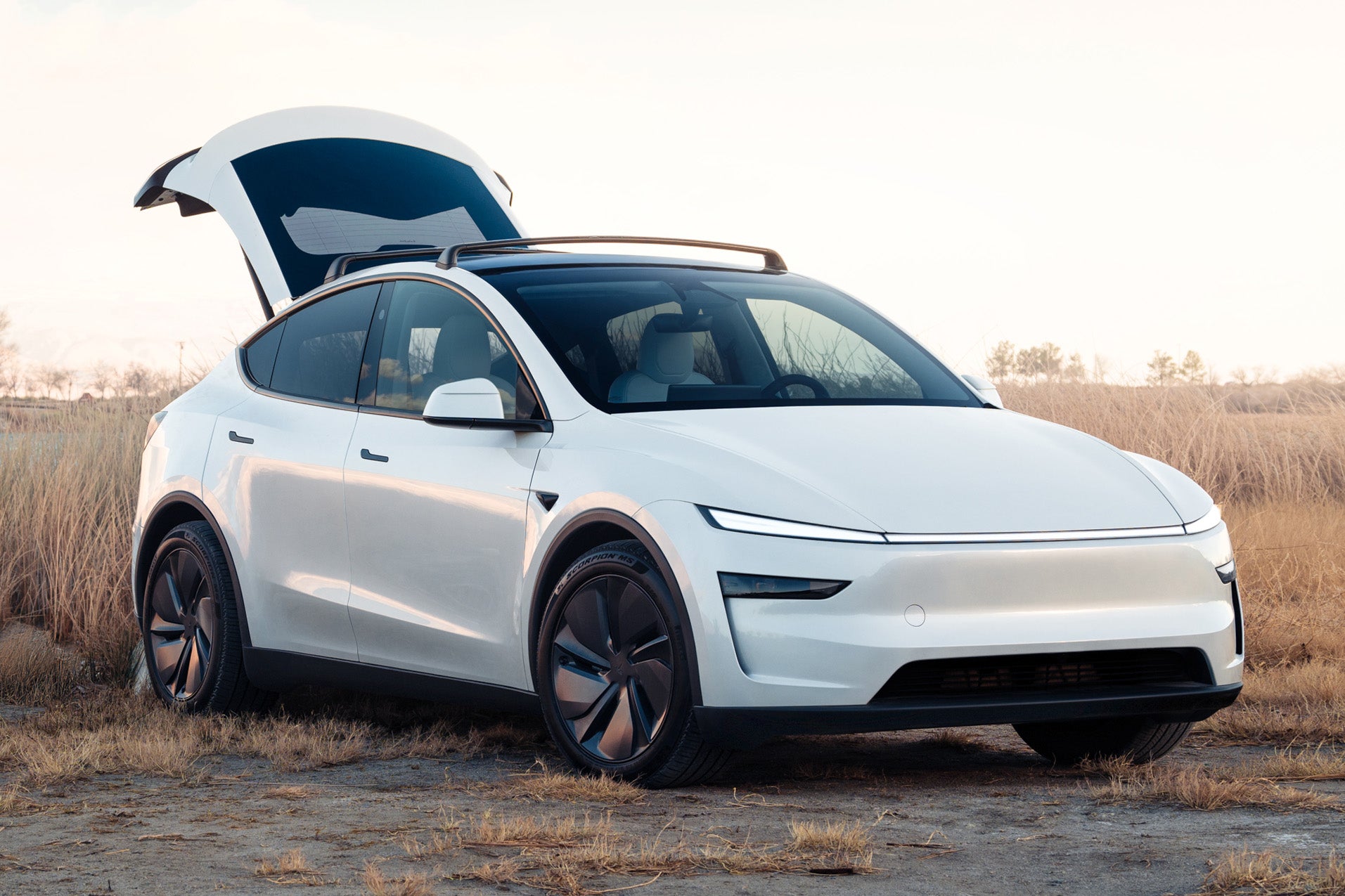
The Tesla Model Y is the car that made EVs make sense for millions of people. It isn't the prettiest SUV on sale, nor the most luxurious, nor the best to drive. But if your priority is getting from A to B quickly, cheaply and with as little faff as possible, very little comes close.
A big reason for that is Tesla's charging network. The car plans your route, tells you where to stop, preheats the battery before you arrive and gets you back on the road in around 15 minutes. Updated in 2025, the latest Model Y is better too, with improved refinement, a more comfortable ride and an official range of up to 378 miles, depending on the version you choose.
If we were buying one, we'd stretch to the Long Range model. It strikes the sweet spot between price, performance and range, while the huge 2,138-litre total load capacity means it'll swallow everything from suitcases to flat-pack furniture. Few cars make long motorway journeys feel so straightforward.
A great motorway car should reduce fatigue rather than simply get you from A to B. A comfortable ride, supportive seats, low wind and road noise and effective adaptive cruise control all help. If you're buying an EV, long range and rapid charging are essential. Petrol, diesel and hybrid buyers should look for strong fuel economy and a relaxed engine at motorway speeds.
It depends on the type. Conventional self-charging hybrids are at their best around town, where they can make the most of their electric motors. Plug-in hybrids make sense if your journeys are a mix of short commutes and occasional motorway trips, but they're not ideal for spending hours on the motorway. Once the battery runs flat, you're carrying the extra weight of the battery and electric motor, which can significantly dent fuel economy. If you regularly cover big motorway mileages, a diesel or a long-range EV is usually the better choice.
Modern electric cars are far better motorway companions than many people expect. The best combine a real-world range of more than 300 miles with rapid charging that can add hundreds of miles in under 20 minutes. Models including the BMW iX3, Volkswagen ID.7 and Tesla Model Y prove that long-distance EV travel is now easier than ever.
If you regularly spend hours on the motorway, diesel still makes a compelling case. Modern diesel engines deliver excellent fuel economy, effortless overtaking performance and huge tank ranges, often exceeding 650 miles between fill-ups. If most of your driving is on the open road, a diesel can still make more sense than a petrol or hybrid.