12/10/2026
Best cars with voice control in the UK: Top picks for 2026

Written By David Ross

Not long ago, voice control in cars meant awkwardly repeating the same command several times while hoping the system understood you. Thankfully, things have moved on.
Today's voice assistants are faster, more accurate and capable of understanding natural conversation rather than rigid commands. Instead of saying "Set driver's temperature to 21 degrees", you can simply tell the car you're cold. Need to find the nearest rapid charger, call home or play the KPop Demon Hunters soundtrack for the fifth time in a row? Modern systems can pretty much do all that.
It can be more than just a convenience feature. Good voice control helps reduce distraction by allowing you to focus your attention on the road instead of navigating multiple touchscreen menus while moving.
We have picked out the cars that offer the best voice control systems on sale in the UK, from affordable family hatchbacks to premium electric SUVs. Whether you're looking for smarter technology, easier driving or simply a more intuitive cabin, these are the models leading the way.
1. Volkswagen ID.7
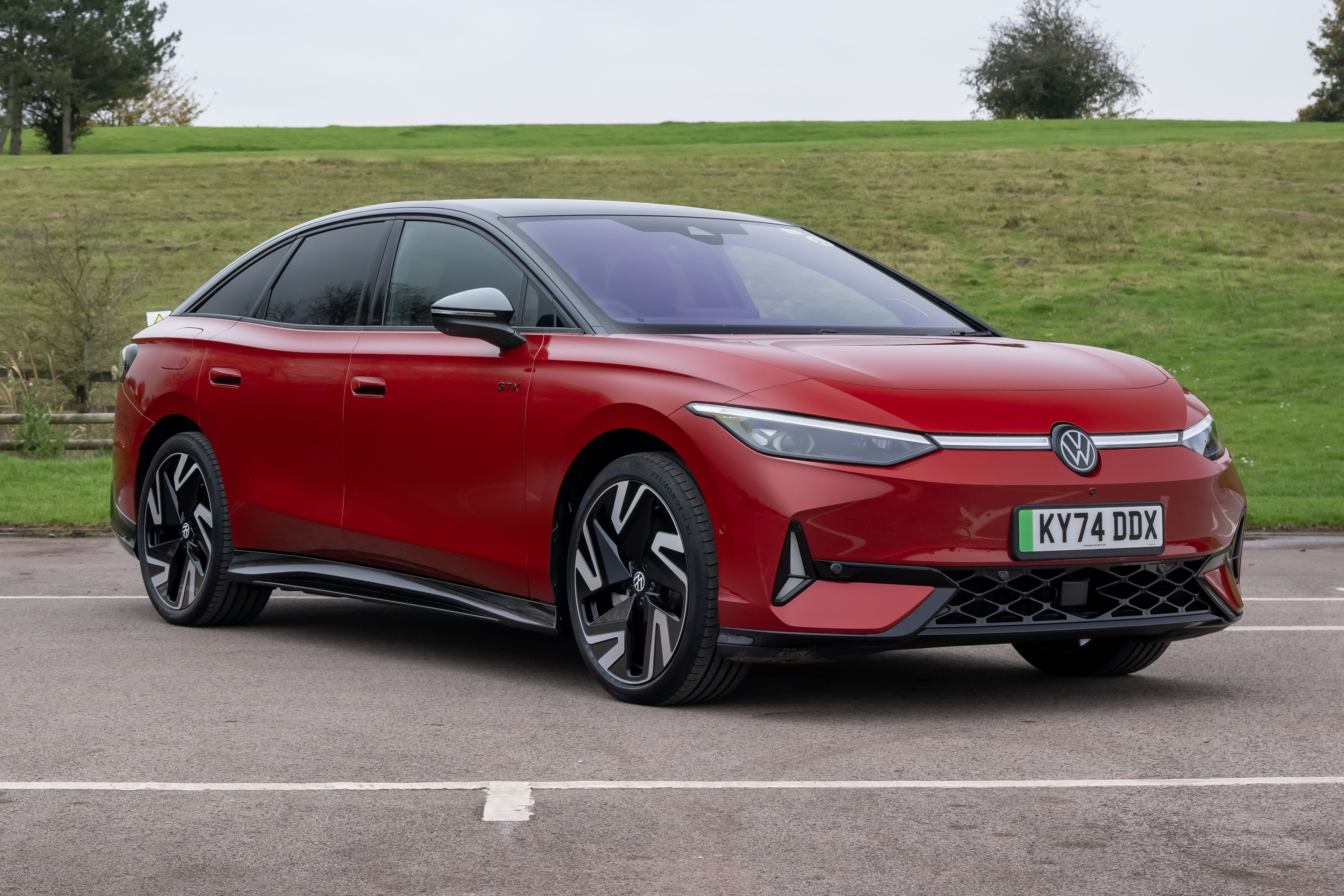
The Volkswagen ID.7 shows how far in-car voice assistants have come. Rather than making drivers memorise specific commands, its latest IDA voice assistant understands everyday conversation, making interactions feel much more natural than earlier systems.
Simply saying "I'm cold" adjusts the climate control automatically, while requests such as "Find me the nearest rapid charger" or "Take me to the nearest supermarket" are handled through the navigation system. The assistant also controls lighting, media, navigation and loads of vehicle settings without requiring you to touch the central display.
One clever feature is its ability to recognise whether the driver or front passenger is speaking. If your passenger is a bit cold, the system can increase the temperature on their side without changing yours.
The ID.7's large touchscreen, sharp graphics and responsive software complement the voice assistant, while regular over-the-air updates continue adding new features. Combined with its outstanding comfort, impressive electric range and refined driving experience, the ID.7 offers one of the most complete examples of voice-controlled technology currently available in any family car.
2. BMW i5
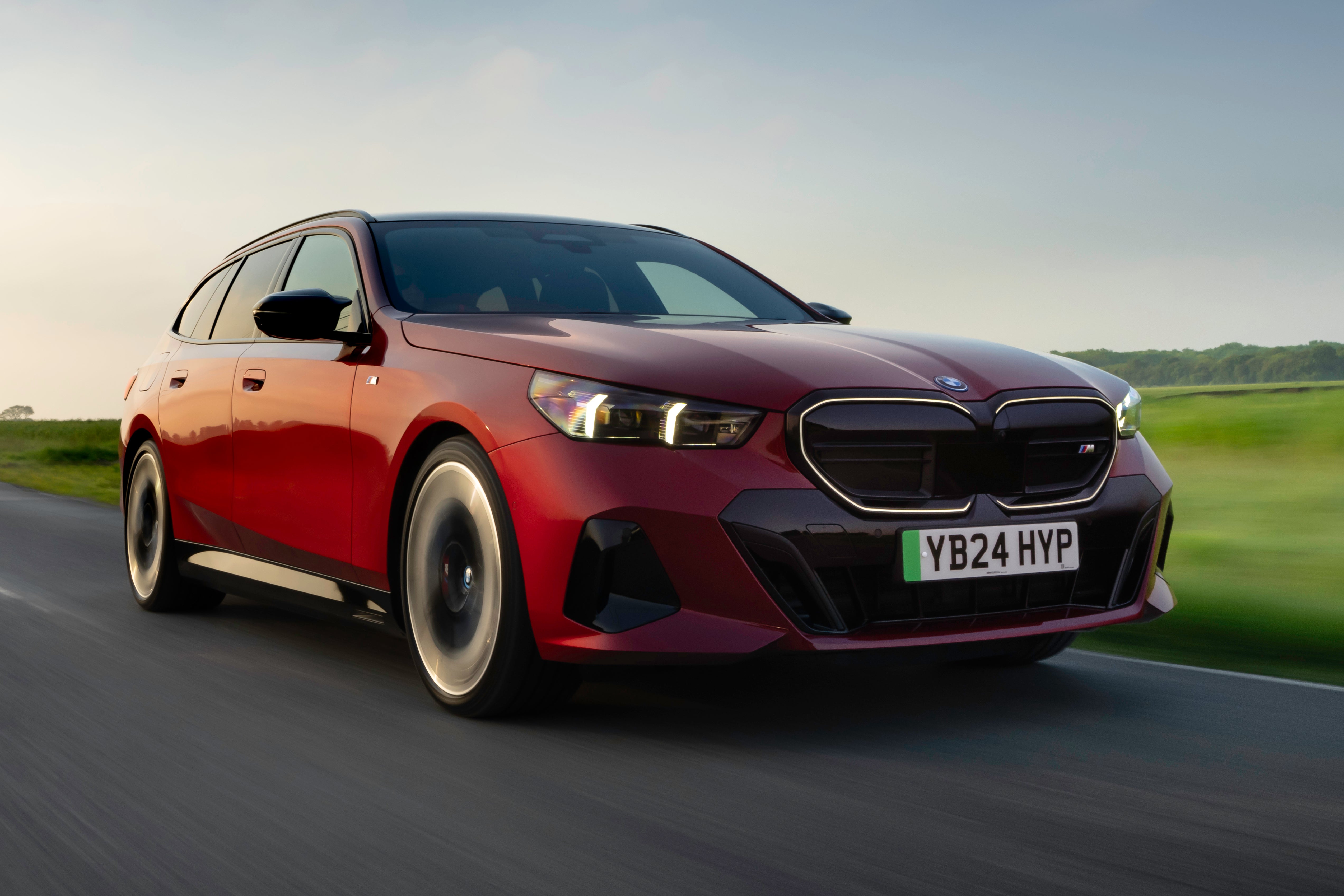
BMW has long produced excellent infotainment systems, and the BMW i5 takes things another step forward with the latest BMW Intelligent Personal Assistant. Activated by saying "Hey BMW", the system understands natural conversation and can carry out multiple requests within a single sentence, making interactions feel straightforward.
Drivers can ask the assistant to find charging stations, adjust the cabin temperature, change driving modes, dictate messages or locate restaurants along their route. The system also learns routines over time, remembering favourite destinations and frequently used settings to reduce the amount of input required.
The i5 itself is one of the finest upmarket EVs currently available. It combines excellent ride comfort with engaging handling, while the beautifully finished cabin features BMW's curved display running the latest Operating System software. Long-distance refinement is its forte, rapid charging keeps long journey times down and lots of standard equipment gives it a luxury feel.
3. Volkswagen Golf
.jpg)
The latest generation Volkswagen Golf gets Volkswagen's newest infotainment software, bringing many of the same voice-control features found in the ID range to the popular hatchback.
Drivers can use natural speech to change the temperature, programme the nav, make phone calls or search for music without taking their hands off the steering wheel. The system responds quickly so you're not left repeating yourself.
Unlike some rivals that rely entirely on touchscreens, Volkswagen has retained physical controls in the Golf which makes everyday functions more straightforward, so voice control complements rather than replace traditional buttons.
Available with petrol, diesel, mild-hybrid and plug-in hybrid engines, the Golf remains one of the easiest cars to live. Its combination of everyday practicality, strong refinement and genuinely useful technology explains why it continues to set the standard for family hatchbacks.
4. Mercedes-Benz E-Class
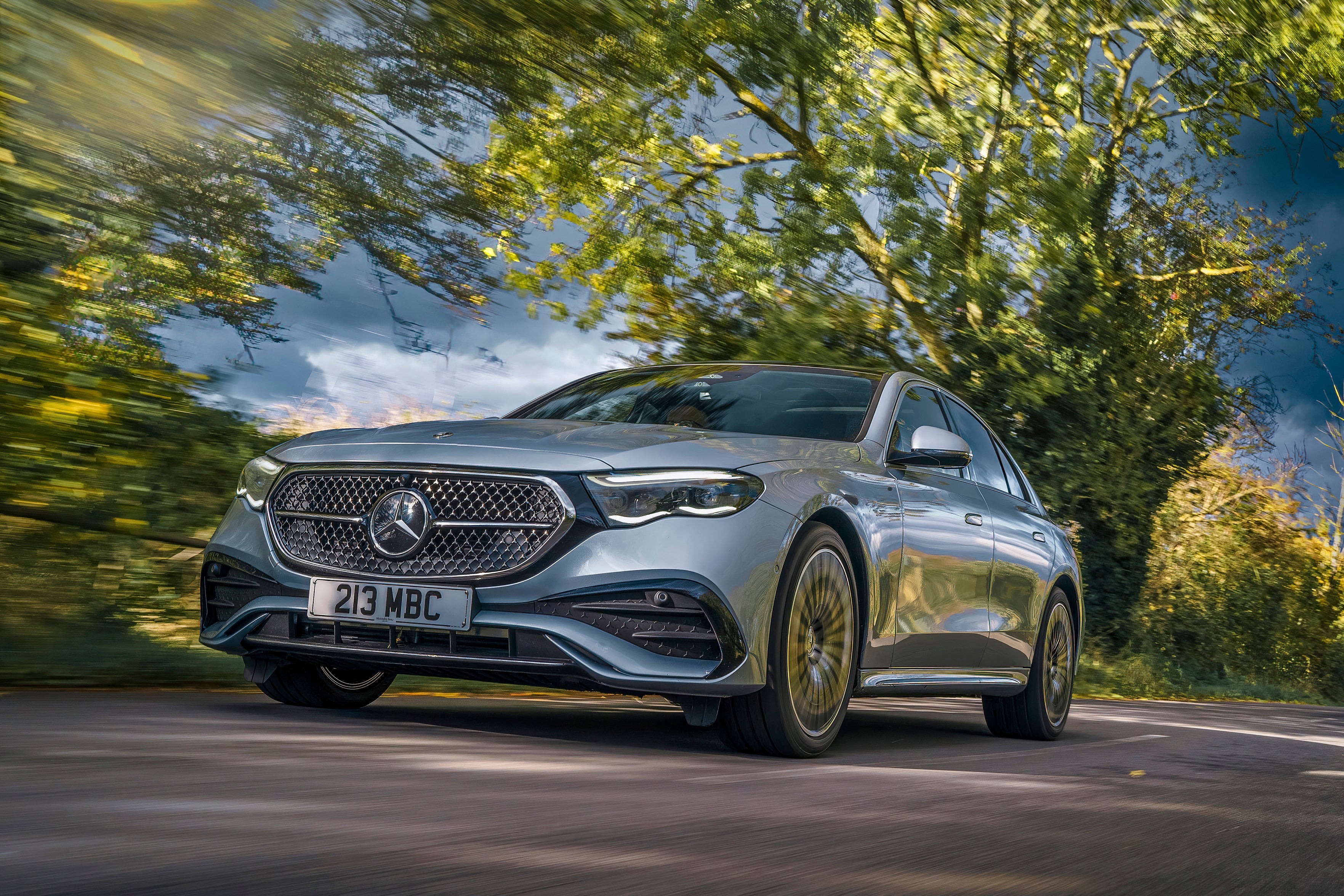
Mercedes has been refining its MBUX infotainment system for several years and it remains one of the most capable voice assistants on the market. Activated by saying "Hey Mercedes", the system understands conversational language and can control everything from navigation and media to climate settings and ambient lighting. It can even answer general knowledge questions (great for an in car pub quiz?), tell you whar dashboard warning lights and learn your routine over time.
The latest Mercedes-Benz E-Class also has personalised driver profiles, allowing different users to save favourite radio stations, seating positions and climate settings. Once recognised, the system can automatically load your preferred configuration as soon as you get behind the wheel.
The E-Class itself continues to be one of the best executive cars available. A smooth ride, hushed cabin and efficient petrol, diesel and plug-in hybrid engines make it an effortless long-distance car. Combined with outstanding build quality it has one of the most relaxing driving experiences around making voice control feel like a useful addition rather than a novelty.
5. CUPRA Tavascan
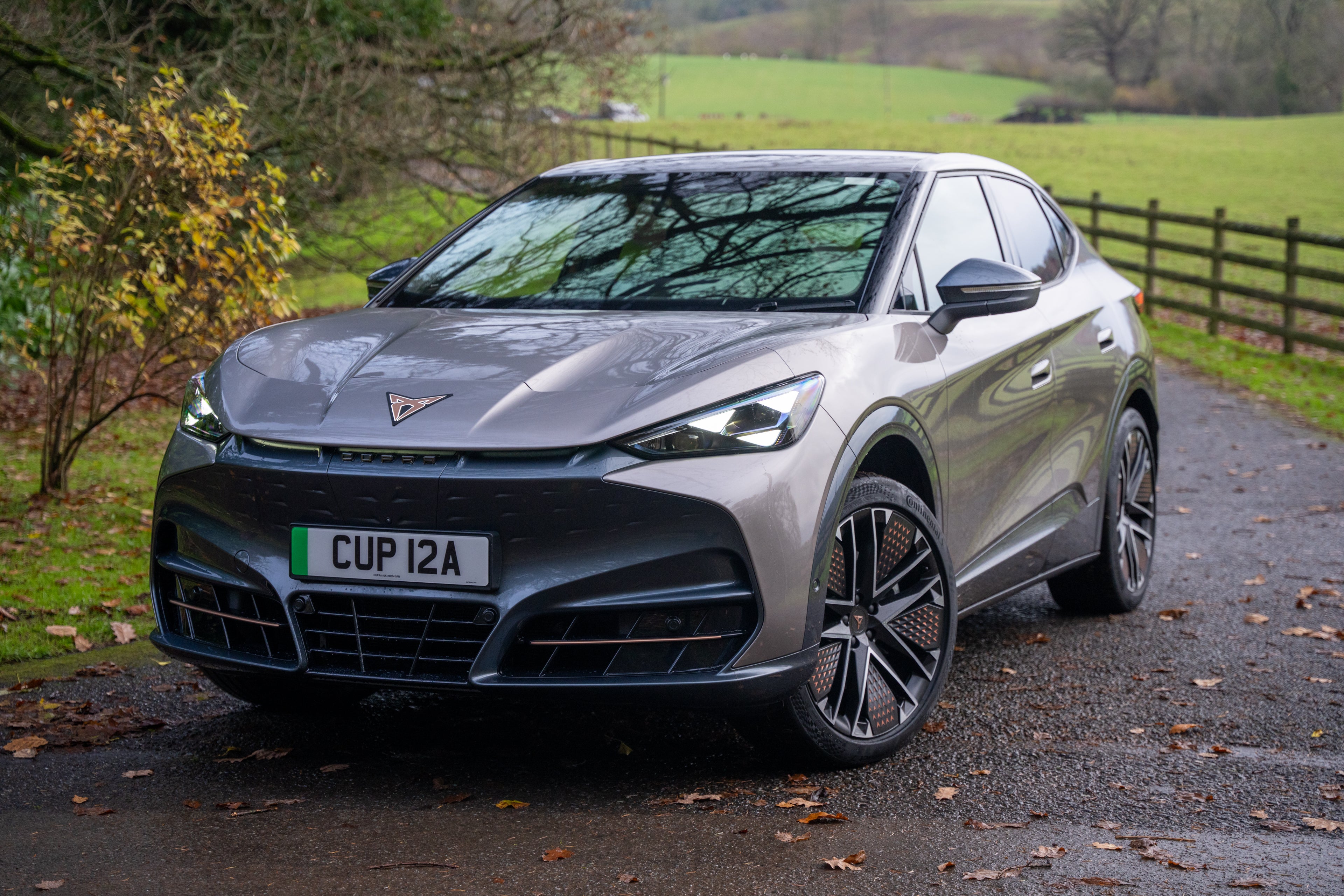
The CUPRA Tavascan combines distinctive styling with one of the most advanced digital cabins in the Volkswagen Group. Sharing much of its technology with Volkswagen's latest electric models, its voice assistant allows drivers to control navigation, media, climate settings and charging functions using simple conversational language.
The system responds fast so you don't get distracted while over-the-air software updates mean it will improve and add features in the future without you having to make a trip to the dealership.
Beyond its technology, the Tavascan is designed for driver appeal. The steering is sharp, body control feels composed and the cabin strikes a good balance between sporty design and everyday comfort. Large digital displays, high-quality materials and supportive seats create an upmarket feel while generous room makes it practical enough for families.
6. Audi Q6 e-tron
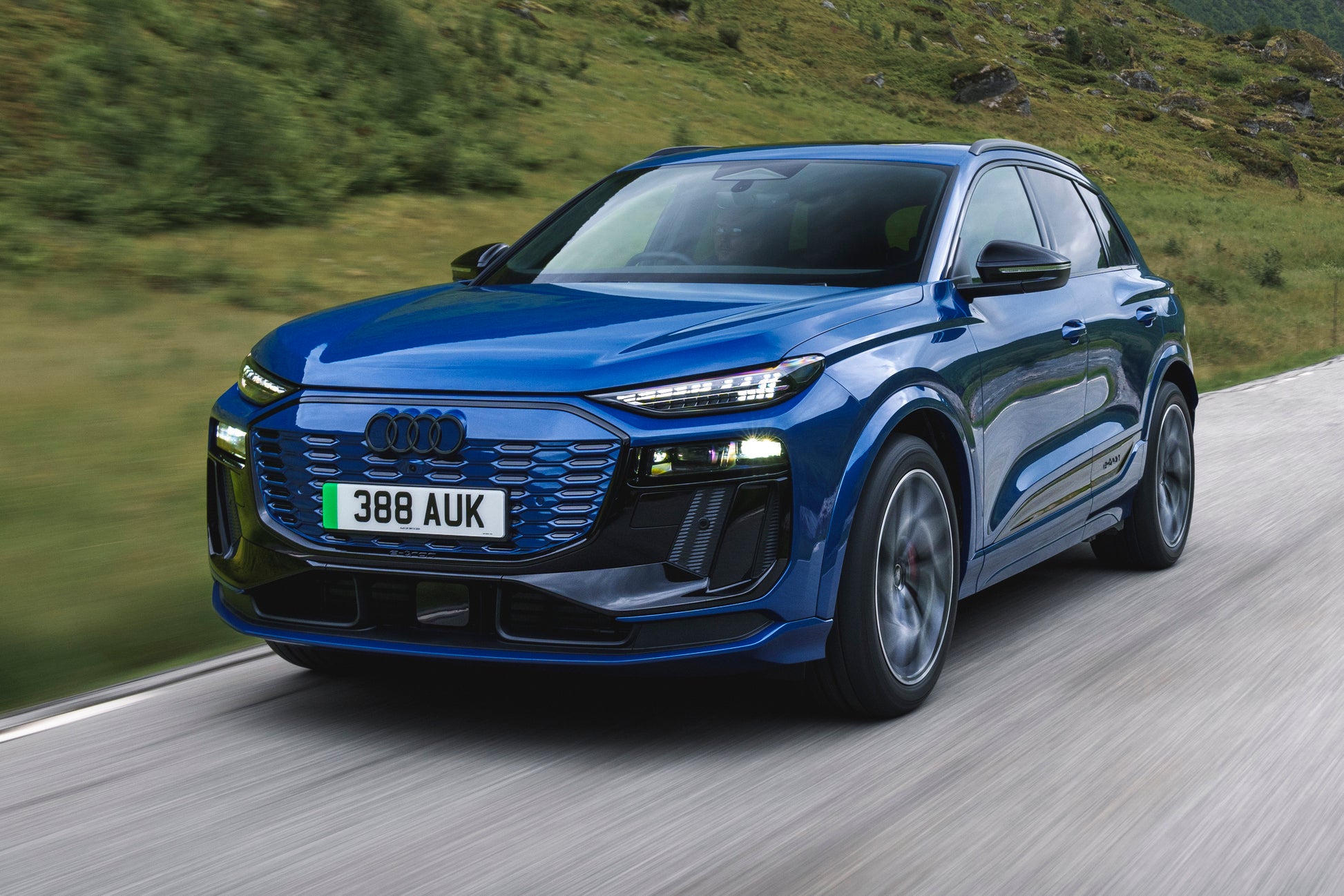
The Audi Q6 e-tron is fitted with the latest generation of Audi's "Hey Audi" voice assistant, bringing together artificial intelligence, natural language recognition and one of the most impressive infotainment systems currently available. Like others, the assistant understands conversational requests, allowing drivers to adjust the climate control, programme the nav or control music with simple spoken instructions.
The system is integrated with Audi's new Digital Stage cockpit, combining the curved driver display, central touchscreen and optional passenger display into one. Voice commands can also control ambient lighting and charging settings without having to navigate multiple menus.
The Q6 e-tron delivers impressive refinement, rapid charging, a long driving range and a beautifully finished cabin that feels every bit as luxurious as you'd expect from Audi. For drivers who want cutting-edge technology without sacrificing comfort or practicality, few electric SUVs offer such a polished overall package.
7. Volvo EX90
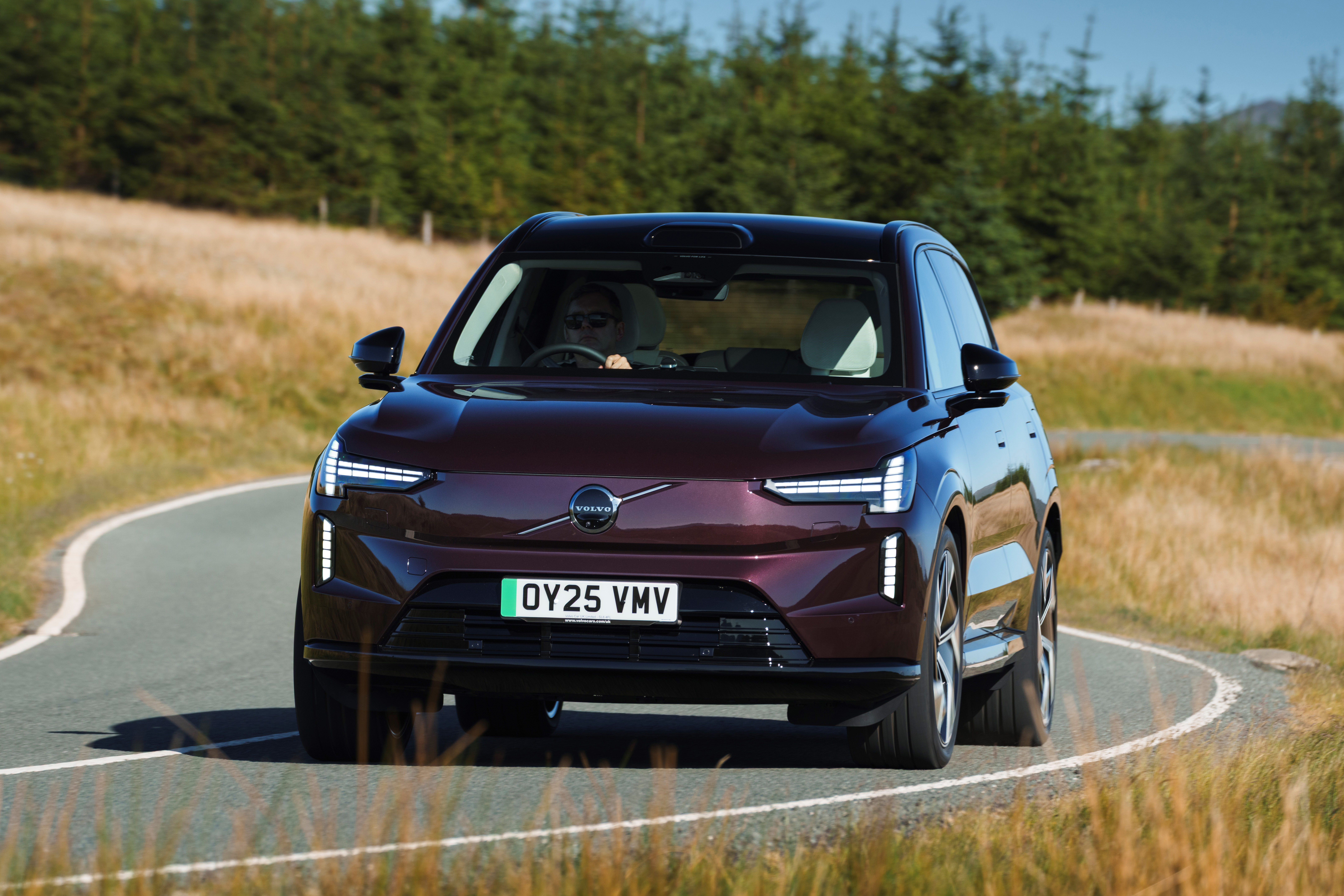
The Volvo EX90 is built around Google's automotive operating system, giving it one of the most natural and familiar voice assistants available today. Simply saying "Hey Google" allows drivers to control navigation, music, phone calls, climate settings and charging functions without touching the screen. Because many people already use Google Assistant at home, it will be very familiar.
The system also has Google Maps, which provides good route planning, live traffic information and charging stop recommendations for longer journeys. Integration with Google services means calendar appointments, contacts and favourite destinations can transfer between your phone (or laptop) and the vehicle.
The EX90 remains true to Volvo's long-standing reputation for safety and comfort. Its spacious seven-seat interior, premium materials and exceptionally quiet cabin make it an outstanding family SUV.
8. Ford Explorer
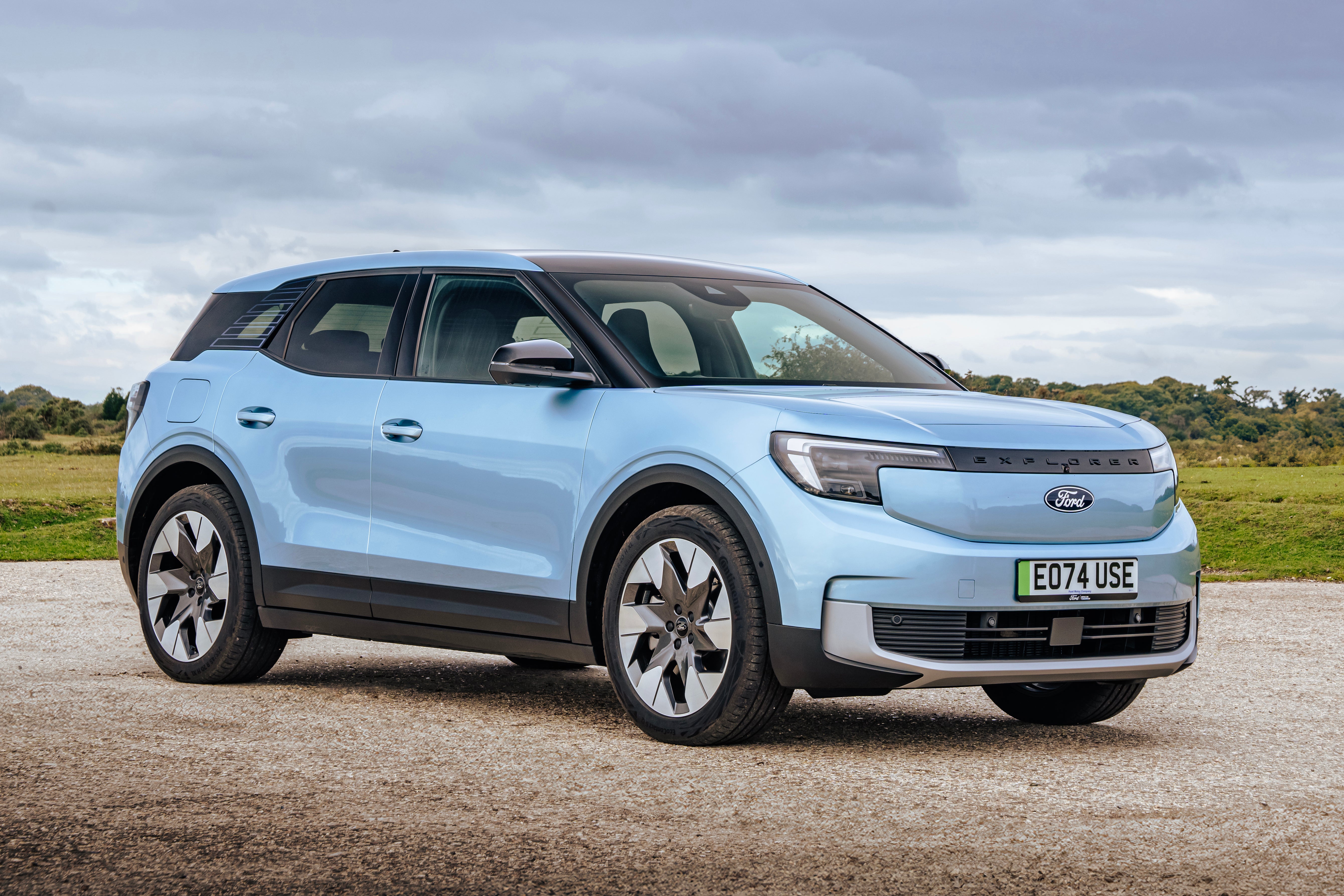
While it was developed using Volkswagen Group's MEB electric platform, the Ford Explorer has Ford's own SYNC infotainment system which includes voice recognition that allows drivers to control navigation, phone calls, climate settings and media using normal everyday commands.
The large portrait touchscreen is easy to use, but the addition of effective voice control means many common functions can be done without taking your hands off the wheel. Wireless Apple CarPlay and Android Auto also means drivers can use Siri or Google Assistant if they want.
The Explorer itself is easy to recommend. The cabin is spacious and the boot large enough for family life while the comfortable ride makes longer journeys relaxing. Combined with a strong EV range and rapid charging there's a lot to like.
9. Škoda Superb
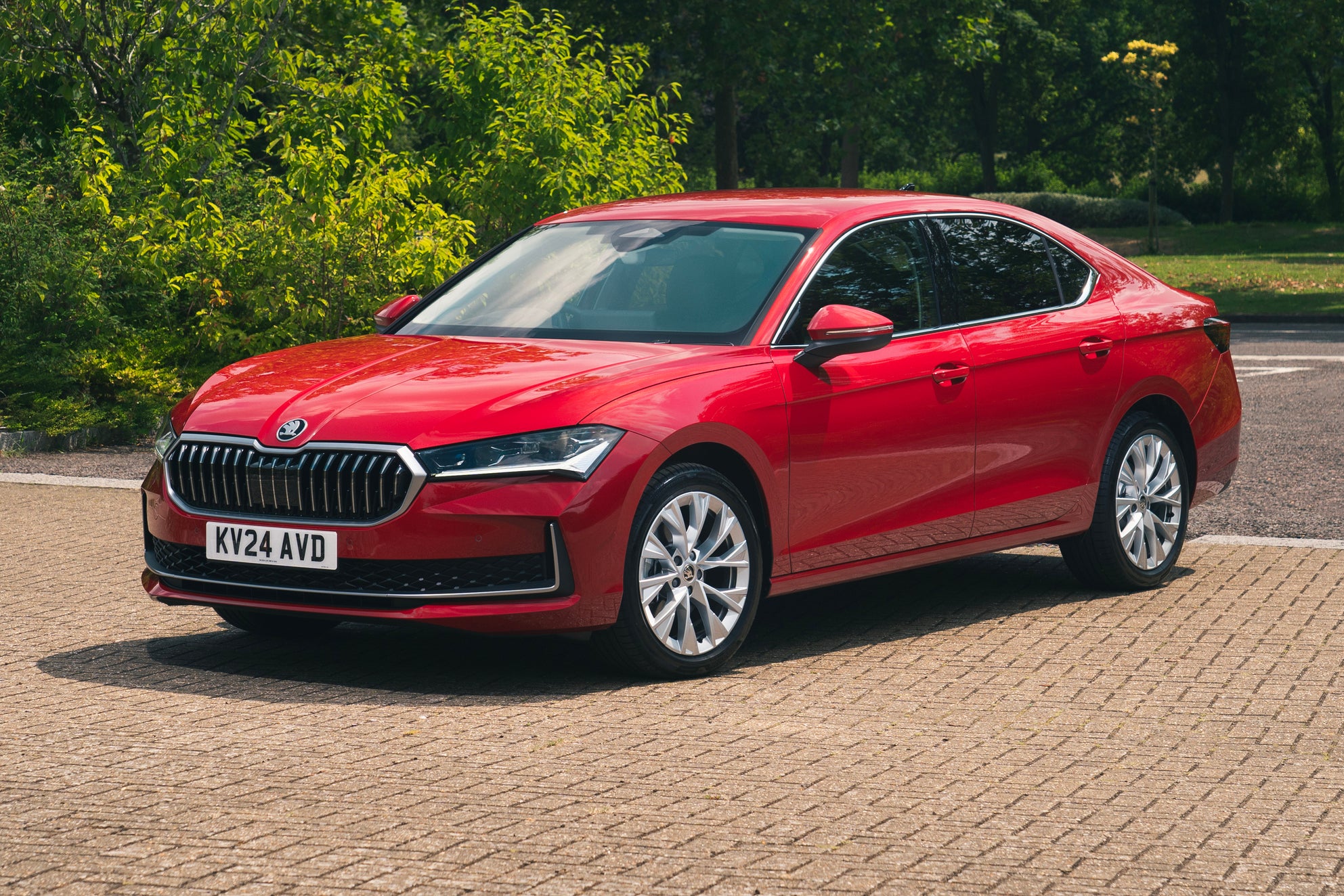
The latest Škoda Superb features Škoda's Laura voice assistant which has become significantly more capable, understanding natural speech for everyday tasks including adjusting the climate control, setting destinations and making phone calls.
One of Laura's biggest strengths is reliability. Many key functions continue working even when mobile data coverage disappears, making it particularly useful on rural roads where cloud-based systems can sometimes struggle.
The Superb is one of the most practical family cars on sale. Passenger space is enormous, rear-seat comfort rivals many luxury saloons and the cavernous boot easily swallows enough kit for a big family holiday. Combined with smooth petrol, diesel and plug-in hybrid engines, plus excellent motorway comfort, the Superb is also exceptional value for money.
10. Tesla Model 3
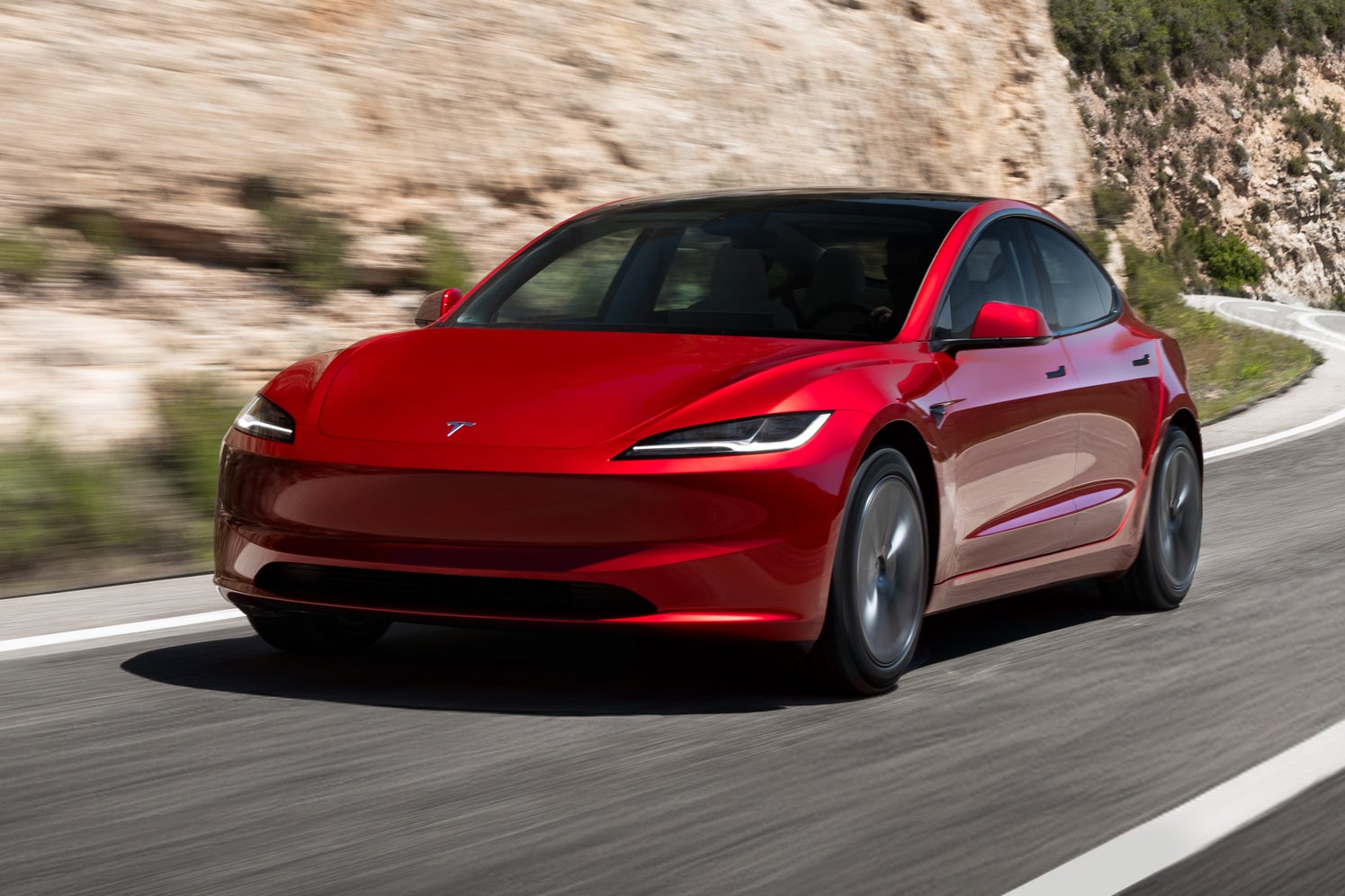
Tesla has always approached vehicle technology differently – as the latest Tesla Model 3 shows. With hardly any buttons, voice control plays a much bigger role than it does in other cars. Drivers can use spoken commands to adjust the temperature, operate the windscreen wipers, open the glovebox, change navigation destinations, make calls and pretty much everything else.
The system is quick to respond and receives regular over-the-air software updates, so new features and improvements can be added over time. That ability to evolve is one of Tesla's biggest strengths, ensuring the car feels modern even after several years.
The Model 3 remains one of the UK's most popular electric cars. Excellent efficiency, competitive range, rapid acceleration and access to Tesla's extensive Supercharger network have all worked to make it a big seller.
Why voice control matters
Modern cars have more tech on board than ever before. Touchscreens have replaced many physical buttons, adding new features but sometimes making simple tasks more complicated than they really need to be.
Voice control is designed to overcome this problem. Rather than scrolling through menus to adjust the heating you can simply ask the car to do it for you. That means your hands stay on the steering wheel and your eyes remain focused on the road ahead.
Many systems now understand everyday speech instead of requiring exact commands. Saying "I'm too warm" can lower the cabin temperature automatically, while asking for "the nearest coffee shop with charging" can combine multiple requests into a single search.
The latest systems can also learn your habits over time, remembering favourite destinations, preferred temperatures and frequently used contacts to make everyday driving even easier.
How voice control works
Most modern voice assistants rely on a combination of microphones, cloud-based software and onboard processing.
When you say a wake phrase such as "Hello ID", "Hey Audi" or "Hey Mercedes", the microphones detect your voice and send your request to the car's operating system.
Simple commands such as changing the temperature, adjusting the fan speed or switching radio stations can usually be processed by the car itself. More complex requests – like finding a nearby restaurant, checking live traffic or searching for charging stations – often use an internet connection via the vehicle's built-in eSIM.
Many systems can also distinguish between the driver and front passenger. If the passenger asks for more heat, the climate control can adjust only their side of the cabin rather than changing the temperature for everyone.
What can voice control actually do?
The latest voice assistants are capable of much more than simply making phone calls.
Depending on the car, you can usually ask the system to:
Set a destination in the navigation
Find the nearest petrol station or rapid charger
Adjust the temperature
Switch heated seats or the heated steering wheel on
Open or close the panoramic roof
Make phone calls
Read incoming text messages
Send dictated messages
Play music, podcasts or radio stations
Find restaurants, hotels or supermarkets nearby
Change drive modes
Check weather forecasts at your destination
Answer general knowledge questions
Explain dashboard warning lights
Control compatible smart home devices
Not every manufacturer offers every feature, but the best systems continue to improve through over-the-air software updates, meaning your car can become more capable over time.
Are voice controls better than physical buttons?
Yes and no. Voice control is often seen as a safer way to carry out more complicated things while driving. Entering a postcode, searching Spotify or finding the nearest charger is much easier by voice than through several touchscreen menus.
However, physical controls still have an important role. Functions such as adjusting the radio volume, switching on the hazard lights or activating the heated rear window are simply quicker with a dedicated button. You don't need to wait for the system to hear your request or process a command.
The best cars strike the right balance. They combine responsive voice assistants with sensible physical controls for the features drivers use most often. Thankfully, many manufacturers have started moving back towards this approach after several years of relying almost entirely on touchscreens. Hurrah!
Is voice control worth paying extra for?
If you regularly rely on navigation, stream music or make hands-free phone calls, a well-designed voice assistant can genuinely improve everyday driving. It reduces the number of times you need to look away from the road, making routine tasks quicker, easier and potentially safer.
The biggest benefits become apparent on longer journeys. Instead of pulling into a service station to search for a charging point or scrolling through touchscreen menus while sitting in traffic, you can simply ask the car to do the work for you.
That said, voice control shouldn't be the only reason you choose a particular model. Ride comfort, practicality, running costs and reliability remain far more important considerations. The best systems are those that also have physical controls rather than replace them entirely.
Fortunately, manufacturers are increasingly recognising this. Many of the latest models combine voice assistants with dedicated buttons for frequently used functions, giving drivers the best of both worlds.
What this means for you
Voice control has developed from an interesting novelty into an ever more useful technology. The best systems make everyday driving simpler by allowing you to adjust settings, find destinations and stay connected without taking your attention away from the road.
As always, we recommend trying the technology before you buy. During a test drive, don't just explore the touchscreen – use the voice assistant to programme the nav, adjust the temperature or switch the radio station. A system that feels natural and intuitive straight away is far more likely to become something you use every day.
Many manufacturers now offer excellent voice assistants, but some of the strongest systems can be found in the Volkswagen ID.7, Audi Q6 e-tron, Mercedes-Benz E-Class, BMW i5 and Volvo EX90. These cars combine natural speech recognition with fast responses and deep integration into vehicle functions.
Yes. Voice control allows drivers to carry out common tasks such as changing the temperature, entering a destination or making a phone call without removing their hands from the steering wheel or spending time navigating touchscreen menus. While it shouldn't replace safe driving habits, it can reduce distraction.
Basic commands, including adjusting the climate control or changing radio stations, usually work without an internet connection. More advanced features such as online searches, live traffic information and charging point availability normally require the vehicle's built-in data connection.
Most new cars support Apple CarPlay and Android Auto, allowing you to use Siri or Google Assistant through your smartphone. However, your phone's assistant cannot usually control vehicle-specific features such as heated seats, cabin temperature or drive modes.
If you regularly use navigation, stream music or spend long periods behind the wheel, it's a feature that's well worth considering. Modern systems are far more capable than they were a few years ago and can make everyday driving safer, more convenient and considerably less distracting.