12/10/2026
Best self-driving cars in the UK: Top picks for 2026

Written By Tom Phillips
The days where you simply sit in your car and it drives you directly to your destination are still many years away but self-driving technology is constantly evolving, as are the regulations allowing the technology to be used legally and safely on public roads.
The theory is sound. By removing humans from the driving process, freeing them up to relax or work while the car does the work, traffic hold-ups should be reduced, safety improved and travel should become much less stressful. While this isn’t the work of a moment, new cars are gradually becoming more capable of some degree of self-driving.
What are self-driving cars?
Introduced by the Society of Automotive Engineers (SAE), driving automation levels are the car industry's most commonly used way to describe increasing levels of self-driving.
These go from Level 0, where the human driver does everything up to full autonomy at Level 5, which means no human input through the steering wheel or pedals is required. Current technology – and legislation – allows up to Level 3, which means for cars equipped with the relavent technology, the driver can leave their hands off the wheel and feet away from the pedals in particular driving situations, such as cruising on motorways.
Best cars with self-driving technology: Our top 5 picks
1. Mercedes-Benz S-Class
.jpg)
Included as standard on the recently updated Mercedes-Benz S-Class, plus other cars which use the latest MB.OS and MB.UX software, including the latest Mercedes CLA, MB Drive Assist is a Level 2 self-driving system.
It uses data from 30 sensors around the car and its navigation system to drive without intervention in stop-start traffic at urban speeds as well as for motorway cruising. It can also handle lane changes, keeping a safe distance to the vehicle in front and bringing the car to a stop if it senses the driver is unresponsive.
In Germany and certain US states, the firm’s Drive Pilot system is legal. It offers another step in autonomy, being the first Level 3 self-driving technology to be given permission to be sold publicly.
It allows the driver to completely take their eyes off the road in certain circumstances, although they must be ready to retake control should the car be unable to process a situation, such as deciding where best to move out of the way to allo an emergency vehicle to pass or when driving in bad weather.
2. Ford Puma
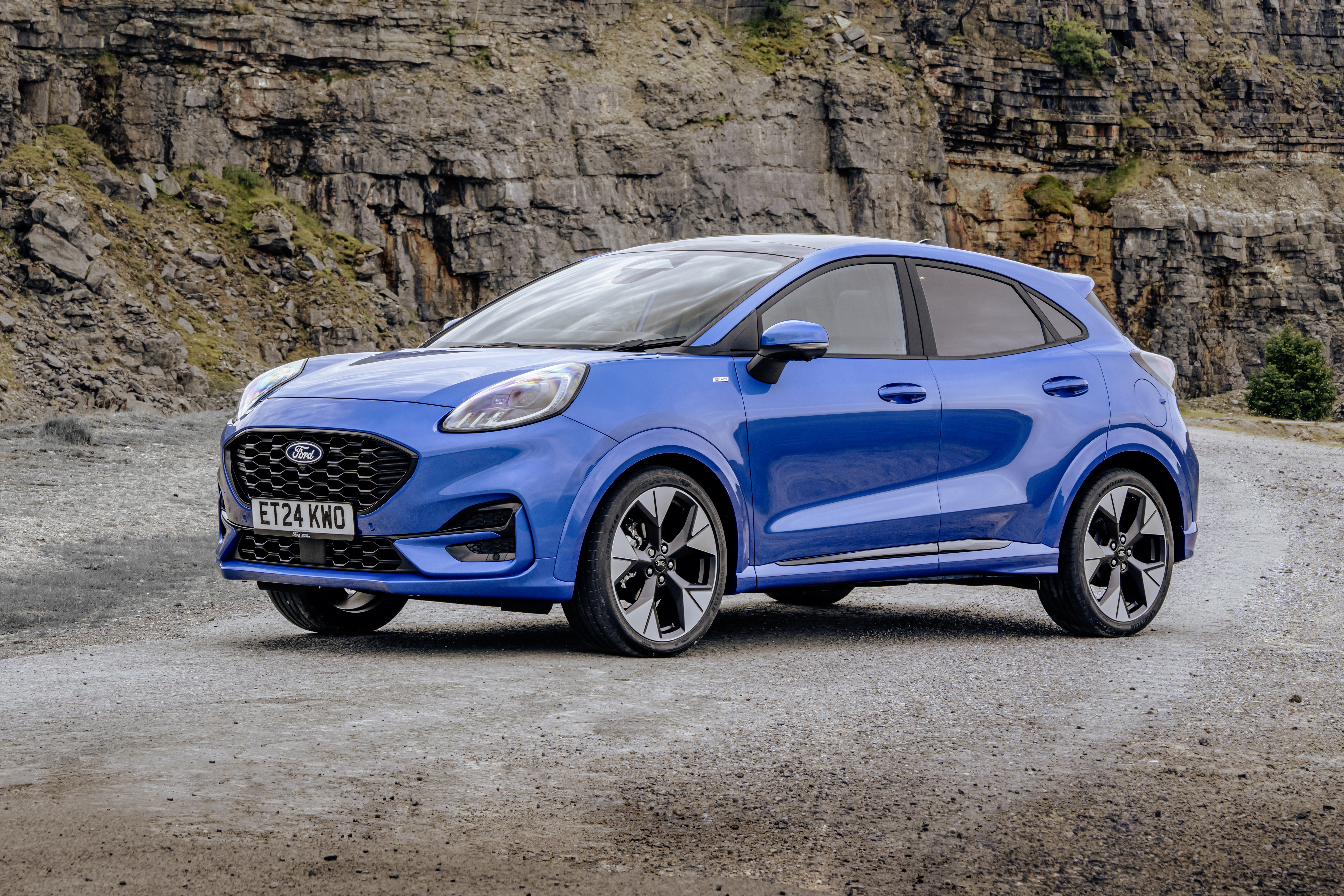
Ford is one of the most progressive brands when it comes to self-driving technology in the UK. Its Level 2 BlueCruise system found in the Ford Puma aims to give motorists a 'hands-off, eyes-on' driving experience, providing you're on one of its pre-mapped motorway-only Blue Zones. This currently includes over 95% of the UK motorway network and Ford offers a journey planner that takes advantage of Blue Zones on its website.
BlueCruise uses cameras and sensors to monitor road markings, speed limit signs and other cars to keep you in lane and change speed as necessary, while another driver-facing camera makes sure you really are keeping your eyes on the road.
The technology is also available on Ford Mustang Mach-E and Ranger pickup plus special BlueCruise Edition trim levels for the Puma, Puma Gen-E and Kuga which includes the BlueCruise system, unique blue paint and black alloy wheels.
BlueCruise is a subcription-based pakage with 90 days's free trial before a fee of either £17.99 per month or £215 for the whole year to continue being able to use it.
3. BMW iX3
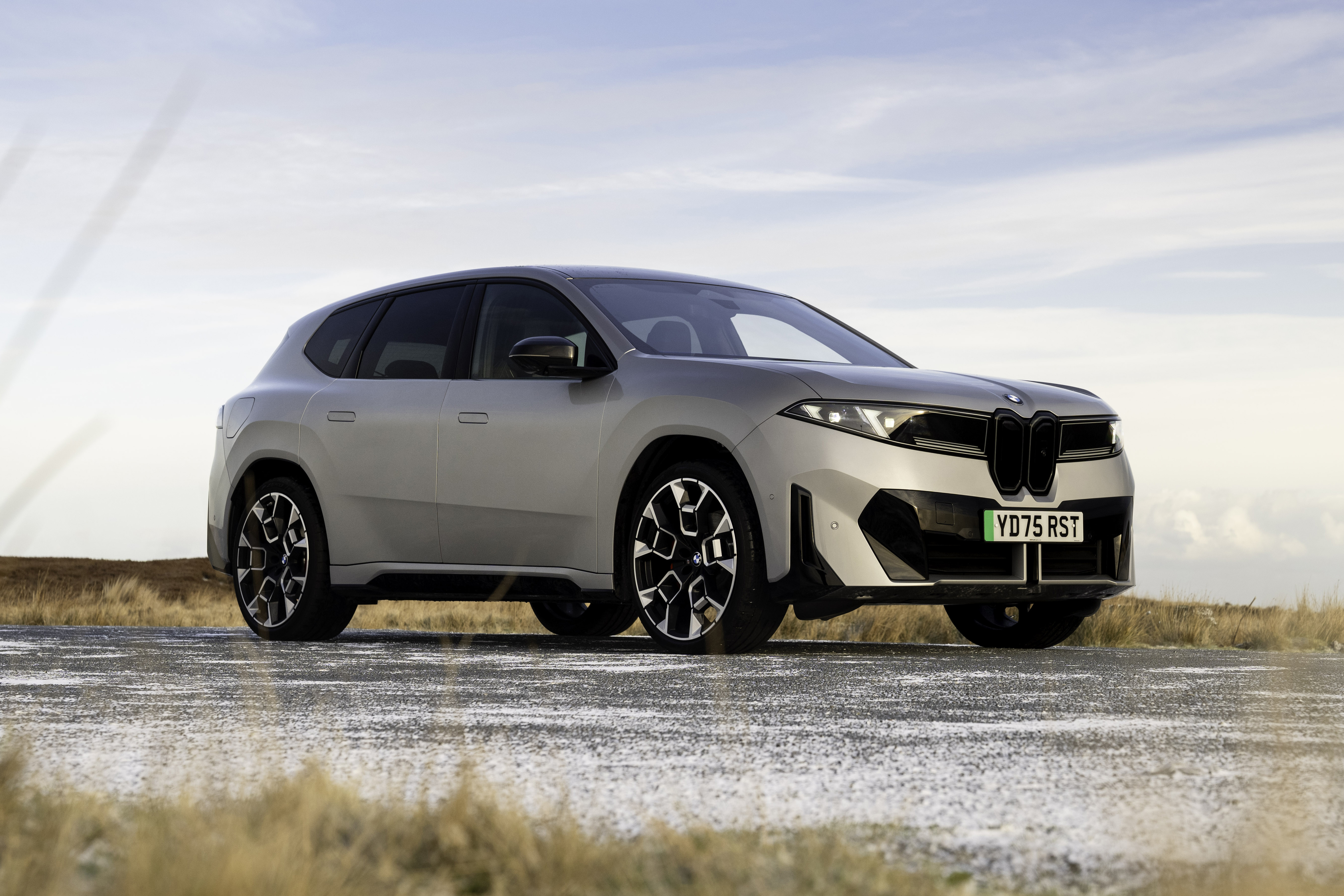
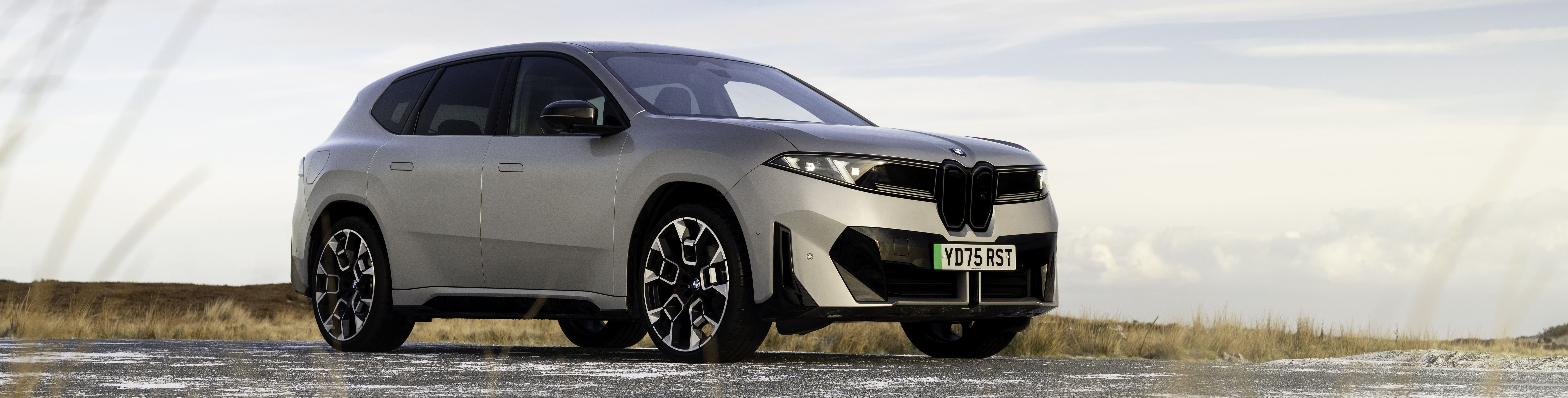
The latest BMW iX3 is the first of a new generation of Neue Klasse models, which feature a more integrated approach to technology systems, so also expect to see this latest-generation autonomous technology on the forthcoming BMW i3 Saloon.
Its self-driving system is called BMW Symbiotic Drive and include the ability for the car to automatically stay in a lane and maintain its distance from the vehicle ahead on the motorway as well as in stop-and-go traffic.
They are intended to be more user-friendly and include cooperative functions, so if you brake when using the assisted driving system, it doesn’t completely disengage as it does with rival cars' packages. Instead, the car can take the context into account, speed back up and retake control once any danger is perceived to have passed.
The software also includes the Level 2-rated Motorway Assist, which has been approved for use in the UK. This allows you to drive with your hands off the wheel from motorway onramp to offramp and confirm lane changes simply by looking in the appropriate door mirror to check things are safe.
4. Volvo EX90
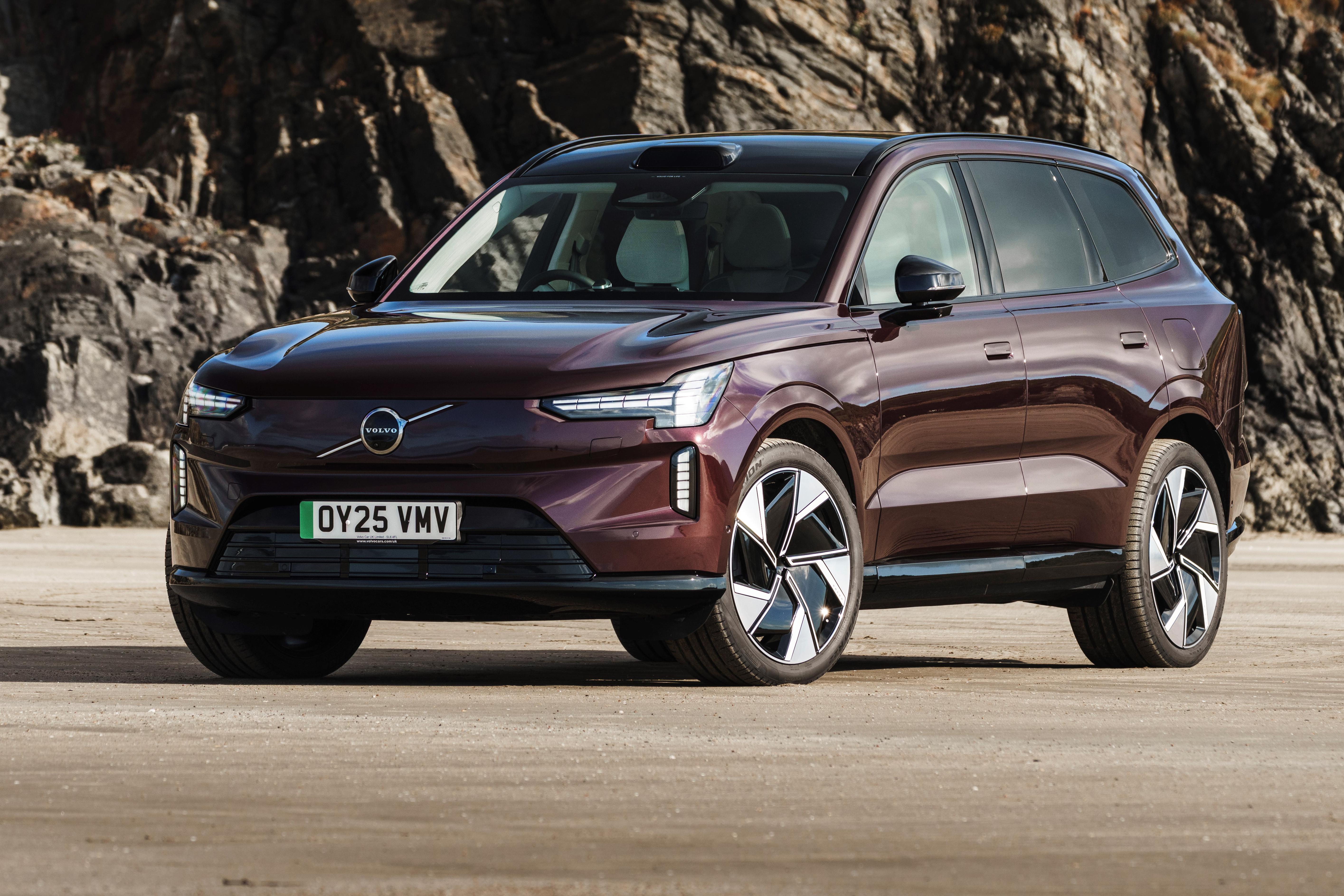
Volvo's Pilot Assist is designed to help driving in almost all situations and works at any speed up to 93mph. Pilot Assist is available across the firm’s line-up, but some versions are more sophisticated, with the latest tech used by the Volvo EX90 SUV.
The car's sensors are used to make steering, braking and acceleration adjustments, read road signs and automatically change the car's speed to match the prevailing legal limit. Lane changes when driving on motorways are also automated. However, all of these functions require the driver to have their hands on the wheel, so the system is rated as Level 2.
Until recently, the most advanced version of the Pilot Assist system featured a roof-mounted lidar system, with Volvo planning to use the sophisticated sensor to offer Ride Assist, a Level 3, unsupervised version of its current tech. However, plans for this are currently on hold and cars in some markets are no longer being fitted with lidar sensors due to their expense, compounded by the uptake for self-driving features not being as high as the firm had expected.
5. Tesla Model 3
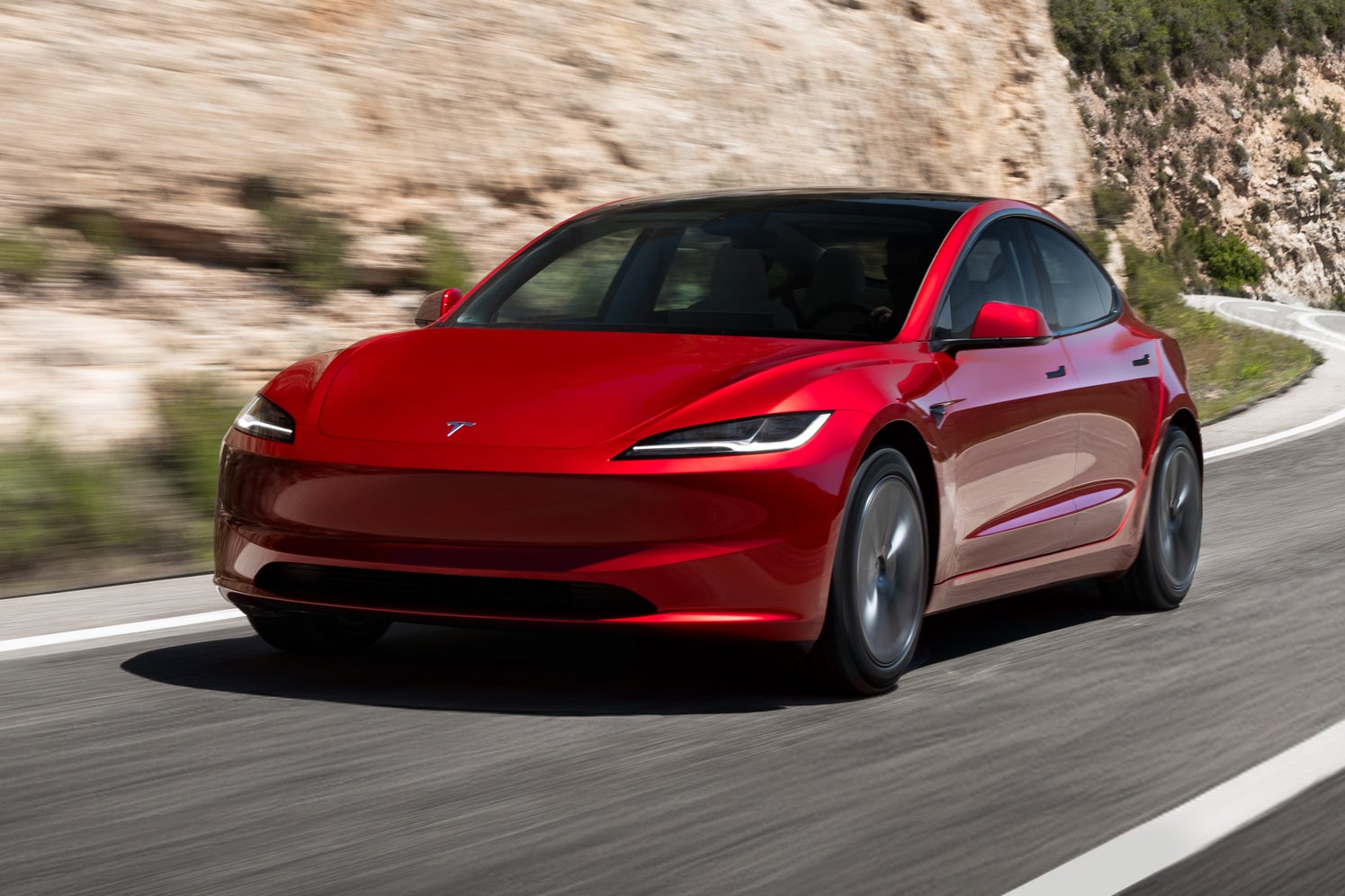
Elon Musk's car company has been one of the most vocal supporters of self-driving technology, with all new Tesla Model 3 and Model Y models sold in the UK feature its Autopilot system, which combines adaptive cruise control, automatic emergency braking, blind-spot monitoring and lane-keeping assist. It means that once you're on the motorway, it will match the speed of the car in front and keep you in your lane with little input from the driver.
At present, Tesla’s more sophisticated Full Self Driving (Supervised) is available in eight countries, but the UK isn’t one of them. This adds features such as the car being able to react to road signs, self-steer and automatically park itself in most situations, yet is classed as a Level 2 system.
The hardware already exists in current Teslas, but if or when it becomes available in the UK, it is expected to be offered as a £99 per month subscription basis.
A fully self-driving car can drive without being operated by a human. By using a combination of sensors and cameras – and increasingly machine learning and artificial intelligence – self-driving cars can interpret their road environment getting from A to B without any human input.
As yet, fully-automated cars aren’t legal on UK roads as private transportation, although commercial ride-hailing trials are beginning to increase. The government’s Automated Vehicles Act is planned to be implemented in full in the second half of 2027, which will allow further expansion of driverless transport fleets.
While self-driving cars are impressive and have some autonomy, they aren’t fully autonomous. If they were, the car wouldn’t just drive itself, it wouldalso choose when to drive, what route to take and make all decisions relevant to its journey without any human input.
Most self-driving cars still need a human driver to take control if necessary. To help distinguish the amount of autonomous capability a car has, there are six levels of self-driving car.
The Society of Automotive Engineers (SAE) devised levels of autonomous driving in 2014, which have since become the adopted standards across the car industry.
Level 0: There is no level of self-driving capability, but technology that gives warnings, such as for blind spot alerts or lane-departures, may be available.
Level 1: The car can control either the steering or acceleration and braking, but not both at the same time. Adaptive cruise control is common type of Level 1 technology.
Level 2: This is the current legal technology limit in the UK which permits cars to steer and accelerate or brake simultaneously, as is the case with lane-centering and adaptive cruise control combined. Levels 0-2 require the driver to be in charge of the car at all times, with their hands on the steering wheel, but not necessarily with their feet on the pedals.
Level 3: Under specific conditions, typically motorway driving and stop-start urban journeys, the car takes care of the driving, with the driver able to take their hands off the steering wheel and feet away from the pedals, but able to immediately re-take control should the need arise.
Level 4: Here the car is able to self-drive in most situations. Although no models are yet available to private buyers which comply with this level of autonomy, self-driving taxi trials in the UK are already underway, with no human driver present in the vehicle.
Level 5: Full autonomous self-driving where the car undertakes all of the driving to a route of its choosing – the only human input is to instruct the car where its destination is.
Self-driving cars are generally considered to be safe, with some very pro-autonomous car companies keen to note that fully mature self-driving cars could be as much as seven times safer than human drivers as they eliminate detrimental factors, including fatigue and inattentiveness.
However, conditions need to be perfect for today’s systems to operate and the technology is still relatively young. Add in the enormous complexity of taking on the many and various road networks of the world and it’s no surprise that self-driving is proving to be a tough challenge.
Not yet, although this could change in the distant future with Level 4 and 5 cars. In the eyes of the law, you must be awake and attentive when behind the wheel of a car and be fully ready to take over should any current self-driving technology require it.
Most current systems include driver monitoring, which use cameras to check that the driver is alert, issuing audible, visual and physical warnings if they appear unresponsive. Some cars will even pull over and stop automatically if you’re asleep at the wheel.