24/06/2026
Cars that hold their value best in 2026

Written By David Ross
Buying a new car is exciting, but there's one cost that is pretty much a guaranteed – depreciation. It's the difference between what you pay for a car and what it's worth when you come to sell it or trade it in.
Every car loses value over time, but some lose it far more slowly than others. Certain models with strong reputations, limited supply or loyal followings can retain an impressive proportion of their original value, making them cheaper to own over the long term.
If you're buying on PCP, strong residual values can also mean lower monthly payments. And if you're paying cash, choosing a car that holds its value well means losing less money when it's time to move on.
Here are the cars that currently hold their value better than almost anything else on sale in the UK.
1. Porsche 911
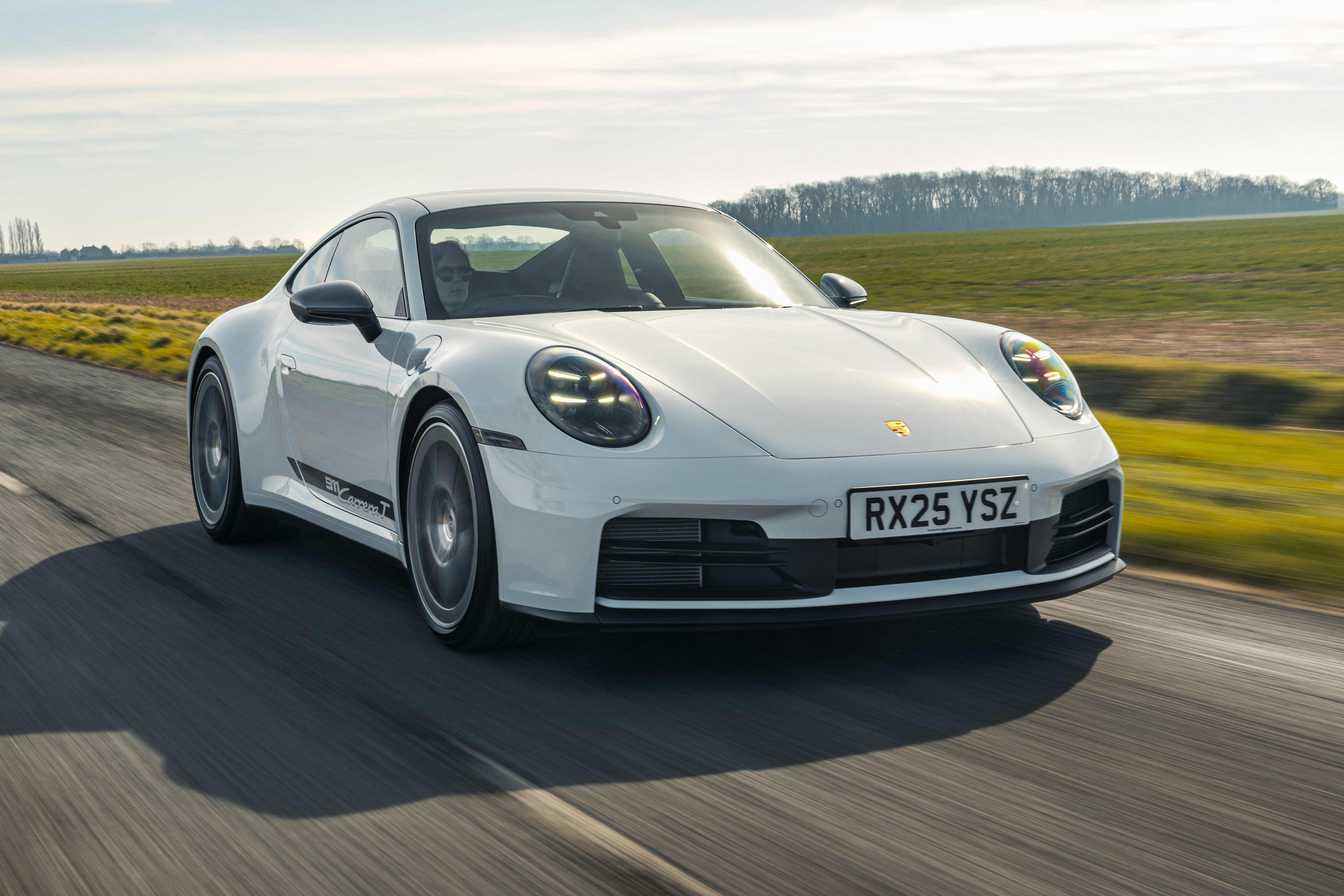
If there is one car that consistently defies depreciation, it's the Porsche 911. The Porsche has been setting the benchmark for residual values for decades. While most performance cars lose value quickly, the 911 consistently goes against the grain thanks to huge demand, limited supply and a reputation for being one of the finest sports cars ever built.
Unlike many supercars, it's also practical enough to use every day. Strong reliability, timeless styling and Porsche's careful control of production numbers mean used examples remain highly desirable. Even after several years of ownership, a well-maintained 911 can retain an impressive percentage of its original list price.
2. Toyota Corolla
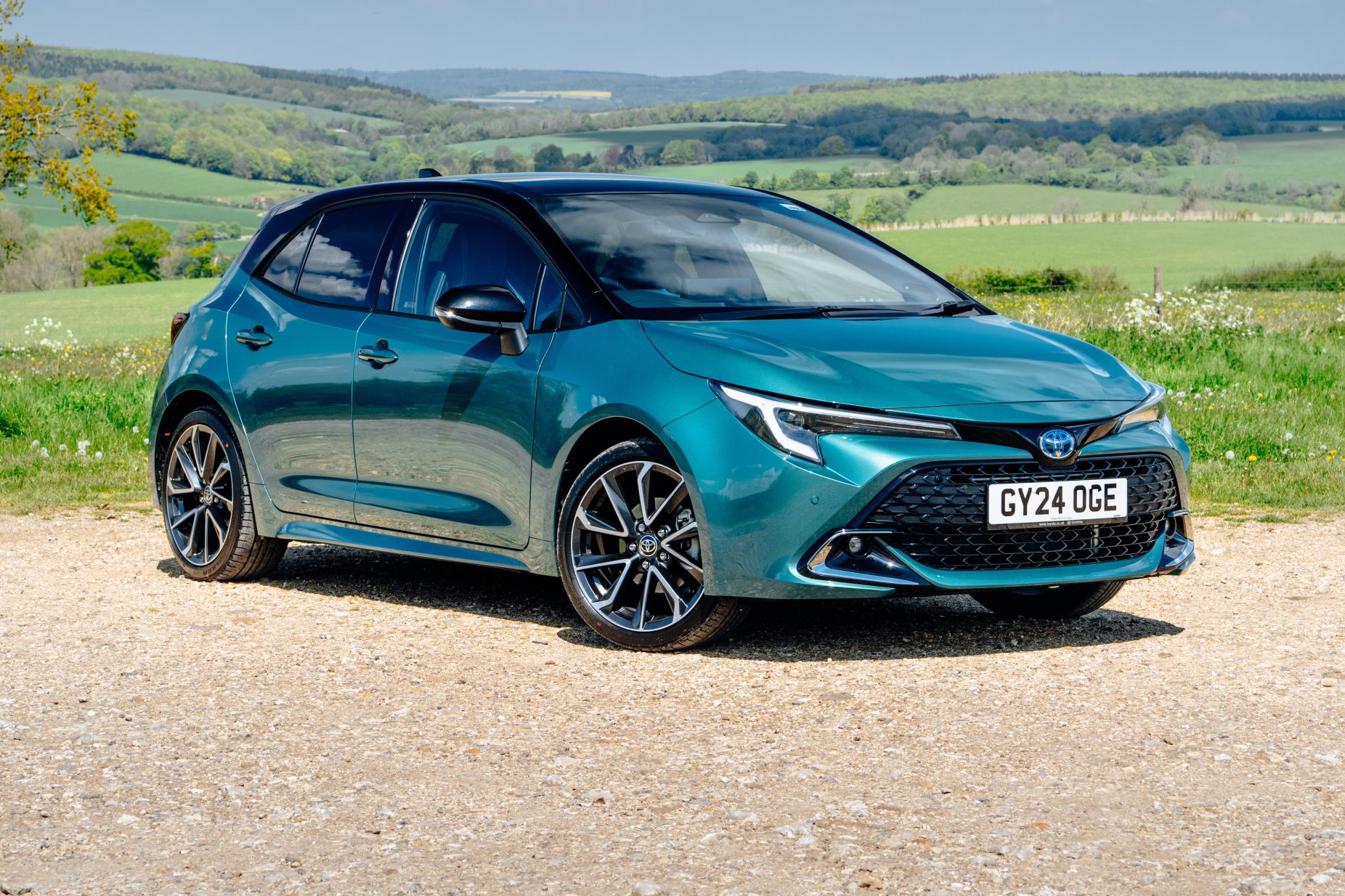
The Toyota Corolla may not generate headlines like a Porsche 911, but it excels in less sexy areas: such as depreciation. Strong reliability, low running costs and Toyota's reputation for durability help the Corolla outperform many rivals when it comes to residual value forecasts.
Toyota's hybrid engines have a well-earned reputation for reliability and fuel economy, making the Corolla hugely popular withnot only private buyers but fleets and taxi drivers. That broad appeal helps maintain strong used values, while affordable servicing and dependable engineering only add to its long-term appeal. For buyers focused on total cost of ownership rather than just showroom appeal, the Corolla is one of the smartest buys out there.
3. Suzuki Jimny Commercial
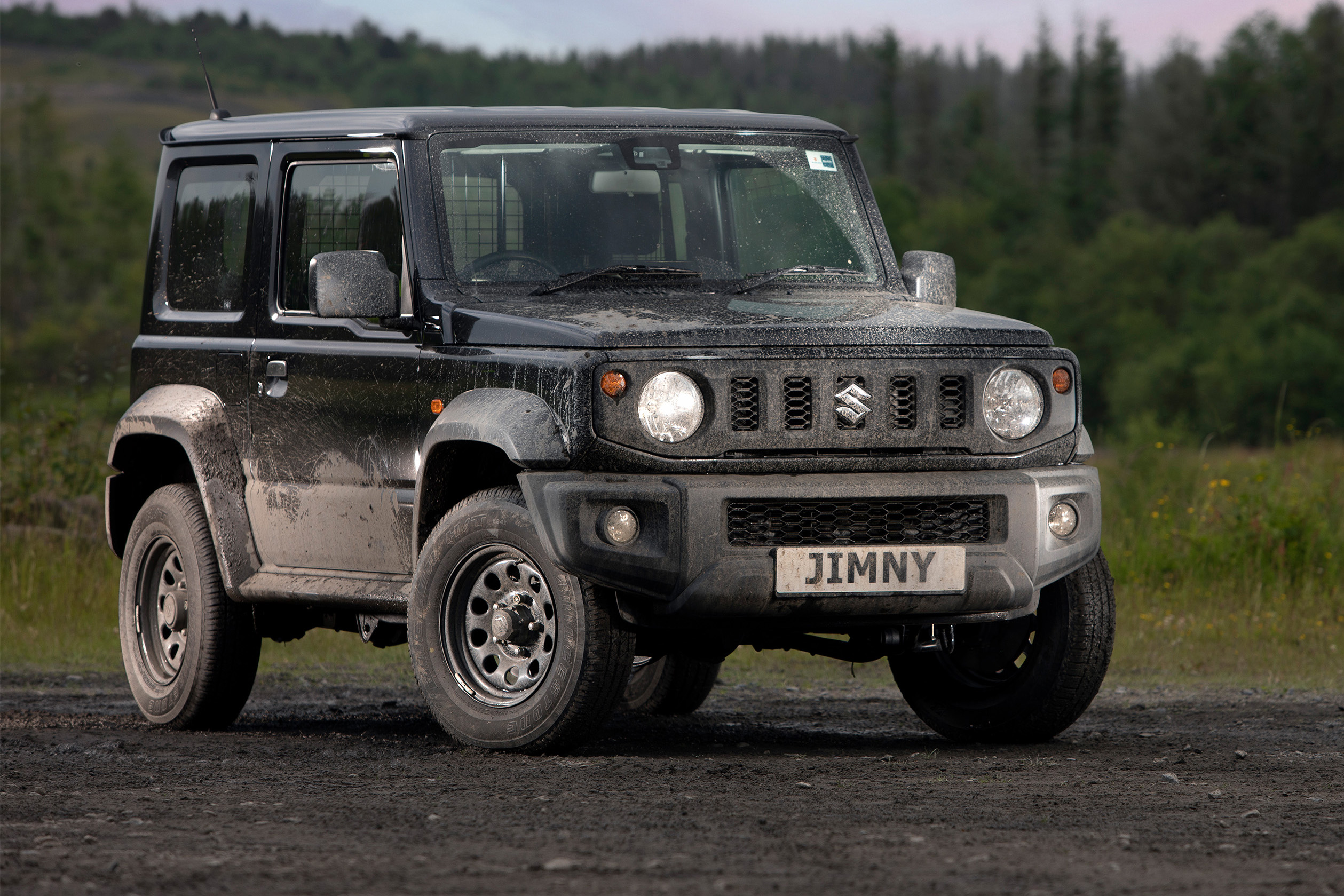
Few vehicles have held their value quite like the Suzuki Jimny. Thanks to limited availability and consistently strong demand, used examples have often sold for figures remarkably close to their original purchase price.
The Jimny's unique combination of compact size, genuine off-road capability and distinctive styling has created a loyal following. Hence why at times, nearly-new examples have commanded prices similar to or even above the original list prices due to supply shortages.
Following the disappearance of the passenger version, the commercial model became the only way to buy a new Jimny in the UK. Limited availability, genuine off-road ability and a loyal fanbase mean demand consistently outstrips supply, helping used prices remain remarkably strong. That makes the Jimny one of the most unusual success stories in the UK car market and a rare example of a vehicle that can largely avoid the usual depreciation.
4. Porsche Macan
.jpg)
The Porsche Macan has consistently been one of the strongest upmarkets SUVs when it comes to value retention. Recent market studies show it to be one of the UK's slowest-depreciating family cars, with some models losing less than 20% of their value over three years.
Porsche's brand strength plays a major role, but so does the Macan's appeal. It combines premium quality, strong performance and everyday practicality in a way that few rivals can match.
Porsche also avoids the heavy discounting seen elsewhere, helping protect residual values. Whether you choose a petrol or electric model, there's strong demand for Macans on the secondhand market, making it one of the smartest premium SUVs to buy. As a result, demand remains high, meaning owners can sidestep the steep depreciation often associated with luxury SUVs.
5. Lexus NX
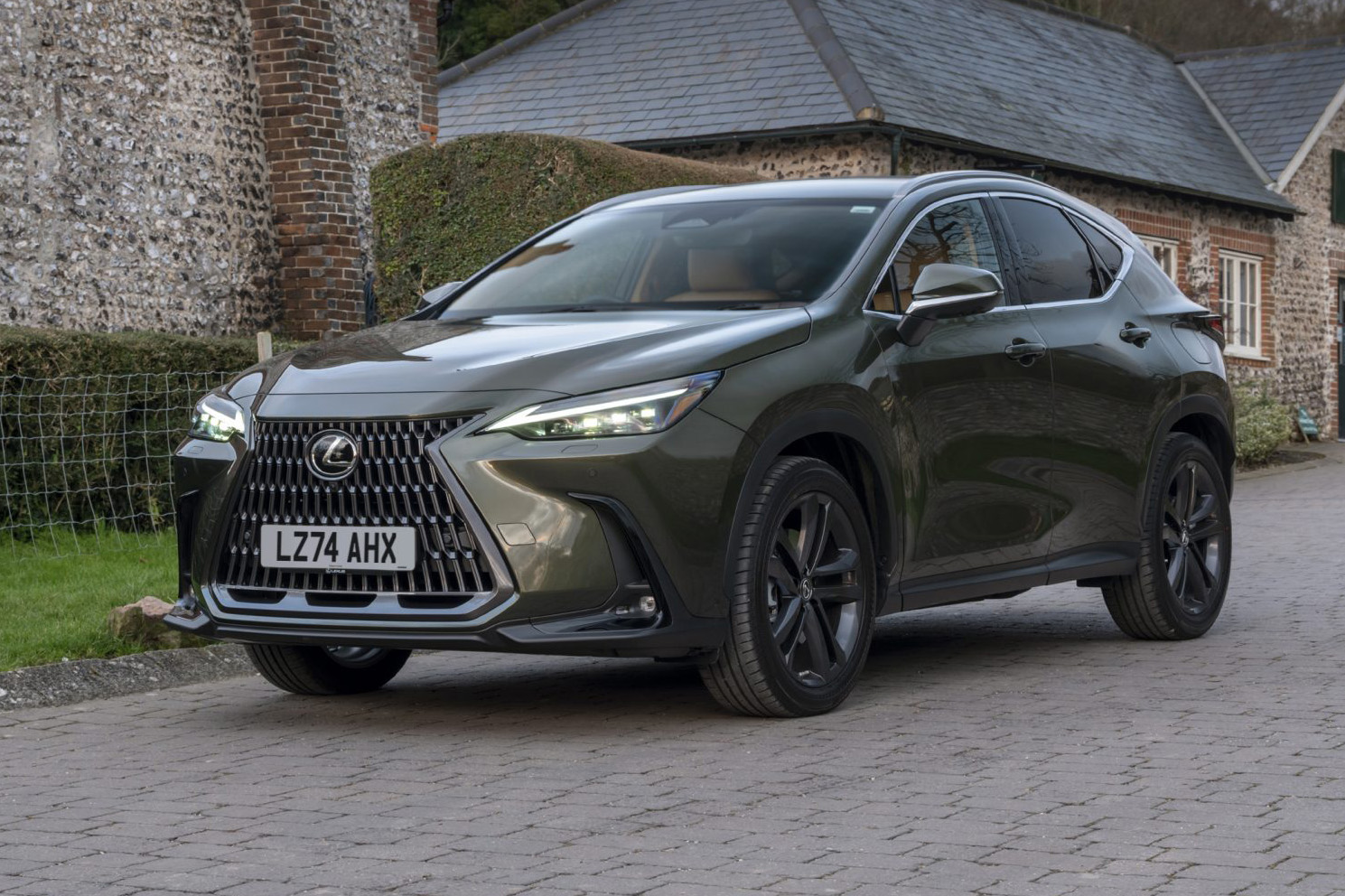
Lexus has become long been known for strong residual values, thanks largely to its reputation for reliability and customer satisfaction. The Lexus NX is one of the brand's strongest performers, with industry forecasts often placing it comfortably ahead of many premium European rivals.
Strong demand for hybrid models has helped values in recent years, while Lexus' record for dependability attracts used buyers looking for a low-risk and hassle free car.
Hybrid power, outstanding build quality and low running costs mean it's very appealing to secondhand buyers, while relatively modest sales numbers help keep supply limited. The result is a premium SUV that often depreciates far more slowly than many of its German rivals. That combination makes the NX one of the smartest choices for buyers looking for long-term ownership costs as much as luxury.
6. Land Rover Defender
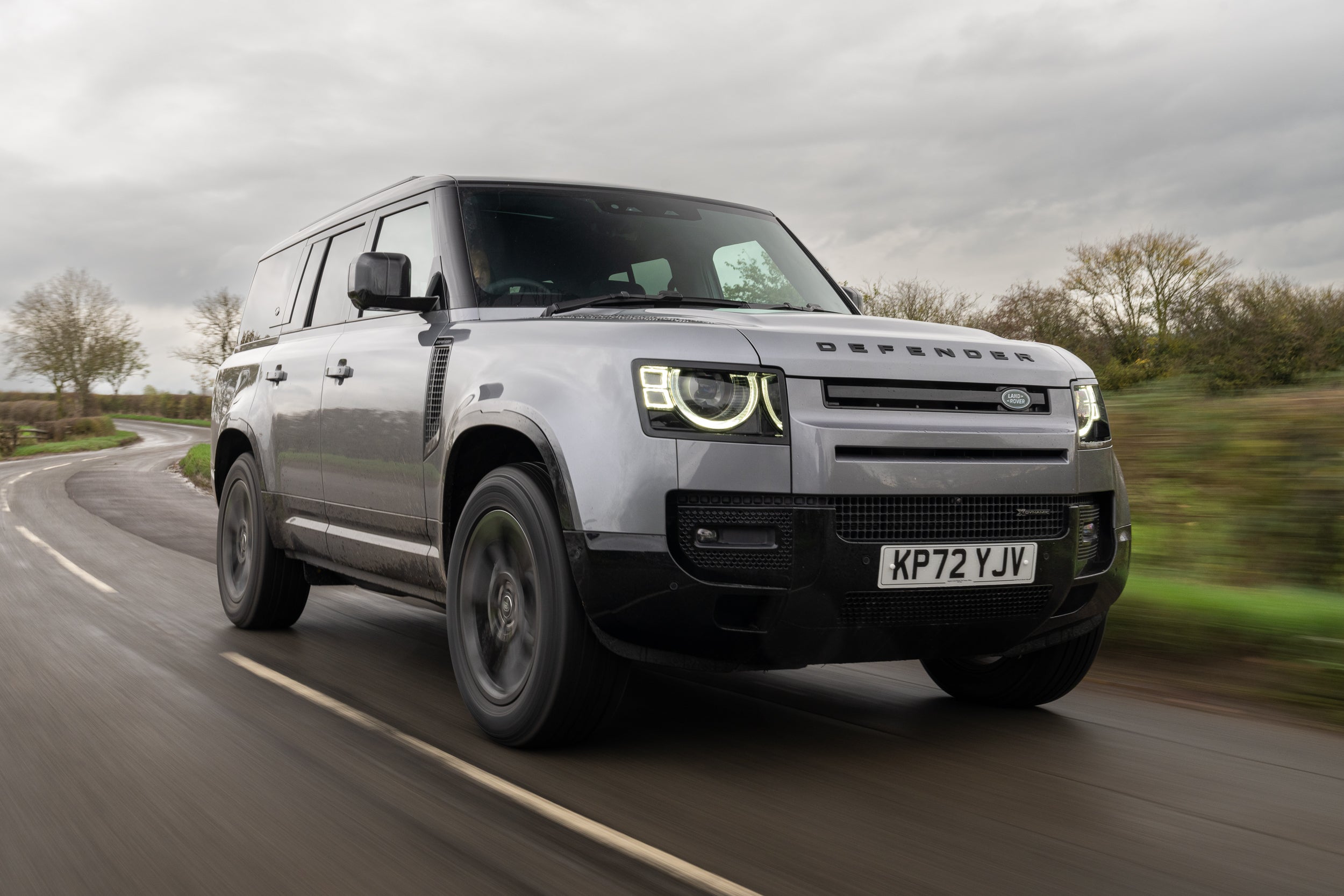
The Land Rover Defender has become one of Britain's most desirable vehicles and one of its strongest performers for residual values. Industry forecasts frequently place it among the UK's top value-retaining models, with some versions expected to retain around 75% of their list price after three years.
Demand remains exceptionally strong thanks to the Defender's blend of rugged capability, premium image and family-friendly practicality. Limited supply during its early years only strengthened used values.
It combines genuine off-road capability with luxury-car comfort so it's no surprise there have been long waiting lists. The distinctive styling and sheer badge appeal have helped the Defender retain its value exceptionally well since its launch, particularly in higher specifications. For those wanting a rugged SUV that won't suffer heavy depreciation, the Defender remains one of the safest bets on the market.
7. Toyota Land Cruiser
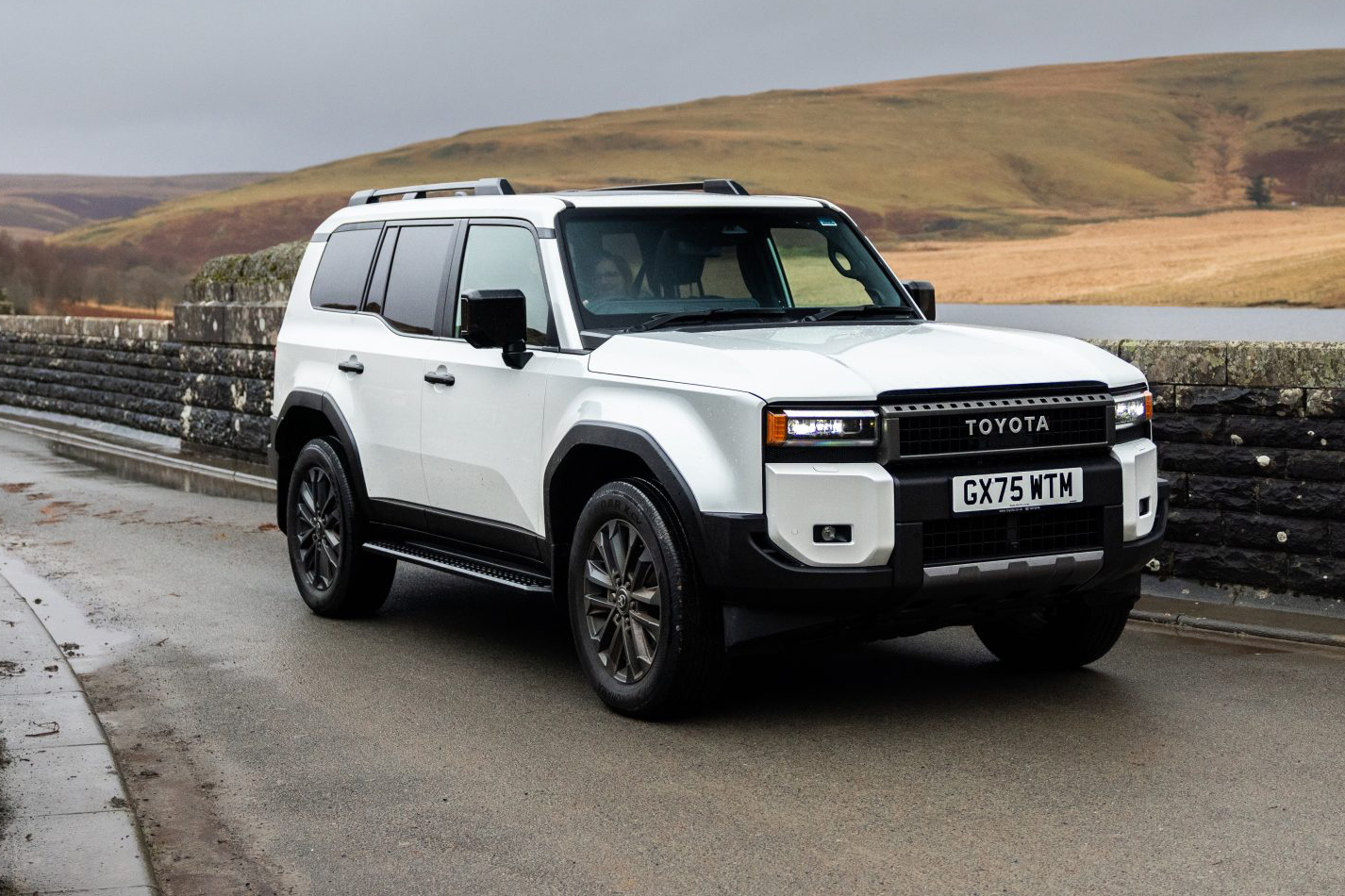
The Toyota Land Cruiser has built a reputation for reliability that few vehicles can match. That reputation is reflected in its residual values. Expert forecasts put the Land Cruiser among the UK's top-performing large SUVs, with some versions expected to retain more than 70% of their value after three years.
Strong demand from private buyers, rural businesses and those who tow means used prices are strong, while relatively low supply keeps competition high when examples reach the market.
Its appeal isn't just about image. The Land Cruiser, as always, is one of the toughest, most dependable off-road vehicles ever made, with Toyota's legendary reliability guaranteed. Whether you're towing, exploring rough terrain or simply want a family SUV that feels virtually indestructible, the Land Cruiser remains one of the safest places to put your money.
8. MINI Cooper
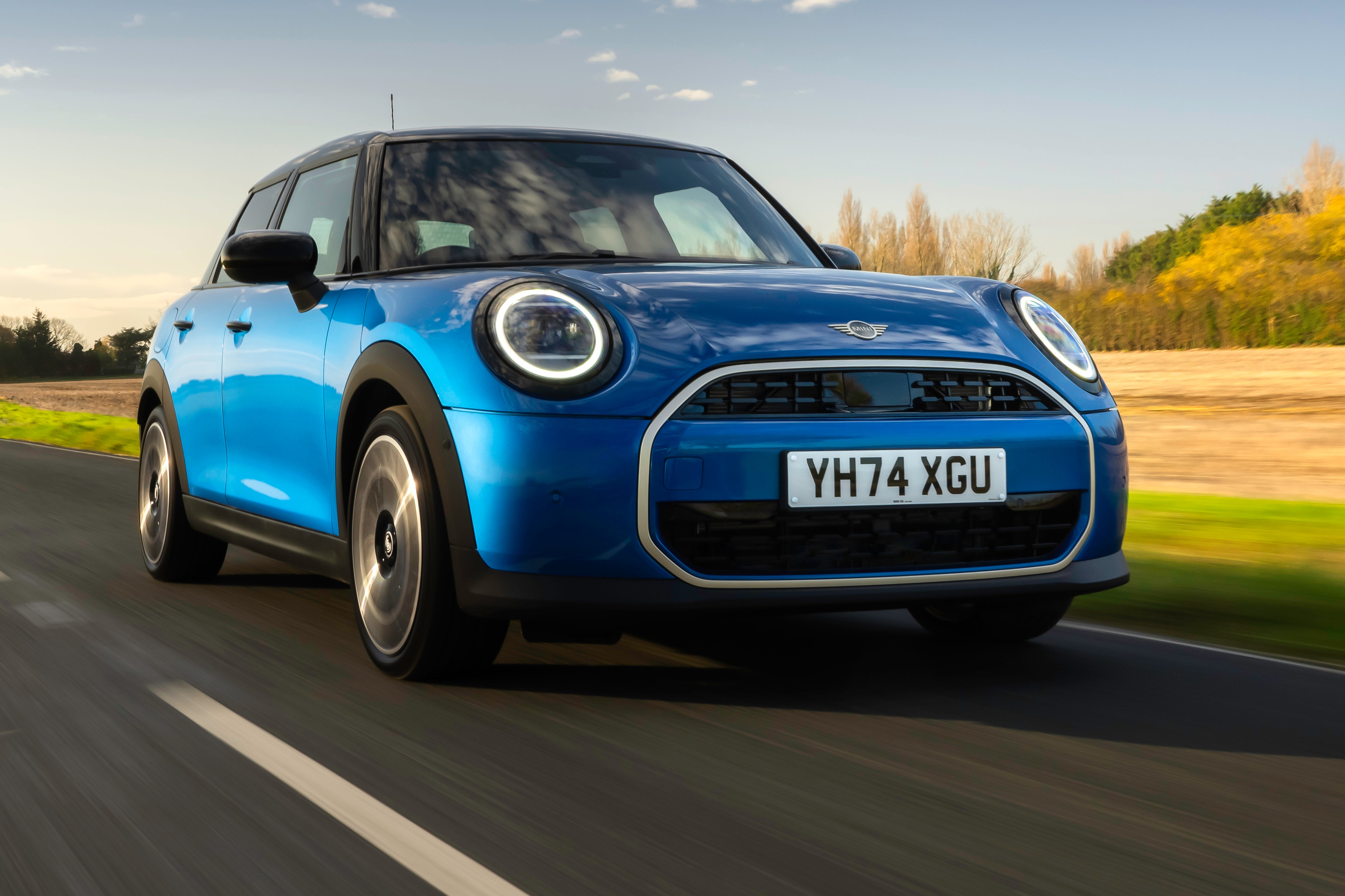
The MINI hatch has long been one of the strongest-performing small cars for value retention. Depending on specification, modelscan hold around two-thirds of their original value after three years, outperforming most of the small car market. The latest MINI Cooper follows that pattern.
Strong brand recognition, distinctive styling and a premium image help maintain demand among used buyers. Unlike many small cars, a MINI is often bought as much for its character and the badge on the bonnet as its practicality.
MINI buyers are prepared to pay a premium for desirable models, particularly well-equipped Cooper and Cooper S models, helping them retain their value far better than many conventional small cars. That appeal helps keep depreciation under control, making it a sensible choice as well as a fun one.
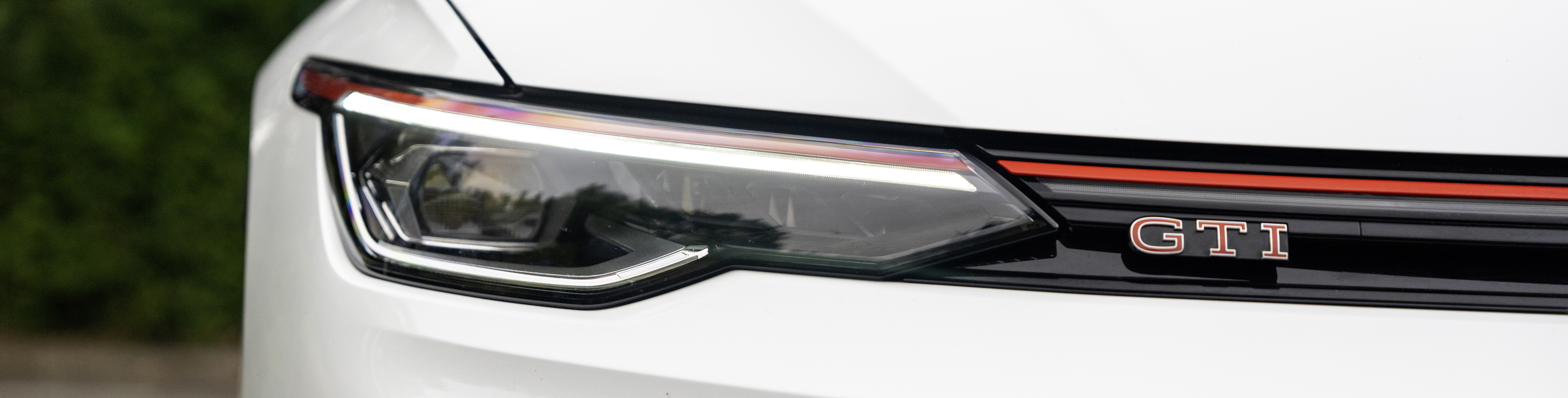
9. Volkswagen Golf GTI
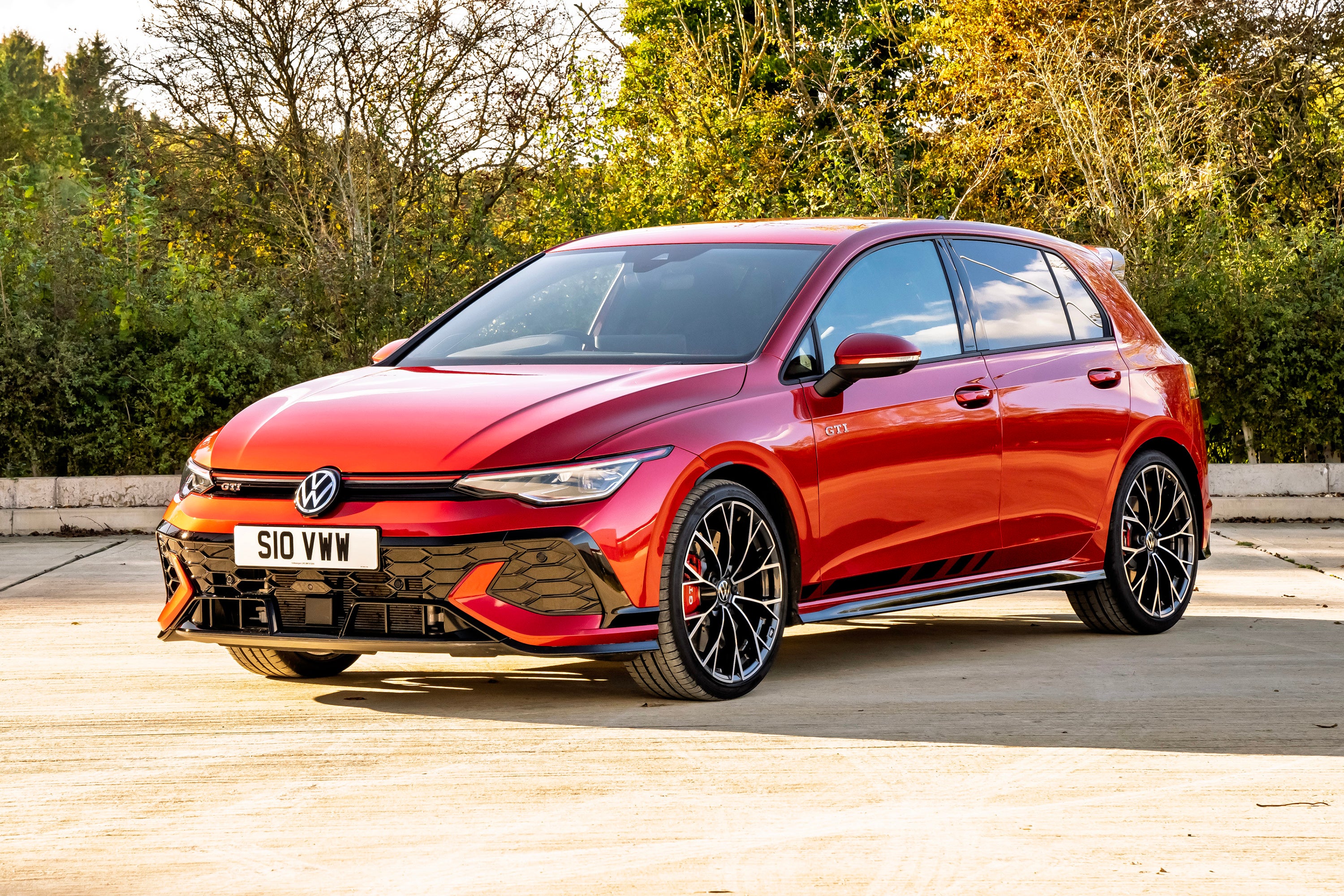
Performance cars often depreciate quickly, but the Volkswagen Golf GTI has consistently proved an exception. Thanks to decades of heritage and strong enthusiast demand, GTI models typically outperform both mainstream hatchbacks and many rival hot hatches when it comes to value retention.
The GTI's unique blend of practicality, performance and everyday usability ensures a wide audience on the used car market. Buyers know exactly what they're getting, and that familiarity helps keep prices up.
It offers genuine performance while remaining comfortable enough for everyday family use, meaning there's a wide range of buyers. Strong reliability, sporty styling and a loyal enthusiast following mean demand rarely falls away, helping values remain impressive. For drivers seeking performance without high ownership costs, the Golf GTI remains a strong choice.
10. Ford Ranger
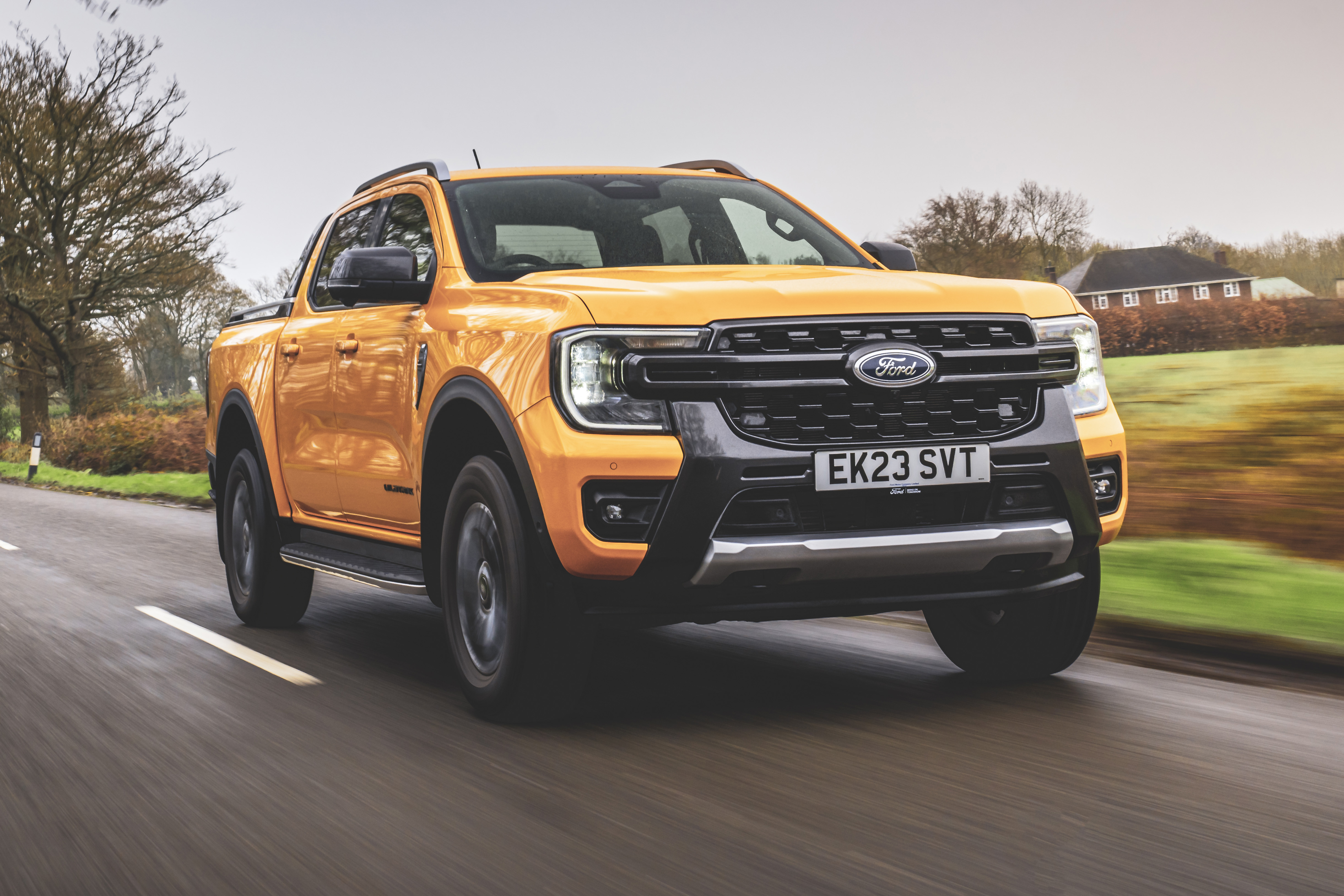
The Ford Ranger has become one of Britain's best vehicles for residual values, regularly appearing near the top of industry rankings for value retention. Depending on the exact model and specification, forecasts often predict retained values of around 65-70% after three years.
The reason is that its appeal extends beyond just commercial use. Many caravan owners and the likes of mountain bikers and paddle boarders have taken to the Ranger, creating strong demand on the used market.
Its blend of towing ability, practicality and road presence means it appeals to people who would have previously bought an SUV. High demand, particularly for Wildtrak and Raptor models, keeps used prices high, while the Ranger's reputation for toughness ensures there's always a market for well-maintained examples. That broad appeal helps keep values high and depreciation relatively low, making the Ranger one of the most financially sensible 'lifestyle' pickups.
Why do some cars hold their value better?
Several things affect how quickly a car depreciates, and they're not always linked to the original purchase price.
The biggest factors are:
Brand: Manufacturers with strong reputations for quality and reliability generally retain their value better.
Supply and demand: Cars with waiting lists or limited production often command higher used prices.
Reliability: Buyers are prepared to pay more for cars known to be dependable.
Specification: Popular trims, desirable options and special editions usually outperform basic models.
Colour: Neutral colours such as black, grey, white and silver are generally easier to sell but on certain cars, unique colours are sought after.
Mileage and condition: Lower-mileage cars with a full service history always go for better money.
Should you buy new or nearly new?
One of the easiest ways to avoid heavy depreciation is to let someone else take the hit. Pretty much every new car loses the largest proportion of its value during the first year. Buying a car that's between six months and two years old often gives you nearly all the benefits of a new vehicle while avoiding the steepest part of the depreciation curve.
For many buyers, nearly new represents the best balance between value, warranty cover and long-term ownership.
What this means for you
Depreciation is often the biggest cost of owning a car, but it's also one you can manage – with careful planning. Choosing a model with a strong reputation, high demand and proven reliability can mean the difference in thousands of pounds when you come to sell or trade in.
While no car is completely immune to depreciation, the models we've chosen have consistently shown that they lose value more slowly than most. If keeping your overall motoring costs down is a priority, they're some of the smartest choices you can make.
Typically, luxury saloons from non premium brands and large petrol hungry SUVs tend to lose value the quickest. These cars often have high running costs which make them less attractive to used car buyers.
They were in the early years, but the gap is closing. Modern EVs with good range and battery health certificates are now holding their value much better as the infrastructure for charging improves and consumer confidence grows.
Yes, significantly. Most depreciation calculators are based on an average of 10,000 miles per year. If you exceed this significantly, your car’s value will drop. Conversely, very low mileage can add a premium to the resale price.
If you change your car every three or four years, then yes – depreciation is your biggest cost. If you plan to keep a car for ten years or more, the resale value matters much less than the car’s reliability and fuel economy over its lifetime.
The Porsche 911 consistently ranks among the UK's strongest performers for residual values thanks to exceptional demand, limited supply and its reputation as one of the world's best sports cars.
Brand reputation, reliability, mileage, service history, specification, colour and market demand all play a significant role in determining how much a car will be worth in the future.
Not always. While some early EVs lost value quickly, newer electric cars with longer ranges and strong manufacturer backing are proving much more resilient on the used market.
In many cases, yes. A nearly new car has already gone through its steepest period of depreciation, allowing you to benefit from lower prices while still enjoying modern technology and, often, the balance of the manufacturer's warranty.