Kia Stonic Review

Written By Andrew Brady
- 2017
- Small SUV
- Petrol
What we love
Generous standard equipment
Easy to drive around town
Excellent seven-year warranty
Things to consider
Firm ride
Tight rear-seat space
Performance is fairly modest
The DRIVE take on the Kia Stonic, is it the right car for you?
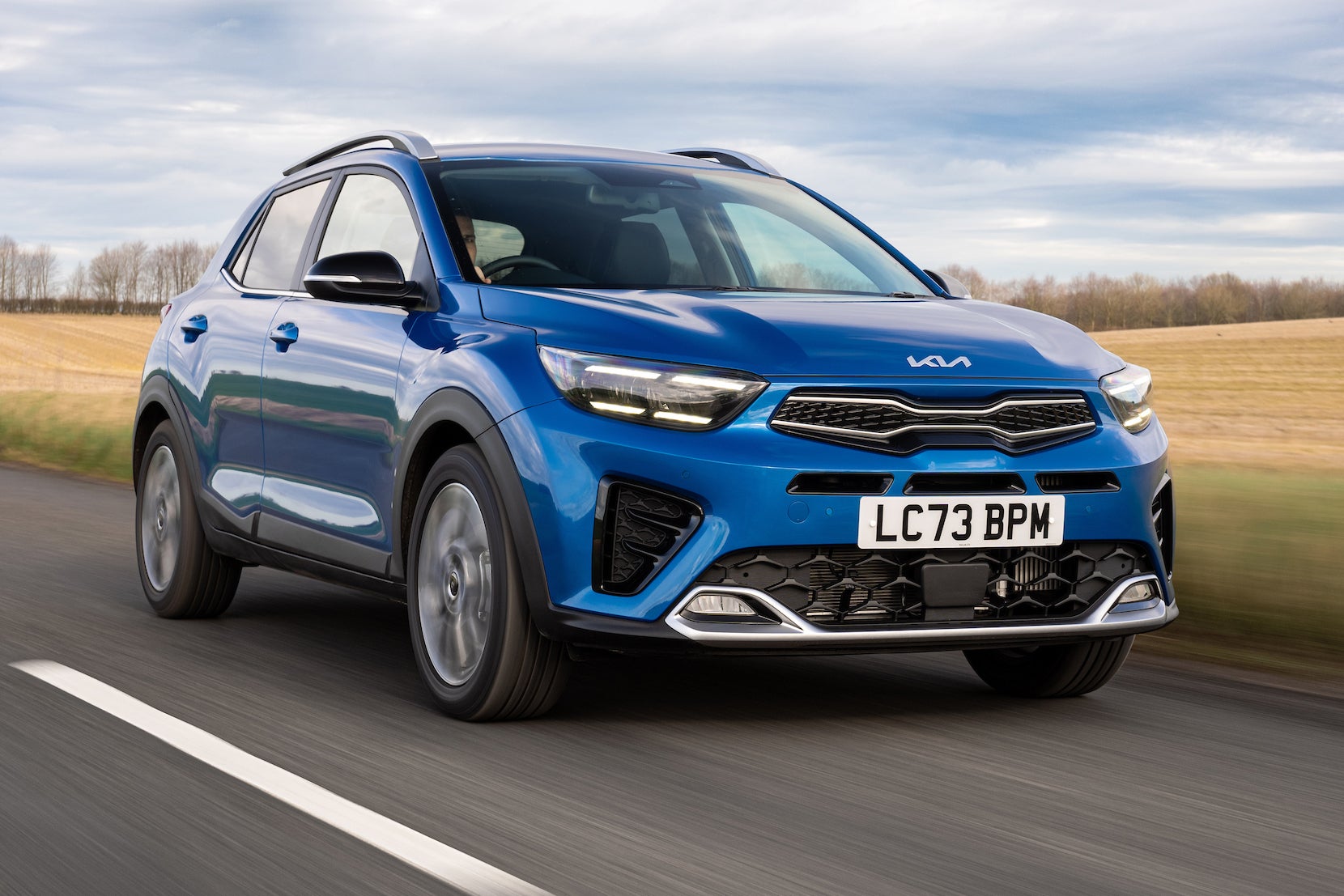
The Kia Stonic makes most sense if you want a small SUV that keeps things simple. It’s well equipped, sensibly sized, easy to drive and backed by one of the strongest warranty packages in the business. The substantial 2025 update has also addressed one of the old Stonic’s biggest weaknesses by giving it a much smarter interior and far more up-to-date technology.
The catch is that it still doesn’t quite feel like a class leader. Rear space is limited, performance is modest and the firm ride isn’t as comfortable as the best alternatives. Even so, if value, equipment and peace of mind matter more than ultimate refinement, the Stonic still makes a decent case for itself.
The Kia Stonic in more detail
The Kia Stonic has been around since 2017, making it something of a veteran in the small-SUV class. It was initially closely related to the now-discontinued Rio supermini and received its first facelift in 2020, but a much more substantial second update arrived in late 2025, bringing radically different styling and a heavily redesigned interior. Kia itself describes this as the Stonic’s second major facelift rather than a new generation.
The original Stonic had increasingly begun to feel its age, but the old eight-inch touchscreen and fairly plain dashboard have gone, replaced by a 12.3-inch central display, redesigned steering wheel, USB-C charging and much more contemporary styling. GT-Line S even gets a matching 12.3-inch digital instrument display.
The fundamentals haven’t changed much, though. It remains a compact, relatively low-slung crossover rather than a miniature off-roader. The driving position is lower than in many rivals, rear space is only average and its 352-litre boot isn’t especially generous.
The current Stonic range is now particularly simple. Kia has dropped the 115PS mild-hybrid introduced with the latest facelift, leaving the 99PS 1.0-litre T-GDi petrol as the sole engine across Pure, GT-Line and GT-Line S. Kia says non-mild-hybrid versions have traditionally been more popular with UK buyers, so the change reflects customer demand as well as simplifying the range. Removing the mild hybrid has also allowed Kia to cut the prices of GT-Line and GT-Line S by £200.
The Stonic still doesn’t set the class benchmark for ride comfort, refinement or practicality, but the facelift has made it much easier to recommend than the old interior suggested. Its strongest arguments remain straightforward ones: decent value, plenty of kit and that long Kia warranty. The original review’s broad assessment therefore still stands, even though much of its equipment detail had become outdated.
What's the best Kia Stonic trim and engine option?
For most buyers, the Kia Stonic Pure with the 1.0 T-GDi manual gearbox remains the sweet spot. Every current Stonic uses the same 99PS engine, so paying more doesn’t improve performance. Pure also gets smaller 16-inch wheels, which make more sense given the Stonic’s naturally firm suspension, and the standard equipment list is unusually generous.
You still get a 12.3-inch touchscreen with navigation, Apple CarPlay and Android Auto, front and rear parking sensors, a reversing camera, cruise control and a useful spread of active safety technology.
GT-Line makes sense if you want the sharper styling, LED lighting, automatic climate control and blind-spot assistance, but it’s around £2,600 more expensive and its 17-inch wheels don’t help ride comfort.
The DCT automatic is convenient in traffic but actually accelerates more slowly than the manual. GT-Line S adds considerably more equipment but costs £28,495, at which point the Stonic faces some increasingly polished opposition.
What’s the price of the Kia Stonic?
The current Kia Stonic range starts at £22,195 for the Pure 1.0 T-GDi manual. The Pure DCT automatic costs £23,195. GT-Line starts at £24,795 with the manual gearbox, rising to £25,795 for the DCT. The range-topping GT-Line S is automatic-only and costs £28,495. Premium paint costs an extra £600.
That pricing keeps the Stonic competitive at the lower end of the range, particularly given how much equipment Pure includes. The argument becomes harder to make towards £28,500, where roomier and more sophisticated alternatives become available.
Used buyers have a much broader choice, including earlier 120PS petrols, diesels, mild hybrids and the 115PS version initially offered with the latest facelift.
Alternatives to the Kia Stonic
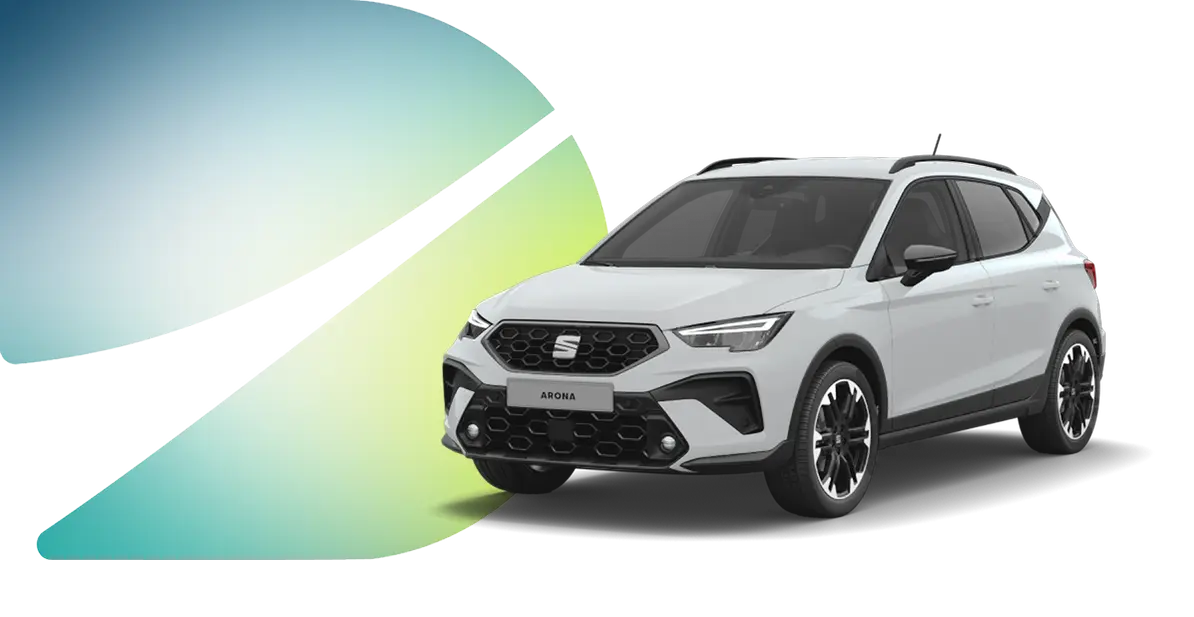
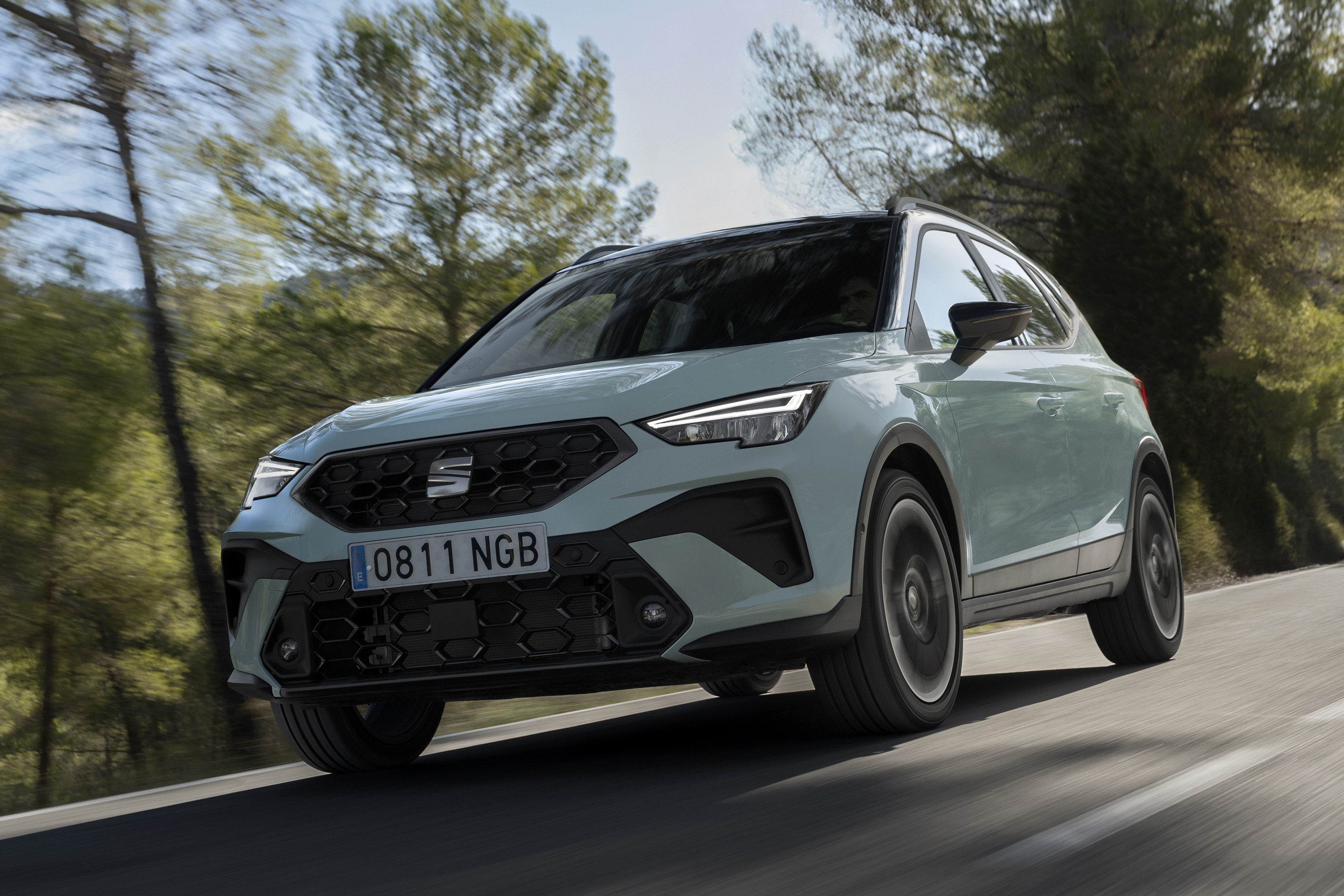
The SEAT Arona remains one of the Stonic’s strongest direct alternatives. It offers more interior space, a more settled ride and a similarly straightforward approach to small-SUV ownership.
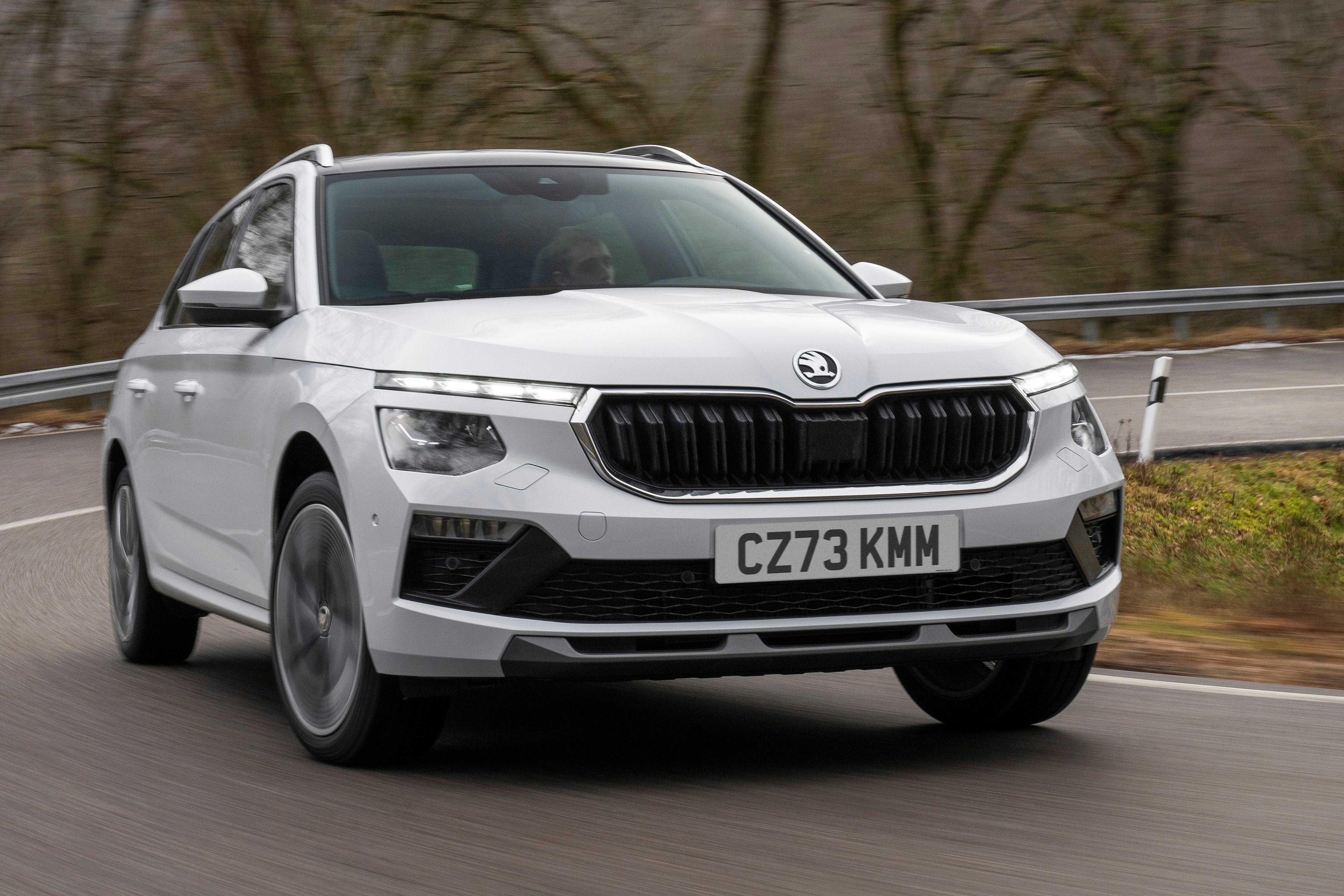
The Skoda Kamiq is even stronger if comfort and practicality matter most. It feels roomier in the back and is noticeably more relaxed over poor road surfaces.
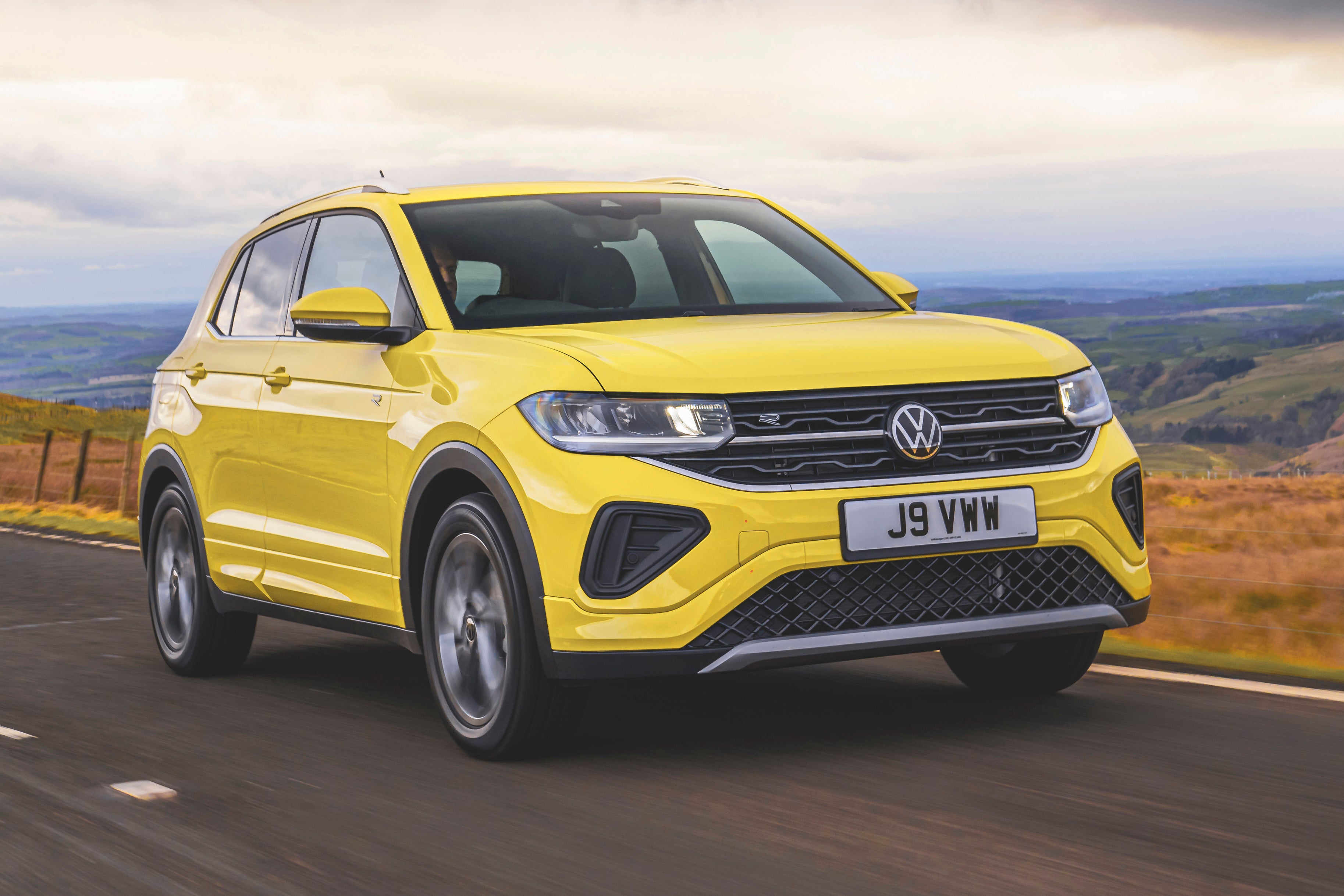
The Volkswagen T-Cross provides many of the same strengths in a slightly more upmarket package, although it generally costs more.
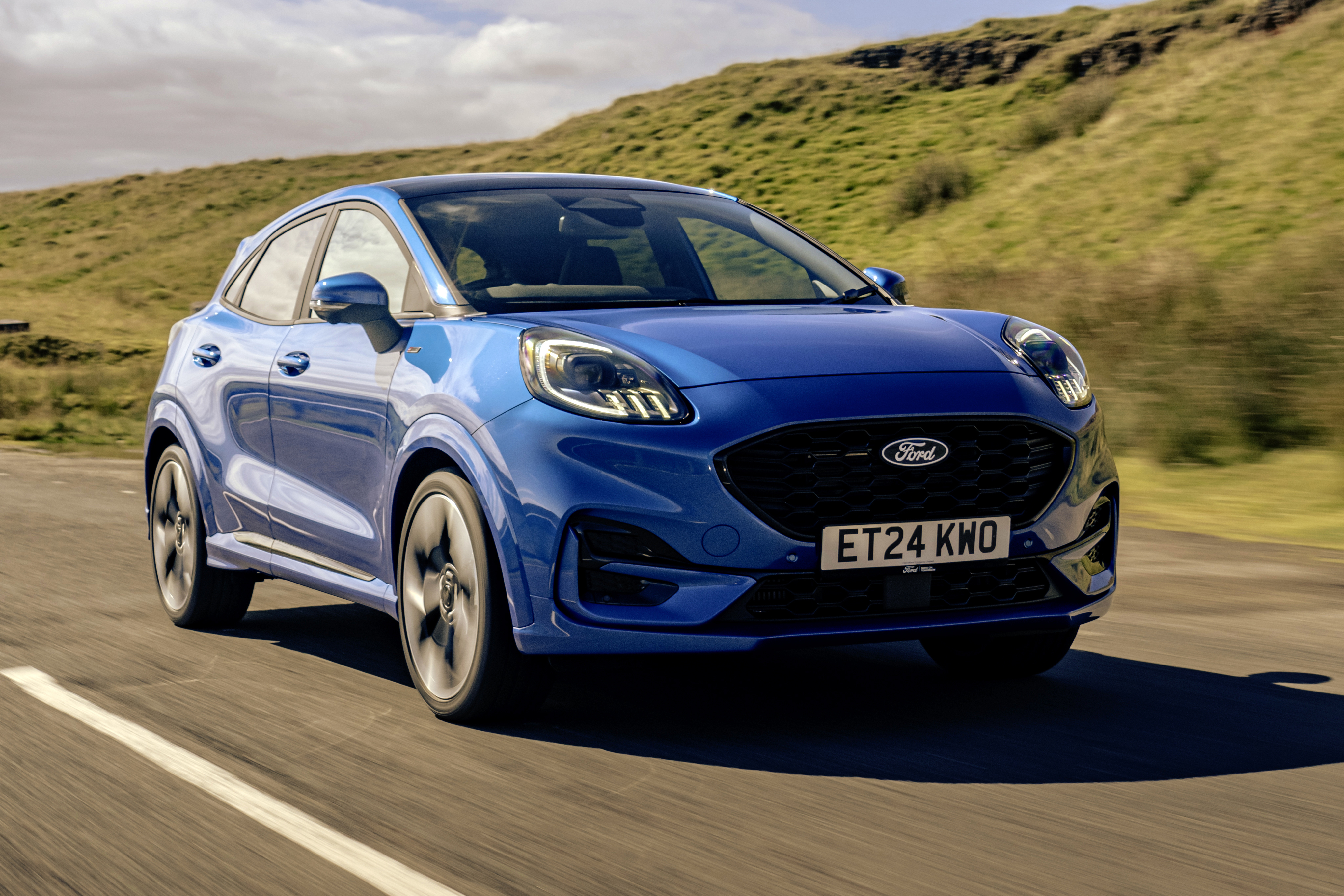
The Ford Puma is the one to consider if driving enjoyment matters. It has sharper steering, better body control and a significantly larger and more useful luggage area.
The Renault Captur also offers much greater rear-seat flexibility, while the Peugeot 2008 has a more distinctive interior.
The Stonic fights back with its generous standard equipment, compact dimensions and seven-year warranty. It’s the uncomplicated choice rather than the outright class leader.
What's the interior like in the Kia Stonic?
The 2025 facelift transformed the Stonic’s interior, ditching the earlier drab Rio-derived dashboard. The centrepiece is a 12.3-inch touchscreen housed in a wide display panel. Pure and GT-Line combine that with a 4.2-inch driver display, while GT-Line S gets a second 12.3-inch digital screen. The dashboard looks vastly more modern, while the redesigned steering wheel, USB-C ports and ambient lighting on GT-Line models lift the presentation further.
There are still plenty of hard plastics, though, so the facelift has improved the appearance of the cabin more than its underlying material quality.
Kia Stonic boot space and practicality
The Stonic remains reasonably practical for its compact dimensions, but this is one area the facelift hasn’t fundamentally changed. Up front there’s plenty of space for two adults and a good range of adjustment for both the driver’s seat and steering wheel. The relatively low seating position means it feels more like a raised hatchback than a traditional SUV, which will suit some drivers but disappoint anyone wanting a particularly commanding view.
Legroom in the back becomes tight if taller occupants are sitting in front, while three adults across the rear bench would be uncomfortable for anything beyond a short journey. That was one of the weaknesses of the original car and remains a consequence of its relatively short 2,580mm wheelbase.
The boot holds 352 litres with the rear seats upright, expanding to 1,155 litres when the 60:40 split rear seats are folded. Those figures are unchanged from the previous version. That’s enough for routine shopping, luggage or a pushchair, but considerably less than the best small SUVs. A Renault Captur, Ford Puma or Skoda Kamiq provides more outright carrying capacity. The boot opening itself is broad, although there’s a noticeable lip to lift heavier items over.
Storage elsewhere is sensible, with front and rear door bins, a central storage compartment, cupholders, a glovebox and a 12V socket. All current versions now also get front and rear parking sensors and a reversing camera, correcting the original review’s reference to lower trims missing a camera.
Kia Stonic dimensions
The Kia Stonic measures 4,165mm long and 1,760mm wide, with a 2,580mm wheelbase. Height depends on trim. Pure is 1,485mm high, while GT-Line and GT-Line S measure 1,505mm.
The facelifted car is therefore slightly longer than the earlier Stonic, largely because of its redesigned bumpers, but it's usefully compact for around town. It’s smaller than many current small SUVs and has a 10.4-metre turning circle, so tight parking spaces and narrow streets shouldn’t cause too many problems.
Tech and infotainment in the Kia Stonic
Technology is one of the areas where the latest facelift has changed the Stonic most dramatically. Every current version gets a 12.3-inch touchscreen navigation system, Apple CarPlay, Android Auto, Bluetooth, Kia Connect services, a front USB-C charging point, at least one rear USB charging port and a six-speaker audio system.
Pure and GT-Line use a 4.2-inch driver information display, while GT-Line S upgrades to a full 12.3-inch digital instrument cluster, creating a twin-screen arrangement.
The redesigned cabin also introduces Kia’s multimode touch panel, which switches between infotainment shortcuts and climate controls. It looks considerably more modern than the old dashboard, although touch-sensitive controls still require more attention than simple physical switches. GT-Line adds configurable ambient lighting, while GT-Line S gains wireless phone charging and Digital Key, allowing a compatible smartphone to lock, unlock and start the car. It also gets two rear USB charging ports rather than one.
Materials available on the Kia Stonic
The refreshed cabin looks considerably more sophisticated, but the basic material choices remain fairly straightforward. Pure uses black cloth upholstery. GT-Line and GT-Line S switch to a mixture of black cloth and artificial leather, alongside GT-Line-specific interior styling and alloy pedals. GT-Line and GT-Line S also get ambient lighting, which adds useful visual interest at night.
There are still plenty of firm plastics across the doors and dashboard, so the Stonic doesn’t suddenly feel like a miniature premium SUV. Current road tests also continue to highlight the amount of hard trim, even if assembly feels solid.
The facelift has therefore addressed the old cabin’s lack of visual appeal much more convincingly than its underlying material quality. That’s still a worthwhile improvement over the rather dated original interior.
What's the Kia Stonic like to drive?
The Stonic feels more like a raised supermini than a conventional SUV. The seating position is relatively low, the steering is light and the suspension is tuned more firmly than you might expect. That gives it good body control and makes it easy to place on a twisty road, but it isn’t especially engaging and poorer surfaces can make the ride feel busy.
Kia Stonic range and performance
The current UK Stonic range is unusually simple. Every factory-order model now uses a 1.0-litre three-cylinder turbocharged petrol engine producing 99PS, driving the front wheels. With the six-speed manual gearbox, 0–62mph takes 11.0 seconds. The seven-speed dual-clutch automatic is actually slower at 12.1 seconds, although it removes the effort of changing gear in traffic.
Neither version is especially quick. The engine has enough performance for town and suburban driving, but faster motorway acceleration requires some planning and you’ll need to work it harder on steeper hills.
There is an important used and nearly-new distinction. When this second facelift launched in late 2025, GT-Line and GT-Line S were offered with a 115PS version of the 1.0-litre engine assisted by a 48V mild-hybrid system. It achieved 0–62mph in 10.7 seconds with the manual or 10.8 seconds with the DCT. However, that version is no longer sold new.
Older Stonics broaden the choice much further, including 120PS 1.0-litre petrols, 1.4-litre naturally aspirated petrols and 1.6-litre diesels.
Performance data
| Model | Engine/battery size | Power | 0-62mph | Range/MPG |
|---|---|---|---|---|
1.0 Turbocharged petrol manual | 1.0-litre petrol manual | 99PS | 11.0 seconds | Up to 49.5mpg |
1.0 Turbocharged petrol auto | 1.0-litre petrol auto | 99PS | 12.1 seconds | 50.4mpg |
Kia Stonic driving and refinement
The Stonic’s suspension remains tuned more for body control than outright comfort, and stays relatively upright through bends and responds neatly enough to steering inputs, but poorer roads can make it feel fidgety. The low-speed ride is firm and there's noticeable movement over repeated surface imperfections.
The difference is that not every model now runs on 17-inch wheels. Pure gets 16-inch alloys, which take some of the edge off poorer surfaces, while GT-Line and GT-Line S retain 17-inch wheels.
There isn’t much body roll, and the Stonic can carry decent speed through bends, but the steering doesn’t provide enough feedback to make it genuinely entertaining. A Ford Puma remains noticeably more engaging.
Around town, things improve. The steering is light, visibility forwards is good and the car’s compact footprint makes it easy to manoeuvre. All current versions now get parking sensors at both ends and a reversing camera, which helps compensate for the thick rear pillars.
Refinement is merely average. The three-cylinder engine can be heard when worked hard, while motorway speeds expose a reasonable amount of tyre and wind noise. The latest car is more civilised than the original Stonic, but it still isn’t among the quietest or most comfortable small SUVs.
How safe is the Kia Stonic?
Independent safety organisation Euro NCAP last assessed the Kia Stonic in 2017, and that rating has now expired. The standard car originally received three stars, while a version fitted with the optional safety pack achieved five stars. The five-star version scored 93% for adult occupant protection, 84% for child protection, 71% for vulnerable road-user protection and 59% for safety assist.
While those results shouldn’t be presented as a current safety rating for the heavily updated 2026 car, current safety equipment is substantially more comprehensive. Every new Stonic gets autonomous emergency braking with pedestrian and cyclist detection, lane-keeping and lane-following assistance, driver-attention warning and intelligent speed-limit assistance.
GT-Line additionally gets blind-spot collision-avoidance assistance, while GT-Line S adds junction-turning detection, Highway Driving Assist and adaptive cruise control with stop-and-go functionality.
Running costs: What it's like to live with a Kia Stonic
The Stonic should be relatively inexpensive to run. Its 1.0-litre petrol engine officially returns around 50mpg, insurance is low for the versions currently rated and servicing is required only once a year or every 10,000 miles. There are no expensive electrified components in the current factory-order range, while Kia’s seven-year warranty remains a significant advantage.
Kia Stonic fuel economy
Official combined fuel economy for the current Stonic ranges from 48.7 to 50.4mpg. The most economical version on paper is actually the Pure DCT, at 50.4mpg, while the Pure manual manages 49.5mpg. GT-Line’s larger 17-inch wheels reduce the manual to 48.7mpg, while its DCT and the automatic-only GT-Line S return 49.5mpg.
That makes the Stonic reasonably efficient, although it doesn’t offer the full-hybrid technology found in some increasingly electrified rivals. Used buyers should remember that earlier petrol, diesel and mild-hybrid versions have different economy figures.
Kia Stonic warranty and servicing
Kia’s warranty remains one of the Stonic’s strongest selling points. The standard cover lasts seven years or 100,000 miles, whichever comes first. Mileage is unlimited for the first three years, with the 100,000-mile cap applying from months 37–84. The warranty transfers automatically to subsequent owners. There’s also a 12-year/unlimited-mileage anti-perforation warranty.
Current Stonics need servicing every 12 months or 10,000 miles, whichever comes first. That long manufacturer warranty remains particularly attractive to used buyers, since a three- or four-year-old Stonic can still have several years of factory cover remaining.
Kia Stonic insurance groups
The Stonic Pure manual sits in group 11 (of 50) and the Pure DCT is in group 10. Earlier Stonics can sit lower or higher depending on engine and trim.
How much does it cost to tax a Kia Stonic?
From the second Vehicle Excise Duty tax payment onwards, every current Stonic costs £200 a year. There’s no Expensive Car Supplement to worry about because even the £28,495 GT-Line S sits comfortably below the £40,000 threshold for petrol cars.
What trims are available with the Kia Stonic?
The latest Kia Stonic range is refreshingly simple, with three trims: Pure, GT-Line and GT-Line S. Pure covers the essentials well, GT-Line is the best-balanced choice, while GT-Line S adds the most comfort and driver-assistance technology.
Pure is the value-focused entry point, but its standard specification is generous. It comes with 16-inch alloy wheels, a 12.3-inch touchscreen with navigation, Apple CarPlay and Android Auto, air conditioning, front and rear parking sensors and a reversing camera.
Safety equipment includes autonomous emergency braking, lane-keeping assistance, lane-following assistance and cruise control. The main giveaway that this is the entry-level model is its halogen headlights.
GT-Line is likely to be the sweet spot for most buyers. It gives the Stonic a more distinctive appearance with 17-inch alloy wheels, GT-Line styling, LED headlights and rear lights, privacy glass and black exterior detailing.
Inside, it adds artificial-leather trim, automatic climate control, ambient lighting and rain-sensing wipers. Blind-spot collision-avoidance assistance also strengthens the safety package.
GT-Line S sits at the top of the range and is available only with an automatic gearbox. It adds a 12.3-inch digital driver display, sunroof, heated front seats and steering wheel, wireless phone charging, smart entry and Digital Key.
It also brings more advanced driver assistance, including smart cruise control with stop-and-go, Highway Driving Assist and enhanced autonomous emergency braking.
For most buyers, GT-Line strikes the best balance between equipment, appearance and price. Pure is a strong value choice, while GT-Line S makes more sense if you want the automatic gearbox and the fullest technology package.
Ask the Drive experts: common questions
Where is the Kia Stonic made?
Is the Kia Stonic a good car?
What insurance group is the Kia Stonic?
Get our latest advice, news and offers
Keep me updated by email with the latest advice, news and offers from Drive.
.jpg)