Peugeot 2008 Review

Written By Andrew Brady
- 2020
- SUV
- Petrol, hybrid
What we love
Distinctive design inside and out
Classy cabin for a small SUV
Strong petrol and hybrid options
Things to consider
Not everyone gets on with Peugeot’s i-Cockpit driving position
Rear-seat space is only average
Bigger wheels can make the ride feel firm
The DRIVE take on the Peugeot 2008, is it the right car for you?
The Peugeot 2008 is one of the most distinctive small SUVs you can buy, combining sharp exterior styling with an equally interesting cabin, while its 434-litre boot and decent passenger space mean there’s enough substance underneath the design.
The Hybrid 145 is the pick of the engines, combining strong fuel economy with smooth automatic operation, while the new Turbo 100 provides a cheaper route into the range.
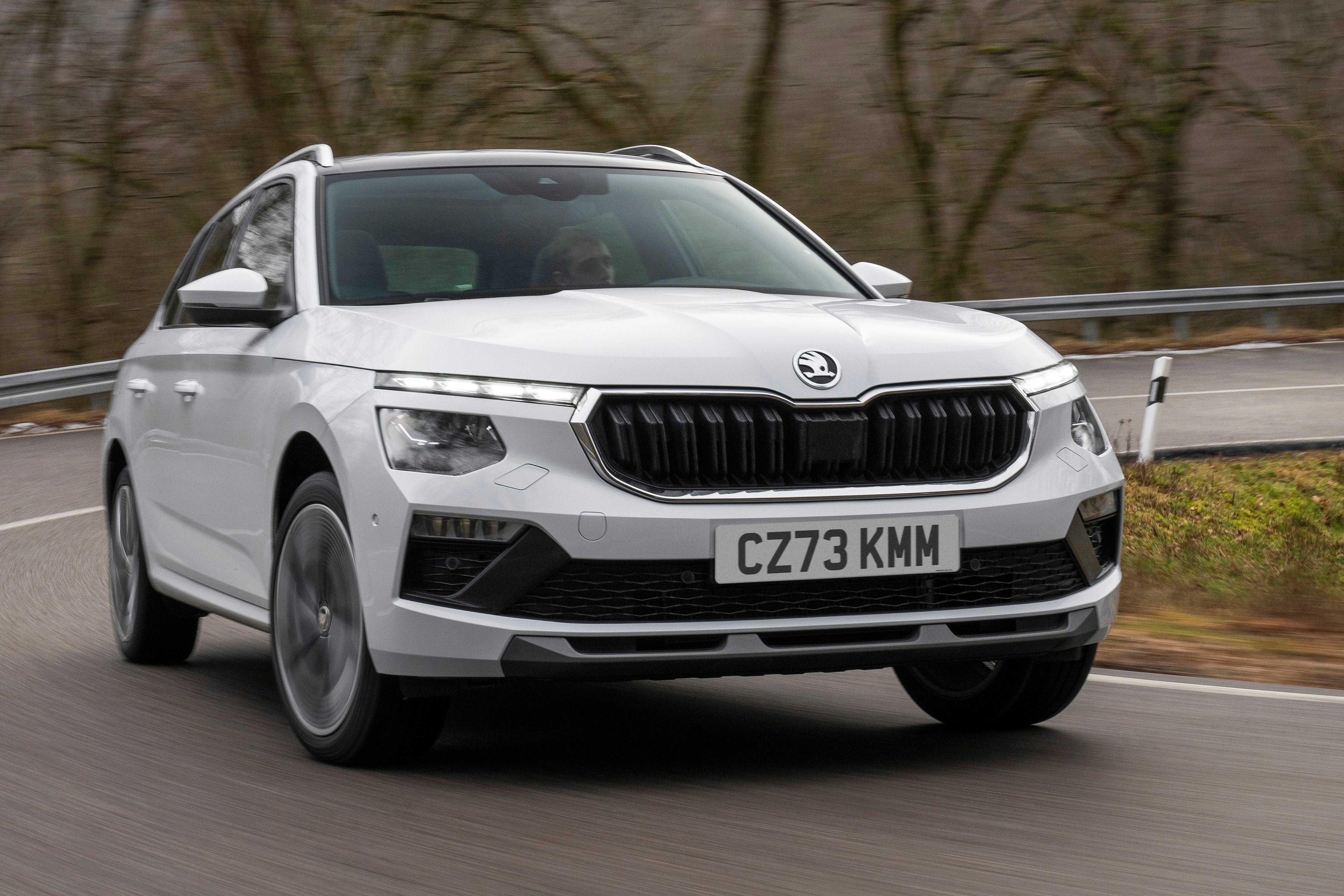
The main question is whether you get on with Peugeot’s i-Cockpit driving position, as the tiny steering wheel and high-mounted instruments won’t suit everyone. A Skoda Kamiq is more conventional and roomier in the back, but if you want a small SUV with plenty of character, the 2008 remains easy to recommend.
The Peugeot 2008 in more detail
The Peugeot 2008 has always stood apart from the more sensible-looking end of the small SUV market. Where cars such as the Skoda Kamiq and Volkswagen T-Cross put function first, the 2008 adds considerably more visual drama. That applies inside as well as out, where Peugeot’s unusual i-Cockpit layout makes it feel very different from most rivals.
This second-generation 2008 arrived in 2020 and received a substantial facelift in 2023. That brought a sharper front end, Peugeot’s newer three-claw light signature and updated technology, helping a design that was already fairly bold stay fresh.
Browse used Peugeot 2008s for sale →
The engine range has changed again since then. The latest entry-level model uses Peugeot’s new Turbo 100 three-cylinder petrol engine, while there’s also a more powerful 1.2-litre 130 automatic. Above those sits the Hybrid 145, which combines a petrol engine with a small electric motor and six-speed dual-clutch automatic gearbox. It doesn’t need plugging in and Peugeot says it can spend up to half of its time in electric mode during urban driving.
There’s an electric version as well, but our Peugeot E-2008 review covers that separately.
Whichever version you choose, practicality is respectable. The 434-litre boot is a useful size and there’s enough room for a small family, although rivals including the Škoda Kamiq make better use of their rear-seat space.
The biggest potential stumbling block remains the driving position. Peugeot expects you to look over its unusually small steering wheel at the instruments rather than through it. Some drivers love the arrangement, but others struggle to see the displays without putting the wheel somewhere that feels unnatural.
If it works for you, though, the 2008 combines style, technology and everyday usability unusually well.
What's the best Peugeot 2008 trim and engine option?
For most buyers, we’d start with the Hybrid 145 in Allure trim. It gives you the best combination of economy, everyday performance and equipment without pushing the 2008 unnecessarily far beyond £30,000. The Hybrid 145 doesn’t need plugging in and is officially capable of as much as 62.4mpg. It also suits the 2008 well around town, where the electric motor can take some of the workload away from the petrol engine. Peugeot says the hybrid can run electrically for as much as 50% of urban driving.
Allure already gets the 10-inch touchscreen, 10-inch digital instrument display, front and rear parking sensors and hands-free starting, so it doesn’t feel like a stripped-back entry model.
If price matters most, the new Turbo 100 is worth considering. It’s considerably cheaper and the latest engine now uses a timing chain rather than the wet timing belt associated with earlier Peugeot three-cylinder engines.
GT is the desirable middle ground, adding the 3D instrument display, full LED headlights and an HD reversing camera. GT Premium piles on considerably more luxury equipment, but it’s harder to justify purely on value.
What’s the price of the Peugeot 2008?
The Peugeot 2008 currently starts at £25,695 at full list price for the Allure Turbo 100. Moving to the Hybrid 145 pushes an Allure into the high £20,000s, while GT versions sit around the £30,000 mark. At the top of the petrol and hybrid range, the GT Premium 130 automatic is currently listed at £31,695 and the GT Premium Hybrid 145 at £32,445. There are also plenty of used Peugeot 2008s for sale for considerably less.
That puts the 2008 firmly in the heart of the small SUV market. It isn’t especially cheap, but its design and interior give it a more upmarket feel than many similarly priced alternatives.
Alternatives to the Peugeot 2008
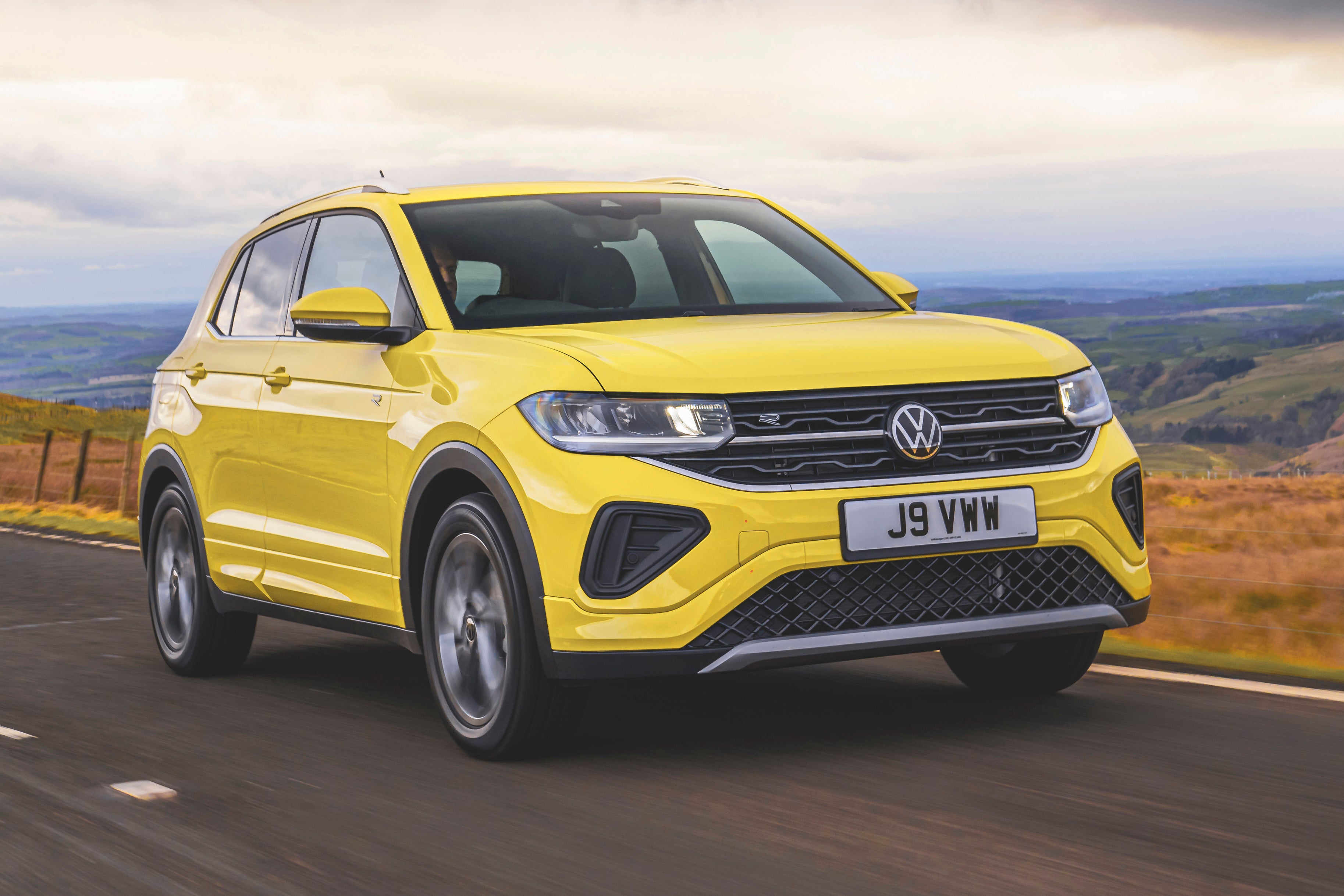
The Skoda Kamiq is one of the most sensible alternatives. It isn’t as adventurous to look at, but its conventional driving position, roomy interior and straightforward controls make it very easy to live with. The Volkswagen T-Cross follows a similar formula.
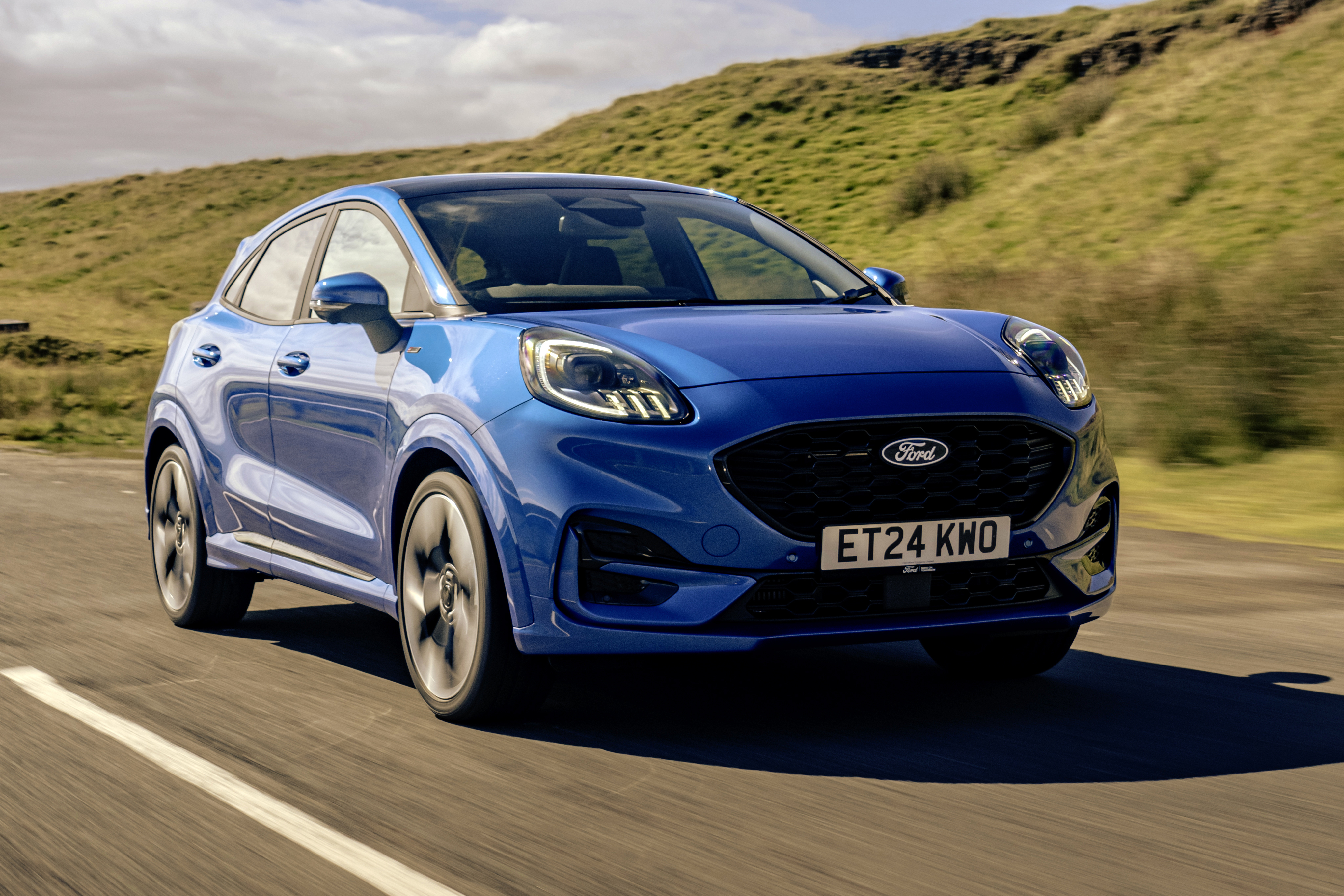
The Ford Puma remains a stronger choice if you put driving enjoyment near the top of your list. It feels more agile and entertaining on a country road, while still offering strong everyday practicality.
After a hybrid? Give the Renault Captur a look if you’re considering the Peugeot Hybrid 145. Its hybrid options give buyers another way of reducing fuel consumption without having to plug in, while its sliding rear seat gives it an advantage for interior flexibility. There’s also the Vauxhall Mokka, which shares much of its underlying engineering with the Peugeot but wraps it in very different styling.
The 2008’s main advantage over all of them is character. If you like its design and get on with the i-Cockpit, there’s plenty else to recommend it.
What's the interior like in the Peugeot 2008?
The Peugeot 2008 has one of the most distinctive interiors in the small SUV class. There’s a tiny steering wheel, high-mounted digital instruments and a dashboard that’s far more heavily styled than you’ll find in a Skoda Kamiq or Volkswagen T-Cross. A 10-inch touchscreen is standard, while GT and GT Premium get Peugeot’s eye-catching 3D digital instrument display.
There are plenty of interesting textures and shapes, too, so the cabin avoids feeling generic. The downside is ergonomics. You’re supposed to look over the steering wheel at the instruments and, depending on your height and preferred driving position, the wheel can obscure part of the display. It’s definitely something worth trying before you buy.
Peugeot 2008 boot space and practicality
The Peugeot 2008 is practical enough to work well as a small family car, even if it doesn’t set the standard for passenger space. There’s plenty of room in the front, with a decent range of adjustment for the seat and steering wheel. The relatively high seating position also gives you more of the elevated SUV feel that some buyers want, although getting the unusual i-Cockpit arrangement comfortable can take a bit of experimentation. Storage is good, with useful door bins, a centre console and various smaller spaces for phones and other odds and ends.
Rear-seat room is respectable rather than outstanding. Two adults can fit comfortably enough, and the wide-opening rear doors make access straightforward, but taller passengers may find knee room tight behind a tall driver. A Skoda Kamiq or Volkswagen T-Cross makes better use of its interior dimensions if maximum family space is your priority.
The boot is more impressive, with 434 litres with all five seats in use, expanding to 1,467 litres with the rear seats folded. That’s enough for a pushchair, weekly shopping or a reasonable amount of holiday luggage. There’s also an adjustable boot floor, which can reduce the step between the luggage compartment and folded rear seat backs.
Peugeot 2008 dimensions
The Peugeot 2008 measures 4,304mm long, 1,770mm wide and 1,523mm high, excluding its roof bars. The roof bars increase overall height to 1,550mm, while the width grows to 1,987mm with the door mirrors included. Its wheelbase is 2,605mm. It’s compact enough to be easy to use around town and fit into normal parking spaces and manages that without feeling tiny inside, although some similarly sized rivals squeeze more usable rear-seat room from their footprint.
Tech and infotainment in the Peugeot 2008
Technology is one of the Peugeot 2008’s stronger areas, especially in later facelifted cars. Every current car gets a 10-inch central touchscreen, along with a 10-inch digital instrument display. Wireless Apple CarPlay and Android Auto mean you don’t need to rely on Peugeot’s own interface for everything, either.
The system looks smart and its graphics are clear, although some everyday functions require more touchscreen interaction than we’d ideally like. Physical shortcut switches underneath the display help, but it still isn’t as straightforward as the simpler layouts you’ll find in some rivals.
Allure uses a conventional digital instrument panel. Move up to GT and Peugeot adds its 3D i-Cockpit display, which creates a layered effect by projecting key information in front of other graphics. It looks impressive, although the basic ergonomic issue remains: you need to be able to see the display comfortably over the small steering wheel.
GT also adds an HD reversing camera and full LED headlights, but GT Premium is where the technology list becomes much more extensive. The Navigation Pack adds connected navigation, while the Drive Assist Plus Pack brings more sophisticated driver assistance. Current GT Premium models also add equipment including a front camera and wireless phone charging.
Overall, there’s plenty of technology here. Just make sure you’re happy with the i-Cockpit arrangement before committing.
Materials available on the Peugeot 2008
The Peugeot 2008 mixes several different materials and textures rather than relying on a conventional flat dashboard design. Current Allure models use Peugeot’s Casual Lomsa tri-material upholstery, combining embossed fabric, cloth and leather-effect sections. GT changes the look with its own trim treatment and current examples use a combination of Capy leather-effect material and Belomka cloth, along with ambient interior lighting.
GT Premium makes the biggest material upgrade. Its standard Alcantara Pack introduces Alcantara to the upholstery, alongside additional comfort features such as heated front seats. It also gets 18-inch wheels and extra equipment that helps distinguish it from GT.
There are harder plastics lower down the cabin, as you’d expect in this class, but Peugeot has put most of the more decorative materials where they’re most visible.
What's the Peugeot 2008 like to drive?
The Peugeot 2008 is easy to drive and feels well suited to everyday use. Its steering is light, the compact dimensions make it simple to place around town and there’s enough suspension compliance to keep longer journeys comfortable.
It isn’t the most entertaining small SUV, though. The Ford Puma has more communicative steering and feels more eager on a twisting road, while the 2008 majors on being polished and predictable.
The Hybrid 145 suits that character particularly well, with its automatic gearbox and electric assistance making stop-start driving easier. The Turbo 100 is perfectly adequate if you want to keep the price down, while the 130 automatic gives you stronger petrol performance without moving to the hybrid.
Peugeot 2008 range and performance
There are currently three main petrol and hybrid powertrains in the UK 2008 range. The Turbo 100 is a 1.2-litre three-cylinder petrol engine producing around 101PS and 205Nm of torque. It uses a six-speed manual gearbox and takes around 10.8 seconds to reach 62mph. It’s a heavily revised engine, with more than 70% new parts by value and, importantly, a timing chain in place of the previous wet belt.
Next is the 1.2 130 EAT8, which produces around 131PS and 230Nm. It uses an eight-speed automatic gearbox and cuts the 0–62mph time to about 9.2 seconds. It’s a useful choice if you want conventional petrol power but don’t want a manual gearbox.
The quickest and most efficient combustion-engined 2008 is the Hybrid 145. Its petrol engine and electric motor produce a combined 145PS, sent through a six-speed dual-clutch automatic transmission. It reaches 62mph in around 8.3 seconds. The hybrid’s electric motor does more than simply assist acceleration. Its small battery recharges while you drive, and Peugeot says the car can spend up to 50% of urban driving time running electrically. There’s no cable and no need to plug it in. For most people, it’s the engine that best suits the 2008.
There’s an E-2008 as well, but we cover the fully electric version separately.
Performance data
| Model | Engine/battery size | Power | 0-62mph | Range/MPG |
|---|---|---|---|---|
2008 Turbo 100 | 1.2-litre | 101PS | 10.8 seconds | Up to 54.5mpg |
2008 1.2 130 EAT8 | 1.2-litre | 131PS | 9.2 seconds | Up to 48.5mpg |
2008 Hybrid 145 | 1.2-litre | 145PS | 8.3 seconds | Up to 62.4mpg |
Peugeot 2008 driving and refinement
The Peugeot 2008 is particularly easy to manage around town. The steering is light, visibility is generally good and its compact exterior dimensions mean it doesn’t feel cumbersome in tighter streets or car parks. The small steering wheel also makes the car feel keen to change direction. It’s more agile than some small SUVs, although that doesn’t necessarily make it the class benchmark for driving fun. A Ford Puma gives you more feedback and feels more entertaining on a flowing country road.
Ride comfort is decent rather than exceptional. The 2008 generally deals with rough surfaces well enough, but versions on larger wheels can feel a little firmer over sharp edges and broken urban roads. A Škoda Kamiq has a slightly calmer character if outright comfort matters more than styling.
The engines suit different uses. The Turbo 100 is best viewed as the affordable option. It has enough performance for normal driving but needs working harder when the car is loaded or you’re joining a fast motorway. The 130 automatic feels more relaxed at higher speeds, while the Hybrid 145 works particularly well in stop-start traffic. Electric assistance lets it pull away quietly and smoothly, and there’s no need to think about charging.
Refinement is generally good for the class. Wind and road noise are well controlled at a cruise, and the 2008 feels sufficiently grown-up for regular motorway trips.
The six-speed manual gearbox is one of the weaker elements. Its shift isn’t particularly crisp, so if your budget stretches far enough, one of the automatic versions is easier to recommend.
How safe is the Peugeot 2008?
Independent safety organisation Euro NCAP tested the Peugeot 2008 in 2019, when it received two separate ratings. Cars with the standard European safety equipment earned four stars, while versions fitted with Peugeot’s optional Safety Plus Pack achieved five stars. It’s important to put that into context in 2026. Euro NCAP ratings are valid for up to six years, and the 2008’s result is now officially marked as expired. That doesn’t mean the car has suddenly become unsafe, it just means the test standards have moved on significantly since 2019.
Current versions have active safety technology including autonomous emergency braking and lane assistance, while GT Premium’s Drive Assist Plus Pack adds more sophisticated driver assistance.
Running costs: What it's like to live with a Peugeot 2008
Running costs depend quite heavily on which 2008 you choose. The Hybrid 145 is the economy champion, officially returning as much as 62.4mpg, while the petrol engines generally sit in the mid-40s to mid-50s.
The new Turbo 100 should also be cheaper to maintain than its predecessor. Peugeot has replaced the old wet timing belt with a timing chain and extended the full-service interval to two years or 16,000 miles, although there’s still an annual interim check.
Peugeot 2008 fuel economy
The Hybrid 145 is the most economical petrol-powered 2008, with an official combined figure of up to 62.4mpg. The new Turbo 100 manages up to 54.5mpg, depending on specification, while the 130 automatic is rated at up to 48.5mpg .
That gives the hybrid a distinct advantage, particularly if much of your driving takes place in town, where it can make greater use of its electric motor.
Peugeot 2008 warranty and servicing
The Peugeot 2008 comes with a three-year/60,000-mile warranty. Mileage is unlimited during the first two years, with the 60,000-mile limit applying during year three. Peugeot also offers paid warranty extensions once the standard cover ends. The company's longer Peugeot Care programme is currently reserved for eligible fully electric models, including the E-2008, rather than the petrol and hybrid versions covered here.
Servicing varies by engine. The new Turbo 100 is unusual because Peugeot specifies a full service only every two years or 16,000 miles, with an interim check each year. Peugeot currently specifies annual servicing for its other petrol and hybrid powertrains, so check the exact schedule for the version you’re buying.
Peugeot 2008 insurance groups
Insurance should be reasonably manageable by small-SUV standards, although there’s a noticeable difference between versions. The entry-level 100PS car sits at around group 15, while the 130PS GT Premium is around group 21. At the other end of the range, the Hybrid 145 GT Premium reaches group 24.
How much does it cost to tax a Peugeot 2008?
The Peugeot 2008 now costs £200 a year in VED after year one, which is the current standard annual rate for petrol and hybrid cars.
Petrol and hybrid models are measured against the £40,000 Expensive Car Supplement threshold, but the Peugeot 2008 range currently sits below that.
In simple terms, tax should be straightforward here and the 2008 avoids the expensive-car surcharge in normal form.
What trims are available with the Peugeot 2008?
The current Peugeot 2008 range consists of Allure, GT and GT Premium. Earlier versions were also offered in Allure Edition trim.
Allure is the sensible choice and comes well equipped for an entry-level model. Standard kit includes 17-inch alloy wheels, a 10-inch touchscreen, wireless Apple CarPlay and Android Auto, a 10-inch digital driver display, front and rear parking sensors, automatic climate control and hands-free starting.
GT is the sweet spot if you want a sharper look and more technology. It adds full LED headlights, Peugeot’s 10-inch 3D digital instrument display, an HD reversing camera, a contrasting black roof, ambient lighting and upgraded interior trim.
At the top of the range, GT Premium focuses more on comfort and luxury. It brings 18-inch alloy wheels, Alcantara upholstery, navigation, wireless phone charging, heated front seats and an electrically adjustable driver’s seat with massage. You also get the Drive Assist Plus Pack, including adaptive cruise control and lane positioning assistance, plus front and rear cameras.
For most buyers, Allure has everything you really need, but GT is the best-balanced choice if you want the 2008 to feel a little more upmarket.
Ask the Drive experts: common questions
Is the Peugeot 2008 a good small SUV?
Which Peugeot 2008 is best?
Is the Peugeot 2008 bigger than a hatchback?
Is the Peugeot e-2008 worth considering?
Get our latest advice, news and offers
Keep me updated by email with the latest advice, news and offers from Drive.
.jpg)
.jpg)
.jpg)