Mazda CX-80 Review

Written By Phil Hall
- 2024
- SUV
- Plug-in hybrid, diesel
What we love
Efficient plug-in hybrid
Superb cabin quality
Plentiful passenger space
Things to consider
Diesel feels out of step with modern buyer priorities
Too much body lean in bends
PHEV petrol engine gets noisy when worked hard
The DRIVE take on the Mazda Cx 80, is it the right car for you?
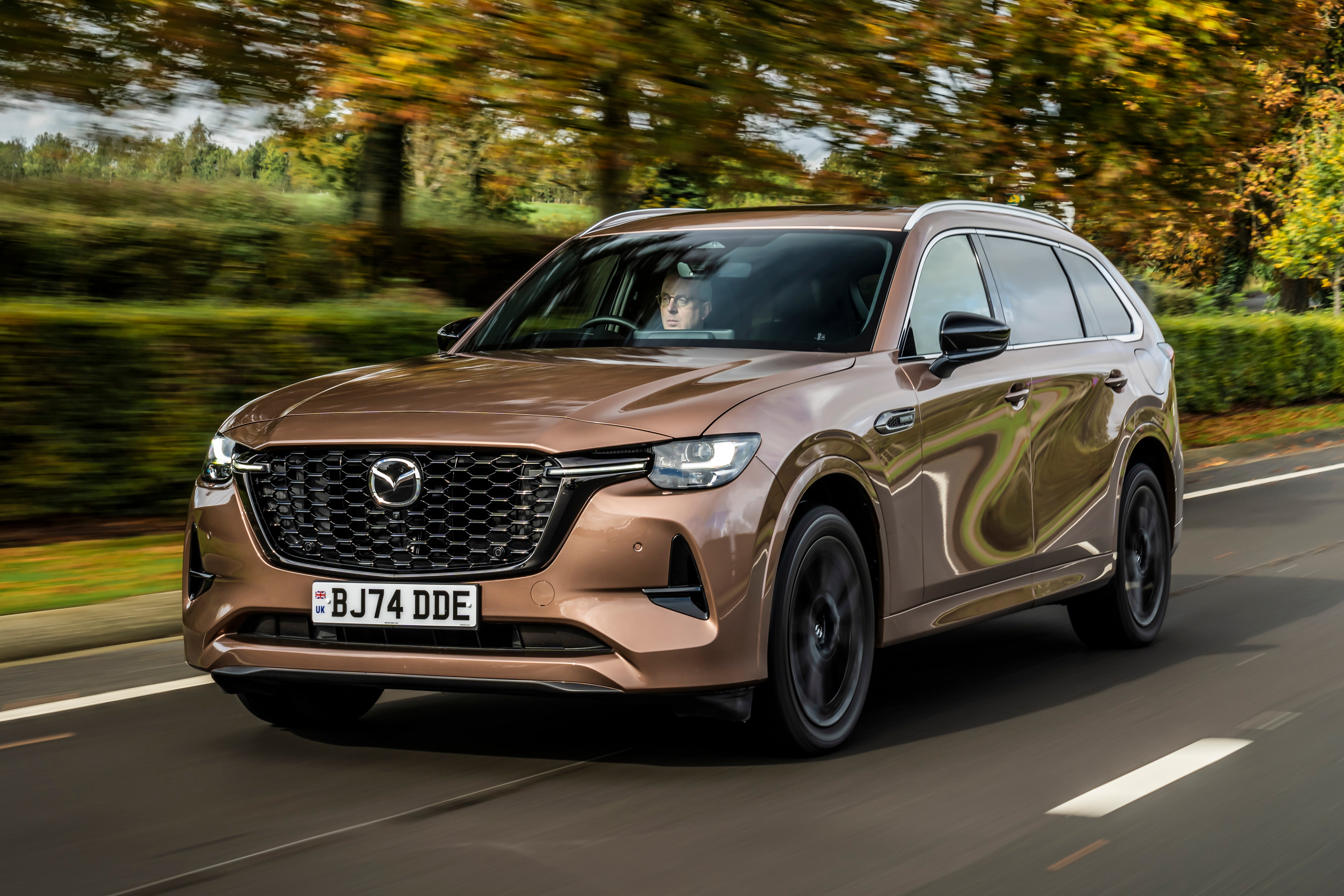
The Mazda CX-80 is a strong choice if you want a large SUV with a premium feel, seven-seat flexibility and a cabin that genuinely punches above the badge. It looks classy, feels beautifully made and offers enough passenger space to work as a proper family seven-seater.
The plug-in hybrid is the version most buyers will want, especially if they can charge at home and take proper advantage of the electric range. The diesel still has appeal for long-distance drivers and towers, but the CX-80 makes the most sense as a plush, efficient family SUV rather than as a traditional heavy-duty tow car.
The Mazda Cx 80 in more detail
Mazda is no stranger to the SUV market, so it makes perfect sense for it to top its range with the CX-80. Using the same undergarments as the CX-60, the CX-80 is stretched by 250mm between the wheels to create enough space inside for a third row of seats.
As a seven-seater, or a six-seat car with a choice of two layouts, the Mazda CX-80 is in contention with some of the biggest and best SUVs on the market. There's everything from the Hyundai Santa Fe and Kia Sorento to the Land Rover Discovery and Volvo XC90. The likes of of the BMW X5 and Mercedes GLE are, perhaps, a step further upmarket, but the Mazda undoubtedly has the build quality to bear comparison with these potential rivals.
As you'd expect, Mazda has also gone with a plug-in hybrid powertrain for the CX-80 to put it on level terms with all of its competitors. This uses a 2.5-litre four-cylinder engine mated to a 129kW motor that deliver a combined 327PS and impressive 500Nm of shove. The upshot is a claimed 176.6mpg average economy and EV driving range of up to 38 miles.
The Mazda CX-80 PHEV will be the car that appeals to company drivers and anyone with even half an eye on fuel costs. Or, you could opt for the 3.3-litre turbodiesel engine. Yup, Mazda has bucked the trend and gone for a big diesel motor, albeit with mild hybrid assistance from a 17PS electric motor.
For anyone who needs to tow up to 2500kg, the Mazda CX-80 3.3D will hold some appeal. However, it's a very small pool of buyers and they are served by some rivals that have a significantly higher towing capacity, such as the Land Rover Defender and Discovery. The Mazda CX-80 PHEV has the same maximum towing capacity as the diesel but we suspect it won't feel as at ease with such duties.
It may leave you wondering where the Mazda CX-80 fits into its class, then. However, take a seat inside and you soon realise the Mazda has plenty to offer in comfort, space and superb quality. The interior is put together with Savile Row attention to detail, while the infotainment is pleasingly easy to work - unlike many we could mention in this sector.
You can have the Mazda CX-80 as a traditional seven-seater, with a 2-3-2 layout, or with three rows of two seats and the option of a walk-through space between the middle row pews. Every seat offers excellent space and support, while the boot is just about big enough to carry some shopping or the family dog. Just don't buy one if you own a St Bernard...
A bit like Schnorbitz the dog (look him up), the Mazda CX-80 is more about comfort than fleet-footed dynamics. Where the shorter CX-60 is undeniably nimble and good to drive, the transition into the CX-80 with its extra length has lost much of that. There's a little too much lean in bends and too little steering feel for the Mazda to be considered alongside a BMW X3.
Choose the diesel version of the Mazda CX-80 and its ride is also firm, almost erring towards harsh on more ruptured surfaces. In the PHEV model, it's more compliant and a little more agile when turning into bends. However, use the full power on offer from the PHEV and its 2.5-litre engine becomes coarse and noisy.
All of this leaves the Mazda CX-80 in a bit of a quandary. Not quite posh enough to live with Audi, BMW and Mercedes-Benz large SUVs and not as good to drive as many others in the class, or Mazda's own CX-60. Its saving grace is the comfort and class of the interior, which few can match at an price.
What's the best Mazda Cx 80 trim and engine option?
Much as we like the smooth, effortless urge of the 3.3-litre six-cylinder turbodiesel engine, it's hard to look past the 2.5-litre PHEV model with its low emissions and impressive combined economy figure. This model also handles more nimbly and rides bumps with greater refinement than its diesel counterpart. As for trim, the Homura offers a lengthy equipment list and decent value.
What’s the price of the Mazda Cx 80?
The Mazda CX-80 range starts at £49,670 for the 2.5 PHEV Exclusive-Line. Homura starts at £52,820, Takumi from £53,777 and the upper Homura Plus and Takumi Plus versions rise to £55,470 and £56,420 respectively in PHEV form. Choosing the diesel adds £2,535 to Exclusive-Line, Homura and Takumi, and £2,745 to Homura Plus and Takumi Plus.
That means the cheapest CX-80 just slips in under £50,000, while the priciest cars push to just over £59,000. It is a lot of money, but the Mazda still looks competitive next to premium-badge SUVs with similar space, equipment and power.
The bigger point is that the CX-80 feels expensive in a good way. It does not rely on being cheap to make sense.
Alternatives to the Mazda Cx 80
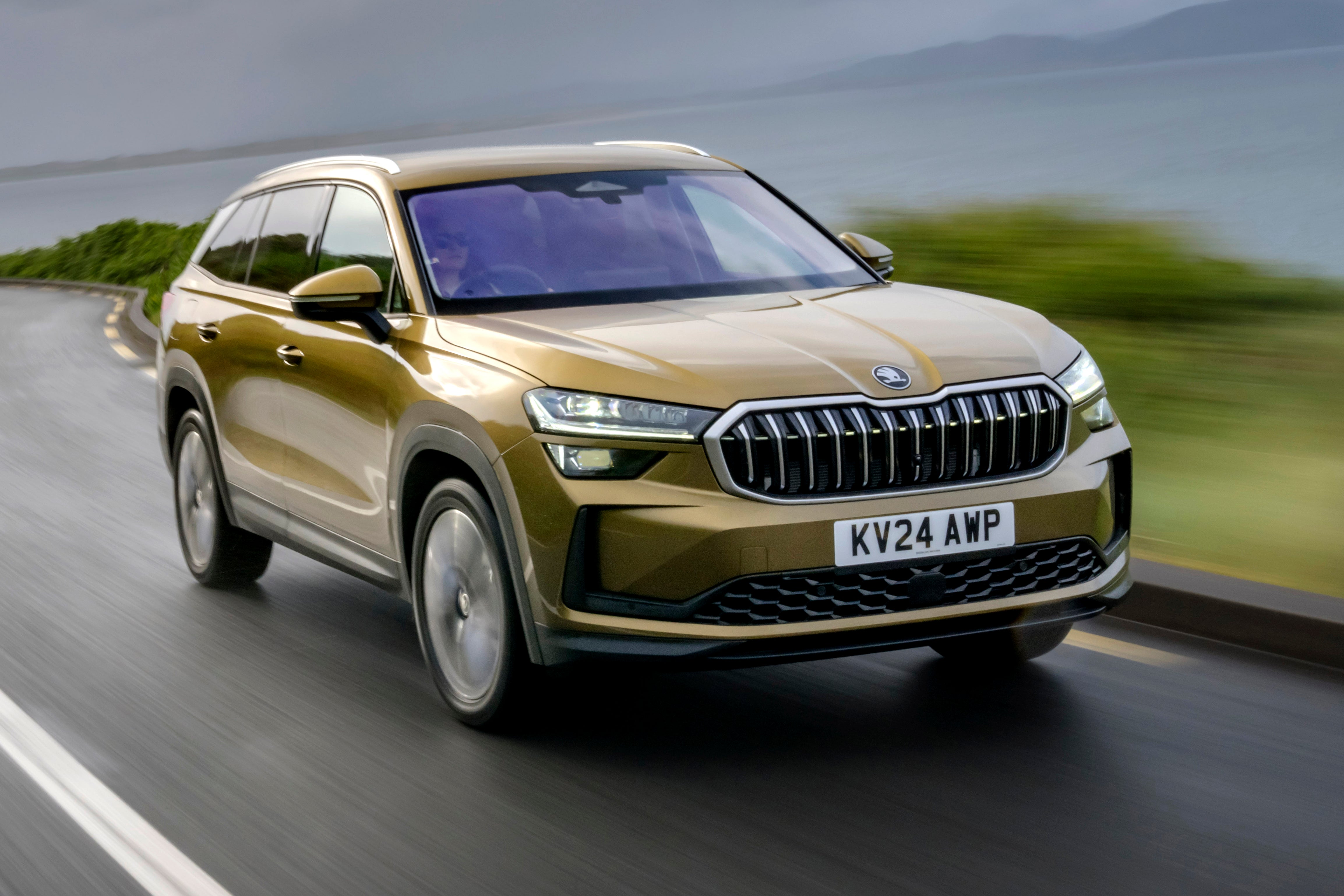
There is no shortage of strong alternatives in the large-SUV class. The Hyundai Santa Fe and Kia Sorento are two of the most obvious, while the Skoda Kodiaq and Peugeot 5008 also deserve a look if space and family usefulness matter most.
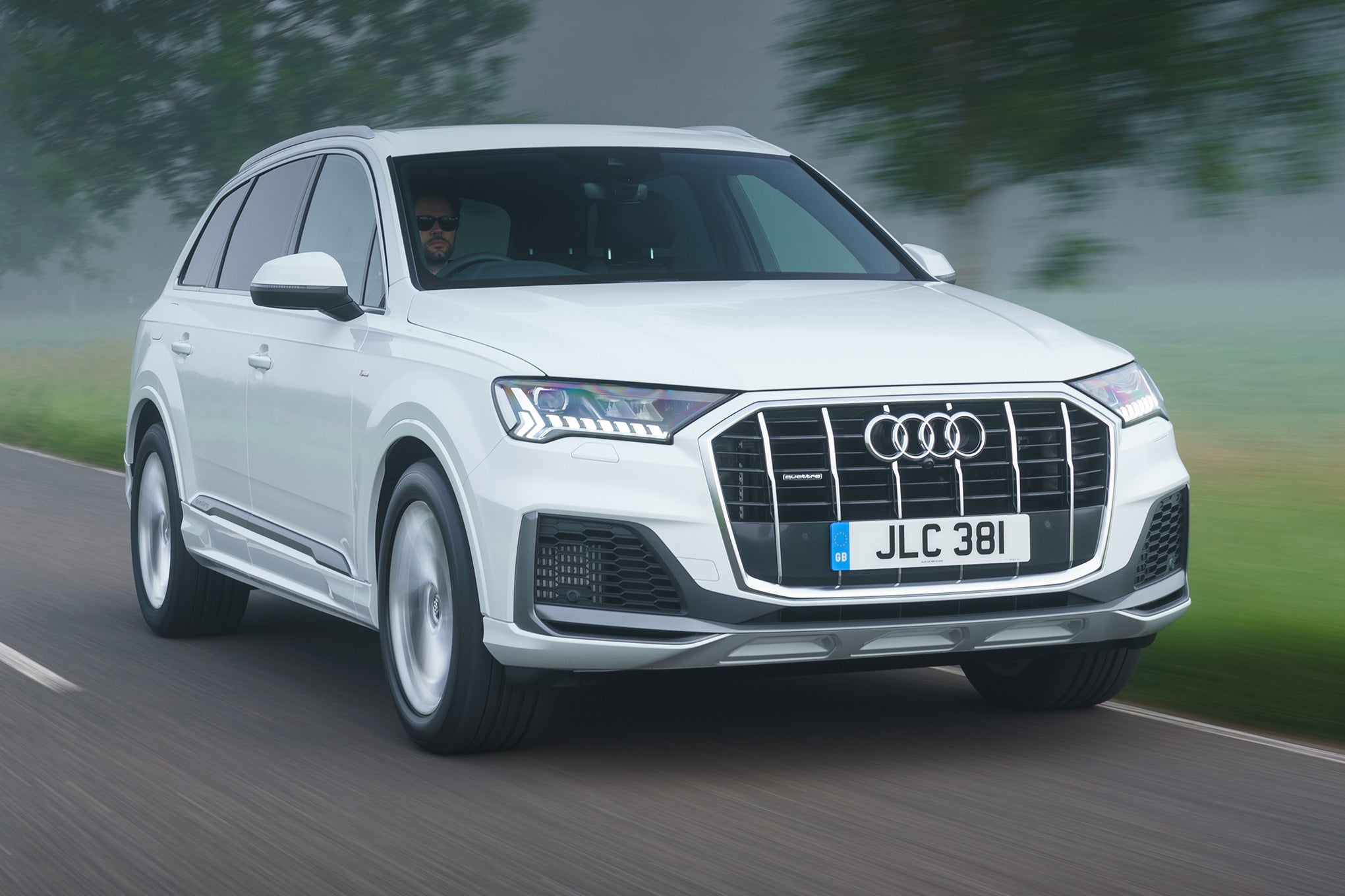
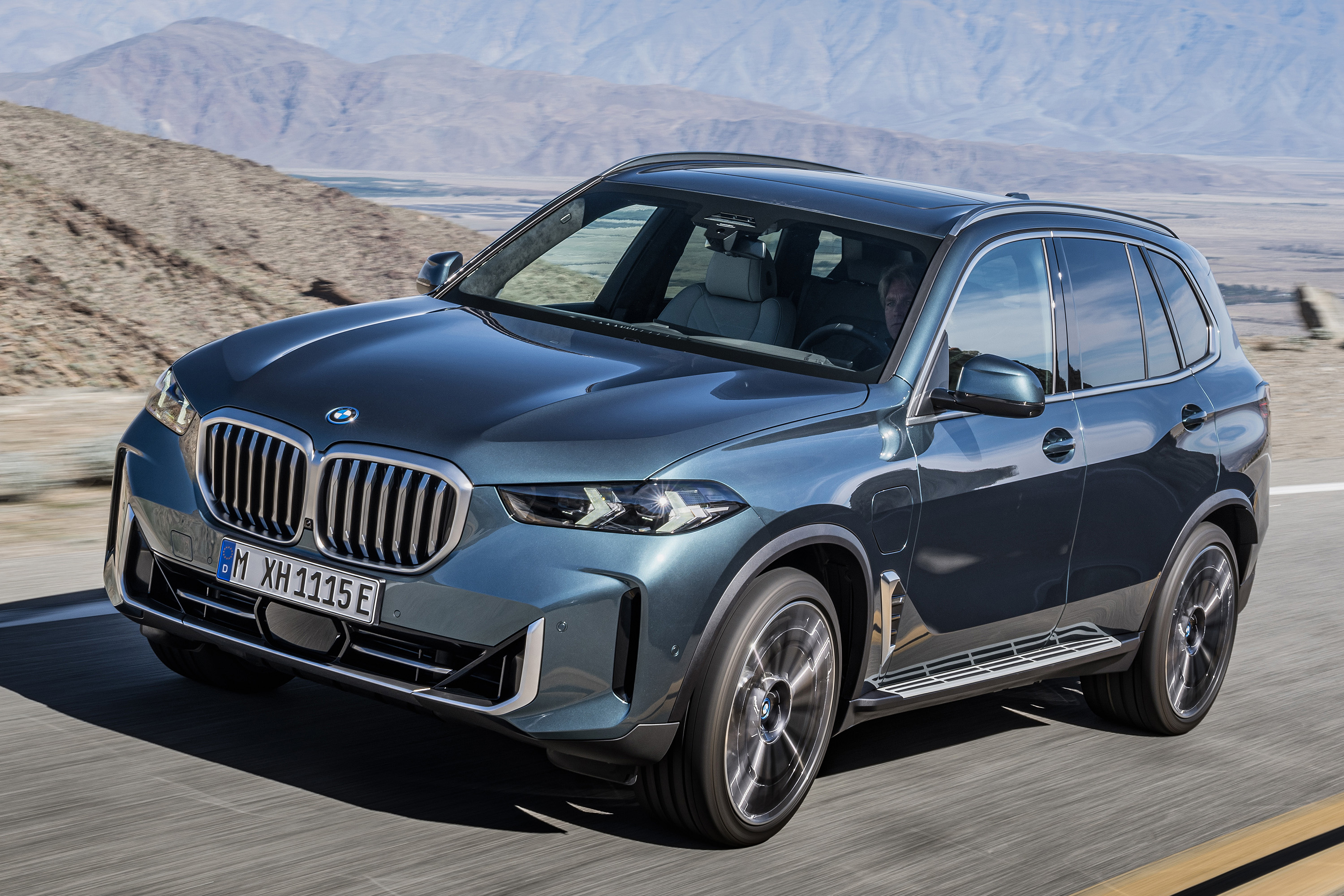
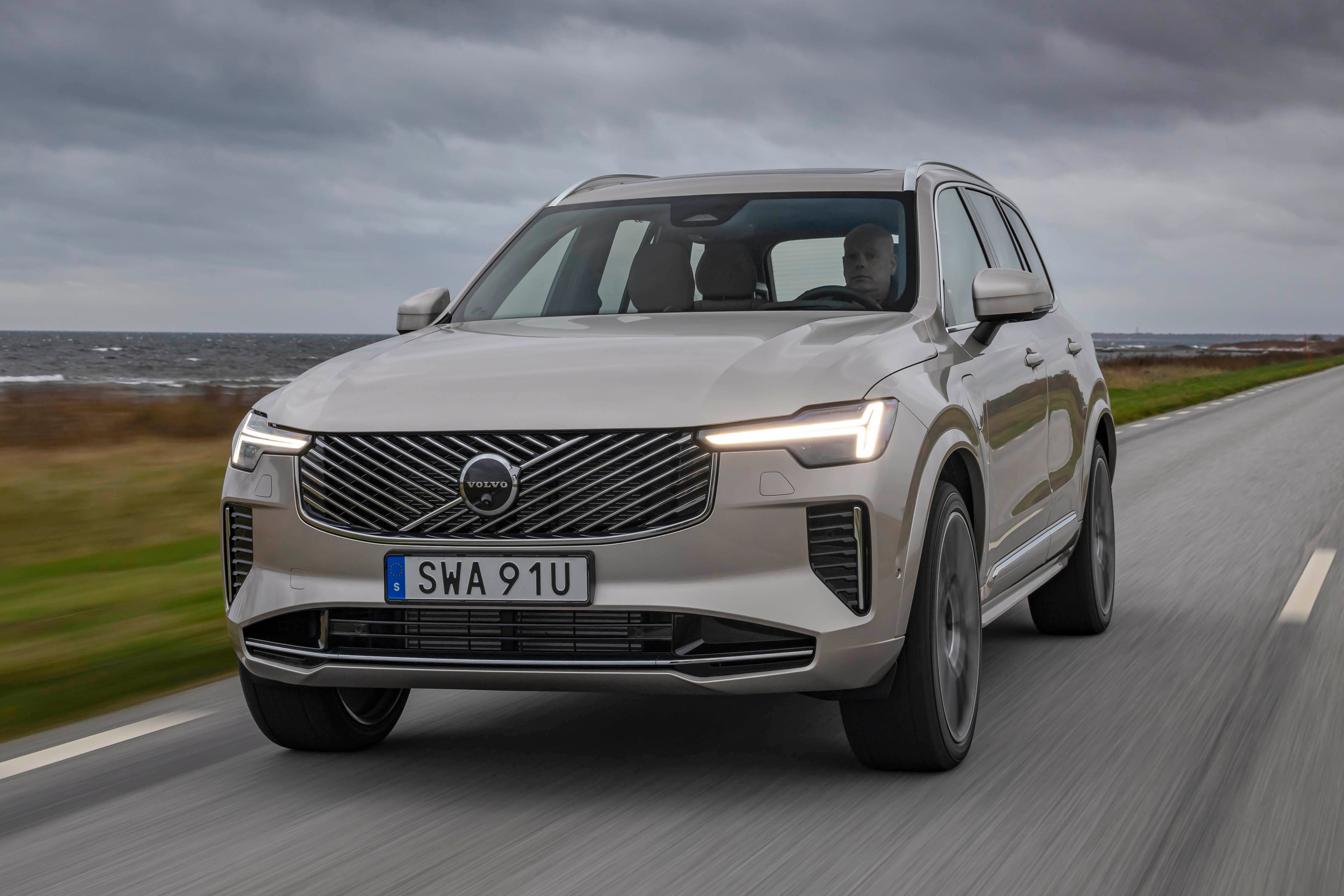
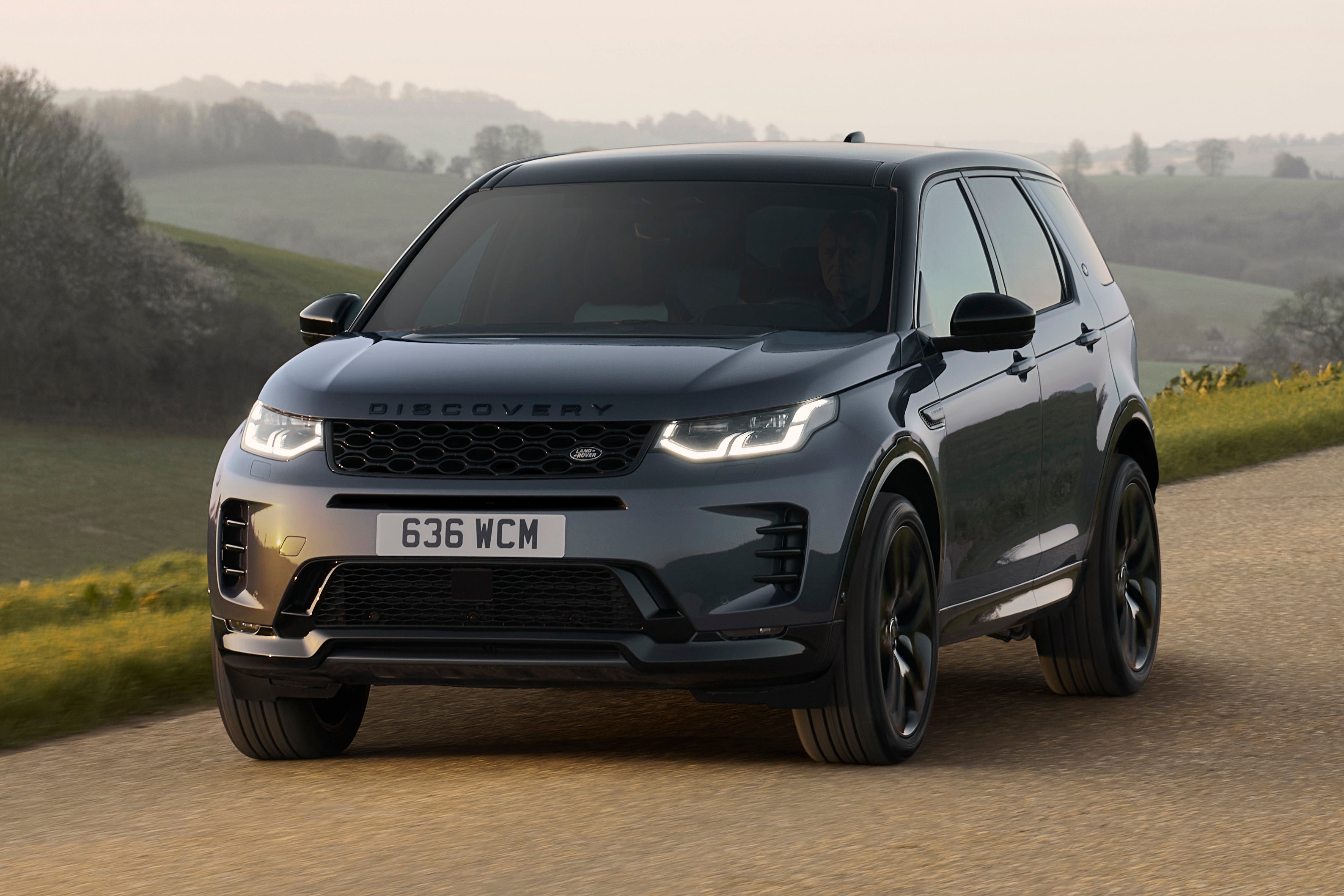
If you want something more overtly premium, then the Volvo XC90 and Land Rover Discovery Sport are natural rivals, while the BMW X5 and Audi Q7 sit slightly higher up the ladder.
The Mazda’s angle is clear enough. It offers the quality and polish of something more premium than a mainstream seven-seater, but generally for less money than the obvious premium-badge choices.
What's the interior like in the Mazda Cx 80?
Mazda is a master at mixing easy to use functional design with a style that appeals to both the eye and touch. Everything is made with a car and precision that adds to the ownership experience, and the CX-80 offers plenty of space for all its occupants.
Mazda Cx 80 boot space and practicality
One of the reasons many buyers choose a large SUV is for passenger space and flexibility, and the CX-80 does a very good job here. There is ample room in the second row whether you choose the standard seven-seat layout or the six-seat configuration with captain’s chairs. In either setup, the CX-80 feels every inch a large family SUV rather than merely a stretched five-seater.
Access to the third row is helped by the long rear doors and the way the second-row seats slide and tip forward. Adults can climb into the third row without too much drama, which is not something you can say about every seven-seat SUV. Once back there, headroom is generous, although the raised floor means knee position is not especially comfortable for very long trips. For children, though, the third row works very well, and Mazda has usefully given those passengers their own vents and cupholders.
Boot space depends heavily on how many seats you are using. With all seven seats in place, there are 258 litres available, which is enough for a few shopping bags or soft bags rather than a full family holiday’s worth of luggage. Fold the third row and capacity rises to 687 litres, which is a much more useful figure and competitive for the class. Fold all of the rear seats and you get up to 1,971 litres, including the underfloor storage area.
Against rivals, the Mazda does well overall. It feels more generously packaged than some premium alternatives and more polished inside than many mainstream seven-seaters, even if cars such as the Kia Sorento and Skoda Kodiaq still make strong cases on outright family practicality.
Mazda Cx 80 dimensions
The Mazda CX-80 measures 4,995mm long, 2,134mm wide including mirrors and 1,710mm high.
That puts it firmly in the large-SUV class and explains why it can accommodate six or seven people with relative ease.
Tech and infotainment in the Mazda Cx 80
Every CX-80 gets an excellent 12.3-inch infotainment display. It can be used as a touchscreen when stationary, but on the move you use Mazda’s rotary controller. Far from being a nuisance, it quickly becomes one of the car’s strengths because it is so intuitive and precise.
The screen itself has pin-sharp graphics, the menus are logical and the overall system is refreshingly easy to work with. Apple CarPlay, Android Auto and useful connected features are all included. Higher trims also get the excellent 12-speaker Bose sound system.
At this price point, it is a pity that wireless phone charging is reserved for the upper end of the range rather than being fitted more widely, but the overall tech experience is still very strong.
Materials available on the Mazda Cx 80
The CX-80’s interior finish is superb. Everything feels solid, carefully fitted and more expensive than you might expect from the badge. The materials are generally plush and the controls all have Mazda’s typical precision.
There is a huge amount to like here. If you compare it with mainstream rivals such as the Sorento or Santa Fe, the Mazda feels notably more premium. It is one of the strongest cabins in the class at this price.
What's the Mazda Cx 80 like to drive?
The CX-80 is more about comfort and calm than agility. It is not a bad car to drive, but it does not have the tidy, keen edge of the smaller CX-60, and it never really feels like something you would pick for enjoyment.
Mazda Cx 80 range and performance
The CX-80 is offered with two very distinct powertrains. The first is the 2.5-litre plug-in hybrid, which combines petrol and electric power for a total of 327PS and 500Nm. It feels the quicker of the two, officially covering 0-62mph in 6.8 seconds, and can travel up to a claimed 38 miles on electric power alone.
The second is the 3.3-litre turbodiesel. It has mild-hybrid assistance rather than true EV capability, and while its 0-62mph time of 8.4 seconds is not especially eye-catching, that figure undersells how smoothly and effortlessly it gathers speed. It feels very old-school in a good way, delivering power in a cultured, unhurried manner.
Both versions use the same eight-speed automatic gearbox and all-wheel drive is fitted throughout the range.
For most buyers, the PHEV is still the engine that makes the strongest case, but the diesel remains appealing if you do serious motorway mileage or tow regularly.
Performance data
| Model | Engine/battery size | Power | 0-62mph | Range/MPG |
|---|---|---|---|---|
CX-80 PHEV | 2.5-litre | 327PS | 6.8 seconds | 176.6mpg / up to 38 miles EV |
CX-80 3.3D | 3.3-litre | 254PS | 8.4 seconds | Up to 49.6mpg |
Mazda Cx 80 driving and refinement
In fitting the CX-80 with two very different powertrains, Mazda has effectively given its large SUV two different driving characters.
The PHEV is the more convincing version dynamically. It turns into bends more keenly than you might expect from a big seven-seat SUV and delivers a decent amount of steering feel. It also rides bumps more sweetly than the diesel, even if it is not quite as plush as a Volvo XC90 or Kia Sorento.
The diesel, by contrast, feels heavier and less poised. It is the rougher-riding car over poor surfaces and the one that encourages a more leisurely driving style. It still grips well enough, but there is more lean and less sense of precision.
For refinement, the roles reverse slightly. The diesel is the quieter, more cultured motorway companion, while the PHEV’s four-cylinder petrol engine becomes too rowdy when pushed hard. In EV mode the PHEV is more appealing, so it is definitely worth keeping the battery charged if you can.
How safe is the Mazda Cx 80?
The Mazda CX-80 received a five-star Euro NCAP rating, with especially strong scores for adult and child occupant protection. That is backed up by a healthy amount of standard safety kit.
Every CX-80 gets a strong list of driver-assistance systems, including lane-keep assist, blind-spot assist, automatic emergency braking, front and rear cross-traffic alert, driver fatigue monitoring, traffic sign recognition and hill descent control.
There is also an optional Convenience and Safety Pack, which adds the 360-degree camera, trailer camera, adaptive LED headlights and Mazda’s more advanced cruising and traffic support systems.
Running costs: What it's like to live with a Mazda Cx 80
The CX-80 should be reasonably manageable to live with for a large SUV, but it is not a cheap one. Insurance sits in the upper 30s, and every version is expensive enough to attract the Expensive Car Supplement, so annual tax is higher than on cheaper family SUVs. The PHEV will make most sense for company drivers and home chargers, while the diesel still suits regular towing and big motorway mileage. Mazda’s three-year, 60,000-mile warranty is only average for this class, although the PHEV battery gets separate eight-year, 100,000-mile cover.
Mazda Cx 80 fuel economy
The plug-in hybrid is the most efficient version on paper, with Mazda quoting 176.6mpg and an electric-only range of up to 38 miles. As ever with a PHEV, that figure only really makes sense if you charge regularly and use the battery properly. If you do not, economy drops sharply once the petrol engine is doing most of the work. The diesel is easier to understand in real-world terms, with up to 49.6mpg officially and the sort of long-distance efficiency that still suits high-mileage drivers. For most buyers, the PHEV is the better fit, but only if they can make use of its plug-in capability.
Mazda Cx 80 warranty and servicing
Mazda’s newer warranty package gives the CX-80 a stronger long-term ownership story than it had at launch. Cars registered from 1 September 2025 are covered for six years or 100,000 miles, while the plug-in hybrid’s high-voltage battery has separate protection for eight years or 100,000 miles.
Routine maintenance is due every 12 months or 12,500 miles. That is fairly typical for the class, but the combination of regular servicing and much longer warranty cover should make the CX-80 more reassuring for family buyers planning to keep the car beyond the usual three-year ownership cycle.
Mazda Cx 80 insurance groups
Insurance groups run from 37 for the Exclusive-Line in either PHEV or diesel form up to 39 for the Plus models.
That means the Mazda is not cheap to insure, but it is broadly where you would expect a large, powerful SUV like this to sit.
How much does it cost to tax a Mazda Cx 80?
The CX-80 pays the standard annual VED rate of £200 from year two. Because its list price is above £40,000, it is also liable for the Expensive Car Supplement of £440 in years two to six, making the annual total £640 in that period.
What trims are available with the Mazda Cx 80?
The CX-80 line-up starts with Exclusive-Line, which rides on 18-inch alloy wheels and already gets a healthy amount of standard kit. That includes all-round parking sensors, rain-sensing wipers, automatic headlights, roof rails, a reversing camera and a powered tailgate.
Inside, the Exclusive-Line gets black leather upholstery, heated front seats, the 12.3-inch infotainment screen, cruise control, climate control and the head-up display. It is one of those entry-level cars that still feels properly complete.
Homura builds on that with black-painted 20-inch alloy wheels, black exterior detailing, black Nappa leather, electric front-seat adjustment, ambient lighting and the Bose sound system. It is the trim that best balances price and luxury.
Homura Plus adds the 360-degree camera, adaptive LED headlights, panoramic glass roof, privacy glass, wireless phone charging and Mazda’s more advanced cruising and traffic-support tech.
Takumi shifts the tone away from Homura’s darker, sportier look and moves the CX-80 in a more luxury-led direction. It gets White Maple leather upholstery and matching trim, plus heated outer second-row seats.
Takumi Plus then adds the same key upgrades as Homura Plus, giving you the fullest equipment count in the range.
Ask the Drive experts: common questions
How much does the Mazda CX-80 cost?
What’s the maximum electric range of the Mazda CX-80 PHEV?
Is the Mazda CX-80 practical?
What is the best Mazda CX-80 version?
Get our latest advice, news and offers
Keep me updated by email with the latest advice, news and offers from Drive.